
Winter Paw Care for Dogs: Cold, Snow and Ice Melt Guide
Cracked pads, ice melt burns, booties and wipe-downs, your complete winter paw care guide for dogs in cold, snowy conditions.

Cracked pads, ice melt burns, booties and wipe-downs, your complete winter paw care guide for dogs in cold, snowy conditions.
Top TLDR: Creating signature drinks for your dog park bar is one of the most cost-effective ways to build brand identity, generate
Top TLDR: Designing the perfect dog park bar layout requires separating play and social zones while keeping clear sightlines between them so
Top TLDR: Hosting events at dog park bars is one of the most reliable ways to build community loyalty, drive repeat visits,

Top TLDR: Alcohol licensing for dog park bars requires navigating complex state regulations ranging from $1,000 beer/wine licenses to $300,000+ full liquor
Top TLDR: Flooring options for indoor dog parks must balance durability, traction, joint protection, and cleanability, with sealed polished concrete, rubber flooring,

An off-leash dog bar is a supervised, fully fenced venue where dogs roam and play without leash restrictions while their owners enjoy
Top TLDR: Building a backyard dog park requires proper fencing (minimum 6 feet tall with 12-18 inch underground dig barriers), durable surfaces
Top TLDR: ADA compliance for dog parks requires accessible pathways, parking spaces, seating areas, water fountains, and waste disposal systems that allow
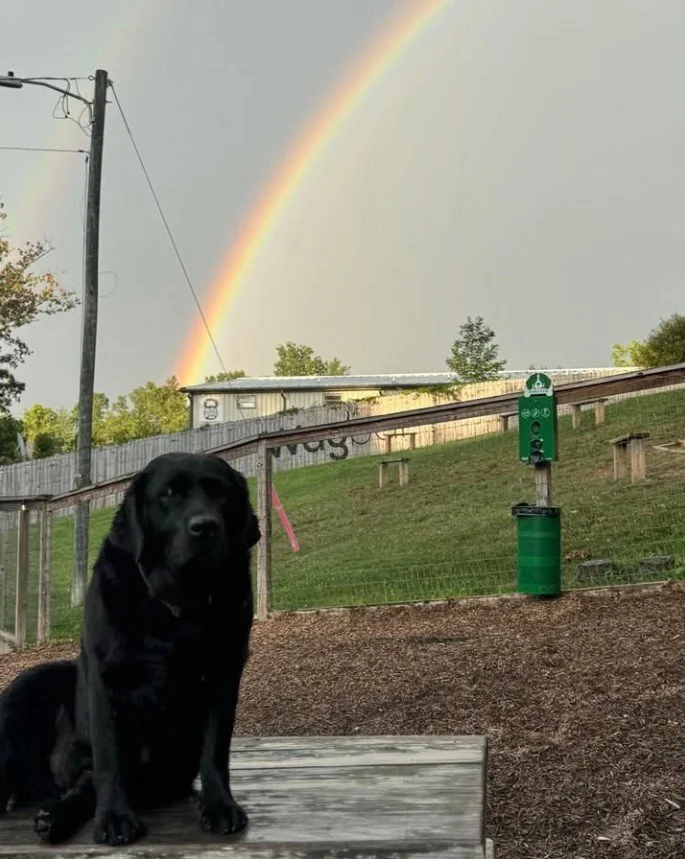
Top TLDR: Dog park design and development requires site selection analyzing 1-3 acre spaces with adequate parking, utilities, and drainage, regulatory compliance
Top TLDR: Dog park fencing requirements mandate 4-6 foot heights for small dog areas and 6-8 foot heights for large dog areas,
Top TLDR: Dog park surface materials include natural grass ($0.50-2/sq ft), gravel ($2-4/sq ft), mulch ($1-3/sq ft), and artificial turf ($8-12/sq ft),
Top TLDR: Dog park disease transmission occurs through airborne droplets, contaminated surfaces, shared water, and infected feces, with the seven most common