

Dog Park Design & Development: Complete Guide to Building Successful Community Dog Parks
Top TLDR: Dog park design and development requires site selection analyzing 1-3 acre spaces with adequate parking, utilities, and drainage, regulatory compliance including zoning approval and permits from local health departments and planning commissions, and funding secured through municipal budgets, grants, private donations, or public-private partnerships totaling $50,000-$500,000 depending on size and amenities. Essential design elements include double-gated entries preventing escapes, separate areas for small and large dogs minimizing injury risk, impact-absorbing surfaces like wood chips or artificial turf protecting joints, adequate shade structures, water stations, and waste management systems with bag dispensers every 50-100 feet. Develop a comprehensive operations plan addressing daily maintenance, rules enforcement, liability insurance, and community programming before opening to ensure long-term sustainability and safety.
Community dog parks transform neighborhoods by providing safe, designated spaces where dogs exercise off-leash and owners build social connections. However, successful dog park development requires careful planning addressing site selection, design principles, regulatory compliance, funding, construction logistics, and ongoing operations. This comprehensive guide walks you through every phase of dog park development from initial concept through sustainable long-term management, helping communities, developers, and entrepreneurs create facilities that serve their intended purpose while avoiding common pitfalls that cause many dog parks to fail within the first few years.
The distinction between a successful dog park and a problematic one often comes down to decisions made during planning and design phases. Well-designed facilities minimize conflicts between dogs and their owners, reduce injury risk, and create positive experiences that bring users back repeatedly. Poorly planned parks become liability nightmares plagued by injuries, fights, disease transmission, and community complaints leading to closure or extensive expensive redesigns.
Site Selection and Feasibility Analysis
Choosing the right location determines whether your dog park succeeds or struggles from day one. Site selection involves analyzing multiple factors including accessibility, size, existing conditions, surrounding land uses, and community demographics.
Determining Optimal Size and Location
Dog parks require minimum one acre of usable space for small community facilities serving 50-100 regular users. Parks serving larger populations need 2-3 acres accommodating separate areas for small and large dogs, adequate buffer zones, parking, and amenities without overcrowding. Calculate needed size by estimating peak-hour usage patterns and allowing 75-100 square feet per dog during maximum capacity periods.
Location accessibility dramatically affects usage rates. Sites within half-mile walking distance of residential neighborhoods generate consistent daily use, while parks requiring vehicle access depend on adequate parking availability. Analyze existing park usage patterns in your community to understand how far residents will travel for dog park access and how parking availability affects facility utilization.
Avoid sites immediately adjacent to residential property lines to minimize noise complaints and trespassing concerns. Buffer zones of 50-100 feet between dog park boundaries and neighboring properties using fencing, landscaping, or natural barriers reduce conflicts and provide complaint protection. Sites bordered by other parks, open space, or commercial property face fewer neighbor objections than those abutting residential yards.
Evaluate topography and natural features including existing trees, slopes, drainage patterns, and soil conditions. Flat or gently sloping sites (under 5% grade) work best for dog parks, while steep slopes create safety hazards, drainage problems, and expensive grading requirements. Existing mature trees provide valuable shade but need protection during construction and consideration in layout design.
Access points matter for both users and maintenance vehicles. Sites need vehicle access for maintenance equipment, emergency services, and construction during development. Multiple pedestrian entry points from parking areas and surrounding neighborhoods improve accessibility and allow traffic flow management during peak usage.
Analyzing Existing Site Conditions
Conduct professional soil testing evaluating drainage, compaction, and contamination. Poor drainage creates muddy conditions breeding parasites and bacteria while making facilities unusable after rain. Heavy clay soils with poor percolation need extensive drainage improvements adding significant project costs. Contaminated soils from prior industrial use require remediation before safe use as dog parks.
Test for underground utilities including water lines, sewer lines, electrical conduits, and telecommunications cables before finalizing site plans. Utility conflicts require expensive relocation or design modifications accommodating existing infrastructure. Contact utility companies for mark-outs identifying all underground services during site assessment.
Assess existing vegetation including invasive species, protected plants, and desirable native vegetation. Sites requiring extensive clearing increase costs while raising environmental concerns. Conversely, sites with existing mature trees and vegetation provide immediate shade and aesthetic benefits if preserved during construction.
Evaluate noise levels and environmental conditions affecting user experience. Sites near busy roads, industrial facilities, or airports may be less desirable despite otherwise favorable characteristics. Excessive ambient noise makes verbal recall difficult and creates unpleasant experiences discouraging regular use.
Research site history for previous uses creating liability concerns. Former industrial sites, dumps, or agricultural land may have soil contamination, buried debris, or other hazards requiring remediation before safe recreational use.
Understanding Community Demographics and Demand
Survey community dog ownership rates and current facility usage to quantify demand. Communities with high dog ownership percentages (over 40% of households) and limited existing off-leash options show strongest demand justifying new dog park investment. Areas already served by multiple dog parks may not support additional facilities without differentiation through unique amenities or superior design.
Analyze demographic patterns including age distribution, income levels, and housing types. Communities with younger residents, higher incomes, and predominantly single-family housing with yards show different usage patterns than urban areas with older populations, lower incomes, and apartment-heavy housing. Design decisions should reflect the specific demographics of your target user base.
Consider seasonal populations in tourist or college towns where temporary population influxes affect usage patterns. Parks serving these communities need capacity handling peak-season demand while remaining viable during slower periods.
Research existing facilities within 3-5 mile radius including private dog parks, dog-friendly businesses, and competing recreational options. Understanding the competitive landscape helps identify unmet needs your facility can address and potential challenges from established alternatives.

Conducting Community Needs Assessment
Host public meetings gathering input from potential users about desired features, concerns, and willingness to support development. These sessions identify community priorities and build support for funding requests while surfacing potential opposition early in planning.
Survey dog owners about current recreation habits, satisfaction with existing options, and specific needs including preferred park hours, desired amenities, and willingness to pay user fees if applicable. Online surveys reach broader audiences than in-person meetings and provide quantifiable data supporting design decisions.
Consult with local veterinarians, pet stores, groomers, and trainers understanding community pet care patterns and common concerns. These businesses interact daily with dog owners and often have valuable insights about unmet needs and potential design features preventing common problems.
Review complaint histories from existing dog parks in your area or similar communities, learning from problems others have faced. Common complaint categories include noise, parking, loose dogs, waste management, and aggressive dog incidents. Design decisions addressing these frequent issues from the start prevent similar problems in your facility.
Design Principles for Safe, Functional Dog Parks
Thoughtful design creates facilities that are safe, enjoyable, and sustainable. The following principles represent best practices from successful dog parks while addressing common failure points in poorly designed facilities.
Entry and Exit Control: The Double-Gate System
Double-gated entries represent the single most important safety feature in dog park design. This airlock-style entry includes two gates separated by a 4-6 foot space creating a transition zone where dogs can be leashed before exiting or released after entering. Double gates prevent dogs from escaping during entry/exit traffic and reduce gate-rushing behaviors causing injuries.
Size transition spaces adequately for realistic user behavior. Spaces under 4 feet don't allow proper door closing before opening the second gate. Spaces over 8 feet create staging areas where dogs interact before fully entering main play areas, potentially causing conflicts during this concentrated transition period.
Install self-closing hardware on both gates ensuring they close and latch automatically. Human error accounts for most gate-left-open incidents, so mechanical closing eliminates this failure point. Choose heavy-duty self-closing hinges rated for frequent daily use rather than residential-grade hardware that fails quickly under high-volume traffic.
Position entry areas away from parking lots and street access preventing direct escape routes if dogs manage to breach security. Interior fencing or landscaping creates barriers between entry gates and property boundaries, providing secondary containment if dogs exit through entries.
Include signage in entry areas displaying park rules, emergency contact information, and proper gate usage instructions. Visual reminders about closing gates before opening the second gate reduce user error.
Size-Separated Play Areas
Separate play areas for small dogs (typically under 25-30 pounds) and large dogs significantly reduce injury risk from size-mismatched play. Small dogs playing with large breeds sustain injuries even during appropriate play when size differences create inherent physical mismatches. Understanding size-related injury risks explains why separation protects all users.
Allocate space proportionally to expected usage with approximately 60-70% of total area dedicated to large dog sections and 30-40% for small dogs. This ratio accommodates typical dog size distribution in most communities while providing adequate space preventing overcrowding in either section.
Install visual barriers between size-separated areas using solid fencing panels, landscaping, or berms blocking direct sight lines. Dogs become reactive seeing other dogs they can't access, creating fence-fighting behaviors and tension. Visual barriers eliminate this frustration while maintaining size separation.
Provide independent entry systems for each size-separated area preventing users from passing through one section to access another. Cross-traffic through separated areas defeats separation purposes and creates conflict opportunities between size groups.
Consider adding a medium-dog option in larger facilities accommodating dogs in the 30-50 pound range. These dogs often are too large for small dog areas but may be intimidated or pose risks in sections dominated by 80-100+ pound breeds. Three-section designs add complexity and cost but improve user experiences in high-volume facilities.
Surface Selection and Management
Surface materials dramatically affect injury rates, maintenance requirements, and year-round usability. No perfect surface exists for all situations, but understanding pros and cons of each option helps select the best choice for your specific conditions.
Natural grass provides excellent cushioning and pleasant aesthetics but struggles with heavy traffic and wet conditions. High-use areas develop bare spots, compaction, and mud within months without aggressive maintenance including aeration, overseeding, and rest periods. Grass works best for low-volume community parks where usage patterns allow natural recovery between heavy use periods.
Wood chips or engineered wood fiber offer impact absorption protecting joints during play while maintaining usability in wet conditions. These surfaces require annual replenishment as material breaks down and washes away. Choose certified playground-grade wood fiber with no sharp edges or toxic treatments. Avoid cedar and other aromatic woods that some dogs find irritating.
Decomposed granite or crushed gravel provides excellent drainage and durability with minimal maintenance. Fine particles pack to create firm walking surfaces while remaining somewhat permeable. However, these surfaces offer less impact absorption than wood fiber and can be uncomfortable on paw pads during hot weather. Regular raking maintains even surfaces preventing ruts and compaction.
Artificial turf designed specifically for dog use eliminates mud, provides consistent year-round conditions, and requires minimal maintenance. Premium artificial surfaces include antimicrobial treatments, efficient drainage systems, and infill materials supporting joint health. However, artificial turf has high upfront costs ($8-15 per square foot installed) and potential heat retention in direct sunlight. Some dogs refuse to eliminate on artificial surfaces.
Mulch surfaces offer moderate cost and reasonable drainage but break down quickly under heavy use requiring frequent replenishment. Certain mulch types including cocoa mulch are toxic to dogs and must be avoided. Standard wood mulch can splinter, creating paw pad injuries.
Avoid solid surfaces including concrete, asphalt, and compacted dirt. These surfaces provide no impact absorption, leading to joint injuries from repeated running and jumping. Hard surfaces also create uncomfortable temperatures in summer heat.
Consider hybrid approaches using different surfaces in various zones. High-traffic areas near entries and water stations benefit from more durable materials like crushed gravel, while main play areas use wood fiber or grass. Transition zones between surfaces need careful design preventing tripping hazards.
Water and Shade Provisions
Multiple water stations throughout the facility prevent dehydration and reduce territorial guarding behaviors around single water sources. Install at least one water station per 10,000 square feet of play area, positioning them along perimeter fencing away from high-traffic central zones. Frost-free hydrants or seasonal shut-off systems prevent winter damage in cold climates.
Choose dog-specific water fountains with ground-level bowls and anti-microbial materials. Human drinking fountains aren't appropriate for dog use due to height and contamination concerns. Commercial dog park fountains include features like hands-free operation, splash-proof designs, and easy drainage.
Provide adequate shade covering at minimum 30-40% of total park area for summer comfort and heat illness prevention. Existing mature trees offer best shade solutions when available, though new parks need supplemental shade structures while plantings establish. Shade sails, pergolas, and covered pavilions create immediate shade without waiting years for tree growth.
Select shade tree species appropriate for your climate including disease-resistant varieties unlikely to create hazards from falling branches or toxic fruits/nuts. Avoid species with thorns, toxic characteristics, or aggressive root systems damaging fencing and irrigation. Plant trees outside fenced areas initially, extending branches into play spaces as they mature while keeping trunks accessible for maintenance and protection from dog urine damage.
Orient shade structures and seating areas providing shade during peak summer use hours (typically 10am-6pm). East-west alignment often works best for maximizing afternoon shade coverage when temperatures peak.
Waste Management Systems
Inadequate waste management ranks among the top complaints about dog parks and contributes significantly to parasite transmission and disease spread. Comprehensive systems address both collection and disposal throughout the facility.
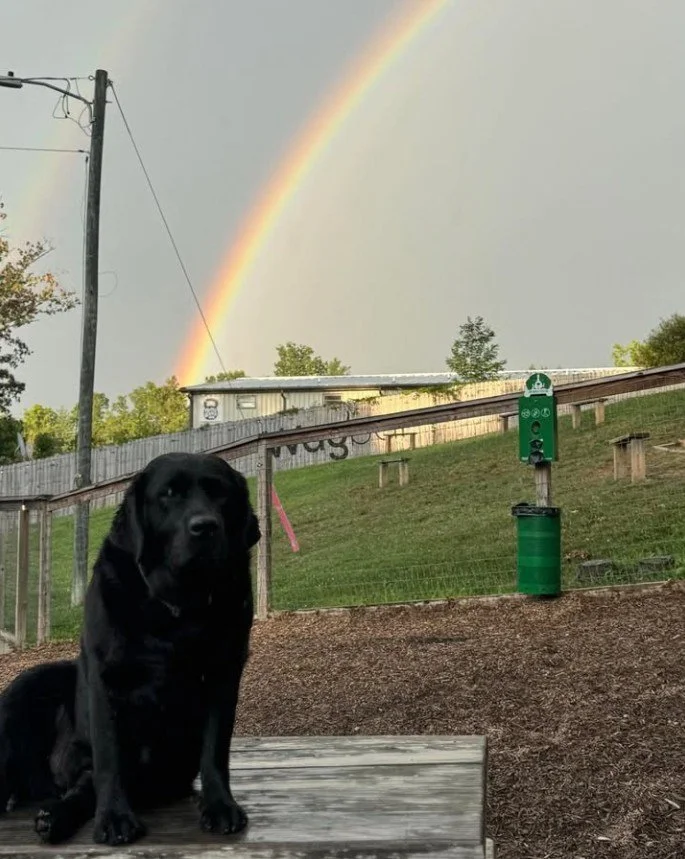
Install waste bag dispensers every 50-100 feet ensuring users never have far to reach stations. Mount dispensers on posts or fencing at comfortable adult height (42-48 inches). Choose weather-resistant dispensers accommodating roll-format bags rather than individual packets for easier refilling.
Provide sufficient waste receptacles with minimum one trash can per 5,000 square feet of park area. Position receptacles near entries, seating areas, and distributed throughout main play spaces. Use covered receptacles with foot-operated or swinging lids preventing direct contact and reducing odor release.
Select large-capacity commercial receptacles (30-50 gallon) reducing emptying frequency and preventing overflow. Overflowing waste receptacles guarantee user complaints and rapid facility decline. Consider including separate receptacles for regular trash versus pet waste if local regulations require separated disposal.
Create accessible paths allowing maintenance vehicles to reach all waste receptacles for efficient servicing. Receptacle locations requiring hand-carrying of heavy waste bags create maintenance challenges leading to irregular servicing and overflowing bins.
Post waste cleanup reminders using signage emphasizing community responsibility and potential health risks from waste. Positive messaging works better than punitive tone, though including fine amounts for non-compliance provides enforcement backing when necessary.
Seating and Social Areas
Adequate seating encourages supervision and creates gathering spaces strengthening community connections. Provide diverse seating options including benches, picnic tables, and informal seating walls accommodating different social preferences and physical abilities.
Distribute seating strategically providing good sight lines to all play areas enabling owners to monitor their dogs during play. Avoid clustering all seating in one location as this concentrates users and creates oversight gaps in distant park sections.
Include accessible seating options meeting ADA requirements with appropriate heights, armrests, and adjacent clear floor space. Dog parks serve users of all ages and abilities, requiring inclusive design supporting diverse community members.
Consider covered seating areas providing rain and sun protection extending usability beyond perfect weather conditions. Pavilions or shelter structures encourage use during light rain and make summer visits more comfortable.
Add tables supporting activities beyond simple supervision including remote work, reading, or social gatherings. Parks becoming community gathering places rather than purely functional exercise spaces generate stronger user attachment and volunteer support.
Perimeter Fencing and Security
Fencing height of 5-6 feet prevents escape attempts by most dogs while remaining reasonable for cost and aesthetics. Athletic breeds and determined escape artists may clear 5-foot barriers, so consider 6-foot height in high-risk situations or where consequences of escape are severe (adjacent to busy roads).
Choose fencing materials balancing visibility, durability, and cost. Chain-link fencing remains most common due to cost-effectiveness and excellent visibility. Vinyl-coated chain link improves appearance and longevity with modest cost increase. Welded wire panels and ornamental aluminum fencing provide premium appearance at higher cost.
Install below-grade barriers preventing dogs from digging under fencing. Options include extending fencing 12-18 inches below grade, installing concrete curbs, or using "dig guard" products creating underground barriers at fence lines. Sites with energetic digging breeds need robust dig prevention.
Inspect for gaps, damage, or potential escape routes during design and regularly through operations. Even small gaps become large problems when discovered by escape-prone dogs. Pay special attention to corners, gate connections, and areas where fencing meets buildings or landscape features.
Consider double-fence systems or buffer zones separating dog park fencing from adjacent properties, sidewalks, or high-traffic areas. Buffer zones reduce fence-fighting with passersby and provide additional escape prevention if primary fencing fails.
Drainage and Storm Water Management
Proper drainage prevents muddy conditions that discourage use while reducing disease transmission from standing water and fecal contamination. Sites need comprehensive drainage systems addressing both surface water and subsurface percolation.
Grade surfaces with minimum 2% slope directing water away from play areas toward drainage collection systems or perimeter swales. Flat areas collect water creating persistent wet spots even with permeable surfaces. Avoid excessive slopes (over 5-6%) creating erosion problems and uncomfortable conditions for users.
Install subsurface drainage systems including perforated pipe networks, French drains, or drainage blankets beneath play surfaces in problem areas. Clay soils and locations with high water tables benefit from aggressive subsurface drainage preventing surface saturation.
Direct storm water to rain gardens, bioswales, or retention features that filter and slowly release water rather than overwhelming municipal storm systems. These green infrastructure elements provide environmental benefits while satisfying storm water management requirements in many jurisdictions.
Prevent erosion at concentrated water flow areas including downhill sections of pathways and drainage outlets. Erosion control matting, rip-rap, or vegetation stabilization protects surfaces during heavy rain events.
Lighting for Extended Hours
Lighting extends usable hours during winter months and evening use during summer, but creates concerns requiring careful design balancing utility and neighborhood impact.
Focus lighting on entry areas, pathways, and parking rather than attempting full play area illumination. Users rarely need bright lighting during active play, but safe entry/exit and parking access matter significantly for evening safety.
Choose fixtures directing light downward and using full cut-off designs preventing light pollution affecting neighboring properties and night sky. Excessive or misdirected lighting generates neighbor complaints and may violate local ordinances.
Consider motion-activated or timer-controlled systems rather than dusk-to-dawn operation reducing energy costs and light pollution during low-use periods. Some communities restrict dog park hours to daylight only, eliminating lighting requirements.
Install security lighting meeting basic safety needs without creating sports-field brightness levels. Dog parks don't need the illumination levels appropriate for human sports, and excessive lighting attracts undesirable evening activity beyond intended use.
Regulatory Compliance and Permitting
Navigating regulatory requirements prevents costly delays, design changes, and potential legal problems. Start this process early in planning, as permit acquisition often takes 6-12 months depending on jurisdiction complexity.
Zoning and Land Use Approval
Verify that dog parks represent allowed uses under current zoning designations. Parks and recreation uses typically receive approval in residential zones, but commercial dog park operations may require conditional use permits or zoning variances. Research local zoning codes or consult with planning staff before investing heavily in specific sites.
Attend planning commission meetings presenting your concept and gathering feedback before formal applications. Informal pre-application conferences help identify concerns early when addressing them remains relatively easy and inexpensive.
Prepare for public hearings where neighbors may voice concerns about noise, property values, parking, and safety. Well-organized presentations addressing common concerns proactively and demonstrating community support improve approval odds. Bring petitions, letters of support, and attendance from dog park advocates showing broad community backing.
Consider deed restrictions or covenants limiting site uses. Some properties carry historical restrictions preventing recreational uses or limiting activities to specific purposes. Title searches reveal these restrictions during early site assessment preventing expensive surprises during permitting.
Health and Safety Permits
Contact local health departments determining requirements for dog park operations. Some jurisdictions regulate dog parks under animal care facility codes requiring permits, inspections, and compliance with specific health standards. Others classify them as general parks needing only standard park permits.
Address waste management requirements including disposal methods, collection frequency, and documentation. Health departments focus heavily on waste handling due to disease transmission and water contamination risks. Comprehensive waste management plans satisfy health inspectors' primary concerns.
Include water quality protection measures if your site connects to storm water systems or is located near waterways. Regulations may require buffers, filtration systems, or specific management practices preventing contamination of water resources.
Obtain food service permits if plans include vending machines, food trucks, or snack sales. Even simple amenity additions like soda machines trigger food safety regulations in many jurisdictions.
Building and Construction Permits
Submit detailed site plans showing all structures, fencing, utility connections, grading, drainage, and surface materials for building permit review. Plans must meet local building codes and typically require professional engineer or architect stamps depending on project scope.
Schedule inspections at required construction phases including foundation work, structural framing, electrical rough-in, and final completion. Missing scheduled inspections causes delays and potential do-over requirements if work proceeds without approval.
Address accessibility requirements under ADA and local building codes. At minimum, provide accessible routes from parking to entry areas, accessible entry gates, and compliant surfaces on accessible pathways. Fully accessible facilities include features allowing users with disabilities to participate equally in all park areas and amenities.
Obtain electrical permits for lighting, water fountain power, and any other electrical installations. Licensed electricians typically must perform work, and inspections verify code compliance before energizing systems.
Environmental Reviews and Permits
Determine whether projects require environmental impact assessments or exemptions. Small projects under certain thresholds often qualify for categorical exemptions, while larger developments need formal environmental review addressing potential impacts on wildlife, wetlands, endangered species, air quality, and other factors.
Obtain storm water permits if disturbing over one acre of soil during construction or if local regulations require permits for smaller projects. Storm water pollution prevention plans demonstrate how construction activities will minimize erosion and water quality impacts.
Address wetland and waterway protections if sites are near protected water features. Buffer requirements may limit usable area or require design modifications maintaining setbacks from sensitive features.
Conduct biological surveys if sites potentially provide habitat for protected species. Presence of endangered species triggers additional requirements potentially including seasonal work restrictions or habitat mitigation measures.
Liability and Insurance Requirements
Secure liability insurance covering dog park operations before opening. Minimum coverage amounts vary but $1-2 million per occurrence limits represent typical municipal requirements for private operators. Public entities may self-insure or carry coverage through government risk pools.
Review lease or property agreements ensuring permitted uses include dog park operations and clearly assign liability responsibility between property owners and operators. Ambiguous agreements create confusion when incidents occur.

Develop written rules and policies governing park use including requirements for supervision, acceptable dog behavior, vaccination requirements, and prohibited conduct. Posted rules provide legal foundation for enforcement actions and demonstrate reasonable care in risk management.
Install compliant signage including liability warnings, entry requirements, and rule notices. Many jurisdictions specify required language for warning signs limiting operator liability for injuries. Consult with attorneys familiar with recreational use statutes in your state determining appropriate warnings.
Funding Sources and Budget Development
Dog parks cost $50,000-$500,000 depending on size, amenities, and site conditions. Understanding cost components and available funding sources determines project feasibility and scope.
Developing Realistic Cost Estimates
Create detailed budgets addressing all cost categories including land acquisition or lease, design and engineering, permitting and fees, site preparation, construction, furnishings and equipment, initial supplies, and contingencies for unexpected issues. Contingency amounts of 15-20% protect against cost overruns and design changes during construction.
Site preparation costs vary dramatically based on existing conditions. Flat, cleared sites with good drainage need minimal work, while sloped, overgrown, or contaminated sites require expensive grading, clearing, and remediation. Get professional estimates for site work early in budgeting as these costs often exceed initial expectations.
Fencing represents the largest single cost component in most projects, ranging from $15-40 per linear foot depending on height, material quality, and site conditions. Calculate total perimeter fencing plus interior fencing for size-separated areas determining total linear footage needed. Don't forget to include entry systems in fencing costs as double-gated entries add significant expense beyond simple perimeter fencing.
Surface materials cost $1-15 per square foot depending on chosen material and installation requirements. Calculate total square footage requiring surfacing and multiple by material cost including installation. Remember that many surfaces need regular replenishment, creating ongoing operational costs beyond initial installation.
Amenities including shade structures, seating, water fountains, waste stations, and signage add $10,000-$50,000 for basic facilities and potentially much more for premium amenities. Price each desired feature individually rather than using general allowances, as costs vary significantly between basic and high-quality products.
Utility connections for water and electricity vary from minimal if services are already nearby to tens of thousands if trenching long distances is required. Obtain utility company estimates early as these costs significantly impact overall budgets.
Municipal Funding Options
Parks departments often include dog park development in capital improvement programs funded through general obligation bonds, property taxes, or parks and recreation budgets. Work with local officials identifying funding cycles and proposal processes for inclusion in upcoming budget years.
Grant programs through parks departments, community development agencies, and state/federal programs sometimes fund dog park development. Research grant opportunities from organizations including Land and Water Conservation Fund, state parks departments, and community development block grants.
Budget allocations require political support from elected officials and community advocacy demonstrating broad public benefit. Organize supporters to attend council meetings, write letters, and participate in budget hearings advocating for dog park funding.
Phased development allows municipalities to start with basic facilities and add amenities over multiple budget cycles as additional funding becomes available. Initial phases focus on essential elements including fencing, entries, basic surfaces, and minimal amenities. Later phases add premium features like shade structures, water systems, and landscaping.
Private Fundraising and Donations
Community fundraising campaigns through direct appeals, events, and crowdfunding platforms supplement or fully fund dog park development in communities without municipal resources. Successful campaigns need clear funding goals, compelling narratives explaining community benefits, and organized volunteer leadership.
Corporate sponsorships from pet-related businesses including veterinary clinics, pet stores, dog food manufacturers, and pet insurance companies provide significant funding while offering businesses marketing opportunities and community goodwill. Develop sponsorship packages with recognition levels based on contribution amounts including naming rights, signage, and promotional opportunities.
In-kind donations of materials, services, or equipment reduce cash requirements. Local businesses may donate fencing, grading services, landscaping materials, or other needed items. Professional services including engineering, surveying, and legal work sometimes are available on pro-bono or reduced-fee basis for community benefit projects.
Individual major donors in communities with pet-loving philanthropists may provide substantial single contributions covering major project components. Identify potential major donors through community networks and develop personalized proposals explaining impact and recognition opportunities.
Memorial and honor donation programs allow community members to fund specific features like benches or trees commemorating beloved pets or people. These programs generate ongoing donations beyond initial project funding while creating emotional connections between donors and facilities.
Public-Private Partnership Models
Private developers increasingly include dog parks in mixed-use developments, apartment complexes, and master-planned communities as amenities attracting residents. These facilities may allow public access or remain exclusive to development residents depending on agreements and funding structures.
Non-profit organizations focused on animal welfare or community development sometimes develop dog parks as part of broader missions. These organizations can access funding sources unavailable to government agencies while providing focused expertise and volunteer networks.
Businesses like Wagbar operate private dog park and bar concepts providing enhanced amenities beyond typical public parks including supervised play, food and beverage service, and membership models funding ongoing operations. These commercial models don't replace free public parks but offer alternatives for users willing to pay for enhanced experiences.
Hybrid models combining public land with private operation and maintenance reduce municipal operating burdens while ensuring public access. Long-term lease agreements specify operation requirements, fee structures, and maintenance responsibilities while allowing private operators to generate revenue through memberships, events, or ancillary services.
Construction Phases and Contractor Selection
Careful construction management ensures projects complete on time, within budget, and according to specifications. Organized approaches to contractor selection and construction phasing prevent common problems derailing dog park development.
Selecting Qualified Contractors
Solicit bids from contractors experienced in park construction, site work, and fencing installation. General contractors without parks experience often underestimate challenges specific to recreational facilities including specialized surfaces, drainage requirements, and durability needs for high-traffic applications.
Verify contractor licenses, insurance coverage, and bonding appropriate for project size. Require certificates of insurance naming project owners as additional insured parties. Bonding protects against contractor default or failure to complete work according to contract terms.
Check references from previous projects of similar scope and complexity. Contact references directly asking about quality, timeliness, communication, and how contractors handled problems or changes during construction.
Review detailed bids carefully comparing not just total costs but specific line items and exclusions. Lowest bids often exclude items other bidders included, creating misleading comparisons. Require all bidders to provide itemized breakdowns for accurate comparison.
Consider value engineering proposals from contractors suggesting alternative materials or methods reducing costs while maintaining quality and performance. Experienced contractors often identify savings opportunities designers miss during initial planning.
Managing Construction Phases
Divide construction into logical phases reducing complexity and allowing quality control at each stage. Typical phases include site clearing and grading, utility installation, drainage systems, fencing and entries, surface installation, and amenity installation. Complete each phase with inspections before proceeding to next stage.
Schedule work during appropriate seasons for your climate. Surface installation, landscaping, and final grading benefit from mild, dry weather. Some work can proceed during poor weather, but completion quality suffers and timelines extend significantly during frozen or excessively wet conditions.
Establish clear communication protocols between owners, contractors, and designers. Regular meetings, written change orders, and documented decisions prevent misunderstandings causing conflicts or budget overruns. Maintain detailed records of all decisions, changes, and approvals throughout construction.
Monitor work regularly ensuring compliance with plans and specifications. Site visits by owners or designated representatives catch problems early when corrections remain relatively simple. Waiting until project completion to inspect work makes fixing deficiencies expensive or impossible.
Hold retention payments (typically 5-10% of contract value) until final inspection and approval of all work. Retention provides leverage ensuring contractors complete punch list items and address any deficiencies discovered during final review.
Addressing Common Construction Challenges
Underground obstacles including buried debris, unexpected utilities, or unsuitable soils cause the most common construction delays and cost overruns. Thorough site investigation before bidding reduces but doesn't eliminate these surprises. Contract provisions addressing how to handle unforeseen conditions establish fair processes for managing discovery of underground issues.
Weather delays affect outdoor construction timelines, particularly for surface installation and landscaping. Build realistic weather contingency into schedules rather than assuming perfect conditions throughout construction. Fall and spring typically offer most favorable weather in many regions, while summer heat and winter freezes limit productivity.
Material delivery delays increasingly affect construction schedules as supply chain issues impact availability of fencing, equipment, and specialized surfaces. Identify long-lead items during planning and order early securing delivery when needed rather than when construction reaches those phases.
Change orders alter project scope, specifications, or costs during construction. While some changes are necessary addressing unforeseen conditions or improving designs, excessive change orders indicate poor planning or contractor tactics inflating final costs. Review all proposed changes carefully, require detailed justification and pricing, and approve only truly necessary modifications.
Neighbor complaints during construction create public relations challenges and potential work stoppages. Address concerns proactively through advance notification, adherence to noise and hour restrictions, and maintaining clean, organized work sites. Designate a contact person for neighbor concerns and respond promptly to issues raised.
Operations and Maintenance Planning
Sustainable operations require planning before opening, as many dog parks fail due to inadequate maintenance, unclear management responsibility, or insufficient operating budgets.
Developing Comprehensive Operations Plans
Define management structure specifying who is responsible for daily operations, maintenance, rule enforcement, and problem resolution. Clear responsibility assignment prevents gaps in care and provides accountability when issues arise. Options include municipal parks department management, non-profit organizations, volunteer committees, or private operators depending on ownership and funding structures.
Establish operating hours based on community needs, available supervision, and lighting. Many parks operate dawn to dusk, while others restrict hours more narrowly preventing evening noise complaints. Year-round operations require seasonal adjustments accommodating weather and daylight variations.
Create staffing plans addressing supervision needs if any. While most public dog parks operate unsupervised relying on users to self-monitor, problems may require adding park ambassadors or paid staff during peak hours. Staff presence reduces rule violations, improves safety, and provides immediate response to incidents.
Develop enforcement procedures for rules violations including verbal warnings, written notices, temporary bans, and permanent exclusions for serious or repeated violations. Document all enforcement actions protecting operators from liability and providing evidence if disputes escalate to legal proceedings.
Institute registration or permit systems requiring users to provide contact information and verify dogs meet entry requirements including vaccinations. Registration creates accountability and allows communication about closures, rule changes, or incidents affecting specific users. Some facilities charge annual registration fees funding operations.
Daily and Weekly Maintenance Requirements
Inspect facilities daily checking fencing integrity, gate operation, surface conditions, and overall cleanliness. Quick morning inspections catch problems before users arrive and identify maintenance needs before they cause injuries or facility degradation.
Empty waste receptacles daily or more frequently during peak-use periods. Overflowing waste bins represent the fastest way to turn users against facilities and generate complaint calls. Plan servicing schedules based on observed usage patterns increasing frequency during popular times.
Rake and groom surfaces weekly maintaining even conditions and preventing ruts, holes, or compaction. Wood chip surfaces need regular redistribution replacing material that washes or wears away. Grass surfaces require mowing, aeration, and overseeding on appropriate schedules maintaining usability.
Inspect and clean water stations weekly ensuring proper function and sanitary conditions. Mineral deposits, algae growth, and debris accumulation make water stations unappealing and potentially unsafe. Replace non-functional components promptly as broken water sources cause user frustration during hot weather.
Remove debris including trash, fallen branches, and hazardous materials. While users are responsible for cleaning up after their own dogs, wind, weather, and general use create ongoing maintenance needs keeping facilities attractive and safe.
Seasonal and Annual Maintenance Tasks
Replenish surfaces annually or as needed maintaining adequate depth and even distribution. Wood fiber breaks down requiring 1-3 inches of new material yearly depending on usage levels. Decomposed granite or gravel surfaces settle and compact needing top-dressing and regrading periodically.
Repair or replace damaged fencing addressing rust, holes, or structural problems. Regular inspections catch minor damage before it becomes expensive replacement problems. Budget for fencing repairs annually as high-traffic areas near entries particularly show wear.
Service irrigation systems before and after growing seasons ensuring proper function and preventing freeze damage. Blow out lines in fall in cold climates and inspect for damage during spring startup. Adjust watering schedules based on weather and vegetation needs.
Prune trees and shrubs maintaining visibility, eliminating hazards, and controlling growth away from fencing and structures. Professional tree services should handle large tree pruning and removal for safety and proper techniques preserving tree health.
Perform comprehensive deep cleaning during off-peak seasons or scheduled closures. Power washing surfaces, disinfecting high-touch areas, and addressing accumulated grime maintains sanitary conditions and extends facility lifespan.
Budget Planning for Ongoing Operations
Allocate operational budgets covering labor, supplies, utilities, insurance, repairs, and professional services. First-year budgets often underestimate actual costs, so track expenses carefully and adjust subsequent budgets based on real operational data.
Plan for surface replacement every 3-10 years depending on material type and usage levels. Natural grass may need complete renovation every 3-5 years in high-traffic parks. Wood fiber surfaces last 5-7 years before complete replacement becomes necessary. Artificial turf lasts 8-10 years but requires expensive full replacement when worn.
Budget contingency funds for unexpected repairs, vandalism, or emergency improvements. Active dog parks sustain damage requiring prompt repairs preventing escalating problems or user safety issues. Reserve 10-15% of annual operating budgets for contingencies.
Explore revenue sources offsetting operational costs including memberships, usage fees, donations, sponsorships, and facility rentals for private events or training classes. Diversified revenue reduces dependence on single funding sources and creates financial resilience.
Community Engagement and Marketing
Successful dog parks depend on engaged communities supporting facilities through use, volunteering, and advocacy. Strategic engagement builds this support before opening and maintains it through operations.
Pre-Opening Community Building
Create advisory committees including dog owners, veterinarians, trainers, and community leaders providing input during planning and continuing through operations. Advisory groups build ownership among stakeholders and provide volunteer leadership for fundraising and advocacy.
Host community workdays preparing sites, building amenities, or landscaping. Volunteer work reduces costs while creating investment among participants who feel personal connection to facilities they helped build. Provide food, beverages, and recognition for volunteers encouraging broad participation.
Generate pre-opening excitement through social media, local media coverage, and community events. Share construction progress, celebrate milestones, and build anticipation for opening day. Create social media accounts dedicated to the park before opening establishing channels for ongoing communication.
Conduct soft openings or preview periods before official grand opening allowing early users to provide feedback about facility function and rules. Address problems discovered during soft openings before large crowds create safety concerns or negative first impressions.
Plan memorable grand opening events including ribbons cuttings, dog-focused activities, vendor participation, and local celebrity attendance. Grand openings generate media coverage and community awareness establishing parks as valued community resources from day one.
Ongoing User Education and Engagement
Develop new user orientations educating about rules, expectations, and proper dog park etiquette. Understanding dog park behavior and safety helps users contribute to positive environments for all visitors.
Create newsletters or social media content sharing updates, introducing new users, highlighting responsible owners, and addressing common concerns. Regular communication keeps users informed and engaged while providing channels for feedback and problem reporting.
Host special events including adoption days, training demonstrations, costume contests, and charity fundraisers. Events strengthen community connections and attract new users discovering parks through event promotion.
Establish ambassador programs recruiting volunteer leaders who commit to regular presence during peak hours, welcome new users, and model appropriate behavior. Ambassadors provide informal supervision reducing problems without formal paid staffing.
Solicit feedback regularly through surveys, suggestion boxes, and open forums. User input identifies problems early and generates ideas for improvements. Responsive management addressing legitimate concerns builds trust and ongoing support.
Marketing to New Users
List facilities on dog park directories, community calendars, and pet-related websites increasing discoverability by residents seeking off-leash options. Many users find dog parks through online searches making digital presence essential.
Partner with veterinary clinics, pet stores, groomers, and trainers promoting facilities to their clients. Provide promotional materials including brochures, business cards, and posters for display and distribution. Professional pet service providers are trusted information sources for dog owners.
Leverage social media including Facebook, Instagram, and local community groups sharing photos, success stories, and event announcements. Encourage users to tag locations and share their experiences generating organic promotion through social networks.
Develop distinctive branding including logos, consistent visual identity, and memorable facility names distinguishing parks from generic public parks. Strong branding creates recognizable identity building community attachment and pride.
Participate in community events promoting facilities and recruiting new users. Pet expos, farmers markets, and community festivals provide venues reaching non-users unaware of available facilities.
Bottom TLDR
Dog park design and development requires comprehensive planning starting with site selection of 1-3 acres with adequate parking and drainage, progressing through regulatory compliance including zoning approval and health permits, and securing funding from municipal budgets, grants, or private sources totaling $50,000-$500,000 depending on scope. Essential design elements include double-gated entries with 4-6 foot transition spaces preventing escapes, separate small and large dog areas with visual barriers reducing conflicts, impact-absorbing surfaces like wood chips or artificial turf protecting joints, 5-6 foot perimeter fencing with dig prevention, shade covering 30-40% of space, multiple water stations, and comprehensive waste management with bag dispensers every 50-100 feet and sufficient trash receptacles. Sustainable operations require detailed maintenance plans addressing daily inspections, regular surface grooming, waste collection, and annual surface replenishment plus community engagement through volunteer programs, user education, and ongoing marketing ensuring long-term success and preventing common failure patterns affecting poorly planned facilities.