

Dog Park Injury Prevention: Most Common Injuries and How to Avoid Them
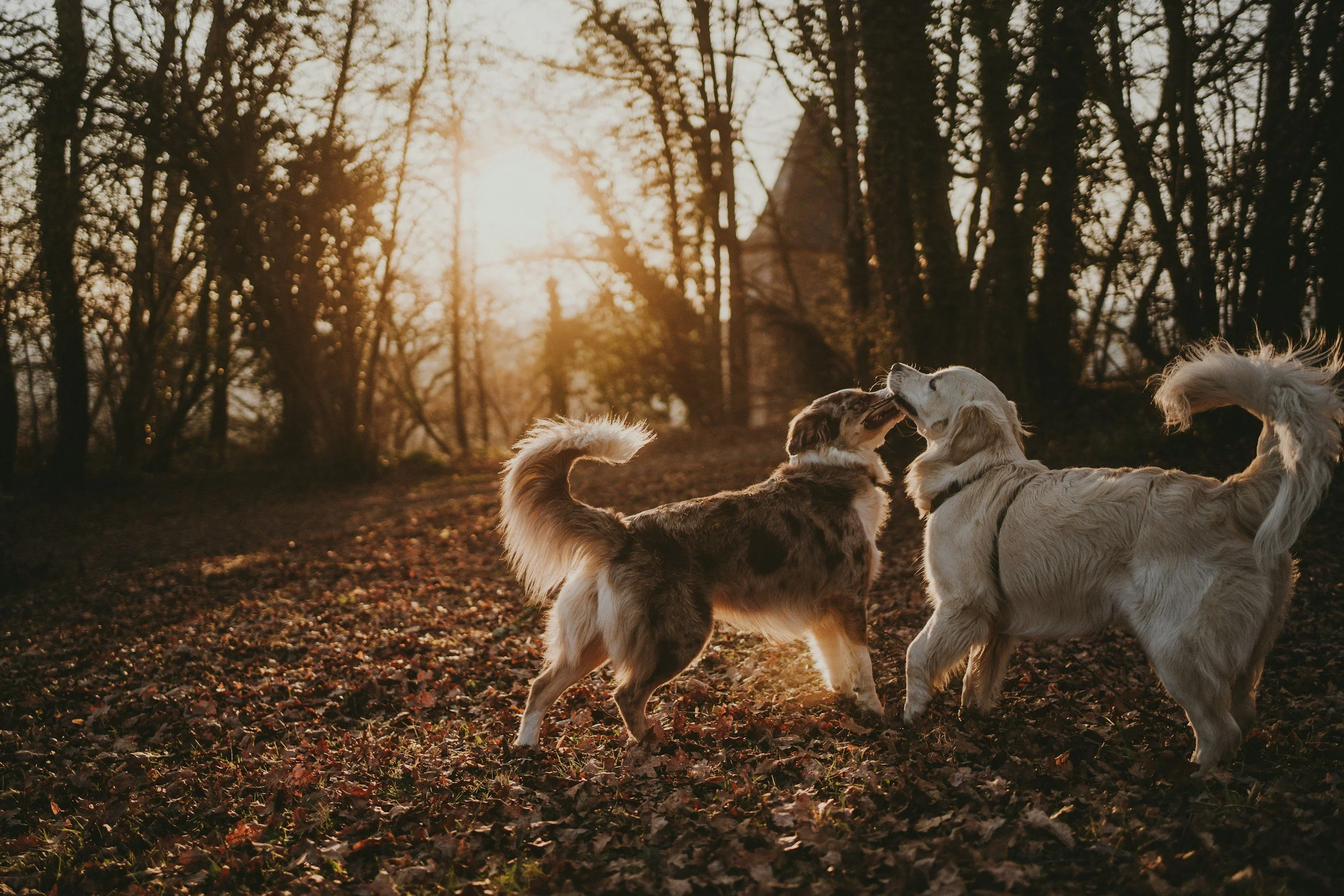
Top TLDR: Dog park injury prevention requires understanding the five most common injuries: torn ACLs from sudden direction changes during chase games, paw pad abrasions from rough surfaces, bite wounds from mismatched play styles, muscle strains from inadequate warm-up, and joint injuries from repetitive high-impact activities. Implement a 5-10 minute warm-up walk before off-leash play, assess park surfaces for hazards, and intervene when play becomes too rough or mismatched in size and energy. Choose supervised facilities that enforce safe play standards and maintain injury-reducing surfaces.
Dog parks offer incredible benefits for canine physical fitness and social development. But the same high-energy play that exercises your dog also creates injury risks that many owners don't recognize until their dog is limping or worse. Understanding common injury patterns, implementing prevention strategies, and recognizing dangerous situations before injuries occur protects your dog while preserving the benefits of off-leash socialization.
Most dog park injuries are preventable through awareness, preparation, and active supervision. This guide breaks down the injuries veterinarians see most frequently from dog park play, explains the mechanisms causing each injury type, and provides concrete strategies for reducing your dog's risk without eliminating the joy and exercise benefits of off-leash play.
Torn ACLs: The Most Expensive Dog Park Injury
Cranial cruciate ligament (CCL) tears, the canine equivalent of human ACL injuries, represent one of the most serious and costly injuries dogs sustain at dog parks. This injury requires surgical repair costing $3,000-$5,000 and involves months of recovery and rehabilitation.
How ACL Tears Happen During Play
The ACL stabilizes the knee joint during movement. When dogs make sudden stops, sharp turns, or pivoting movements at high speed, excessive force on the ligament can cause partial or complete tears. Chase games involving abrupt direction changes put enormous stress on knee joints, particularly when dogs are running at full speed across uneven terrain.
Large breed dogs face higher ACL tear risk due to their size and momentum. A 70-pound dog making a sharp turn while running 20 mph generates tremendous force on their knee joints. Dogs who are overweight carry additional stress on their joints, further increasing injury susceptibility during high-impact activities.
Surface conditions significantly affect ACL injury risk. Hard surfaces like concrete and asphalt provide no cushioning for sudden stops and direction changes. Uneven terrain with holes, ruts, or sudden elevation changes forces dogs to adjust their gait and balance unexpectedly, increasing ligament stress. Muddy or wet surfaces reduce traction, causing dogs to slip while trying to turn or stop, potentially tearing ligaments.
Pre-existing joint conditions including partial ligament damage, arthritis, or hip dysplasia make dogs more vulnerable to ACL tears. Many dogs have partial ligament degeneration that shows no symptoms until a sudden movement during play causes complete rupture. Dogs with one torn ACL have 40-60% chance of tearing the opposite knee's ACL within two years due to compensatory stress and underlying joint instability.
Recognizing ACL Injury Symptoms
Dogs with torn ACLs typically show sudden lameness, refusing to bear weight on the affected leg. The injury causes immediate pain, though some dogs with partial tears may continue playing briefly before lameness becomes obvious. After the initial injury, dogs often hold the affected leg off the ground or use it only minimally when walking.
Swelling develops around the knee joint within hours of injury. You may notice the knee appearing larger than the opposite leg or feeling warm to touch. Dogs resist having the injured leg extended or manipulated and may vocalize when the knee is moved.
Some dogs with partial ACL tears show intermittent lameness that improves with rest but returns after activity. This pattern indicates progressing ligament damage that will likely result in complete tear without intervention. Any persistent lameness lasting more than 24 hours requires veterinary evaluation, as early diagnosis and treatment improve outcomes.
Prevention Strategies for ACL Injuries
Implement proper warm-up before intense play. Walk your dog on-leash for 5-10 minutes before allowing off-leash running. This gradual activity increase prepares muscles, tendons, and ligaments for higher-impact exercise by increasing blood flow and tissue flexibility. Understanding appropriate warm-up protocols applies to all exercise settings.
Monitor play intensity and intervene when games become too intense. Dogs caught up in high-speed chase should have enforced rest breaks every 10-15 minutes. Call your dog away from play, have them sit or lie down for 2-3 minutes, then release them back to play. These rest periods prevent the sustained high-impact running that increases ACL tear risk.
Avoid dog parks with obviously hazardous surfaces including large holes, ruts, steep hills, or areas with poor footing. Inspect the play area before releasing your dog, noting any hazards that could cause sudden missteps or falls. Wet or muddy conditions that reduce traction increase injury risk substantially.
Maintain your dog's healthy weight, as obesity dramatically increases ACL injury risk. Extra pounds create additional force on joints during normal activities and exponentially more stress during running and jumping. Dogs at ideal body weight experience fewer orthopedic injuries overall and heal faster when injuries occur.
Consider joint supplements for dogs at higher risk including large breeds, dogs with family history of ACL tears, or those with minor joint issues. Glucosamine, chondroitin, and omega-3 fatty acids support joint health, potentially reducing injury risk. Discuss appropriate supplements with your veterinarian based on your dog's specific risk factors.
Paw Pad Abrasions and Lacerations
Paw pad injuries rank among the most common dog park injuries. These wounds range from minor abrasions causing temporary discomfort to deep lacerations requiring veterinary treatment and extended healing periods.
Common Causes of Paw Injuries
Rough surfaces including gravel, crushed rock, and deteriorating asphalt cause paw pad abrasions through friction. Dogs running at high speed across these surfaces wear down their pad tissue faster than it regenerates. Hot pavement during summer months burns paw pads, creating painful injuries that may not be obvious until blisters develop hours later.
Sharp objects including glass, metal fragments, thorns, and broken shells cause lacerations. These hazards hide in grass, mulch, and along park edges where they're difficult to see before your dog steps on them. Wood chips and certain types of mulch splinter easily, creating sharp edges that penetrate paw pads.
Salt and ice melt chemicals during winter cause paw pad damage through chemical burns and drying. These substances accumulate on dog park surfaces and walking paths, irritating paw pads with each step. Dogs who lick their paws after exposure ingest these chemicals, causing additional gastrointestinal problems.
Excessive running on hard surfaces by dogs with soft paw pads causes wear injuries even without hazardous materials present. Dogs who rarely walk on rough surfaces develop more delicate paw pads that injure easily during intense activity on abrasive surfaces. This is particularly common in dogs whose normal exercise occurs primarily on grass or soft trails.
Identifying Paw Pad Injuries
Dogs with paw injuries show sudden lameness, refusing to bear weight on the affected foot. They may hold the paw up, limp significantly, or stop playing abruptly. Some dogs lick the injured paw persistently, signaling pain or discomfort.
Examine all four paws after every dog park visit, looking for cuts, scrapes, redness, swelling, or foreign objects. Check between toes where injuries hide easily and inspect the paw pad surfaces for any damage. Minor abrasions appear as red, irritated areas where the outer pad layer has worn away. Deep cuts bleed and may expose underlying tissue.
Burns from hot surfaces cause paw pads to appear red, blistered, or peeling. These injuries may not be visible immediately after park play but develop within hours. Dogs with burned paw pads show reluctance to walk on the affected paws and may display pain when pads are touched.
Protecting Your Dog's Paws
Test surface temperatures before allowing your dog to play. Place your bare hand or foot on the ground surface for 10 seconds. If it's too hot for you to hold comfortably, it will burn your dog's paws. This simple test prevents most heat-related paw injuries. Avoid dog parks during peak heat hours when surface temperatures reach dangerous levels.
Condition your dog's paw pads gradually by increasing their exposure to rougher surfaces over time. Dogs who exercise primarily on grass or soft surfaces need weeks of gradual conditioning before safely playing on rougher terrain. Start with short sessions on harder surfaces, gradually increasing duration as paw pads toughen.
Inspect the dog park surface before releasing your dog. Walk through the play area looking for obvious hazards including glass, metal, sharp rocks, or splintered wood. While you can't identify every hazard, this quick inspection catches many dangerous items before your dog encounters them.
Consider protective paw wax or boots for dogs with sensitive paws or when playing on potentially hazardous surfaces. Paw wax creates a protective barrier against abrasive surfaces and hot pavement. Boots provide maximum protection but require training for dogs to tolerate wearing them during active play.
Rinse your dog's paws after every park visit, removing dirt, debris, and irritants. This quick rinse prevents minor abrasions from becoming infected and removes chemicals that could damage paw pads. Dry paws thoroughly, especially between toes where moisture promotes bacterial and fungal growth.
Bite Wounds: Understanding Dog-to-Dog Injuries
Bite wounds occur when play escalates beyond appropriate boundaries or when dogs with incompatible play styles interact. These injuries range from minor punctures requiring only cleaning to deep wounds causing significant tissue damage, infection risk, and scarring.
How Bite Wounds Happen
Most bite wounds at dog parks occur during play that becomes too intense. Dogs caught up in excitement may bite harder than intended during normal play wrestling. What starts as mouthing and gentle biting can escalate when both dogs become overstimulated, leading to harder bites that break skin.
Size mismatches between playing dogs create bite injury risk. Large dogs playing with small dogs may accidentally cause injury through sheer size and strength differences. A bite that would be minor between two large dogs can seriously injure a small dog. Large breed puppies often don't understand their strength, playing appropriately with other puppies but too roughly with small adult dogs.
Dogs with poor bite inhibition cause disproportionate injuries during play. Well-socialized dogs learn appropriate bite pressure through puppy play and maternal correction. Dogs who missed this critical socialization or were removed from litters too early may bite too hard during play, not understanding they're causing injury.
Aggressive incidents between incompatible dogs cause the most serious bite wounds. Dogs showing possessive aggression over toys, mounting behavior, or territorial responses may attack suddenly. Dogs with fear-based aggression bite when feeling cornered or threatened by other dogs' behavior. Recognizing concerning dog behavior helps prevent escalation to bites.
Recognizing and Treating Bite Wounds
Bite wounds appear as puncture marks, tears in skin, or bruising. Small punctures may be the only visible sign, but significant tissue damage can occur beneath the skin surface. Blood-filled pockets under the skin (hematomas) indicate trauma even without obvious punctures.
All bite wounds need prompt attention. Even minor punctures can introduce bacteria deep into tissue, causing infections including abscesses that develop days after injury. Wash bite wounds immediately with clean water if possible, applying gentle pressure to control bleeding.
Seek veterinary care for all bite wounds penetrating deeper than skin surface level. Deep punctures, tears, or wounds larger than a small scratch require professional evaluation, cleaning, and often antibiotics to prevent infection. Bites to the face, neck, or near joints pose higher complication risk and always warrant veterinary assessment.
Watch for infection signs including increasing redness, swelling, heat, discharge, or foul odor developing around bite wounds within 24-72 hours. Infection requires antibiotic treatment to prevent systemic spread. Dogs showing lethargy, fever, loss of appetite, or general illness after bite injuries may have developing infections requiring immediate veterinary care.

Preventing Bite Injuries
Monitor your dog's play partners and intervene when play becomes too intense. Signs of escalating play include faster movements, louder vocalizations, more aggressive body slamming, or either dog trying to end the interaction while the other continues. Call your dog away for a rest break when play intensity increases beyond comfortable levels.
Avoid size mismatches between playing dogs. Small dogs need play areas separate from large breeds, or interactions should be carefully supervised with instant intervention capability. Facilities offering size-separated play areas reduce injury risk from size mismatches.
Learn your dog's play style and match them with compatible playmates. Dogs who play through wrestling and mouthing do well together, while dogs preferring chase games match better with similar-style players. Mixing incompatible play styles leads to frustration, miscommunication, and potential aggression.
Remove your dog immediately if they show signs of fear, stress, or aggression including pinned ears, tucked tail, attempts to hide or escape, growling, or stiff body posture. Dogs giving these signals are not enjoying play and may defend themselves through biting if interaction continues. Never force fearful dogs to interact with others hoping they'll "get over it" through exposure.
Watch for mounting behavior and intervene immediately. Mounting is not purely sexual behavior but often displays dominance or overexcitement. Many fights at dog parks start when one dog mounts another and the mounted dog reacts negatively. Don't allow your dog to mount others or be mounted repeatedly.
Muscle Strains and Soft Tissue Injuries
Muscle strains, sprains, and other soft tissue injuries occur when dogs overexert during play or make movements their bodies aren't prepared to handle. These injuries cause pain, lameness, and reduced activity tolerance but often receive less attention than more dramatic injuries.
Understanding Soft Tissue Injuries
Muscle strains happen when muscle fibers tear due to overextension or excessive force. Dogs jumping, running at top speed, or wrestling can strain muscles not properly warmed up or conditioned for intense activity. Back, neck, shoulder, and hind leg muscles strain most commonly during vigorous play.
Sprains involve ligament damage when joints are forced beyond their normal range of motion. Unlike ACL tears that are complete ligament ruptures, sprains are partial tears or overstretching of ligaments supporting joints. Ankle, wrist, and shoulder sprains occur when dogs land awkwardly from jumps or get their legs caught during wrestling.
Repetitive strain injuries develop gradually from repeated high-impact activities without adequate recovery time. Dogs who visit dog parks daily or play intensely for extended periods accumulate minor muscle and joint damage faster than their bodies repair it. Over time, this leads to chronic pain and reduced function even without acute injury events.
Symptoms of Muscle and Soft Tissue Injuries
Dogs with muscle strains show stiffness, difficulty standing after rest, reluctance to move, and mild to moderate lameness. Symptoms often worsen 12-24 hours after injury as inflammation develops. Dogs may show pain when the affected muscle is touched or stretched during movement.
Soft tissue injuries cause swelling, heat, and sensitivity in the affected area. Dogs may lick or chew at the injury site. Unlike fractures or ACL tears, dogs with soft tissue injuries often bear some weight on the affected limb but limp noticeably.
Muscle strains in the back or neck cause dogs to hold themselves stiffly, resist bending or turning, and show pain when picked up or touched along the spine. Dogs with back injuries may yelp when performing normal activities like climbing stairs or jumping onto furniture.
Preventing Soft Tissue Injuries

Implement proper warm-up before every dog park visit. Five to ten minutes of leash walking at a moderate pace increases blood flow to muscles and improves tissue flexibility. Gradual activity progression prepares the body for intense play, significantly reducing strain and sprain risk.
Control play duration and intensity, especially for out-of-shape dogs or those who don't exercise regularly between park visits. Dogs who are "weekend warriors" face highest injury risk, as their bodies aren't conditioned for sustained high-intensity activity. Build fitness gradually through regular exercise rather than occasional intense park sessions.
Enforce rest periods during play sessions. Call your dog away from play every 15-20 minutes for 2-3 minute breaks. These brief rest periods allow heart rate and respiration to normalize, give muscles recovery time, and help prevent the exhaustion that leads to injury-causing mistakes.
Monitor your dog for signs of fatigue including excessive panting, slowing pace, seeking rest, or difficulty keeping up with play partners. Tired dogs make poor movement decisions and lose coordination, increasing injury risk. Leave the park when your dog shows fatigue rather than allowing play to continue until exhaustion.
Cool down after intense play with 5-10 minutes of calm leash walking. This gradual activity decrease helps muscles recover and prevents the stiffness that develops when going immediately from intense activity to rest. The cool-down period also allows you to observe your dog's gait and movement for any signs of injury before leaving the park.
Joint Injuries from High-Impact Activities
Repeated jumping, hard landings, and high-impact play cause cumulative joint damage leading to early arthritis and chronic pain. While single incidents can cause acute joint injuries, the long-term effects of frequent high-impact activity concern veterinarians treating active dogs.
How Joint Damage Accumulates
Cartilage cushioning joints wears down with repeated high-impact activities. Each hard landing from a jump, sharp turn at speed, or collision during play causes microscopic cartilage damage. Healthy bodies repair this damage during rest periods, but frequent intense activity prevents complete repair, leading to progressive joint deterioration.
Shoulder, elbow, hip, and knee joints sustain the most impact during dog park play. Dogs landing from jumps or sudden stops concentrate force on these weight-bearing joints. Over months and years, the accumulated impact causes arthritis even in dogs with genetically healthy joints.
Certain breeds face higher joint injury risk due to conformation and genetic predisposition. German Shepherds, Labrador Retrievers, Golden Retrievers, and Rottweilers commonly develop hip dysplasia and arthritis. Dogs from these breeds need extra care to prevent accelerating joint problems through high-impact play.
Overweight dogs experience exponentially more joint stress during exercise. Extra pounds increase the force impact on joints with every step, jump, and turn. The combination of excess weight and high-impact activity creates nearly inevitable joint problems as dogs age.
Recognizing Early Joint Problems
Dogs with developing joint issues show stiffness after rest, taking several steps or minutes to "warm up" and move normally. This stiffness improves with gentle movement but may return after intense activity or long rest periods.
Reluctance to perform previously easy activities including jumping into cars, climbing stairs, or playing roughly signals joint pain. Dogs may hesitate before jumping or find alternative routes avoiding stairs. Some dogs stop initiating play or decline play invitations from other dogs.
Behavioral changes including irritability, withdrawal, or uncharacteristic aggression when touched can indicate chronic pain. Dogs uncomfortable in their bodies become less tolerant of handling, especially around affected joints. Some dogs show increased rest-seeking behavior, choosing to lie down rather than remaining active with family.
Protecting Joint Health
Choose dog parks with softer surfaces that cushion impact. Grass, sand, and wood chip surfaces reduce joint stress compared to concrete, asphalt, or hard-packed dirt. Avoid facilities with predominantly hard surfaces or inspect for adequate cushioning before allowing high-impact play.
Limit jumping activities, especially for young dogs whose growth plates haven't closed and senior dogs with existing joint issues. Discourage jumping from heights or onto hard surfaces. Some dog park furniture and equipment encourages jumping that, while fun, causes cumulative joint damage over time.
Maintain your dog's ideal body weight through appropriate diet and regular exercise. Even 5-10 pounds over ideal weight significantly increases joint stress and arthritis risk. Weight management represents the single most impactful factor you control for long-term joint health.
Consider joint supplements for dogs at high risk of arthritis including large breeds, dogs with confirmed joint problems, and senior dogs. Glucosamine, chondroitin, and omega-3 fatty acids support joint health and may slow arthritis progression. Discuss timing and dosing with your veterinarian based on your dog's age and risk factors.
Schedule regular veterinary examinations including joint palpation and range of motion assessment. Early detection of joint problems allows intervention before severe damage occurs. Veterinarians can recommend activity modifications, weight management strategies, supplements, or medications to preserve joint function.
Surface Safety Assessment: What to Check Before Play
Dog park surface conditions dramatically affect injury risk. Learning to assess surfaces quickly helps you make informed decisions about whether a particular park is safe for your dog's play session that day.
Evaluating Surface Type and Condition
Grass surfaces provide good traction and cushioning when properly maintained. Look for even height without holes, ruts, or thin patches exposing hard dirt underneath. Grass should be relatively dry, as wet grass becomes slippery and muddy patches create uneven footing.
Gravel and crushed rock surfaces require careful assessment. Fine, rounded gravel packs well and provides decent footing, but sharp or large pieces cause paw pad damage. Check whether gravel is fresh or deteriorating into smaller, sharper fragments. These surfaces become very hot in summer, causing paw burns even when air temperature seems comfortable.
Sand surfaces offer excellent cushioning for joints but create unique challenges. Soft sand requires more effort to run through, causing faster muscle fatigue. Very fine sand can irritate eyes when kicked up during play. Check whether sand is clean or contaminated with debris. Wet sand provides better footing than dry, loose sand.
Mulch and wood chip surfaces need close inspection. Fresh, uniform wood chips provide cushioning and decent traction. Old mulch breaks down into sharp splinters, dyes bleed and stain, and mold growth creates health hazards. Avoid parks with obviously deteriorating mulch showing black, slimy areas or musty odors.
Artificial turf varies dramatically in quality and safety. Premium artificial surfaces designed for dogs provide good cushioning and drainage. Cheap artificial grass over hard substrate offers little impact protection and becomes dangerously hot in sun. Feel the surface with your hand and check drainage after rain.
Checking for Specific Hazards
Walk the entire play area before releasing your dog, looking for dangerous items including glass, metal fragments, sharp rocks, large sticks, and trash. While impossible to spot every hazard, a quick inspection catches obvious dangers. Pay special attention to areas near fences, entry gates, and along park perimeters where debris accumulates.
Look for holes, ruts, depressions, and uneven areas where dogs could step awkwardly and injure joints or ligaments. Holes created by digging dogs pose tripping hazards causing falls and twisted joints. Fill any holes you find or report them to park management.
Check drainage and look for standing water or muddy areas. Poor drainage creates slippery conditions and increases disease transmission through contaminated water. During rainy seasons, evaluate whether the park drains adequately or becomes too muddy for safe play.
Identify trip hazards including exposed roots, rocks protruding from ground, broken equipment, and damaged fencing. Dogs running at high speed can't avoid hazards they don't see until too late. Remove movable hazards when possible or steer your dog away from fixed obstacles.
Understanding Weather Impact on Safety
Summer heat makes surfaces dangerously hot even when air temperature seems moderate. Asphalt, concrete, and metal surfaces reach temperatures 40-60°F hotter than ambient air temperature. Test surfaces with your bare hand, holding for 10 seconds. If too hot for your hand, it will burn your dog's paws.
Rain and wet conditions reduce traction on most surfaces, increasing slip and fall risk. Grass becomes slippery, gravel shifts unpredictably, and hard surfaces offer minimal grip. Consider whether wet conditions make your dog's usual park unsafe and seek alternative exercise options until surfaces dry.
Winter ice and snow create hazardous conditions. Even thin ice layers cause slipping and falls. Snow hiding ground contours makes it difficult to see holes, ruts, and other tripping hazards. Salt and ice melt chemicals irritate and damage paw pads. Assess whether winter conditions make dog park play too risky.
Extreme cold affects some surfaces, making them slick even without visible ice. Frozen ground provides no cushioning, creating hard-impact conditions similar to concrete. Very cold temperatures increase soft tissue injury risk as muscles and tendons lose flexibility.
Recognizing Dangerous Play Styles
Not all dog play is safe, even when dogs appear to be having fun. Learning to recognize concerning play patterns helps you intervene before injuries occur.
Rough Play Warning Signs
Body slamming at high speed creates collision injuries including bruising, muscle strains, and joint damage. Watch for dogs running directly at each other at full speed rather than engaging in chase games with direction changes. One or two collisions might be normal play, but repeated high-impact collisions should be interrupted.
Continued play when one dog tries to disengage indicates poor social skills and increases injury risk. Well-socialized dogs recognize when playmates want to stop and honor those signals. Dogs ignoring disengage signals may cause injury through continued rough play. If you see one dog trying to hide, move away, or avoid another dog who continues pursuing, intervene immediately.
Mounting behavior often precedes fights and injuries. While sometimes playful, mounting frequently escalates tension between dogs. The mounting dog may bite the mounted dog's neck to maintain position, and mounted dogs often react negatively with snapping or fighting. Don't allow your dog to mount others or be mounted repeatedly.
Possessive behavior over toys, balls, or other objects creates bite injury risk. Dogs who guard resources at dog parks may attack others who approach. Remove toys that cause possessive behavior and watch for dogs showing signs of resource guarding including stiff body posture, direct staring, growling, or teeth showing.
Size Mismatch Concerns
Large dogs playing with small dogs create injury risk even during appropriate play. Size differences mean a large dog's normal play actions can seriously injure small dogs. A body slam that bounces off another large dog can crush a small dog. A bite appropriate between similar-sized dogs can cause devastating injury to tiny dogs.
Watch for signs that small dogs feel overwhelmed including trying to escape, hiding under benches, rolling over submissively repeatedly, or vocalizing in distress. Small dogs who enjoy large-dog play exist, but many small dogs find the size difference frightening rather than fun.
Large breed puppies present unique challenges, as they often have size but not coordination or awareness. They may play too roughly without intending harm. These puppies need carefully supervised play with size-appropriate partners who tolerate their exuberant, clumsy play style.
Choosing facilities with size-separated play areas reduces injury risk from size mismatches. Separate areas allow small dogs to play confidently without large-dog threats while giving large dogs appropriate play partners.
When to Intervene
Intervene immediately when play includes continued chasing of one dog by a group, as this gang-up behavior often precedes attacks. The chased dog shows stress signals including pinned ears, tucked tail, and escape attempts while pursuing dogs show intense focus without normal play signals.
Stop play when vocalizations change from normal play sounds to distressed yelping, screaming, or aggressive growling. Pleasant play includes intermittent barking and soft growling, but high-pitched distress calls or deep, threatening growls signal problems.
Break up play when neither dog shows "play bows," role reversal, or self-handicapping behaviors that characterize healthy play. Healthy play includes frequent role reversals where chaser becomes chased, dogs take turns being on top during wrestling, and dogs moderate their behavior based on partner size and ability. One-sided play where the same dog dominates throughout suggests a problem.
Remove your dog if they appear overstimulated, showing frantic behavior, inability to calm between play bouts, or ignoring recall commands. Overstimulated dogs make poor decisions, play too roughly, and injure themselves through reckless behavior. Enforced quiet time helps dogs calm down before returning to play.
Building a Comprehensive Injury Prevention Strategy
Preventing dog park injuries requires combining multiple strategies addressing preparation, supervision, facility selection, and fitness management. No single approach eliminates all injury risk, but layered prevention significantly reduces serious injury likelihood.
Start every park visit with proper warm-up walking. This simple step prepares your dog's body for intense activity and takes only 5-10 minutes. Include warm-up time in your park visit planning rather than viewing it as optional.
Assess the facility before releasing your dog every single visit. Conditions change daily based on weather, maintenance, and recent activity. A park that was safe yesterday may have developed hazards overnight. Quick inspection becomes automatic habit with practice.
Stay present and engaged throughout your dog's park visit. Active supervision means watching your dog continuously, not socializing with other owners while assuming dogs will be fine. Position yourself where you can observe your dog's play partners and intervene quickly if needed.
Learn what normal, healthy play looks like for your dog specifically. Every dog has their own play style, energy level, and preferred activities. Understanding your dog's patterns helps you recognize when something's wrong or when play has become inappropriate.
Choose facilities wisely, seeking those maintaining high safety standards. Supervised dog parks with trained staff monitoring play catch dangerous situations faster than individual owners focused on their own dogs. Well-maintained facilities invest in safe surfaces, regular equipment inspection, and hazard removal.
Build your dog's fitness gradually rather than relying only on occasional intense park sessions. Regular moderate exercise conditions muscles, ligaments, and joints for higher-impact activities. Dogs who exercise consistently between park visits tolerate intense play better with lower injury risk.
Listen to your dog when they signal they've had enough. Dogs showing fatigue, seeking rest, or avoiding other dogs are communicating they need a break. Pushing tired or uncomfortable dogs to continue playing increases injury risk substantially.
Bottom TLDR
Dog park injury prevention starts with 5-10 minute warm-up walks before play, surface inspection for holes, sharp objects, extreme temperatures, and poor traction, and continuous supervision to stop rough play including high-speed collisions, one-sided chasing, mounting, and size-mismatched interactions before injuries occur. The five most common preventable injuries are torn ACLs from sudden direction changes during chase games, paw pad abrasions from hot or rough surfaces, bite wounds from escalated play, muscle strains from inadequate warm-up, and joint damage from repeated high-impact activities, all significantly reduced through preparation, appropriate facility selection, enforced rest breaks, and immediate intervention when play becomes dangerous.