
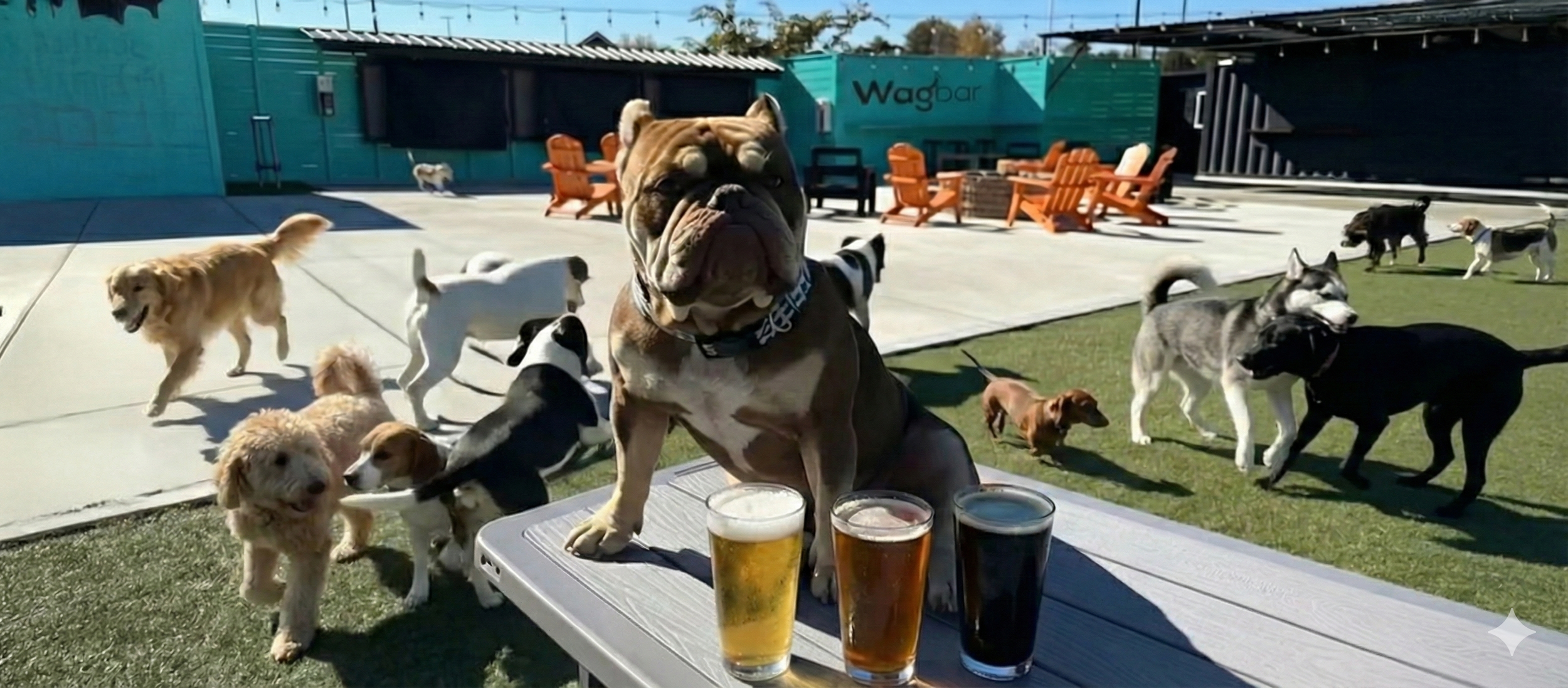
Year-Round Dog Park Guide for Knoxville: Seasonal Strategies for Every Weather Condition

Top TLDR: This Year-Round Dog Park Guide for Knoxville helps dog owners navigate Tennessee's unpredictable weather across all four seasons. Spring brings pollen and mud, summer heat creates dangerous conditions requiring early morning or evening visits only, fall offers ideal temperatures for extended play, and winter brings cold rain and limited daylight. Actionable strategy: Visit outdoor parks during spring and fall's moderate weather, shift to climate-controlled indoor facilities like Wagbar during summer's heat and winter's harsh conditions to maintain consistent socialization year-round.
Knoxville's Four Seasons for Dog Owners
Tennessee weather keeps you guessing. One week you're sweating through 95-degree humidity, the next you're scraping ice off your windshield. For Knoxville dog owners, this means your park strategy needs to change with the calendar.
Most dog owners stick to the same routine year-round, showing up at the same time regardless of whether it's blazing July or freezing January. That approach works until your dog starts limping from salt-burned paws in winter or panting dangerously in summer heat. Understanding how Knoxville's distinct seasons affect your dog's park experience isn't just about comfort—it's about keeping your pup safe and social all year long.
This guide breaks down exactly what to expect during each season at Knoxville's dog parks, from the pollen-heavy springs to the occasional winter ice storms. You'll learn when to visit, what to watch for, and when indoor alternatives like Wagbar Knoxville become the smarter choice. Because your dog deserves consistent socialization regardless of what East Tennessee weather throws your way.
Spring Dog Park Season in Knoxville (March-May)
Spring hits Knoxville hard and fast. One day you're bundled up, the next week temperatures jump into the 70s and everything turns green overnight. This rapid transition makes spring both the most beautiful and most challenging season for dog park visits.
Perfect Weather Windows
March through May offers some of the year's best dog park weather in Knoxville. Average temperatures range from the mid-50s to upper 70s, with lower humidity than summer. The sweet spot is late April through mid-May, when temperatures hover in the comfortable 65-75 degree range and the heaviest spring rains have passed. Early mornings around 7-9 AM and evenings from 5-7 PM provide the most pleasant conditions before the day heats up or crowds arrive.
The Pollen Problem Nobody Talks About
Knoxville ranks among the worst cities in the nation for spring allergies. The Tennessee Valley's geography traps pollen from oak, maple, pine, and birch trees, creating a yellow dust that coats everything from March through May. Dogs can develop seasonal allergies just like humans, showing symptoms like excessive paw licking, face rubbing, and red, itchy skin.
Watch for allergy signs during peak pollen days (typically dry, breezy mornings). If your dog starts scratching obsessively or develops watery eyes at the park, rinse their paws and coat with plain water when you get home. Some owners keep a damp towel in the car for a quick wipe-down before heading home. For dogs with confirmed allergies, your vet might recommend antihistamines or timing park visits after afternoon rains wash pollen from the air.
Mud Season Management
Spring rain turns many Knoxville parks into mud pits. Clay-based Tennessee soil doesn't drain quickly, meaning puddles linger for days after storms. Parks like Victor Ashe and Concord Park develop particularly muddy sections near gates and popular play areas where grass gets trampled.
Bring old towels and prepare for a messy car ride home. Some owners keep a plastic storage bin in their trunk filled with towels, paw wipes, and a spray bottle of water for emergency cleanups. The investment in waterproof seat covers pays for itself after one spring park visit. Accept that spring park visits mean muddy paws and dirt-streaked fur, or visit Wagbar's climate-controlled facility where drainage systems keep play areas clean regardless of weather.
Parasite Prevention Kicks Into High Gear
Warming soil temperatures bring out ticks, fleas, and mosquitoes by late March in Knoxville. The Tennessee Valley's mild winters mean these parasites never fully die off, they just wait for temperatures above 45 degrees to become active again. Ticks are particularly aggressive in spring, lurking in tall grass around park perimeters and wooded areas.
Check your dog thoroughly after every park visit, running your hands through their coat and examining ears, armpits, and between toes where ticks love to hide. Keep your dog current on flea and tick preventatives—this isn't optional in Tennessee. Heartworm-carrying mosquitoes emerge by April, making year-round heartworm prevention essential. Many Knoxville parks have tall grass sections perfect for tick habitats, so stick to mowed play areas when possible.
When Parks Close for Maintenance
Knoxville's Parks and Recreation Department typically schedules spring maintenance between March and April, including fertilizing, aerating, and reseeding damaged areas. Popular parks like Concord and Plumb Creek may close sections or entire dog areas for 1-2 weeks during this period. Check the Knox County Parks website for closure schedules before making the drive, or choose Wagbar, which maintains consistent hours year-round without seasonal closures.
Summer Dog Park Season in Knoxville (June-August)
Summer in Knoxville isn't just hot—it's oppressively humid. Average high temperatures reach the low 90s, but the heat index frequently pushes past 100 degrees. This isn't weather for extended dog park visits. This is weather that can kill your dog if you're not careful.
Heat and Humidity: The Dangerous Combination
Tennessee summers combine high temperatures with suffocating humidity that can reach 70-80%. Unlike dry heat where dogs can cool themselves through panting, humid air prevents efficient evaporative cooling. Your dog's internal temperature can spike dangerously fast, with heatstroke symptoms appearing in as little as 15 minutes during peak heat.
Brachycephalic breeds (bulldogs, pugs, Boston terriers) face extreme risk in Knoxville summers. Their shortened airways already struggle with efficient breathing, and humid heat makes cooling nearly impossible. Even healthy dogs can develop heatstroke on 90-degree days with high humidity. Watch for excessive panting, drooling, bright red gums, vomiting, or stumbling—these are emergency signs requiring immediate veterinary care.
The truth most Knoxville dog owners learn the hard way: summer afternoons from noon to 7 PM are simply too dangerous for outdoor park visits. One veterinarian at the University of Tennessee Veterinary Hospital reported treating multiple heatstroke cases every summer weekend, most from owners who "just stopped by the dog park for a quick visit" during afternoon hours.
Early Morning and Late Evening Only
Summer park strategy is simple: visit during the small windows when temperatures stay bearable. Early morning before 9 AM offers the coolest temperatures, often in the 70s before the sun climbs high. Evening visits after 8 PM work once the sun starts setting and temperatures drop back into the 80s.
But here's the problem: those limited windows don't work for everyone's schedule. If you work traditional hours, you're choosing between getting up at 6 AM or waiting until 8:30 PM for a park visit. Many Knoxville dog owners find summer outdoor parks incompatible with normal work schedules, which is exactly why climate-controlled indoor facilities like Wagbar stay busy during June through August.
Parks With Water Features and Shade
Not all Knoxville dog parks are created equal for summer survival. Plumb Creek Dog Park offers the most shade with mature trees covering roughly 40% of the play area, plus seasonal access to a creek where dogs can cool off (though water levels drop significantly by August). Concord Dog Park has minimal natural shade but provides some relief through scattered tree coverage.
Victor Ashe Dogwood Trails has almost no shade coverage, making it brutal during summer months despite being one of Knoxville's largest dog parks. If you're visiting outdoor parks in summer, choose ones with water access and tree coverage, and even then, limit visits to 20-30 minutes maximum.
Some owners bring kiddie pools or portable water bowls, but many parks prohibit these items due to safety concerns and hygiene issues. Check individual park rules before hauling equipment.
Hydration Strategies That Actually Work
Your dog needs water before, during, and after summer park visits. But here's what most owners get wrong: waiting until your dog shows thirst signs means they're already dehydrated. Dogs should have access to fresh water every 15 minutes during hot weather play.
Bring at least twice as much water as you think you'll need. A collapsible bowl and gallon jug should be minimum equipment for summer park visits. Offer water before entering the park, every 15-20 minutes during play, and again before leaving. Don't rely on park-provided water sources—fountains break, bowls get contaminated, and communal water dishes can spread illness.
Watch for dehydration signs: thick, ropy saliva, dry gums, sunken eyes, or skin that doesn't snap back quickly when gently pinched. If you notice these symptoms, get your dog to shade immediately, offer small amounts of water, and contact your vet if symptoms don't improve within 30 minutes.
When Indoor Alternatives Become Essential
Let's be honest: outdoor dog parks from June through August in Knoxville range from uncomfortable to dangerous. The heat index regularly exceeds safe play temperatures, humidity makes breathing difficult, and afternoon visits risk serious health problems.
This is when Wagbar's indoor-outdoor climate-controlled facility becomes more than just convenient—it becomes essential for maintaining your dog's socialization needs. With covered areas, air circulation, and year-round comfortable temperatures, dogs can play safely regardless of outdoor conditions. Your dog doesn't stop needing social interaction just because it's 95 degrees outside with 80% humidity.
Many Knoxville dog owners shift to a summer schedule: outdoor park visits during brief early morning windows when possible, indoor play at Wagbar during weekday evenings and weekend afternoons. This hybrid approach keeps dogs social and active without risking heat-related health issues.
Fall Dog Park Season in Knoxville (September-November)
Fall is peak dog park season in Knoxville. The oppressive humidity breaks by mid-September, temperatures drop into comfortable ranges, and the Tennessee foliage puts on a show. If you're only going to visit outdoor dog parks during one season, make it fall.
The Goldilocks Zone for Park Visits
September through November offers consistently pleasant weather for extended outdoor play. Average highs range from the 70s in September to the 60s in November, with humidity levels dropping significantly after Labor Day. The risk of both heatstroke and hypothermia stays minimal, giving you much wider visiting windows throughout the day.
October stands out as the single best month for Knoxville dog parks. Average temperatures hover in the perfect 60-70 degree range, rainfall decreases compared to spring and summer, and comfortable weather extends from morning through evening. You can visit at 10 AM, 2 PM, or 6 PM and find pleasant conditions for both you and your dog.
Fall weather allows for longer play sessions too. While summer visits should max out at 20-30 minutes, fall temperatures let dogs play safely for an hour or more. This extended time helps with socialization, exercise, and developing proper dog park behavior.
Fall Foliage and Scenic Park Experiences
Knoxville's location in the Tennessee Valley means spectacular fall color, typically peaking in mid-to-late October. Parks like Victor Ashe Dogwood Trails and Plumb Creek transform into vibrant displays of red, orange, and gold. Beyond aesthetics, cooler temperatures make scenic trail walks enjoyable again after summer's heat drove everyone to seek shade.
Many Knoxville dog owners use fall as the season for exploring parks beyond their usual spots. The comfortable weather makes the drive to new locations worthwhile, and your dog benefits from experiencing different environments and meeting new playmates. Consider visiting Knoxville's less crowded municipal parks during fall when pleasant weather makes the extra travel time reasonable.
Cooling Temperatures Enable Longer Play Sessions
Your high-energy dog who wilted after 20 minutes of summer play suddenly has stamina for extended sessions once fall arrives. Breeds that struggle in heat—huskies, malamutes, Bernese mountain dogs, thick-coated retrievers—finally thrive at the dog park again. These breeds often avoid parks entirely during summer months, making fall their primary socialization season.
Watch the temperature trends though. Early September can still hit the 80s with lingering humidity, while late November occasionally sees frost and temperatures in the 30s. The sweet spot runs from late September through early November when temperature consistency makes planning easier.
Fall Allergens: Ragweed Season
While fall allergies aren't as severe as spring pollen in Knoxville, ragweed emerges as a problem from late August through October. Ragweed pollen counts spike on warm, dry, windy fall days, particularly in late September. Dogs with seasonal allergies may show the same symptoms as spring: paw licking, face rubbing, skin irritation, and watery eyes.
The good news: fall allergens are generally less intense than spring tree pollen, and rain or cooler temperatures quickly reduce pollen counts. If your dog shows allergy symptoms, check daily pollen counts and schedule park visits on lower-count days, typically after rain or on cooler mornings.
Preparing for Winter Transition
November in Knoxville starts pleasant but ends significantly colder. Early November sees average highs in the mid-60s, but by Thanksgiving, temperatures often drop into the 40s with lows approaching freezing. This transition period requires flexibility in park timing.
Morning visits get progressively colder as November advances. By late month, mornings below 40 degrees make early park visits uncomfortable, especially for short-coated breeds. Evening temperatures also drop faster as sunset shifts earlier, with darkness arriving before 6 PM by month's end. Adjust your park schedule accordingly, shifting toward midday visits when temperatures peak in the more comfortable 50s.
This is also when you'll notice park usage patterns changing. The fall crowds thin out as casual visitors retreat from cooling temperatures, leaving the dedicated year-round dog owners. If your dog prefers smaller, calmer park environments, late November offers that experience before the holiday lull begins.
Winter Dog Park Season in Knoxville (December-February)
Knoxville winters are mild compared to northern cities, but they still bring challenges for dog park visits. Average highs range from the mid-40s to low 50s, with overnight lows frequently dipping into the 20s and 30s. Snow is rare—Knoxville averages just 4-5 inches annually—but ice storms and freezing rain create hazardous conditions several times each winter.
Mild Winters Don't Mean Easy Winters
The Tennessee Valley's moderate winter climate fools many dog owners into thinking outdoor park visits stay viable year-round. While temperatures rarely plunge to dangerous extremes, the combination of dampness, wind, and fluctuating conditions creates discomfort and occasional risk.
December and January bring the coldest weather, with several multi-day periods where highs struggle to reach 40 degrees. Factor in wind chill on exposed dog park grounds, and the "feels like" temperature drops another 5-10 degrees below actual air temperature. February typically moderates slightly with warmer days mixed into the month, but unpredictable temperature swings keep you guessing.
The bigger winter challenge isn't severe cold—it's the gray, damp, muddy reality of Tennessee winters. Frequent rain, cloudy skies, and early darkness combine to make outdoor park visits unappealing even when temperatures stay technically safe.
Cold Weather Breed Considerations
Small breeds, short-coated dogs, and puppies feel winter temperatures more intensely than large, thick-coated breeds. A Chihuahua or Greyhound starts getting uncomfortable when temperatures drop below 45 degrees, while a Husky or German Shepherd thrives in the 30s.
Size matters too. Small dogs have higher surface-area-to-body-mass ratios, meaning they lose heat faster than larger dogs. A 10-pound dog playing in 35-degree weather chills much quicker than a 70-pound dog at the same temperature.
Watch for cold stress signs: shivering, reluctance to move, lifting paws off the ground repeatedly, whining, or seeking to leave. Don't assume your dog will self-regulate—some high-drive dogs keep playing despite discomfort, risking hypothermia or frostbite on paws. When in doubt, cut visits short or choose indoor alternatives where temperature control eliminates cold weather risks.
Consider dog coats or sweaters for short-haired breeds during winter park visits, especially for dogs under 30 pounds. Look for water-resistant options since Tennessee winter often means damp conditions rather than dry cold.
Reduced Daylight and Early Closures
Daylight savings time ends in early November, bringing sunset before 6 PM through winter months. By December's winter solstice, the sun sets around 5:20 PM in Knoxville, leaving very limited after-work daylight hours for park visits.
Most Knoxville dog parks close at dusk or have posted hours ending around 6-7 PM during winter. Some lack lighting entirely, making after-dark visits unsafe. This compressed window hits working dog owners hardest—leaving work at 5 PM gives you maybe 30 minutes of usable park time before darkness falls.
Weekend daylight hours expand your options, but only if weather cooperates. Winter mornings see sunrise around 7:30-8 AM, with coldest temperatures occurring just after dawn. The warmest window typically runs from noon to 3 PM when temperatures peak and you maximize limited winter sunshine.
Muddy Conditions From Winter Rain
Tennessee winters bring substantial rainfall, typically 3-4 inches per month from December through February. Combined with cold temperatures that limit evaporation, this creates persistently muddy conditions at many Knoxville dog parks.
Clay-based soil turns into sticky, slippery mess during wet winters. High-traffic areas near gates, water fountains, and popular play sections develop deep mud that takes weeks to dry once established. Some parks become essentially unusable during wet winter periods, with mud so deep it poses a genuine safety risk for running dogs.
Parks with better drainage fare better—Plumb Creek's gravel pathways and sloped terrain shed water more effectively than flat, grass-only parks. But even well-designed parks struggle during extended rainy periods. Check weather forecasts and avoid park visits within 24 hours of significant rain unless you don't mind carrying a muddy dog to your car.
Indoor Alternatives During Extreme Weather
Knoxville winters include several periods of genuinely nasty weather: ice storms coating everything in frozen rain, days where temperatures never climb above freezing, or week-long stretches of cold rain. During these periods, outdoor park visits range from unpleasant to dangerous.
This is exactly when year-round dog owners appreciate having reliable indoor options. Wagbar Knoxville provides climate-controlled indoor-outdoor space where dogs play comfortably regardless of ice, rain, or cold temperatures outside. Your dog's socialization needs don't pause for winter weather, but forcing outdoor visits during ice storms or freezing rain isn't the solution.
Many Knoxville dog owners adopt a winter strategy: attempt outdoor park visits during nice days (dry, above 45 degrees, afternoon hours), default to indoor facilities during poor weather. This approach maintains consistent social opportunities without forcing dogs—or owners—to suffer through miserable conditions.
Rainy Day Options for Dog Socialization
Tennessee averages 47 inches of annual rainfall, well above the national average. Knoxville sees rain about one day in three year-round, meaning rain-proof dog socialization options become essential unless you're willing to skip a third of potential park days.
Parks With Better Drainage Systems
Not all Knoxville dog parks handle rain equally. Plumb Creek Dog Park drains relatively well thanks to sloped terrain and gravel pathways that prevent complete mud saturation. The park remains usable within hours of light rain, though heavy downpours still create temporary muddy spots.
Concord Park has flatter terrain and develops significant mud problems during wet periods. Clay soil retains water, creating sticky conditions that linger for days. Victor Ashe's size means you can often find drier sections even during rainy periods, though high-traffic areas still turn muddy.
Urban parks with artificial turf or rubberized surfaces drain best but are rare in Knoxville. Most municipal parks use natural grass and dirt, making drainage a persistent challenge during rainy seasons.
Covered Areas and Minimal Shelter
Knoxville's public dog parks generally lack covered areas or shelter structures. A few have trees providing canopy coverage that blocks light rain, but none offer true weather protection. If rain starts during your visit, you're getting wet—there's no ducking under pavilions or covered walkways.
This design makes sense from a maintenance perspective but leaves dog owners with no intermediate option between "perfect weather" and "going home." Light drizzle or passing showers end outdoor park visits even when temperatures are otherwise comfortable.
Wagbar: The Premier Rain-Proof Option
Wagbar Knoxville solves the rain problem completely with covered play areas and indoor-outdoor flexibility. Dogs play in protected spaces regardless of weather, while owners stay dry while supervising. Rain doesn't cancel socialization plans or force your dog to miss critical exercise and play.
The facility's design allows air circulation and natural light while providing full weather protection. This matters especially during spring and winter when rain is most frequent. Rather than canceling park visits or dragging your dog through mud, you maintain consistent socialization schedules year-round.
For Knoxville dog owners tired of checking weather forecasts before every park visit, membership at a climate-controlled facility eliminates weather as a planning factor entirely. Your dog can socialize on sunny days and rainy days with identical comfort and safety.
Making the Most of Brief Weather Windows
Tennessee weather changes quickly. Rainy mornings often give way to dry afternoons, or vice versa. Learning to identify these brief dry windows maximizes outdoor park opportunities during otherwise wet periods.
Weather radar apps help predict rain timing—if you see a two-hour dry window between storm cells, grab it for a quick park visit. Keep a towel kit in your car year-round so you're always ready when surprise dry periods appear.
But recognize the limits of this approach. Constantly monitoring weather, rushing to parks during brief breaks, and cleaning muddy dogs afterward gets exhausting. Many dog owners eventually conclude that reliable, weather-independent facilities offer better quality of life than chasing brief windows between rainstorms.
Extreme Weather Protocols
Knoxville experiences occasional extreme weather that makes outdoor dog park visits unsafe regardless of timing or preparation. Knowing when to skip outdoor parks protects your dog from genuine danger.
Heat Advisories and Cancellation Thresholds
The National Weather Service issues heat advisories when heat index values reach or exceed 105 degrees. Knoxville sees these conditions several times most summers, typically during multi-day heat waves in July and August. During heat advisories, outdoor dog park visits should be completely canceled—no exceptions.
Even before official advisories, apply your own thresholds. If air temperature exceeds 90 degrees or heat index tops 95, outdoor park visits become dangerous for most dogs. Early morning visits before 9 AM or evening visits after 8 PM might work if temperatures drop sufficiently, but afternoon outdoor play should be off the table entirely.
Create a simple rule: when local weather forecasters warn people to stay indoors and limit outdoor activity, apply the same advice to your dog. If conditions are dangerous for humans, they're dangerous for dogs who can't control their own exposure.
Severe Weather Closures
Knoxville Parks and Recreation closes dog parks during severe weather warnings including tornado warnings, severe thunderstorm warnings with damaging wind potential, and winter weather events. These closures appear on the department's website and social media, but don't rely on official notices—if severe weather threatens, assume parks are closed and dangerous.
Lightning poses particular risk at exposed dog parks with minimal tree coverage and no shelter structures. The 30-30 rule applies: if the time between lightning flash and thunder is 30 seconds or less, lightning is close enough to pose danger. Seek shelter immediately and wait 30 minutes after the last thunder before resuming outdoor activities.
Ice storms and freezing rain create hazardous conditions that persist long after precipitation ends. Icy surfaces make running dangerous, and salt or chemical deicers used on pathways can burn paw pads or cause illness if ingested.

Air Quality Alerts
While less common than heat or severe weather, air quality alerts occasionally affect Knoxville during summer months when stagnant air traps pollution and ozone. Code Orange (unhealthy for sensitive groups) and Code Red (unhealthy for everyone) days occur several times most summers.
Dogs with respiratory issues, brachycephalic breeds, and senior dogs are most vulnerable to poor air quality. On Code Orange days, limit outdoor exercise to early morning or evening when pollution levels are typically lower. On Code Red days, skip outdoor parks entirely and choose indoor alternatives that filter air.
Check local air quality forecasts at airnow.gov before planning park visits during summer months, especially after several hot, windless days when pollution accumulates.
Emergency Weather Resources
Monitor weather conditions using reliable sources:
National Weather Service Nashville office (weather.gov/ohx) for official forecasts and warnings
Local news station apps for real-time updates and radar
Knox County Emergency Management (knoxcounty.org/emergency) for county-level alerts
Wagbar Knoxville's social media for facility status during weather events
Sign up for wireless emergency alerts on your phone to receive tornado warnings and other critical weather notifications automatically. These alerts work even if you're at the dog park without actively monitoring weather.
Monthly Park Planning Calendar
Understanding typical Knoxville weather patterns by month helps with long-term planning and seasonal strategy development.

January: Coldest month with average highs around 47°F and lows near 30°F. Expect occasional ice events and several days below freezing. Best visiting times: midday (noon-3 PM) when temperatures peak. Crowds are lightest of the year. Wagbar particularly busy with weather refugees.
February: Slight warming with highs reaching 52°F. Still experiences ice and cold rain events. Early sunset continues limiting after-work park time. Month-end brings hints of spring with occasional 60-degree days. Plan visits during warm snaps between cold fronts.
March: Transition month with unpredictable temperature swings from 40s to 70s. Heavy rain returns, creating muddy conditions. Pollen begins emerging by month-end. Parks start seeing increased weekend traffic. Best early-month visits at midday; late-month allows earlier morning visits as sunrise shifts earlier.
April: Spring arrives with average highs in the 70s. Peak pollen season with oak, maple, and pine dominating. Scattered thunderstorms create afternoon mud. Ticks become active. Parks get crowded on nice weekends. Best visits: early morning (7-9 AM) or evening (5-7 PM) to avoid peak heat and crowds.
May: Beautiful weather continues with highs in the upper 70s to low 80s. Late-month humidity increases foreshadowing summer. Last comfortable month for midday park visits. Spring maintenance concludes at most parks. Excellent month for exploring new parks and extended play sessions.
June: Summer arrives with average highs in the mid-80s and rising humidity. First heat advisories typically appear mid-month. Shift to early morning only (before 9 AM) for outdoor visits. Evening visits after 8 PM when temperatures drop. Many owners transition to indoor facilities during peak afternoon heat.
July: Peak summer heat with highs in low 90s and frequent heat index above 100. Most dangerous month for outdoor park visits. Limit outdoor play to early morning (before 8 AM) or late evening (after 8:30 PM). Wagbar sees highest traffic as owners seek climate-controlled alternatives.
August: Continued intense heat and humidity through mid-month. Slight relief arrives late August as humidity occasionally breaks. Sunset shifts earlier, expanding evening visiting window slightly. Still too hot for midday outdoor visits. Watch for heat exhaustion signs even during morning hours.
September: Summer heat lingers early month but beautiful fall weather arrives by mid-September. Humidity drops significantly after Labor Day. Average highs in upper 70s to low 80s. Excellent month for longer park visits and exploring new locations. Ragweed allergies peak mid-month.
October: Best month of the year for Knoxville dog parks. Average highs in the 60s, low humidity, fall foliage peak mid-month. Comfortable weather from morning through evening allows flexible visiting schedules. Parks stay busy with perfect conditions. Extended play sessions safe for all breeds.
November: Continued pleasant early month with highs in 60s. Cooling accelerates mid-month with highs dropping to 50s by Thanksgiving. Early darkness returns (sunset before 6 PM). Late-month temperatures occasionally dip to freezing overnight. Shift from evening to midday visits as month progresses.
December: Winter weather settles in with average highs in upper 40s. Occasional cold snaps bring temperatures below freezing for several consecutive days. Holiday period sees reduced park traffic. Rain increases creating muddy conditions. Best visits during rare sunny, dry days between 11 AM-3 PM when temperatures peak.
Seasonal Crowding Patterns
Park usage in Knoxville follows predictable seasonal and weekly patterns. Understanding these rhythms helps you find quieter times for training or more active periods for high-energy dogs seeking playmates.
Peak Seasons: September through November sees highest park usage during ideal weather. April and May also draw heavy crowds. Parks reach maximum capacity weekend mornings from 9-11 AM during these months.
Low Seasons: January and February have lightest traffic due to cold, mud, and early darkness. July and August see reduced outdoor park usage as heat drives owners to indoor alternatives.
Weekly Patterns: Weekend mornings (Saturday and Sunday 9-11 AM) are busiest year-round. Weekday mornings (8-10 AM) attract retired owners and flexible schedules. Weekday evenings (5-7 PM) draw working professionals, though summer heat shifts this earlier or later.
Holiday Impacts: Major holidays (Thanksgiving, Christmas, New Year's) see dramatically reduced park traffic. The week between Christmas and New Year's is among the quietest of the year.
If your dog prefers smaller groups or you're working on reactivity training, visit during off-peak times: weekday mid-mornings (10 AM-noon) or early afternoons (1-3 PM) during spring and fall, or weekday evenings during winter when darkness and cold thin crowds.
FAQ: Seasonal Dog Park Questions
What temperature is too cold for my dog at the park?

This depends entirely on your dog's size, coat type, and cold tolerance. Small dogs (under 20 pounds) and short-coated breeds start getting uncomfortable below 45 degrees. Medium dogs with normal coats handle temperatures down to the mid-30s comfortably. Large, thick-coated breeds thrive even in the 20s. Watch for shivering, lifting paws off ground, or reluctance to play—these signal your specific dog is too cold regardless of general guidelines. When in doubt, limit winter visits to 20-30 minutes and consider dog sweaters for small or short-haired breeds.
How hot is too hot for outdoor dog park visits in Knoxville?
Air temperature above 90 degrees or heat index above 95 degrees creates serious risk for most dogs. During summer heat, limit outdoor park visits to early morning (before 9 AM) or late evening (after 8 PM) when temperatures drop below these thresholds. Brachycephalic breeds (bulldogs, pugs) face danger at even lower temperatures due to breathing difficulties. If local weather forecasters warn people to stay indoors due to heat, your dog should also stay in climate-controlled environments. Indoor alternatives like Wagbar eliminate heat risk entirely during summer months.
Can I bring my dog to the park during light rain?
Light rain isn't inherently dangerous for dogs, but creates several challenges. Most Knoxville dog parks lack covered areas, meaning you'll both get wet. Rain creates muddy conditions that can last days, especially on clay-based Tennessee soil. Your car and home will get muddy. Additionally, wet dogs are more susceptible to chilling if temperatures are below 50 degrees. Many owners find that rain-proof facilities provide better experiences during wet weather without the cleanup hassle.
Which Knoxville parks drain best after rain?
Plumb Creek Dog Park handles rain better than most Knoxville parks thanks to sloped terrain and gravel pathways. Victor Ashe's large size means you can often find drier sections even during wet periods. Concord Park has flatter terrain and tends to develop significant mud issues during rainy seasons. Check recent weather—visiting within 24 hours of heavy rain guarantees muddy conditions at any park.
Should I worry about spring allergies in my dog?
Yes. Knoxville ranks among the worst U.S. cities for spring pollen, and dogs can develop seasonal allergies just like humans. Watch for excessive paw licking, face rubbing, red or itchy skin, and watery eyes during March through May. If symptoms appear, rinse your dog's paws and coat after park visits to remove pollen. Check daily pollen counts and schedule visits on lower-count days (typically after rain). Persistent symptoms warrant a veterinary visit to discuss antihistamines or other treatments.
What's the best season for introducing puppies to dog parks?
Fall (September-November) offers ideal conditions for puppy introductions with comfortable temperatures, lower disease risk than summer, and moderate crowds. Spring works too but comes with higher pollen and parasite concerns. Avoid summer's intense heat and winter's cold, mud, and ice. Whenever you start, ensure your puppy has completed all vaccinations—most vets recommend waiting until 16 weeks minimum. Consider starting at quieter times (weekday mornings) to avoid overwhelming your puppy with overstimulated dogs. Wagbar's supervised environment works well for controlled puppy socialization regardless of season.
How do I protect my dog's paws from winter salt and ice?
Rinse paws with warm water immediately after park visits to remove salt and chemical deicers that burn paw pads or cause illness if licked. Dog booties provide complete protection but many dogs resist wearing them. Paw wax products create a protective barrier against salt and ice. Check between toes and paw pads for ice balls that form on furry feet—these cause pain and limping. If your dog shows pain walking on salted surfaces, choose parks with minimal deicing or visit unsalted grass sections, or switch to indoor facilities during icy periods.
Do ticks really stay active in winter in Tennessee?
Yes. Tennessee's mild winters allow ticks to remain active whenever temperatures exceed 45 degrees. Winter warm spells (common in December and February) bring ticks out searching for hosts. Year-round tick prevention is essential in Knoxville, not just during spring and summer. Check your dog thoroughly after every park visit, even in winter. Focus on ears, armpits, groin, and between toes where ticks often hide. Tick-borne diseases like Lyme disease and ehrlichiosis occur year-round in East Tennessee.
When should I choose indoor dog parks over outdoor ones?
Choose indoor facilities when outdoor conditions become uncomfortable or dangerous: heat index above 95 degrees, air temperature below 35 degrees, active rain, ice storms, severe weather warnings, or air quality alerts. Indoor facilities also make sense during mud season after heavy rain, when your schedule only allows midday summer visits (too hot outdoors), or during winter's limited daylight hours. Many Knoxville dog owners use a hybrid approach: outdoor parks during ideal weather (spring and fall mornings/evenings), indoor facilities during weather extremes (summer afternoons, winter rain/ice, any severe weather).
How does seasonal crowding affect my dog's park experience?
Crowd levels dramatically impact dog park behavior and safety. Overcrowded parks during peak spring and fall weekends increase fight risk, make supervision harder, and overwhelm shy or reactive dogs. Small dogs may feel unsafe in large crowds of bigger, more energetic dogs. Conversely, empty winter parks provide little socialization benefit for social dogs. Visit during moderate-traffic times (weekday mornings or early afternoons) for balanced experiences, or choose facilities with separated small dog areas if your pup struggles in mixed-size groups.
Can my senior dog still enjoy outdoor parks in Knoxville year-round?
Senior dogs often have reduced temperature tolerance in both heat and cold. Arthritis worsens in cold, damp winter weather. Heat exhaustion risk increases as dogs age. Tailor visits to weather: avoid summer heat entirely, limit winter visits to warmer midday hours, maximize spring and fall when temperatures stay moderate. Senior dogs benefit from shorter, more frequent visits rather than extended play sessions. Watch for fatigue, limping, or reluctance to continue—senior dogs may not self-regulate effectively. Indoor climate-controlled environments help senior dogs stay social without weather-related stress on aging joints and reduced stamina.
What emergency supplies should I keep in my car for dog park visits?
Year-round essentials: water (at least one gallon), collapsible water bowl, first aid kit, extra leash, towels, dog waste bags, phone charger. Summer additions: cooling vest or wet towel, instant cold packs, thermometer for checking body temperature. Winter additions: dog coat or sweater, paw wax or booties, blanket. Spring/fall: paw wipes for mud removal, tick removal tool, antihistamine (vet-approved). This kit ensures you're prepared for weather changes, minor injuries, or unexpected temperature extremes during park visits.
Bottom TLDR
This Year-Round Dog Park Guide for Knoxville equips owners with seasonal safety strategies for maintaining dog socialization through spring pollen, summer heat index above 100°F, fall's perfect conditions, and winter ice storms. Understanding Knoxville's weather patterns prevents heat exhaustion in July, hypothermia in January, and tick exposure in spring while maximizing safe outdoor time during fall's 60-70°F temperatures. Essential takeaway: Adjust park timing by season and choose weather-proof indoor alternatives during extreme conditions to keep your dog safely social all year.