

Vaccination Requirements for Dog Parks: The Complete Schedule Every Owner Needs
Top TLDR: Vaccination requirements for dog parks include core vaccines (rabies, distemper, parvovirus, adenovirus) completed by 16-20 weeks for puppies plus bordetella given every 6-12 months, with non-core vaccines like canine influenza and leptospirosis recommended based on regional disease prevalence and individual risk factors. Puppies need a complete vaccination series plus a 7-10 day waiting period after final shots before dog park visits, while adult dogs require annual core vaccine boosters and documentation showing current vaccination status. Bring printed vaccination records or use digital vaccine passport apps, as most facilities require proof at entry and verify immunity dates rather than accepting verbal confirmation.
Dog parks provide essential exercise and socialization, but they also concentrate unvaccinated or under-vaccinated dogs in shared spaces where infectious diseases spread rapidly. Understanding vaccination requirements protects your dog from preventable illnesses while ensuring you meet facility access requirements. This guide breaks down exactly which vaccines your dog needs, when they need them, and how to maintain compliant documentation for dog park entry.
Many dog owners assume basic puppy shots cover all dog park requirements, but facilities increasingly require additional vaccines beyond core series. Regional disease patterns, facility policies, and your dog's individual risk factors determine the complete vaccination schedule needed for safe park access. Some vaccines protect against diseases with near-100% infection rates in unvaccinated dogs exposed at dog parks, making compliance critical rather than optional.
Understanding Core Vaccines: The Non-Negotiable Requirements
Core vaccines protect against diseases that are severe, widespread, and easily transmitted. Every dog visiting dog parks needs these vaccines regardless of geographic location, lifestyle, or facility-specific policies. Veterinary organizations including the American Animal Hospital Association (AAHA) and American Veterinary Medical Association (AVMA) classify these as essential for all dogs.
Rabies Vaccine: Legal Requirement and Life-Saving Protection
Rabies vaccination is legally mandated in all 50 states because rabies is 100% fatal once symptoms appear and poses serious public health risk through zoonotic transmission. Dogs receive their first rabies vaccine between 12-16 weeks of age, with subsequent boosters required every 1-3 years depending on state law and vaccine type used.
Most states require rabies vaccination by 4-6 months of age, though specific timing and booster schedules vary by jurisdiction. One-year rabies vaccines require annual boosters, while three-year vaccines provide longer immunity but need proper documentation showing they're valid three-year formulations. Check your state's rabies vaccination laws, as some require specific vaccine types or booster schedules that differ from veterinary recommendations.
Dog parks universally require current rabies vaccination, making this the single most important vaccine for facility access. Facilities verify rabies compliance strictly because legal liability and public health concerns make exceptions impossible. Your dog's rabies certificate must show vaccination date, expiration date, veterinarian information, and rabies tag number to meet documentation requirements.
Rabies immunity takes approximately 28 days to develop after vaccination. Puppies receiving their first rabies shot need this full waiting period before dog park visits provide adequate protection. Adult dogs receiving booster shots maintain continuous immunity when boosters are given before previous vaccines expire, creating no gap in protection.
DHPP Vaccine: Four Critical Diseases in One Shot
The DHPP or DA2PP vaccine protects against distemper, hepatitis (adenovirus-2), parvovirus, and parainfluenza. These diseases spread through airborne droplets, direct contact, and contaminated surfaces, making dog parks high-risk transmission environments. The combination vaccine requires a series of shots for puppies and periodic boosters for adult dogs.
Canine distemper causes respiratory, gastrointestinal, and neurological symptoms with 50% mortality rate in puppies and 80% in unvaccinated adult dogs. The virus spreads through respiratory secretions and remains infectious in the environment for hours. Dogs surviving distemper often suffer permanent neurological damage including seizures and muscle twitching.
Canine adenovirus-2 protects against infectious hepatitis affecting the liver, kidneys, and blood vessels. While less common than distemper or parvo, hepatitis causes severe illness with 10-30% mortality in unvaccinated dogs. The vaccine also provides cross-protection against respiratory disease caused by related adenovirus strains.
Canine parvovirus represents the most dangerous dog park disease threat. Parvo spreads through feces and contaminated surfaces, surviving in soil for months or years. Unvaccinated puppies exposed to parvo have 91% mortality rate without aggressive treatment. Even with veterinary care, parvovirus treatment costs $1,500-$4,000 and requires hospitalization lasting 5-7 days. Understanding parvovirus transmission helps explain why complete vaccination before dog park visits is critical.
Parainfluenza causes respiratory symptoms including coughing, nasal discharge, and fever. While less severe than distemper or parvo, parainfluenza contributes to kennel cough complex, making infected dogs miserable and highly contagious to other dogs at the park.
Puppy Vaccination Schedule for Core Vaccines
Puppies receive DHPP vaccines every 3-4 weeks starting between 6-8 weeks of age and continuing through 16-20 weeks. This series typically includes 3-4 doses depending on the age at first vaccination. The frequent boosters overcome maternal antibody interference that prevents effective immunity from single early-life shots.
Maternal antibodies from nursing protect young puppies but also block vaccine effectiveness. These inherited antibodies decline gradually over the first 16 weeks of life, with the exact timing varying between individual puppies. Multiple vaccine doses ensure that at least one shot occurs after maternal antibodies drop below blocking levels, allowing the puppy's immune system to respond.
The final DHPP dose must occur at or after 16 weeks of age for maximum protection. Puppies receiving their last shot before 16 weeks have higher vaccine failure rates because maternal antibodies may still interfere with immunity development. Many veterinarians now recommend extending puppy series through 18-20 weeks for large breed dogs who may retain maternal antibodies longer.
Puppies aren't fully protected until 7-10 days after their final core vaccine dose. This waiting period allows the immune system to generate protective antibodies in response to vaccination. Taking puppies to dog parks before completing this full vaccination and waiting period exposes them to potentially fatal diseases during their most vulnerable life stage.
Adult Dog Booster Schedule
Adult dogs who completed proper puppy vaccination series need DHPP boosters every 1-3 years depending on vaccine type and veterinary recommendation. Traditional protocols required annual DHPP boosters, but current guidelines recognize that immunity from core vaccines lasts longer than previously believed.
Many veterinarians now recommend three-year intervals for DHPP boosters in adult dogs who received proper puppy series and one-year booster. This extended interval reduces unnecessary vaccine exposure while maintaining protective immunity. However, facilities may require more frequent boosters for park access, as their policies often lag behind current veterinary guidelines.
Dogs with unknown or incomplete vaccination history need a complete two-shot DHPP series spaced 3-4 weeks apart regardless of age, followed by annual or triennial boosters. Never assume an adult dog with unclear history has adequate immunity, as unvaccinated adults face severe disease risk when exposed at dog parks.
Non-Core Vaccines: Risk-Based Recommendations
Non-core vaccines protect against diseases that are region-specific, lifestyle-dependent, or have lower transmission risk. Whether your dog needs these vaccines depends on local disease prevalence, facility requirements, and individual risk factors including park attendance frequency and geographic location.
Bordetella: The Essential Dog Park Vaccine
Bordetella bronchiseptica causes kennel cough, the most common infectious disease at dog parks. This bacterial infection spreads through respiratory droplets and contaminated surfaces, with near-100% transmission rate when unvaccinated dogs contact infected animals in close quarters. The disease causes harsh, honking cough lasting 1-3 weeks and creates miserable symptoms including gagging, retching, and exercise intolerance.
Most dog parks require bordetella vaccination for entry because of the disease's contagious nature and prevalence in group settings. Even facilities not requiring bordetella strongly recommend it for any dog participating in group play, boarding, grooming, or training classes where dogs congregate.
Bordetella vaccines come in three forms: injectable, intranasal, and oral. Injectable vaccines require two initial doses 2-4 weeks apart for dogs without prior vaccination, followed by annual boosters. Intranasal and oral vaccines provide faster immunity (72 hours versus 7-10 days for injectable) but may cause mild respiratory symptoms including sneezing and coughing for 1-3 days post-vaccination.
Bordetella immunity wanes faster than core vaccines, requiring boosters every 6-12 months depending on risk level. Dogs visiting dog parks weekly or more frequently need 6-month bordetella boosters for optimal protection. Dogs with occasional park visits may adequately protect with annual bordetella vaccination, though 6-month intervals provide better coverage.
Timing matters for bordetella vaccination. Give intranasal or oral bordetella at least 72 hours before dog park visits to allow immunity development. Injectable bordetella needs 7-10 days before exposure for adequate protection. Many owners vaccinate bordetella 1-2 weeks before starting regular park visits to ensure full immunity at first exposure.
Canine Influenza: Geographic Risk Assessment
Canine influenza virus (CIV) exists in two strains: H3N8 and H3N2. Both spread rapidly through dog populations, with 80% infection rate in exposed dogs. Infected dogs develop cough, fever (104-106°F), nasal discharge, and lethargy, with 10-20% progressing to pneumonia requiring hospitalization.
Canine flu concentrates in specific geographic regions with periodic outbreaks spreading to new areas. Currently, the H3N2 strain shows higher prevalence in urban areas including Chicago, New York, Los Angeles, and Atlanta. The H3N8 strain is endemic in Florida, Colorado, and Pennsylvania. Check with your veterinarian about current canine influenza prevalence in your region.
Dog parks in areas with confirmed canine influenza cases should require the vaccine, though many facilities don't mandate it. If you live in or travel to regions with active CIV transmission, vaccinating provides important protection. The vaccine requires two initial doses 2-4 weeks apart, followed by annual boosters. Immunity develops 7-10 days after the second dose.
The bivalent canine influenza vaccine protects against both H3N8 and H3N2 strains. Single-strain vaccines exist but provide incomplete protection since both variants circulate in some regions. Always choose the bivalent formulation if vaccinating for canine flu, as cross-protection between strains is limited.
Leptospirosis: Water-Related Disease Risk
Leptospirosis is a bacterial infection spread through contaminated water, soil, and urine from infected animals including rodents and wildlife. The disease causes kidney failure, liver damage, and can transmit to humans, making it a significant zoonotic concern. Dogs contract leptospirosis by drinking from puddles, swimming in contaminated water, or contacting infected urine.
Dog parks with poor drainage, standing water, or high wildlife activity have increased leptospirosis risk. Parks near bodies of water or in rural/suburban areas where wildlife encounters occur frequently warrant leptospirosis vaccination consideration. Urban parks with good drainage and no standing water pose lower risk, though sporadic cases occur anywhere.
Leptospirosis vaccination requires two initial doses 3-4 weeks apart, followed by annual boosters. The vaccine protects against four common leptospira serovars: Canicola, Icterohaemorrhagiae, Grippotyphosa, and Pomona. These four serovars cause most canine leptospirosis cases, though additional serovars exist that the vaccine doesn't cover.
Leptospirosis vaccines have higher adverse reaction rates than other vaccines, particularly in small breed dogs. Reactions include facial swelling, hives, vomiting, and rarely, severe allergic responses. Discuss risk versus benefit with your veterinarian based on your dog's size, breed, and actual disease exposure risk from dog park attendance.

Lyme Disease Vaccine: Regional Tick-Borne Disease
Lyme disease transmits through black-legged tick (deer tick) bites and causes arthritis, kidney disease, and neurological problems in dogs. The disease concentrates in the northeastern United States, upper Midwest, and northern California where black-legged tick populations thrive. Dogs in these endemic regions visiting outdoor dog parks face significant Lyme exposure risk.
The Lyme vaccine requires two initial doses 2-4 weeks apart, followed by annual boosters. Immunity develops 2-4 weeks after the second dose. The vaccine reduces infection risk but doesn't eliminate it, making tick prevention through topical treatments or oral medications essential even for vaccinated dogs.
Most dog parks don't require Lyme vaccination, even in endemic regions. However, veterinarians practicing in high-risk areas strongly recommend it for dogs with outdoor exposure including dog park visits. Combined with tick preventive medications and regular tick checks, vaccination creates layered protection against this serious tick-borne disease.
Lyme vaccination makes sense primarily for dogs living in or traveling to endemic regions. Dogs in low-prevalence areas with minimal tick exposure gain little benefit from Lyme vaccination, making it unnecessary for many dogs. Understanding regional disease risks helps determine whether Lyme vaccination fits your dog's needs.
Titer Testing: The Vaccination Alternative
Titer testing measures antibody levels in your dog's blood, indicating immune response to previous vaccinations. This alternative to automatic booster schedules appeals to owners concerned about over-vaccination, dogs with vaccine sensitivity, or those wanting to make evidence-based decisions about booster timing.
Understanding What Titers Measure
Titer tests detect specific antibodies your dog's immune system produced in response to vaccines or natural disease exposure. High antibody levels (high titers) suggest adequate immunity without additional vaccination. Low or absent antibodies (low or negative titers) indicate your dog needs vaccination or booster shots to achieve protective immunity.
Core vaccine titers (distemper, parvovirus, adenovirus) correlate well with immunity. Dogs with adequate titers almost certainly have protective immunity against these diseases. This makes titer testing a reliable alternative to automatic core vaccine boosters for adult dogs who completed proper initial vaccination series.
Titer testing costs $80-$200 depending on which antibodies are measured and which laboratory processes the sample. While more expensive than routine boosters costing $20-$40, many owners find the peace of mind worth the additional cost. Titer testing also reduces vaccine exposure for dogs who maintain adequate immunity beyond standard booster schedules.
When Titer Testing Makes Sense
Adult dogs three or more years past their last DHPP booster are good titer testing candidates. Many dogs maintain protective immunity against core diseases for 5-7 years or longer after completing initial vaccination series and one-year booster. Titer testing identifies these dogs, preventing unnecessary vaccination while confirming immunity.
Dogs with history of vaccine reactions benefit from titer testing to minimize future vaccine exposure. While vaccines are generally safe, some dogs develop allergic reactions, injection site reactions, or immune-mediated disease after vaccination. For these dogs, titer testing determines if boosters are truly necessary or if existing immunity remains adequate.
Senior dogs and those with chronic health conditions may benefit from reduced vaccine exposure. Titer testing allows owners and veterinarians to make informed decisions about which vaccines are necessary versus which can be safely skipped based on existing immunity levels.
Limitations and Facility Acceptance
Titer testing doesn't work equally well for all vaccines. While core vaccine titers (distemper, parvo, adenovirus) reliably predict immunity, bordetella and other non-core vaccine titers correlate poorly with protection. Bordetella immunity depends partly on local antibody production in respiratory tissues that blood tests don't measure, making titers unreliable for predicting kennel cough protection.
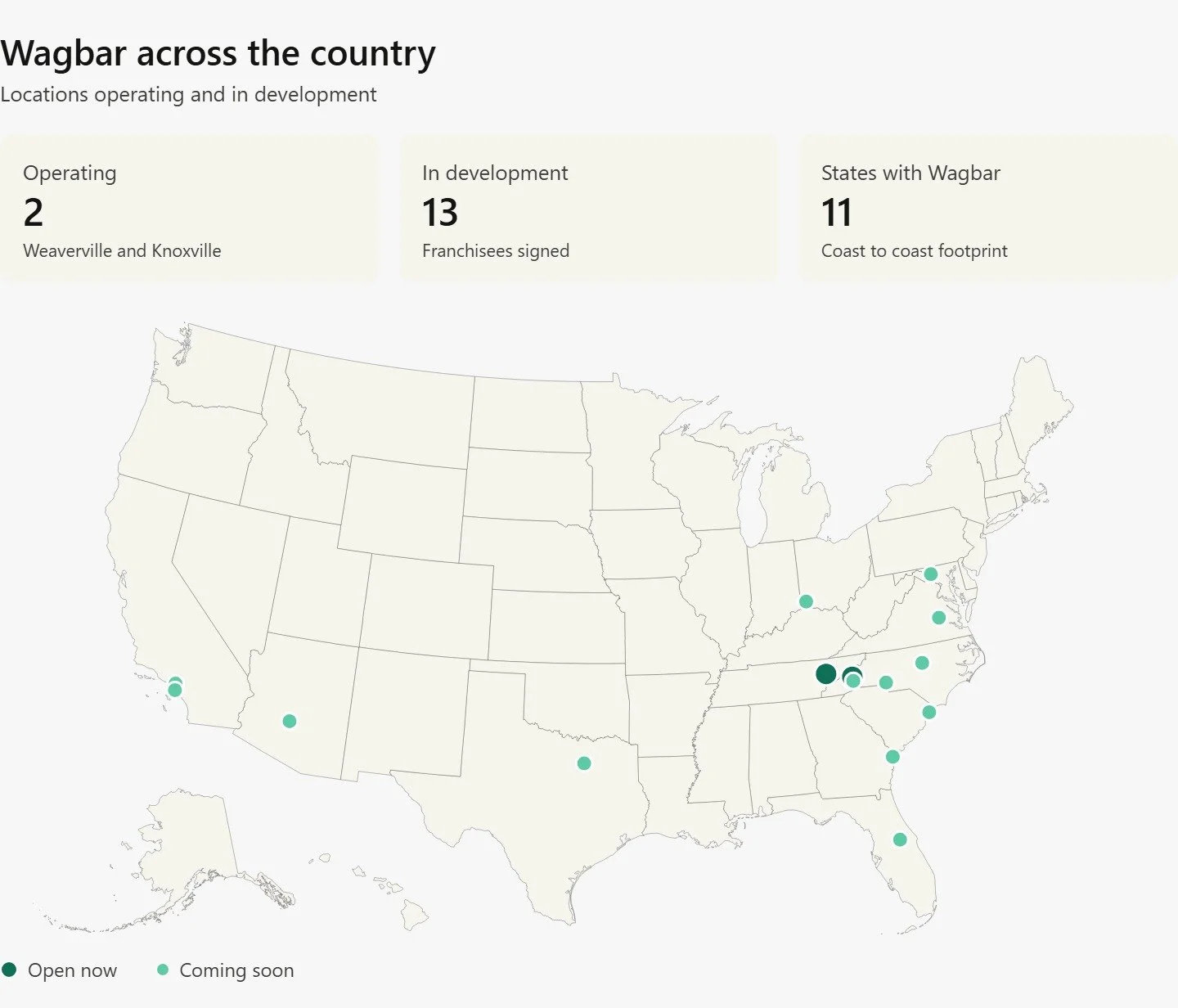
Many dog parks don't accept titer test results in place of vaccination documentation. Facilities prefer the simplicity and standardization of vaccination records over interpreting titer reports from various laboratories. Facilities like Wagbar clearly communicate their vaccination requirements, which typically include physical vaccine documentation rather than titer results.
Rabies titers are legally meaningless for domestic dog park access in the United States. Regardless of antibody levels, dogs must maintain current rabies vaccination according to state law. International travel uses rabies titers for export requirements, but this doesn't satisfy domestic vaccination laws or facility policies.
If you want to use titers for your dog's care decisions, discuss facility acceptance before testing. Some progressive facilities accept core vaccine titers from veterinary immunologists confirming adequate immunity, but most require standard vaccination documentation for entry approval.
Documentation Requirements: What Facilities Need to See

Dog parks verify vaccination status through physical documentation before allowing entry. Understanding what facilities require and how to maintain compliant records prevents access denial and ensures smooth park visits.
Acceptable Documentation Formats
Printed vaccination certificates from your veterinarian represent the gold standard for facility verification. These documents include veterinary clinic information, dog identification details, vaccine types and manufacturers, administration dates, and veterinarian signatures or stamps. Bring original certificates or clear copies showing all required information.
Digital vaccination records stored on smartphones provide convenient access but face variable facility acceptance. Some parks accept photos of vaccination certificates or PDF documents displayed on phones, while others require physical copies. Call ahead or check facility websites to confirm digital record acceptance before relying solely on phone-stored documentation.
Veterinary practice mobile apps and patient portals allow many owners to access vaccination records electronically. These systems generate downloadable PDFs suitable for printing or displaying digitally. Ensure downloaded records include complete information matching physical certificates.
Rabies vaccination certificates contain specific legal requirements including veterinarian license information, vaccine manufacturer and lot number, administration date, expiration date, and rabies tag number. Some states issue official rabies certificates that must be presented along with veterinary documentation. Carry both the veterinary certificate and any state-issued rabies documentation to satisfy all requirements.
What Information Must Be Included
Every vaccination record presented for dog park access must include your dog's identifying information: name, breed, color, sex, and age or birthdate. This identification links the vaccination record to your specific dog, preventing use of incorrect documents.
Vaccine administration dates prove current vaccination status. Facilities calculate whether vaccines remain valid based on administration date and standard booster intervals (1 year for most vaccines, 3 years for some rabies and core vaccines). Documents showing only "vaccines current" without specific dates don't meet facility requirements.
Vaccine types must be clearly indicated using standard abbreviations or full names. Common abbreviations include DHPP or DA2PP for core vaccines, Bordetella or B, Rabies or RV, CIV for canine influenza, and L4 for four-way leptospirosis. Ambiguous or unclear vaccine designations may result in entry denial until clarification from your veterinarian.
Expiration dates or next due dates help facilities verify ongoing compliance. Some vaccination certificates include expiration dates calculated by adding the standard booster interval to administration date. Others show only administration date, requiring facilities to calculate expiration manually based on vaccine type and interval.
Veterinary clinic information including practice name, address, and phone number allows facilities to verify documentation authenticity if questions arise. Documents lacking veterinary contact information raise concerns about legitimacy and may not be accepted without additional verification.
Digital Vaccine Passport Options
Several mobile applications designed specifically for pet vaccination tracking gain increasing facility acceptance. Apps including PetDesk, PetDialog, and VitusVet connect directly to veterinary practice management systems, automatically updating vaccination records after appointments.
These integrated apps provide more reliable documentation than photos or generic record-keeping apps because they sync directly with veterinary databases. Facilities can verify that displayed records come from legitimate veterinary sources rather than potentially falsified documents.
Some regions pilot formal digital vaccine passport systems linking veterinary records, licensing databases, and facility access requirements. These systems remain limited but represent the future direction of vaccination verification, particularly in areas with robust pet licensing infrastructure.
Until digital systems become universal, maintain both digital and physical vaccination documentation. Bring printed copies to dog parks even if you typically use digital records, as backup documentation prevents access problems if facilities don't accept electronic formats or if your phone battery dies.
Vaccination Record Organization
Create a dedicated vaccination folder storing original certificates, rabies tags, and booster reminders. This simple organization system ensures you always have necessary documentation available when needed. Store the folder in a consistent location you'll remember under time pressure before park visits.
Photograph or scan all vaccination certificates immediately after receiving them, storing digital copies in cloud storage or email them to yourself. This backup prevents loss of records due to damage, misplacement, or unexpected need when physical copies aren't available.
Set calendar reminders 2-3 weeks before vaccine expiration dates, providing time to schedule booster appointments without creating gaps in protection or facility access. Many veterinary clinics send automated reminders, but personal tracking ensures you don't miss expiration dates that would prevent dog park visits.
Keep copies of vaccination records in your car if you frequently visit dog parks. This redundant storage prevents forgetting documents at home and allows spontaneous park visits without returning for paperwork.
Special Considerations: Timing and Exceptions
Understanding timing requirements and legitimate medical exceptions prevents confusion about when your dog can start dog park visits and how to handle circumstances affecting normal vaccination schedules.
When Can Puppies Start Dog Park Visits
Puppies shouldn't visit dog parks until completing their entire core vaccination series plus 7-10 day waiting period after the final shot. For most puppies, this means no dog park access before 17-22 weeks of age (16-20 weeks for final shot plus waiting period).
This delayed socialization feels frustrating to owners eager to start their puppy's social education early. However, the disease risks at dog parks outweigh socialization benefits during this vulnerable period. Puppies with incomplete immunity exposure to parvovirus at dog parks face 91% mortality risk even with aggressive treatment.
Focus on alternative socialization during the pre-vaccination period including supervised introductions to known vaccinated dogs, puppy socialization classes requiring proof of vaccination, and environmental exposure in low-risk settings. These activities provide socialization benefits without the disease transmission risks present at public dog parks.
Some veterinarians approve limited dog park exposure for puppies between vaccination doses, typically after the second or third DHPP shot. This recommendation is controversial and creates real disease risk. If your veterinarian supports early park exposure, verify that you understand the risks and make an informed decision about whether your puppy's socialization needs justify potential health threats.
Medical Exemptions and Alternatives
Some dogs cannot receive certain vaccines due to medical conditions including immune system disorders, cancer, previous severe vaccine reactions, or other health problems. These dogs need written veterinary exemptions documenting medical reasons for incomplete vaccination and veterinarian recommendations for modified protocols.
Medical exemptions rarely satisfy dog park entry requirements. Most facilities have zero-tolerance vaccination policies because allowing unvaccinated dogs creates disease risk for all park users. Even legitimate medical exemptions typically result in denied access because facilities can't verify exemption legitimacy or manage the increased risk unvaccinated dogs present.
Dogs unable to complete standard vaccination protocols need alternative socialization options including supervised play with known vaccinated dogs in private settings, one-on-one playdates arranged through friends or family, or private training classes that accommodate medical exemptions. These alternatives provide socialization without exposing your dog or others to preventable disease risk.
Booster Timing and Grace Periods
Vaccines don't provide instant immunity or lose effectiveness the day after expiration dates. Understanding this timing helps you plan booster appointments strategically without creating gaps in protection or facility access.
Most facilities allow 1-2 week grace periods for expired vaccines, recognizing that scheduling challenges sometimes prevent perfect booster timing. However, don't rely on grace periods as facilities have discretion to refuse entry based on expired documentation regardless of how recently expiration occurred.
Schedule booster appointments 2-4 weeks before expiration dates, providing buffer room for rescheduling if conflicts arise. This advance planning prevents expired vaccination status from interrupting your dog's park routine.
If your dog's vaccinations lapse more than a few weeks past expiration, many veterinarians restart vaccination series rather than simply giving booster shots. Extended lapses allow immunity to wane substantially, requiring full re-vaccination to ensure adequate protection. This restart adds cost and time before your dog can resume park visits.
Creating Your Dog's Vaccination Schedule
Developing a personalized vaccination schedule considering your dog's age, health status, risk factors, and facility requirements ensures compliant, up-to-date protection throughout their life.
First-Year Puppy Schedule
Puppies need intensive vaccination during their first year. A typical schedule includes DHPP at 8, 12, and 16 weeks, rabies at 16 weeks, bordetella at 16-20 weeks, and any non-core vaccines determined necessary based on risk assessment. This initial series creates foundational immunity lasting into adulthood.
Schedule your puppy's first veterinary appointment within days of bringing them home, typically at 8 weeks of age. This visit establishes veterinary care, performs health assessment, and begins vaccination series. Don't delay this initial appointment, as puppies need protection as early as possible.
Plan your dog park debut for approximately 18-22 weeks of age after completing all vaccinations and appropriate waiting periods. Mark this date on your calendar and plan celebration visits to introduce your puppy to the dog park environment gradually and positively.
Adult Dog Annual/Triennial Schedule
Adult dogs typically follow either annual or triennial booster schedules depending on vaccine type, veterinary recommendation, and facility requirements. Rabies boosters occur every 1-3 years based on vaccine type and state law. DHPP boosters occur every 1-3 years based on veterinary protocol. Bordetella boosters occur every 6-12 months based on risk level.
Coordinate annual or triennial boosters at the same time as routine wellness examinations. This synchronization ensures your dog maintains current vaccination status while reducing veterinary visit frequency. Many practices offer wellness plans bundling vaccinations with annual exams at reduced combined cost.
Track all vaccination due dates in a master calendar including reminders set 2-3 weeks in advance. This proactive tracking prevents lapses in coverage that would interrupt dog park access or leave your dog vulnerable to preventable disease.
Managing Multiple Vaccine Schedules
Dogs visiting multiple facilities may need to meet varying vaccination requirements. Some dog parks require only core vaccines and rabies, while others mandate bordetella, canine influenza, and even leptospirosis. Review requirements for all facilities you plan to visit, vaccinating to meet the most stringent requirements.
Supervised facilities like Wagbar typically enforce comprehensive vaccination requirements including core vaccines, rabies, and bordetella minimum, with additional vaccines recommended based on regional risk. These higher standards protect all dogs using the facility through herd immunity effects.
When traveling with your dog, research vaccination requirements for dog parks in destination areas. Some regions have specific vaccine requirements based on local disease prevalence that differ from your home area. Plan veterinary visits before travel if additional vaccines are needed.
Bottom TLDR
Vaccination requirements for dog parks mandate rabies vaccine every 1-3 years per state law, DHPP core vaccines completed by 16-20 weeks for puppies with boosters every 1-3 years for adults, and bordetella every 6-12 months for regular park users, plus non-core vaccines including canine influenza and leptospirosis in regions with disease prevalence. Puppies must wait 7-10 days after completing their final vaccination dose before dog park visits, typically making 18-22 weeks the earliest safe age for park exposure. Maintain printed vaccination certificates showing administration dates, vaccine types, and veterinarian information, as most facilities require physical documentation at entry rather than accepting verbal confirmation or expired records, and schedule booster appointments 2-4 weeks before expiration dates to prevent gaps in protection or facility access.