

Pet Business Opportunities Compared: Which Model Is Right for Your Investment and Lifestyle?
Top TLDR: Pet business opportunities range from mobile grooming under $100,000 to experience-based dog park bar franchises approaching $1.1 million, with meaningful differences in profit potential, daily operations, and growth ceiling. To choose the right pet business opportunity, match the model's operator demands and revenue structure to your capital, lifestyle, and long-term goals. This guide compares six models side by side so you can make that decision with real numbers in front of you.
The pet industry crossed $147 billion in U.S. consumer spending in 2023, according to the American Pet Products Association (APPA). Dog ownership sits in roughly 65 million American households. Those two facts explain why so many people are evaluating pet business opportunities right now. The demand is real, the customer base is enormous, and the category has proven resistant to economic downturns in ways that few other industries have matched.
But "the pet industry is growing" doesn't tell you which specific business is right for you. The six most common pet business models operate with completely different cost structures, labor requirements, profit profiles, and lifestyle demands. Choosing the wrong one for your personality, your capital, and your goals is one of the most common and expensive mistakes new pet business owners make.
This guide puts six models side by side: mobile grooming, brick-and-mortar grooming, pet boarding and kenneling, doggy daycare, pet sitting franchise, and the off-leash dog park bar. For each, you'll see honest numbers on what it costs to get in, what operators typically earn, how involved the day-to-day is, and what the realistic growth ceiling looks like.
What to Decide Before You Compare Any Pet Business Opportunity
Before you look at a single number, get clear on four questions. Your answers will filter the comparison before you even start.
How much capital do you have available? Not how much you could borrow at the outside limit. How much you have available for a business that might take 12-24 months to reach breakeven. This isn't about being pessimistic. It's about making sure a slow start doesn't become a capital crisis.
Do you want to work inside the business daily, or manage others doing the work? Some pet business models require the owner's direct involvement with animals every day. Others are structured for owner-operators who hire and manage staff. These are fundamentally different jobs. One is not better than the other, but they attract very different people.
Do you need income quickly, or can you sustain a longer ramp? Some models reach monthly breakeven in 3-6 months. Others take 18-24 months to stabilize. Your personal financial runway determines which range is realistic for you.
Are you building toward a single income source or a scalable portfolio? Some models cap at one location and one owner's time. Others are designed for multi-unit ownership and regional expansion. If your long-term goal is to own multiple locations or build something with real resale value, that changes the analysis significantly. The complete guide to owning a pet franchise covers this distinction in detail for investors who are thinking beyond the first location.
With those answers in mind, here's what the six models look like.
Mobile Pet Grooming Franchise
Mobile grooming is the lowest-barrier entry point into the pet franchise industry. A fully equipped grooming van visits clients at their homes, eliminates the lease cost of a physical salon, and offers a service that dog owners in busy metros genuinely want.
Startup cost: $80,000-200,000 for a franchised mobile grooming unit, including the vehicle, equipment, franchise fee, and initial working capital. Independent operators can start lower, but without the brand recognition, training system, and customer acquisition infrastructure a franchise provides.
Typical net margins: 20-35% for owner-operators running their own van. This compresses significantly when you hire employed groomers because labor costs rise faster than revenue in a one-van model.
Daily operations: The owner is typically the groomer, working 6-8 appointments per day. This is a physically demanding role. Grooming requires skill, strength, and patience. Not everyone finds it sustainable long-term. Growth requires adding vans and groomers, which introduces management complexity without proportionally growing margin.
Revenue structure: Entirely appointment-based. There's no income when the van isn't running, no recurring subscription revenue, and no way to serve multiple customers simultaneously. A single missed day from illness or vehicle trouble has a direct revenue impact.
Realistic growth ceiling: Most solo mobile operators plateau at $150,000-250,000 in annual revenue per van. Multi-van operations can scale, but they become management businesses rather than grooming businesses.
Best fit: People who love hands-on animal care, want to be their own boss without managing a physical location, have a strong work ethic, and aren't relying on passive income to supplement their earnings.

Brick-and-Mortar Pet Grooming Salon
The traditional grooming salon adds physical space, the ability to serve multiple dogs simultaneously, and a more visible community presence. The tradeoff is higher fixed overhead and more management complexity.
Startup cost: $100,000-250,000 depending on market, square footage, and whether the space requires significant build-out. Franchised grooming concepts may run higher.
Typical net margins: 15-25% for multi-employee salons. Owner-operators who groom themselves retain more, but they're trading time for margin rather than building a scalable operation.
Daily operations: Managing staff, handling scheduling, maintaining client relationships, and overseeing quality across multiple grooming stations. The owner's presence matters, but it's less about performing the service and more about running the business.
Revenue structure: Appointment-dependent with no recurring revenue. Add-on services (teeth brushing, de-shedding, nail grinding, retail) can improve ticket averages meaningfully. Many salons build loyalty through standing appointment schedules, which creates some revenue predictability even without formal subscriptions.
Realistic growth ceiling: A well-run four-station salon in a good market can generate $400,000-600,000 in annual revenue. Scaling beyond one location requires replicating the staffing model, which is the hardest part.
Best fit: Service-minded operators who want a community-facing business, are comfortable managing employees, and see themselves building customer relationships over years in one location.
Pet Boarding and Kenneling
Boarding generates revenue even when the owner isn't actively working. Dogs stay overnight, generate income around the clock, and create a customer relationship that recurs every time that family travels. The capital requirements are higher, but so is the earning potential for well-run facilities.
Startup cost: $300,000-700,000 for a purpose-built or adapted boarding facility. Zoning, fencing, ventilation, safety systems, and compliance costs add up quickly. Some operators convert existing agricultural or commercial space to reduce this range.
Typical net margins: 20-35% at strong capacity utilization. The break-even occupancy threshold typically sits at 50-65% of available kennel runs. Above that threshold, incremental revenue flows almost entirely to the bottom line since operating costs are largely fixed.
Daily operations: Feeding, medication management, outdoor time, cleaning, health monitoring, and managing the emotional needs of dogs away from their families. Staff-to-dog ratios matter significantly for both safety and regulatory compliance. Many pet business legal requirements are most stringent for overnight boarding operations.
Revenue structure: Primarily transactional (nightly rates), but with meaningful repeat business from loyal families. Premium tiers like suite upgrades, individual attention packages, webcam access, spa services, can substantially increase average ticket.
Realistic growth ceiling: A 50-run facility in a suburban market can generate $500,000-900,000 in annual revenue. Premium luxury boarding concepts in urban markets can exceed $1 million in a single location.
Best fit: Operators who want passive-ish revenue generation, are comfortable managing staff and handling regulatory complexity, and are prepared for a longer ramp to full capacity.
Doggy Daycare
Doggy daycare combines the physical space requirements of boarding with the staffing demands of active supervision throughout the day. It's a model that dog owners love, especially those with high-energy dogs in urban apartments. But it requires consistent volume and careful staff management to be financially viable.
Startup cost: $150,000-400,000 for a standalone daycare facility. Some operators combine daycare with boarding to improve space utilization across the full day.
Typical net margins: 15-28%. Labor-intensive by nature, since dogs require active supervision during play, and peak demand during morning drop-off and afternoon pickup requires adequate staffing. Scheduling inefficiency is the biggest margin killer in this model.
Daily operations: Managing group play dynamics, handling dog introductions and separations, monitoring behavior, and communicating with owners. The community engagement metrics for a daycare are largely driven by reputation. Word of mouth and repeat customers account for most of the client base in established operations.
Revenue structure: Transactional with strong repeat patterns. Monthly packages and membership models are increasingly common in daycare, which improves revenue predictability. A dog attending five days per week at $40-55 per day represents $8,000-11,000 in annual revenue from a single customer.
Realistic growth ceiling: A well-structured daycare at full capacity can generate $400,000-700,000 in annual revenue. The combination of daycare with boarding and grooming under one roof creates multi-stream operations that can approach $1 million.
Best fit: Operators who enjoy high-energy environments, have experience managing teams, and can build the kind of word-of-mouth reputation that fills capacity without heavy marketing spend.
Pet Sitting Franchise
Pet sitting occupies the opposite end of the capital spectrum from boarding. Low overhead, flexible hours, and a model that taps into the growing preference for in-home care over kennel environments. The tradeoff is limited scalability and entirely time-dependent revenue.
Startup cost: $15,000-75,000 depending on whether you're joining a franchised network or building independently. Some franchised pet sitting concepts also include dog walking, home check-ins, and overnight stays.
Typical net margins: Solo operators can run 40-60% net margins, which looks excellent until you account for the income ceiling. There's no way to earn while you sleep in this model.
Daily operations: Visiting client homes, feeding and caring for pets in their familiar environment, managing keys, access codes, and communication with multiple clients simultaneously. The personal trust element is high. Clients are giving you access to their homes.
Revenue structure: Pure time-for-money. No recurring subscriptions, no passive income, no simultaneous revenue generation. Top solo operators might earn $60,000-100,000 in markets with premium pricing. Scaling requires building a team of sitters, which requires trust systems and management infrastructure.
Realistic growth ceiling: Solo pet sitting businesses are essentially capped by the owner's time. Multi-sitter networks can scale, but they become coordination businesses with thin per-transaction margins.
Best fit: People who want a low-capital entry to the pet business space, aren't yet ready for full-time commitment, or who specifically want the flexibility of a schedule they fully control.
Off-Leash Dog Park Bar Franchise

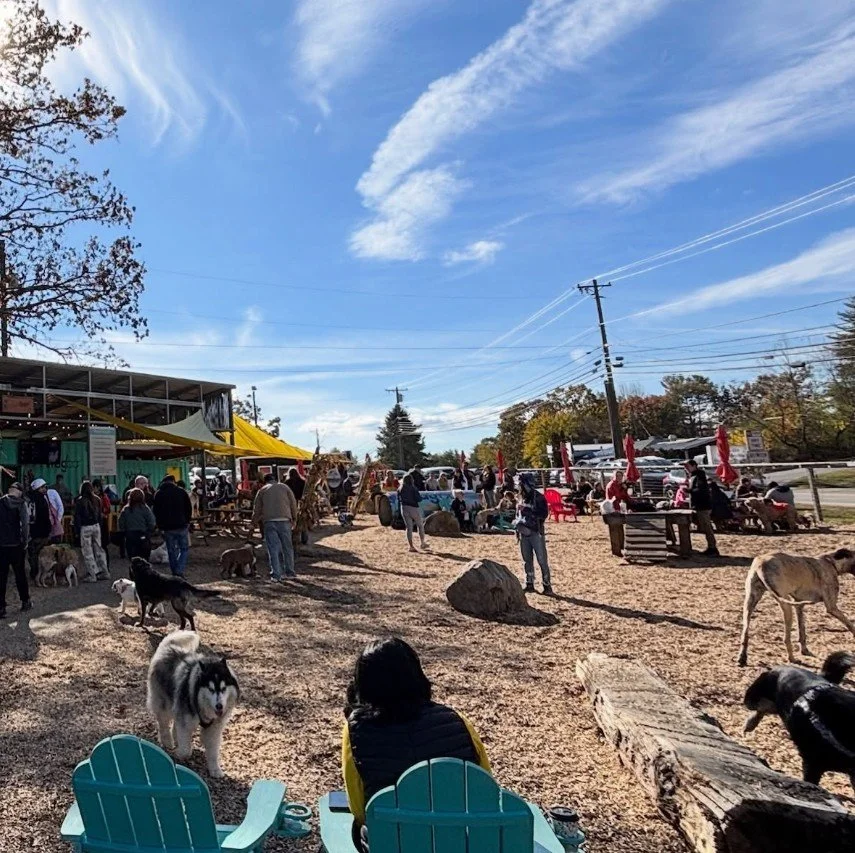
The off-leash dog park bar is the newest model in this comparison, and structurally the most different from the five above. Where every other model on this list sells a single service to a single customer at a time, the dog park bar sells simultaneous experiences to multiple customers in the same space, with multiple revenue streams running at once.
Startup cost: For Wagbar's franchise, the initial franchise fee is $50,000 and total estimated investment runs $470,300 to $1,145,900 depending on market, property type, and build-out approach. The container bar option, where Wagbar has partnered with a company to convert shipping containers into fully-equipped bars and bathrooms, reduces construction complexity and timeline compared to a traditional bar build-out. Royalties run 6% of adjusted gross sales, with 1% going to the marketing fund.
This information is not intended as an offer to sell, or the solicitation of an offer to buy, a franchise. It is for information purposes only. An offer is made only by Franchise Disclosure Document (FDD). Currently, the following states regulate the offer and sale of franchises: California, Hawaii, Illinois, Indiana, Maryland, Michigan, Minnesota, New York, North Dakota, Oregon, Rhode Island, South Dakota, Virginia, Washington, and Wisconsin. If you are a resident of, or wish to acquire a franchise for a Wagbar to be located in one of these states or a country whose laws regulate the offer and sale of franchises, we will not offer you a franchise unless and until we have complied with applicable pre-sale registration and disclosure requirements in your jurisdiction.
Typical net margins: 25-40% for established locations with stabilized membership bases.
Daily operations: Managing the park, the bar, and the guest experience simultaneously. Staff monitor the off-leash play area, manage the beverage program, and handle membership check-ins. The role is less about hands-on animal care and more about building a community space that people want to return to. Events programming, food truck partnerships, and breed meetups are part of the operational toolkit that high-performing locations use regularly.
Revenue structure: Three simultaneous streams. Dog memberships (monthly and annual subscriptions) create a recurring revenue floor. Day passes serve non-members at premium per-visit pricing. Beverage sales generate margin on every hour the location is open. A location with 200 active annual memberships starts each month with substantial revenue already locked in before a single day-pass sale occurs. For a detailed breakdown of each stream, the revenue model guide for off-leash dog bars covers how these streams interact to produce the overall financial picture.
Realistic growth ceiling: The multi-unit discount Wagbar offers (50% off the franchise fee for operators committing to three or more locations, which signals that this model is designed for portfolio-scale ownership. A single well-performing location can generate $600,000-1,000,000+ in annual revenue in the right market. Multi-unit operators in growing metros have a clear path to meaningful business value.
Best fit: Investors with adequate capital who want a community-facing business with built-in recurring revenue, are comfortable managing staff and programming rather than delivering hands-on animal care personally, and are drawn to the combination of the hospitality and pet industries in a single concept.
Side-by-Side Comparison: All Six Pet Business Opportunities
Model Startup Cost Net Margin Recurring Revenue Hands-On Animal Care Growth Path Mobile Grooming $80K-200K 20-35% None High (daily) Add vans Grooming Salon $100K-250K 15-25% Low Moderate Add locations Boarding $300K-700K 20-35% Low Moderate-High Scale runs Doggy Daycare $150K-400K 15-28% Low-Medium High Expand/combine Pet Sitting $15K-75K 40-60% (capped) None High Add sitters Dog Park Bar (Franchise) $470K-1.1M 25-40% High Low-Moderate Multi-unit
The comparison table tells most of the story. The models at the lower end of the startup cost spectrum trade capital accessibility for revenue ceiling and recurring income. The models at the higher end require more upfront commitment but are structured to generate revenue while the owner isn't directly working. For a deeper look at how these financial structures compare on actual profit performance, the pet business profitability benchmarks guide covers real margin data across each category.
The Key Variable Most Comparison Guides Ignore
Profit margins look similar across several of these models on paper. Boarding runs 20-35%. Dog park bars run 25-40%. On a percentage basis, you could argue they're in the same neighborhood. But the similarity is misleading because it ignores how the revenue is generated.
Boarding's margin is produced by capacity fill, putting dogs in available runs. If runs are empty, margin is zero. Occupancy is largely driven by the family travel calendar, which means you're at the mercy of holiday seasons and summer schedules.
The dog park bar's margin is produced by a combination of recurring membership revenue (which comes in regardless of daily attendance), day-pass volume (variable), and beverage sales (driven by programming and experience quality). A month with a holiday weekend and a packed events calendar can significantly outperform a quiet month, but even the quiet months have a membership revenue floor.
That difference in revenue architecture is what separates models that owners can sleep well owning from models that create constant anxiety about filling the next week's schedule.
Franchise vs. Independent: Which Path Makes More Sense?
Every model in this comparison can be pursued either as a franchise or as an independent startup. The right choice depends on your risk tolerance and how you value time.
An independent pet business owner builds everything from scratch: the brand, the operational systems, the vendor relationships, the training infrastructure, the marketing approach. That freedom has real value if you want creative control. It also means paying for every mistake personally.
A franchise owner buys a proven system. For Wagbar franchisees, that includes the proprietary Opener app for pre-opening setup, intensive in-person training at Asheville headquarters, on-site grand opening support, ongoing operational guidance, and access to a national brand that potential customers already recognize. The benefits of owning a pet franchise aren't theoretical. They're systems that directly reduce the cost and timeline of getting a location to profitability.
The royalty payment (6% for Wagbar) is the price of that infrastructure. Whether it's worth it depends on what you'd spend trying to build equivalent systems independently. For most operators without prior franchise or hospitality experience, the economics almost always favor the franchise model.
How to Evaluate Your Market Before Committing
Once you've identified the model that fits your capital and lifestyle, the analysis shifts to your specific market. A business that thrives in Asheville may not perform the same way in a rural town of 15,000. Here's what to evaluate:
Population density and demographics. Off-leash dog park bars specifically need a market with a high concentration of dog owners, a young-to-middle-age adult population, and enough discretionary income to support both beverage spending and memberships. Urban and suburban markets with median household incomes above $60,000 tend to perform strongest.
Existing competition. The presence of existing dog-related businesses in a market is a positive signal, not a threat. It confirms that demand exists. A market with zero dog parks, no grooming salons, and no daycare options might genuinely lack the pet-owner density to support your concept. A market with several established dog businesses that are consistently busy is telling you there's more demand than current supply.
Real estate availability. Dog park bars specifically require outdoor space. Finding the right property at a lease rate that supports the financial model is frequently the most time-intensive part of the site selection process. Wagbar's site selection support is one of the most practically valuable parts of the franchise package for this reason.
Regulatory environment. Some municipalities have specific zoning requirements for outdoor dog facilities, alcohol service, or both. Reviewing local regulations before signing a lease is not optional. The zoning and regulations guide covers the most common regulatory variables across different states and city types.
Frequently Asked Questions About Comparing Pet Business Opportunities
Which pet business opportunity has the lowest risk?
Risk in a pet business is tied more to your preparation than to the model itself. That said, mobile grooming typically carries the least financial risk because startup costs are low and breakeven arrives quickly. The tradeoff is limited upside. If you're evaluating risk relative to potential return, the franchise models that include operational support systems reduce the risk of the specific failure modes that kill independent startups.
Can I own multiple pet business locations?
Yes, and multi-unit ownership is specifically encouraged in several franchise systems, including Wagbar. The 50% franchise fee discount for operators committing to three or more Wagbar locations makes the unit economics of multi-location ownership meaningfully more favorable than single-location math.
What's the best pet business for someone who loves dogs but has no business experience?
Franchises are specifically designed for this profile. The training and support infrastructure exists because franchisors know most franchisees aren't coming in with deep business backgrounds. Wagbar's Opener app and intensive pre-opening training program are built around getting passionate dog lovers operational quickly, even without prior hospitality or business management experience.
Is pet boarding more profitable than a dog park bar?
At strong capacity utilization, boarding can match or exceed a dog park bar on net margin percentage. The meaningful difference is revenue stability: boarding revenue resets to near zero between occupancy cycles, while a dog park bar with a strong membership base carries recurring revenue month to month. Investors who prioritize cash flow predictability over maximum ceiling tend to favor the dog park bar model.
How long does it take to reach profitability in each model?
Mobile grooming: 3-9 months to monthly breakeven. Grooming salon: 6-18 months. Boarding: 12-24 months. Doggy daycare: 12-24 months. Pet sitting: 1-6 months. Dog park bar franchise: 12-24 months depending on membership ramp speed.
Which Pet Business Opportunity Is Right for You?

The honest answer is that there's no single best model. The right pet business opportunity is the one whose capital requirements, daily demands, revenue structure, and growth ceiling align with where you are financially and where you want to be in five years.
If you want low startup costs, high hands-on animal involvement, and you're comfortable with appointment-based income, mobile grooming or pet sitting makes the most sense. If you have substantial capital, want recurring revenue, and are drawn to building a community space rather than delivering a single service, the off-leash dog park bar model offers something none of the other five can match.
What the pet franchise opportunity at Wagbar specifically offers is a path that has already been traveled. There are franchisees in Richmond, Knoxville, Phoenix, Charlotte, Myrtle Beach, Los Angeles, and other markets who made this evaluation and moved forward. Their experience, their opening timelines, and their early operational reality are all documented in the Franchise Disclosure Document.
If you're still building context about the broader pet industry before zeroing in on a specific model, the 50 profitable pet business ideas guide covers a wider range of entry points and price levels across the full spectrum of pet-related businesses.
Bottom TLDR
Pet business opportunities range from mobile grooming under $100,000 to dog park bar franchises approaching $1.1 million, each with different trade-offs in daily operations, profit potential, and growth ceiling. To choose the right pet business opportunity, match the revenue structure to your financial goals: membership-based franchise models offer more predictable cash flow than appointment-only businesses. Use Wagbar's Franchise Disclosure Document to evaluate the dog park bar model with verified performance data.