

Pet Bar Franchise vs. Sports Bar Franchise: Who Buys Each Concept
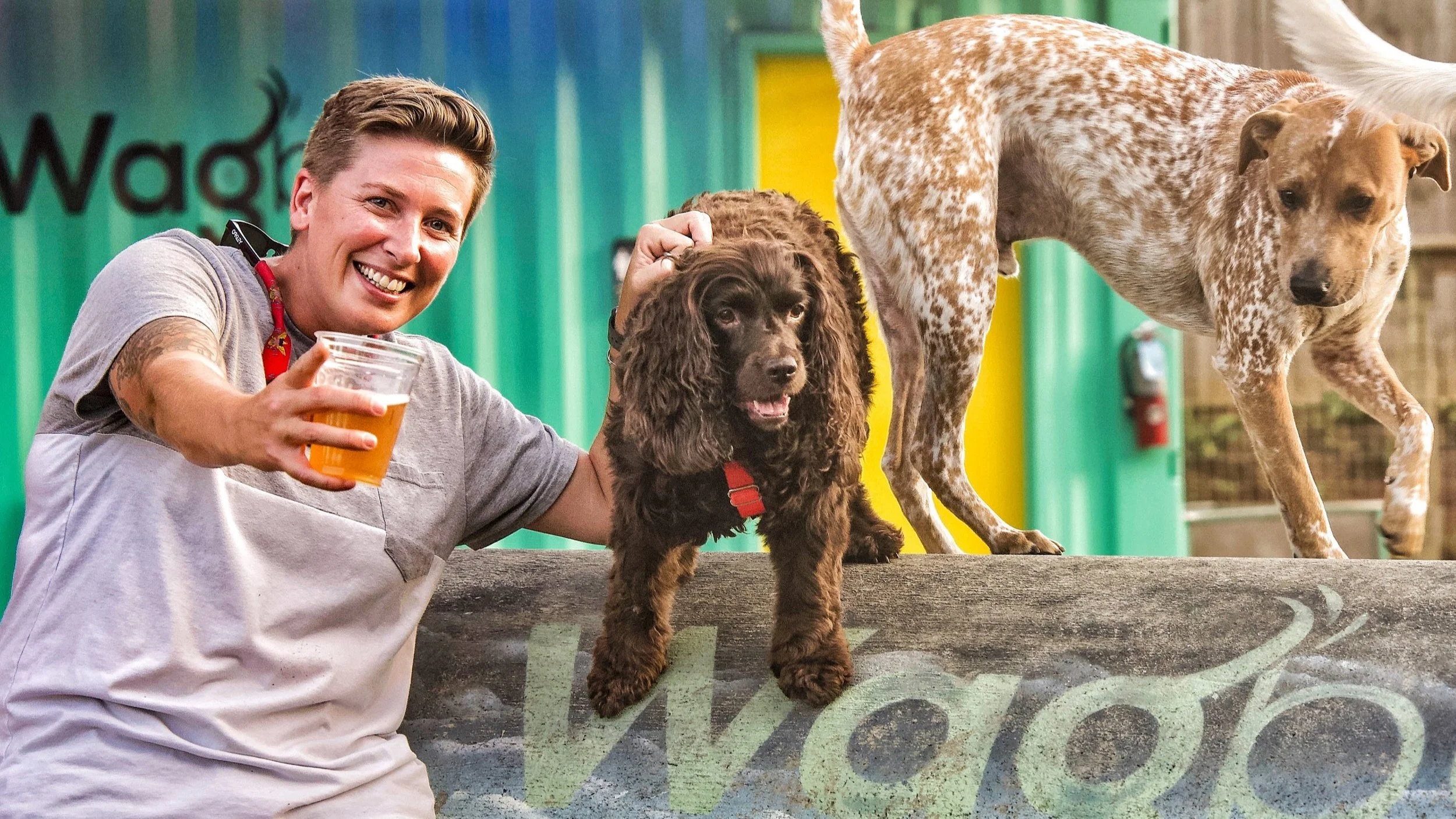
Top TLDR: A pet bar franchise typically attracts first-time owners and corporate career-changers on a sub-$1.2M investment and a membership-driven revenue model. A sports bar franchise attracts experienced restaurant operators on a $2.5M-plus investment and a food-and-beverage volume model. The action step: match your capital, experience, and lifestyle goals to the right concept before shopping FDDs.
Two franchise categories keep showing up on the same prospective-owner shortlists: pet bar franchises and sports bar franchises. On paper they look similar. Both are community gathering places. Both run a licensed bar. Both live or die on whether the neighborhood shows up on a Tuesday and a Saturday. But the people who actually buy each concept tend to come from completely different backgrounds, put in very different amounts of capital, and build very different daily operations.

Getting this right matters because franchise ownership is a decade-long commitment. Choosing the wrong concept for your background, capital, and lifestyle is the most expensive mistake a first-time franchisee can make. This piece walks through both sides honestly, with real numbers pulled from public franchise disclosure documents, and helps you figure out which side of the fence you actually belong on.
Side-by-Side Snapshot
Before going deep, here's the quick comparison most prospective owners want to see first.
Factor Pet Bar Franchise Sports Bar Franchise Typical total investment Roughly $470K-$1.2M $800K-$4.8M Minimum net worth required Lower (varies by system) $1M-$1.5M Minimum liquid capital Lower (varies by system) $250K-$750K Primary revenue driver Memberships, day passes, bar, events Food and beverage volume Customer visit frequency 1-4x per week (members) 2-6x per month (typical) Staffing model Bar staff plus "Bark Ranger" park attendants Full kitchen plus bar plus service Peak traffic times Evenings, weekends, weather-dependent Game days, evenings, major sports events Typical buyer background Corporate career-changer, dog lover, first-time franchisee Restaurant/QSR veteran, multi-unit operator
Sources: Buffalo Wild Wings 2023 FDD ($2.4M-$4.8M range), Beef 'O' Brady's 2026 FDD analysis ($812K-$1.48M range), and Wagbar franchise and pet franchise opportunity resources.
Who Buys a Sports Bar Franchise
A sports bar franchise is a full-service restaurant first and a bar second. That means the buyer profile skews heavily toward people with prior food-and-beverage operations experience.
The Typical Sports Bar Franchisee
Franchise disclosure documents across the sports bar category consistently flag the same ideal buyer: someone with restaurant management experience, often prior multi-unit experience, ideally with a franchise development group or financial partner behind them. Buffalo Wild Wings, for example, requires minimum net worth of $1.5 million and minimum liquid capital of $750,000, and the company's materials explicitly prefer candidates with QSR or full-service restaurant backgrounds (Buffalo Wild Wings Franchising).
Beef 'O' Brady's, a family-sports-pub franchise founded in 1985, is more accessible on capital (roughly $1 million net worth, $250,000 liquidity) but still leans heavily toward owners with "restaurant or hospitality experience, strong community connections, and hands-on management capabilities" (Franzy Franchise Analysis).
In practical terms, sports bar franchisees tend to be:
Restaurant industry veterans who've managed bars, casual-dining chains, or QSR operations for 10+ years
Multi-unit developers signing area-development agreements for three or more locations
Institutional or regional investor groups with a general manager operating day-to-day
Existing franchisees in adjacent categories looking to diversify their portfolio
This is not a first-time-owner concept, and the franchisors in the category typically don't pretend otherwise.
What Sports Bar Owners Actually Do All Day
Running a sports bar means running a full kitchen. That's 40 to 60 staff on a typical Buffalo Wild Wings unit, food cost management, liquor cost management, pre-shift meetings, inventory, and a daily operational rhythm that looks identical to any other full-service restaurant. Game-day prep, TV package management, and sports programming sit on top of the standard restaurant workload, not instead of it.
Owners who thrive here tend to genuinely enjoy restaurant operations. Owners who don't usually end up hiring a strong general manager and spending their time on site selection and capital planning instead.
Who Buys a Pet Bar Franchise
A pet bar franchise is a fundamentally different business even though it sits in the same general "hospitality" bucket.
The Typical Pet Bar Franchisee
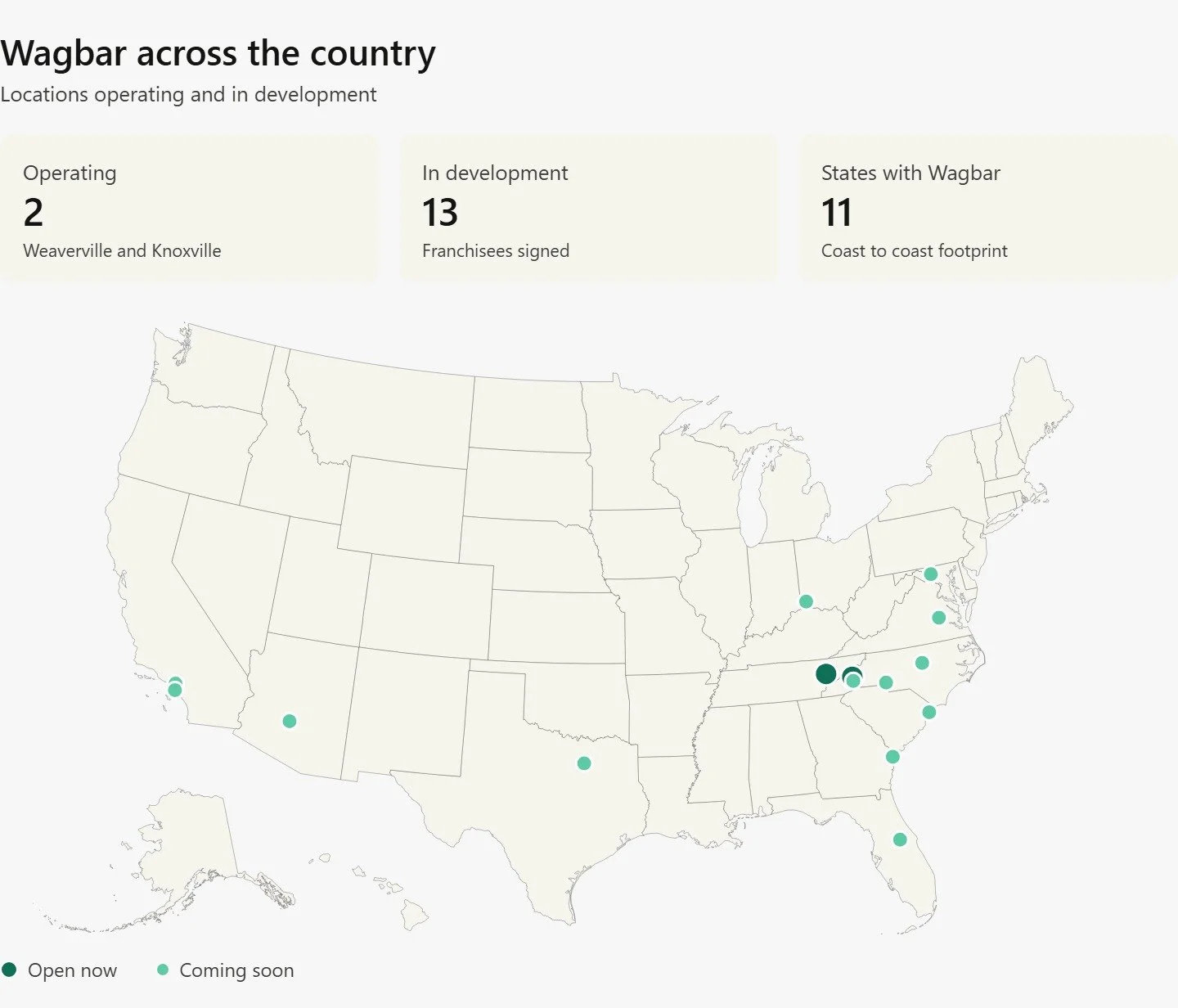
The pet bar buyer profile skews younger, less restaurant-experienced, and more corporate-transition oriented. Public announcements from Wagbar's franchise pipeline show the pattern clearly:
AJ Sanborn in Richmond came from a 20-year financial services career and chose a pet bar over opening a traditional bar
Dianna in Phoenix came from IT sales with some restaurant industry background
Jennifer in Los Angeles left a long corporate career to build a passion-driven business in her hometown
Tony in Cincinnati is the newest addition to the Midwest pipeline
The common thread: corporate career-changers, first-time franchisees, dog lovers, and often couples or partnerships rather than single operators. Most have zero restaurant industry experience when they sign their franchise agreement, and that's fine because the pet bar operating model is genuinely different from a full-service restaurant.
What Pet Bar Owners Actually Do All Day
A pet bar operator's day is split differently. Staffing includes bartenders and trained park attendants who supervise dog play rather than a full kitchen crew. Food is often handled by a rotating food truck partner or a limited kitchen, which keeps food costs and labor lower than a traditional bar. Member check-ins, event programming, community outreach, and vaccination record verification are daily realities.
The emotional rhythm is different too. Restaurant owners survive on volume and speed. Pet bar owners succeed on membership retention and community feel. If the regulars show up three times a week and bring a friend, the model works. If they don't, no amount of Buffalo sauce fixes the problem.
For a deeper operational breakdown, the ultimate guide to starting an off-leash dog bar business walks through a typical operating week.
Capital Requirements Compared
This is where the two concepts most obviously diverge.
Sports Bar Capital Requirements
Buffalo Wild Wings: $2.44M to $4.83M total investment, $1.5M net worth, $750K liquid (BWW 2023 FDD)
Beef 'O' Brady's: $812K to $1.48M total investment, $1M net worth, $250K liquid (1851 Franchise, 2026)
Most other sports bar franchises sit somewhere in the middle of these two. The high capital requirement is mostly driven by real estate, kitchen build-out, and the TV-and-audio package a sports bar needs to deliver a credible game-day experience.
Pet Bar Capital Requirements
Pet bar franchise investment typically runs in the mid-six-figure to low-seven-figure range, substantially below the sports bar category on the high end and competitive with Beef 'O' Brady's on the low end. The exact figures vary by system and are spelled out in each franchisor's FDD, which is why Wagbar's franchising page directs prospective owners to request current disclosure documents rather than publishing exact numbers.
Why the pet bar total tends to come in lower:
Kitchens are often simpler or handled by food truck partners
The TV and A/V package doesn't need to match a sports bar standard
Some pet bar systems use container bar structures that reduce build-out time
Memberships generate faster revenue ramp than alcohol-only sales
The dog business franchise profit margins overview covers how this plays out in year one through year three.
Revenue Model Differences
The biggest operational difference between these two concepts is how the revenue actually comes in.
Sports Bar Revenue Mix
A typical sports bar's revenue breakdown looks something like this (specific mix varies by system):
Food sales: 55-70% of revenue, with lower margins
Beverage sales (alcohol): 25-40% of revenue, with higher margins
Events and private bookings: 5-10% of revenue, lower frequency
This mix rewards volume and speed of service. A strong sports bar might do two full turns on a game day and still leave customers waiting. A weak sports bar can lose a year of revenue to one bad NFL season or a local team's tough stretch.
Pet Bar Revenue Mix

A pet bar's revenue breakdown looks meaningfully different:
Memberships (annual and monthly): Often 30-45% of revenue, recurring
Day passes: 10-20% of revenue, variable
Bar and food sales: 25-35% of revenue
Events and private rentals: 10-20% of revenue
Ancillary pet services (grooming, training, retail): Variable by operator
The membership component is the big structural difference. A pet bar with 500 active memberships at roughly $300 annually is generating $150K of predictable recurring revenue before anyone buys a drink. That's a fundamentally more resilient business model than alcohol-and-food-only revenue. The revenue streams for off-leash dog bars resource goes deeper on how each stream stacks.
Customer and Traffic Pattern Differences
Each concept pulls a different kind of crowd on different days.
Sports Bar Traffic
Sports bars live and die by the sports calendar. Football Sundays, NBA playoff games, March Madness, major UFC fights, and the College Football Playoff are the peaks. Summer can be slow in markets without a strong MLB following. Weekday lunches carry a lot of locations, but lunch margins are thinner than dinner.
Customer demographics lean male (though that has shifted somewhat), 25-55, sports-fan-identified, and food-driven. Average ticket sizes run higher than a pet bar ($25-$45 range) but visit frequency is lower.
Pet Bar Traffic
Pet bars run on a completely different rhythm. Members visit 1-4 times per week during their regular dog exercise windows, which means consistent weeknight and weekend traffic that doesn't depend on whether the local sports team is good. Weather matters more than sports (covered outdoor space helps), but the membership base smooths this out.
Customer demographics lean female (though families and couples are heavily represented), 25-45, dog-owning, and experience-driven. Average tickets run lower per visit ($15-$30 range) but visit frequency is much higher, which means per-customer annual revenue often exceeds the sports bar comparable.
Labor Model Differences
This is where the lifestyle difference shows up most clearly.
A sports bar franchise generally needs 40-60 employees across cooks, bartenders, servers, hosts, managers, and bussers. Turnover is typical of the restaurant industry, and management time runs heavily into staffing.
A pet bar generally needs a leaner team: bartenders, a handful of trained park attendants, a general manager, and often a part-time event coordinator. The skill set blend (bar service plus dog behavior reading) is harder to hire for, but the total headcount is significantly smaller. That matters for any first-time owner who hasn't run a 50-person team before.
The types of animal franchise opportunities overview and pet industry franchises walk through staffing ratios across different pet business formats.
How to Tell Which Concept Fits You
A handful of questions usually sort most prospective owners into the right camp.
You're probably a better fit for a sports bar franchise if:
You have 10+ years of restaurant or bar operations experience
You have $750K+ in liquid capital and $1.5M+ net worth
You want a multi-unit development path
You enjoy running a full kitchen and a service-heavy operation
You have a strong preference for a food-and-beverage volume business
You want to be primarily an operator of an established major brand
You're probably a better fit for a pet bar franchise if:
You're a first-time franchisee or coming out of a corporate career
You have a genuine passion for dogs and community
Your liquid capital is in the mid-six-figure range
You want recurring membership revenue rather than pure F&B volume
You prefer a smaller team with a hybrid bar-and-park staffing model
You want to build something in a still-growing category
You want a lifestyle business you'd actually want to spend time in
Neither profile is better than the other. They're just different. The benefits of owning a pet franchise page and what is a franchise primer are both reasonable next reads depending on where you land.
Frequently Asked Questions

Is a pet bar franchise cheaper than a sports bar franchise?
Generally yes, but it depends on the specific system. Pet bar franchise total investment typically falls in the mid-six-figure to low-seven-figure range, while sports bar franchises range from $800K at the low end up to nearly $5M for a Buffalo Wild Wings build. Always compare against each franchisor's current FDD.
Can I own a pet bar franchise without any restaurant experience?
Yes. Most pet bar franchisees come from corporate careers rather than restaurant backgrounds. Training systems at established pet bar franchises are built on that assumption, which is why franchisees from finance, IT sales, and other non-hospitality backgrounds regularly sign on.
Which concept is more recession-resistant?
Pet spending has been historically resilient across economic cycles, and membership-based revenue smooths out month-to-month volatility. Sports bars are more exposed to discretionary consumer spending and sports calendar variance. That said, a well-run franchise of either type can weather downturns.
Which concept has more territory available in 2026?
Sports bar franchises are mature and territory is tight in most top-50 metros. Pet bar franchises are earlier-stage and have significant white space in markets like Denver, Atlanta, and most other major cities. The best cities for dog franchise success demographics page covers open-territory data.
How long does each concept take to open?
Sports bar franchises typically run 12-18 months from signing to opening, driven by real estate and build-out complexity. Pet bar franchises typically run 9-15 months, with variations driven by site selection, zoning, and permitting in the specific market. Both categories have outlier cases in either direction.
Which concept requires more day-to-day owner involvement?
Sports bar franchises often require strong hands-on management unless the owner has built a management team. Pet bar franchises lend themselves well to owner-operators who want to be visible in the business and build community, but the leaner staffing model is more forgiving of semi-absentee ownership once systems are in place.
What if I want exposure to the pet industry without running a bar?
Several other pet-industry franchise formats exist, including mobile grooming, dog daycare, dog walking services, and pet retail. The dog business models complete guide compares formats side by side.
How do I request franchise disclosure documents for comparison?
Each franchisor has its own process, and FDDs are shared after initial qualification. For Wagbar, the franchising page and FAQ are the right starting points. For sports bar franchises, the corporate franchising sites handle requests directly.
Bottom TLDR
Pet Bar Franchise vs. Sports Bar Franchise: Who Buys Each Concept: Pet bar franchises attract first-time owners and corporate career-changers on sub-$1.2M investments with membership-driven recurring revenue. Sports bar franchises attract experienced restaurant operators on $2.5M-plus investments running full-kitchen F&B volume models. The action step: honestly assess your capital, industry experience, and desired daily rhythm, then request FDDs only from the category that matches.