
Off-Leash Dog Bar in Nashville: Market Overview for Tennessee's Music City

Top TLDR: An off-leash dog bar in Nashville fits a market with strong dog ownership, fast metro growth, and a built-in social drinking culture across neighborhoods like East Nashville and The Nations. Wagbar's franchise model brings a fenced play area, vetted dog entry, and a real bar to a city where dogs and craft beverages already mix. Connect with the Wagbar franchising team to evaluate Nashville site options.
Why Nashville Fits the Off-Leash Dog Bar Model
Nashville has quietly become one of the most dog-friendly cities in the South. Between fast population growth, a deep social drinking culture, and a metro area packed with young professionals and families, the city checks the same boxes that have driven success for the off-leash dog bar concept in places like Asheville and now Knoxville. An off-leash dog bar in Nashville fits naturally into a market that already values craft beverages, outdoor patios, and pet-inclusive social spaces.
The city's metro population sits above 2 million people, with continued in-migration from larger, denser markets. Many of those new residents bring dogs with them and look for places where their pets can be part of weekend plans rather than left at home. That's the exact gap Wagbar's off-leash dog park and bar concept was built to fill.
Nashville also has the income profile to support membership-based dog amenities. Median household income across the metro tracks above the national average, and a sizeable share of residents hold bachelor's degrees, which correlates with higher pet spending. Owners in this demographic typically treat dogs as full family members and spend on premium experiences for them.
Nashville's Dog-Loving Population
Tennessee ranks among the higher pet ownership states in the country, and Nashville's urban and suburban neighborhoods reflect that. Walk through any of the city's parks on a weekend morning and you'll see leashed dogs everywhere, often paired with owners looking for somewhere to grab coffee or a beer afterward. The traditional off-leash dog park serves part of that need, but it stops at the gate. There's no place to sit down with friends, no controlled environment to share the experience with people who don't have dogs, and no reason to stay past the playtime itself.

That's the core opening for a dog franchise like Wagbar in Nashville. The concept brings the social and the canine sides of an afternoon together rather than splitting them across two destinations. Owners get a real hangout, dogs get unstructured play with other vetted dogs, and people without dogs still have a reason to come along.
Nashville's dog-owning population also skews social. Group meetups, breed clubs, and rescue networks are active across the metro, and they actively look for venues that can host them. A Wagbar location in Nashville would slot into that calendar quickly, the same way the Asheville flagship has built a steady rhythm of trivia nights, breed meetups, and live music for the pack.
A Music City Social Culture That Already Drinks Together
Nashville's identity has been built around live music, honky-tonks, and a hospitality industry that runs seven days a week. The city consistently ranks among the top destinations for craft beer growth, distillery openings, and bar-driven tourism. That backdrop matters for an off-leash dog bar concept, because the alcohol piece of the model is already culturally normalized here. Locals are comfortable spending a Saturday afternoon at a brewery or taproom. Adding dogs to that picture is a natural extension, not a stretch.
Wagbar's drink lineup at existing locations includes draft and canned beer, wine, cider, hard seltzer, and non-alcoholic options. Food trucks rotate through, and outside food is allowed. That format suits Nashville's casual social patterns and aligns well with what pet industry market trends point to: experience-based pet spending is one of the fastest-growing segments inside the broader $147 billion U.S. pet economy.
The Music City angle also matters for events. Live music is part of the regular Wagbar event mix at the Asheville flagship, which means a Nashville location would have a built-in cultural fit for what's already happening at most local bars. Bringing in songwriters, country acts, and small bands wouldn't require reinventing the venue's identity. It would reinforce it.
Neighborhoods That Work for a Wagbar Location
Site selection in Nashville comes down to balancing density, parking, neighborhood character, and access to the dog-owning households most likely to convert into members. Areas worth evaluating include:
East Nashville: dog-heavy, walkable, strong young-professional and creative-class population, high concentration of independent bars and breweries.
The Nations: rapidly growing, dense with breweries and tap rooms, and home to one of the city's larger young homeowner cohorts.
Wedgewood-Houston: mixed-use development pace is high, foot traffic from nearby venues is steady, and the area attracts the same demographic that drives membership-based fitness and pet businesses.
12 South / Berry Hill: established and walkable with strong household income numbers, though commercial real estate is tighter and pricier.
Donelson, Madison, and Bellevue: suburban-leaning options with bigger lots, easier parking, and growing dog-owning families. These areas often offer better build-out economics for a yard-based concept.
A Wagbar build-out works best on a property with a fenced outdoor footprint big enough to support genuine off-leash play, plus enough space to host the bar component. The franchise system includes a turnkey shipping container conversion option for the bar and bathrooms, which speeds up build-out timelines and helps with neighborhoods where construction permitting is the long pole. More on what site selection looks like inside the system is laid out in the ultimate guide to starting an off-leash dog bar business.
How Wagbar's Concept Translates to Nashville
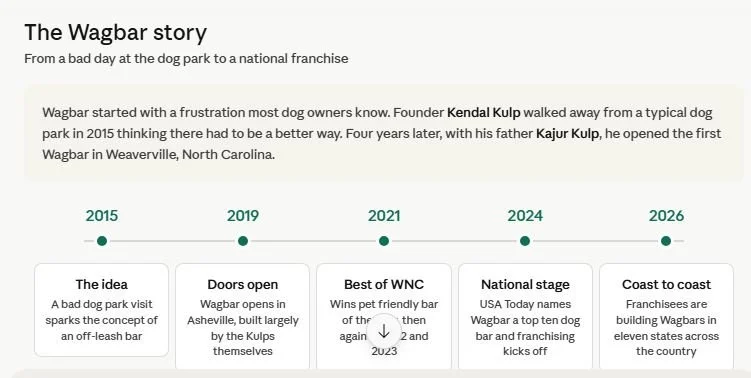
Wagbar opened in Weaverville, North Carolina in 2019 and has since added franchise locations in development across the country, with Wagbar Knoxville as the closest peer market for a Nashville location. The format is consistent at every site: a fully fenced off-leash play area, trained staff monitoring dog behavior, a vaccination check at the entry, and a bar serving beer, wine, cider, hard seltzer, and non-alcoholic options. Human entry is free for guests 18 and older. Dogs need to be at least six months old, spayed or neutered, and current on rabies, bordetella, and distemper vaccinations.
That structure was built specifically to avoid the chaos that makes most public dog parks unpredictable, while keeping the price point and atmosphere accessible. Membership options run from day passes to annual plans, which gives a Nashville franchisee multiple revenue streams: bar sales, food truck partnerships, dog memberships and day passes, private event rentals, and merchandise. A diversified revenue model is one of the attributes covered in what to look for when investing in an off-leash dog bar franchise, and Nashville's mix of locals, conference attendees, and weekend tourists supports each of those streams.
Investment Range and What's Included
The initial franchise fee for a Wagbar location is $50,000, with total estimated initial investment between $470,300 and $1,145,900 depending on real estate, build-out scope, and local construction costs. The royalty fee runs at 6% of adjusted gross sales, and franchisees contribute 1% of adjusted gross sales to the brand marketing fund. Wagbar offers a 50% multi-unit discount on the franchise fee for franchisees who commit to opening three or more units, which is worth weighing for an investor looking at Nashville plus a second Tennessee market.
The investment includes licensing, the proprietary Opener pre-opening app, one full week of in-person training in Asheville, on-site grand opening support, quarterly business reviews, and ongoing operational guidance. More detail on what the pet franchise opportunity covers is available on the franchising overview pages.
What It Takes to Bring an Off-Leash Dog Bar to Nashville
Tennessee is not on the registration list above, which simplifies the pre-sale process for a Nashville prospect compared to a state like California or Virginia. That said, opening a Wagbar location still requires the same disciplined sequence: site evaluation, lease negotiation, build-out, staffing, training, and grand opening. The Wagbar team supports each of those phases through a guided process and the in-house Opener app.
A franchisee in Nashville should expect to spend time on local permitting, beverage licensing through the Tennessee Alcoholic Beverage Commission and Metro government, and zoning verification for an outdoor off-leash use. Wagbar's operations team has worked through similar approvals in other states, and the pet business legal guide covers the broader compliance categories that apply.
Liquid capital and a clear funding plan also matter. Most Wagbar candidates use a combination of personal capital, SBA-backed financing, and in some cases ROBS structures to fund the initial investment. The system is designed to work for first-time franchisees with hospitality or pet industry experience, but business background helps and is reviewed during the qualification process.
Revenue Streams That Match Nashville's Visitor Economy
Nashville's economy runs on more than just locals. Tourism, conferences, bachelor and bachelorette weekends, and music industry events bring millions of visitors through the city each year, and a meaningful share of those travelers either bring their dogs or are dog owners themselves. That creates a layer of day-pass and walk-in traffic on top of the core Nashville membership base, which is unusual for a pet-focused business model. The diversified revenue streams an off-leash dog bar can support include bar sales, food truck partnerships, day passes, dog memberships, private event rentals, and merchandise. Few pet businesses get to stack that many income lines under one roof.
A Nashville Wagbar would also be well-positioned for private event rentals, which is where the city's bachelorette and corporate booking culture intersects with the dog bar concept. A fenced outdoor space with a built-in bar, food truck access, and a fun atmosphere works for everything from birthday parties to dog adoption events to small wedding receptions.
The Tennessee Connection: Knoxville Sets the Stage
Wagbar Knoxville is already in development at the former Creekside Knox property, led by the mother-daughter team of Liz and Shelby. Their backgrounds in finance, sales, and animal rescue make them a strong fit for the model. With a Knoxville location going live and the original Asheville flagship anchoring the brand a few hours east, a Nashville location would round out a natural cluster of Tennessee and western Carolina markets. That clustering matters operationally. It shortens travel for grand opening support, allows for coordinated marketing, and helps build regional brand recognition faster than scattered single-state launches.
For a multi-unit candidate, pairing Nashville with a second Tennessee or northern Alabama market is a credible path. The Knoxville franchisee story also gives Nashville prospects a real, in-state reference point for what the early operating period looks like.
Frequently Asked Questions
Is there already an off-leash dog bar in Nashville?
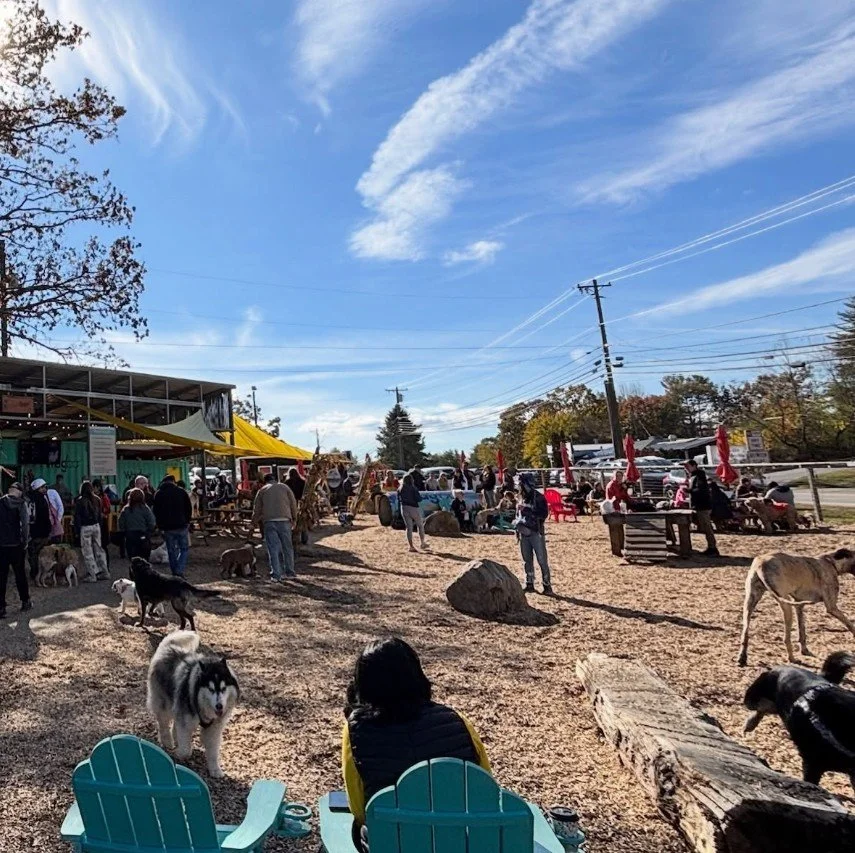
Nashville has a number of dog-friendly bars and patios, but the off-leash dog bar format is still a developing category. That's part of what makes the city attractive for a Wagbar opening. The concept brings something the existing dog-friendly venues don't offer: a fully fenced off-leash play area, vaccination-checked entry, and trained staff supervising dog behavior, paired with a real bar.
Does Tennessee require franchise pre-sale registration for Wagbar?
Tennessee is not on Wagbar's franchise registration state list, which means a Nashville prospect generally has a more direct path through the FDD process compared to states that require pre-sale registration. The FDD itself is still required reading for any candidate, and the franchising team walks each prospect through it.
What kind of property works for an off-leash dog bar in Nashville?
The ideal site has a fenced outdoor footprint large enough for safe off-leash play, parking that supports membership traffic, and zoning that permits an outdoor commercial use with on-premise alcohol service. Suburban or fringe-urban sites with bigger lots often work better than dense commercial corridors. The Wagbar system includes a container-based bar build option that fits a range of property types.
How does Wagbar's training program prepare a Nashville franchisee?
Training starts with the Opener app for pre-opening guidance, then moves to a full week of hands-on training at the Asheville flagship covering dog behavior management, bar operations, staffing, and marketing. A Wagbar team member is on site for the grand opening, and quarterly business reviews continue once the location is running.
What does dog ownership in Nashville mean for membership demand?
Membership is the recurring-revenue backbone of a Wagbar location. Nashville's combination of population growth, above-average household incomes, and a high concentration of dog owners across East Nashville, The Nations, and the suburbs supports a strong member base. Local breed clubs, rescue networks, and dog-walking groups also feed organic awareness. The broader pet spending demographic picture reinforces what local data already suggests.
Bottom TLDR
An off-leash dog bar in Nashville is a strong market fit thanks to the metro's dog-owning population, visitor economy, and craft beverage culture. Wagbar's franchise system supplies training, build-out support, and a working playbook from Asheville and Knoxville. Tennessee prospects should request the FDD through Wagbar's franchising team and start vetting Nashville sites.