

Jennifer, Los Angeles: A Corporate Career Ending Where It Should Have Started
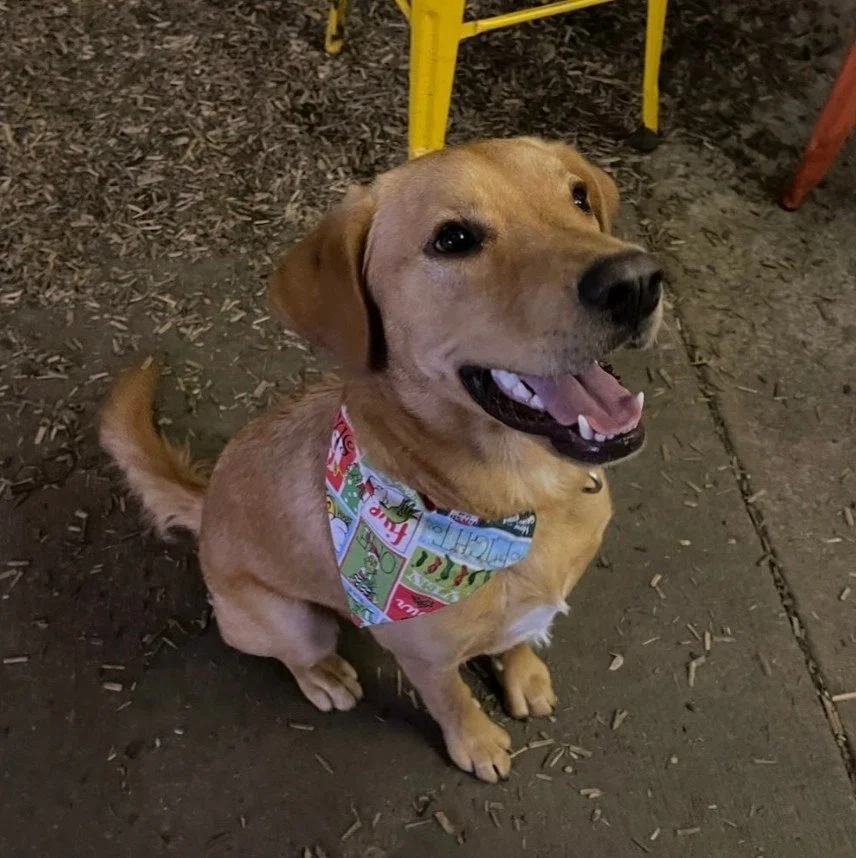
Top TLDR Jennifer grew up wanting to work with animals, spent years in a corporate career instead, and is now opening a Wagbar dog franchise in Los Angeles, the city she calls home. Her story is one of the clearest examples of what the Wagbar franchise opportunity looks like for someone leaving corporate life to build something personally meaningful. If you have a similar background, her path offers a useful frame for thinking through your own decision.
Some career pivots are about running away from something. Jennifer's isn't. She spent years in corporate life, she was good at it, and she made a real career out of it. But she'd wanted to work with animals since she was a kid, back when she was still deciding between veterinarian and marine biologist. Corporate life happened instead, as it often does.
When the opportunity arrived to actually do something with that original instinct, she took it. Jennifer is now the Wagbar franchisee for the Los Angeles area, opening a location in the city she grew up in, supported by her husband and their three dogs. The goal, in her own framing, isn't just to run a business. It's to create a place where connections form, where people who love dogs have somewhere genuinely good to be, and where the community she's part of gets something it was missing.
That's not a marketing line. It's the reason she chose this over the corporate path she already knew how to walk.
Where the Story Starts: Animals, Always
Jennifer's childhood ambitions were pointed squarely at animals. The options she remembers considering, veterinarian or marine biologist, are both careers driven by a deep fascination with other species, not just an affection for pets. They require patience, an eye for behavior, and a genuine investment in the wellbeing of animals that goes beyond sentiment.
That instinct didn't go away when corporate life took over. It just had nowhere productive to go for a long time.

This matters when you're evaluating whether someone is the right fit to run a Wagbar location. The off-leash dog park and bar concept works because the person operating it cares about the dogs as much as the revenue. The membership model depends on regulars, and regulars come back to places where the environment feels genuinely well-managed and safe, not just technically compliant. An owner who grew up wanting to work with animals and has spent years arriving at that calling from another direction tends to bring something to that management responsibility that someone more transactionally motivated doesn't.
Jennifer has three dogs of her own. She's opening in her hometown. The stakes feel personal in a way that sets a particular tone.
The Corporate Chapter: What It Gave Her
A long corporate career, even one that wasn't the career she'd originally imagined, builds real things. Depending on the industry and the level, it can build project management discipline, the ability to work within complex organizations, an understanding of budgets and accountability, and the kind of stakeholder communication skills that transfer well to running a business with staff, customers, and a franchisor.
None of that is wasted in franchise ownership. The Wagbar model involves managing a physical venue, hiring and developing a staff, building a local membership base, coordinating with the corporate support team, and handling the operational and financial responsibilities that come with any brick-and-mortar business. Someone who has spent years navigating corporate complexity doesn't find those requirements unfamiliar. She finds a new context for skills she already has.
The benefits of owning a pet franchise covers the structural advantages of the Wagbar model in detail. For someone coming from corporate life, a few stand out specifically: the franchise system provides the infrastructure and support that a solo small business owner typically has to figure out alone, which compresses the learning curve considerably.
Why Wagbar, and Why Not Other Pet Franchise Opportunities
The pet industry is large and growing. According to the American Pet Products Association, U.S. pet spending reached $147 billion in 2023, and the range of pet-focused franchise opportunities has expanded alongside that growth. Grooming, training, boarding, veterinary services, mobile care, retail, and hybrids of several of these are all available to someone who wants to invest in the space.
So why Wagbar specifically?
The dog business models comparison walks through the full range of pet business structures, from transactional service models to experience-based social venues. Most of the pet franchise market sits in the transactional category: a customer brings their dog in, a service is performed, the customer leaves. The relationship is with the service provider, not with a community of people.
Wagbar occupies different territory. The off-leash dog park and bar concept isn't selling a service so much as providing a place. Members come regularly. They know each other's dogs. The social dynamic between owners, not just between dogs, becomes part of the product. That kind of recurring, relationship-based business is harder to build and harder to replicate, which is also why it's harder to displace once it takes root.
For Jennifer, who described her goal as creating connections and bringing genuine joy to the community, that distinction was probably decisive. A grooming franchise builds a customer base. A Wagbar builds a neighborhood institution. Those are different things to operate, and they require different kinds of investment from the owner.
The pet industry competitive analysis provides useful context on where experience-based pet venues sit relative to traditional service models.
Los Angeles as a Wagbar Market
Los Angeles has one of the largest concentrations of dog owners of any city in the country. It also has the social culture, the income distribution, and the appetite for experience-based venues that make the Wagbar model work. There are parts of LA where a well-run off-leash dog park and bar would become a regular fixture in the weekly routines of thousands of dog owners.
The demographic profile of the LA dog-owning population aligns closely with the Wagbar customer: professionals with disposable income, strong social lives, and dogs they treat as family members. The pet spending demographics overview covers the national patterns, but Los Angeles tends to lead or mirror national trends in premium pet spending, not lag them.
The city is also Jennifer's hometown. That's a real market advantage that can't be replicated by someone parachuting into a new market. She knows which neighborhoods have the right density of dog-owning households. She knows the social culture, how people find new places and decide whether they're worth becoming regulars at. She has the local network that turns early awareness into early membership, and early membership into the kind of community that sustains the venue long-term.
The best cities for dog franchise success outlines the market factors that predict strong performance for dog-focused businesses. Los Angeles checks the primary ones: dense pet-owning population, high household income in target neighborhoods, and a social culture that supports experience-based venues.
What Community Building Actually Looks Like in LA
Building a genuine community in Los Angeles is both harder and more rewarding than doing the same work in a smaller city. The scale of the population means there's no shortage of potential members, but it also means there's no organic discovery curve where word spreads block by block. Building the initial community requires active, visible presence in the neighborhoods Jennifer is serving.
That looks like local social media with content that actually reflects what the space is and who's in it. It looks like breed meetups, seasonal events, and the kinds of recurring programming that give dog owners a reason to come back on a schedule. It looks like Jennifer and her husband being present, knowing the dogs by name, making the space feel like it belongs to the people who use it rather than to a franchise owner who shows up occasionally.
The community building guide for dog-focused businesses covers the operational framework. In a market the size of Los Angeles, the specific tactics for building local awareness and turning early visitors into committed members are worth studying carefully. The membership model's economics depend on that conversion, and in a large urban market, the path from awareness to membership tends to require more deliberate work than in smaller cities where word of mouth moves faster.
The upside is scale. A well-established Wagbar location in Los Angeles, operating in a neighborhood with the right demographics and the right owner presence, has a potential membership ceiling that simply doesn't exist in smaller markets.
The Role of Personal Investment
There's a version of franchise ownership that treats the business primarily as a financial asset: find a proven system, staff it appropriately, manage by the numbers, collect returns. That model works for some franchise categories. It doesn't work as well for a Wagbar.
The off-leash dog park and bar concept is identity-dependent in a way that most franchises aren't. Members come because of the space, yes, but also because of the person who runs it. The owner's values show up in how the venue is managed, how dog safety is prioritized, how staff is trained to handle behavior issues, and how the social culture of the space develops over time. An owner who is genuinely invested in those things creates a different outcome than one who is managing from a distance.
Jennifer's background, the childhood pull toward animals, the long road through corporate life back to something she actually wanted to build, the decision to do it in her own hometown with her own dogs in the park, suggests the kind of investment that the Wagbar model depends on. That's not a soft point. It's a predictive one.
The off-leash dog park and bar concept overview details what that investment looks like in practice on a day-to-day basis.
Frequently Asked Questions

What was Jennifer's background before opening Wagbar Los Angeles? Jennifer had a long corporate career before deciding to open a Wagbar franchise in Los Angeles, the city she grew up in. As a child she had wanted to become a veterinarian or marine biologist, and the Wagbar franchise offered a path back to work centered on animals and community.
Why did Jennifer choose Wagbar over other pet franchise opportunities? The off-leash dog park and bar model offers something most pet franchises don't: a recurring, community-based business rather than a transactional service model. Jennifer's stated goal was to create connections and bring genuine joy to her community, which aligns with what Wagbar is built to do.
What makes Los Angeles a strong market for a Wagbar franchise? Los Angeles has one of the largest dog-owning populations in the country, high household income in target neighborhoods, and a social culture that supports experience-based venues. Jennifer also has the advantage of opening in her hometown, with the local knowledge and existing network that a new-to-market franchisee wouldn't have.
How does Wagbar support franchisees who come from corporate backgrounds? The Wagbar franchise system provides pre-opening guidance through the Opener app, an intensive one-week training at headquarters in Asheville, North Carolina, and on-site grand opening support. The infrastructure and operational support compress the learning curve for owners who have strong business skills but haven't run a hospitality venue before.
How much does it cost to open a Wagbar franchise? The total initial investment ranges from $470,300 to $1,145,900, with a $50,000 franchise fee. Royalties are 6% of adjusted gross sales, with a 1% marketing fund contribution. A 50% multi-unit discount on the franchise fee applies for commitments of three or more units. Prospective franchisees should review the Franchise Disclosure Document for full details.
How can I find out more about the Wagbar franchise opportunity? Visit the Wagbar franchising page to submit an inquiry and connect with the team about available markets and next steps.
Bottom TLDR Jennifer spent years in a corporate career before returning to her original calling and opening a Wagbar dog franchise in Los Angeles. Her story illustrates why the off-leash dog park and bar concept attracts owners who want to build something community-rooted, not just manage a service business. If you're leaving corporate life with a passion for dogs and a specific community in mind, explore the opportunity at wagbar.com/franchising.