
How to Validate a Franchise Opportunity Before You Buy

Top TLDR: Validating a franchise opportunity means independently verifying the business model, financials, and franchisee experience before you sign. Key steps include reading the Franchise Disclosure Document, calling existing franchisees from Item 20, reviewing the agreement with a franchise attorney, and visiting operating locations. Wagbar provides full details to qualified candidates who reach out through the franchising page.
Validating a franchise opportunity means going beyond the sales pitch to verify the business model, financials, support systems, and existing franchisee experience before you sign anything.
The Franchise Disclosure Document (FDD) is your primary research tool and legally required reading before any franchise purchase.
Talking directly with current franchisees is the single most reliable way to understand what ownership actually looks like day to day.
Wagbar provides full financial details, access to existing franchisees, and a clear investment structure to qualified candidates who reach out through the franchising page.
Most people who eventually buy a franchise spend months doing research before they ever pick up the phone. That's smart. The research phase, sometimes called the discovery phase, is where you separate franchises worth pursuing from ones that looked good on a landing page and fell apart under scrutiny.
If you're in that phase right now, this guide walks through what franchise validation actually means, what documents and conversations you need to have, and what questions to ask before you commit. It applies to any franchise you're evaluating, but the Wagbar-specific details throughout show you exactly how to apply this process to an off-leash dog bar franchise opportunity.
What Franchise Validation Actually Means
Validation is the process of independently verifying what a franchisor tells you. Every franchisor presents their opportunity in the best possible light, and most do so honestly. But your job as a prospective buyer is to pressure-test the claims rather than accept them on faith.
That means reading the fine print, running the numbers yourself, talking to the people who already own locations, visiting existing businesses in person, and working with an advisor who's seen franchise agreements before. None of this is adversarial. It's just how serious buyers protect themselves and make better decisions.

The International Franchise Association reports that franchise businesses account for over $825 billion in economic output annually in the United States. The industry is large, legitimate, and heavily regulated. That regulation, particularly around disclosure requirements, is actually one of the protections that makes franchising a more transparent investment than buying an independent business outright.
For a foundational understanding of how franchising works before you get into validation specifics, the complete franchise guide on wagbar.com is a useful starting point.
Step One: Read the FDD Cover to Cover
The Franchise Disclosure Document is a legally required document that every U.S. franchisor must provide to prospective franchisees at least 14 days before any agreement is signed. It contains 23 items covering everything from the franchisor's background and litigation history to financial performance representations, fees, territorial rights, and training obligations.
Most people don't read it carefully. That's a mistake.
The items that matter most during initial validation:
Item 5 and 6 (Fees): These spell out the initial franchise fee, royalties, marketing fund contributions, and any other ongoing fees. For Wagbar, the franchise fee is $50,000. Ongoing royalties are 6% of adjusted gross sales, with an additional 1% contributed to the Wagbar marketing fund. Multi-unit operators who commit to three or more locations receive a 50% discount on the franchise fee for each additional unit.
Item 7 (Estimated Initial Investment): This is the full cost range to get open, not just the franchise fee. Wagbar's estimated total investment runs between $470,300 and $1,145,900 depending on site, buildout, and local market conditions. That range covers licensing, training, construction, equipment, initial inventory, and working capital.
Item 19 (Financial Performance Representations): Not all franchisors include these, but when they do, they give you actual revenue or earnings data from existing locations. Read the footnotes carefully. Average revenue figures can obscure wide variance between top and bottom performers.
Item 20 (Outlets and Franchisee Information): This item lists all current and former franchisees with their contact information. It's one of the most valuable items in the document because it tells you who to call.
Item 21 (Financial Statements): These are the franchisor's audited financials. They show you whether the franchisor's own business is financially healthy.
You don't need to be a lawyer to read an FDD, but having a franchise attorney review it before you sign is money well spent. They'll flag unusual clauses, explain what various provisions actually mean in practice, and help you understand what you're agreeing to.
Step Two: Talk to Existing Franchisees
No document tells you more about what franchise ownership actually looks like than the franchisees who are already doing it.
Item 20 of the FDD gives you that list. Use it. Call franchisees who didn't make it, not just the ones the franchisor recommends. Former franchisees who left the system can be especially informative. The FDD also lists any franchisees who left in the past three years.
The questions worth asking existing franchisees:
How long did it take to reach steady-state revenue after opening?
Was the training actually useful, or were there significant gaps?
How responsive is the corporate team when problems come up?
What do you know now that you wish you'd known before signing?
Would you do it again?
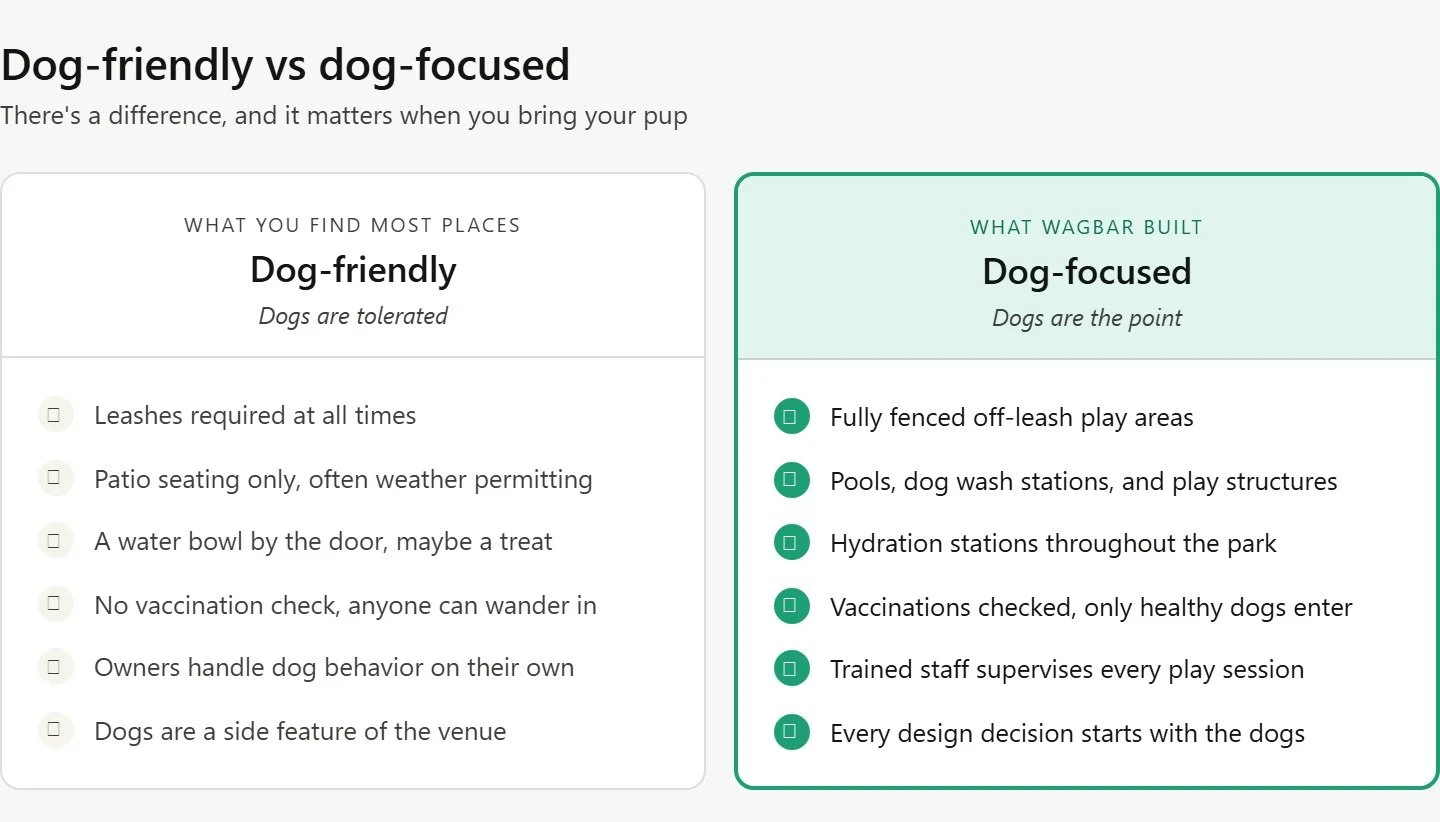
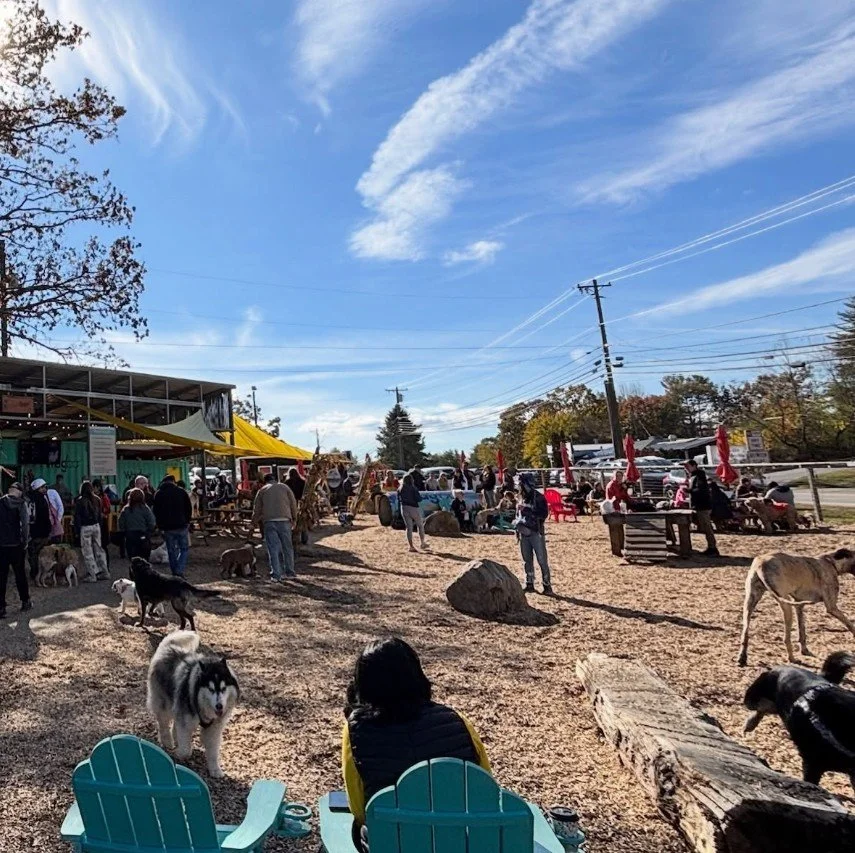
With Wagbar, you can also visit the flagship location in Weaverville, NC as part of your research. Seeing how an established location runs, watching the membership experience in action, and talking to the staff who work there gives you information no document can fully provide.
As franchisees across multiple markets have come online, including Richmond, South Asheville, Cincinnati, Savannah, and others, Wagbar's Item 20 list continues to grow. That's a meaningful validation signal on its own: each franchise location represents someone who went through this same evaluation process and decided to move forward.
Step Three: Evaluate the Business Model Honestly
Talking to people and reading documents gets you information. Evaluating the business model requires you to think critically about whether the economics actually work.
Start with unit economics. What does a Wagbar location need in terms of membership volume, day pass traffic, and bar revenue to cover its costs and generate a return on investment? The revenue streams for off-leash dog bars page walks through how Wagbar locations generate income across memberships, day passes, bar sales, and private events.
Then ask: how long is the payback period likely to be at realistic sales volumes? What does break-even look like? These calculations require assumptions, and your assumptions should be conservative. Base them on what existing franchisees tell you about their actual ramp-up experience, not on projections from the best-performing locations.
The dog business franchise profit margins page provides broader context on how pet-related franchise businesses perform financially, including the factors that separate profitable operations from struggling ones.
One business model question specific to Wagbar: does the membership-driven model match your market? Recurring revenue from members is one of Wagbar's core financial strengths. It creates predictable cash flow that a day-pass-only business can't match. But it requires a local customer base with the density and dog ownership rates to support that membership volume. Evaluating your specific territory against those requirements is part of the work.
Step Four: Assess the Support System
The quality of franchisor support is one of the biggest variables in whether a franchise location succeeds or struggles. In your research, go beyond what the franchisor claims and ask existing franchisees specifically about the support they've received.
The key questions:
When you hit an operational problem you couldn't solve, how fast did the corporate team respond?
Was the pre-opening training actually comprehensive, or were there things you had to figure out yourself?
How useful are the marketing resources in practice?
Do you feel like corporate is invested in your success, or primarily in your royalty payments?
Wagbar's training structure includes the proprietary "Opener" app for pre-opening guidance, a one-week in-person training at the Asheville headquarters covering dog behavior management, bar operations, and staff training, and on-site grand opening support from a Wagbar team member. Quarterly business reviews and ongoing operational support continue after opening. The benefits of owning a pet franchise page covers these support components in more detail.
The buildout solution is also worth evaluating. Wagbar's partnership with a company that converts shipping containers into fully-equipped bars and bathrooms gives franchisees a near-turnkey construction path that significantly reduces buildout complexity compared to building from scratch.
Step Five: Evaluate the Brand's Market Presence and Growth Trajectory
A franchise is only as strong as the brand it represents. During validation, look at what the brand's public presence actually looks like: how does it rank in media coverage, how do customers talk about it online, and is the franchise system growing or contracting?
Wagbar's brand signals are worth noting:
Voted #10 in USA Today's 10Best Dog Bars nationally
Multi-year Best of WNC winner in Asheville
Active growth across multiple Southeast and Mid-Atlantic markets with locations in development in Knoxville, Richmond, South Asheville, Myrtle Beach, Charlotte, Savannah, Dallas, Los Angeles, and Cincinnati
Growing franchisee counts and active media recognition are both positive indicators during the validation phase. So is franchisee diversity: a system where franchisees come from different professional backgrounds suggests the model isn't dependent on niche expertise.
The pet industry market analysis provides broader context on the market tailwinds supporting the off-leash dog bar concept, including the shift toward experience-based pet spending.
Step Six: Understand Your Territory Rights
Territorial protection is one of the most important and often overlooked elements of a franchise agreement. Make sure you understand exactly what geographic exclusivity you're getting, what conditions could cause you to lose it, and whether the franchisor has the right to open competing locations near yours under different brand names or formats.
This is another area where a franchise attorney earns their fee. Territorial language can be complex, and vague protection clauses that look reasonable on the surface sometimes offer less protection than they appear to.
For Wagbar specifically, multi-unit operators interested in developing full regional territories, multiple adjacent markets in a metro area or across a state, should clarify exactly how the territorial structure works before signing. Wagbar's multi-unit discount structure and the FAQ page address some of this, but your attorney should review the actual agreement language.
Step Seven: Attend a Discovery Day
Most franchisors offer a Discovery Day, a formal visit to headquarters where prospective franchisees meet the leadership team, tour operations, and ask questions in person. This isn't just a sales event. It's also your opportunity to evaluate the people behind the franchise system.
Pay attention to how the leadership team handles hard questions. Do they answer directly or deflect? Are they candid about challenges, or only focused on the upside? Do they seem like people you'd want to be in a long-term business relationship with?
Wagbar's founding team includes Kendal Kulp, who started the concept after a genuinely bad experience at a traditional dog park in 2015, and his father Kajur as co-founder. The origin story matters because it reflects the reason the concept exists: not as a calculated market opportunity, but as a response to a real problem that dog owners face. That founding motivation tends to produce better products and more authentic brand culture than concepts built purely from spreadsheet analysis.
For more detail on the Wagbar dog franchise opportunity and the background of the business, the franchising page covers the full picture.
What Validation Looks Like for a Wagbar Candidate
Pulling this all together: if you're at the discovery and validation stage with Wagbar specifically, here's what a thorough process looks like:
Request the FDD and read it carefully, particularly Items 5, 6, 7, 19, 20, and 21.
Contact existing Wagbar franchisees from the Item 20 list and ask the validation questions above.
Visit the Weaverville flagship location to see the concept in a real operating environment.
Work with a franchise attorney to review the franchise agreement before signing.
Build your own unit economic model using real inputs from franchisee conversations, not just the most optimistic assumptions.
Evaluate your target territory against the market criteria Wagbar looks for: population density, dog ownership rates, outdoor culture, and disposable income.
Ask for Discovery Day access to meet the team in person.
This process takes time. It should. The franchisees who tend to succeed with Wagbar are the ones who did their homework, came in with realistic expectations, and built their location on a foundation of genuine enthusiasm for dogs and community rather than a hope that the brand would do the work for them.
FAQ: Validating a Franchise Opportunity
What is the FDD and why does it matter?
The Franchise Disclosure Document is a legal document franchisors must provide to prospective buyers before any agreement is signed. It contains 23 standardized items covering fees, financials, litigation history, territorial rights, and more. Reviewing it carefully, ideally with a franchise attorney, is the foundation of any proper validation process.
How do I contact existing franchisees during my research?
Item 20 of the FDD lists all current and former franchisees with contact information. Call them directly. You're not limited to franchisees the franchisor recommends. Former franchisees who left the system can provide valuable perspective that current operators may not share as openly.
What should I look for in Item 19 of the FDD?
Item 19 contains financial performance representations, when franchisors choose to include them. Look for actual revenue data from existing locations, read the footnotes carefully, and ask franchisees whether their own experience matches what the document shows.
Do I need a franchise attorney?
For any franchise investment, yes. A franchise attorney has seen hundreds of agreements and knows what normal looks like versus what's unusual or unfavorable. The fee is modest relative to the total investment and can save you from expensive surprises down the line.
How long should the validation process take?
There's no fixed timeline, but rushing validation is one of the most common mistakes franchise buyers make. A thorough process typically takes several weeks to a few months. If a franchisor is pressuring you to sign quickly, that pressure itself is worth noting.
How do I get Wagbar's FDD and franchise details?
Wagbar provides full details to qualified candidates during the inquiry process. Start by visiting the franchising page and filling out the inquiry form. A member of the team will follow up to discuss next steps.
Where can I learn more about what Wagbar franchisees experience?
The FAQ page covers common questions about how the system works. For the full picture on owning a pet franchise, the owning a pet franchise page covers the broader journey from initial consideration through operational success.
Buying a franchise is a significant decision. The people who get it right are the ones who treated the validation process seriously, asked the uncomfortable questions, and built their own picture of what ownership would look like rather than relying on someone else's summary. That due diligence serves you well no matter which franchise you're evaluating.
If Wagbar is on your list, reach out through the franchising page to start the conversation.
Bottom TLDR: Thorough franchise validation protects you from expensive surprises and builds genuine confidence before you buy. For Wagbar, that means requesting the FDD, speaking with existing franchisees, visiting the Weaverville flagship, and working with a franchise attorney on the agreement. Start the process by visiting wagbar.com/franchising to connect with the team.