

From Finance to Dog Parks: How Career Changers Are Finding Their Fit in Pet Franchising
Top TLDR Career changers from finance, sales, and tech are entering pet franchising in growing numbers, drawn by a $147 billion industry that rewards operational discipline and relationship skills. Pet franchising offers corporate professionals a business model where their existing strengths translate directly into daily operations. If you're evaluating this path, start with the Wagbar FDD and a conversation with an existing franchisee before committing.
Key Takeaways
U.S. pet industry spending reached $147 billion in 2023 and has grown every year for more than three decades, according to the American Pet Products Association (APPA).
Wagbar's franchise fee is $50,000, with a total investment range of $470,300 to $1,145,900.
Franchisees from financial services, IT sales, and restaurant management are among the most active career changers entering the pet franchise space.
Skills in cash flow management, client relationships, and process operations transfer directly into franchise ownership.
Wagbar operates a day-use membership model across four tiers, creating recurring revenue from the first month of operation.
Multi-unit operators can access a 50% franchise fee discount when committing to three or more locations.
Something shifted in the past decade in who is opening pet franchises. It's not just lifelong dog trainers or former shelter workers anymore. The franchise inquiry forms at concepts like Wagbar are increasingly filled out by people wrapping up careers in banking, enterprise software, and business development.
The reasons aren't hard to understand. The pet industry hasn't had a down year in over 30 years. Dog ownership climbed during the pandemic and hasn't come back down. And a generation of corporate professionals got to an inflection point in their careers and asked whether the next decade looked like the last one.
For a meaningful number of them, the answer was no — and pet franchising became the alternative they were looking for.
Why Finance Professionals Are a Natural Fit
AJ Sanborn spent 20 years in financial services before he started looking for what came next. He considered a traditional bar but kept coming back to his love for animals. That led him to Wagbar's Richmond, Virginia franchise, where the off-leash dog park and bar combination made business sense in a way other concepts didn't.
His background gave him something most first-time franchise owners spend months acquiring: the ability to read a P&L, model cash flow, and evaluate risk without hand-holding. Those aren't minor advantages in a capital-intensive franchise investment. The total investment range for a Wagbar location runs $470,300 to $1,145,900. Understanding what that money is doing and when you expect to see it working for you is a skill that finance professionals carry natively.
What the industry gave him that two decades in financial services couldn't is a product that felt worth showing up for every day. That's not a small thing, and it's one of the consistent threads in how career changers from finance describe making this move.
The IT Sales and Tech Angle
Dianna, Wagbar's Phoenix franchisee, brought years of IT sales experience to her decision. Her background meant she was already comfortable with variable outcomes, skilled at managing client relationships under pressure, and accustomed to working without a ceiling on what she could produce.
Pet franchise businesses run on relationships. The membership model that anchors Wagbar's revenue structure requires exactly the kind of outreach, consistency, and follow-through that defines a successful sales career. Building a recurring member base in a new market isn't structurally different from building a book of business. The product is different. The mechanics are familiar.
Tech professionals also bring systems thinking that shows up in daily operations. Managing staff scheduling, tracking membership metrics, monitoring dog health protocols, coordinating events — these are process management tasks. People who have spent careers building and maintaining complex systems tend to find this kind of operational complexity manageable rather than overwhelming.
What Restaurant and Hospitality Experience Adds
Not every career changer comes from a desk job. Some of the strongest Wagbar franchise candidates have hospitality backgrounds that directly address the bar operations side of the business.
The mother-daughter team opening Wagbar's Knoxville, Tennessee location represents a different version of this. Liz brings finance and sales experience alongside years of community leadership through animal rescue and shelter work. Her daughter Shelby is pursuing an animal behavior certification and grew up volunteering at shelters. Together they cover the business side and the dog operations side in a way that a single owner rarely can.

That's a pattern worth noting for anyone evaluating whether their background is sufficient. Many strong franchise operators are pairs or small teams that combine complementary skill sets. The Wagbar franchising model accommodates this; there's no requirement that a single person cover every operational domain.
The Skills That Actually Transfer
A common concern among corporate professionals considering franchise ownership is whether their experience actually maps onto running a small business. In most cases, it maps better than they expect — with a few important gaps to plan around.
Cash flow and financial management. Understanding how money moves through a business, when to reinvest, and how to plan for slower periods is foundational. Finance professionals carry this natively. Most others can develop it, but it requires deliberate attention during the pre-opening phase.
Client and community relationships. Pet franchise businesses are community businesses. The members who visit four times a week and bring their friends are your most valuable marketing channel. Sales professionals understand this dynamic intuitively. So do hospitality workers. For people coming from more transactional backgrounds, building this community muscle is the single most important skill to develop early.
Process and operations management. Daily operations at a Wagbar location involve staffing, health protocols for dogs, bar inventory, membership administration, and event coordination. The specifics are industry-specific, but the underlying discipline — build a system, train your team, monitor the metrics — is the same in every professional context. Wagbar's training program closes the industry-specific gaps; the general operational mindset is something career changers bring with them.
Comfort with variable outcomes. Employment provides a predictable income. Franchise ownership doesn't. The gap between those two experiences is real and should be planned for honestly. Sales professionals and entrepreneurs are generally better prepared for this than people whose corporate careers involved stable compensation regardless of quarterly performance.
What Career Changers Say About the Decision
The consistent theme across Wagbar franchisees who came from corporate backgrounds isn't that the transition was easy. It's that it was worth it, and that the things they were worried about were mostly manageable with preparation, while the things that turned out to matter most were the ones they hadn't fully anticipated.
The community piece is the biggest surprise. Running a dog park business means being present in something that genuinely matters to people's daily lives. Members don't just bring their dogs — they build friendships, mark milestones, and treat the space as part of their routine. That's a different relationship with customers than most corporate careers offer.
The financial variability is the biggest challenge. Income predictability is real in employment and real in its absence during the first 12 to 18 months of franchise ownership. Career changers who plan carefully for this gap, have honest conversations with their families about it, and enter with sufficient working capital tend to navigate it. Those who underestimate it don't.
How to Evaluate Whether This Move Makes Sense for You
The right starting point is the Wagbar FDD. It's a disclosure document, not a marketing brochure — it contains the actual financial structure, obligations, and disclosed performance data that any serious evaluation has to be grounded in. Review it with a franchise attorney. Ask questions. Then talk to existing Wagbar franchisees directly about their experience.
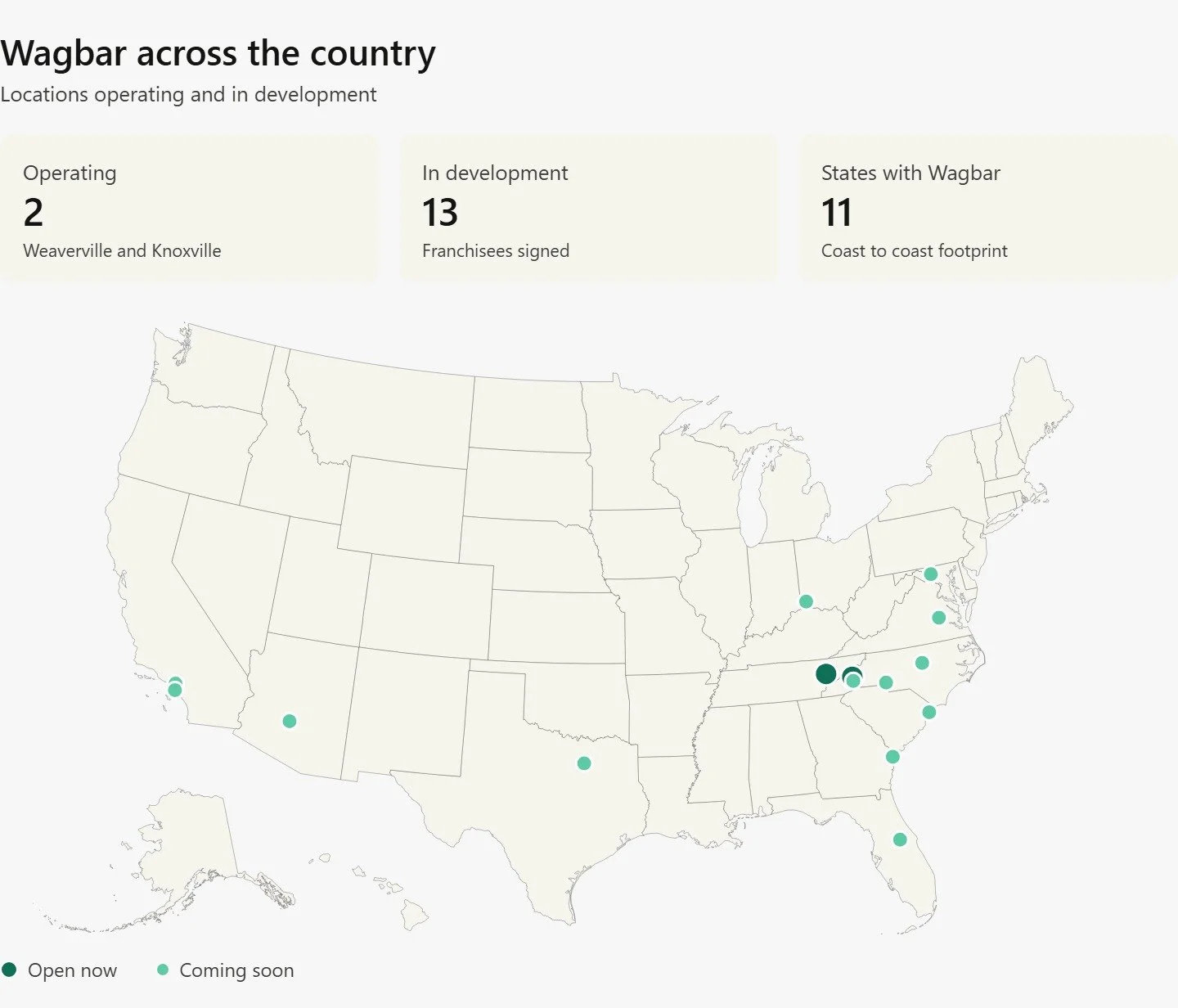
Territory availability matters too. Active Wagbar markets span multiple states, and the available territories change as new franchisees come on board. Identifying a market that fits your lifestyle, demographic profile, and competitive environment is as important as evaluating the franchise system itself.
Financial qualification is another honest conversation to have early. A total investment range starting at $470,300 requires adequate liquid capital, a financing plan, and a realistic income gap strategy for the development and ramp-up period.

None of this is uniquely complicated for someone with a professional background in finance, sales, or operations. The analytical skills that made them effective in corporate careers are exactly the ones that make this evaluation tractable. The question is whether the personal and financial conditions are in place to act on what the analysis shows.
Frequently Asked Questions
Do I need prior experience in the pet or hospitality industries to qualify?
No. Wagbar's training program is designed to bring franchisees up to operational speed regardless of their industry background. Most current franchisees came from outside both industries.
What financial background do I need to open a Wagbar franchise?
The total investment range is $470,300 to $1,145,900, with a $50,000 franchise fee. Wagbar provides specific financial qualification criteria to candidates during the discovery process. Details are in the FDD.
How does the membership model affect early revenue?
Wagbar's four-tier membership structure, including daily, monthly, annual, and 10-visit punch passes, creates recurring revenue from the first month. Building the member base is the primary business development focus during the early operational period.
Can two people co-own a Wagbar franchise together?
Yes. Many Wagbar locations are owned by partners or couples who bring complementary skills to the operation. The franchise agreement accommodates multiple owners.
What does the Wagbar training program cover?
The program includes a one-week intensive at Wagbar's Asheville, North Carolina headquarters covering dog behavior management, bar operations, staff training, and marketing. A proprietary pre-opening app provides guidance through the development phase. On-site support is provided during the grand opening period.
Taking the Next Step

Career changers who make this work tend to have a few things in common. They did the financial analysis with clear eyes. They had family support that held up under the real pressures of the early period. And they were motivated by something genuine about the concept, not just the investment case.
If you're in that position, the Wagbar franchising page is where to begin. You can also read more about what to look for when investing in an off-leash dog bar franchise or review the benefits of owning a pet franchise to build out your evaluation before requesting the FDD.
Bottom TLDR Career changers from finance, sales, and tech are finding their fit in pet franchising because the skills that built their corporate careers transfer directly into running a dog park business. Wagbar's investment range of $470,300 to $1,145,900 and $50,000 franchise fee represent a capital-intensive commitment that rewards financial discipline and relationship management. Review the Wagbar FDD with a franchise attorney and speak with existing franchisees before making any decisions.