
Dog-Friendly Breweries vs. Dog Bar Franchises: What's the Difference for Investors?
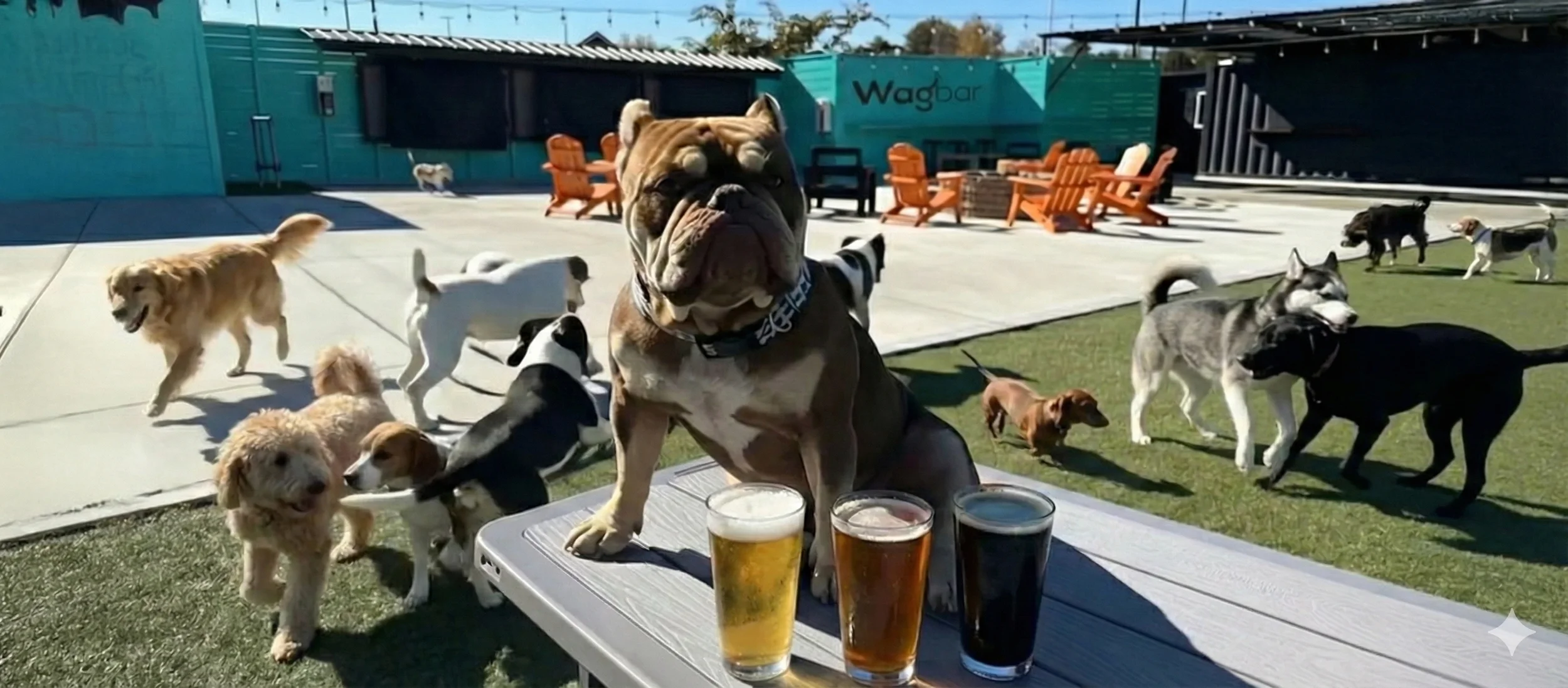
Top TLDR: Dog-friendly breweries allow dogs on premises as a policy, while dog bar franchises like Wagbar are purpose-built around dogs — with off-leash play areas, supervised park operations, membership programs, and a revenue structure that doesn't exist in a brewery. For investors evaluating both concepts, the key difference comes down to whether dogs are an amenity or the entire reason people show up. Visit the Wagbar franchising page to understand what the dog bar franchise investment looks like in practice.
If you've spent any time researching dog-friendly business concepts, you've probably come across both: the taproom that welcomes leashed dogs on its patio, and the purpose-built venue where off-leash play is the main event. From the outside, they can look similar. Inside the business, they're structurally different in almost every way that matters to an investor.
This comparison isn't about which concept is "better" in an abstract sense. It's about understanding what you're actually buying when you consider each option, who your customer is in each model, and what the investment and operational reality looks like on a day-to-day basis.
The Core Difference: Amenity vs. Business Model
A dog-friendly brewery welcomes dogs as a feature. The business model is beer production and taproom sales. Dogs are allowed because dog owners are a desirable customer demographic and the policy creates differentiation from other breweries in the area. Take away the dogs and you still have a brewery. The beer is the product; the dog-friendliness is the marketing.
A dog bar franchise is built the other way around. The off-leash play space is the primary draw. The bar program exists because dog owners who are already there for 90 minutes want a drink. Take away the dogs and there's nothing left. The dogs are the product; the bar is the revenue layer.
That distinction has significant implications for how you build the business, what your customers expect, why they come back, and how you compete.
Revenue Structure: One Stream vs. Two
A dog-friendly brewery generates revenue the way any taproom does: pour sales, canned beer sales, merchandise, and potentially food. There's no admission fee for humans or dogs. Revenue starts at zero every day and depends entirely on how many people walk in.
A dog bar franchise like Wagbar operates with two revenue streams that function differently from each other. Bar sales are transactional, like a brewery's revenue. Membership fees for dog entry are recurring — monthly, annual, or punch-pass formats that generate income regardless of whether a member visits that week.
Membership revenue is the piece that fundamentally changes the financial structure. Members pay at signup. Annual members represent revenue that hits the books months before each visit. A location with a strong membership base enters every month with a baseline of income already committed — a stability no taproom model offers.
The dog park bar revenue breakdown explains how the two streams work together in more detail, but the short version is that the membership layer is what makes the dog bar model structurally more predictable for investors than a pure beverage business.
Customer Behavior: Drop-In vs. Community
This is where the two models diverge in ways that go beyond revenue mechanics.
A brewery's typical customer relationship is transactional. Someone chooses your taproom on a given afternoon for any number of reasons — they're nearby, a friend recommended it, the beer list looks good, the patio is nice. They might return regularly, but there's no structural commitment, no loyalty mechanism beyond personal preference, and relatively low switching costs if a new brewery opens nearby.

A dog bar's customer relationship is different by design. Once a dog's vaccinations are on file and a membership is established, the practical friction of switching away is real. More importantly, dogs form social bonds with other dogs they see regularly. Owners form friendships with each other. A well-run dog bar builds a community of regulars whose dogs are genuinely friends — and that social infrastructure makes the business far more resistant to competitive pressure than a taproom serving a better IPA.
The community building guide for dog-focused businesses covers how that customer relationship dynamic translates to business durability. From an investor's standpoint, the key takeaway is that the membership and community structure creates retention mechanisms that simply don't exist in a transactional beverage business.
Dwell Time and Per-Visit Revenue
Dogs influence customer behavior in a specific way that breweries trying to be dog-friendly can't fully replicate: they extend how long people stay.
At a brewery, visit length is determined by how long a group of humans wants to sit and drink. An hour, maybe two for a lively group. At a dog bar, the dog sets the pace. No owner voluntarily ends a visit while their dog is still sprinting across the play area. Average dwell times at well-run dog bars run significantly longer than at comparable beverage venues, and dwell time correlates directly with beverage revenue per customer per visit.
A dog-friendly brewery patio can attract dog owners, but the dog is tethered to a leash and leaning against its owner's chair. There's no play dynamic extending the visit. The dog is a compliance accommodation, not an experience driver.

Operational Requirements: Patio Policy vs. Dedicated Infrastructure
Opening a dog-friendly brewery requires a policy decision and potentially some signage. Opening a dog bar franchise requires a completely different physical buildout, staffing structure, and operational system.
Physical infrastructure: A dog bar requires a securely fenced off-leash play area, separate dog and human entry flows, water stations for dogs, a space designed to handle canine play safely, and a bar or service structure positioned for sight lines into the park. Wagbar uses shipping container bars that simplify the build-out significantly, but the site requirements are materially different from a taproom patio.
Staffing: A brewery needs bartenders and taproom staff. A dog bar needs that plus a dedicated team of park monitors trained in dog behavior — staff who can read a group of animals in active play, recognize early signs of tension, and intervene before situations escalate. That's a different hiring profile than any hospitality position. See how Wagbar structures this dual-team model in the bar operations guide for dog bar franchisees.
Admission and vaccination verification: Every dog entering a Wagbar location must have current rabies, Bordetella, and distemper vaccinations on record. Dogs must be at least six months old and spayed or neutered. Managing that intake process, verifying credentials, and maintaining records is an operational task that doesn't exist in any form at a dog-friendly brewery.
Liability and safety protocols: A dog bar operator takes on a higher level of responsibility for the animals in the park than a brewery that allows leashed dogs on a patio. Zero-tolerance policies for aggression, structured intervention procedures, and clear code of conduct requirements are operational necessities, not optional extras.
Brand Positioning and Market Differentiation
A dog-friendly brewery competes with every other brewery in town. Being dog-friendly is one point of differentiation among many — beer quality, tap selection, atmosphere, events, and price all factor into where a customer chooses to spend an afternoon.
A dog bar franchise competes in a category that barely exists. When Wagbar opened in Asheville, North Carolina in 2019, there was no comparable venue. The concept of a supervised off-leash dog park combined with a real bar program was genuinely new. That means early franchisees entering a market aren't choosing from a crowded competitive set — they're often the only option in a city for a customer who wants exactly what a dog bar offers.
That positioning advantage matters to investors thinking about long-term market dynamics. A brewery in a beer-saturated market has to fight for every customer. A dog bar in a city without one is building a category.
The Franchise vs. Independent Path
Most dog-friendly breweries are independent businesses or regional craft breweries. There's no established dog-friendly brewery franchise system with an operational playbook, a training system, or a proven build-out solution.
Wagbar operates as a franchise, which changes the investor calculus in specific ways. The $50,000 franchise fee and total estimated initial investment of $470,300 to $1,145,900 include access to the Opener app for pre-opening guidance, a one-week intensive training program in Asheville, on-site grand opening support, ongoing quarterly business reviews, and a franchisee network with real operational experience.
For an investor evaluating whether to open a dog bar independently or through a franchise system, the question is straightforward: how much is it worth to have the operational playbook, the training infrastructure, and the support system already built? Building the dog bar concept from scratch — figuring out the dual staffing model, the membership program, the admission protocols, the bar program, and the site requirements all at once — carries meaningfully higher risk and a longer path to stable operations than entering with an established system.
The off-leash dog bar investment guide covers what to evaluate in a franchise system's support structure. The benefits of owning a pet franchise outlines what franchising adds to the equation more broadly.
What the Investor Decision Actually Comes Down To
An investor choosing between a dog-friendly brewery and a dog bar franchise is really choosing between two fundamentally different businesses that share a surface-level similarity.
The dog-friendly brewery is a beverage business that happens to welcome dogs. The investor thesis is about beer quality, taproom traffic, and hospitality execution.
The dog bar franchise is a pet experience business with a beverage component. The investor thesis is about community building, membership retention, and a recurring revenue structure supported by an experience that keeps customers returning multiple times per week.
Neither is wrong. They serve different investor profiles, require different operational backgrounds, and produce different customer relationships. But they're not variations of the same thing — and understanding that distinction is the starting point for any serious investment evaluation.
Frequently Asked Questions
Can a dog-friendly brewery add an off-leash component and become a dog bar?
In theory, but the practical requirements are substantial. You need a securely fenced area that meets off-leash safety standards, trained staff to supervise it, an admission and vaccination verification system, and a liability structure for operating an off-leash environment. Most breweries that allow dogs on patios aren't built for this and would face significant regulatory, insurance, and operational hurdles converting to it.
Which model requires a larger initial investment?
A craft brewery requires production equipment, fermentation systems, kegging infrastructure, and taproom build-out in addition to all standard venue costs — making it one of the higher-investment hospitality concepts available. A dog bar franchise investment range of $470,300 to $1,145,900 is meaningful, but it doesn't include production equipment. The build-out is largely focused on the outdoor play space, the bar structure, and the site improvements.
Is the customer base for dog bars large enough to support a business?
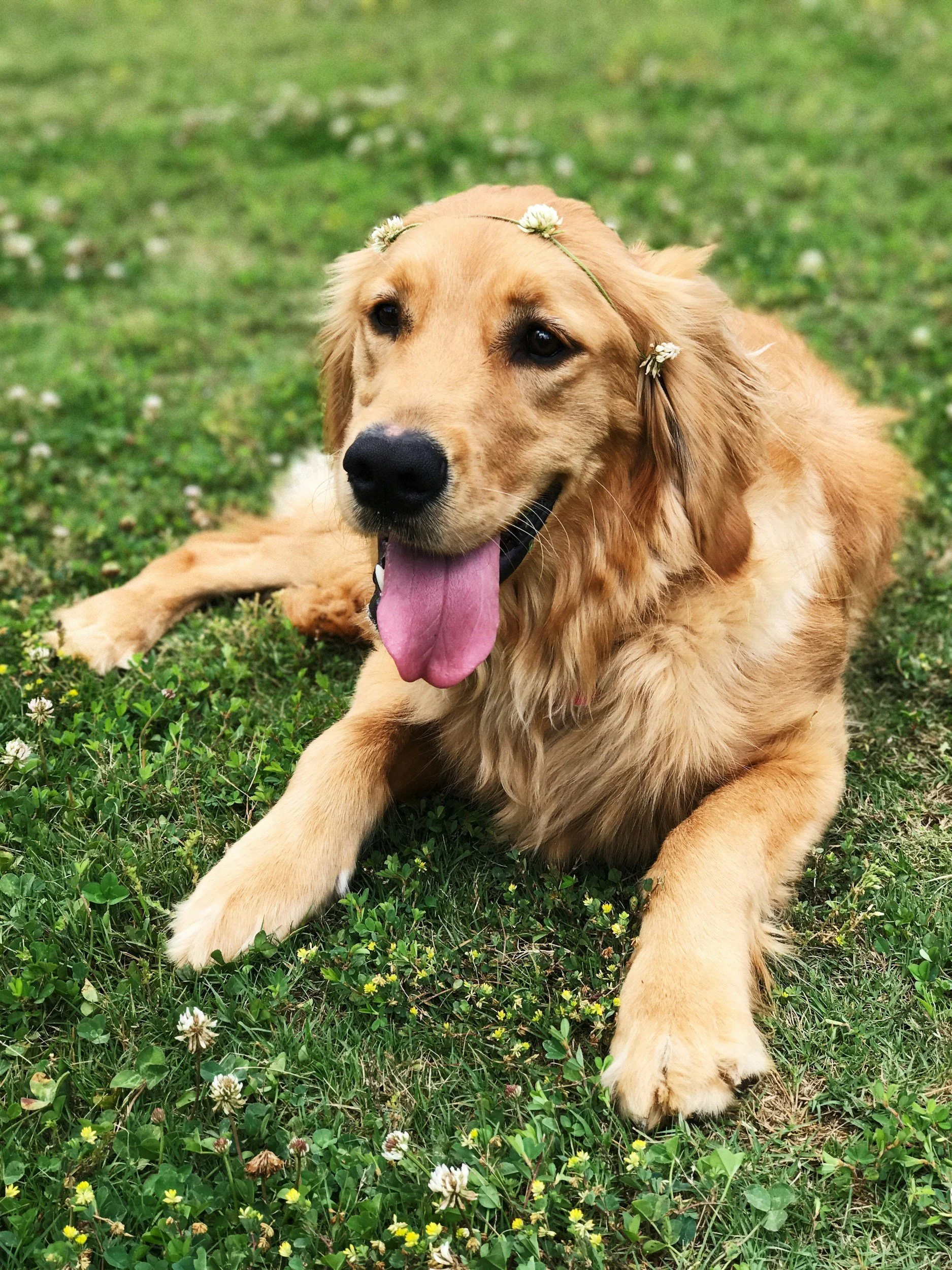
According to the American Pet Products Association, 67% of U.S. households own a pet, with dogs the most popular choice. In a metro area or growing suburban market with meaningful dog ownership, the addressable customer base for a supervised off-leash venue with a bar is substantial. The key market factors are household income (members paying annual fees are spending meaningfully), pet ownership rates, and the social scene that attracts the dog-owning demographic.
Do I need prior brewing or beer industry experience to open a dog bar?
No. The bar program at a Wagbar location doesn't involve production — it's service-focused, offering draft beer, craft brews, ciders, seltzers, wine, and non-alcoholic options. Prior hospitality experience helps, but it's not a requirement. Wagbar's training system covers bar operations directly. The career paths that lead to Wagbar ownership shows how franchisees from a wide range of backgrounds successfully make the transition.
How does a dog bar compete if a dog-friendly brewery opens nearby?
They serve meaningfully different needs. A dog-friendly brewery patio offers a place to have a drink with your leashed dog. A dog bar offers supervised off-leash play, a social environment built entirely around dogs, and membership infrastructure that creates routine visits. Customers who want their dog to actually run and play aren't satisfied by a patio — the two venues don't compete directly for the same use case.
The comparison between dog-friendly breweries and dog bar franchises resolves quickly once you look at the business structure underneath each concept. One is a beverage business with a pet-welcoming policy. The other is a pet experience business with a beverage program. The investment, the customer relationship, and the revenue model are different in ways that matter significantly to anyone seriously evaluating either option.
If the dog bar franchise model is what you're exploring, the Wagbar franchising page is where that conversation starts.
Bottom TLDR: Dog-friendly breweries and dog bar franchises look similar from the outside but operate on fundamentally different business models — one is a beverage business that allows dogs, the other is a pet experience business built around supervised off-leash play, membership revenue, and a community structure that drives repeat visits. For investors, the dog bar franchise model offers recurring membership income and stronger customer retention than any taproom can provide. Start evaluating the dog bar franchise investment at the Wagbar franchising page.