

California Dog Franchise: Open a Wagbar in the World's Biggest Dog Market
Key Takeaways
Nearly 40% of California households own at least one dog, across 13.7 million total households (APPA, 2024).
Los Angeles County alone is home to an estimated 5.3 million pet dogs, more than most states have in total.
Californians spend the most on pets of any state, averaging $6,497 per pet per year (DollarGeek, 2022).
Wagbar's off-leash dog park and bar model targets the dog-specific experience market, which is growing at 8-12% annually.
Multiple California territories are open for development, with existing franchise presence in the Los Angeles area.
If you're researching a California dog franchise opportunity, the starting point isn't finding demand. Demand is everywhere. Los Angeles County has more pet dogs than most states have residents. San Francisco famously has more dogs than children. San Diego's dog beaches attract thousands every weekend. The question isn't whether California can support a dog-focused business. It's whether the specific concept can stand out in one of the most competitive, highest-expectation consumer markets in the world.
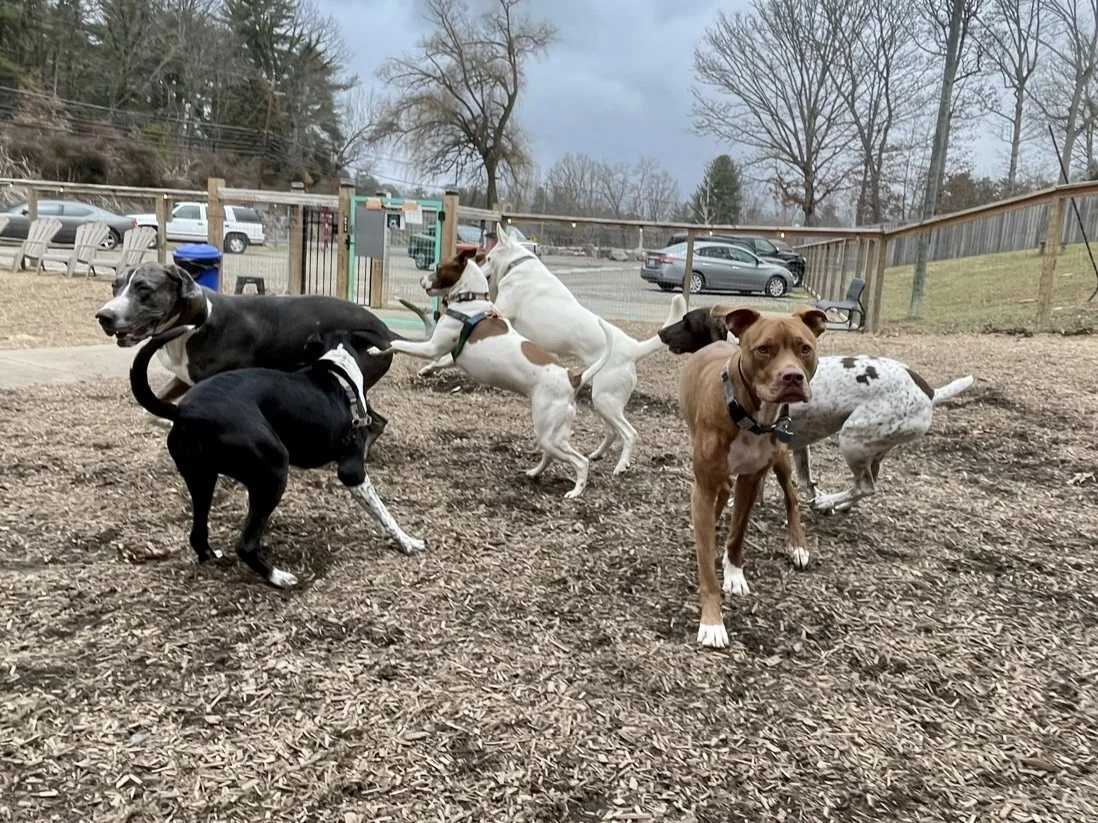
Wagbar's answer to that question is the off-leash dog park bar, a purpose-built venue where dogs play freely in a monitored, safe space while their owners relax with a craft beer and connect with their community. It's not a dog-friendly patio. It's not a pet supply store. It's a category that California's dog-owning population is ready for, and a franchise model that makes it replicable.
California Dog Ownership: The Numbers Behind the Opportunity

Nearly 40% of California's 13.7 million households own at least one dog, putting total dog-owning homes in the state somewhere above 5 million. According to Dogster, California households own an average of 1.6 dogs each, indicating a significant multi-dog owner base.
By city, the scale is even more striking:
Los Angeles County: An estimated 5.3 million pet dogs, making it one of the single largest concentrations of dog ownership anywhere in the country.
San Diego: More than 500,000 dogs in the city, supported by an established culture of dog beaches, hiking trails, and pet-friendly venues.
San Francisco: Approximately 232,000 dogs, with estimates suggesting the city has more dogs than children. Dog parks in SF are heavily used and widely cited as community gathering spaces.
Beyond raw ownership numbers, California dog owners are already spending heavily on services for their dogs. The pet spending demographics data shows $2.99 billion in direct California pet spending statewide, with 68.8% of households owning at least one type of pet. Dog-related services represent a major share of that spend.
Why California Dog Culture Lines Up With Wagbar
Dog ownership in California isn't just common. It shapes how people organize their social lives. Dog parks in Los Angeles, San Diego, and the Bay Area are consistent community anchors. Dog owners plan their weekends, their apartments, and their restaurants around their dogs. The challenge isn't selling Californians on the idea of spending time with their dogs in a social setting. They're already doing it.
What's missing is a dedicated, off-leash space where that experience is designed from the ground up. A dog-friendly patio at a bar means dogs on leash at your feet. Wagbar means dogs running freely in a large monitored play area while you sit at the bar. That's a fundamentally different experience, and California dog owners understand that difference immediately.
Several California-specific factors strengthen the case:
Year-round outdoor climate. Most of California's major markets allow for outdoor operations virtually year-round, which is critical for an off-leash park concept. This extends the usable season far beyond what Wagbar's markets in the Southeast can count on during winter.
Health and wellness culture. Californians consistently rank among the most health and wellness-oriented consumers in the country. Dog exercise, socialization, and mental stimulation all align with the values this demographic already holds.
Community-driven social spending. Experience-based spending is outpacing product spending nationally, and California leads that shift. Dog owners here are already paying for doggy daycare, training, breed meetups, and dog-specific events. Wagbar fits naturally into that pattern.
Premium spending baseline. Californians pay the highest average pet adoption and purchase price in the country at $3,446, nearly three times the national average of $1,246 (DollarGeek, 2022). This is a population accustomed to investing in their dogs.

City-by-City Dog Market Snapshot
California is large enough that market dynamics differ significantly across regions. Here are the key markets to understand.
Los Angeles
The LA metro is the largest dog market in the U.S. by total dog population. The existing Wagbar franchisee is developing this territory. However, LA's scale means multiple locations are viable once the concept establishes traction. Neighborhoods like Silver Lake, Echo Park, Highland Park, Culver City, and parts of the South Bay all have strong dog owner demographics and a culture that supports experience-based social venues.
San Diego
San Diego's dog culture is among the most active in the country. With 500,000-plus dogs, a beach and outdoor lifestyle, and strong demographics in neighborhoods from North Park and South Park to Encinitas and Mission Hills, SD is a natural Wagbar market. There are dog-friendly bars in San Diego, but no direct off-leash competitor offering the full Wagbar experience. Territory availability should be confirmed with the franchise team.
Bay Area (San Francisco, Oakland, San Jose)
The Bay Area has some of the highest concentrations of dog owners in the country paired with the highest disposable incomes. San Francisco's dog culture is well established, and East Bay neighborhoods like Oakland and Emeryville offer slightly lower real estate costs with very similar demographics. A tech-adjacent professional population with dogs and discretionary income is exactly the Wagbar customer.
Sacramento and the Inland Empire
These markets offer lower build-out and operating costs than coastal California while still drawing from large dog-owning populations. Sacramento's mid-size city dynamic, with strong neighborhood identity and outdoor culture, creates a market profile that resembles some of Wagbar's strongest existing markets in the Southeast. The Inland Empire's massive and growing population is underserved by premium experiential pet venues.
How the Wagbar Dog Franchise Model Works
Wagbar is built around recurring membership revenue rather than one-time transactions. Members pay monthly or annually for unlimited off-leash access for their dogs. Day passes accommodate non-members. Beverage sales, private event rentals, and breed meetups create additional revenue layers.
The build-out uses a shipping container-based design that reduces construction complexity and cost compared to conventional restaurant or entertainment venue development. This is a meaningful advantage in California, where construction costs are among the highest in the country. The complete guide to starting an off-leash dog bar business covers how the physical model connects to the financial one.
Franchise support includes a one-week intensive training at Wagbar HQ in Asheville, NC covering dog behavior, bar operations, staffing, and marketing. The Opener app guides pre-launch operational setup. On-site grand opening support and ongoing quarterly business reviews follow. The benefits of owning a pet franchise page goes deeper on what the support structure looks like in practice.
Total investment is $470,300 to $1,145,900, including the $50,000 franchise fee. California-specific factors like commercial lease rates, local permitting, and construction costs should be factored into any pro forma for a specific site. The dog business franchise profit margins page covers how the revenue structure performs across different market types.
Frequently Asked Questions
How is a California dog franchise with Wagbar different from a dog-friendly bar?
The difference is the off-leash play space. Dog-friendly bars and patio breweries exist throughout California, but they require dogs to stay on leash. Wagbar's venue is purpose-built for off-leash play in a monitored, fenced environment where dogs genuinely exercise and socialize while owners relax at the bar. That's a fundamentally different experience and a different value proposition for dog owners.
What kind of dog owner is the Wagbar customer?
The core Wagbar member is typically a millennial or Gen X dog owner, often in a city or dense suburb, who wants regular socialization for their dog, a place to meet other dog people, and a social environment that doesn't require leaving their dog at home. In California, this profile describes millions of households in every major metro.
Is California a difficult state to open a franchise in?
California has more regulatory complexity than most states, particularly around alcohol licensing, outdoor venue permitting, and employment law. That said, California franchisees across all industries successfully navigate these requirements regularly. Wagbar's team can provide guidance on what to expect during site selection and licensing, and the franchise development process accounts for longer lead times in California markets.
How does weather affect operations in California?
Positively, for the most part. California's mild climate across most of its major markets means the off-leash park portion of the business is usable year-round in most locations. Compare this to markets in the Midwest or Northeast where winter weather limits outdoor operations for months at a time. Year-round usability strengthens the membership value proposition and smooths seasonal revenue variation.
What territories are available in California?
The Los Angeles area has an active franchisee in development. Other California territories, including San Diego, the Bay Area, Sacramento, the Central Coast, and the Inland Empire, should be explored directly with Wagbar's franchise team. Territory availability changes as new franchisees sign agreements, so the best approach is to reach out early and express interest in your specific market.
Can I open multiple locations?
Multi-unit franchise development is possible with Wagbar and may make sense in large markets like Los Angeles or the Bay Area. Multi-unit commitments are discussed as part of the franchise agreement process. If you're thinking about California as a multi-location opportunity from the start, that's worth raising early in the conversation with the Wagbar team.
California's Dog Franchise Opportunity, Summarized
California's dog market is enormous, its spending culture is premium, and the off-leash dog bar concept is genuinely underrepresented in most of the state's major markets. Los Angeles has an active franchisee in development. San Diego, the Bay Area, Sacramento, and the Inland Empire all have the demographics and dog culture to support the concept with little to no direct competition.
The dog franchise overview covers the broader investment picture. When you're ready to talk California territory, the franchising page is where it starts.
Ready to bring Wagbar to California? Contact the Wagbar franchising team to check territory availability, receive the FDD, and take the first step in the largest dog market in the country.