
Year-Round Revenue at an Outdoor Dog Park Franchise: A Realistic Operating Calendar
Top TLDR: Year-round revenue at an outdoor dog park franchise is achievable through a layered model that combines recurring membership income, daily pass sales, beverage service, and a rotating event calendar that keeps visits consistent across every season. The key is treating each quarter as its own operating strategy rather than assuming a single playbook works twelve months. If you're evaluating this business model, Wagbar's franchising page outlines the full investment picture and training support.
The first question most prospective franchise investors ask about an outdoor dog park concept is some version of: what happens in January? It's a fair question. If the business only earns when the weather is perfect and the patio is packed, it's not really a year-round business. It's a summer business with high fixed costs.
The honest answer is that year-round revenue at an outdoor dog park franchise is real and achievable, but it doesn't happen automatically. It requires a deliberate approach to each quarter, a multi-channel revenue structure that doesn't live or die by a single income stream, and programming that gives customers a reason to show up regardless of what the thermometer says.
This page walks through what a realistic operating calendar looks like, how revenue stacks by channel across the year, and where the specific management challenges show up and how to address them.
The Revenue Foundation: Why Memberships Change the Math
Before walking through the calendar, it's worth establishing why the membership model is so important to year-round stability. A dog park that only earns from day passes is highly weather-dependent. A cold or rainy Saturday produces no revenue if customers are at home.
Memberships change that dynamic fundamentally. When a member pays for an annual membership, that income is collected regardless of how many times they visit in any given month. A cold January still generates membership revenue from every annual subscriber who signed up in October. The park may be quieter, but the recurring income base is intact.
At Wagbar, membership is structured around the dog, not the human. Daily, monthly, annual, and punch-pass formats give customers flexibility while building predictable income for the operator. Members don't need to show vaccination records on repeat visits, which removes friction and increases visit frequency over time. That combination, committed recurring revenue plus lower-friction repeat visits, is the structural advantage that makes outdoor operation across all four seasons viable.
Beverage service adds the second consistent income channel. Unlike a pure dog park that charges only for dog admission, Wagbar locations sell draft beer, craft brews, wine, seltzers, and non-alcoholic beverages regardless of the season. A smaller crowd on a cold Tuesday still spends at the bar. Covered patios with outdoor heaters extend the comfortable drinking window into cooler months at most locations.
With those two channels as the foundation, the operating calendar becomes an exercise in managing visit frequency and layering incremental revenue through events, rather than starting from zero each morning.
Spring: Peak Growth Season
Spring is typically when outdoor dog parks generate the highest visit counts and the strongest new membership acquisition. Weather turns cooperative, customers who spent winter at home rediscover the park, and new dog owners who adopted during the winter are ready to get out.
What to prioritize in spring:
New membership campaigns make the most sense in spring, when the value proposition is immediately visible. A customer visiting for the first time on a warm April afternoon, watching their dog sprint across the park while they enjoy a cold beer, is highly motivated to sign up for an annual membership on that visit. Spring is the prime conversion window.
Event programming should accelerate from whatever cadence the winter maintained. Breed meetups, which bring together owners of specific types of dogs for a scheduled two-hour session, are strong spring performers. Wagbar's Weaverville location has run poodle and doodle meetups, smush-face breed meetups, and general open socials that drive Saturday attendance well above walk-in norms.
Food truck partnerships build the social atmosphere that distinguishes an off-leash dog park from just a fenced yard. Spring is when food truck operators are ramping up their own schedules, so building those vendor relationships in February and March pays off when the season opens.
Revenue profile: High day pass conversion, strong new membership sales, increasing event revenue. This quarter typically sets the membership base that sustains the rest of the year.
Summer: High Volume, Operational Intensity
Summer brings the highest foot traffic and the most demand on staff and park infrastructure. It also brings heat management challenges in most markets, particularly in Sun Belt locations where afternoon temperatures can reduce comfortable outdoor time.
What to prioritize in summer:
Operational quality matters most when the park is busiest. Staffing levels, park maintenance, and the bar service experience all face their highest test in summer. A park that runs well in July builds the repeat visit habits and word-of-mouth referrals that sustain membership renewals through fall and winter.
Evening programming shifts natural peak hours when summer afternoons get hot. Trivia nights, open mic events, and live music performances draw customers into the 5-to-9 PM window when temperatures are more manageable and the social atmosphere is at its best. Wagbar's Weaverville location has run regular Tuesday trivia nights and Wednesday open mic events specifically because evening weekday programming captures the after-work crowd that can't make weekend peak hours.

Private event bookings are worth pursuing aggressively in summer. A fully fenced outdoor space with bar service is a genuinely appealing venue for birthday parties, corporate outings, dog-themed celebrations, and community gatherings. Summer weekends often have the highest private event demand; blocking a morning or early afternoon slot for private rentals generates incremental revenue without interfering with standard operating hours.
Revenue profile: Highest total revenue quarter for most locations. Day pass volume and beverage sales peak. Event revenue from both ticketed events and private rentals is strong. Operational costs also peak due to higher staffing requirements.
Fall: Retention Season
Fall is when year-round outdoor dog park operations really distinguish themselves from seasonal businesses. The question isn't whether the park is viable in October and November; it's whether the operator has built enough community loyalty and programming depth to keep customers showing up after summer ends.
What to prioritize in fall:
Membership renewal is the critical operational priority in fall. Annual members who joined in spring are reaching their renewal window. The renewal rate is directly tied to how much value they felt they received over the year, which is a function of how consistently excellent the park experience was and how engaged the event calendar kept them.
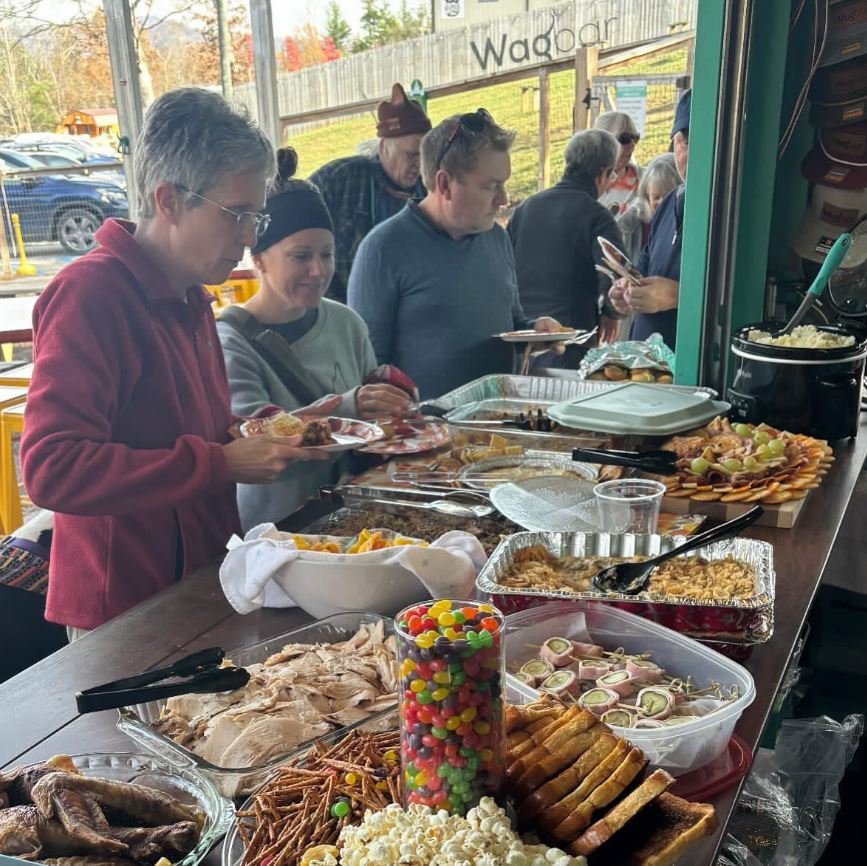
Holiday-themed events perform well in fall and extend naturally into early winter. Halloween and Thanksgiving programming, costume contests, potluck events, and harvest-themed gatherings give customers calendar-specific reasons to visit that are independent of weather. Wagbar's event history includes howl-o-ween events, holiday sweater parties, and Friendsgiving gatherings that consistently draw strong attendance.
Operating hours may shift in fall as daylight shortens. Adjusting close times to match realistic outdoor use windows maintains operational efficiency without sacrificing customer experience.
Revenue profile: Membership renewals drive a revenue boost in October and November. Beverage sales remain solid, particularly for hot drinks and seasonal options. Event revenue from fall-themed programming is meaningful. Day pass volume begins to decline from summer peaks.
Winter: Stability Through Membership and Programming
Winter is the honest stress test for any outdoor dog franchise. Parks in warm markets like Phoenix and Los Angeles face minimal operational adjustment; parks in markets like Asheville, Richmond, or Knoxville need deliberate strategies to maintain visitation and revenue through cold months.
What to prioritize in winter:
Structural accommodations that extend comfortable outdoor time are the first priority. Covered areas with outdoor heaters, windbreaks, and weather-appropriate park surfaces allow visitors to stay longer even when temperatures drop. Wagbar notes on its franchising materials that even in colder climates, the concept is viable with the right setup, and on-site opening support includes guidance for cold-weather operations.
Winter programming needs to be compelling enough to overcome the inertia of staying home. Holiday events, New Year celebrations, breed-specific gatherings, and trivia nights that give members a specific reason to visit on specific evenings are more effective than general open-park programming in cold months.
The membership model earns its value most clearly in winter. Every annual member who signed up in spring is still generating recurring revenue in February whether or not they visit frequently. That stable income floor allows operators to manage through lower-visit months without the cash flow volatility that would hit a day-pass-only model.
Revenue profile: Membership income provides stable recurring base. Day pass and beverage volume are lowest of the year. Targeted event programming generates meaningful peaks on specific dates. Maintenance and infrastructure costs may be higher due to weather-related upkeep.
The Event Calendar as a Revenue Driver Year-Round
One element that cuts across all four quarters deserves specific attention: the rolling event calendar. Events at Wagbar locations serve multiple financial and community functions simultaneously.
They drive incremental visits from members who might not have come that week without a specific reason. They attract new customers who hear about the event through word of mouth or social media. They generate incremental beverage revenue above baseline daily averages. And they build the community identity that sustains long-term membership retention.
The most effective event calendars are predictable, with recurring weekly or monthly programming that customers can plan around, and seasonal, with specific events tied to holidays, weather windows, and local culture. A Tuesday trivia night that runs every week becomes a standing weekly habit for a segment of the membership base. A Halloween costume contest happens once a year but drives annual-event anticipation that members talk about for months.
Event programming doesn't require large production budgets to be effective. Food truck partnerships, open mic nights, breed meetups, and community potlucks all generate strong attendance and social media content with modest operational investment.
More on how Wagbar thinks about community programming is covered in the community building guide for dog-focused businesses.
FAQ
How much of an outdoor dog franchise's revenue is weather-dependent?
With a well-structured membership base, a meaningful portion of revenue is weather-independent. Annual and monthly memberships generate income regardless of visit frequency. Beverage sales and event attendance are weather-sensitive, but covered patios and heaters reduce that sensitivity significantly. Operators with strong membership rosters are better insulated from weather-driven revenue swings than day-pass-only parks.
What is the single most important thing an operator can do to protect winter revenue?
Build membership aggressively during spring and summer. Every annual member who joins in April or June generates predictable recurring income through the following February. The winter revenue floor is directly proportional to the size of the annual membership base built during peak season.
Do outdoor dog parks need to close during winter?
Not necessarily. Wagbar strives to operate seven days a week, year-round, except holidays and maintenance days. Cold-weather locations use covered structures, outdoor heating, and adjusted operating hours to remain open. The decision about hours and days is location-specific based on local climate and customer patterns.
How does event programming vary by season?
Spring programming focuses on new customer acquisition and membership conversion. Summer programming emphasizes high-attendance evening events and private rentals. Fall programming prioritizes membership retention and holiday-themed events. Winter programming leans on themed events and recurring weekly programming to sustain visit frequency through low-demand months.
Can private event rentals generate significant revenue?
Yes. A private event booking generates beverage revenue from a captive group plus a rental fee, typically without any additional marketing cost beyond basic booking management. Saturday morning private rentals in particular can add meaningful incremental revenue in markets with strong demand for unique outdoor event venues.
Where can I learn more about Wagbar's operational support for franchisees?
The Wagbar franchising page covers training, support, and the operational systems that guide franchisees from site selection through grand opening and beyond. The revenue streams overview covers how each income channel works in more detail.
Building for Every Season, Not Just the Good Weather
Year-round revenue at an outdoor dog park franchise isn't a matter of hoping the weather cooperates. It's a matter of building the right revenue mix and the right community from the start.
Memberships create a stable recurring base that doesn't fluctuate with the temperature. Beverage service generates consistent daily income independent of dog admission volume. Events give customers calendar-specific reasons to visit through every season. And the community identity that forms over time, the regular customers who know the staff, whose dogs have regulars of their own, is what keeps annual renewals high and word-of-mouth marketing running continuously.
Wagbar has operated this model through multiple winters at its flagship Asheville location and supported franchisees in markets ranging from Richmond and Knoxville to Phoenix and Los Angeles, each with their own seasonal patterns to manage. The pet franchise opportunity page covers the full investment structure, and the franchising page is the right starting point for anyone ready to take the next step.
Bottom TLDR
Year-round revenue at an outdoor dog park franchise relies on annual memberships that generate recurring income regardless of weather, beverage sales that remain consistent through all seasons, and a programmed event calendar that sustains visit frequency through slower months. The membership base built during spring and summer is the primary buffer against winter revenue dips. Review the full revenue model and investment details at wagbar.com/franchising.