
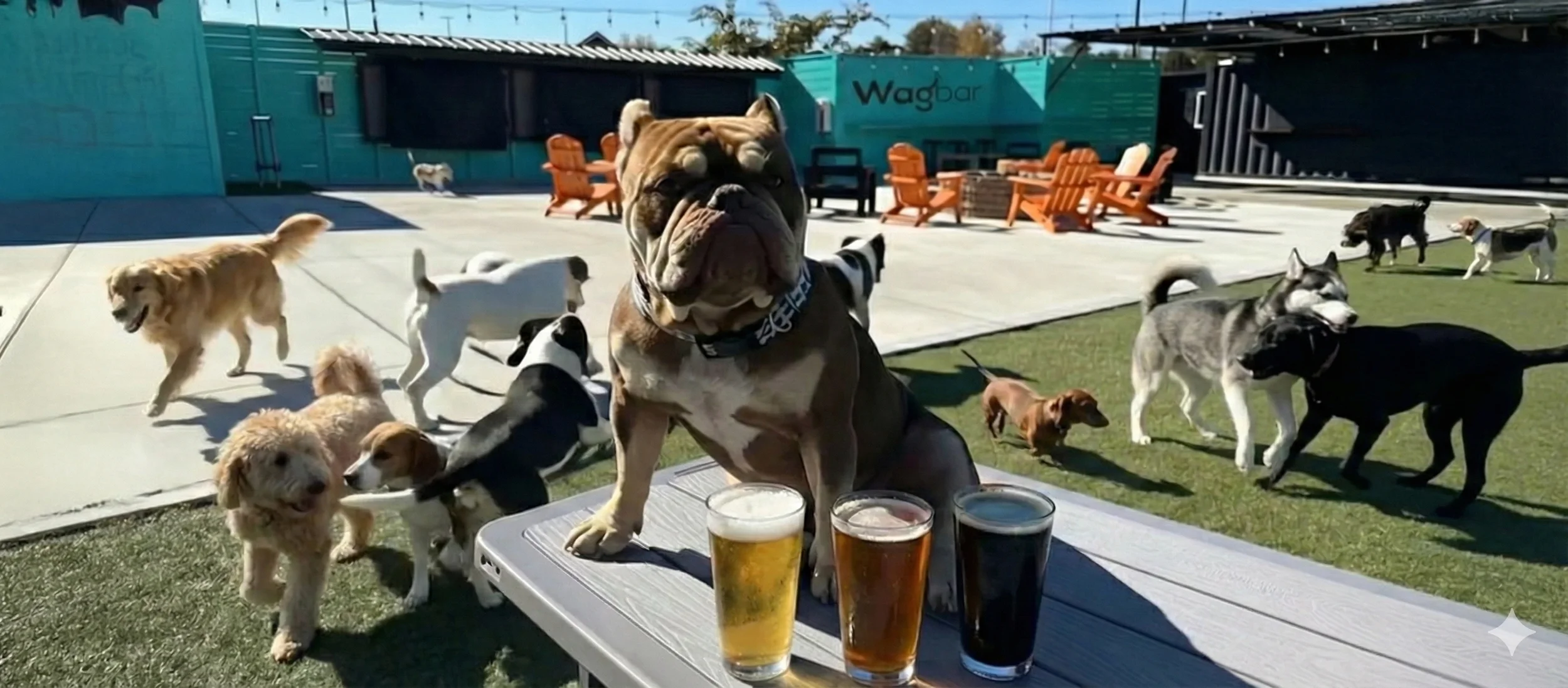
Year-Round Dog Activities in Knoxville: Seasonal Guide for Pet Owners
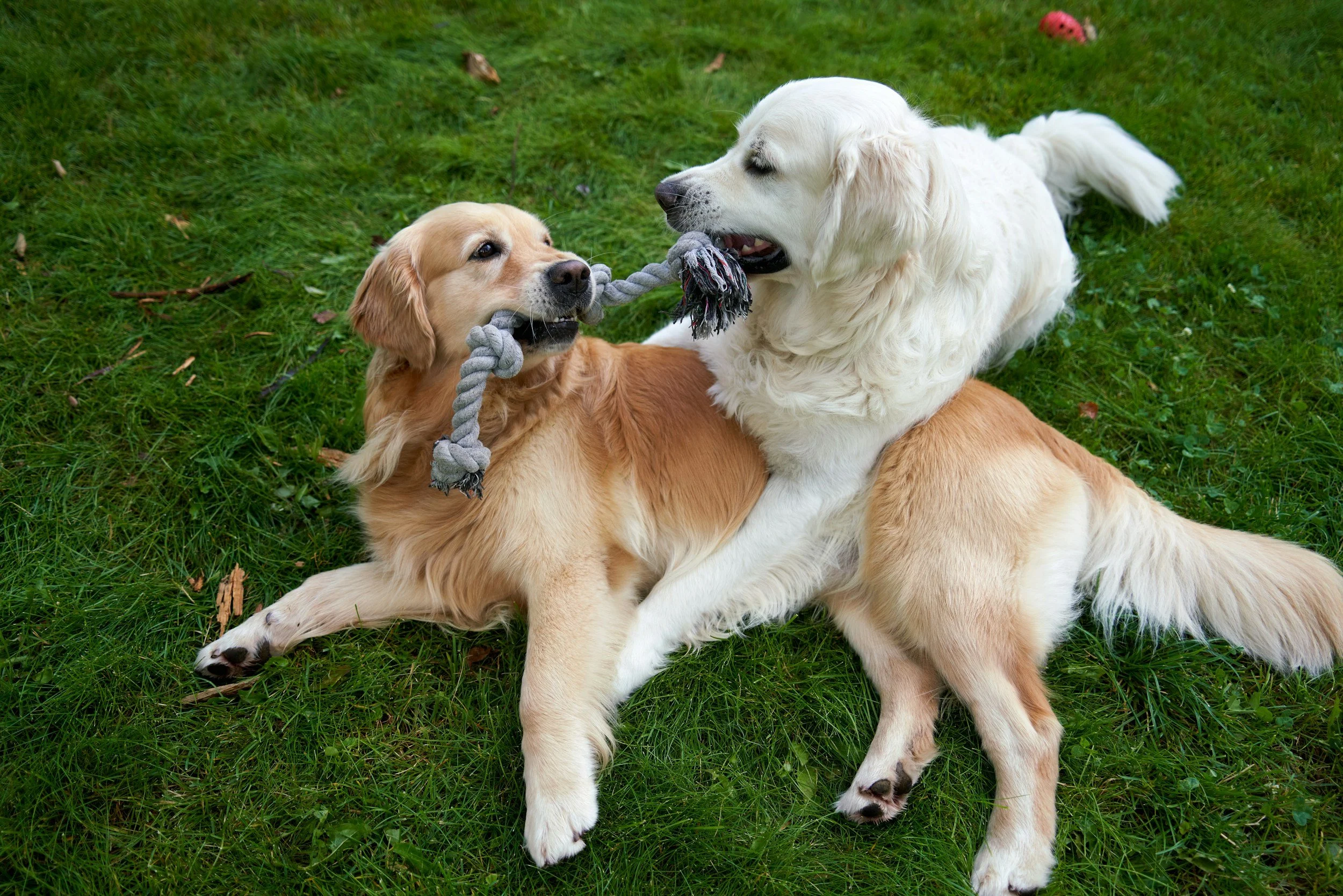
Knoxville's four distinct seasons create a constantly shifting landscape for dog owners. Summer heat that makes afternoon walks dangerous, fall perfection that begs for all-day outdoor adventures, winter cold that drives even the hardiest dogs indoors after brief potty breaks, and spring's unpredictable mix of gorgeous days and torrential downpours—each season presents unique opportunities and challenges for keeping your dog exercised, stimulated, and happy.
The reality is that your dog's needs don't change with the weather. They still require physical exercise, mental stimulation, and social interaction regardless of whether it's 95 degrees in July or 25 degrees in January. But how you meet those needs must adapt to seasonal realities. What works beautifully in October becomes impractical or even dangerous in August. Activities that dogs adore in spring become muddy disasters or uncomfortable slogs when temperatures plummet.
Understanding seasonal patterns in Knoxville helps you plan year-round activities that keep your dog fulfilled without forcing inappropriate experiences during extreme weather. It means knowing which months are perfect for all-day hikes versus when morning and evening walks bookend indoor activities. It means recognizing when your dog desperately needs indoor socialization options because outdoor play has become uncomfortable or unsafe. And it means taking advantage of Knoxville's spectacular shoulder seasons—spring and fall—when the weather gods smile on Tennessee and outdoor adventures become irresistible.
When Wagbar Knoxville opens in October 2025, it will provide what many Knoxville dog owners currently lack—a year-round climate-controlled environment where dogs can play, socialize, and exercise regardless of weather extremes. While nothing replaces the joy of perfect-weather outdoor adventures, having reliable indoor options transforms how you navigate Knoxville's weather challenges. This guide explores seasonal realities month by month, offering strategies for keeping your dog happy through every season while highlighting how facilities like Wagbar complement the natural outdoor experiences that make Knoxville special.
Understanding Knoxville's Climate Patterns
Before diving into season-specific activities, understanding Knoxville's overall climate patterns helps you anticipate challenges and opportunities throughout the year. East Tennessee's location creates weather that's neither purely Southern nor Appalachian, but a blend that produces four genuine seasons with occasional dramatic swings.
Temperature Ranges and Extremes
Knoxville experiences hot, humid summers with daytime highs regularly reaching the upper 80s and low 90s from June through August. July and August are particularly brutal, with heat indices often exceeding 100 degrees when humidity is factored in. These conditions create genuine danger for dogs—asphalt burns paw pads, overheating happens quickly, and afternoon outdoor activity becomes inadvisable for all but the briefest bathroom breaks.
Winters are relatively mild compared to northern states but still bring cold that affects dogs, especially short-coated or small breeds. January and February typically see daytime highs in the 40s and nighttime lows in the 20s, with occasional dips below 20 degrees during cold snaps. Snow happens but isn't reliable—some winters bring multiple snowfalls while others see barely a flurry. Ice storms occur more frequently than heavy snow, creating slippery conditions that make walking treacherous.
Spring and fall represent Knoxville's glory seasons. March through May and September through November generally offer temperatures in the 60s and 70s—perfect for both humans and dogs. These months provide ideal conditions for extensive outdoor activities without weather-related stress. However, spring brings rain and occasional severe weather, while fall can feature dramatic temperature swings as cold fronts clash with lingering summer heat.
Daily temperature swings matter as much as seasonal averages. Summer mornings might be pleasant in the 60s or 70s before afternoon heat becomes oppressive. Winter days occasionally warm into the 60s despite freezing mornings. Smart dog owners learn to time activities around these daily patterns, exercising during comfortable windows rather than fighting weather extremes.
Humidity and Its Impact on Dogs
East Tennessee's humidity significantly affects how dogs handle temperature. A 75-degree day with 90% humidity feels much hotter than 75 degrees in dry climates. Dogs cool themselves primarily through panting, which becomes less effective in humid conditions. This means Knoxville's summer heat index—the "feels like" temperature—matters more than the actual thermometer reading.
Spring and fall humidity varies based on weather patterns. After rain, humidity spikes even if temperatures are moderate. Clear, sunny days with low humidity allow comfortable outdoor activity even when temperatures edge toward warm. Learning to check humidity along with temperature helps you make better decisions about activity timing and intensity.
Winter humidity combined with cold creates that bone-chilling dampness that penetrates even thick dog coats. Wet cold feels worse than dry cold of the same temperature. Dogs with thin coats or low body fat particularly struggle with damp winter conditions. Indoor alternatives become valuable during these periods when dogs don't want to be outside any longer than necessary.
Precipitation Patterns and Seasonal Variation
Knoxville receives roughly 48 inches of precipitation annually, distributed unevenly throughout the year. Spring typically brings the most rain, with March through May seeing frequent showers and occasional severe thunderstorms. These storms can include hail, high winds, and tornadoes—weather that requires keeping dogs indoors for safety beyond just avoiding getting wet.
Summer precipitation comes primarily from afternoon thunderstorms—hot mornings give way to unstable conditions that generate storms by mid-afternoon. These storms pass quickly but can be intense, with heavy downpours, lightning, and gusty winds. The predictability helps planning—exercise early before storms develop, wait out the storm, then enjoy cooler evening conditions after rain cools things off.
Fall is generally the driest season, contributing to its reputation as Knoxville's most pleasant time of year. Clear, sunny days dominate, with occasional rain systems passing through. This dry pattern makes fall ideal for activities that suffer during wet conditions—hiking muddy trails, visiting outdoor venues, or simply enjoying parks without mud and puddles.
Winter precipitation varies dramatically year to year. Some winters stay relatively dry with occasional rain. Others bring frequent storms mixing rain, sleet, and snow. Ice accumulation creates particular challenges for dogs—slippery sidewalks and roads make walking dangerous, and ice-coated grass can cut paw pads. De-icing chemicals used on roads and sidewalks also pose risks, burning paws and potentially causing illness if dogs lick their feet after walking on treated surfaces.
How Climate Affects Dog Activity Planning
Understanding these patterns allows strategic planning rather than daily weather-driven improvisation. You can anticipate that July and August will require creative indoor solutions and early-morning exercise. You know spring means planning around rain rather than assuming every weekend offers hiking opportunities. Fall becomes the season for ambitious outdoor adventures you wouldn't attempt during less favorable months.
Urban dog owners face particular challenges since they lack yards where dogs can exercise regardless of weather. Downtown residents can't simply let dogs out during brief comfortable windows—every bathroom break and exercise session requires walking outside regardless of conditions. This makes having reliable indoor options especially valuable for urban dog owners.
Seasonal planning also means preparing appropriate gear. Summer requires paw protection for hot pavement, cooling vests for dogs who overheat easily, and always having water available. Winter means coats for short-haired or small dogs, paw wax to protect against ice and chemicals, and towels for drying wet dogs after walks. Being prepared transforms uncomfortable experiences into manageable ones.

Summer in Knoxville: Beating the Heat
Summer presents the most significant challenges for Knoxville dog owners. The combination of heat, humidity, and long days of sunshine creates conditions where outdoor activity becomes genuinely dangerous during afternoon hours. Understanding risks and adapting your routine keeps dogs safe and comfortable despite the weather.
The Reality of Summer Heat Danger
Dogs don't cool themselves as efficiently as humans. They can't sweat through their skin, instead relying primarily on panting to release heat. In humid conditions where panting becomes less effective, dogs overheat quickly. Heatstroke can develop in minutes, and it kills—this isn't an exaggeration meant to scare you, but a reality that requires taking summer precautions seriously.
Brachycephalic breeds (flat-faced dogs like Bulldogs, Pugs, French Bulldogs) face particular risk since their compressed airways already compromise breathing efficiency. Add heat stress requiring heavy panting, and these dogs struggle dangerously. Northern or cold-weather breeds with heavy coats—Huskies, Malamutes, Newfoundlands—similarly suffer in Knoxville summers. These dogs need special consideration and likely shouldn't be outside during peak afternoon heat regardless of how brief the exposure.
Asphalt and concrete absorb and retain heat, reaching temperatures far exceeding air temperature. On a 90-degree day, asphalt can reach 140 degrees—hot enough to cause serious burns within seconds. The "seven-second test"—if you can't hold your bare hand on pavement for seven seconds, it's too hot for your dog's paws—provides a quick reality check. Most summer afternoons in Knoxville fail this test from roughly noon to 6pm.
Overweight dogs, senior dogs, puppies, and dogs with health conditions all face elevated heatstroke risk. But even young, fit, healthy dogs can overheat if exercised too intensely in hot conditions. Athletic dogs who love to play may not self-regulate appropriately—they'll keep going until they collapse rather than stopping when they should. Owner vigilance becomes crucial for recognizing early warning signs before they escalate to emergencies.

Adapting Your Exercise Routine
Summer exercise requires completely rethinking what constitutes appropriate activity. The all-day weekend hikes you enjoyed in April become dangerous in July. The afternoon fetch sessions that were fine in May need to move to different times or be replaced entirely. Flexibility and creativity become essential.
Early morning provides the best exercise window. Before 8 or 9am, temperatures remain relatively comfortable and asphalt hasn't yet absorbed heat. An hour-long walk at 7am might be perfectly safe, while the same walk at 2pm would be dangerous. Many Knoxville dog owners become early risers during summer, exercising dogs before work when conditions allow longer, more vigorous activity.
Evening offers a second window after temperatures drop. However, evening requires waiting longer than you might expect—6pm often remains quite hot. By 8 or 9pm, conditions usually improve significantly, though pavement retains heat longer than air cools. Test surfaces before walking, and consider routes on grass or trails rather than sidewalks and roads when possible.
Indoor exercise supplements outdoor options during summer. Mental stimulation through training, puzzle toys, and nose work games tires dogs without requiring physical exertion in heat. These activities happen in air-conditioned comfort while still meeting dogs' needs for engagement and challenge. Teaching new tricks, practicing obedience, or creating indoor scavenger hunts where dogs search for hidden treats all provide enrichment without heat exposure.
Swimming offers ideal summer exercise for dogs who enjoy water. The activity provides full-body workout while water keeps dogs cool. Knoxville offers several options—Concord Park and other greenway access points allow water entry along the Tennessee River. Some hotels and athletic facilities offer dog swim days in their pools during off-season. Private dog pools exist where dogs can swim safely without concerns about currents or water quality. Swimming provides serious exercise without overheating risks that plague land-based activities.
Shorter, more frequent outings replace longer exercise sessions. Instead of one 45-minute afternoon walk, do three 15-minute walks morning, evening, and late night when conditions permit. This spreads activity across comfortable windows while avoiding dangerous heat. It's more work for you but keeps your dog safe.
Summer Hydration and Cooling Strategies
Hydration becomes critical during summer. Dogs need access to fresh, cool water constantly, not just during outdoor activity. Change water frequently to keep it cool and appealing. Add ice cubes to water bowls to help maintain lower temperatures. Carry water and a collapsible bowl on all outings, offering drinks every 10-15 minutes during activity.
Cooling vests, mats, and bandanas provide supplemental cooling for dogs who must be outdoors. These products use evaporative cooling or phase-change materials to help dogs maintain safe body temperature. While not magic solutions that make midday activity safe, they do provide meaningful benefit during necessary outdoor exposure. Wet the vest or bandana, put it on your dog, and the evaporation provides cooling similar to human sweating.
Frozen treats offer both cooling and entertainment. Fill Kong toys with peanut butter or wet dog food and freeze them—dogs get extended entertainment from working to extract the frozen contents while the cold provides internal cooling. Make pupsicles from low-sodium chicken or beef broth frozen in ice cube trays or special molds. Create frozen treats from plain yogurt and fruit. These treats make dogs happy while helping them stay cool.
Shade is not optional during summer outdoor time. Dogs need constant access to shade, whether from trees, buildings, or portable shade structures. Never leave dogs in direct sun without shade options, even if temperatures seem moderate. Direct sunlight dramatically increases heat stress regardless of air temperature.
Air conditioning provides the most effective cooling. Dogs need access to air-conditioned spaces during summer, not just fans. Fans cool humans through evaporating sweat, but since dogs don't sweat through their skin, fans provide minimal benefit. Air conditioning actually lowers temperature, making indoor environments genuinely comfortable and safe during extreme heat.
Indoor Exercise Alternatives: Wagbar's Role
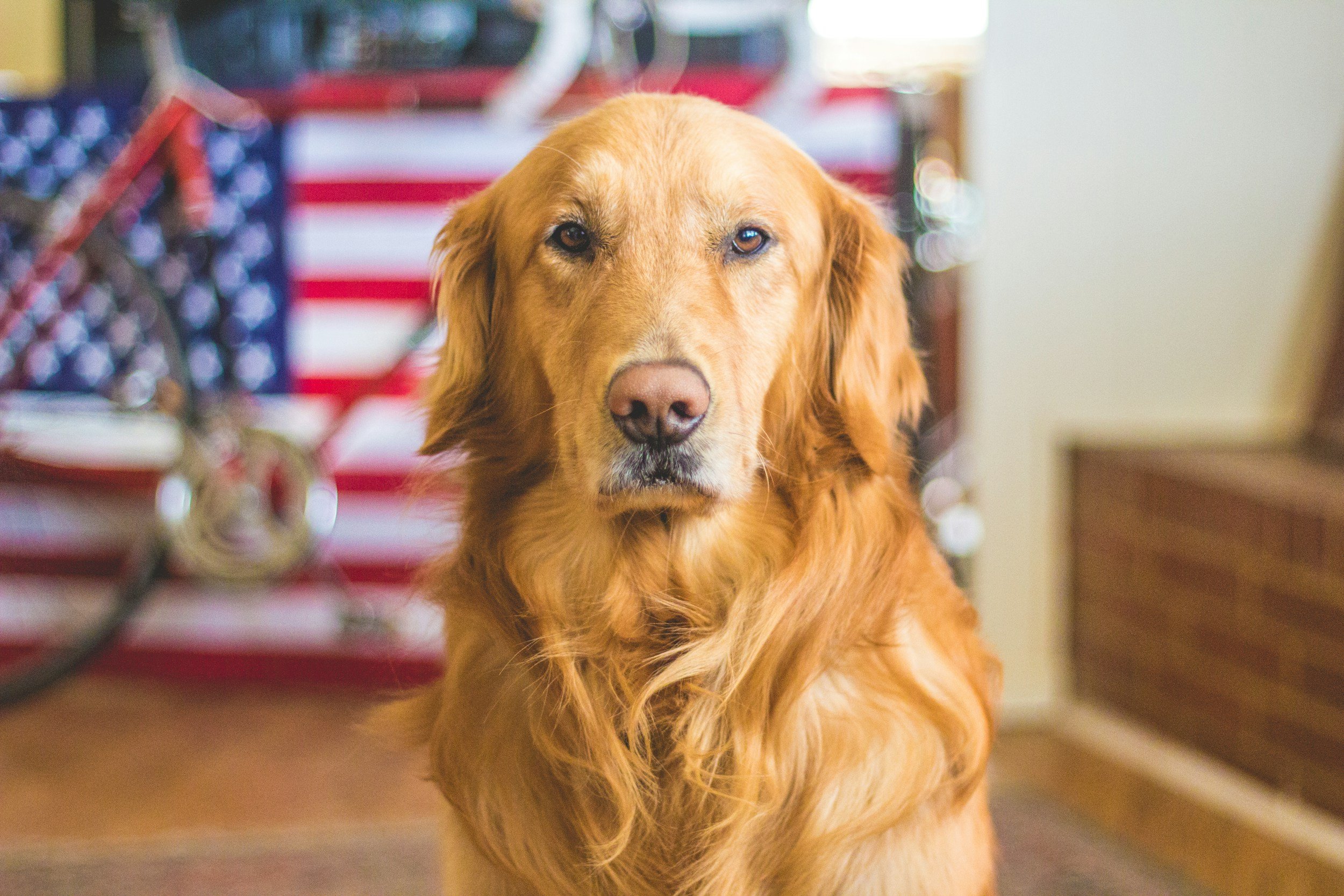
Summer demonstrates the value of climate-controlled indoor options for dog exercise and socialization. When outdoor activity becomes limited to brief early morning and late evening windows, having reliable indoor alternatives prevents dogs from going stir-crazy while keeping them safe from heat-related illness.
Wagbar Knoxville will provide extensive indoor/outdoor space designed for comfort during extreme weather. While dogs will have outdoor access, the facility's design includes shaded areas, cooling stations, and thoughtful layout that prevents dogs from overheating. More importantly, if conditions become too extreme even for modified outdoor play, the facility can accommodate indoor activity that still provides exercise and socialization.
Staff training includes recognizing heat stress in dogs. Professional monitoring means dogs showing early signs of overheating receive immediate intervention—moved to cooler areas, given water, allowed to rest—before conditions escalate to dangerous levels. This supervision provides safety beyond what unsupervised dog parks can offer, where overheated dogs might continue playing until they collapse.
The social component matters as much as physical exercise. Dogs isolated at home due to heat still need interaction with their own species. Indoor socialization opportunities prevent dogs from becoming under-stimulated and developing behavioral problems from isolation. Regular play dates with other dogs maintain social skills even when outdoor group activities aren't feasible.
For Knoxville dog owners, having facilities like Wagbar available during summer means your dog's quality of life doesn't deteriorate for three months of the year. You're not limited to brief dawn and dusk outings with nothing in between. Your dog can still run, play, and socialize safely despite weather that makes traditional outdoor activities dangerous. This transforms summer from a season of restriction and boredom into a manageable period where life continues relatively normally despite climatic challenges.
Fall in Knoxville: Prime Time for Dogs
Fall represents Knoxville's golden season—the period when weather cooperates beautifully with plans, outdoor adventures become irresistible, and dogs can enjoy extended activity without heat or cold stress. September through November offer conditions that make you understand why people love living in East Tennessee.
Perfect Weather for Extended Outdoor Activity
Fall temperatures in the 60s and 70s during the day, with cool nights dropping into the 40s and 50s, create ideal conditions for both humans and dogs. You can exercise midday without heat danger. Dogs can play vigorously without overheating. Multi-hour outdoor adventures become feasible again after summer's restrictions.
Lower humidity compared to summer makes the same temperature feel more comfortable. A 70-degree fall day with low humidity feels pleasant and energizing. The same 70 degrees with summer humidity feels warm and oppressive. Dogs notice this difference too—they're more energetic and willing to exercise when humidity drops, even if temperatures are similar to shoulder-season spring days.
Rainfall decreases during fall, creating reliable weather patterns. You can plan weekend adventures with reasonable confidence they won't be rained out. Trails dry out after spring's mud, creating better hiking conditions. Parks and outdoor venues become more pleasant without constant wet grass and muddy conditions.
Fall foliage adds beauty to outdoor activities. While Knoxville isn't peak fall color territory like more northern regions or higher Smoky Mountain elevations, the area still experiences autumn colors that make walks and hikes more scenic. Dogs may not care about autumn leaves, but humans do, making shared outdoor time more enjoyable for everyone involved.
Fall Hiking and Outdoor Adventures
Fall is the season for ambitious outdoor activities you couldn't manage during summer heat or wouldn't enjoy during winter cold. Knoxville's proximity to the Smoky Mountains and extensive local trail networks provide endless options for dogs who love hiking and exploration.
The Smoky Mountains reach peak visitation during fall color season, but dogs can still enjoy the park's dog-friendly areas. Gatlinburg Trail and Oconaluftee River Trail allow leashed dogs and provide beautiful walks along rivers through forest. While most backcountry trails prohibit dogs, these accessible front-country options offer genuine mountain experiences within easy drives from Knoxville.
Locally, the Urban Wilderness and other Knoxville trail systems shine during fall. Comfortable temperatures allow exploring the extensive trail network without rushing to finish before heat becomes problematic. Ijams Nature Center, Cherokee Bluff, and other South Knoxville trails provide varying difficulty levels from easy walks to challenging climbs. Fall conditions make these trails most accessible and pleasant.
Understanding your dog's physical capabilities becomes important when planning fall adventures. Just because weather permits all-day hikes doesn't mean your dog has the conditioning for such efforts, especially if summer heat limited their exercise. Build distance gradually, starting with shorter hikes and progressively increasing length as your dog's fitness improves. Watch for signs of fatigue and be willing to cut trips short if your dog is struggling.
Paw care matters on fall hikes. Rocky terrain, rough trail surfaces, and extended distance can irritate paws that spent summer months primarily on grass and pavement. Check paws after hikes for cuts, excessive wear, or debris lodged between pads. Consider paw wax or protective boots for dogs doing extensive trail miles, particularly on rocky terrain.
Water remains important despite cooler temperatures. Dogs exercising vigorously still need hydration, even if they're not visibly hot and panting heavily. Carry water and offer drinks regularly during extended hikes. Many trails cross streams where dogs can drink, but relying solely on natural water sources means going without during sections between water access.
Fall Events and Dog-Friendly Festivals
Fall's pleasant weather creates ideal conditions for outdoor events, and many Knoxville venues welcome leashed dogs at festivals and community gatherings. These events provide socialization opportunities and fun outings that weren't practical during summer heat.
Farmers markets throughout Knoxville operate through fall, many welcoming well-behaved leashed dogs. Market Square Farmers Market downtown, Sequoyah Hills Farmers Market, and others provide opportunities to socialize your dog while shopping for local produce and products. The crowd exposure and varied sights, sounds, and smells provide mental stimulation and real-world training opportunities.
Fall festivals celebrating Oktoberfest, Halloween, harvest themes, and autumn generally occur throughout Knoxville. Many allow dogs in outdoor areas. Check individual event policies before attending, but expect that large-scale outdoor community events typically welcome leashed dogs unless food service restrictions apply. These festivals expose dogs to crowds, costumes, music, and general chaos—excellent socialization for confident dogs, but potentially overwhelming for nervous ones.
Halloween-specific dog events become common in October. Pet stores host costume contests, breweries organize Halloween parties for dogs and owners, and some neighborhoods coordinate trick-or-treating for dogs where participating houses offer dog treats instead of candy. These events range from silly fun to legitimate socialization opportunities, depending on your dog's temperament and training needs.
Local establishments often organize fall events specifically targeting dog owners. Brewery dog days, outdoor concert series, and similar gatherings create regular opportunities for socializing with your dog. These smaller-scale events often feel more manageable than massive festivals, providing socialization without complete overwhelming chaos.
Wagbar Knoxville's October 2025 opening aligns perfectly with fall—the season when outdoor-focused dog owners are most active and engaged. Opening in pleasant weather allows the facility to establish its community and routines during ideal conditions before winter weather arrives. Fall opening means dogs can enjoy both Wagbar's offerings and continued outdoor adventures, experiencing everything Knoxville offers for dogs during the area's best season.
Preparing for Seasonal Transition
While fall itself is glorious, it also serves as the transition between summer and winter. Smart planning during fall's pleasant conditions helps prepare for winter's challenges ahead.
Fall vaccination and veterinary checkups make sense before winter when getting to appointments becomes less pleasant. Schedule annual exams, update vaccinations, and address any health concerns while weather cooperates. This also means if winter brings illness or injury requiring vet visits, you're not also overdue for routine care.
Gear preparation for winter starts in fall. Order winter coats, boots, paw wax, and other cold-weather supplies before you desperately need them. If your dog has never worn boots or coats, start acclimating them during fall's mild weather rather than fighting that battle when it's already freezing. This gradual introduction creates positive associations rather than suddenly forcing unfamiliar gear during uncomfortable conditions.
Fitness conditioning during fall creates reserves for winter when outdoor exercise becomes more limited. Dogs who enter winter in excellent physical condition better tolerate reduced activity levels. Make the most of fall's perfect hiking weather to build your dog's fitness and your own, creating healthy baselines before winter restrictions arrive.
Mental enrichment habits established during fall carry through winter when outdoor stimulation decreases. If you start fall by teaching new tricks, practicing nose work, or introducing puzzle toys while also enjoying outdoor adventures, these activities become familiar routines to expand during winter rather than completely new concepts introduced when your dog is already stir-crazy from limited exercise.
Winter in Knoxville: Indoor Solutions and Cold Weather Strategies
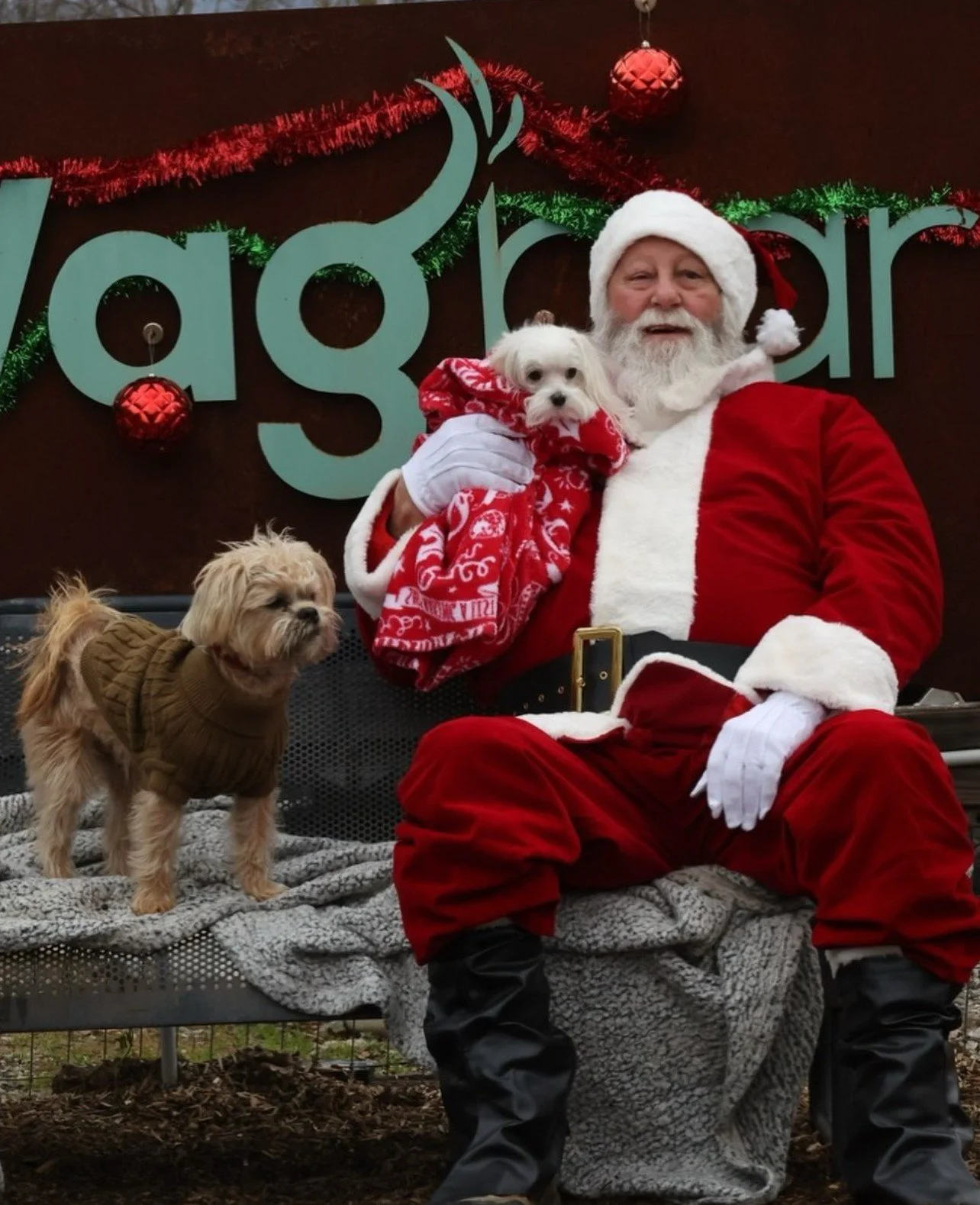
Littel dogs having fun at Santa’s Visit to Wagbar
Winter in Knoxville lacks the dramatic snow cover and bitter sustained cold of northern regions, but temperatures still drop enough to affect dogs and limit comfortable outdoor time. Ice storms, occasional snow, and simply the dreary gray dampness of January and February create conditions where both dogs and owners appreciate having alternatives to outdoor-only activities.
Understanding Winter Risks for Dogs
While Knoxville winters won't kill most dogs the way extreme northern cold might, genuine risks still exist that require awareness and appropriate precautions. Different dogs tolerate cold differently—what's uncomfortable for one might be dangerous for another.
Small dogs, thin-coated breeds, and dogs with low body fat struggle most with cold. Chihuahuas, Italian Greyhounds, Whippets, and similar breeds have minimal natural insulation. These dogs become uncomfortable quickly in temperatures that larger, heavily-coated dogs find perfectly tolerable. Senior dogs and puppies also have more difficulty regulating body temperature, making them more vulnerable to cold stress.
Hypothermia happens when dogs can't maintain adequate body temperature. Early signs include shivering, lethargy, and reluctance to move. Advanced hypothermia causes muscle stiffness, difficulty breathing, and potentially unconsciousness. While unlikely in Knoxville's relatively mild winters during brief outdoor exposure, hypothermia can develop during extended time outside in cold rain or on very cold days, particularly for vulnerable dogs.
Frostbite affects extremities—ears, tail, and especially paw pads. Prolonged contact with frozen surfaces or snow can cause tissue damage. While Knoxville rarely gets cold enough for quick frostbite development, ice accumulation and snow create conditions where longer outdoor time can cause problems. Salt and chemical ice-melters also pose risks, burning paw pads and potentially causing illness if dogs lick treated paws.
Arthritis and joint issues worsen in cold weather for many dogs. Senior dogs or those with existing orthopedic problems often show increased stiffness and pain during winter. These dogs need extra consideration—shorter outdoor sessions, warm indoor spaces, and potentially medication adjustments under veterinary guidance to manage increased discomfort.
Adapting Exercise During Winter
Winter exercise requires different adaptations than summer but remains essential. Dogs need activity year-round, but how you provide it changes based on temperature and conditions.
Shorter, more frequent outings replace longer single sessions. Instead of one 45-minute walk, three 15-20 minute walks spread through the day provide necessary exercise and bathroom breaks without extended cold exposure. This pattern works particularly well for small or short-coated dogs who become uncomfortable quickly in cold temperatures.
Timing matters less than summer since extreme heat isn't a concern, but midday often provides the warmest window. Temperatures frequently warm into the 50s by afternoon even when morning starts in the 20s or 30s. If possible, schedule longest outdoor sessions during this warmest daily window. However, ice and slippery conditions might not improve despite warmer temperatures—melting creates slush that refreezes overnight, sometimes making afternoon walks more treacherous than morning ones.
Indoor exercise becomes more important during winter when outdoor time decreases. Training sessions, indoor games, puzzle toys, and other mental stimulation help burn energy without requiring extensive outdoor exposure. Teaching new tricks, practicing obedience in various locations around your home, or playing hide-and-seek where dogs find hidden treats all provide enrichment indoors.
Mall walking offers indoor exercise opportunities. Some Knoxville malls allow leashed dogs during certain hours, providing climate-controlled walking space. While not as stimulating as outdoor walks with varied smells and sights, mall walking still offers exercise and socialization practice in public spaces. Call ahead to confirm policies—rules vary by mall and management.
Understanding breed-specific cold tolerance helps you gauge appropriate outdoor time. Siberian Huskies can play in snow for hours happily. Greyhounds shiver after five minutes in 40-degree weather. Match outdoor time to your individual dog's tolerance rather than forcing inappropriate exposure because you think dogs should enjoy winter or you remember childhood dogs who lived outdoors year-round.
Cold Weather Gear and Protection
Appropriate gear transforms uncomfortable winter walks into tolerable ones for dogs who need extra protection against cold. Not all dogs require winter wear, but many benefit from it.
Dog coats and sweaters serve dogs with thin fur, small bodies, or low body fat. These breeds simply lack natural insulation for comfortable winter outdoor time. Quality coats cover the back, chest, and belly while allowing free movement. Look for water-resistant outer layers since Knoxville's winter wet makes waterproofing valuable. Reflective trim improves visibility during early-dark winter evenings.
Boots protect paws from ice, salt, chemicals, and rough frozen surfaces. Many dogs resist boots initially, requiring gradual acclimation. Start indoors, letting dogs wear boots briefly with high-value treats and praise. Progress to short walks, gradually extending duration as dogs adjust. Not all dogs tolerate boots—for those who won't adapt, paw wax creates a protective barrier against salt and ice while being less intrusive than footwear.
Paw wax, balm, or petroleum jelly applied to paw pads before walks prevents ice accumulation between pads and protects against chemical burns from ice-melting products. Apply liberally to all pads and between toes. Wipe paws after walks to remove any salt or chemicals before dogs lick their feet. This simple protection prevents painful paw pad damage and potential illness from ingesting ice-melt chemicals.
Drying dogs thoroughly after winter walks prevents the damp chill that persists even in warm indoor spaces. Keep towels by the door specifically for dog drying. Pay attention to belly, legs, and paws—areas that collect the most moisture and road spray. Some owners use blow dryers on low, warm settings for dogs who tolerate them, speeding the drying process and warming chilled dogs more quickly.
Indoor Socialization: Winter's Essential Service
Winter demonstrates why indoor socialization facilities matter for Knoxville dogs. When outdoor play becomes uncomfortable or unsafe due to cold, ice, or simply miserable wet conditions, dogs still need interaction with other dogs to maintain social skills and burn physical and mental energy.
Dogs isolated at home during winter can develop behavioral issues from lack of stimulation and socialization. Exercise deprivation creates hyperactivity and destructive behavior. Social isolation leads to reactivity and poor social skills. Mental stagnation from unchanging routine causes boredom and depression. These problems develop gradually—you might not notice until behavior has deteriorated significantly.
Wagbar provides climate-controlled environment where dogs can play and socialize regardless of outdoor conditions. When it's 25 degrees with ice making walks treacherous, dogs can still enjoy off-leash play with friends in comfortable indoor/outdoor spaces designed for winter conditions. This consistency prevents the boom-bust cycle where dogs get extensive exercise during good weather but become couch potatoes during bad weather, with resulting behavioral and physical health consequences.
The social component matters enormously during winter. Adult dogs maintain social skills through regular practice. Dogs who see friends weekly stay fluent in canine communication. Dogs isolated for months while waiting for weather to improve often show degraded social skills by spring—they're rusty, overly excited, or have forgotten appropriate play etiquette. Regular winter socialization prevents this regression.
For urban dogs without yards, indoor options become even more critical. Downtown apartment dwellers can't let dogs out to burn energy during winter—every outing requires bundling up and braving cold. Having a place where dogs can truly run and play without being leashed transforms winter from miserable restriction to manageable season with appropriate outlets available.
Winter Events and Activities
Despite cold weather, winter offers unique activities and events dogs can enjoy with appropriate preparation and realistic expectations about what's feasible during cold months.
Holiday events in November and December often welcome dogs. Wagbar locations typically host holiday-themed celebrations—think "Santa Paws" photo opportunities, holiday costume contests, and festive gatherings where dogs and owners celebrate together. These indoor events provide socialization and fun during a season when outdoor activities are limited.
Downtown holiday displays and Christmas lights create walking destinations. Many Knoxville neighborhoods and downtown areas feature holiday light displays that draw visitors. Walking to see lights provides purpose and entertainment for evening walks that might otherwise feel like obligations. The crowds and activity also offer socialization opportunities in festive environments.
New Year's Day hikes have become popular traditions in many outdoor-focused communities. Starting the year with a dog-friendly hike—weather permitting—creates positive memories and sets intentions for an active year ahead. Several Knoxville parks and greenways host organized First Day Hikes where groups walk together, providing social component along with exercise.
Indoor dog events increase during winter when outdoor options are limited. Pet supply stores host training workshops, adoption events, and holiday celebrations in climate-controlled retail spaces. These gatherings give dogs something to do beyond home and neighborhood while keeping everyone comfortable.
Winter is also an excellent time for focused training. With outdoor distractions limited and everyone spending more time indoors, winter provides ideal conditions for working on skills that require concentration. Many trainers offer winter-specific class series or workshops, taking advantage of the season when people are more available for indoor activities.
Spring in Knoxville: Unpredictable Weather and Renewed Energy
Spring brings renewed energy and optimism but also Knoxville's most unpredictable weather. March through May can feature anything from shorts-and-t-shirt warmth to surprise snow, from perfect sunny days to days of torrential rain. This variability requires flexibility while taking advantage of beautiful days that remind you why you love living here.
Navigating Spring's Weather Volatility
Spring weather in Knoxville swings dramatically, sometimes within single days. March might bring 70-degree afternoons followed by freezing overnight temperatures. April can feature glorious sunshine one day and all-day rain the next. May usually settles into more consistent warmth but still produces occasional cool snaps and frequent thunderstorms.
This variability makes planning difficult. Weekend hiking trips planned days in advance might meet perfect weather or torrential rain. You can't count on specific days being suitable for outdoor adventures the way you can in fall's more stable patterns. Flexibility becomes essential—having backup plans when weather doesn't cooperate, being willing to adjust schedules to take advantage of unexpected beautiful days, and accepting that sometimes plans change at the last minute due to weather.
Severe weather season peaks in spring. March through May brings thunderstorms that can be intense and occasionally spawn tornadoes. These storms pose genuine danger that requires moving dogs indoors to safe locations—interior rooms without windows, away from exterior walls. Never leave dogs outside during severe thunderstorms, regardless of how much they usually enjoy being outdoors. Lightning, hail, high winds, and tornadoes all create risks that make outdoor exposure during storms unacceptable.
Storm anxiety affects many dogs. Spring's frequent thunderstorms can trigger fear responses—hiding, shaking, attempting to escape, destructive behavior. Dogs with severe storm phobia may need behavior modification work with qualified trainers and possibly medication prescribed by veterinarians. Creating safe spaces where anxious dogs can shelter during storms helps—interior bathrooms, closets, or crates (if crate-trained) provide enclosed secure-feeling locations where dogs can ride out scary weather.
Rain itself creates challenges beyond just getting wet. Muddy conditions on trails make hiking messy or damage sensitive terrain that should be avoided when wet. Parks and yards become mud pits. Even short walks result in filthy dogs needing baths. Some dog owners embrace the mess, accepting that spring means regular baths and dirty floors. Others reduce outdoor time during wet periods, waiting for things to dry out between rain events before resuming normal activities.
Spring Exercise and Outdoor Activities
Despite weather unpredictability, spring offers wonderful opportunities for outdoor adventures when conditions cooperate. The key is seizing good weather when it arrives rather than expecting every day to be perfect.
Spring hiking takes advantage of moderate temperatures before summer heat. April and May mornings are often ideal—comfortable temperatures, less rain than March, and spring wildflowers blooming along trails. Smoky Mountain wildflower season peaks in April, making spring an excellent time for dog-friendly trails at lower elevations where dogs are permitted.
Greenway walking and biking resume as regular activities. After winter's cold limited time outdoors, spring's return to pleasant weather makes greenway networks appealing again. The paved, traffic-free paths suit dogs who enjoy moving faster than sidewalk pace. Morning and evening walks can extend back to comfortable 45-60 minutes without temperature concerns, allowing both dogs and owners to rebuild fitness after winter's reduced activity.
Water activities begin as temperatures warm. By May, hardy dogs enjoy swimming in still-cold rivers and lakes. The Tennessee River's temperature lags air temperature significantly—even when air reaches 75 degrees, water might still be quite cold. Introduce swimming gradually, allowing dogs to acclimate to cold water rather than forcing immediate full immersion. Not all dogs tolerate cold water, and hypothermia can develop even in spring if dogs stay in cold water too long.
Dog-friendly patios reopen at restaurants and breweries as weather permits outdoor seating. Spring weather makes eating or drinking outside pleasant, and many Knoxville establishments welcome dogs in these spaces. This creates casual socialization opportunities—your dog can accompany you to social activities rather than staying home while you go out.
Yard work and outdoor projects mean dogs spend more time outside with you. Simply being outdoors while you garden, clean gutters, or tackle spring projects provides environmental enrichment and companionship. Dogs enjoy supervising human activities, and the constant movement and outdoor time benefits them even if they're not actively exercising.
Spring Health and Wellness Considerations
Spring brings specific health concerns that require attention to prevent problems that could affect dogs throughout warmer months.
Flea and tick season begins in earnest. As temperatures consistently exceed 50 degrees, these parasites become active. Starting or resuming preventative medications in early spring prevents infestations before they begin. Talk to your veterinarian about appropriate products for your dog—options include oral medications, topical treatments, and collars. Consistency matters—missing even one monthly dose creates vulnerability.
Heartworm prevention also typically runs spring through fall, though some veterinarians recommend year-round prevention. Mosquitoes carrying heartworm parasites emerge as weather warms. Since heartworm disease is serious and treatment is expensive and stressful, prevention is essential. Again, your veterinarian can recommend appropriate products and schedules.
Allergies increase in spring as pollen counts rise. Dogs with environmental allergies often show symptoms—itching, chewing paws, ear infections, skin irritation. Spring pollen from trees and early grasses triggers reactions in sensitive dogs. Allergy management might include antihistamines, prescription medications, or even immunotherapy for severe cases. Bathing dogs after outdoor time removes pollen from fur, reducing exposure and symptoms.
Spring shedding happens as dogs lose winter coats and grow lighter summer fur. Regular brushing helps manage the massive hair release and prevents matting, particularly in double-coated breeds. Many groomers offer deshedding treatments that significantly reduce the hair coating your floors and furniture. While purely cosmetic for you, deshedding benefits dogs too by removing dead undercoat that can mat and trap heat.
Fitness conditioning after winter inactivity prevents injuries when spring inspires ambitious outdoor adventures. Don't jump from months of minimal exercise directly to all-day hikes. Build distance gradually, increasing weekly mileage by no more than 10% to allow muscles, joints, and cardiovascular systems to adapt. This conditioning benefits both dogs and owners, preventing the soreness and injuries that result from doing too much too soon.
Spring Events and Activities
Spring's renewal creates energy for events and activities celebrating warmer weather's return. Knoxville's event calendar explodes in spring with opportunities for dogs and owners to participate.
Dogwood Arts Festival in April celebrates Knoxville's dogwood blooms with art shows, performances, and activities spread throughout the city. While the main festival events don't specifically target dogs, the dogwood trail driving tour and walks through blooming neighborhoods create beautiful springtime outings. Many associated events allow leashed dogs in outdoor areas.
Earth Day and environmental events in April often welcome dogs as people celebrate outdoor spaces and environmental awareness. Park cleanups, tree plantings, and similar activities sometimes accept volunteer help from dog owners, allowing your dog to accompany you while contributing to community environmental efforts.
Spring farmers markets reopen, bringing fresh local produce and products along with dog-friendly social atmospheres. Weekly market visits become regular routines, providing outings that combine shopping with socialization. Markets also expose dogs to crowds, children, and general public environment—valuable real-world training practice.
Brewery and restaurant events increase as outdoor seating reopens. Many establishments host spring kickoff parties, outdoor concert series, or special events specifically targeting dog owners. These gatherings create casual social opportunities in comfortable public settings where dogs are explicitly welcomed.
Wagbar will likely develop spring-specific programming—events that take advantage of moderate weather while providing reliable options during spring's frequent rain. This combination of outdoor space for beautiful days plus indoor backup for inevitable rainy periods makes spring less frustrating than when you're entirely dependent on outdoor-only facilities.
Year-Round Community Building Through Consistent Activities
While seasons change and weather varies, building a consistent routine and community around dog-focused activities creates stability regardless of external conditions. This consistency benefits both dogs and owners, providing social connections, regular exercise, and enrichment that don't disappear during challenging weather.
The Value of Regular Schedules
Dogs thrive on routine. Consistent daily patterns create security and reduce anxiety. While weather forces adaptations, maintaining regular wake times, meal times, and general daily structure helps dogs feel settled even when specific activities vary seasonally.
Exercise timing can remain consistent even if duration or location changes. Morning walks happen regardless of whether they're 15 minutes in winter cold or 45 minutes in fall perfection. Evening play sessions occur whether indoors during summer heat or outdoors during spring's mild evenings. This predictability means dogs know what to expect and when, reducing stress and behavioral problems that develop when routines become chaotic.
Social schedules benefit from consistency too. Weekly Wagbar visits, regular play dates with dog friends, or recurring training classes provide stable social opportunities throughout the year. Dogs come to anticipate these events, getting excited when it's "Wagbar day" or "park day." These recurring activities maintain social skills and provide excitement and variety within consistent patterns.
Owner benefits from routine often go unrecognized. Having scheduled dog activities creates structure in your own life—reasons to maintain activity levels even when weather or motivation flag. Social connections developed through dog community become genuine friendships that extend beyond just dog-related activities. The community you build around your dog enriches your life as much as it does theirs.
Building Dog Owner Community Across Seasons
The relationships you develop with other dog owners and their dogs gain depth over time and shared experiences across seasons. The people you hike with in fall might become the friends you meet at Wagbar during summer's heat. The dogs your pup plays with at the park in spring ideally continue as playmates year-round through various activities.
Regular attendance at facilities like Wagbar creates these sustained relationships. You encounter the same dogs and owners repeatedly, learning personalities and preferences. Your dogs develop preferences for certain playmates. You build friendships with people who share your love of dogs and often discover common interests beyond just pets. These connections provide support during challenges—people who'll dog-sit in emergencies, who understand when you need to vent about behavioral issues, who celebrate training successes and commiserate over setbacks.
Seasonal events strengthen community bonds. Holiday celebrations at Wagbar, organized hikes during peak fall color, summer sunrise walks before heat becomes oppressive—these seasonal traditions create shared memories and strengthen relationships within the dog owner community. You develop inside jokes, remember funny incidents, and build history together.
Online groups supplement in-person community, particularly during weather that prevents gathering. Knoxville dog owner social media groups, neighborhood-specific platforms, and Wagbar member communities provide connection even when you're not physically together. These spaces allow asking questions, sharing recommendations, organizing meetups, and maintaining relationships between in-person interactions.
Adapting to Life Changes While Maintaining Consistency
Life circumstances change—new jobs, moves, relationship changes, adding children or additional dogs—but maintaining core routines and community connections provides stability during transitions. The flexibility to adapt while preserving essential elements allows continued enrichment even as details shift.
Scheduling flexibility within consistent frameworks accommodates life changes. Maybe Wagbar visits move from weekday mornings to weekend afternoons because of new work schedules. Perhaps weekly play dates with dog friends happen Sunday mornings instead of Saturday evenings because of childcare needs. The core activities continue even if timing adjusts.
Community support helps navigate transitions. Fellow dog owners understand challenges of balancing dog care with other life demands. They might offer practical help—watching your dog during moving chaos, joining walks when you need adult conversation during maternity leave, or simply commiserating when everything feels overwhelming. This support makes maintaining dog care through life changes more manageable.
Long-term perspective recognizes that seasons of life vary as much as calendar seasons. Sometimes you'll be deeply involved in dog activities and community. Other times, life demands reduce your engagement to essential basics. Both states are okay. The key is knowing your dog's core needs continue being met even if elaborate extras pause temporarily. Core needs—physical exercise, mental stimulation, social interaction, veterinary care—remain non-negotiable even when life gets complicated.
Technology and Planning Tools
Modern tools help maintain consistency despite weather and schedule challenges. Weather apps provide advance planning information. Pet-focused apps track health records, medications, and appointments. Social platforms coordinate activities with other dog owners. GPS apps find dog-friendly locations when traveling. These technologies support consistent care by simplifying logistics and planning.
Weather forecasting allows strategic planning around Knoxville's seasonal patterns. Checking weekly forecasts helps you plan which days are likely suitable for ambitious outdoor adventures versus when you'll need indoor alternatives. Hourly forecasts help time walks around predicted rain or schedule outdoor time during comfortable temperature windows. While forecasts aren't perfect, they're significantly better than hoping for the best.
Scheduling apps and shared calendars coordinate activities with others. If your dog has regular play dates with friends' dogs, shared calendars prevent miscommunications about timing and location. Automated reminders ensure you don't forget Wagbar membership renewal, heartworm medication administration, or annual vet appointments.
Pet care apps track health information, create medication schedules, and store veterinary records digitally. Having this information accessible simplifies care and creates valuable records for emergencies or when seeing new veterinarians. Some apps include features for tracking exercise, training progress, and behavioral patterns over time.
Local resource databases help find dog-friendly locations and activities. Apps and websites listing pet-friendly businesses, hiking trails allowing dogs, and upcoming dog-centric events simplify discovering new experiences. Online reviews from other dog owners provide realistic assessments of whether locations truly welcome dogs versus merely tolerating them.
Seasonal Event Calendar and Planning Guide
Creating annual calendars of regular activities helps maintain consistency while building anticipation for seasonal highlights. Knowing what typically happens each season allows advance planning and ensures you don't miss opportunities because they weren't on your radar.
Annual Events and Traditions
Establish your own traditions around seasonal events and activities. These personal rituals create shared history and give structure to the year beyond just reacting to weather.
January: New Year's Day hike to start the year with outdoor activity. This tradition sets tone for an active year and provides motivation to get outside despite cold. Choose an accessible local trail and invite dog-owning friends—group participation increases likelihood of actually doing it rather than staying home in warmth.
February: Valentine's Day could become "Love Your Dog Day" with special treats, extra playtime, or photos celebrating your bond. Some establishments host Valentine's events specifically for dogs and their people—think "pup-kin spice lattes" and photo booths with holiday props.
March: Spring cleaning extends to dog gear—wash bedding, clean toys, organize leashes and collars, check gear for wear and replace as needed. This practical tradition ensures equipment is ready for active spring and summer seasons.
April: Earth Day park cleanup volunteer opportunities with your dog, combining community service with outdoor time. Spring also brings dogwood blooms and pleasant weather perfect for exploring new hiking trails or greenways you've been wanting to try.
May: Memorial Day weekend often marks the psychological start of summer. This could be your last long outdoor adventures before heat restricts activity, making it perfect timing for ambitious hikes or weekend trips to dog-friendly destinations while weather remains pleasant.
June: Summer survival mode begins. Establish morning and evening walk routines that avoid midday heat. This is when indoor facilities like Wagbar become most valuable—having reliable climate-controlled options prevents dogs from becoming couch potatoes due to heat.
July: Independence Day requires preparation for nervous dogs—create safe spaces, consider anxiety medications if needed, and plan indoor activities since fireworks make outdoor time stressful for many dogs. Some facilities offer July 4th events in controlled environments where nervous dogs can socialize without firecracker stress.
August: Dog Days of Summer might feel accurate, but don't let heat create complete inactivity. Continue early morning and late evening outdoor time while making indoor exercise and enrichment central parts of daily routines. This is also good timing for annual vet checkups before fall activity increase.
September: Fall kicks off with Labor Day weekend, often bringing the first real relief from summer heat. This psychological fresh start is perfect for re-establishing outdoor routines and working on training goals that summer heat interrupted. Fall farmers markets resume, providing regular weekly outings.
October: Halloween events for dogs proliferate—costume contests, trick-or-treating for dogs, photo opportunities. Wagbar Knoxville's opening this month means inaugural celebrations and opportunities to become founding members of the community. Fall color season peaks, making October ideal for scenic hikes and outdoor adventures.
November: Thanksgiving week often brings family gatherings where dogs need preparation for houseguests or travel to relatives' homes. This is also optimal time for grateful reflection on your dog's presence in your life—what they bring to your days, how they've enriched your world.
December: Holiday season brings its own traditions—Santa photos with dogs, giving back through animal shelter support or donations, holiday party hosting or attending with dogs. Winter weather typically isn't brutal yet, making December walks still reasonably pleasant in most years.
Monthly Planning Rhythm
Beyond annual events, developing monthly planning rhythms helps maintain consistency while allowing seasonal adaptation.
Monthly health: Administer monthly preventative medications (heartworm, flea/tick) on consistent dates. This could tie to first-of-month, payday, or other existing monthly markers making it hard to forget. Track in calendar apps with reminders to ensure doses aren't missed.
Monthly goals: Set modest monthly training or activity goals. January might focus on recall improvement, February on loose-leash walking, March on introducing new enrichment toys. These small specific goals prevent overwhelming yourself with massive training plans while ensuring continual progress.
Monthly adventures: Designate one day monthly for something special—hiking new trails, visiting dog-friendly attraction, or trying activity you don't do regularly. This creates anticipated highlight while ensuring variety in your dog's experiences rather than endless repetition of the same walks and routines.
Monthly financial: Review dog-related expenses monthly as part of household budgeting. This prevents surprise financial stress and allows adjusting spending as needed. Monthly review also lets you identify where expenses are higher than expected, prompting investigation of whether there are more cost-effective alternatives for supplies or services.
Monthly gear check: Inspect leashes, collars, harnesses, and other equipment monthly for wear. Replace items before they fail at inconvenient times. This quick check prevents equipment failures during walks or adventures when broken gear creates safety issues or ruins outings.
Weekly Routines Within Seasonal Framework
Weekly rhythms provide the immediate structure most affecting daily life. These routines adapt seasonally but maintain core patterns.
Weekend adventures: Designate specific times for longer or more involved activities. Maybe Saturday mornings always involve significant outdoor time—hour-long walks in winter, lengthy hikes in spring and fall, early sunrise exercise before heat in summer. This consistency creates anticipation and ensures meaningful activities happen regularly rather than getting lost in busy weekends.
Training practice: Weekly formal training sessions maintain and build skills. Whether attending classes or practicing independently, regular training prevents skills from degrading and provides mental stimulation. Consider home training sessions one or two evenings weekly when attending formal classes isn't feasible.
Social time: Regular Wagbar visits or play dates with dog friends maintain social skills and provide reliable enrichment. Weekly social opportunities prevent skills from deteriorating during gaps between interactions and give dogs something exciting to anticipate.
Grooming maintenance: Weekly brushing, nail checks, ear cleaning, and other grooming tasks prevent problems from developing. Regular maintenance is easier than fixing neglected grooming issues. Weekly routines become habits, making the tasks feel normal rather than special impositions.
Relationship time: Dedicate specific time weekly for focused attention on your dog beyond just meeting basic needs. Maybe Sunday evenings always involve extended cuddling while watching television, or Wednesday afternoons include one-on-one training sessions just for bonding beyond practical skill-building. This intentional quality time strengthens your relationship beyond the functional care that fills most days.
Maximizing Wagbar Membership Across Seasons
For Knoxville dog owners planning to utilize Wagbar Knoxville when it opens October 2025, understanding how membership provides year-round value helps maximize your investment regardless of season. The facility's appeal shifts somewhat seasonally, but benefits continue throughout the year.
Summer: Wagbar's Peak Value Season
Summer represents when Wagbar provides maximum value for most Knoxville dog owners. When outdoor exercise becomes restricted to brief early morning and late evening windows, having climate-controlled space where dogs can play, socialize, and exercise freely transforms summer from restriction to manageable season.
Usage patterns likely peak during summer months as heat-avoiding dog owners flock to indoor options. Expect busier crowds during summer, particularly during afternoon hours when outdoor alternatives are most uncomfortable. Consider visiting during less popular times if your dog struggles with very crowded environments—weekday mornings or evenings might be calmer than weekend afternoons.
Summer membership provides relief not just for dogs but for owners. Having a place where you can bring your dog, let them burn energy, and socialize with other dog owners while enjoying a drink in air-conditioned comfort beats desperately trying to exercise a pent-up dog during brief dawn windows before rushing to work. Summer usage justifies annual membership costs for many owners through sheer frequency of visits during hot months.
However, don't neglect outdoor activity entirely. Early mornings and late evenings still offer opportunities for leashed walks that provide environmental enrichment Wagbar can't replicate. The ideal summer routine combines Wagbar visits for exercise and socialization with brief outdoor walks for mental stimulation from new scents and sights. This variety prevents both boredom and over-reliance on single activity sources.
Fall and Spring: Balancing Indoor and Outdoor Options
During spring and fall's glorious weather, Wagbar's appeal shifts somewhat. Dogs can enjoy extensive outdoor activity without heat or cold constraints. However, spring's rain and unpredictable weather make having reliable indoor options valuable as backup plans or alternatives when outdoor adventures get canceled.
Spring usage might be intermittent—heavy during rainy weeks, lighter during beautiful stretches. This variability suits monthly memberships or punch cards better than annual commitments if spring and fall are your primary intended usage seasons. However, consider that even during nice weather, dogs benefit from varied activities. Wagbar provides different experiences than hiking or walking—focused dog-dog play versus human-dog exploration.
Fall's stable pleasant weather might reduce perceived need for indoor options. Why pay for Wagbar when dogs can play outdoors comfortably? However, fall also brings busy schedules—holidays, family obligations, shorter days leaving less time for elaborate outdoor adventures. Having convenient nearby options becomes valuable even when weather is perfect, simply because time and schedule sometimes don't allow driving to trails for hiking when a quick Wagbar visit fits available time.
Understanding different dog socialization needs helps evaluate value during pleasant weather seasons. Some dogs specifically need off-leash play with other dogs that traditional outdoor activities don't provide. These dogs benefit from Wagbar visits regardless of weather alternatives. Dogs who prefer human-focused activities might not need Wagbar as much when outdoor options are available.
Winter: Consistent Indoor Social Opportunities
Winter brings Wagbar's value back to prominence after fall's pleasant outdoor conditions. When cold, ice, and dreary gray skies make outdoor time limited and unpleasant, having reliable indoor space where dogs can play and socialize prevents the isolation and under-stimulation that create behavioral problems.
Winter usage helps dogs maintain social skills and fitness despite uncomfortable outdoor conditions. Regular play prevents the spring resocialization challenges dogs face when they haven't interacted with other dogs for months. Consistent exercise prevents winter weight gain and maintains cardiovascular fitness despite reduced outdoor activity. These benefits justify membership costs even if you're not visiting daily.
Winter also demonstrates the community value beyond just dog exercise. Having a place to socialize with other dog owners during months when outdoor social activities pause provides human connection during seasons when people often become isolated. The shared experience of weathering winter together while maintaining dog care standards builds relationships within the dog owner community.
Holiday events during winter create special memories. Wagbar locations typically host seasonal celebrations—holiday photos with dogs, costume contests, New Year's gatherings. These events provide entertainment during months when outdoor festivals aren't happening and give dogs and owners something fun to anticipate during dreary winter weeks.
Special Events and Seasonal Programming
Beyond general daily use, Wagbar locations typically develop special events and programming tied to seasons and holidays. These events add value beyond basic facility access while creating community traditions.
Howl-o-ween or similar Halloween events usually include costume contests, themed decorations, photo opportunities, and festivities celebrating the holiday with dogs. These events combine socialization, entertainment, and community building. For dogs tolerant of costumes and crowds, Halloween events provide hilarious photo opportunities and fun memories.
Santa Paws or holiday photo sessions give owners professional-quality holiday photos with their dogs. These might include visits with Santa (or holiday-themed settings), professional photography, and festive atmosphere. The photos create lasting memories while serving practical purposes for holiday cards and gifts for dog-loving relatives.
Valentine's Day events might include themed treats, couple's activities for dogs and owners, or "Puppy Love" celebrations. These add fun to what's often a human-focused holiday, making dogs feel included in seasonal celebrations.
New Year's parties or events welcoming the new year with dogs create alternatives to traditional parties where dogs can't attend. Gathering with dog-owning friends to celebrate while dogs play safely provides inclusive celebration options.
Seasonal celebrations tied to spring, summer, fall might include outdoor movie nights (if facility allows), pool parties during summer heat, fall harvest themes, or spring renewal events. These seasonal markers create anticipation and community traditions that build Wagbar membership value beyond daily usage.
Birthday celebrations for member dogs could include recognition, special treats, or birthday party hosting opportunities. Celebrating dogs' birthdays with their friends in safe environments provides alternatives to traditional dog birthday parties at homes or parks.
Event attendance remains optional—not every member participates in all events—but their availability adds value to membership and creates community identity. Even if you never attend events, knowing they exist and your membership supports their creation contributes to the overall Wagbar community culture.
Conclusion: Embracing All Seasons with Your Dog
Living with dogs in Knoxville means embracing four distinct seasons, each bringing unique challenges and opportunities. Success comes not from fighting weather realities but from adapting strategies to work with seasonal patterns while maintaining consistent care that meets your dog's needs year-round.
Summer heat requires early mornings, late evenings, and reliable indoor options that prevent dogs from becoming sedentary couch potatoes during the hottest months. Fall's perfection invites ambitious outdoor adventures that store memories and build fitness before winter arrives. Winter cold demands warm gear, shorter outings, and creativity in providing exercise and enrichment when outdoor time becomes uncomfortable. Spring's unpredictability requires flexibility and backup plans while seizing beautiful days that make you grateful for living in a place with genuine seasonal variety.
Through all these seasons, consistency in core care—daily exercise, regular socialization, ongoing training, proper nutrition, and veterinary attention—provides stability that helps dogs thrive despite external changes. Your dog doesn't need perfect weather every day. They need owners who adapt activities to current conditions while ensuring fundamental needs continue being met through all seasons.
Facilities like Wagbar Knoxville provide tools for maintaining consistency across seasons. Climate-controlled indoor space where dogs can play and socialize regardless of outdoor temperature extremes prevents the boom-bust cycle where dogs get extensive activity during ideal weather but become under-stimulated during difficult months. Professional supervision ensures safe, appropriate play year-round. Community connections developed through regular attendance create support networks and friendships that enrich both your life and your dog's.
But Wagbar isn't the only answer—it's one component of comprehensive seasonal planning. The best dog care combines facility-based socialization, outdoor adventures during appropriate weather, neighborhood walks that provide daily routine, training that builds skills and mental engagement, and simply spending time with your dog in whatever activities you both enjoy. Balance and variety create fulfilled, well-adjusted dogs better than single-focus approaches regardless of how good that single option might be.
As October 2025 approaches and Wagbar Knoxville opens its doors, dog owners across Knoxville will gain new resources for managing seasonal challenges while building community with fellow dog lovers. Whether you visit daily during summer's heat, weekly throughout the year, or occasionally when weather or schedules demand reliable indoor options, Wagbar becomes part of your seasonal strategy rather than replacing the full range of activities that create rich, engaging lives for Knoxville dogs.
The seasons will continue their cycle—summer will bring heat, winter will bring cold, and spring and fall will provide those perfect weeks that remind us why we love East Tennessee. Your job is learning to work with these patterns, preparing appropriately for each season's demands, and maintaining your dog's physical, mental, social, and emotional wellbeing regardless of what weather the day brings. Do that consistently across years and seasons, and your dog will thrive in Knoxville's climate just as generations of Tennessee dogs have done before them.
Frequently Asked Questions About Seasonal Dog Activities in Knoxville
At what temperature should I avoid exercising my dog outdoors in summer?
General guidance suggests limiting exercise when temperatures exceed 85 degrees, especially with high humidity. However, individual dogs vary significantly. Brachycephalic breeds, heavy-coated dogs, and others at high risk shouldn't exercise in heat even at lower temperatures. Always test pavement—if you can't hold your bare hand on it for seven seconds, it's too hot for paw pads. Watch your individual dog for signs of distress like excessive panting, slowing down, or reluctance to continue. When in doubt, err on the side of caution and either move activity to cooler times or choose indoor alternatives.
How cold is too cold for dogs in winter?
This varies enormously by breed, size, coat type, and individual tolerance. Small dogs, thin-coated breeds, and those with low body fat become uncomfortable around 45 degrees and face risks below 32 degrees. Large, heavy-coated breeds like Huskies and Malamutes can tolerate much colder temperatures comfortably. Watch your individual dog—if they're shivering, reluctant to go outside, or lifting paws repeatedly, they're too cold. Provide coats for vulnerable dogs, limit outdoor time appropriately, and never leave any dog outside during extreme cold.
Does my dog still need exercise during extreme weather?
Yes, dogs need physical and mental stimulation year-round regardless of weather. However, how you provide it must adapt. During extreme heat or cold, indoor exercise becomes more important. Training sessions, puzzle toys, nose work, and play all provide enrichment indoors. Climate-controlled facilities like Wagbar allow physical exercise without weather exposure. Very brief outdoor bathroom breaks suffice for elimination needs, with actual exercise happening in safe indoor environments during weather extremes.
How do I prevent my dog from overheating during summer?
Exercise during coolest times (early morning, late evening), provide constant access to fresh cool water, never leave dogs in cars, avoid hot pavement, use cooling vests or damp towels, and watch closely for overheating signs. Learn to recognize heatstroke symptoms—excessive panting, drooling, lethargy, vomiting, collapse—and seek immediate veterinary care if they develop. Prevention is easier than treatment, so be conservative about summer exercise. Indoor climate-controlled alternatives like Wagbar prevent heat exposure while still allowing dogs to play and exercise.
What are good indoor activities for dogs when weather is bad?
Training new tricks or practicing known skills, puzzle toys and food-dispensing toys, nose work games where dogs search for hidden treats, indoor fetch in long hallways, hide-and-seek games, teaching dogs to navigate obstacle courses made from furniture or household items, and visiting indoor locations like some malls or pet stores that allow dogs. Climate-controlled dog facilities like Wagbar provide socialization and off-leash play without weather exposure. The key is variety—rotating activities prevents boredom while providing mental and physical stimulation.
How do I protect my dog's paws from ice and salt in winter?
Use protective boots if your dog tolerates them, apply paw wax or balm before walks to create barriers, avoid heavily salted areas when possible, and wipe paws thoroughly after walks to remove salt and chemicals before dogs lick their feet. Rinse paws with warm water to remove residue. Keep paw fur trimmed short to prevent ice balls from forming between pads. If paws become cracked or damaged, consult your veterinarian—damaged pads are painful and slow to heal. Prevention through protection is far easier than treating injured paws.
When is Knoxville's best weather for outdoor dog activities?
September through November and March through May generally offer the most comfortable conditions—temperatures in the 60s and 70s, lower humidity than summer, and less rain than spring (for fall). October is often considered peak for outdoor activities with fall color, comfortable temperatures, and relatively dry conditions. April and May provide beautiful spring weather when trails have dried out from early spring rains. These shoulder seasons allow all-day outdoor activities without heat or cold stress.
How often should I visit Wagbar during summer versus winter?
This depends on your individual situation. During summer when outdoor exercise is severely limited, daily or near-daily Wagbar visits might be appropriate if that's your primary exercise and socialization outlet. Winter with less extreme weather might allow reducing frequency if you're providing exercise through cold-weather walks and other activities. The key is ensuring your dog's overall needs are met—if outdoor alternatives adequately provide exercise and socialization, Wagbar visits can be less frequent. If not, more regular visits ensure needs are met regardless of weather.
Can I hike with my dog year-round in Knoxville?
Yes, with appropriate adaptations. Summer requires early morning or evening timing to avoid heat, plus carrying extra water and limiting distance/intensity. Winter demands warm gear for vulnerable dogs, awareness of ice hazards, and potentially shorter distances. Spring means dealing with mud and preparing for rain. Fall provides ideal conditions for ambitious hikes. Year-round hiking is feasible but requires seasonal adaptations in timing, distance, and preparation. Always assess your individual dog's capability for conditions rather than forcing activity that's unsafe for them.
What seasonal health issues should I watch for?
Summer: heatstroke, paw pad burns, increased parasite activity (fleas, ticks, mosquitoes). Fall: seasonal allergies as ragweed blooms, return of parasites until cold weather. Winter: hypothermia, frostbite, arthritis flares from cold, paw damage from ice and salt. Spring: allergies from tree and grass pollen, parasite season beginning, storm anxiety. Maintain year-round preventative care including flea/tick/heartworm medication, stay current on vaccinations, and schedule annual veterinary checkups. Being proactive prevents many seasonal issues from developing into serious problems.
How does Wagbar help with year-round socialization?
Wagbar provides consistent indoor climate-controlled environment where dogs can socialize regardless of outdoor weather. This prevents the isolation that develops when weather limits outdoor activities for extended periods. During summer's heat or winter's cold, dogs still see friends regularly and maintain social skills through supervised play. This consistency prevents behavioral issues from under-socialization and ensures dogs stay fluent in canine communication year-round rather than becoming rusty during months when outdoor socialization opportunities are limited.