
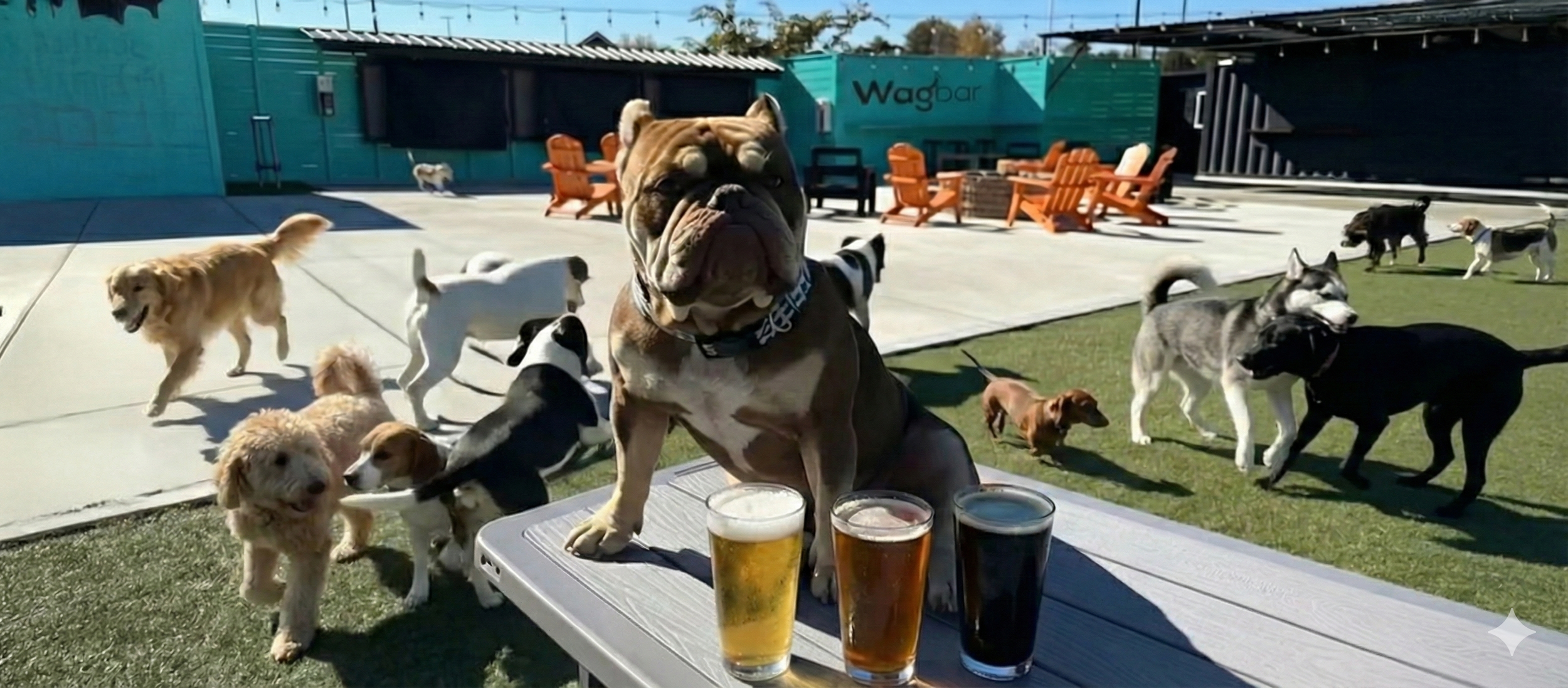
Winter Dog Park Safety: Cold Weather Considerations for Knoxville Dog Owners
TLDR: Winter dog park safety for Knoxville dog owners depends on understanding temperature thresholds by breed size (small breeds struggle below 40°F, large breeds below 19°F), protecting paws from salt and ice with booties or wax, and recognizing frostbite and hypothermia warning signs. When outdoor conditions turn dangerous or evening darkness makes parks impractical, Wagbar Knoxville offers year-round indoor off-leash play with professional supervision and climate control.
Knoxville's winters might be mild compared to states up north, but don't let those relatively moderate temperatures fool you. When January lows dip to 29°F and occasional arctic blasts bring single-digit temperatures like the extreme 2024 cold snap, your pup faces real risks at the dog park.
Understanding winter safety isn't about keeping your dog locked inside for months. It's about knowing when conditions are safe, what gear actually helps, and how to spot trouble before it becomes an emergency.
Temperature Thresholds: When Cold Becomes Dangerous
Veterinarians love to say "if it's too cold for you, it's too cold for your dog." That's a decent starting point, but it oversimplifies things. Your dog's cold tolerance depends on three major factors: size, coat type, and age.
Small Breeds Need Extra Protection
Small breeds under 15 pounds start facing hazards at just 40°F. We're talking Chihuahuas, Yorkshire Terriers, French Bulldogs, and similar tiny pups. Their bodies lose heat rapidly, and dangerous conditions set in around 25°F (PetsCare.com, 2024).
If you've got a small breed, plan on protective gear even during Knoxville's milder winter days. Those 45°F afternoons might feel pleasant to you, but your Yorkie is already working hard to stay warm.
Medium breeds (15-50 pounds) handle cold better, with concern thresholds around 37°F and danger beginning near 22°F. Large breeds over 50 pounds are generally hardier, though even they face risks below 19°F.

Coat Type Changes Everything
Double-coated breeds like Huskies, Golden Retrievers, and German Shepherds have built-in insulation. They comfortably handle temperatures down to 20°F, some even colder.
Thin-coated breeds like Greyhounds, Whippets, and Pit Bulls begin struggling below 45°F. They need protective clothing below 40°F. Hairless breeds require protection whenever temperatures dip below 50°F.
Age Adds Vulnerability
Puppies under six months can't properly regulate body temperature. They need extra caution below 45°F. Senior dogs (seven years and older) face similar challenges, often complicated by arthritis that worsens in cold weather (WROK, 2024).
The USDA Animal Care guidelines treat both very young and elderly dogs as one risk category more vulnerable than their breed type suggests.
Here's the good news for Knoxville: our winter temperatures typically range from 30-50°F, rarely dropping below 17°F (Weather U.S., 2024). Most healthy adult dogs can safely enjoy outdoor play during typical Knoxville winter conditions with appropriate precautions.
But those occasional cold snaps demand vigilance. January 2024 saw seven consecutive days of single-digit temperatures that closed schools for nearly two weeks.
Common Winter Hazards at Dog Parks
The Salt Problem
The biggest winter threat isn't actually the cold. It's what we use to fight ice.
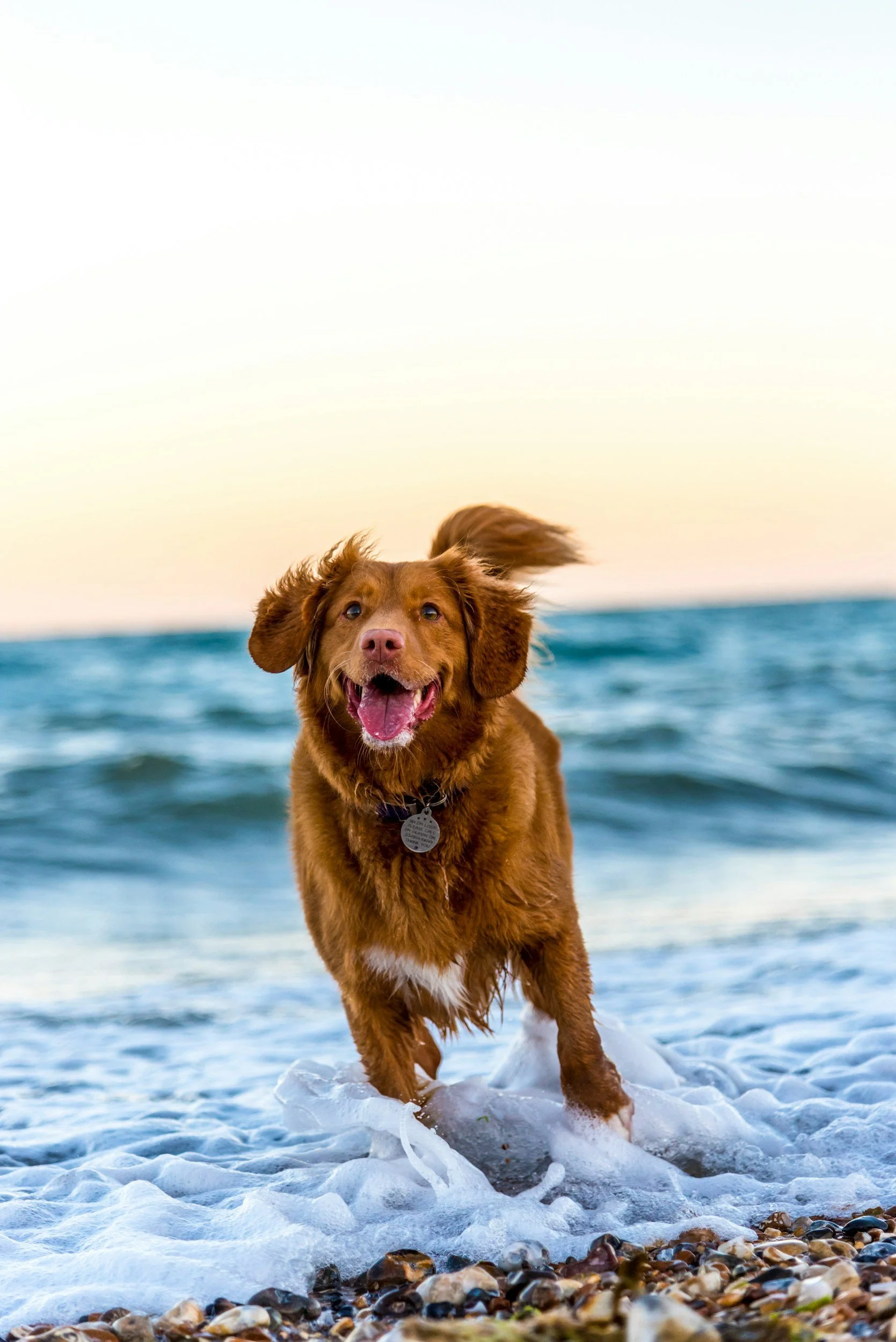
Rock salt and chemical de-icers scattered on sidewalks and parking lots damage paw pads first. Salt crystals cut and abrade sensitive pads, causing dryness, cracking, and chemical burns (Pets Best, 2024). You'll notice limping, excessive paw licking, or red and bleeding pads.
The greater danger comes when dogs lick their paws clean. A few licks typically cause only mild drooling or upset stomach. But larger amounts of sodium chloride trigger tremors, seizures, and organ damage (WagWell, 2024).
The lethal dose of salt is 1.5 grams per pound of body weight. That means just over an ounce could kill a 20-pound dog. Symptoms appear within three hours of ingestion.
Always wipe your dog's paws immediately after walks. Never let them eat snow from treated areas.
Frostbite Warning Signs
Frostbite targets extremities: paw pads, ear tips, tail, and nose are most vulnerable. Early signs include pale, gray, or bluish skin that feels cold to the touch. As it progresses, affected areas become stiff and painful.
Here's what makes frostbite tricky: damage may not be fully apparent until several days after exposure.
At 32°F with wind or moisture, frostbite can develop within 30 minutes. At 0°F, that window shrinks to approximately 15 minutes (Canada Pooch, 2024). Wet fur dramatically accelerates the timeline because dampness destroys your dog's natural insulation.
Recognizing Hypothermia
Hypothermia warning signs progress through predictable stages. Mild hypothermia (body temperature 90-99°F, compared to normal 100-102.5°F) causes shivering, cold extremities, and lethargy.
Moderate hypothermia (82-90°F) brings muscle stiffness, shallow breathing, and mental dullness.
When shivering stops, it's a critical emergency. The body has exhausted its energy reserves. Severe hypothermia requires immediate veterinary care, including warmed IV fluids and close monitoring for organ damage (PetMD, 2024).
Understanding dog body language and health signals helps you catch problems early.
Ice and Hidden Dangers
Slick surfaces create real injury risk. Dogs slipping on ice commonly suffer sprains, muscle strains, and hyperextended limbs. More serious injuries include ruptured cruciate ligaments and broken bones, especially dangerous for senior dogs with existing joint problems (Animal Emergency & Referral Center of Minnesota, 2024).
Frozen water features present drowning risk. Ice should be at least 5 inches thick before supporting any weight. Snow can hide sharp debris, broken glass, and ice shards that cut paw pads.
Antifreeze is sweet-tasting but deadly. It collects in puddles and driveways. As little as half a teaspoon per pound of body weight can be fatal, and dogs must receive antidote treatment within 8-12 hours of ingestion to survive (VCA Animal Hospitals, 2024).

Winter Gear That Actually Works
Protecting Those Paws
Booties offer the most reliable defense against ice, salt, and sharp surfaces. Waterproof all-weather boots feature rubber soles and insulated, water-resistant shells (Ruffwear, 2024).
For proper fit, measure the widest part of each paw while your dog stands with weight on the foot. Front paws are typically wider than rear paws. The "pull test" confirms fit: properly sized boots stay in place with gentle tugging (Ultrawoof, 2024).
Many dogs resist booties initially. The famous "bootie walk" is real. Acclimate gradually: let your dog sniff and investigate the boots, then place just one boot briefly while offering treats. Increase wearing time indoors before venturing outside. Most dogs adapt within one to two weeks with patient, positive reinforcement (Small Door Veterinary, 2024).
Paw wax provides lighter protection when booties aren't practical. Products like Musher's Secret were originally developed for Canadian sled dogs. They create a breathable barrier that prevents snow clumping between toes and protects against salt irritation (The Pet Vet, 2024).
Apply a thin layer to paw pads and between toes before walks, allowing five minutes for absorption. Reapply for extended outdoor time. Wax won't protect against sharp ice or rocks, but it's excellent for shorter outings (PetMD, 2024).
Choosing the Right Coat
The dogs who truly need coats include small and toy breeds, hairless breeds, lean-bodied dogs (Greyhounds, Whippets), low-to-ground breeds whose bellies contact snow, short-coated sporting dogs, seniors, and puppies (Small Door Veterinary, 2024).
Dogs with health conditions affecting circulation—diabetes, heart disease, hypothyroidism—also benefit from added warmth.
Look for waterproof or water-resistant outer shells with insulation for temperatures below 32°F. Proper fit means coverage from neck base to tail base, with belly protection. The coat should allow free movement for walking, running, and playing (Treeline Review, 2025).
Cold-hardy breeds with thick double coats—Huskies, Malamutes, Samoyeds, Saint Bernards, Newfoundlands—generally don't need coats (American Kennel Club, 2024). However, even these breeds may benefit from protection if they're senior, ill, or facing temperatures below -20°F.
Visibility for Dark Evenings
Here's the challenge every Knoxville dog owner faces: during December and January, sunset occurs between 5:21 and 5:32 PM (Time and Date, 2026). For anyone working a traditional schedule, outdoor dog park visits after work happen entirely in darkness.
LED collars and harnesses provide active illumination visible from hundreds of feet away. Top-rated options offer waterproofing, nine-hour battery life, and multiple light modes (Noxgear, 2024).
Reflective gear works passively, bouncing light back toward its source. Reflective vests, collars with reflective stitching, and reflective trim on coats all help drivers spot your dog (Treeline Review, 2026).
For maximum safety, combine LED illumination with reflective elements (Petco, 2024).
What Knoxville's Climate Really Means
Knoxville enjoys a humid subtropical climate with winters described as "short, very cold, and wet." Though "very cold" is relative compared to northern states.
January is our coldest month with average highs of 44.8°F and average lows of 29.3°F. December averages slightly warmer with highs near 49°F (Weather U.S., 2024).
The area experiences approximately 68 days per year with temperatures at or below freezing (Weather Spark, 2024). The median first frost arrives October 24th, with the last frost typically April 14th.
Annual snowfall averages just 4.6 inches across about 11.5 snow days (National Weather Service, 2024). Individual storms can bring significantly more, though. The record single-day snowfall is 17.5 inches from February 1960.
Ice often poses more problems than snow. Freezing rain events create dangerous black ice conditions. The January 2024 ice storm demonstrated how severe these events can become, with accumulation lasting over a week (WBIR, 2024).
The Smoky Mountains' proximity creates unpredictable weather patterns, and conditions can change rapidly.
For dog park planning, this means most winter days are actually quite manageable with basic precautions. But staying alert to forecasts protects your pup from the more extreme conditions that occasionally arrive.
Indoor Alternatives When Weather Won't Cooperate
Those 5:30 PM sunsets and occasional severe weather create real barriers to outdoor dog park visits. Fortunately, Knoxville offers excellent indoor alternatives.
The Bark Knoxville at 601 Lamar Street operates an 18,000+ square foot facility with dedicated indoor play spaces (Visit Knoxville, 2024). The Foothills (1,570 square feet) serves dogs under 35 pounds. The Sugarlands (2,390 square feet) welcomes all sizes.
Climate-controlled and professionally supervised by trained "Bark Rangers," the facility includes a beer garden concept where owners can socialize while dogs play (The Bark Knoxville, 2024). They require vaccination verification and behavioral pre-checks for safety.
Wagbar Knoxville opened in October 2025 at 6729 Malone Creek Drive, bringing the proven Asheville-based concept to East Tennessee. The facility features both indoor and outdoor off-leash zones, fire pits, shaded patios, a sand pit for digging, and a full bar with craft beverages.
Professional supervision, food trucks, live music, and trivia nights create a community gathering space where dogs and their owners can escape winter weather together. The climate-controlled environment means your pup gets the same quality socialization and exercise regardless of what's happening outside.
Understanding proper dog park behavior and safety protocols helps your dog make the most of indoor play opportunities.
For Knoxville's outdoor parks, Plumb Creek PetSafe Dog Park offers the most space with its 7-acre large dog area and 1-acre small dog section. Concord PetSafe Dog Park features nearly 4 acres including dock access for swimming (Knoxville Moms, 2024).
Victor Ashe Park's Dogwood Dog Park includes agility equipment and was named "Dog Park with Best Setting" by Dog Fancy Magazine (BringFido, 2024). All remain open year-round but may have hazardous conditions during ice and snow events.
Keeping Your Pack Active All Winter
Winter doesn't mean hibernation. With Knoxville's generally mild climate, most days are perfectly suitable for outdoor adventures with appropriate preparation.
Know your dog's individual cold tolerance based on their size, coat, and age. Watch for warning signs of frostbite and hypothermia. Protect paws from salt and ice with booties or wax. Invest in visibility gear for those dark evening walks.
When the weather turns truly nasty or when those early sunsets make outdoor parks impractical, Knoxville's indoor facilities ensure your pup never misses out on the socialization and exercise they need.
The combination of our relatively moderate winters and excellent year-round facilities means Knoxville dogs can stay active, social, and healthy no matter what the forecast brings.
Frequently Asked Questions
How cold is too cold for my dog to play at the dog park?

Small breeds under 15 pounds face hazards below 40°F, medium breeds below 37°F, and large breeds below 19°F. However, coat type and age significantly affect cold tolerance. Thin-coated breeds struggle below 45°F, while double-coated breeds like Huskies handle temperatures down to 20°F comfortably. Always consider wind chill and moisture, which dramatically reduce safe outdoor time.
What are the signs of frostbite in dogs?
Early frostbite appears as pale, gray, or bluish skin on extremities (paw pads, ear tips, tail, nose) that feels cold to the touch. As it progresses, affected areas become stiff and painful. Critically, full damage may not be apparent until several days after exposure. At 32°F with wind or moisture, frostbite can develop within 30 minutes.
Do dog boots really work for winter protection?
Yes, properly fitted waterproof boots provide the most reliable defense against ice, salt, and sharp surfaces. Measure each paw while your dog stands with weight on the foot, and ensure boots pass the "pull test" (stay in place with gentle tugging). Most dogs adapt to boots within one to two weeks with gradual acclimation and positive reinforcement.
Is road salt dangerous for my dog?
Extremely dangerous. Salt crystals cut and abrade paw pads, causing chemical burns. When dogs lick their paws clean, ingested salt can trigger tremors, seizures, and organ damage. The lethal dose is 1.5 grams per pound of body weight (just over an ounce could kill a 20-pound dog). Always wipe paws immediately after walks and never let dogs eat snow from treated areas.
What's the difference between hypothermia and frostbite?
Frostbite is localized freezing damage to extremities (paws, ears, tail, nose). Hypothermia is a dangerous drop in core body temperature affecting the entire body. Mild hypothermia (90-99°F) causes shivering and lethargy. Moderate hypothermia (82-90°F) brings muscle stiffness and shallow breathing. When shivering stops, it's a critical emergency requiring immediate veterinary care.
Which breeds need winter coats?
Small breeds (under 15 pounds), hairless breeds, thin-coated breeds (Greyhounds, Whippets, Pit Bulls), low-to-ground breeds whose bellies contact snow, short-coated sporting dogs, seniors, and puppies all benefit from coats. Dogs with health conditions affecting circulation (diabetes, heart disease, hypothyroidism) also need added warmth. Cold-hardy double-coated breeds (Huskies, Malamutes, Saint Bernards) generally don't need coats unless senior, ill, or facing extreme cold.
How do I protect my dog's paws from winter chemicals?
Use properly fitted waterproof booties for maximum protection, or apply paw wax before walks if boots aren't practical. Always wipe paws with warm water immediately after walks to remove salt and chemicals before your dog licks them. Trim long fur between toes to prevent ice ball formation. Check paws daily for cracks, cuts, or irritation.
What should I do if I suspect my dog has hypothermia?
Move your dog to a warm environment immediately. Wrap them in blankets warmed by a dryer (test temperature first). Apply warm water bottles wrapped in towels to their chest and abdomen. Never use heating pads, which can burn. Contact your veterinarian immediately. Severe hypothermia requires professional treatment including warmed IV fluids and organ monitoring.
Are indoor dog parks as good as outdoor ones for socialization?
Yes, indoor facilities like Wagbar Knoxville and The Bark provide excellent socialization opportunities with the added benefits of professional supervision, climate control, and year-round consistency. The controlled environment actually reduces behavioral problems by eliminating weather-related stress and maintaining predictable conditions. Dogs receive the same quality exercise and social interaction regardless of outside weather.
How can I tell if my dog is too cold at the dog park?
Watch for shivering, reluctance to walk, lifting paws off the ground repeatedly, hunched posture, whining, anxiety, or seeking shelter. Cold extremities (ears, paws, tail tip) that feel icy to touch signal danger. Lethargy, weakness, or mental dullness indicate hypothermia requiring immediate action. When in doubt, head indoors.
TLDR: Winter dog park safety for Knoxville dog owners requires understanding your dog's cold tolerance (small breeds struggle below 40°F, large breeds below 19°F), protecting paws with booties or wax, and recognizing frostbite and hypothermia warning signs early. When outdoor conditions turn dangerous, Wagbar Knoxville provides year-round climate-controlled off-leash play with professional supervision so your pup never misses socialization time.
Emergency contacts: ASPCA Animal Poison Control: (888) 426-4435 | Pet Poison Helpline: (855) 764-7661