

Why the Off-Leash Dog Bar Replaced the Neighborhood Pub for Dog Owners
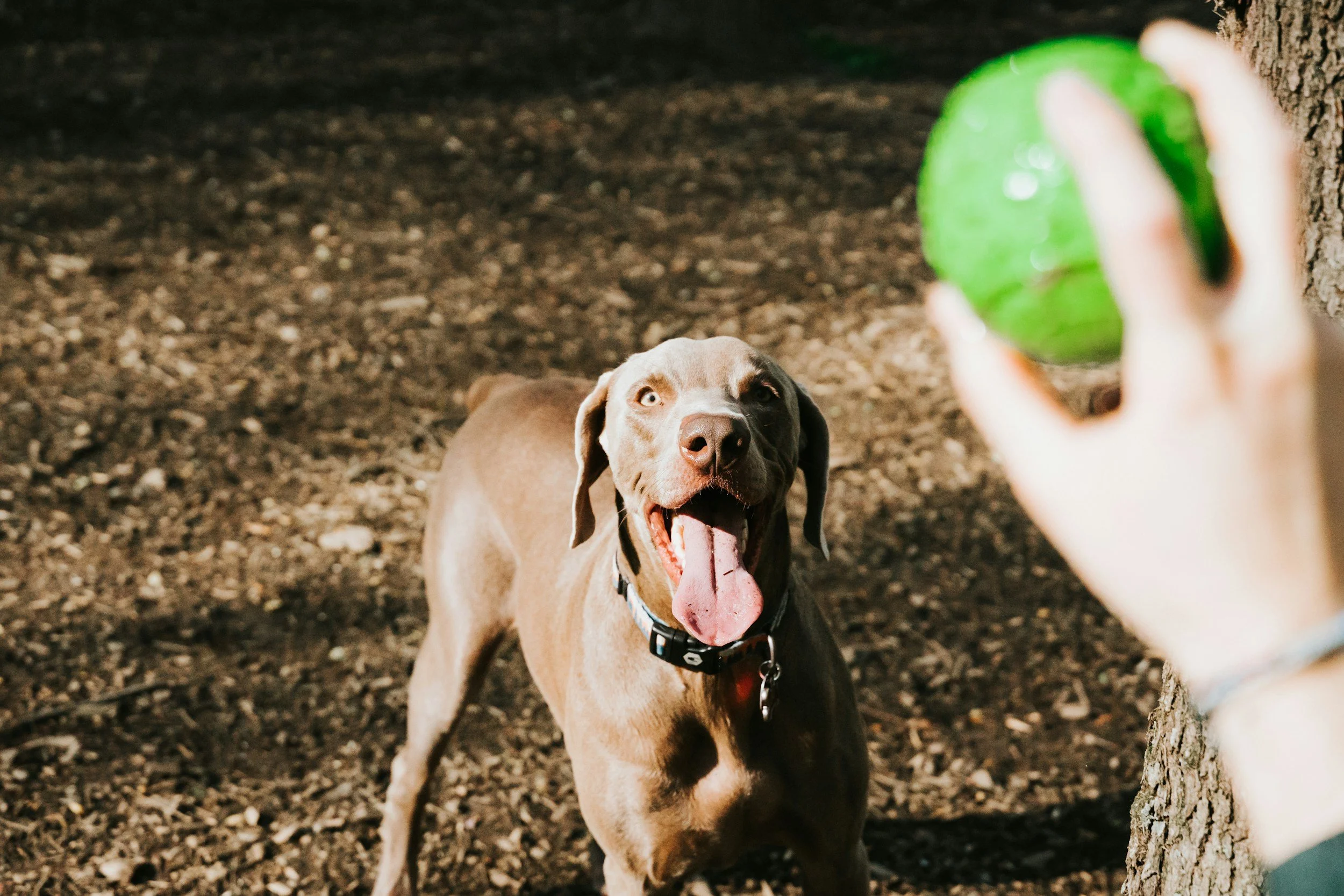
Top TLDR: The off-leash dog bar replaced the neighborhood pub for dog owners because pubs are largely closed to dogs, while dog bars rebuild the third-place function around the activity that already structures dog owners' social lives. Both formats trade in regulars, low-stakes conversation, and weekly rhythm. The dog bar simply lets the dog come along. To visit one near you, check membership and entry rules at the closest Wagbar location.
For decades, the neighborhood pub was the easiest place in America for an adult to spend a couple of hours after work without making plans. You could walk in alone, sit at the bar, and end up in a half-conversation with the regular two stools down. Sociologist Ray Oldenburg called this kind of venue a "third place," a setting distinct from home and work where people drop in on weekly rhythms and know each other across visits. Pubs, diners, barbershops, and corner cafés were the canonical examples.
For dog owners, that arrangement no longer works. Most pubs do not allow dogs. The ones that do confine them to a leashed corner of an outdoor patio. Meanwhile, demand among dog owners for a place to go after work, with the dog, has gone the other direction. The off-leash dog bar replaced the neighborhood pub for many dog-owning Americans because it preserves the third-place function while solving the leash problem. The off-leash dog bar concept has matured fastest in cities with strong existing pub cultures.
This page lays out the third-place thesis: what pubs gave their regulars, why that role is harder to fill now, and how the off-leash dog bar took over the position for a specific and growing slice of the population. The argument applies most cleanly in places like Asheville and Knoxville, where the format has matured alongside a strong local bar scene, but the same dynamics show up in cities across the country, as documented in the rise of dog bars as a community trend.
What Made the Neighborhood Pub a Third Place in the First Place
A working third place runs on three things: low entry barriers, regulars who know each other, and a baseline activity that gives shy people something to do with their hands. The pub had all three. Walking in did not require a reservation or a friend. The same people came on the same nights. Drinking gave conversation a rhythm and a stopping point.
Oldenburg's 1989 book "The Great Good Place" argued that third places matter most for the kind of community-level connection that makes a town feel like a town. Strong ties happen at home and at work. Weak ties, the acquaintances who know your face, give a name to your dog, or know that you grew up two states over, happen at third places. Sociologists since Mark Granovetter's 1973 paper on the strength of weak ties have documented that those acquaintance-level connections carry a disproportionate share of social value. People hear about jobs from weak ties, get advice from weak ties, and feel less lonely because of weak ties even when their close family is far away.

Pubs were unusually good at producing weak ties because the shared activity, drinking, demanded almost no skill or preparation. Anyone could show up. Anyone could leave. The bartender was a low-stakes anchor who could introduce regulars to each other or simply nod and pour the next round. That structural simplicity is what made the format dominant for so long, and it is what new third places have to recreate in their own way. The history of community-driven dog businesses borrows the same playbook.
How Pubs Stopped Working for Dog Owners
Two trends pulled in opposite directions: the share of American households with a dog kept rising, while the share of pubs that allowed dogs stayed near zero. The American Pet Products Association puts pet-owning households at around 67%, with dogs as the most common species. Pet spending in the United States passed $103 billion in 2020 and has continued climbing toward $147 billion in more recent estimates. A 2023 Pew Research Center survey found that 97% of pet owners consider their pets' emotional well-being a top priority. Pet ownership has shifted from a backyard arrangement to an indoor, social, family-member arrangement.
Health codes and liquor regulations are the practical reason most pubs do not let dogs inside. Beyond the legal constraint, pubs are physically unsuited to dogs: bar stools are tall and unstable for a dog's tail, indoor air gets thick on weekend nights, floors get sticky, and there is no place for a dog to relieve itself. Even pubs that tolerate dogs on the patio do not solve the problem, because the dog is still on a leash and still bored. A dog who has been at home alone for nine hours wants to run, not lie under a chair.
The result is that dog owners, increasingly the same demographic that used to drive pub traffic, started staying home or going to dog parks. Dog parks fix the run-around problem but lack the bar half. Owners typically leave after twenty or thirty minutes because there is nothing for them to do beyond watch the dog. Pet ownership patterns covered in pet spending demographics and consumer behavior show how widely this gap has been felt.
What an Off-Leash Dog Bar Does That a Pub Cannot
The off-leash dog bar fills both halves of the gap at once: it is a fenced, supervised play space for the dog and a full bar for the human, in the same fenced footprint. That structural change is what makes the format a category rather than a feature of a normal bar. Wagbar opened in Weaverville, just north of Asheville, in November 2019, and has since spread across more than a dozen markets, with the second open location at the former Creekside property in Knoxville and additional sites in development across ten states.
The mechanics work because the dog has somewhere to be that is not the owner's lap. At a normal pub, even a permitted dog sits or sleeps and waits. At a dog bar, the dog runs, plays, and meets other dogs while the owner sits and talks. Sessions naturally last longer because the dog is enjoying itself. Two-hour visits are common where a thirty-minute dog park visit would have been the previous ceiling. That extra time is where the social weight gets built: longer visits produce more recognition between regulars, more weekly habit formation, and more weak ties.

The format also handles the safety side that pubs were never designed for. Wagbar requires proof of Rabies, Bordetella, and Distemper vaccinations on the first visit. Dogs must be at least six months old and spayed or neutered. Trained staff supervise the play area at all times. None of those rules exist at a dog-friendly bar patio, which is why dog-friendly patios feel chaotic in a way dog bars do not. The full set of operating rules at the Wagbar FAQ gives an example of how the category typically codifies them.
Membership economics complete the picture. Most off-leash dog bars sell some combination of day passes, monthly memberships, multi-visit punch passes, and annual memberships. Free entry for human guests aged 18 and older keeps the social side accessible to people without dogs, including spouses, friends, and dates. The result is a customer base that returns weekly or more often, which is rare for a single-location hospitality business and is the same return-frequency pattern that powered classic neighborhood pubs.
The Weak-Tie Network That Forms Around Dogs
Dog ownership creates a built-in conversation starter that pubs no longer reliably provide. A stranger walks in with a corgi. Another stranger says "what's her name?" Two minutes later, both people know that the corgi is called Luna, that Luna is two years old, and that Luna's owner just moved here from Cleveland for a job. None of that requires the social risk of approaching a stranger at a bar without a dog. The dog is the introduction.
That ice-breaking effect compounds. Regulars start to know dogs before they know the owners. The greyhound mix becomes "Phil," and Phil's owner is "Phil's mom." Names migrate from dog to human over a few weeks. The result is a weak-tie network that is partially anonymous and entirely friendly, exactly the kind that Putnam's "Bowling Alone" research and the Surgeon General's 2023 advisory on loneliness identify as missing in current American social life. The community-side of urban dog living describes how these networks form across denser markets.
The activity programming reinforces the network. Weekly Wagbar events such as trivia nights, open mic, breed meetups (smush-face breeds, poodles and doodles), and seasonal parties such as the Bunny Bash and Memorial Day potluck give regulars predictable reasons to come back. The events are not an add-on; they are the same kind of low-effort recurring rituals that defined working pubs (pub quiz nights, league darts, Sunday roasts). The format simply runs them around dogs.
How the Off-Leash Dog Bar Compares to the Pub on Cost, Time, and Community
On a per-visit basis, the off-leash dog bar tends to cost about the same as a neighborhood pub once entry fees are factored in, but the trade-off favors longer stays and more social return. A typical weekend afternoon at Wagbar might run two to four hours and include two or three drinks, a meal from a rotating food truck, and conversation with several other dog owners. A pub afternoon of the same length and bar tab leaves the dog at home and produces fewer of the chance encounters that build community.
Time use is where the comparison gets interesting. Dog owners with limited weekday windows often choose between a quick dog park visit and a quick pub visit, and previously could not combine the two. The dog bar collapses the choice. The same hour now serves the dog's exercise needs, the owner's social needs, and the household's "we need to get out of the house" need. That is one of the practical reasons the format took off in dense urban markets where time and yard space are both short. The deeper pet industry market analysis puts the spending power behind that pattern.
Community return is harder to measure but has been visible in operator data. Wagbar's flagship in Weaverville draws regulars who attend multiple times a week, a frequency that puts it closer to a neighborhood gym or coffee shop than a normal bar. USA Today's 10Best named Wagbar #10 on its 2024 Best Dog Bars list, signaling that the category itself now has enough density to support national rankings. That recognition mirrors the role that critics' "Best Pub" lists used to play in cities with active pub cultures, which is another sign that the third-place function has shifted to a new venue type.
How Membership Replaces the Pub Tab
The economic mechanism that produced loyal pub regulars was the running tab and the bartender who knew the order; the dog bar runs the same play through memberships. Wagbar offers daily, monthly, ten-visit, and annual options, with the annual tier removing the need to show vaccination paperwork on every visit. The structure rewards return frequency directly, the same way a pub regular's familiarity built up over weekly visits.
The behavioral effect is similar in both venues: regulars stop calculating the price of each round or each entry, since the cost is already paid. That removed friction is part of what makes a third place feel like a second home rather than a transaction. Details on Wagbar membership tiers describe how the trade-off works in practice.
Why the Pattern Holds Most Clearly in Cities Like Asheville and Knoxville
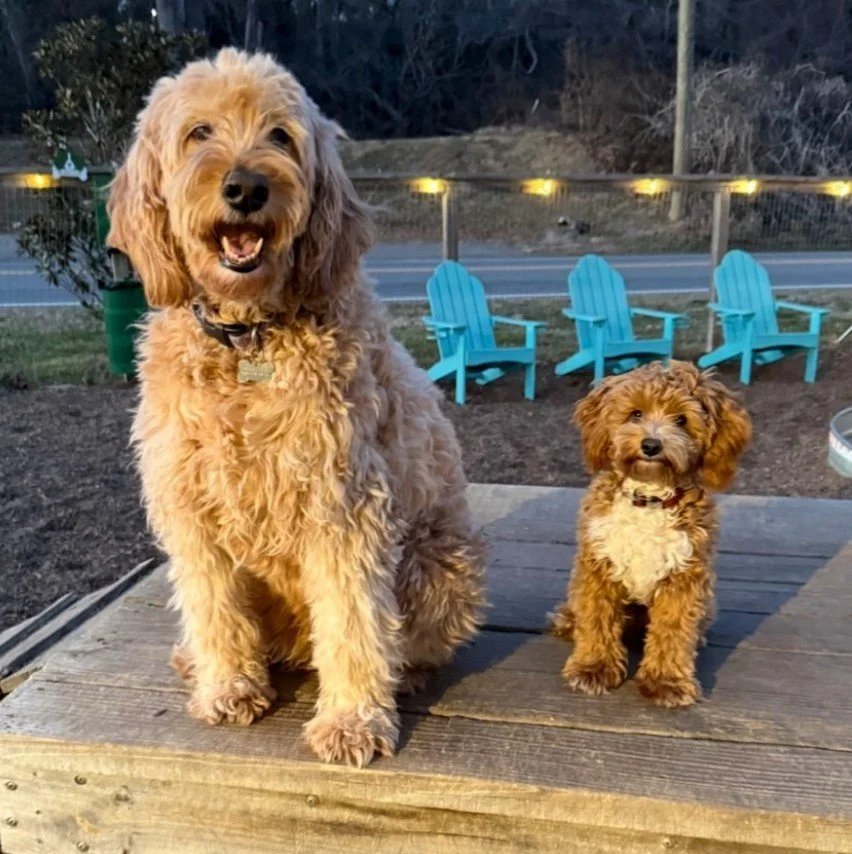
The third-place-replacement pattern shows up earliest and most clearly in cities where existing bar culture is strong and dog ownership rates are above the national average. Asheville is the first and clearest case. The city has dozens of independent bars and breweries, an outdoor culture that draws dog owners, and a population that already practiced the third-place rhythm with traditional venues. Wagbar opened in Weaverville, just north of Asheville, in 2019 and quickly drew a regular base from both transplants and longtime locals.
Knoxville fits the same profile. The city has its own craft beer scene, a high concentration of dog owners, and an active outdoor community. The Wagbar Knoxville location is opening at the former Creekside Knox property, which itself functioned as an outdoor event venue for years. The continuity is deliberate: a property that already operated as a community gathering space is being reused as a community gathering space with dogs added. That kind of existing-pub-culture overlay is what makes the substitution into a third place legible rather than confusing for a city's regulars.
Frequently Asked Questions
Why are most pubs unable to allow dogs?
Health codes, liquor regulations, and floor-space constraints are the main reasons. A pub designed for human-only seating does not have the fenced perimeter, supervised play area, or vaccination intake process that a dog-bar venue has. Most jurisdictions allow dogs on outdoor patios at the operator's discretion, but indoor service areas are typically restricted to service animals.
Is the off-leash dog bar really replacing pubs, or just adding a new option?
It is replacing pubs for the specific use case of dog owners spending unstructured social time after work or on weekends. People without dogs still go to traditional pubs. Dog owners increasingly substitute the dog bar for the after-work pub visit because it serves both halves of the trip in one stop. Wagbar's flagship in Weaverville shows this substitution pattern most clearly.
Do off-leash dog bars actually function as third places, or are they too transactional?
The third-place test is whether regulars form, weekly rhythms set in, and weak ties build over time. Operators in mature markets report all three. Wagbar's regulars often visit several times a week, attend recurring events, and know each other and each other's dogs. That is the same pattern Oldenburg described in the working pubs of his original research.
Can people without dogs still use the format?
Yes. Wagbar charges nothing for human entry and welcomes guests aged 18 and older with or without a dog. Many regulars are dog-less friends, partners, or coworkers of dog owners. The bar half of the format is meant to function as a normal social venue, with the addition that there are dogs around.
What rules and safety standards apply that a pub would not have?
Most operators require proof of Rabies, Bordetella, and Distemper vaccinations on first visit. Dogs must usually be at least six months old and spayed or neutered. Staff supervise the play area, intervene when play gets rough, and can revoke access for aggressive behavior. Pubs have none of these standards because they were never designed around dogs.
Bottom TLDR
The off-leash dog bar replaced the neighborhood pub for dog owners by combining the two halves of a working third place: a stable group of regulars and an obvious shared activity. Pubs lost the activity half when leashed-only rules excluded dogs, while dog parks lacked the bar half. Operators planning a venue should design for repeat weekly visits, not one-off bookings, since the third-place rhythm is what makes the format work.