

Why Dog Bars Are Replacing Happy Hour: The Social Venue Trend That's Taking Over
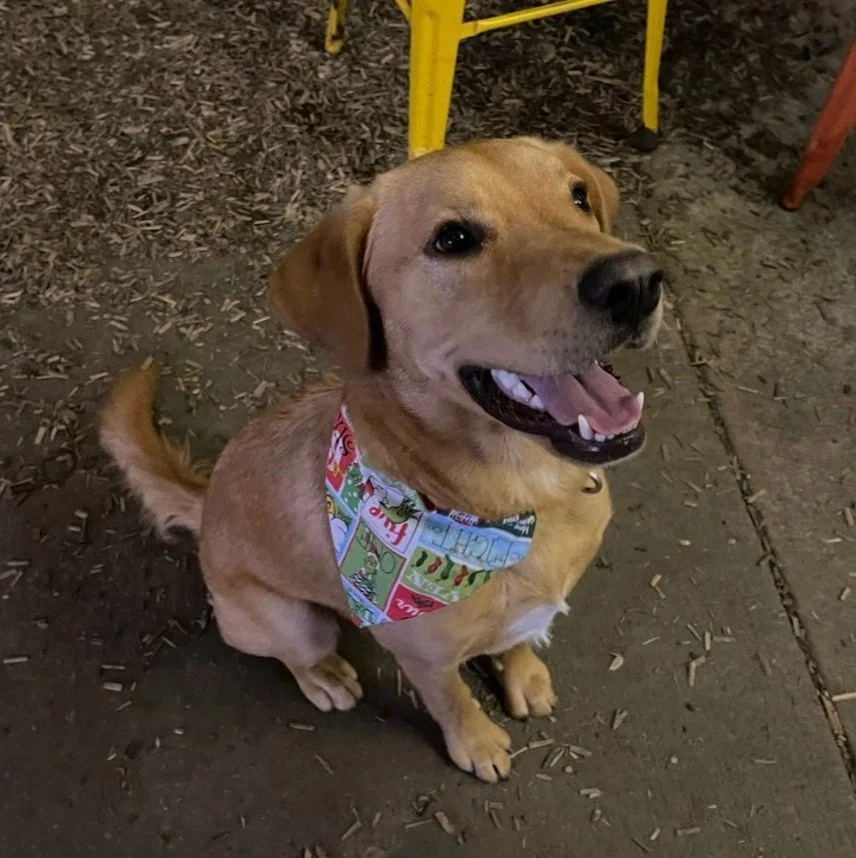
Top TLDR: Dog bars are replacing happy hour because they solve a problem traditional bars never could: giving strangers a genuine reason to talk to each other. The shared experience of watching dogs play together removes the awkwardness that makes after-work socializing feel like work. If you want to see the social venue shift in person, find a Wagbar location near you and go on a weekday evening.
Something has shifted in how Americans wind down after work. The traditional happy hour model -- a crowded bar, a two-for-one drink special, a room full of people staring at their phones between sips -- is losing ground to something that feels genuinely different. Dog bars are filling that space, and they're doing it fast. Places like Wagbar aren't just offering a fun outing for dog owners. They're redefining what an after-work social venue can look like, and a lot of people are paying attention.
Happy Hour Has a Problem It Can't Solve on Its Own
Traditional happy hour works in theory. Gather people together, lower the price of drinks, let conversations happen. For decades it held up as the default after-work ritual. But somewhere along the way it started feeling hollow for a lot of people.
The bar is loud. You're talking to whoever happens to be standing next to you, with no particular reason to connect beyond proximity. The conversation either goes somewhere or it doesn't. You leave after two drinks and feel like you could have skipped it without missing much.

That's not a knock on bars. It's a structural problem. Happy hour doesn't give people a shared point of reference beyond the drinks themselves. There's no natural reason to talk to strangers, nothing happening in the room that creates a common experience, nothing that makes the conversation feel low-stakes enough to actually start.
Dog bars solve this with something deceptively simple: they give everyone in the room a shared subject, and that subject is impossible to ignore because it's running around in front of them.
What Makes Dog Bars Work Socially
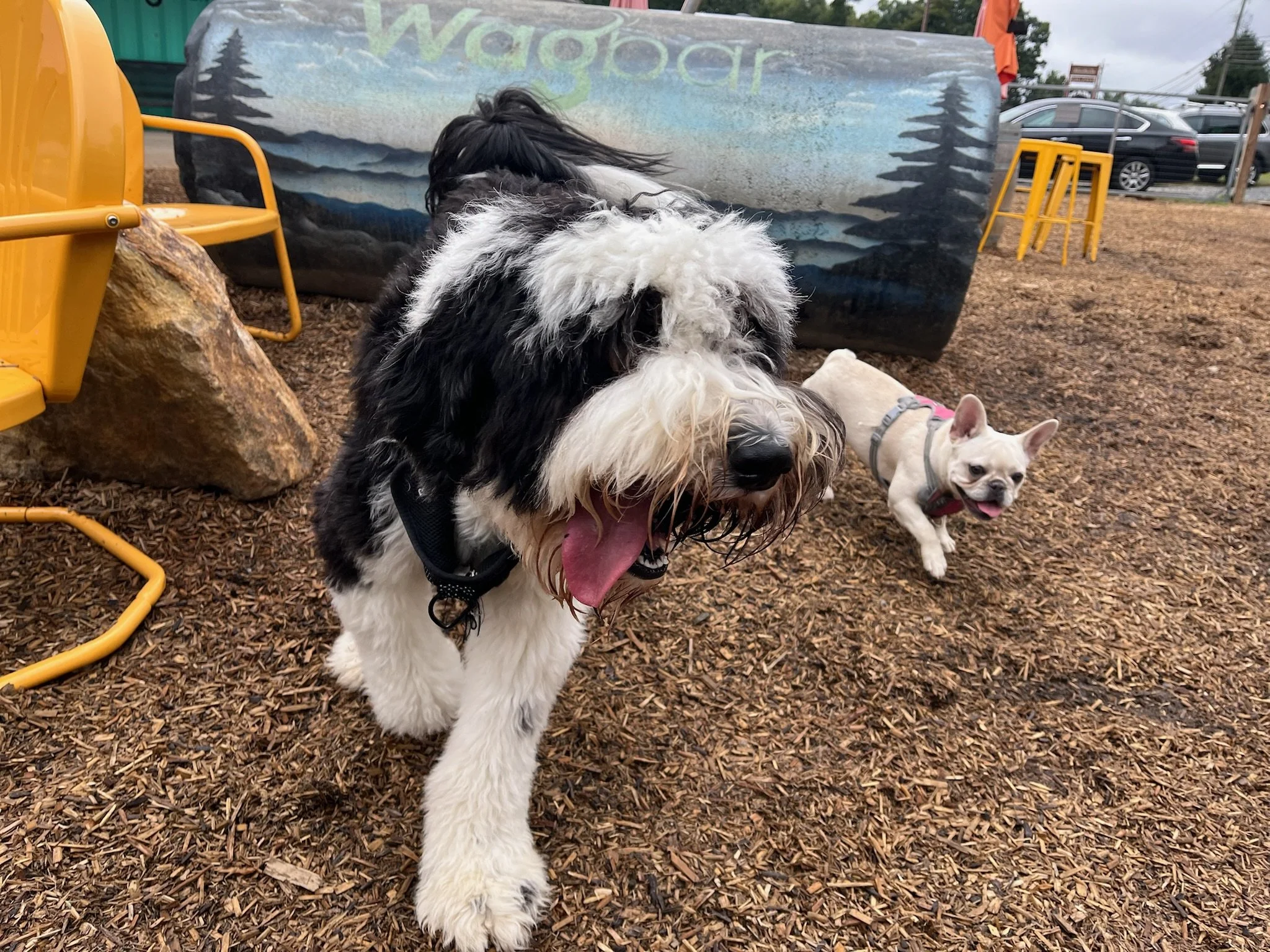
Watch what happens when two dogs meet at a place like Wagbar. Within seconds, both owners are watching together. One of them says something. The other laughs. A conversation starts that wouldn't have happened in any other setting, between two people who had no reason to talk to each other five minutes ago.
This isn't a coincidence -- it's the core mechanism that makes dog bars work as social venues. Animals are natural conversation starters. Dogs especially, because they're expressive, unpredictable, and almost impossible not to react to. When a 70-pound lab rolls onto its back in the middle of a group of strangers, the whole room gets a shared moment. That's hard to manufacture, and bars that don't have dogs don't have access to it.
The dog park behavior research around group play dynamics consistently shows that off-leash environments create faster, more genuine social connections than structured settings. The dynamic isn't incidental. It's the whole point.
There's also the well-documented effect that being around dogs reduces stress and lowers cortisol levels. People who are relaxed make better conversation. They're more open, less guarded, more willing to stay longer than planned. A dog bar at 6 PM has a completely different energy than a traditional bar at 6 PM, and most people who've visited both notice it immediately.
The After-Work Crowd Is Changing What It Wants
It's not just dog bars that are growing. The broader shift is toward social venues that offer something to do, not just somewhere to be. Axe throwing bars, pickleball clubs, board game cafes -- they've all surged for the same underlying reason: people want a reason to be somewhere beyond the drinks.
Dog bars fit this pattern but have an advantage the others don't: most of the activity is already there in the form of the dogs. You don't have to organize an event, book a lane, or choose between game options. You bring your dog, your dog handles the entertainment, and the social dynamics sort themselves out from there.
The rise of dog bars as a community trend has tracked closely with the growth of dog ownership following 2020, when millions of people added dogs to their households during extended time at home. Those dogs are now three or four years old. Their owners have been looking for places to take them that aren't just utilitarian dog parks, and dog bars have stepped into that gap.
USA Today recognized Wagbar specifically, ranking it among the country's best dog bars -- a signal that the concept has moved well past novelty and into mainstream recognition.
Why the Social Venue Shift Is Sticking
Trends come and go. The question with dog bars is whether they represent a real structural change in how people socialize or just a moment. The evidence leans heavily toward the former.
Dog ownership in the United States has climbed steadily for years, with approximately 65 million American households owning at least one dog. That's a large and growing base of people actively looking for dog-friendly environments. Happy hour doesn't cater to this group at all -- you can't bring your dog to a standard bar. Dog bars occupy a space that nothing else occupies.
There's also the membership model. Traditional bars are transactional: you show up, you pay for drinks, you leave. Dog bars like Wagbar offer membership options that create a genuine regular customer relationship. Members come back because the value compounds with visits -- their dog knows the space, they know other regulars, the visit feels familiar in a way that a random happy hour never does. That recurring relationship is something bars have always wanted to build and largely haven't been able to.
The Dog Bar Experience vs. Traditional Happy Hour
The comparison isn't really fair to happy hour, but it's worth making explicit.
At a traditional happy hour: you walk into a loud room, navigate to the bar, find a spot to stand, and hope someone makes eye contact. The drinks are cheaper. The stakes feel weirdly high despite the low-effort setting. You check your phone more than you'd like to admit.
At a dog bar: you walk in, your dog immediately starts doing something worth watching, someone near you makes a comment about it, and thirty seconds later you're in a conversation with a stranger that feels completely natural. The drinks are there when you want them. Nobody is performing.
The off-leash dog bar concept removes the awkwardness that makes typical after-work socializing feel like work. That's harder to do than it sounds, and it's why the format is spreading to cities that didn't have a dog bar two years ago.
Wagbar has locations opening across the country -- from Knoxville and Charlotte to Phoenix and Los Angeles -- not because the brand is pushing hard into every market simultaneously, but because the demand is already there in each of those cities. People are actively looking for this kind of venue. The Wagbar locations page shows how much ground has been covered in a relatively short time for a franchise concept.
What Owners of Dog Bars Understand That Traditional Bars Miss
The people opening dog bars are not primarily bar operators who decided to add dogs. They're dog owners who understood something about the experience and built a business around it.

Wagbar franchisees like AJ Sanborn in Richmond or Liz and Shelby in Knoxville came from backgrounds in finance, sales, and corporate careers -- not hospitality. What they recognized wasn't a gap in the bar market. It was a gap in the social infrastructure for dog owners. A place where going out with your dog was the point, not a compromise or an afterthought.
That perspective shows in how dog bars are designed and operated. The dog health and safety protocols at Wagbar -- vaccination requirements, staffed monitoring, structured entry -- exist because the dog experience is the product, not a backdrop. Get the dog environment right and the human social experience follows automatically.
Happy hour venues were built for humans and tried to make the social part work. Dog bars were built for dogs and discovered that the social part takes care of itself.
The Cities Where This Is Happening Fastest
The dog bar trend isn't evenly distributed. It's concentrating in cities with high dog ownership rates, strong outdoor and active lifestyle cultures, and the kind of young professional demographics that are most likely to treat their dog as a core part of their social life.
Denver, Austin, Nashville, Asheville, Richmond, Knoxville -- these are the markets where dog bars have established themselves most quickly. They share characteristics: walkable neighborhoods, a culture of local business support, residents who spend discretionary income on experiences rather than things.
Wagbar started in Weaverville, just outside Asheville -- a market that embodies every one of those traits. The expansion into markets like Knoxville, Charlotte, Phoenix, and Richmond follows the same logic: find cities where dog ownership and social culture already point in this direction, and give people something they were already looking for.
FAQ
Are dog bars just a trend or something longer-term?
The structural factors -- rising dog ownership, demand for activity-based social venues, the inherent social dynamics of dogs -- suggest dog bars are a durable format rather than a passing moment. The growth in locations and franchise interest over the last three years supports that.
Do you have to own a dog to enjoy a dog bar?
No. Wagbar is open to guests without dogs. Entry is free for humans 18 and over. Many visitors come specifically to be around dogs without the commitment of ownership.
How does the dog bar model differ from a regular bar financially?
Dog bars typically combine membership revenue with day pass and bar sales, creating a more predictable revenue base than traditional bars that rely almost entirely on per-visit drink sales.
What makes dog bars better for socializing than a regular bar?
Dogs create a natural, low-stakes shared experience for strangers. The conversation starts itself. That organic social dynamic is something traditional bar settings rarely produce on their own.
What are Wagbar's entry requirements for dogs?
Dogs must be at least 6 months old, spayed or neutered, and current on rabies, Bordetella, and distemper vaccinations. Full details are on the Wagbar FAQ page.
Bottom TLDR: Dog bars are replacing happy hour across the country because the social venue trend is built on something real: dogs create natural conversation, reduce stress, and give people a reason to stay longer. Wagbar locations are expanding into markets that already have the dog ownership rates and social culture to support the concept. Visit wagbar.com to find the nearest location and see why the format is spreading.