

Why Dog Bars Are Growing Faster Than Traditional Dog Parks: Community as the Product

Top TLDR
Dog bars are growing faster than traditional dog parks because they sell something municipal parks can't replicate: a consistent, owner-inclusive social community built around shared visits. The off-leash experience is the same, but the bar service, curated environment, and membership structure keep owners coming back on a schedule rather than occasionally. If you're evaluating a pet-focused business or franchise, understanding why dog bars generate stronger retention than free parks is the right starting point.
The number of dog bars operating in the United States has grown considerably over the past several years, and the pace of new openings continues to accelerate. Traditional dog parks, by contrast, are a fixed municipal amenity. Cities build them, fund them through tax revenue, and they largely stay the same.
The question worth examining is why the paid, privately operated version of the off-leash concept is outgrowing its free alternative so quickly. The answer isn't primarily about the off-leash space itself. Both a municipal dog park and a dog bar let your dog run. The difference is everything that happens around that run.
What Traditional Dog Parks Actually Provide
Municipal dog parks deliver a real service. A fenced, off-leash area where dogs can socialize and get meaningful exercise is genuinely useful, especially for urban dog owners without yards. For most cities that have invested in them, parks see consistent traffic and clear demand.
But the traditional dog park has structural limitations that define the experience. The amenities stop at the fence. There's typically nowhere for the owner to sit comfortably, order a drink, or engage with other owners beyond casual standing conversation. The environment varies by whoever shows up on a given day. Staff don't monitor dog behavior. There's no vaccination verification system at the gate. And there's no reason to come back on a schedule because there's no membership commitment, no events, and no social context that makes this Tuesday different from last Tuesday.
Dog park behavior and safety is genuinely better managed in a staffed environment. When incidents happen at a municipal park, there's often no one to intervene. Owners manage situations themselves, which can be stressful and sometimes escalates. That unpredictability is a recurring friction point for owners whose dogs need reliable, positive socialization experiences.
The Dog Bar Formula: Adding the Owner to the Experience
The core structural difference between a dog park and a dog bar is that the dog bar treats the owner as an equal participant in the experience, not just a supervisor standing at the perimeter.
At Wagbar, when your dog is running off-leash in a supervised environment, you're sitting at a bar with a drink in your hand, talking to other regulars who bring their dogs on the same schedule you do. The dog gets the off-leash socialization. You get a relaxed social setting with people who share your same Tuesday evening routine.
That co-experience structure is why community building for dog-focused businesses produces results that free parks simply can't match. The community isn't incidental. It is the product.

Membership Changes the Relationship Between Owner and Venue
A municipal dog park asks nothing of you. You can show up or not. The park doesn't know the difference, and neither does anyone else there.
A dog bar with a membership structure creates a completely different dynamic. When you've paid for an annual or monthly membership, you have a financial and psychological stake in showing up. The regulars know you. Staff know your dog's name. You have preferred hours, events you're planning to attend, and a reason to tell your friends about the place.
Wagbar's membership tiers range from daily passes to 10-visit punch cards to monthly and annual commitments, which creates a natural customer development pathway. Someone who starts with a day pass and has a good experience can upgrade to a punch card, then to a monthly membership as the visits become routine. Each tier deepens the financial commitment and, more importantly, the social one.
That progression is part of why dog bars generate the repeat visit rates they do. The owners who show up three times a week aren't doing it because the fenced space is dramatically better than a public park. They're doing it because their dog knows the other dogs, they know the other owners, and the combination of routine and familiarity creates genuine community attachment.
Events Turn Regulars Into Loyalists
Municipal dog parks don't host events. They can't. There's no organizational structure, no staff, no revenue to fund programming, and no mechanism to announce a Saturday afternoon event to the people who use the park.
Dog bars run programming as a core part of their retention strategy. Wagbar locations host breed-specific meetups, live music evenings, trivia nights, themed seasonal events, and food truck rotations. Each event is a hook that gives existing members a reason to come on a specific date and introduces the venue to new visitors who might not have otherwise tried it.
The event calendar matters for a specific reason: it converts the dog bar from a place you visit into a place you belong to. That shift from customer to member to community participant is where the real retention lives. Someone who attends a smush-face breed meetup isn't just a customer. They're part of a recurring gathering that exists because of this venue.
This programming layer is something no traditional dog park can replicate, and it explains a significant part of why the off-leash dog bar concept continues to expand into new markets while the municipal park footprint stays largely flat.
Supervised Safety as a Differentiator
One of the consistent friction points at free dog parks is the lack of any vetting process. Any dog can enter. Vaccinations aren't verified. Behavior isn't monitored. Owners are responsible for managing their own dog's interactions, and problems can escalate quickly without staff intervention.
Dog bars address this structurally. Wagbar requires current vaccination records for entry. Staff actively monitor the play area and intervene when dog behavior warrants it. The physical environment is designed with sight lines, space management, and safety as deliberate considerations rather than afterthoughts.
For owners whose dogs need consistent, positive social experiences, this matters enormously. A dog that has had a bad experience at an unmonitored park will show it in future visits, creating anxiety for both dog and owner. A venue with reliable safety standards removes that variable. Owners can actually relax, which is partly the point.
The complete dog health and safety approach at Wagbar reflects this directly. Vaccination requirements aren't just a formality. They're part of what makes the environment trustworthy enough for owners to become members rather than one-time visitors.
Dual Revenue Creates Stability That Dog Parks Can't Match
Municipal dog parks are funded by city budgets, which means they're subject to the same cuts and competing priorities as every other public amenity. When budgets tighten, park maintenance, staffing, and capital improvements suffer. There's no revenue mechanism to fund improvements or respond to community feedback.
Dog bars operate with dual revenue streams: access fees and memberships on one side, food and beverage sales on the other. These two streams are complementary. When a member comes in for a two-hour visit, they're likely to buy at least one or two drinks. A busy Saturday afternoon generates both gate revenue and bar revenue simultaneously, off the same foot traffic.
This structure also provides resilience. A slow week for new memberships is partially offset by bar sales from existing members. A quiet Tuesday evening still generates revenue. The revenue streams model for off-leash dog bars is genuinely more stable than a single-revenue business, and significantly more stable than a public amenity dependent on tax allocations.
Why This Concept Expands While Parks Stay Static
Traditional dog parks scale only as fast as municipalities build them. That's a slow process controlled by budget cycles, land acquisition, and competing public priorities. It isn't driven by consumer demand.
Dog bars scale with franchising, and franchise expansion is driven by consumer demand in exactly the markets where demand exists. When Wagbar identifies a city with high dog ownership rates, above-average household incomes, and a vibrant social culture, the decision to open there isn't a municipal planning process. It's a business decision made by a franchisee who lives in that market and knows their community.
That's why cities like Knoxville, Tennessee, Richmond, Virginia, and Dallas, Texas have Wagbar locations. And why markets like Asheville, North Carolina remain the flagship reference point for what a thriving dog bar community looks like when the concept has had time to mature. The best cities for dog franchise success analysis consistently points to markets where the social infrastructure and dog owner demographics already support this kind of venue.
What Dog Owners Are Actually Paying For
It's worth being precise about what a dog bar membership actually purchases. The off-leash access is necessary but not sufficient. Owners can get off-leash access for free at a municipal park.
What they're paying for is a supervised environment where their dog is safe, a social setting where they know the regulars, a programming calendar that gives them reasons to come back on a schedule, and staff who treat the visit as a service experience rather than just opening a gate.
Understanding dog socialization and behavior helps clarify why this matters from the dog's side too. Consistent socialization with familiar dogs and a predictable environment is genuinely better for a dog's social development than occasional visits to an unmonitored park with variable participants and no behavioral oversight.
The owners who become long-term members tend to notice this. Their dog is calmer. More confident. Better with other dogs. The venue starts to feel less like a paid alternative to a free option and more like an investment in their dog's wellbeing and their own social life simultaneously.
The Franchise Angle: Community as a Business Model
For anyone evaluating the off-leash dog park and bar franchise opportunity, the growth dynamic described above has a direct implication: the business you're building isn't primarily a beverage operation or a dog park. It's a community with a revenue structure attached.
The strength of that community is what determines long-term member retention, organic word-of-mouth, event attendance, and the social gravity that keeps members from canceling even during months when their visit frequency drops. Franchisees who understand they're building a community, and who invest in the programming, staff relationships, and environment quality that make community possible, tend to outperform those who treat it purely as a hospitality concept.
Wagbar's total investment range is $470,300 to $1,145,900, with a $50,000 franchise fee and a 6% royalty plus 1% marketing fund. Multi-unit investors receive a 50% discount on the franchise fee for three or more units. These figures are provided for context; for verified performance data, review the Franchise Disclosure Document.
If the community-as-product model resonates with how you think about the business, the Wagbar franchising page is the right place to start.
Frequently Asked Questions
Why are dog bars outgrowing traditional dog parks?
Dog bars add owner experience, membership structure, curated programming, and supervised safety to the same off-leash concept municipal parks offer for free. The result is a business that generates consistent revenue and community loyalty rather than occasional passive foot traffic.
What does a dog bar offer that a free dog park doesn't?
Bar service and owner amenities, vaccination-verified entry, trained staff monitoring dog behavior, a membership structure that creates recurring revenue and repeat visits, and a programming calendar that turns casual visitors into community regulars.
Is membership at a dog bar worth the cost compared to using a free park?
For owners who prioritize consistent socialization, safety oversight, and a social setting for themselves alongside their dogs, yes. The value is not the fenced space alone. It's the environment, community, and experience quality that a staffed private venue provides.
How does the dual revenue model make dog bars more stable than traditional parks?
Membership and access fees provide a base of recurring income. Beverage sales add a second revenue stream from the same foot traffic. These two streams offset each other during slow periods and compound during busy ones, creating more financial resilience than a single-revenue model.
What makes some dog bar markets stronger than others?
Markets with higher concentrations of millennial dog owners, above-average household incomes, vibrant local social culture, and strong pet ownership rates perform best. Asheville, Knoxville, Richmond, and similar cities combine all of these factors.
Can dog bars sustain growth through franchising?
Yes. Franchise growth is demand-driven and market-specific in a way that municipal park development is not. When the right franchisee enters the right market, the community-building model can be replicated because it's based on consistent operational standards rather than location-specific magic.
The Gap Between Free and Paid Is Widening
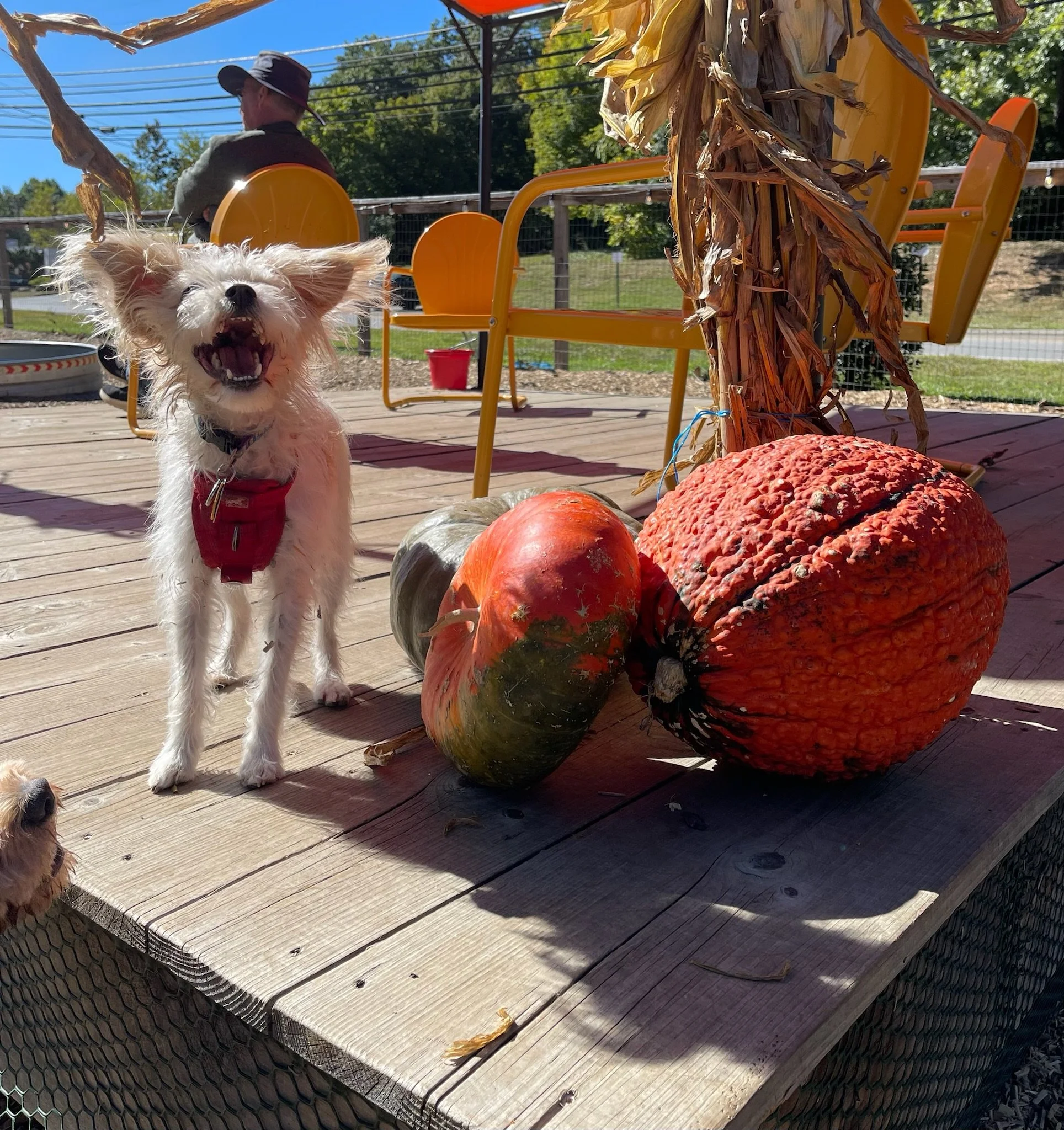
Municipal dog parks will continue to serve an important function. But the gap between what a public park provides and what a well-run dog bar delivers is growing, and owners are noticing.
The free option gives you a fence and other dogs. The paid option gives you a community. For a growing number of dog owners, particularly younger owners who treat their dogs as family and their social lives as something worth investing in, that difference is worth the membership.
That's why dog bars are growing faster. Not because off-leash space is in short supply. Because belonging to a place is a fundamentally different product than having access to one.
Bottom TLDR
Dog bars are growing faster than traditional dog parks because community is the actual product: consistent regulars, supervised safety, curated events, and dual revenue streams that free parks cannot replicate. The membership model converts occasional visitors into committed community members, driving retention and franchise expansion into markets like Asheville, Knoxville, and Richmond. To understand the business model behind this growth, review Wagbar's franchising information and the Franchise Disclosure Document for performance data.