
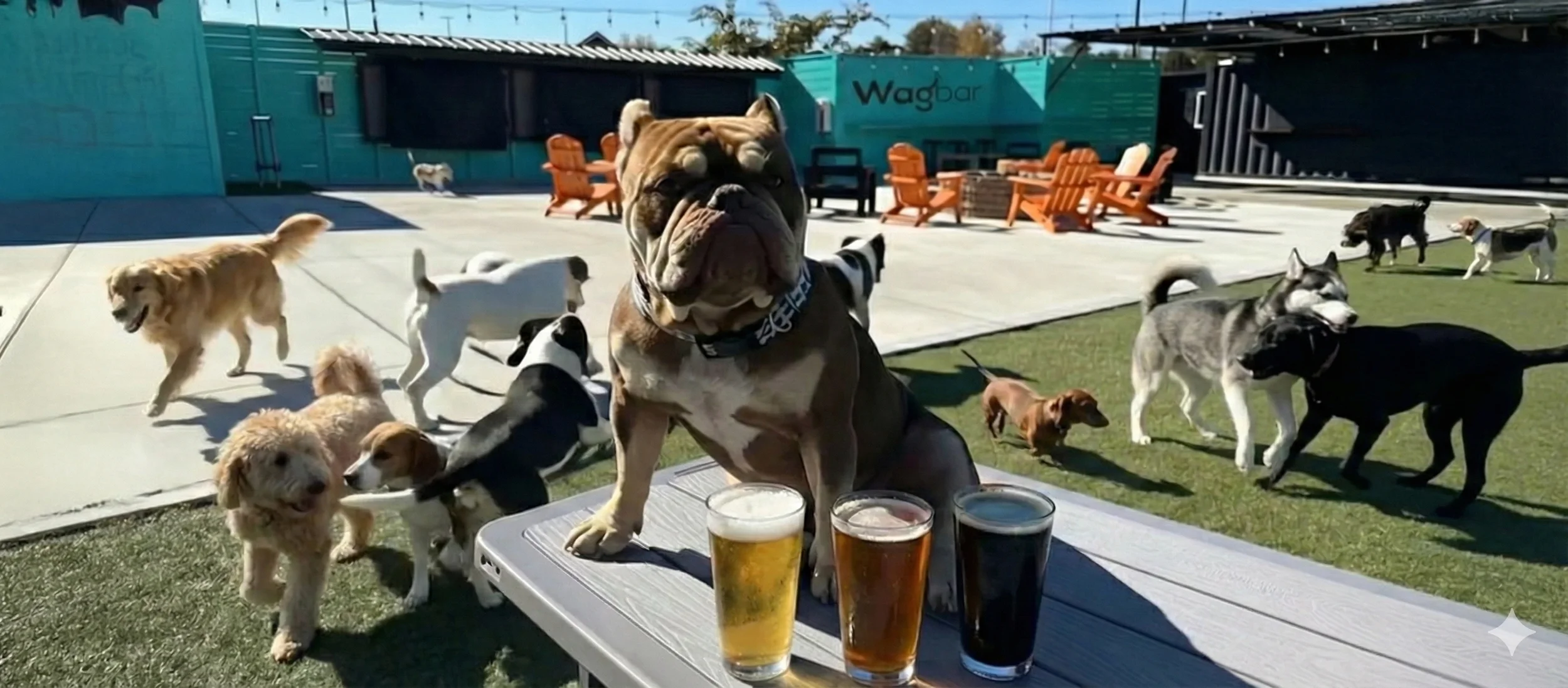
What to Expect During Your First WagBar Knoxville Visit
Multiple dogs of different sizes playing safely together under professional supervision at WagBar's off-leash dog park
Top TLDR: Your first WagBar Knoxville visit requires bringing vaccination records (rabies, bordetella, distemper), valid ID, and confirmation your dog is at least 6 months old and spayed or neutered. Staff will review paperwork, explain park rules, and conduct a brief behavioral assessment before your dog enters the off-leash play area while you enjoy the bar atmosphere. Plan for a 15-minute check-in process, then stay as long as you like to experience Knoxville's first off-leash dog park bar opening October 2025.
You've heard about WagBar. You've seen the photos of dogs running free while their owners relax with drinks. You're ready to experience it yourself. But walking into any new place with your dog—especially one that combines off-leash play with a social bar—naturally raises questions about what actually happens when you arrive.
Your first WagBar Knoxville visit follows a straightforward process designed to welcome you while ensuring everyone's safety. Here's exactly what to expect from the moment you pull into the parking lot until you're settled with your dog playing happily and a drink in your hand.
Before You Arrive: What to Bring
Don't show up empty-handed. Your first visit requires specific documentation that we'll review during check-in:
Vaccination records showing current protection for:
Rabies (legally required)
Bordetella (kennel cough)
Distemper
These can be physical copies from your vet, digital records on your phone, or official veterinary documents. We need to see proof dated within the required timeframes—typically annual for rabies and distemper, every 6 months for bordetella depending on vaccine type.
Valid photo ID for yourself. All human visitors must be 18 or older. We verify this during first visits.
Confirmation of your dog's age and reproductive status. If your dog is young, bringing documentation showing their birthdate helps verify they meet our 6-month minimum age requirement. All dogs must be spayed or neutered—your vet records should reflect this.
Payment method. We accept credit cards, debit cards, and digital payments. You'll choose between day pass options or membership during check-in.
Leave toys, treats, and food at home or in your car. These items aren't permitted in the off-leash play areas because they create resource guarding opportunities that can trigger conflicts even between friendly dogs.
Arrival and Parking
WagBar Knoxville's location at the former Creekside site on Malone Creek Drive provides ample parking. You'll find dedicated spaces close to the entrance, designed for easy access with excited dogs who might be pulling toward the adventure they sense ahead.
Take a moment in your car before heading in. Let your dog settle slightly if they're overstimulated from the drive. You want them alert and happy, not so aroused that they can't focus during the entry process.
Many dogs pick up on the excitement of other dogs already playing. If your dog is barking, whining, or showing extreme excitement in the parking lot, that's normal. Just maintain calm energy yourself—your dog will take cues from your demeanor.
Walking to the Entrance
The path from parking to the entrance gives your dog their first impressions. They'll likely hear dogs playing and may catch sight of activity through fencing or windows. Keep your dog on leash during this approach and maintain control.
This short walk offers preview opportunities. If your dog seems terrified by the sounds of playing dogs, overwhelmed by the stimulation, or displays immediate aggressive reactions, these are signals that off-leash group play might not suit their temperament. Most dogs show excitement rather than fear, but it's worth noting your dog's initial reactions.
The entrance includes a double-gate system that prevents dogs from escaping when doors open. Don't worry about the extra step—it's a safety feature that becomes second nature after your first visit.
Check-In Process
Reception staff greet you as you enter. This is where the paperwork happens, but it's quick and straightforward. Here's the sequence:
1. Introduction and overview. Staff welcome you and provide a brief explanation of what happens next. First-time visitors get more detailed orientation than returning guests.
2. Documentation review. You'll present your dog's vaccination records. Staff verify dates and make copies or digital records for our files. Once you're in our system, you won't need to bring paperwork again until vaccinations need updating.
3. Age and spay/neuter confirmation. If your dog's age or reproductive status isn't clear from existing records, staff may ask questions or request additional documentation.
4. Pass or membership selection. You'll choose between a day pass for this single visit or membership options that provide better value for regular visits. Staff explain pricing, what's included, and benefits of different membership levels without pressure.
5. Waiver and code of conduct. You'll sign a standard waiver acknowledging inherent risks of off-leash dog play and confirming you understand WagBar's code of conduct. Staff highlight key rules: maintain visual contact with your dog, intervene if your dog plays inappropriately, clean up immediately, and no food or toys in play areas.
This check-in process typically takes 10-15 minutes for first-time visitors. Subsequent visits take just moments once you're in the system.

Introduction to the Space
After paperwork, staff provide a facility tour before your dog enters play areas. This orientation helps you understand the layout and locate important features:
Play area zones. WagBar Knoxville includes multiple sections with different characteristics. Staff explain how dogs often self-segregate based on play style and energy level—high-energy athletes in open running spaces, calmer dogs in areas with more structure.
Water stations. Multiple locations prevent crowding and ensure your dog can hydrate whenever needed during play.
Seating areas for owners. You'll see where you can sit while maintaining visual contact with your dog. Some seating is closer to play areas for owners who want to stay very engaged. Other areas are slightly separated for owners who want conversation and social time while still monitoring their dogs.
Bar area. Staff point out where you'll order drinks and food when you're ready. The bar is positioned so you can order while keeping sight lines to your dog.
Waste stations. You'll see disposal locations for picking up after your dog. Staff remind you this is your responsibility during every visit.
Shade and shelter. Knoxville's climate means summer heat and occasional rain. Staff show you covered areas where dogs can cool down and where you can retreat during weather changes.
Exit gates. Knowing how to leave prevents confusion when you're ready to go. The same double-gate system that prevented entry escapes also ensures controlled exits.
The Behavioral Assessment
Before your dog enters the play area, staff conduct an informal behavioral assessment. This isn't a formal test—it's observation that helps everyone ensure successful first experiences.
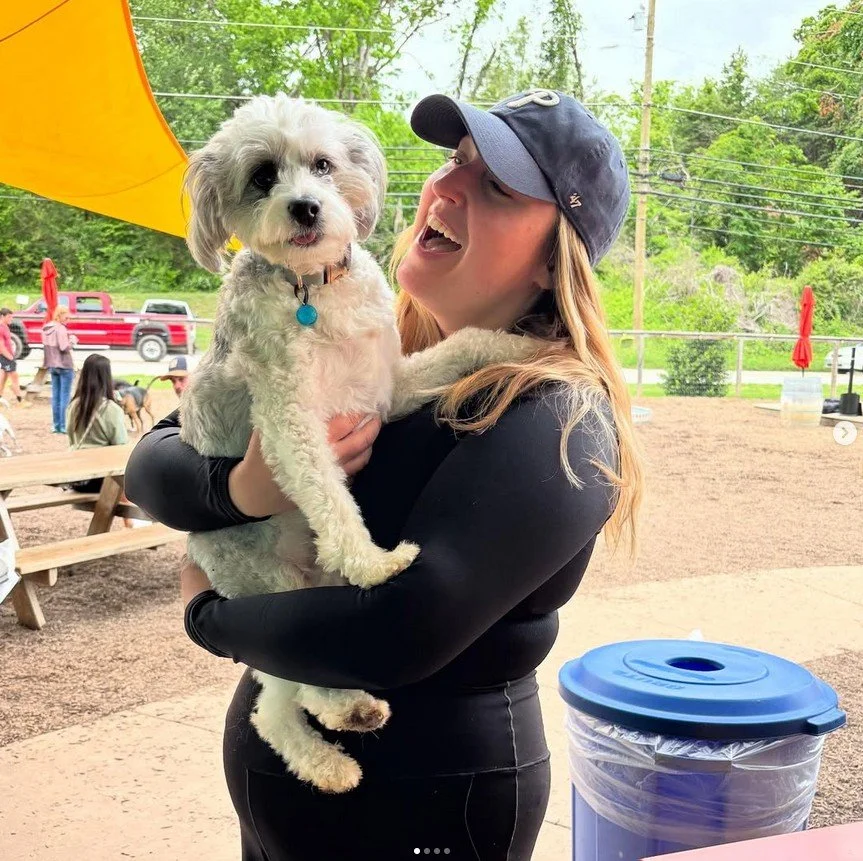
Staff watch how your dog:
Reacts to the sight and sound of other dogs playing
Responds to you in this exciting new environment
Handles the stimulation of an unfamiliar place
Shows stress signals or confidence indicators through body language
They're looking for signs your dog is ready for this experience:
Interest in other dogs without extreme fixation
Ability to somewhat focus on you despite excitement
Body language showing enthusiasm rather than fear
Absence of aggressive displays toward visible dogs
If your dog shows concerning behaviors—extreme fear, immediate aggression, or complete inability to respond to you—staff may suggest alternatives to immediate off-leash entry. This might include watching from outside play areas first, visiting during quieter times, or working on reactive dog training before attempting group play.
Most dogs pass this informal assessment easily. Staff want your dog to succeed, so they're watching for opportunities to help, not reasons to exclude.
Entry Into the Play Area
When staff confirm your dog is ready, you'll enter the play area together through the double-gate system. Here's how this transition works:
Leash removal happens inside the gate. Once both gates close behind you, you'll remove your dog's leash in the secure area. Have a solid grip on your dog's collar or harness while unclipping—some dogs bolt immediately when they feel freedom.
Initial observations matter most. The first few minutes reveal how your dog will handle the session. Staff watch closely during these critical moments.
Let your dog approach naturally. Don't force interactions or drag your dog toward other dogs. Let them adjust at their own pace. Some dogs dive straight into play. Others need several minutes observing before engaging.
Stay close initially. Don't immediately walk away to order a drink. Stick near your dog for at least 10-15 minutes until you see how they're integrating. This proximity allows quick intervention if needed and gives your dog security during the adjustment period.
Watch for overwhelm signals. Your dog might show initial stress even if they're ultimately fine. Heavy panting, excessive lip licking, whale eye (showing whites), or tucked tail suggest they need a moment. Consider leashing them temporarily for a quiet break before trying again.
Most dogs settle within minutes and start engaging in play naturally. The initial anxiety quickly transforms into joy as they discover this is actually the best place ever.
Your Role During Play
Once your dog settles into play, you can relax—but not completely check out. Your ongoing responsibilities during the visit include:
Maintain visual contact. You should always know where your dog is and what they're doing. This doesn't mean hovering or staring without blinking, but you can't get so absorbed in conversation or your phone that you lose track.
Read your dog's energy and engagement. Happy play looks energetic and reciprocal. Both dogs show play signals like play bows, role reversals in chase games, and relaxed body language. Watch for signs your dog needs breaks: excessive panting, disengagement from play, seeking your proximity, or mounting/humping behaviors that indicate overstimulation.
Intervene when appropriate. If your dog plays too roughly, ignores other dogs' signals, or receives corrections from multiple dogs, step in. Leash them temporarily, redirect their attention, or end the visit if they can't settle.
Clean up immediately. When your dog eliminates, pick it up right away. Waste stations are positioned throughout the space with supplies provided.
Respect other dogs and owners. Not every dog wants to play with your dog. Not every owner wants conversation. Read social cues and respect boundaries.
Follow staff guidance. If staff suggest your dog needs a break, take the feedback seriously. They have broader view of park dynamics and may see patterns you miss.
Enjoying the Bar and Social Atmosphere
Once your dog settles into play and you're confident they're doing well, it's time to experience the aspect that makes WagBar unique—the bar.
The drink menu includes craft and domestic beers on tap and in cans, wine, cider, hard seltzer, and non-alcoholic options including coffee. Food options vary by day with rotating food trucks providing diverse cuisine options.
You'll order at the bar, just like any other venue. Staff are used to serving customers who are keeping one eye on their dogs, so they understand if you're distracted or need to step away suddenly.
Seating options accommodate different preferences. Some people prefer tables with direct sightlines to where their dogs play. Others choose more separated seating where they can socialize with human company while periodically checking on their dogs.
This combination of dog play and human social space is what distinguishes WagBar from traditional dog parks. Your dog gets their needs met through off-leash socialization. You get your needs met through conversation, relaxation, and adult beverages in a social setting.
For many Knoxville dog owners who've struggled to find spaces where they can socialize without leaving their dogs home, this model solves the perpetual conflict between pet ownership and social life.

How Long to Stay
Your first visit doesn't need to be lengthy. In fact, shorter initial visits often work better, especially for dogs new to off-leash group play.
Plan for 1-2 hours maximum on your first visit. This gives your dog time to play and explore without becoming overtired or overstimulated. Many behavior problems emerge when dogs exceed their capacity for stimulation management.
Watch for signs your dog is ready to leave:
Seeking your proximity repeatedly
Disengaging from play
Excessive panting or drooling
Mounting or humping behaviors
Decreased responsiveness to other dogs' signals
Restlessness or inability to settle
Some dogs show endurance for 3-4 hour visits. Others max out at 45 minutes. Your dog's age, fitness level, and social experience all influence their optimal visit length. You'll learn their patterns through repeated visits.
It's always better to leave while your dog still seems happy rather than waiting until they're exhausted and stressed. Positive endings create positive associations that make dogs eager to return.
The Exit Process
When you're ready to leave, leashing your dog and exiting through the double-gate system is straightforward. The bigger challenge is actually catching your dog when they're having too much fun to want to leave.
Tips for successful exits:
Don't chase your dog around the park. This becomes a fun game that makes departure harder.
Call your dog calmly and reward them immediately when they come, then leash before they realize you're leaving.
If your dog won't come, ask staff for help. They have experience corralling reluctant dogs.
Practice recall in less exciting environments so your dog has foundation skills for responding even in stimulating contexts.
Some dogs who struggle with departure during first visits improve quickly once they learn this isn't their only chance to visit. When they understand you'll come back, the desperation to stay decreases.
After you exit, staff may ask about your experience, how your dog did, and whether you have questions. This feedback loop helps them understand your dog's behavior and provides guidance for future visits.
What Happens After Your First Visit
Once you're in WagBar's system, subsequent visits are dramatically simpler. You'll walk in, check in briefly (often just a greeting if you're a member), and head straight to the play area with your dog.
Your vaccination records stay on file with annual update reminders. Your membership (if you chose one) remains active with automatic renewals according to your selected terms.
Many first-time visitors worry their dogs won't behave appropriately or that they'll somehow do everything wrong. The reality is that staff have seen thousands of dogs and owners navigate first visits. They're prepared to help, answer questions, and provide guidance that makes everyone comfortable.
The goal is for you to leave your first visit thinking, "Why didn't we do this sooner?" and planning your next visit before you've even reached your car.
Special Considerations for Different Dogs

First visit experiences vary based on your dog's background and temperament:
Young dogs (6-18 months) often have excess energy but may lack social polish. They're learning appropriate play behaviors through direct experience. Staff watch young dogs closely and help owners recognize when enthusiasm crosses into inappropriate roughness.
Senior dogs may move slower and prefer calmer interactions. They often gravitate toward other older dogs or quieter areas. Don't assume your senior dog won't enjoy off-leash play—many older dogs love gentle socialization.
Small breed dogs sometimes hesitate when seeing much larger dogs playing roughly nearby. Many small dogs handle mixed-size play beautifully, but owners naturally worry. Staff help small dogs find appropriate playmates and can suggest quieter times if the current group feels overwhelming.
Previously reactive dogs often surprise their owners by playing peacefully off-leash. The barriers and restraint that triggered leashed reactivity don't exist in off-leash environments. Still, approach with caution and inform staff about your dog's history so they can monitor appropriately.
Shy or fearful dogs need patience and shouldn't be forced into interaction. Let them observe from the periphery until they feel confident enough to engage. Multiple short visits where nothing bad happens often build courage better than one long overwhelming experience.
Setting Expectations for Long-Term Success
Your first WagBar Knoxville visit is introduction, not destination. Like any new experience, both you and your dog will feel more comfortable with repetition.
Some dogs take to off-leash play immediately and behave perfectly from visit one. Others need several sessions to understand expectations, learn park etiquette, and develop confidence. Both patterns are normal.
If your first visit doesn't go perfectly—your dog doesn't play much, you feel anxious the whole time, or minor issues arise—don't abandon the concept. Second and third visits almost always go more smoothly as everyone adjusts.
The social benefits of regular off-leash play compound over time. Dogs who visit consistently develop deeper social skills, better impulse control, and stronger emotional regulation than dogs with sporadic access.
WagBar Knoxville's October 2025 opening gives Knoxville dogs access to something the city hasn't offered before: a professionally supervised off-leash environment combined with social space for owners. Your first visit introduces you to this concept. Your tenth visit is when you truly understand why this model transforms both dog care and social life for pet owners.
Bottom TLDR: During your first WagBar Knoxville visit, expect a 15-minute check-in covering vaccination review, membership selection, and facility orientation before your dog enters supervised off-leash play areas. Staff conduct behavioral assessment and provide guidance while you maintain visual contact with your dog and enjoy the bar atmosphere. Plan 1-2 hours for initial visits, bring required documentation, and understand that both you and your dog will feel more comfortable with each subsequent visit to Knoxville's first off-leash dog park bar.