

What to Drink at a Dog Friendly Bar: A Complete Menu Rundown
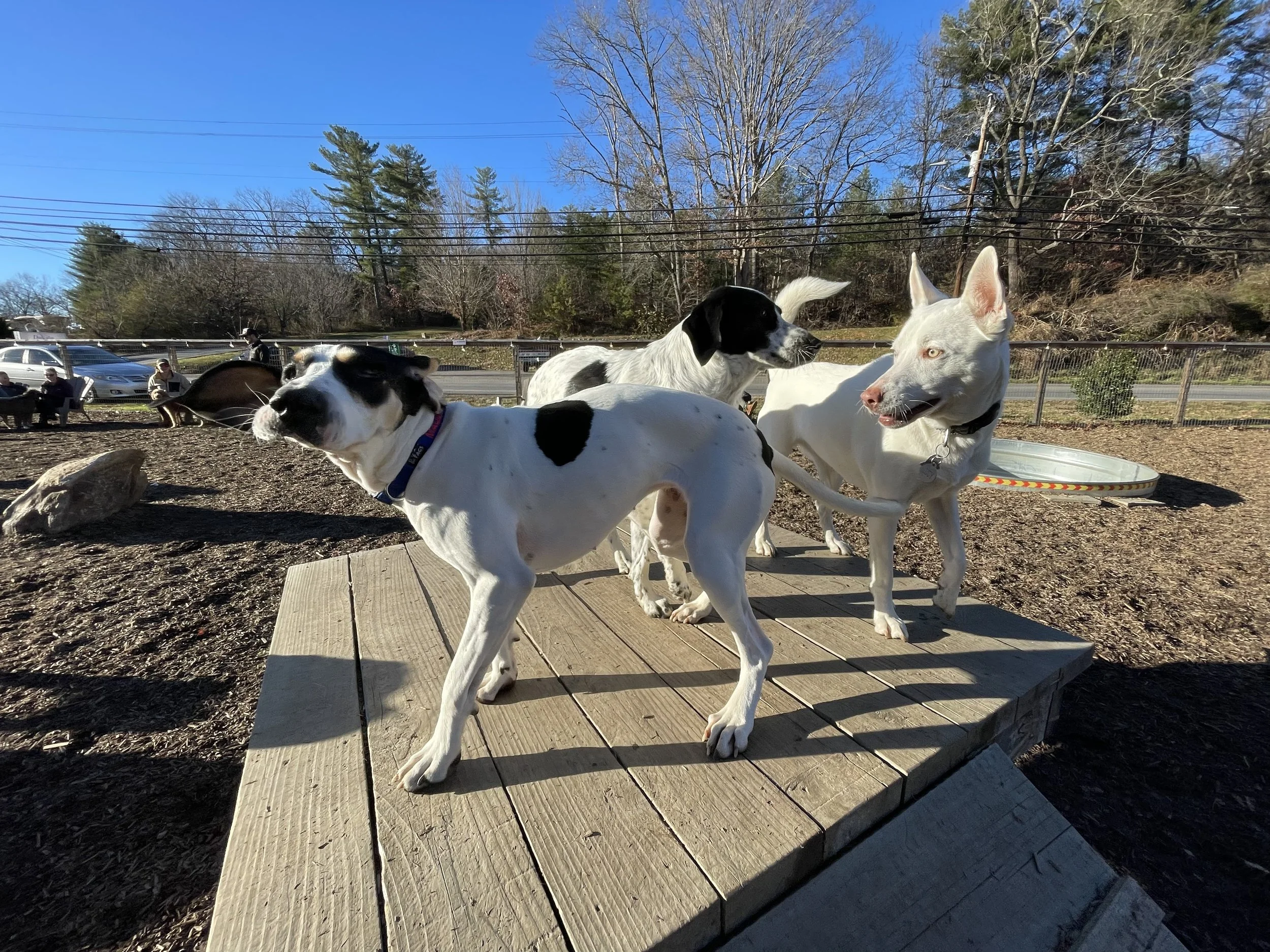
A dog friendly bar menu runs on two tracks. Owners get craft beer, wine, cider, hard seltzer, light cocktails, and growing N/A options. Dogs get pup cups, alcohol-free dog beer, and frozen treats made from safe ingredients. Wagbar pairs both menus with rotating food trucks at its Weaverville flagship in North Carolina and other locations. Check ingredients with staff before ordering for your pup.
The Two Menus at a Dog Friendly Bar
Walk into any well-run dog friendly bar and you'll spot something most regular bars skip: a second menu meant for the dogs. One menu handles humans. The other handles the four-legged regulars. Both matter, and neither is an afterthought.
This split shows up because dog bars run on a simple promise. You shouldn't have to leave your dog at home to grab a beer, and your dog shouldn't have to sit there bored while you order. Both sides of the leash get something to drink.
According to the American Pet Products Association's 2024 State of the Industry Report, U.S. pet owners spent more than $147 billion on their pets in 2023, with treats and out-of-home pet experiences making up a growing chunk of that total (APPA, 2024). Dog bars sit right at the intersection of regular bar tabs and treat spending, which is why the dog menu isn't a gimmick. It's a real revenue line and a real reason people come back.

The sections below walk through what tends to land on each menu, what's safe for dogs (and what's not), how the sober curious crowd is changing what's on tap, why food trucks beat fixed kitchens at most off-leash dog bars, and how Wagbar handles the two-menu setup at its locations across the country.
The Human Menu: What's Usually on Tap
Most dog friendly bars run on a beer-and-wine permit rather than a full liquor license. That choice shapes the entire menu. Licensing costs run lower. Insurance is easier to underwrite when there are dogs off-leash on the property. And the casual outdoor vibe of a dog bar pairs better with a cold pint than with a shaken cocktail behind a back bar.
That doesn't mean the menu is short. A good dog bar usually carries 10 to 20 beer options, a working wine list, ciders, hard seltzers, and a small set of cocktails built from wine, beer, or hard seltzer instead of liquor. The result is a drink list that covers most preferences without needing a full liquor cabinet.
Draft and Canned Beer
Beer is the anchor of almost every dog friendly bar menu. According to the Brewers Association, the U.S. had 9,761 active craft breweries in 2023, with craft beer making up nearly 25% of the total U.S. beer market by retail dollar sales (Brewers Association, 2024). Most dog bars lean into that craft scene with rotating taps that change every few weeks.
A typical lineup runs something like this:
A few light lagers and pilsners for the easy-drinking crowd
One or two IPAs for the hop heads
A wheat beer or hazy IPA in warmer months
A stout or porter for the colder side of the year
A sour or fruited option for variety
Hard seltzer or canned wine on the side
The flagship Wagbar in Weaverville, North Carolina sits just outside Asheville, which the Brewers Association has repeatedly ranked among the top U.S. cities for breweries per capita. That setting shapes the tap list. Local beer from Western North Carolina makes up most of what's pouring, with rotating guest taps from breweries across the state.
Wine, Cider, and Seltzer
Wine isn't an afterthought at a dog friendly bar. Most lists carry a working set of options:
A dry white (usually a sauvignon blanc or pinot grigio)
A crisp rosé that sells well in summer
A red that drinks easy without food (think pinot noir or a light blend)
A bubbly option, often a prosecco or sparkling rosé
A sweet option for the wine-averse crowd
Hard cider is on almost every dog bar menu now. It pulls double duty as a gluten-free option for guests who can't drink beer, and it pairs well with the outdoor vibe most dog bars are built around. Bold Rock, Angry Orchard, and regional cider makers usually rotate through.
Hard seltzers earned their place by checking three boxes: low calories, gluten-free, and approachable for casual drinkers. White Claw and Truly are the national defaults, but local makers often slip onto rotating taps. According to NielsenIQ data covered by the Brewers Association, hard seltzer sales in U.S. off-premise channels held steady around $4 billion in 2023 after the initial boom, settling into a stable category position (Brewers Association, 2024).
Cocktails Without Hard Liquor
Here's where dog friendly bars get creative. Without a liquor license, the cocktail menu has to come from wine, beer, or hard seltzer. That sounds limiting until you taste what bartenders pull off with the constraint:
Sangria in red, white, or rosé versions
Mimosas and bellinis for daytime visits
Micheladas built on light Mexican lagers with lime, hot sauce, and salt
Beer cocktails like a snakebite (cider and stout) or a shandy (beer and lemonade)
Frozen rosé slushies in the summer
Wine spritzers with soda and citrus
The trade-off is real. You won't get a margarita or an old fashioned. But you'll get a drink that fits the vibe, plus the bar avoids the higher liability that comes with serving liquor in a space where dogs are running loose.
Coffee, Hot Drinks, and Wine Slushies
Plenty of dog bars open mid-morning, which means coffee is on the menu. A few different setups show up:
Drip coffee for the simple crowd
Cold brew in summer
Hot chocolate for cold mornings
Coffee with a splash of cream liqueur where licensing allows
Spiked cider or hot mulled wine in winter
Frozen wine drinks have become a summer staple. A frozen rosé or frozen sangria machine can sell as much volume as the top beer tap on a hot Saturday afternoon. They photograph well, they cool you down while your dog cools off in the shade, and they keep humans hydrated enough to stay an extra round.
The Dog Menu: What's Safe to Serve
The dog side of the menu is shorter, but it's not less thought-out. Everything served to dogs has to clear three bars: it has to be alcohol-free, it has to avoid toxic ingredients, and it has to work at scale without making dogs sick on a Saturday afternoon.
The ASPCA Animal Poison Control Center publishes a regularly updated list of foods that are toxic to dogs. The top offenders include chocolate, grapes and raisins, xylitol (a sugar substitute), onions, garlic, macadamia nuts, and alcohol in any form (ASPCA, 2024). Any responsible dog bar trains its staff to know what's on that list and what's not.
"Even small amounts of certain human foods can cause serious illness in dogs. Xylitol, found in many sugar-free products, can cause severe hypoglycemia and liver failure in dogs within hours of ingestion."
ASPCA Animal Poison Control Center
That's the line every dog bar menu sits behind.
Pup Cups and Puppuccinos
The pup cup is the most popular item on the dog side of the menu, and there's a reason. It costs almost nothing to serve, dogs lose their minds for it, and it's photogenic enough to live on social media for weeks.
Two versions show up most often:
Whipped cream pup cup. A small cup with a dollop of dairy whipped cream. Easy, cheap, and dogs love the texture. Best for dogs without dairy issues.
Plain Greek yogurt pup cup. A small portion of plain, unsweetened Greek yogurt. Slightly healthier, easier on sensitive stomachs, and many dogs prefer the tang.

Portion size matters. A pup cup is meant to be a treat, not a meal. Most bars use a 1 to 2 ounce cup so even small dogs can have one without overdoing dairy or sugar. According to VCA Animal Hospitals, treats and snacks should make up no more than 10% of a dog's daily caloric intake (VCA, 2024). A small pup cup fits comfortably in that range for most dogs.
A few dog bars run frozen pup cups in summer: yogurt and peanut butter (xylitol-free), frozen banana puree, or watermelon slush. These hold up in heat and keep dogs cool while their owners drink something cold of their own.
Doggy Beer (Non-Alcoholic)
Dog beer is exactly what it sounds like and also nothing like what it sounds like. It's not alcoholic. It contains no hops, which are toxic to dogs (PetMD, 2024). It's usually built from bone broth, malt extract, and dog-safe vegetables or meat.
The category has grown into a small industry. The best-known brands include:
Bowser Beer by 3 Busy Dogs, made with bone broth and malt barley
Good Boy Dog Beer from Texas, made with bone broth and herbs
Apollo Peak Dog Beer with similar bone broth bases
Dawg Grog with vegetable broth and herbs
Most come in 12-ounce bottles or cans that mimic the look of a real craft beer. The label is part of the appeal. Owners get a photo of their dog "drinking a beer" without anything actually risky going on. Inside the bottle, it's essentially a flavored broth.
A note on hops: According to a study published in the Journal of Veterinary Internal Medicine, ingestion of hops (Humulus lupulus), even spent hops from home brewing, can cause malignant hyperthermia in dogs, which can be fatal without quick treatment (Duncan et al., 2002). This is why no dog beer contains hops, and why dogs should never be given a sip of a regular IPA, even as a joke.
Dog-Safe Treats
Beyond drinks, most dog friendly bars carry a few treat options. The list varies, but common picks include:
Frozen peanut butter and banana cups (xylitol-free peanut butter only)
Bully sticks as a long-lasting chew
Dog biscuits from local bakeries
Frosty Paws style ice cream made for dogs
Single-ingredient jerky (chicken, turkey, or beef)
The American Kennel Club lists peanut butter, plain yogurt, blueberries, watermelon (seedless), bananas, and carrots as safe, healthy snacks for most dogs in moderation (AKC, 2024). These ingredients form the base of most dog-friendly treat menus.

Things you'll never see on a reputable dog bar menu: chocolate, anything with onion or garlic, grapes or raisins, anything with xylitol, macadamia nuts, raw bread dough, and alcohol. If a bar serves any of these to dogs, walk out.
Non-Alcoholic Options for the Sober Curious
The non-alcoholic side of the human menu has changed more in the last five years than any other category. According to NielsenIQ data reported by the Brewers Association, non-alcoholic beer sales grew by more than 30% year over year in 2023, hitting nearly $565 million in U.S. off-premise sales (Brewers Association, 2024). That growth has pulled real options onto dog bar menus.
A solid N/A list at a dog friendly bar usually carries:
Athletic Brewing's lineup (Run Wild IPA, Free Wave Hazy IPA, Upside Dawn Golden Ale)
Heineken 0.0 as the global default
Guinness 0 for stout drinkers
Lagunitas IPNA for hop heads who don't want alcohol
Hop Water from Athletic or Lagunitas (zero calorie, zero alcohol, with hops for flavor)
N/A mocktails built from N/A spirits like Seedlip
Kombucha on draft at some locations
Cold brew coffee and tea-based drinks
Sparkling water with citrus for the simple ask
This matters at a dog bar more than at a regular bar. People come for the dog time, not just the drink. Designated drivers, pregnant guests, sober guests, and people who just want to be sharp for the walk home all need real options. A bar that treats N/A drinks as an afterthought misses a real chunk of its potential crowd.
It also matters because dog bar visits often involve more than one drink across more than one hour. Pacing matters, and N/A options let people stretch a visit without ending up over the line.
Food Trucks: Why They Beat a Fixed Restaurant Menu
Most dog friendly bars don't have a kitchen. They have a food truck pad, or a rotating schedule of food trucks that pull up on specific days. There's a method to that choice, and it works better than the fixed-kitchen alternative in almost every way.
Lower overhead. A commercial kitchen requires hood systems, fire suppression, permits, a chef, prep cooks, food storage, and a whole separate set of inspections. A food truck pad needs power, water, and a parking spot. The cost difference is the difference between a few hundred dollars a month and tens of thousands.
Variety. A fixed kitchen serves the same menu every day. A food truck rotation might bring barbecue on Friday, tacos on Saturday, pizza on Sunday, Thai food on Monday, and burgers on Tuesday. Regulars get a different experience every visit without the bar lifting a finger.
Quality. Most food trucks specialize in one cuisine and do it well. You're getting someone's life's work, not a frozen menu reheated in a back kitchen. According to the National Food Truck Association, the average food truck operator has more than 7 years of culinary experience before going independent, and many are former restaurant chefs (NFTA, 2024).
Support for local food businesses. Dog bars and food trucks share a customer base of people who want something better than chain food. A rotation of local trucks builds those small food businesses while keeping the bar's regulars coming back for new tastes.
Outdoor seating works. Food trucks pair with outdoor picnic-table seating, which is exactly the setup most dog bars are built around. You order at the truck, pick up at the window, and eat at a table with your dog at your feet.
At Wagbar's Weaverville location, the food truck rotation changes weekly and is posted on social media a few days ahead. The same model carries over to the new Knoxville location opening in late 2025 and the franchise locations under development across the Southeast and beyond.
Allergens and Dietary Restrictions for Humans and Dogs
A well-run dog bar takes allergens seriously for both species.
On the human side, gluten-free options matter. Hard cider, hard seltzer, wine, and gluten-removed beers like Omission cover most gluten-free drinkers. For food, the food truck rotation usually means at least one truck per week has gluten-free, vegetarian, or vegan options. Staff should know which trucks are coming and what each one carries.
Other common asks:
Vegan menu items from at least one truck per week
Low-sugar drinks (hard seltzer, light beer, dry wine, N/A beer)
Low-calorie picks (hard seltzer, light beer, light wine)
Nut-free options at food trucks (always ask the truck staff directly)
On the dog side, allergens are a bigger deal than most owners realize. According to the American Veterinary Medical Association, food allergies and intolerances are common in dogs, with chicken, beef, dairy, wheat, and soy among the most frequent triggers (AVMA, 2024). A pup cup with dairy can wreck a dog with a dairy intolerance for the rest of the day.
Smart move at any dog bar: ask the staff what's in the pup cup, the dog beer, and any treats before you order. A good bar will know the answer without checking. A great bar will offer alternatives if your dog has a specific issue.
For dogs with known allergies, the safest bet is usually:
Plain, unsweetened ice chips instead of a pup cup
Plain water with a splash of low-sodium broth instead of dog beer
Single-ingredient jerky (just chicken, or just beef) instead of a multi-ingredient treat
Wagbar's staff training covers dog allergens directly. That's the kind of detail that separates a real dog bar from a regular bar that happens to allow dogs on the patio.
How Wagbar Builds Its Menu
Wagbar's menu philosophy comes out of its Asheville-area roots and the founders' decision to build the concept around community, not just commerce. The result is a menu that reads more like a neighborhood spot than a national chain.
On the human side, the Weaverville flagship carries a rotating tap list weighted toward Western North Carolina breweries. Wine is a working list, not a showpiece. Cider is always on. Hard seltzer is on the can side. N/A options are stocked because the membership crowd includes plenty of designated drivers, pregnant guests, and people who just want a long visit without a long buzz.
On the dog side, pup cups are standard. Dog beer rotates depending on supplier availability. Frozen treats show up in summer. The staff is trained to ask before serving anything to a dog whose owner isn't standing right there, which is a small thing that prevents big problems.
Food comes from rotating trucks. The schedule is posted on Wagbar's social channels a few days ahead, and the variety changes week to week. That's part of why regulars come back. A Saturday in May looks nothing like a Saturday in October.
Events layer on top of the menu. Live music, trivia nights, breed meetups (poodles and doodles, smush-face breeds, and others), and seasonal celebrations all pull people in for reasons beyond the drink list. The menu supports the events, not the other way around. You can read more about how Wagbar runs its space at the About page or check the Play and Unwind lifestyle section.
For owners who want to drop in often without paying per visit, the membership program covers entry for the dog. The drink tab is separate, which is true at every dog bar. Memberships work for regulars and pay off in the first month or two for anyone visiting more than once a week.
The same playbook is rolling out at locations in development across the country, from Cary and Charlotte in North Carolina to Dallas, Richmond, Cincinnati, and Phoenix. Each location adapts the menu to local breweries and food trucks while keeping the two-menu structure intact.
If you've never visited a dog bar before, the Wagbar beginner's walkthrough covers what to expect on a first visit, from check-in to ordering to the off-leash etiquette inside the park. The dog park etiquette and safety walkthrough covers the broader rules of off-leash spaces.
The Last Pour
The dog friendly bar menu isn't a single menu. It's two parallel menus, one for humans and one for dogs, each thought through on its own terms. Owners get craft beer, wine, cider, hard seltzer, N/A options, and a few wine or beer-based cocktails. Dogs get pup cups, hops-free dog beer, frozen treats, and dog-safe snacks. Food comes from rotating trucks, not a fixed kitchen, which keeps variety high and overhead low. Wagbar runs this setup at its Weaverville flagship in the North Carolina mountains and brings the same playbook to every new location.
Before your first visit, check the food truck schedule, ask staff about pup cup ingredients if your dog has allergies, and bring a card. The dog menu is small. The human menu is bigger. Both are worth the trip.
Frequently Asked Questions
Can dogs actually drink dog beer?
Yes, but it's not beer in the alcoholic sense. Dog beer is made from bone broth, malt extract, and dog-safe vegetables or meat, with no hops and no alcohol. Brands like Bowser Beer and Good Boy Dog Beer are formulated specifically for dogs and are safe in moderation. Never give a dog real beer, since both alcohol and hops are toxic to them.
Are dog friendly bars allowed to serve alcohol around dogs?
Local alcohol laws vary, but most states allow alcohol service in outdoor areas where dogs are present, as long as the bar holds the proper permit. Most dog bars use a beer-and-wine permit rather than a full liquor license, which keeps things simpler from a regulatory and insurance standpoint. Always check the specific rules at the bar you're visiting.
What's in a pup cup?
A pup cup is usually a small portion of whipped cream or plain Greek yogurt served in a 1 to 2 ounce cup. Some dog bars serve frozen versions made with plain yogurt and peanut butter (the kind without xylitol), banana puree, or watermelon. Always ask about ingredients if your dog has dairy issues or other food sensitivities.
Can I order food for my dog at a dog friendly bar?
Most dog bars serve dog-specific treats like jerky, biscuits, frozen yogurt cups, and bully sticks. Some have full pup menus with broth bowls and frozen meals. The human food from food trucks is generally not safe to share, since most human food contains onion, garlic, salt, or seasonings that are bad for dogs. Stick to the dog menu for your pup.
Why don't dog friendly bars have full kitchens?
Most dog bars rely on rotating food trucks instead of fixed kitchens for three reasons: lower overhead (no hood system, no kitchen staff, no commercial inspections), better variety (a different cuisine every few days), and stronger ties to the local food scene. Outdoor picnic-table seating pairs better with food truck service than with table-service restaurant food.
What foods are toxic to dogs that I should avoid sharing?
The ASPCA lists chocolate, grapes and raisins, xylitol (a sugar substitute in many gum and candy products), onions, garlic, macadamia nuts, raw bread dough, and alcohol as the most dangerous human foods for dogs. Even small amounts of some of these can cause severe illness. Read more about dog health and food safety at the Wagbar dog health and safety page.
Does Wagbar serve hard liquor?

Most dog bars, including Wagbar, run on a beer-and-wine permit rather than a full liquor license. The menu includes craft beer, wine, cider, hard seltzer, and cocktails built from those bases (sangria, micheladas, mimosas, beer cocktails). No traditional liquor-based cocktails like margaritas or old fashioneds.
How much does a pup cup cost?
Pup cup pricing varies by location, but most dog bars sell them as a low-cost add-on rather than a profit center. For specific pricing at a Wagbar location, contact the bar directly through the locations page. The FAQ page covers other common questions about memberships and visits.
Are there non-alcoholic options at dog friendly bars?
Yes, and the N/A category has grown fast. Most dog bars now carry Athletic Brewing's N/A craft beer lineup, Heineken 0.0, Guinness 0, hop water, kombucha, cold brew coffee, and N/A mocktails. Sober and sober curious guests have real options now, not just sparkling water with a lime.
Can puppies come to a dog friendly bar?
Most dog bars require dogs to be fully vaccinated and at least 4 to 6 months old before they can enter the off-leash area. Vaccination requirements typically include rabies, distemper, parvovirus, and Bordetella. Some bars also require proof of spay or neuter for dogs above a certain age. Check the bar's specific rules before bringing a young dog.