
What Running a Wagbar Actually Looks Like Day-to-Day (No Sugarcoating)
Top TLDR: Running a Wagbar day-to-day means managing two parallel operations simultaneously — a supervised off-leash dog park and a bar — while building the membership community that makes the business financially stable. The work is physical, fast-paced, and genuinely rewarding, but it's nothing like a corporate schedule. If you want to understand what you're actually signing up for, this is the realistic picture before you visit the Wagbar franchising page.
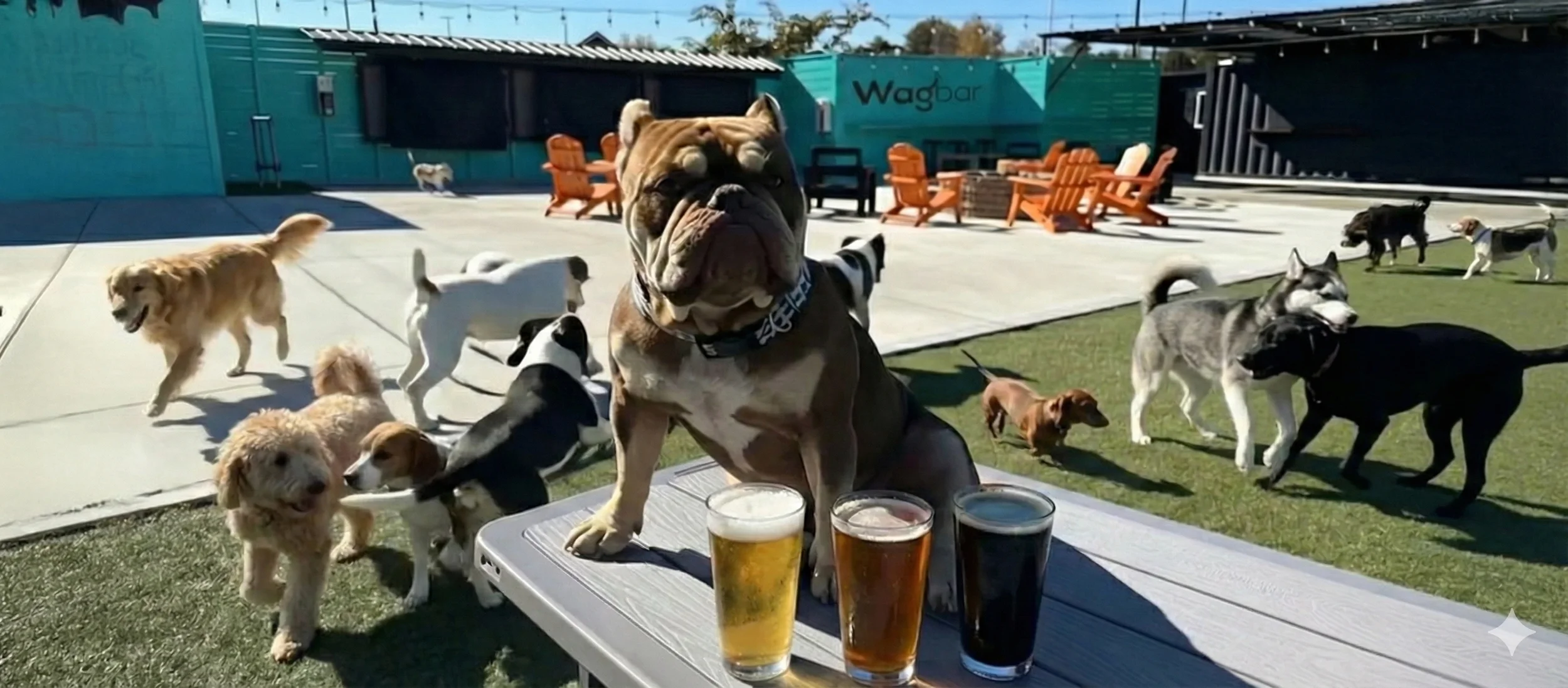
Franchise materials tend to show the highlight reel. Happy dogs. Smiling customers. A clean, sun-lit venue on a perfect afternoon.
That picture is real — Wagbar locations genuinely look like that, and the days when everything clicks are among the most satisfying days you'll have in any business. But a franchise decision made only on that version of the story tends to produce owners who are surprised by the parts that aren't in the highlight reel.
This page is the other version. What a typical operating day actually involves. Where the challenges come from. What's physically and mentally demanding about it. And what makes the work worth it for the people who've chosen it.
Before the Gates Open
The day starts before customers arrive. Opening procedures at a Wagbar location cover the bar, the park, and the entry systems — none of which are complicated, but all of which need to be done right before the first dog walks through the gate.
The bar gets set up: tap lines checked, inventory counted, POS system running, refrigerators stocked. The park gets walked: surfaces inspected, water stations filled, any waste from the previous day's closing cleaned up. Entry credentials get confirmed for the day: the membership management system needs to be accessible, vaccination records need to be retrievable, and the gate area needs to be staffed and ready.
There's nothing glamorous about opening prep. It's the operational discipline that determines whether the rest of the day runs smoothly or doesn't. Owners who build strong opening routines early — and staff members who can execute them without supervision — tend to run cleaner operations. Owners who treat opening as informal tend to spend the first hour of every operating day catching up on things that should have been done already.
What the Gate Looks Like in Practice
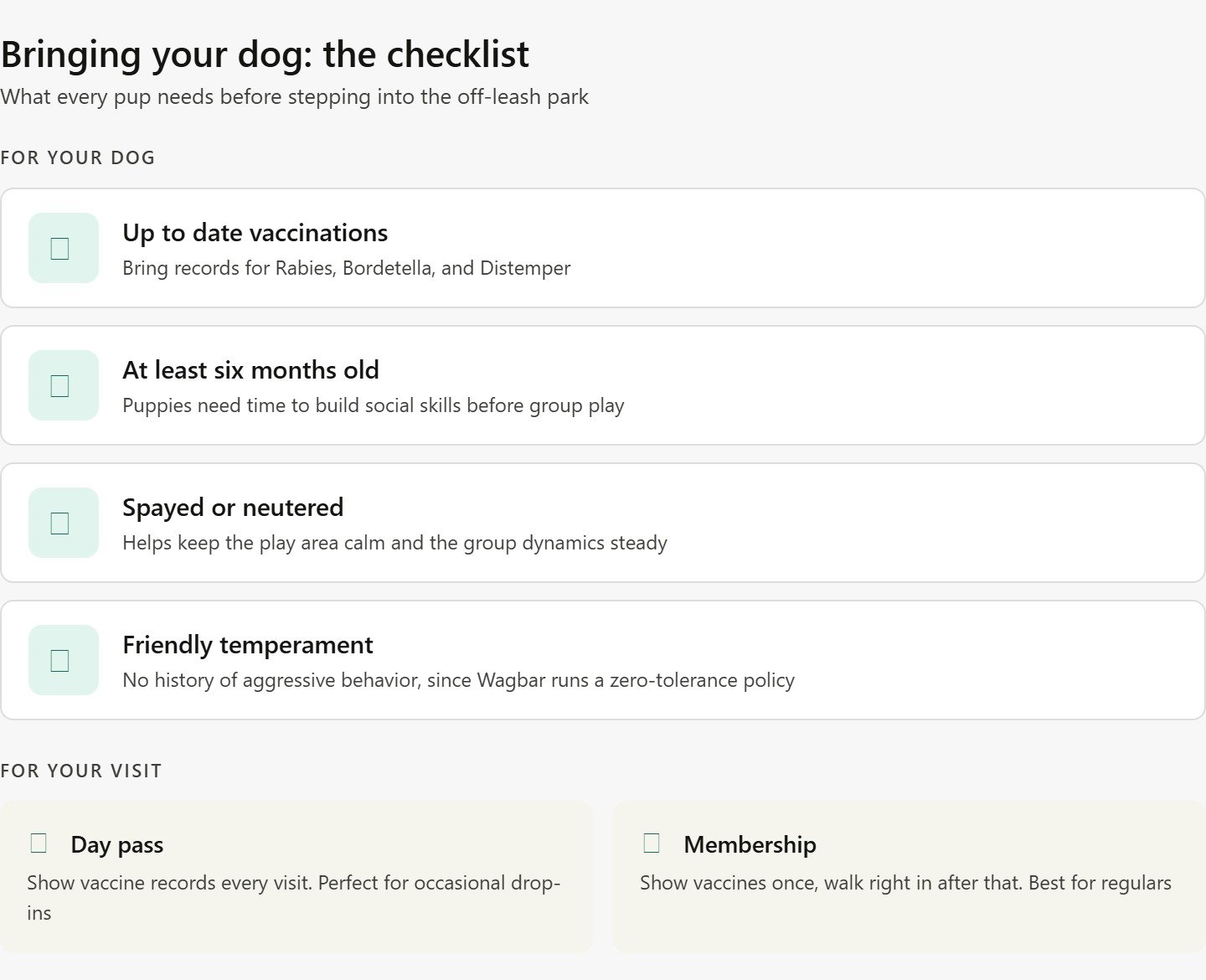
Every dog that enters Wagbar needs to meet the requirements: current Rabies, Bordetella, and Distemper vaccinations on record; at least six months old; spayed or neutered. Members have their credentials on file and move through quickly. Day pass customers need to show proof of vaccinations on entry.
During a busy Saturday afternoon, that gate can move quickly or create a queue. Smoothness at the gate depends on whoever is running entry — their familiarity with the system, their ability to handle the verification process efficiently without rushing customers, and their judgment about edge cases. A dog whose vaccination record shows a borderline expiration date requires a real-time decision. An owner who forgot to bring their documents needs to be handled with patience and clarity.

Owners who are present at the gate during the first months learn the operational specifics faster than those who try to manage it from a distance. It's also where the first real customer relationships form — people remember the owner who checked them in on their first visit and helped them understand how things work.
Running the Park: What Trained Supervision Actually Involves
The off-leash play space is what makes Wagbar different from every other bar, and it's also where the operational complexity lives.
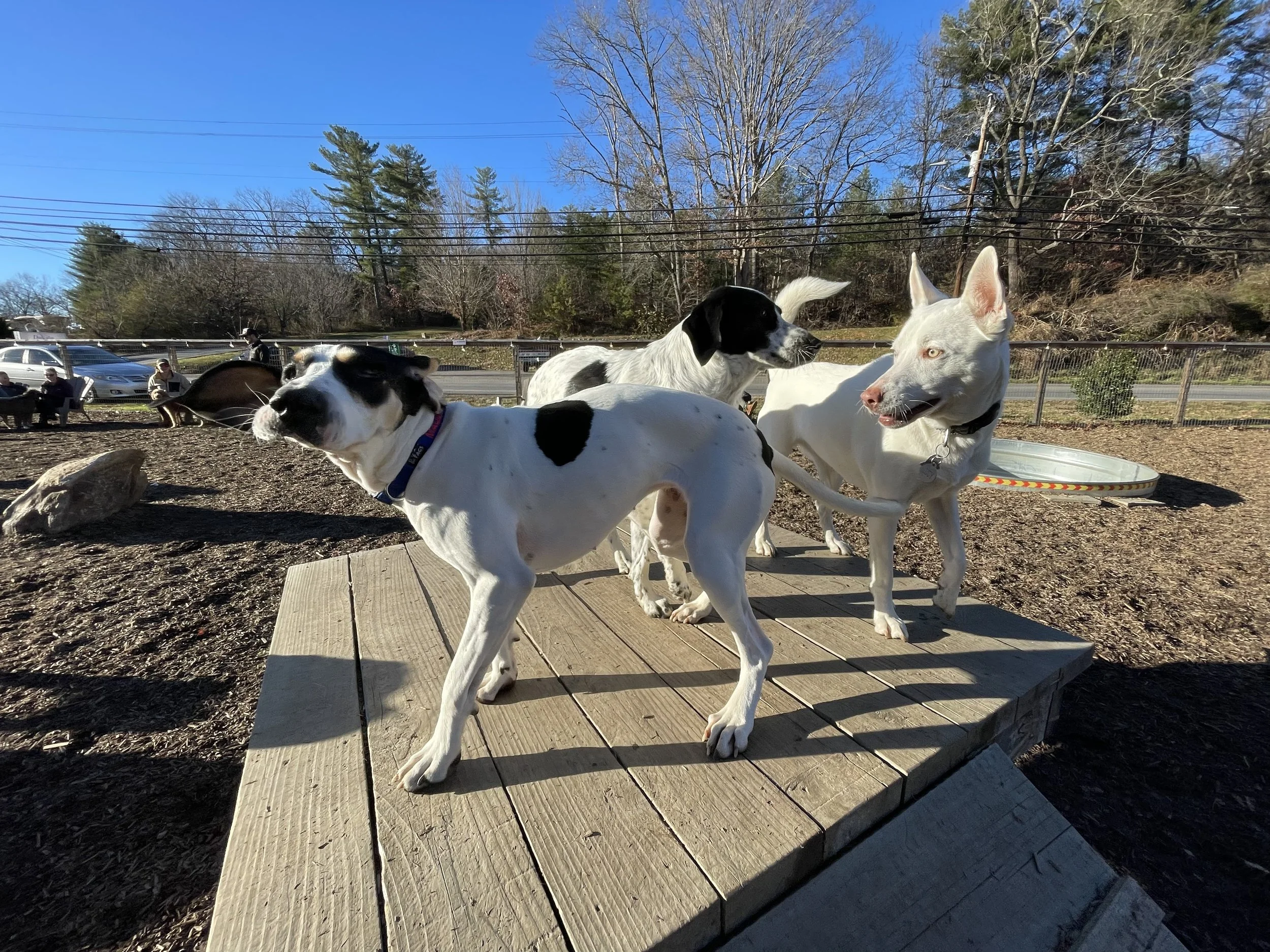
Park monitors are on the floor continuously during operating hours. Their primary job is reading the group — watching for early tension signals between dogs, noticing when a usually social dog is behaving unusually, being close enough to intervene before a situation escalates rather than after it. This requires genuine knowledge of dog behavior, not just a willingness to be present. The dog park behavior guide covers what park monitors are actually trained to watch for, but the real development happens over weeks of time on the floor.
Wagbar's zero-tolerance policy for aggressive behavior means that when a dog demonstrates repeated aggression, the owner is asked to leave and membership may be revoked. Those conversations happen. They're uncomfortable. Handling them professionally — firmly but without hostility, clearly but without escalating — is a management skill that doesn't come automatically and gets better with experience.
Owners need to understand the dog behavior layer well enough to support and develop their park staff, even if they're not personally running the park on every shift. Arriving at the training week with some study behind you — of dog body language, of group play dynamics, of how to read warning signs before they become incidents — makes the week meaningfully more productive.
Running the Bar Alongside the Park
The bar program at a Wagbar location runs parallel to the park. On any given shift, there's a bar side staffed with people handling drinks, and a park side staffed with people monitoring play. Those two sides need to communicate and function together without either one creating a gap.
The bar itself — draft beer, craft and domestic cans, wine, cider, hard seltzer, non-alcoholic options — isn't operationally complex. It's a beverage service operation, not a full kitchen or a craft production facility. But it requires the same attention to responsible service standards, the same inventory management discipline, and the same quality of customer interaction that any bar does.
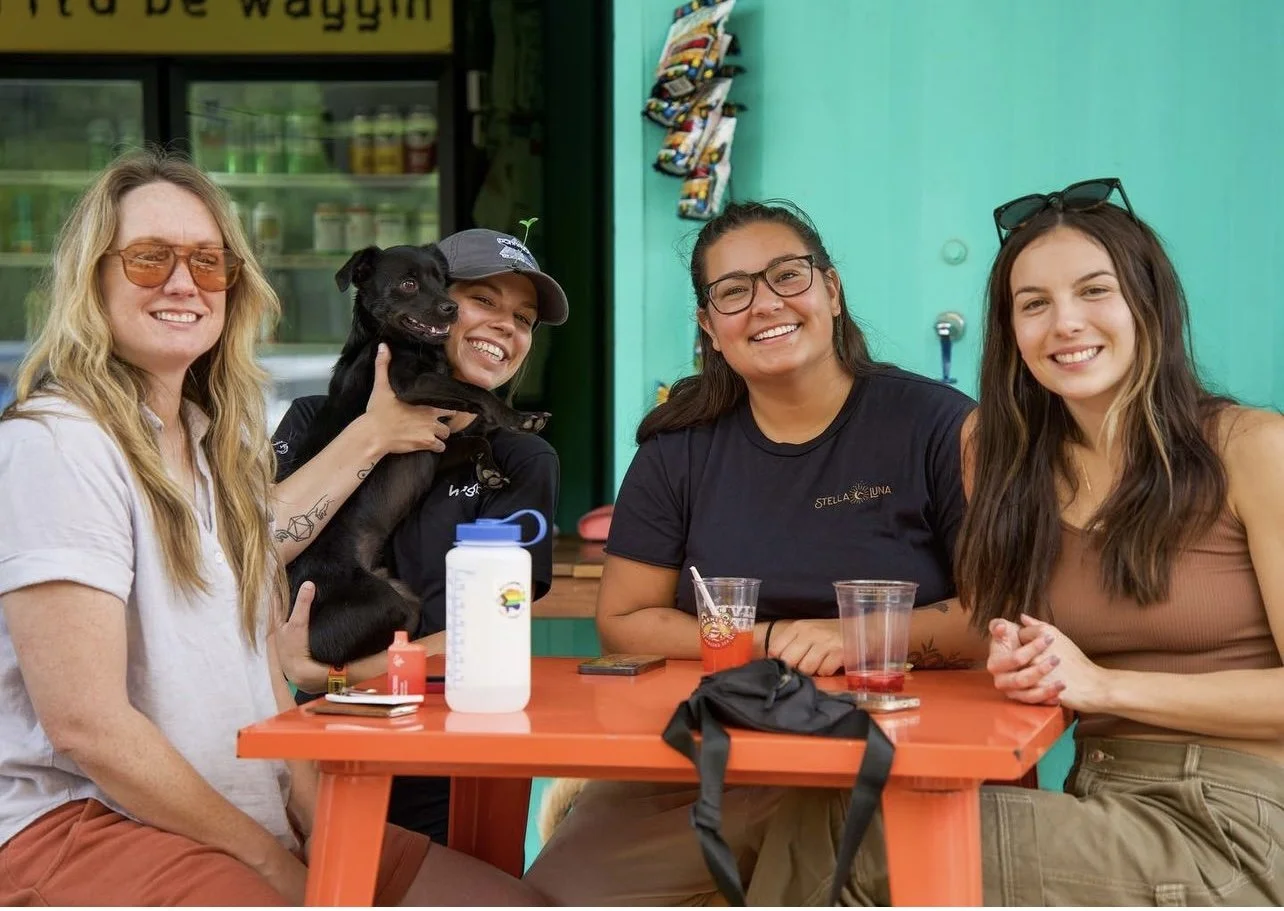
The specific challenge at a dog bar is that the bar team is also interacting with a customer base that is primarily focused on their dogs in the park. Someone who's been watching their dog play for an hour has had a different experience than a standard bar customer. They're engaged, often happy, and frequently interested in talking about their dog or the other dogs they've just watched. The bar staff who lean into that dynamic rather than treating it as noise around a beverage transaction tend to produce much better customer experiences.
What Busy Days Actually Feel Like
A busy Saturday at a well-established Wagbar location is a genuinely high-energy environment. Multiple dogs in the park at once, a line at the bar, customers coming in and out, staff managing multiple things simultaneously, and owners circulating between the gate, the park, and the bar.
It's not chaos if it's well-organized. But it's fast. Decisions happen in real time. A dog altercation in the park requires immediate response while the bar is also running. A staff member who calls out sick on a busy afternoon requires coverage decisions that have to be made quickly. A customer complaint about a membership issue needs to be resolved without pulling too much attention away from the operational floor.
Owners who have experience with high-traffic customer-facing environments adapt to this rhythm faster than those who haven't. The physical component is also real — this is not a desk job. Operating days involve being on your feet, moving between areas of the venue, and managing physical tasks alongside customer and staff interactions.

The Membership Work That Happens Every Day
The financial stability of a Wagbar location depends on membership growth and retention. That work happens throughout the day, not in a dedicated block.
Every day pass customer is a potential member. The conversion from day pass to membership doesn't require a sales pitch — it requires the kind of genuine engagement that makes someone want to come back. When an owner or staff member takes the time to learn a dog's name on the first visit, remember it on the second, and create the experience of being part of something rather than just paying for access, the membership conversation becomes natural rather than transactional.
Membership retention is less visible but equally important. Members who stop coming — even paid-up members who have simply drifted — are a signal. Something in the experience wasn't sticky enough to keep them returning. Building the community that makes membership feel like belonging requires consistent owner presence, event programming that gives regulars reasons to show up beyond their routine visits, and the kind of interpersonal attention that builds relationships over time.
The community building approach that makes dog bar locations financially durable is not a passive process. It happens through daily, concrete actions — and it's primarily driven by the owner's own engagement during the first year.
What Closing Looks Like
The end of an operating day has its own set of tasks: bar closing procedures, park cleanup, final waste removal, water station maintenance, inventory notes, POS reconciliation for the day's sales. Staff checkout. Any issues from the day that need to be documented or followed up.
Owners who stay involved in closing during the early months understand the operational picture more completely than those who leave early. What the bar actually sold each day, what the park looked like when the last dog left, what a member brought up on their way out — that information is useful for running the business, and it's information that gets lost if the owner isn't there to collect it.
What Nobody Tells You Before Day One
Some days, a dog incident will be the first hard thing you deal with. Dogs interact unpredictably sometimes. An incident between two dogs is not a failure of your venue — it's an operational reality of supervised group play. How your staff responds to it, how you communicate with the owners involved, and how you document it for the record matters. Having clear protocols before the first incident means you're not making them up under pressure.
Staff turnover in the first year is likely. Not guaranteed, but statistically probable. Hourly hospitality positions have high turnover rates across the industry. Building a staff culture where good people want to stay — where the work is taken seriously, where expectations are clear, and where the owner is present and engaged rather than absent and critical — reduces turnover. But some turnover is structural, and owners who treat every departure as a personal failure tend to manage through it less effectively than those who treat it as a normal operating challenge.
Owner presence matters more in year one than at any other time. The business's culture, reputation, and membership community are being built from scratch. That work requires the owner to be there — at the gate, on the floor, at the bar, in the conversations with regulars. Owners who reduce their presence early, expecting operations to sustain themselves, tend to see slower membership growth and weaker community development than those who invest themselves in the venue during the critical early months.
The days when everything goes right are genuinely great. That part of the highlight reel is real. A weekend afternoon when the park is full, the bar is busy, regular members are catching up while their dogs play, and new people are discovering the venue for the first time — that experience is what the business is actually built around. It doesn't make the hard days easier, but it's a real and reliable part of what running a Wagbar involves.
Frequently Asked Questions
How many staff members does a typical Wagbar location need?
It varies by location size and hours, but most locations operate with a combination of park monitors and bar staff across shifts. The staffing and operations guide covers the staffing structure and the distinct hiring profiles for park and bar roles. Building a strong assistant manager early is the most important staffing decision most new owners make.
How physically demanding is running the venue?
On a day-to-day basis, more demanding than a desk job, less demanding than a construction site. You're on your feet for most of an operating day, moving between areas of the venue, and handling physical tasks like park maintenance and supply management alongside customer and staff interactions. New owners who haven't worked in a physical customer-facing environment for a while typically adjust within the first few weeks.
What do you do when a dog fight happens?
Wagbar's protocols for dog altercations are covered in the training week. The short version: staff are trained to intervene quickly and safely, separate dogs involved, assess any injuries, communicate with the owners of all dogs involved, document the incident, and make the call on whether either dog's membership should be reviewed under the zero-tolerance policy. Having staff who are trained and confident in those protocols — rather than staff who freeze or escalate the situation — is one of the most important outcomes of the park monitor training.
Can the business run without the owner on-site every day?
Yes, eventually — once operations are stable, staff is trained and trusted, and an assistant manager has the skills to run a shift independently. In the first year, owner presence is typically more important than at any other point. The bar for "running without you" rises and falls with how well you've built the operational infrastructure and staff capability during the early period.
What does a typical week look like for a Wagbar owner versus a typical operating day?
An operating day is primarily floor-level: gate, park, bar, customers, staff management. A week also includes financial review, scheduling, vendor management, membership follow-up, event planning, and marketing. The balance shifts over time — more floor time early, more management time as operations stabilize. Owners who are honest with themselves about which part they're most naturally suited for tend to hire better for the gaps.
Running a Wagbar is genuinely rewarding work. It's also physical, fast, sometimes stressful, and nothing like a corporate job. The people who thrive in it are those who went in with clear eyes — who understood what the day actually looks like, decided it was what they wanted, and built the operational foundation to support it.
If that picture resonates, the Wagbar franchising page is the right next step.
Bottom TLDR: Running a Wagbar day-to-day means managing gate operations, park supervision, bar service, and membership development simultaneously — often at high pace and with real-time decision-making under pressure. The work is physical and owner presence is critical in year one. It's genuinely rewarding for people who went in with clear expectations. Get the full picture at the Wagbar franchising page.