
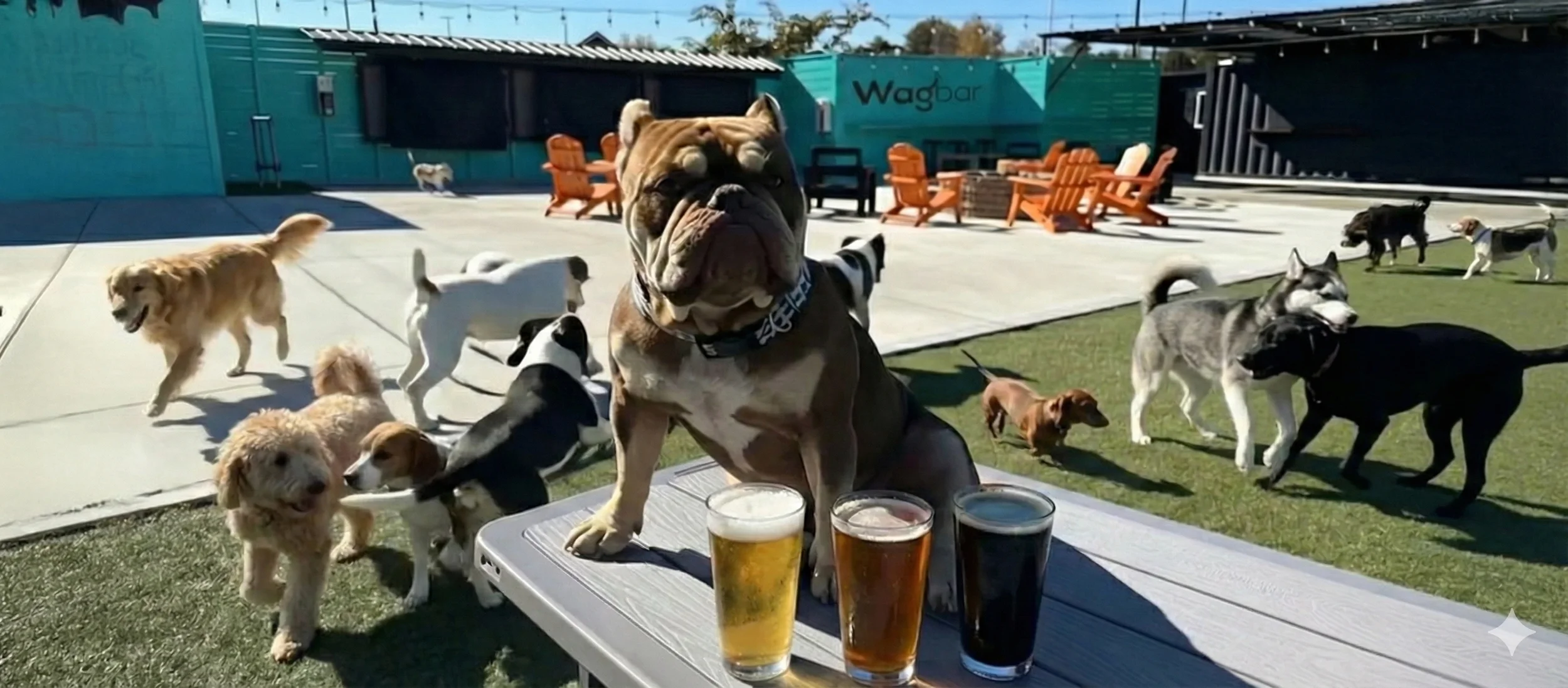
Knoxville Dog Parks Guide: From Traditional Parks to WagBar's Social Experience
If you've ever searched "dog parks near me" at 6pm on a Tuesday, desperately trying to find somewhere your dog can actually run off-leash after being cooped up all day, you know the Knoxville dog park landscape intimately. You know which parks have decent fencing and which ones make you nervous. You know which neighborhoods have the nicest facilities and which parks are basically just dirt lots with questionable maintenance. You've probably developed strong opinions about parking, shade availability, and whether the other dogs there play nicely with yours.
Knoxville's dog park scene has grown significantly over the past decade, reflecting the city's increasing pet-friendliness and recognition that dogs need space to run, play, and socialize off-leash. From well-maintained municipal facilities to neighborhood parks tucked into residential areas, the options span a wide spectrum of quality, amenities, and experiences.
This guide covers everything you need to know about dog parks in Knoxville—the traditional municipal options, the hidden gems, the seasonal considerations, and how WagBar's supervised off-leash experience fits into the broader landscape of dog-friendly recreation in East Tennessee.
Understanding Knoxville's Dog Park Landscape
Knoxville and Knox County maintain roughly 15 designated off-leash dog parks scattered across the area, plus countless regular parks where leashed dogs are welcome. This network represents significant public investment in dog-friendly infrastructure, and understanding how these spaces work helps you make informed choices about where to take your dog.
The Municipal Dog Park Model
Most of Knoxville's dog parks follow a similar template: fenced enclosures within larger public parks, separate areas for small and large dogs, basic amenities like waste bag stations and water access, and essentially no supervision or active management beyond periodic maintenance.
This model works on the assumption that responsible dog owners will self-police the space—picking up waste, managing their dogs' behavior, and leaving when problems arise. In practice, this works sometimes, fails spectacularly other times, and usually lands somewhere in between.
The quality of your experience at municipal dog parks depends almost entirely on who else shows up that day. Arrive when thoughtful, engaged dog owners with well-socialized dogs are present, and you'll have a great time. Show up when inattentive owners with poorly behaved dogs dominate the space, and you'll be back in your car within ten minutes.
This unpredictability is the fundamental challenge with free public dog parks. No one's monitoring behavior, enforcing rules, or curating the experience. It's democratic in the sense that anyone can access the space, but that democracy comes with inherent risks and inconsistency.
Geographic Distribution
Knoxville's dog parks spread across the city and county, though distribution isn't perfectly uniform. Some neighborhoods have excellent nearby options while residents of other areas face longer drives to reach quality facilities.
West Knoxville and Farragut tend to have newer, better-maintained facilities reflecting those areas' demographics and municipal budgets. North Knoxville has several options but quality varies significantly. South Knoxville and East Knoxville have fewer dedicated dog parks, though this is slowly improving as development expands.
This geographic inequality means your home location significantly impacts your dog park experience. Living ten minutes from an excellent facility creates different patterns than living 25 minutes from the nearest mediocre option.
Amenity Variations
Not all dog parks are created equal when it comes to amenities. The baseline—fencing, waste bags, and water—exists at most locations, but beyond that, offerings vary widely.
Some parks feature agility equipment, benches with shade structures, separate areas for different sized dogs, double-gated entries for safety, and regular maintenance schedules. Others offer little beyond the bare minimum—a fence around grass or dirt with a trash can and maybe a water spigot.
Parking quality matters more than you'd think. Parks with dedicated, adequate parking create much better experiences than those where you're circling for spots or parking far from the dog area.
Shade availability becomes critical during summer months. Parks with mature trees or shade structures remain usable even during hot weather, while those in full sun become dangerously hot from June through August.
The urban dog living challenges that Knoxville residents face often center around finding adequate space and facilities for dogs to exercise safely, making the quality and accessibility of local dog parks essential considerations.
Operating Hours and Rules
Most municipal dog parks operate from dawn to dusk year-round, though specific hours may vary by location. A few offer lighting for extended evening hours, but most close when natural light fades.
Standard rules apply across nearly all parks: dogs must be leashed entering and exiting, owners must clean up waste, aggressive dogs must be removed, and dogs must be current on vaccinations (though verification typically operates on the honor system).
Some parks restrict access by dog size during certain hours—large dogs might have dedicated times separate from small dogs, or vice versa. These schedules aim to improve safety but add complexity to planning visits.
Seasonal Considerations
Knoxville's relatively mild climate allows year-round dog park use, but conditions vary significantly by season. Summer heat limits comfortable visit times to early morning or evening. Winter cold rarely prevents access but does reduce attendance dramatically.
Spring and fall offer ideal conditions—moderate temperatures, pleasant weather, and peak attendance as everyone returns after summer heat or winter hibernation. These seasons also bring mud issues after rain, particularly at parks with grass rather than gravel or artificial surfaces.
Weather-related closures occasionally occur after heavy rain when grounds become too muddy or unsafe, though most parks remain technically open regardless of conditions.

Complete Guide to Knoxville's Municipal Dog Parks
Let's walk through the major dog parks in Knoxville and Knox County, covering what makes each unique, what amenities they offer, and what kind of experience you can expect. This isn't every single fenced dog area in the region—neighborhood pocket parks and HOA facilities exist beyond this list—but these represent the primary public options.
Tommy Schumpert Park Dog Park
Located in West Knoxville off Kingston Pike, Tommy Schumpert offers one of the area's most popular and well-maintained facilities. The park features separate fenced areas for large and small dogs, double-gated entries for safety, shade structures, benches, and generally good maintenance.
The large dog area provides substantial space for running and playing, with enough room that dogs can spread out rather than clustering near the entrance. This space reduces tension and allows dogs to choose their engagement level—critical for dogs who need more personal space.
Parking is adequate though it fills quickly on pleasant weekend mornings. The dog park sits relatively far from the parking lot, requiring a short walk that can be challenging if your dog is extremely excited or if you're managing multiple dogs.
The regular crowd at Tommy Schumpert tends toward engaged owners with well-socialized dogs, particularly during morning hours. This doesn't guarantee positive experiences—any public park can have off days—but the baseline community culture skews responsible.
Summer heat limits comfortable afternoon visits. The shade structures help but don't cover enough of the space to make midday summer visits pleasant. Plan morning or evening visits June through August.
Victor Ashe Park Dog Park
Also in West Knoxville, Victor Ashe's dog park offers similar amenities to Tommy Schumpert with some notable differences. The facility is newer with better drainage, making it more usable after rain. The layout provides good sight lines allowing owners to track their dogs easily.
The separate small and large dog areas both offer adequate space, though the small dog section is smaller relative to the large dog area than at some parks. Water stations are well-maintained, and the waste bag dispensers are consistently stocked.
Parking is excellent with dedicated spaces near the dog park entrance. This convenience factor makes Victor Ashe particularly appealing for quick visits when you don't want to deal with parking complications.
The neighborhood surrounding Victor Ashe skews toward families and young professionals, and the dog park crowd reflects this demographic. Expect a mix of breeds, ages, and energy levels with generally responsible ownership.
William Hastie Natural Area Dog Park
Located near UT's campus, Hastie's dog park serves university-adjacent neighborhoods and tends to attract younger owners, often students or recent graduates. The facility itself is more modest than West Knoxville options—smaller areas, fewer amenities, more basic maintenance.
What Hastie lacks in polish it compensates for with accessibility and convenience for nearby residents. If you live in North Knoxville or near campus, Hastie provides neighborhood-level access without driving across town.
The student population creates interesting dynamics. You'll often find enthusiastic young owners who genuinely love their dogs but may lack experience managing behavior or reading canine body language. This isn't necessarily problematic, but it does mean you might need to be more proactive managing your dog's interactions.
Parking can be challenging during academic year weekdays. Plan accordingly if you're visiting during peak times.
New Harvest Park Dog Park
Located in South Knoxville, New Harvest offers one of the area's largest dog parks with substantial space for running and playing. The facility includes separate areas for different sized dogs, adequate parking, and basic amenities.
The sheer size of New Harvest's dog area is its biggest selling point. Dogs with high exercise needs can really stretch their legs here, making it particularly appealing for working breeds, sporting breeds, and high-energy dogs who need serious running space.
The trade-off for this space is less intensive landscaping and shade. New Harvest's dog park feels more utilitarian than polished, which some owners prefer and others find less appealing.
The South Knoxville location means less crowding compared to West Knoxville facilities, particularly during peak times. This reduced density can be positive or negative depending on whether you want bustling social atmosphere or quieter play opportunities.
Concord Park Dog Park
Situated in West Knoxville, Concord's dog park offers moderate size with decent amenities including separate areas by dog size, shade trees, benches, and water access. The park's residential setting creates a neighborhood feel with many regular attendees from surrounding subdivisions.
Concord's community culture tends toward established routines—regulars visit at predictable times, know each other's dogs, and have developed informal social networks. This can feel welcoming if you become a regular but might feel slightly cliquish as a first-time visitor.
The facility maintenance is generally good though not as intensive as Victor Ashe or Tommy Schumpert. Expect functional but not particularly fancy amenities.
Parking is adequate with easy access from the main road. The residential location means less through traffic and a generally calmer atmosphere compared to parks within larger recreation complexes.
Fountain City Dog Park
Located in the Fountain City area north of downtown, this park serves North Knoxville neighborhoods with a small but functional facility. The space is modest compared to larger parks, which can be either positive or limiting depending on your dog's needs and your priorities.
Smaller size means fewer dogs present at any given time, reducing stimulation levels for dogs who become overwhelmed in chaotic environments. It also means less space for high-speed running games and fetch.
The Fountain City facility feels truly neighborhood-oriented—you'll often see the same faces repeatedly, and the atmosphere skews toward locals making quick visits rather than destination park-goers coming from across the city.
Amenities are basic but adequate. Don't expect anything fancy, but the essentials are present and reasonably maintained.
Sequoyah Hills Park Dog Area
This smaller facility in the upscale Sequoyah Hills neighborhood offers limited space but serves nearby residents well. The park sees less use than larger facilities simply due to its modest size and residential location.
What Sequoyah Hills lacks in size it compensates for with maintenance and neighborhood pride. The surrounding community keeps the facility clean and relatively well-maintained compared to some larger but more heavily used parks.
The small space makes this park better suited for smaller dogs or for owners seeking quieter, less stimulating environments rather than chaotic multi-dog play sessions.
Access is straightforward with residential street parking. The neighborhood's walkability means many users arrive on foot rather than driving, creating a particularly local feel.
Karns Community Dog Park
Located in the Karns area northwest of Knoxville, this facility serves outlying suburban neighborhoods. The park offers moderate size with basic amenities suited to community needs.
Karns attracts fewer visitors than centrally-located parks, making it appealing for owners seeking less crowded experiences. Weekend mornings might have modest attendance while weekday afternoons could be nearly empty.
The facility's suburban setting means more space and less urban density, which some dogs prefer. The trade-off is longer drives for residents of other areas and fewer amenities compared to larger municipal parks.
Maintenance follows standard municipal schedules. Expect functional but not exceptional upkeep with basic amenities that meet needs without exceeding them.
Hardin Valley Community Park
Located in rapidly growing Hardin Valley area west of Knoxville, this newer facility reflects the area's development and investment in community amenities. The dog park offers substantial space, modern design, and quality construction.
Hardin Valley's newness means better condition than older facilities, though this also means less mature landscaping and shade. As trees grow over coming years, the facility will improve significantly.
The area's demographic skews toward young families and professionals, and the dog park crowd reflects this population. Expect a mix of breeds and ages with generally responsible ownership typical of newer suburban developments.
Parking is excellent given the park's overall size and modern design that prioritized adequate space for all park amenities including the dog area.
Pellissippi State Park Area
This less-formal dog area near Pellissippi State Community College serves the surrounding area with basic fenced space. The facility is modest in scope and amenities but fills a need for nearby residents.
Expect minimal amenities beyond fencing and perhaps waste bag stations. This utilitarian approach works fine for neighborhood-level access but doesn't create destination park appeal.
College proximity means potential for student visitors with varying experience levels managing dogs. This isn't inherently problematic but does mean you should stay particularly attentive to interactions and dynamics.
Farragut Area Dog Parks
The Town of Farragut maintains multiple smaller dog parks serving different neighborhoods throughout the area. These facilities vary in size and amenities but generally reflect Farragut's investment in quality community infrastructure.
McFee Park includes a dog park area with decent space and amenities. The facility serves western Knox County residents and maintains good standards typical of Farragut parks.
Other Farragut locations offer more modest facilities but still provide functional neighborhood access. The town's commitment to maintenance means even smaller facilities stay in decent condition.
Knox County Rural Areas
Several less-formal dog parks exist in rural Knox County, often associated with greenway systems or rural community parks. These facilities typically offer larger spaces with more natural settings but fewer formal amenities.
Rural locations mean longer drives for most Knoxville residents but can provide pleasant alternatives to busier suburban parks. The natural settings and typically lower attendance create different experiences than urban facilities.
Maintenance at rural locations tends to be less intensive—expect more natural conditions with basic facilities rather than heavily landscaped parks with numerous amenities.
Comparing Municipal Parks to WagBar's Supervised Experience
Understanding how WagBar differs from traditional municipal dog parks helps you make informed decisions about which option best serves your needs on any given day. Both have value, but they're fundamentally different experiences.
Supervision and Safety
Municipal parks operate on self-policing model—no staff monitor interactions, enforce rules, or intervene in developing situations. You're entirely responsible for watching your dog and managing any issues that arise.
WagBar employs trained staff who actively monitor all dog interactions, understanding canine body language, recognizing escalating situations, and intervening appropriately. This creates fundamentally different safety dynamics.
At municipal parks, your dog's safety depends on every other owner present making responsible choices and managing their dogs competently. One inattentive owner with a poorly socialized or aggressive dog can ruin experiences or create dangerous situations.
At WagBar, staff supervision provides safety buffer that municipal parks can't match. Problems get addressed before they escalate, rough play gets redirected, and dogs struggling with the environment receive appropriate interventions.
The dog park behavior management approaches that WagBar employs through trained staff create consistently safer environments compared to unsupervised public facilities where behavior management falls entirely on individual owners.
Entry Requirements and Accountability
Municipal parks typically require nothing beyond showing up. No vaccination verification, no behavioral screening, no accountability beyond general public behavior expectations.
WagBar requires vaccination verification, discloses aggressive behavior history, enforces spay/neuter requirements, and maintains membership records creating accountability. Every dog and owner has been vetted to basic standards.
This difference fundamentally changes risk calculations. At municipal parks, you have no idea whether the dogs present are current on vaccinations, have aggression histories, or meet any behavioral standards. At WagBar, you know minimum requirements have been met.
Membership structure also creates ongoing accountability. Municipal park visitors have no relationship with the facility and face no consequences for poor behavior beyond potential citations for violations. WagBar members can lose membership privileges for repeated problems, creating incentive to maintain standards.
Amenities for Humans
Municipal parks offer benches. Maybe picnic tables. Perhaps a shade structure if you're lucky. That's typically the extent of human amenities.
WagBar provides actual bar service with craft beers, wine, seltzers, and non-alcoholic options. Covered seating areas with fans and heaters. Rotating food trucks serving quality meals. Bathrooms. The infrastructure that transforms "taking the dog to the park" from obligation into legitimate recreation.
This difference shouldn't be underestimated. The ability to order a drink, settle in comfortably, and actually enjoy yourself while your dog plays changes the entire experience from vigilant supervision to genuine relaxation.
Social Atmosphere
Municipal parks create awkward social dynamics. Everyone's there for dogs but also warily watching for problems, making tense small talk while ready to grab their dog at any moment. Genuine community rarely forms beyond polite acquaintances.
WagBar's design intentionally facilitates community building. The bar atmosphere, comfortable seating, regular events, and membership structure encourage real relationships among dog owners who share space and values.
Regular members develop actual friendships, coordinate visits, help each other, and build community that extends beyond the facility itself. This social richness emerges from WagBar's design while remaining elusive at most municipal parks.
Weather Considerations
Municipal parks offer no weather protection beyond perhaps a shade structure or trees. Hot days, cold days, and rainy days make visits unpleasant or unsafe with no alternatives.
WagBar's covered seating areas and bar service make visits comfortable across broader weather conditions. Dogs can play in light rain while owners stay dry. Summer heat becomes manageable with fans and cold drinks. Winter visits feel less miserable with heaters and hot beverages.
This weather resilience means more consistent usage patterns. Municipal parks see dramatic attendance drops during less-than-perfect weather, while WagBar maintains steadier participation across seasons.
Cost Considerations
Municipal parks are free. This is their most compelling advantage and the reason they'll always serve important roles in community infrastructure.
WagBar requires membership or day pass fees. This cost creates barrier to entry that municipal parks don't have, though the fees are modest compared to other dog care expenses and recreational activities.
The value calculation depends on what you prioritize. If budget is primary concern and you're comfortable managing risks and accepting inconsistent experiences, municipal parks might be better choice. If you value supervision, amenities, consistency, and social atmosphere enough to pay for them, WagBar delivers clear value.
When to Choose Each Option
Municipal parks work well for:
Quick nearby exercise sessions when convenience matters most
Budget-conscious owners who can't justify membership fees
Dogs who do fine in unsupervised environments without issues
Owners who enjoy traditional dog park atmosphere and don't want bar setting
Situations where WagBar's hours or location don't work for your schedule
WagBar works better for:
Owners prioritizing supervised safety over free access
Dogs who've had negative experiences at unsupervised parks
People wanting social atmosphere and amenities beyond basic dog exercise
Those valuing consistency and predictability over free but variable experiences
Owners willing to invest in premium experiences for themselves and their dogs
Many Knoxville dog owners use both municipal parks and WagBar for different purposes rather than treating them as either-or choices. Municipal parks handle quick daily exercise needs while WagBar serves as weekly or twice-weekly social outings offering richer experiences worth the membership investment.
Weather-Proof Dog Play: Seasonal Strategies
Knoxville's four-season climate creates varying conditions for outdoor dog activities year-round. Understanding how weather affects different dog park options and how to adapt your approach ensures your dog gets consistent exercise and socialization regardless of conditions.
Summer Heat Management
Knoxville summers bring oppressive heat and humidity that limit safe outdoor activity, particularly during midday hours. Municipal dog parks become dangerous from late morning through early evening during June, July, and August.
Early morning visits (before 9am) and evening visits (after 7pm) become essential during summer months. Ground temperatures, sun exposure, and ambient heat all moderate during these windows, making outdoor play safer.
Watch for heat stress signs: excessive panting, slowed movement, drooling, confusion, or reluctance to continue playing. Dogs can develop heat exhaustion or heat stroke quickly in hot weather, and not all dogs recognize when they need to stop.
Provide abundant water and encourage drinking breaks. Most municipal parks have water stations, but bring additional water if supply is questionable. Some dogs need active encouragement to drink during play.
Limit visit duration during hot weather. Even during cooler morning or evening hours, summer conditions mean shorter visits are appropriate. Thirty minutes to an hour provides adequate exercise without risking overheating.
Consider completely avoiding outdoor dog parks during extreme heat warnings or when temperatures exceed certain thresholds. Your dog's safety matters more than maintaining consistent park visits.
WagBar's covered seating areas, fans, and bar service make summer visits more comfortable for humans even during hot weather, though dogs still face same heat challenges in the play area. The supervision means staff watch for heat stress and can require cooling breaks or early departures when dogs show concerning signs.
Winter Weather Strategies
Knoxville winters are relatively mild compared to northern climates, but cold temperatures, occasional snow, and frequent rain create challenges for outdoor dog activities.
Most dogs handle cold reasonably well during active play—movement generates body heat. The bigger issue is standing around in cold weather while your dog plays, which is miserable without adequate preparation.
Dress in layers yourself. You'll be outside for extended periods during visits, and inadequate clothing makes you want to leave before your dog is ready. Bring gloves, hats, and appropriate footwear for winter conditions.
Some dogs—particularly small breeds, short-coated breeds, and senior dogs—need clothing for winter outdoor time. Sweaters or coats keep them comfortable during cold weather visits.
Watch for ice in parking areas and around dog park entrances. Winter hazards affect humans more than playing dogs, but falls carrying bags or managing excited dogs create real injury risk.
Municipal park maintenance often declines during winter months. Expect less frequent waste removal, maintenance issues, and potentially muddy or slushy conditions that make visits less pleasant.
WagBar's heaters, covered seating, and hot beverage service make winter visits dramatically more comfortable than municipal parks. Owners can stay warm while dogs play, removing the misery factor that keeps many people from visiting traditional parks during cold months.
Spring and Fall Ideal Conditions
March through May and September through November offer Knoxville's best weather for outdoor dog activities. Moderate temperatures, lower humidity, and generally pleasant conditions make these peak seasons for dog park attendance.
Expect crowding at popular municipal parks during beautiful spring and fall weekends. Pleasant weather brings everyone outside simultaneously, meaning competition for space and potentially overwhelming numbers of dogs at busy facilities.
Consider visiting less popular parks or off-peak times during ideal weather months. Early weekday mornings or late afternoons often provide pleasant experiences with moderate crowds rather than overwhelming chaos.
Spring brings mud challenges after rain. Knoxville's clay soil creates thick, sticky mud that gets everywhere. Many municipal parks lack adequate drainage or ground cover, leading to muddy messes during wet spring weather.
Fall offers most consistent pleasant conditions with fewer rain issues than spring. September and October particularly provide ideal temperatures, lower precipitation, and beautiful weather that makes outdoor activities genuinely enjoyable.
Seasonal attendance patterns affect social dynamics. Spring through fall brings casual visitors who appear occasionally during nice weather, while winter attendance consists mostly of committed regulars. This affects community cohesion and predictability of who you'll encounter.
Rain Day Alternatives
Knoxville averages significant rainfall distributed throughout the year. Finding indoor or covered alternatives for rainy days ensures your dog maintains exercise and socialization routines regardless of weather.
Unfortunately, Knoxville lacks true indoor dog parks comparable to facilities in larger cities. A few private training centers offer limited indoor play areas or rent their facilities for private play sessions, but comprehensive indoor off-leash facilities don't currently exist.
WagBar's covered seating areas allow humans to stay dry during light rain while dogs play, though heavy downpours still create challenging conditions. The bar service and social atmosphere make waiting out passing showers more pleasant than sitting in your car at municipal parks.
Some creative alternatives for rain days include:
Indoor training sessions or trick training to provide mental stimulation
Mall walking or indoor spaces allowing leashed dogs for socialization exposure
Puzzle toys and feeding games for indoor enrichment
Short, quick potty breaks with toweling off rather than extended outdoor time
DIY indoor obstacle courses using household items
The creative urban dog exercise approaches that city dwellers employ can help maintain your dog's physical and mental stimulation during weather that prevents normal outdoor activity.
Seasonal Health Considerations
Different seasons bring specific health risks requiring attention:
Summer: Heat stroke, dehydration, paw pad burns from hot pavement, increased parasite activity (fleas, ticks, mosquitoes)
Fall: Cooler weather sometimes masks dehydration risks, seasonal allergies, transitioning tick activity before first frost
Winter: Hypothermia risk for certain dogs, ice melt chemical exposure on paws, reduced water intake leading to dehydration
Spring: Peak parasite emergence, allergies, vaccination updates before summer socialization
Year-round: Maintain current vaccinations, parasite prevention, and regular veterinary care regardless of which dog parks or recreation options you use.
Fenced Dog Parks and Safety Considerations
Secure fencing makes off-leash dog parks possible, but not all fencing is created equal. Understanding what makes dog park fencing effective helps you assess safety at different facilities and recognize potential risk factors.
Fencing Standards and Variables
Quality dog park fencing should be at least 4-6 feet high to prevent jumping or climbing escapes. Height requirements vary based on dog breeds and athletic abilities—facilities serving areas with many agile or large breeds need taller fencing.
Chain link remains the most common fencing material for dog parks due to cost-effectiveness and durability. The visibility through chain link also allows dogs to see beyond the enclosure, reducing barrier frustration some dogs experience with solid fencing.
Fence condition matters enormously. Well-maintained fencing with tight connections, no gaps, secure gates, and regular inspections prevents escapes and injuries. Deteriorating fencing with loose connections, gaps under fence lines, or broken sections creates dangerous situations.
Double-gated entries provide critical safety feature that prevents dogs from bolting out when gates open. The buffer zone between inner and outer gates allows people and dogs to enter/exit safely without direct path to parking areas or roads.
Some facilities use double fencing between small and large dog areas. This prevents dogs from interacting through single fence lines, which can trigger barrier frustration and fighting.
Common Fencing Issues
Even well-maintained facilities can develop fencing problems requiring attention:
Gaps under fence lines emerge as ground settles or dogs dig. These gaps allow small dogs to squeeze underneath or create opportunities for digging escapes. Regular inspection and filling gaps with gravel or barriers prevents this issue.
Gate hardware loosens over time from repeated use. Latches that don't secure properly or gates that don't close completely create escape risks and defeat the purpose of containment.
Fence line vegetation can create gaps or climbing opportunities. Bushes, vines, or tree branches near fencing allow dogs to climb or create weak points in the barrier.
Rust and corrosion weaken chain link over time, particularly in humid climates like Knoxville's. Regular maintenance should address rust before it compromises structural integrity.
Damage from vehicle impacts or vandalism requires prompt repair. Even small fence damage can expand quickly as dogs test weak points.
Assessing Safety at Unfamiliar Parks
When visiting a new dog park, take a few minutes to assess fencing before entering:
Walk the perimeter checking for gaps, damage, or weak points. Pay particular attention to corners and gates where problems commonly develop.
Test gate latches to ensure they close securely and latch properly. If gates don't secure firmly, reconsider whether to enter.
Look for obvious escape routes—gaps under fencing, damaged sections, or areas where determined dogs could potentially breach.
Check double-gate functionality if present. Both gates should close and latch properly with adequate space between them for safe transitions.
Observe how current visitors manage gates. If people routinely prop gates open or fail to secure latches, the facility culture may create risks even with good infrastructure.
When Fencing Creates Problems
Secure fencing is generally positive, but certain design choices or conditions can create issues:
Solid fencing prevents visual assessment of the environment before entering. You can't see whether aggressive dogs or chaotic conditions exist inside until you're committed to entry.
Single-layer fencing between dog areas allows barrier frustration and fence fighting. Dogs who wouldn't fight face-to-face sometimes become aggressive when separated by fencing.
Inadequate sight lines within enclosed spaces mean you can't monitor your dog effectively. Fencing configurations that create blind spots require you to move frequently to maintain visual contact.
Poorly placed fencing creates bottlenecks near gates where dogs cluster. Congested entry areas increase conflict risk as multiple dogs interact in confined space.
WagBar's fencing includes double-gated entries, adequate height and structural integrity, regular maintenance, and design that facilitates supervision. The combination of quality infrastructure and staff monitoring creates multiple safety layers rather than depending entirely on fencing alone.
Emergency Preparedness
Even well-fenced facilities should have emergency protocols:
Know where exits are located and whether alternatives exist beyond the main gate. Emergency situations may require quick departure through any available route.
Keep leash readily accessible. If you need to leave quickly due to conflict or emergency, you can't rely on your dog's recall under stress.
Identify nearest veterinary emergency services before visiting new parks. Serious injuries require immediate professional care, and knowing where to go saves critical minutes.
Have emergency contact information for your dog in your phone or wallet. If you're injured and can't immediately care for your dog, someone needs to know how to reach your emergency contacts.
Consider whether your dog responds reliably to recall under distracting conditions. If not, off-leash environments create risks regardless of fencing quality.
The dog park safety protocols that responsible facilities implement go beyond just fencing to include behavioral management, supervision, emergency preparedness, and owner education.
Best Dog-Friendly Hiking Trails Around Knoxville
Dog parks aren't the only option for off-leash or leash-walking recreation with your dog. Knoxville's proximity to the Smokies and abundance of greenways and trails create excellent opportunities for hiking with dogs, though regulations and conditions vary significantly across different trail systems.
Great Smoky Mountains National Park
The Smokies offer incredible natural beauty but severely limited dog access. National Park regulations restrict dogs to paved paths, campgrounds, and overlooks—no backcountry trails, hiking paths, or wilderness areas.
The primary dog-accessible path is Gatlinburg Trail, a paved 2-mile round-trip route from Gatlinburg into the park. Dogs must remain leashed and waste must be packed out. While scenic, this single option provides minimal variety for regular visitors.
The Oconaluftee River Trail on the North Carolina side offers another paved, dog-friendly option of approximately 3 miles round-trip. Again, leash requirements apply and waste removal is mandatory.
These restrictions reflect National Park Service regulations protecting wildlife, ecosystems, and other visitors. While frustrating for dog owners, the rules apply across all national parks, not just the Smokies.
For serious hiking with dogs, look beyond National Park boundaries to surrounding Cherokee National Forest, state parks, and municipal greenways where regulations allow dogs on trails.
House Mountain State Natural Area
House Mountain provides excellent dog-friendly hiking about 15 minutes from Knoxville. The facility allows leashed dogs on all trails including the summit trail offering panoramic views.
The main trail to the summit is approximately 3.5 miles round-trip with steady elevation gain—a legitimate workout for humans and dogs. The rocky, sometimes steep terrain requires decent fitness levels and appropriate footwear.
Dogs must remain leashed throughout the facility. Waste stations exist at trailheads but not along trails, so bring bags and pack out waste.
Summer heat makes afternoon hikes challenging. Plan early morning or evening visits during hot months to avoid overheating on exposed sections of trail.
House Mountain attracts substantial crowds on pleasant weekend mornings. Expect to encounter many other hikers and dogs, which creates opportunities for socialization but also requires good leash manners.
IJams Nature Center
IJams offers extensive trail system within Knoxville city limits allowing leashed dogs on most paths. The network includes over 9 miles of trails ranging from easy boardwalks to challenging terrain.
The quarry area features unique geological formations and scenic overlooks. Trails vary in difficulty, allowing you to choose routes matching your and your dog's fitness levels.
Popular trails like Mead's Quarry Loop see heavy use, particularly during pleasant weather. Less-trafficked options exist for those seeking quieter experiences.
Dogs must remain leashed, and waste removal is mandatory. Some areas restrict dogs entirely (wildlife observation points, certain event spaces), but most trails welcome leashed dogs.
Summer swimming opportunities at Mead's Quarry allow dogs to cool off, though specific regulations and access points should be verified before visiting.
Seven Islands State Birding Park
Located about 15 minutes east of Knoxville, Seven Islands allows leashed dogs on its trail system. The park features flatter terrain compared to House Mountain, making it accessible for dogs and owners with varying fitness levels.
The trail network includes options from short loops under a mile to longer routes exceeding 3-4 miles. Choose based on your dog's energy and attention span.
Wildlife viewing opportunities abound, particularly birds given the park's designation. This can be challenging for dogs with high prey drive or reactive behavior toward wildlife.
The French Broad River borders portions of the park, offering scenic views and potential water access in designated areas. Always verify current regulations regarding dogs in water features.
Less crowded than some Knoxville trails, Seven Islands provides pleasant experiences for dogs who struggle with constant encounters on busier paths.
Knoxville Urban Wilderness
The Urban Wilderness South initiative created interconnected greenway and trail systems through South Knoxville. This extensive network allows leashed dogs on most paths, providing suburban and urban hiking options without leaving city limits.
The greenway sections offer paved, flat paths suitable for all fitness levels. More challenging single-track trails branch off providing options for greater difficulty.
Dog-friendly businesses along Urban Wilderness routes create opportunities to include stops at breweries, cafes, or shops during longer outings—assuming establishments confirm current dog-friendly policies.
Urban setting means encountering cyclists, runners, and other users sharing multi-use paths. Dogs need solid leash manners and calm demeanor around distractions.
Norris Dam State Park
About 30 minutes north of Knoxville, Norris Dam allows leashed dogs on trails including paths along Norris Lake and through wooded terrain. The park offers various difficulty levels from easy waterside paths to hillier forest trails.
Lake access provides swimming opportunities for water-loving dogs. Always verify specific access points and any seasonal restrictions before relying on water activities.
Camping facilities at Norris Dam also allow dogs in designated areas, creating weekend camping trip opportunities for dog owners.
Cove Lake State Park
Approximately 40 minutes from Knoxville near Caryville, Cove Lake welcomes leashed dogs on its trail system. The park features easier terrain generally suitable for most fitness levels.
The lake setting provides scenic views and potential water access for dogs. Wildlife viewing opportunities exist year-round, particularly waterfowl.
Less crowded than parks closer to Knoxville, Cove Lake offers pleasant experiences for dogs who do better with fewer trail encounters.
Trail Etiquette and Safety
Hiking with dogs requires specific etiquette and safety considerations:
Always leash dogs unless in designated off-leash areas (which are rare on hiking trails). Leash laws protect wildlife, other trail users, and your dog.
Yield right-of-way to other hikers, particularly those without dogs, families with small children, and horses or mountain bikes depending on trail regulations.
Keep dogs under control and close to you when passing other trail users. Not everyone is comfortable with dogs, regardless of your dog's friendliness.
Pack out all waste. Many trails lack disposal stations beyond trailheads, requiring you to carry waste bags throughout your hike.
Bring adequate water for both you and your dog. Assume natural water sources may be unsafe or inaccessible.
Know your dog's fitness limits and recognize signs they need rest or are struggling with terrain or conditions.
Protect your dog's paws on rough terrain. Consider booties for rocky trails, hot pavement, or challenging surfaces.
Seasonal Guide to Enjoying Knoxville Dog Parks Year-Round
Different seasons create different opportunities and challenges for dog park experiences in Knoxville. Understanding seasonal patterns helps you maximize enjoyment and maintain consistent routines despite changing weather.
Spring: Peak Season with Challenges
March through May brings ideal temperatures and renewed enthusiasm for outdoor activities after winter. Dog parks see dramatically increased attendance as casual visitors return alongside regular year-round users.
Advantages of spring visits:
Pleasant temperatures make extended outdoor time comfortable
Beautiful weather creates genuine enjoyment rather than merely tolerating conditions
High attendance means social opportunities and potential for dogs to find compatible playmates
Longer daylight hours expand visit scheduling flexibility
Challenges during spring:
Crowding at popular parks, particularly weekends and pleasant evenings
Mud from frequent rain and still-developing ground cover at some facilities
Variable weather requiring flexibility—beautiful mornings can become rainy afternoons
Increased parasite activity as temperatures warm
Vaccination updates needed before peak socialization season
Spring strategies:
Visit early mornings or late afternoons to avoid peak crowding
Choose less popular facilities or newly opened parks with lower usage
Bring towels for muddy conditions and plan for cleanup after visits
Ensure vaccinations are current before increasing social exposure
Monitor weather forecasts and have backup plans for rain days
Summer: Heat Management and Timing
June through August brings oppressive heat requiring significant schedule adjustments for safe outdoor dog activities. Midday visits become dangerous, forcing morning or evening schedules.
Advantages of summer visits:
Early morning visits often less crowded as many people don't wake early enough
Long daylight hours allow evening visits after temperatures moderate
Regular summer visitors tend to be committed and experienced
Mature landscaping at established parks provides more shade
Challenges during summer:
Heat risk requiring careful timing and shortened visits
Hot pavement in parking areas and on walks to park entries
Reduced attendance means potentially fewer compatible playmates
Dehydration risk requiring vigilance and water access
Parasite prevention and tick checks after every visit
Summer strategies:
Plan visits before 9am or after 7pm when temperatures moderate
Limit visit duration even during cooler hours—30-45 minutes often sufficient
Bring extra water and encourage regular drinking breaks
Test pavement temperature before walks (if uncomfortable on your hand, too hot for paw pads)
Watch carefully for heat stress signs and err on side of caution
WagBar's covered seating, fans, and cold beverage service makes summer visits more tolerable for humans even when dogs face heat challenges in play area. The supervision ensures staff monitor for heat stress and require cooling breaks.
Fall: Prime Conditions Return
September through November offers Knoxville's best overall conditions for outdoor dog activities. Moderate temperatures, lower humidity, beautiful foliage, and generally pleasant weather create ideal circumstances.
Advantages of fall visits:
Consistently comfortable temperatures for extended outdoor time
Beautiful weather genuine enjoyment rather than managing conditions
Less rain than spring makes scheduling more predictable
Attendance remains strong without spring overcrowding
Parasites declining as temperatures drop and first frost approaches
Challenges during fall:
Shortening daylight hours reduce evening visit windows
Peak attendance at popular times due to ideal conditions
Temperature fluctuations between morning and afternoon require clothing planning
Transitional weather means some variability day-to-day
Fall strategies:
Take full advantage of ideal conditions with regular visits
Explore different facilities to experience variety while weather cooperates
Adjust visit timing as daylight shortens to maximize usable hours
Layer clothing for temperature changes between arrival and departure
Winter: Committed Regulars Dominate
December through February brings Knoxville's coldest weather, though winters remain mild compared to northern regions. Attendance drops dramatically at outdoor dog facilities during winter months.
Advantages of winter visits:
Significantly reduced crowding creates calmer, quieter experiences
Regular winter visitors tend to be committed, experienced owners
Dogs often more energetic in cooler temperatures
Fewer parasites and reduced disease transmission risks
Easy parking and minimal wait times at all facilities
Challenges during winter:
Cold temperatures uncomfortable without proper preparation
Reduced attendance means fewer potential playmates
Shorter daylight hours limit visit scheduling
Ice, snow, or frequent rain create unpleasant conditions
Reduced facility maintenance during low-usage periods
Winter strategies:
Dress in layers with warm clothing, gloves, and appropriate footwear
Choose facilities with covered areas or wind breaks
Plan midday visits when temperatures peak
Consider dog clothing for small, short-coated, or senior dogs
Maintain regular schedule despite weather to provide consistency
WagBar's heaters, covered seating, and hot beverage service dramatically improves winter visit comfort compared to municipal parks. Regular winter attendees at WagBar form tight-knit community since consistent visitors build stronger relationships.
Holiday Periods and Special Events
Major holidays affect dog park patterns worth understanding:
Thanksgiving through New Year's: Reduced attendance as people travel, host gatherings, or focus on indoor family activities
Memorial Day, July 4th, Labor Day: Variable attendance depending on whether people include dogs in holiday plans or focus on human-only gatherings
Spring Break, school holidays: Increased daytime attendance if families include kids and dogs in outings
Weather-dependent holidays: Beautiful weather attracts everyone simultaneously, creating crowding at popular facilities
Some facilities host holiday-themed events or activities. WagBar particularly embraces this with costume contests, seasonal celebrations, and community events that enhance holiday periods rather than just maintaining normal operations.
Making the Most of Knoxville's Dog Park Options
Whether you're choosing municipal parks, WagBar membership, or combination approaches, certain strategies help you maximize value and create best possible experiences for your dog.
Building Consistent Routines
Dogs thrive on predictability. Establishing regular dog park routines provides structure your dog can anticipate and rely upon.
Choose specific days and times for visits rather than random whenever-you-feel-like-it approaches. Your dog will learn the pattern—Tuesday and Saturday mornings mean dog park time—and look forward to these outings.
Consistent timing also helps your dog encounter familiar faces repeatedly. Regular attendees at specific times form informal communities where dogs recognize playmates and owners know each other.
Mix facilities strategically. Perhaps WagBar membership provides weekend social visits while nearby municipal parks handle quick weekday exercise. This combination approach maximizes value of each option.
Socialization Quality Over Quantity
More dog park time doesn't automatically equal better socialization. Quality interactions matter more than hours logged at facilities.
Watch your dog's engagement. Are they actively playing and showing positive body language, or are they anxious, overwhelmed, or shutting down? Thirty minutes of enthusiastic play beats two hours of stressed avoidance.
Recognize when your dog has had enough. Many dogs play intensely for 20-30 minutes then lose interest or become tired. Leaving after quality play time creates positive associations compared to pushing visits until your dog is exhausted and overstimulated.
Not every visit needs to involve intense play. Sometimes dogs benefit from lower-key exposure—observing other dogs, practicing calm behavior in stimulating environments, working on recalls and commands around distractions.
The developmental socialization windows that young dogs experience make quality early experiences particularly important for long-term behavioral health.
Managing Your Expectations
Perfect dog park visits where everything goes smoothly and your dog plays ideally with zero issues are wonderful—and rare. Most visits include some challenges or imperfect moments.
Other owners will sometimes be less attentive or skilled than you'd prefer. You can control your behavior but not theirs. Focus on managing your dog rather than policing others.
Your dog won't always want to play or might not click with the dogs present on any given day. This doesn't mean the visit failed—exposure and different experiences all contribute to development.
Conflicts or tense moments will occasionally occur even in well-managed environments. How you handle these situations matters more than their complete prevention, which isn't realistic.
Lower expectations reduce frustration and allow you to appreciate positive aspects of visits rather than fixating on imperfections.
Building Progressive Experiences
If your dog is new to off-leash environments or recovering from negative experiences, build gradually rather than throwing them into overwhelming situations.
Start with quieter times at less crowded facilities. Success in manageable environments builds confidence for more challenging situations.
Keep early visits short. Ten or fifteen minutes might be plenty initially, with gradual extensions as comfort increases.
Practice in different settings to generalize good behavior. Dogs who only visit one facility may struggle when routines change.
Work with trainers if your dog shows significant anxiety, reactivity, or behavior challenges. Professional guidance accelerates progress and prevents cementing problematic patterns.
Celebrate small victories. Your reactive dog staying calm near the fence is progress even if they're not ready to enter yet. Your anxious dog sniffing one other dog represents growth even if they don't play.
Advocacy and Communication
Whether at municipal parks or WagBar, effective communication with other dog owners prevents problems and creates better experiences for everyone.
Be direct about your dog's needs or limitations. "My dog needs space right now" or "We're still learning appropriate play—please watch your dog's intensity" helps others understand and adjust.
Speak up if other dogs concern you. Politely asking owners to call their dogs away from yours isn't rude—it's appropriate boundary setting.
Offer information about your dog's play style. "He plays rough but self-regulates well" or "She prefers chase games over wrestling" helps others predict whether their dogs will enjoy interactions.
Ask questions about dogs yours is interested in. "How does your dog play?" or "Is your dog good with energetic play styles?" provides useful information.
Thank people when they manage situations well or help your dog have positive experiences. Positive reinforcement works on humans too.
Creating Backup Plans
Don't rely on single facilities or approaches for your dog's exercise and socialization needs. Having alternatives prevents disappointment when primary options don't work.
Know multiple dog park locations so you can choose based on conditions, crowds, or circumstances on any given day.
Have rainy day plans that don't involve outdoor dog parks—indoor activities, training sessions, social visits with known dog friends.
Consider hiring dog walkers or pet sitters for periods when you can't provide adequate exercise yourself.
Build relationships with other dog owners for playdates, dog-sitting exchanges, and support systems.
Join training classes or activities that provide structured socialization separate from free-play environments.
Recognizing When Alternatives Are Needed
Off-leash dog parks aren't appropriate for every dog, and recognizing this saves stress and prevents negative experiences:
Dogs with severe anxiety or reactivity need professional behavior modification before successful dog park participation
Dogs who consistently show aggression require different approaches than standard dog park socialization
Some dogs simply prefer human company over dog playmates and don't enjoy off-leash play environments
Senior dogs or dogs with physical limitations may not be safe in energetic multi-dog play situations
Very young puppies need age-appropriate controlled socialization rather than free-for-all environments
Understanding and accepting your individual dog's needs and preferences matters more than forcing participation in activities that don't suit them.