

Urban Wilderness Dog Hiking Guide: Trail-by-Trail Breakdown for Every Fitness Level

TLDR: Knoxville's Urban Wilderness system offers 50+ miles of trails rated from easy riverside boardwalks perfect for puppies to challenging quarry-rim hikes for athletic dogs. This guide details each trail's difficulty, terrain, elevation gain, water access, and best-for recommendations so you can match the hike to your dog's fitness level. Easy trails: River Boardwalk (0.8-1.2 mi flat), Lower Loop (1.1 mi, 40 ft gain). Moderate: Tharp Trace around Mead's Quarry (1.3 mi, 275 ft gain), Gold Mine Loop (1.8 mi). Difficult: North Loop (2.6 mi, 200+ ft gain), Ross Marble Quarry trails. All trails leashed-only, open dawn-dusk, parking $5. Best times: spring/fall mornings before 9am.
Knoxville's Urban Wilderness and Ijams Nature Center deliver over 1,000 acres and 50+ miles of connected trails minutes from downtown, creating one of the Southeast's premier dog-friendly urban trail systems. This comprehensive network ranges from flat riverside boardwalks perfect for puppies to challenging quarry-rim trails demanding serious fitness, with every option offering leashed dogs the chance to explore genuine wilderness without leaving the city. Whether you're planning a gentle 30-minute morning stroll or an ambitious half-day adventure, understanding each trail's difficulty, terrain, water access, and seasonal characteristics ensures you match the hike to your dog's current capabilities and fitness level.
Understanding the Urban Wilderness trail system and Ijams Nature Center
Ijams Nature Center anchors Knoxville's Urban Wilderness at 2915 Island Home Avenue, offering 315 acres of protected wildlife sanctuary with over 14 miles of natural surface trails plus 4 miles of paved greenway. The property divides into two distinct sections separated by Island Home Avenue: the Wildlife Sanctuary on the river side features the Visitor Center, easier family trails, and Tennessee River access, while the Quarries section encompasses the stunning Mead's Quarry Lake and Ross Marble Quarry with more challenging terrain and extensive trail networks. Combined with neighboring parks, this creates a 1,000-acre recreation corridor offering everything from wheelchair-accessible paved paths to technical single-track mountain bike trails shared with hikers.
Trail difficulty at Ijams ranges from easy to moderate according to official ratings, though specific routes like Tharp Trace and sections around the quarry rims challenge even athletic dogs with steep grades and rocky footing. All trails welcome leashed dogs year-round from dawn until dusk, with parking available at multiple access points. The Visitor Center operates Tuesday-Saturday 9am-5pm and Sunday 11am-4pm, providing maps ($1 donation), restrooms, water fountains, and staff who can advise on current trail conditions based on recent weather. GPS coordinates: 35.9565° N, 83.8689° W.
Beginner-friendly trails perfect for puppies, seniors, and first-time hikers
River Boardwalk and River Trail (0.8-1.2 miles, EASY)
The River Boardwalk and River Trail form Ijams' most accessible route, following the Tennessee River shoreline on a combination of elevated wooden boardwalk and packed dirt paths from the Visitor Center south toward Mead's Quarry. This entirely flat trail accommodates dogs of all sizes and fitness levels, with the wide boardwalk sections easily handling puppies still building paw pad toughness or senior dogs with arthritis. Multiple benches appear every few hundred feet for rest breaks, and the trail connects to four river access points where water-loving dogs can wade under close supervision (current can be strong, especially after rain).
Shade coverage reaches approximately 60% thanks to mature riverside trees, making this an excellent choice for Knoxville's hot summer mornings when more exposed trails become uncomfortable. The smooth, debris-free surface works perfectly for dogs building hiking stamina or recovering from injury. Plan 25-40 minutes for the full out-and-back walk, or connect to the Will Skelton Greenway for extended distance.
Best for: Puppies 4-6 months old, senior dogs, small breeds, dogs new to hiking, hot weather Terrain: Boardwalk and packed dirt, completely flat Water access: Tennessee River at 4 designated spots (supervise closely due to current) Parking: Ijams Visitor Center main lot (60+ spaces) Elevation gain: Essentially none Average completion time: 25-40 minutes roundtrip
Lower Trail Loop (1.1 miles, EASY)
The Lower Trail Loop behind the Visitor Center creates the perfect gentle introduction to Ijams' forest trail system, winding through hardwood groves with minimal elevation changes rarely exceeding 20 feet. This well-maintained dirt path stays 4-6 feet wide throughout, passing interpretive signs about local ecology and Civil War history that make this an educational walk as well as exercise. Two small creek crossings typically require simple rock-hopping (alternate routes avoid these entirely), and the loop connects to other trails if you want to extend your adventure once you've gauged your dog's enthusiasm.
Shade coverage exceeds 90%, making this trail comfortable even during midday hours in spring and fall. The gentle terrain allows you to focus on your dog's reaction to the forest environment, other hikers, and wildlife scents without worrying about challenging footing. First 0.3 miles of this trail are wheelchair-accessible, demonstrating the easy grade.
Best for: Building hiking confidence, heat-sensitive breeds, casual 45-minute outings Terrain: Dirt path, gentle rolling with occasional tree roots Water access: Small seasonal creek at 0.4 miles (flow depends on recent rain) Parking: Ijams Visitor Center main lot Elevation gain: Approximately 40 feet total Average completion time: 35-50 minutes
Will Skelton Greenway (4 miles one-way paved, EASY to MODERATE)
The Will Skelton Greenway provides Ijams' longest easy option, running 4 miles from Island Home Park through Ijams and continuing to Forks of the River Wildlife Management Area as a mostly paved, multi-use path. The flat first 2 miles through Ijams qualify as easy, while the section beyond Ijams incorporates slight uphill grades earning a moderate rating. This accessible greenway accommodates strollers, wheelchairs, and dogs still building endurance, with the smooth surface being especially gentle on aging joints.
The 8-mile roundtrip total creates an excellent half-day adventure for fit dogs, or turn around at any point for a shorter outing. Expect to encounter joggers, cyclists, and other dog walkers—keep your dog close and practice good leash manners. Limited shade on portions of the greenway makes this better suited for cooler morning or evening hours during summer.
Best for: Building distance endurance, social dogs comfortable with other users, stroller/wheelchair access Terrain: Paved with excellent condition, flat to gentle grades Water access: Minimal along route; carry water for dog Parking: Ijams Visitor Center or Island Home Park Elevation gain: Minimal first 2 miles, approximately 100 feet beyond Ijams Average completion time: 2-2.5 hours for full 8-mile roundtrip
Moderate trails for athletic dogs ready for real hiking
Tharp Trace Loop (1.3 miles, MODERATE)
Tharp Trace represents Ijams' signature moderate challenge, circling Mead's Quarry Lake with 275 feet of elevation gain distributed across steep, rocky sections that test both human and canine fitness. This popular 1.3-mile loop takes 40-60 minutes for most hikers, with the trail climbing away from the water to rim the quarry's dramatic cliffs before descending back to shore level. Sections of the trail involve technical footing over exposed limestone and steep grades approaching 15-20% that require careful navigation, especially for shorter-legged breeds.
The payoff comes in stunning lake views from multiple overlook points, where the crystal-clear turquoise water shimmers 80 feet below the trail. Two specific viewpoints offer perfect rest breaks where your dog can recover while you take photos. The quarry's steep sides and the trail's rocky nature mean this hike demands more from your dog than flat riverside walks—athletic dogs 12+ months old handle this well, but puppies, senior dogs, and brachycephalic breeds may struggle. Trail can be slippery when wet and becomes muddy after rain.
Best for: Athletic dogs 12+ months, breeds built for climbing (Labs, Aussies, terriers), cool weather Terrain: Rocky single-track with steep sections, exposed tree roots, limestone outcroppings Water access: No access to quarry from trail; dogs can swim at designated quarry beach after hike Parking: Mead's Quarry parking at 3518 Island Home Avenue (3 lots, arrive early on weekends) Elevation gain: 275 feet Average completion time: 40-60 minutes Cautions: Steep drop-offs near cliff edges, slippery when wet, keep dogs on short leash
Gold Mine Loop Trail (1.8 miles, MODERATE)
The Gold Mine Loop offers moderate hiking through less-trafficked territory, following remnants of historic mining operations with gentle to moderate elevation changes spread across nearly 2 miles. This trail delivers more solitude than busier routes like Tharp Trace, winding through mature forest with interpretive signage about Knoxville's mining history. The packed dirt and occasional gravel path stays 3-4 feet wide, with rolling terrain that creates a good cardiovascular workout without extreme technical challenges.
Forest canopy provides excellent shade coverage, making this a smart choice for warmer days when exposed trails become uncomfortable. The mining heritage adds interest to the hike, with old foundations and rock walls appearing periodically along the route. Trail intersections are well-marked, preventing navigation confusion even for first-time visitors to this section of Ijams.
Best for: Dogs with moderate hiking experience, history-interested owners, avoiding crowds Terrain: Dirt path with occasional gravel, rolling elevation without extreme slopes Water access: None reliable; carry water for your dog Parking: Ijams Visitor Center main lot Elevation gain: Approximately 120 feet Average completion time: 50-75 minutes
Cheek Hollow Trail (2.1 miles, MODERATE)
Cheek Hollow Trail ascends gradually through a forested ravine, climbing approximately 150 feet over 2.1 miles to reach scenic overlooks of the Tennessee River valley. This moderate route combines sustained uphill grades with occasional level stretches for recovery, creating a hike that builds your dog's endurance without overwhelming them. The narrow single-track path (2-3 feet wide in places) winds through dense forest where wildlife sightings—deer, turkeys, various bird species—occur frequently.
Spring visitors may spot seasonal waterfalls along the ravine walls, though these dry up by mid-summer. The trail's sheltered position in the hollow provides cooler temperatures than ridge-top routes, and shade coverage approaches 95% thanks to thick canopy. This trail suits dogs who've successfully completed easier routes and are ready for more sustained effort. The narrow path means you'll need solid leash control when passing other hikers.
Best for: Graduated from easy trails, breeds who appreciate steady climbs, spring wildflower season Terrain: Single-track dirt with exposed roots, sustained moderate climbing Water access: Seasonal stream in ravine (unreliable after June) Parking: Ijams Visitor Center main lot Elevation gain: Approximately 150 feet Average completion time: 60-85 minutes
Challenging trails for experienced hiking dogs and ambitious adventures
North Loop Trail (2.6 miles, MODERATE to DIFFICULT)
The North Loop Trail pushes into Ijams' more rugged terrain, combining 2.6 miles of varied trail conditions from smooth packed dirt to rocky scrambles across technical sections. This route transitions between moderate and difficult ratings depending on which segments you encounter, with elevation changes totaling 200+ feet spread across multiple climbs and descents. Athletic dogs 18+ months old who've proven themselves on moderate trails graduate to this challenge, which requires stamina, sure-footedness, and solid trail manners when navigating narrow sections.
The loop delivers excellent variety, passing through different forest types, crossing streams, and offering vista points where the effort pays off in sweeping views. Plan for 90-120 minutes to complete the full loop, bringing extra water since reliable water sources don't exist along most of the route. The trail's length and varied difficulty make this an excellent fitness-building option for dogs and owners training for more ambitious hiking adventures.
Best for: Experienced hiking dogs, training for longer adventures, cooler weather (minimal shade on ridge sections) Terrain: Mixed—smooth dirt, rocky sections, stream crossings, exposed roots, some steep pitches Water access: Seasonal streams (unreliable), carry water Parking: Ijams Visitor Center main lot Elevation gain: 200+ feet Average completion time: 90-120 minutes Not recommended for: Dogs under 18 months, brachycephalic breeds, first-time Ijams visitors
Ross Marble Quarry Trails (Multiple routes, 1-3 miles, MODERATE to DIFFICULT)
The Ross Marble Quarry section of Ijams offers extensive trail networks through the former marble extraction site, now transformed into rugged natural area with dramatic rock formations, cliffs, and technical single-track paths. These trails serve both mountain bikers and hikers, requiring constant awareness and quick leash control when bikes approach. Difficulty varies significantly depending on which combination of connecting trails you choose, ranging from moderate 1-mile loops to difficult 3+ mile adventures incorporating steep climbs and descents.
The quarry's unique geology creates fascinating scenery—sheer limestone walls, boulder fields, and unique rock formations that make this feel more remote than it actually is. Dogs need proven trail experience before tackling these routes, as the terrain demands careful footing and the area sees less foot traffic than main Ijams trails. Mountain biker presence means your dog must respond immediately to "watch out" or "to the side" commands, staying close as bikes pass.
Best for: Advanced hiking dogs, adventurous owners comfortable with technical terrain, mountain bike-savvy dogs Terrain: Rocky single-track, steep sections, loose gravel, exposed ledges Water access: None; carry ample water Parking: Ross Marble parking on Cherokee Trail (smaller lot, 12-15 spaces) Elevation gain: Varies by route, 100-300+ feet Average completion time: 45 minutes to 2+ hours depending on route Cautions: Mountain bike traffic, technical footing, steep drop-offs, requires strong navigation skills
Water access points and swimming opportunities for dogs
Mead's Quarry Lake provides Knoxville's premier dog swimming spot at Ijams, with a designated swimming area at the main quarry beach where dogs can cool off after hiking. The 25-acre lake reaches 80 feet deep quickly, so confident swimmers only—keep non-swimmers or weak swimmers in the shallow beach area. Dogs must remain leashed everywhere except when actively in the water, where they can swim off-leash under close supervision. The quarry's crystal-clear water and surrounding cliffs create a stunning setting, though the cold water (even in summer) surprises many first-time visitors.
Access the swimming area from any of the three Mead's Quarry parking lots, with the main beach located near the primary parking area. Floating platforms and designated swim zones exist for human swimmers—keep your dog away from these areas to maintain good relations with other park users. No lifeguards are on duty, and steep drop-offs near shore mean constant supervision is essential. After swimming, towels are recommended as there are no dog wash stations on-site. If your dog needs regular off-leash swimming and socialization beyond occasional trail adventures, Wagbar Knoxville provides monitored year-round off-leash play in a controlled environment specifically designed for canine fun.
Tennessee River access occurs at four points along the River Trail, though the current's strength makes this less suitable for swimming compared to the quarry. Wade-friendly spots exist where dogs can cool their paws and drink (though bringing fresh water is safer), but discourage serious swimming due to boat traffic and current. Spring and fall see gentler river conditions compared to summer's lower water levels.
Seasonal creeks appear along trails like Cheek Hollow and Lower Loop during wet months (typically December-May), offering small pools where dogs can splash briefly. By mid-summer, most dry completely. Never rely on these for your dog's water needs—carry enough for the entire hike plus 25% extra for safety margin.

Seasonal trail conditions and optimal hiking times
Spring (March-May) delivers Ijams' finest hiking conditions, with temperatures ranging from 55-75°F creating comfortable exertion levels for all breeds. Wildflowers bloom across the forest floor in April, and seasonal creeks flow reliably. This peak season means crowded weekend trails—arrive before 9am or visit weekdays for easier parking and fewer dogs to navigate around. Muddy sections develop after rain, particularly on steep Tharp Trace sections where erosion concentrates. Spring proves ideal for puppy socialization to trail environments thanks to moderate temperatures and engaging new sights and smells.
Summer (June-August) demands careful planning, with temperatures regularly exceeding 90°F and humidity making it feel hotter. Schedule hikes before 9am exclusively for challenging routes, or stick to shaded river trails during midday hours. Mead's Quarry swimming becomes essential for keeping dogs cool—plan any moderate or difficult hikes to finish at the quarry for post-hike swimming. Cut planned hiking distances by 30-40% compared to spring capabilities, and consider that breeds prone to overheating (brachycephalic breeds, thick double coats, dark-colored dogs) may need to avoid all but the easiest trails during peak heat months. Many Knoxville dog owners shift to indoor activities during summer rather than risk heat exhaustion.
Fall (September-November) rivals spring for ideal conditions, adding spectacular foliage to the experience. September retains summer heat requiring morning hiking, but October and November deliver perfect 50-70°F hiking weather for ambitious adventures. Fallen leaves disguise trail obstacles like rocks and roots—watch your footing and your dog's carefully. This is the season for tackling North Loop, multiple trail combinations, and longest distances. Wildlife activity increases as animals prepare for winter, making reliable leash control and recall training essential.
Winter (December-February) sees the quietest trails and coolest temperatures (30-50°F), perfect for thick-coated breeds who struggle in heat. Most trails remain accessible, though icy conditions after freezing rain can make steep sections like Tharp Trace dangerous. Check weather and recent temperature history before attempting challenging routes in winter. Bare trees allow better views across the quarries and river valley, and you'll often have trails entirely to yourself on weekday mornings. Winter suits dogs building serious fitness without overheating concerns.
Parking logistics and avoiding crowds
Ijams Visitor Center main parking area at 2915 Island Home Avenue offers the largest lot (60+ spaces) with overflow parking available during busy times. This serves as the best access point for the River Trail, Lower Loop, and connections to Will Skelton Greenway. Parking requires payment via QR code ($5 all-day), with clear signage throughout the lot. The Visitor Center provides restrooms, water fountains, and maps, making this the obvious choice for first-time visitors. Weekend mornings from March-November see this lot fill by 10am—arrive by 8:30am for guaranteed parking, or visit after 4pm when crowds thin.
Mead's Quarry parking at 3518 Island Home Avenue includes three separate lots totaling approximately 50 spaces serving Tharp Trace and the swimming beach. These fill even faster than the Visitor Center lot on warm days when swimming access draws crowds—by 9am on summer Saturdays, parking often reaches capacity. Same $5 QR code payment system applies. Restrooms exist near the main parking area. If lots are full, limited street parking exists along Island Home Avenue, though this requires walking additional distance to reach trailheads.
Ross Marble parking off Cherokee Trail provides a smaller lot (12-15 spaces) accessing the quarry's more remote trails. This area sees primarily mountain biker traffic, making it less crowded for dog walkers and a good option for reactive dogs who do better with fewer encounters. Free parking, but no facilities—plan accordingly.
Weekday morning strategy: Arrive 8-9am for easy parking at any location plus cooler temperatures and quieter trails. Weekday afternoons (2-5pm) see minimal crowds but require heat management during summer months.
Weekend strategy: Arrive before 8:30am or visit after 4pm. Consider Ross Marble entrance for avoiding peak crowds at main Ijams area.
Creating trail combinations for different adventure goals
The Quick Morning Loop (30-45 minutes, 1-1.5 miles)
Route: River Trail/Boardwalk from Visitor Center to southern end and back
Difficulty: Easy
Best for: Busy weekday mornings, senior dogs, puppies, pre-work exercise
Water access: Tennessee River (wading only)
Starting point: Ijams Visitor Center lot
The Classic Easy Adventure (60-90 minutes, 2-2.5 miles)
Route: Lower Trail Loop + River Trail combination
Difficulty: Easy
Best for: Building hiking confidence, first-time Ijams visitors, moderate exercise
Water access: Seasonal creek on Lower Loop, river access
Starting point: Ijams Visitor Center lot
The Quarry Challenge (75-120 minutes, 1.8-2.5 miles)
Route: Tharp Trace + quarry swimming + return via partial Greenway
Difficulty: Moderate with swimming reward
Best for: Athletic dogs, hot weather hiking, afternoon adventures
Water access: Mead's Quarry swimming beach (excellent)
Starting point: Mead's Quarry parking lots
The Moderate Multi-Trail Workout (2-2.5 hours, 3.5-4 miles)
Route: Lower Loop to Gold Mine Loop to Cheek Hollow Trail
Difficulty: Moderate
Best for: Weekend mornings, dogs with proven moderate hiking ability, forest scenery
Water access: Seasonal creeks (carry water to be safe)
Starting point: Ijams Visitor Center lot
The Advanced Full-System Tour (3-4 hours, 5-6 miles)
Route: North Loop to Ross Marble trails to Tharp Trace to Greenway return
Difficulty: Difficult
Best for: Athletic dogs 18+ months, perfect fall weather, serious training
Water access: Limited (carry ample water); finish with quarry swimming
Starting point: Ijams Visitor Center lot (or do shorter version from Ross Marble parking)
The Greenway Distance Builder (2-3 hours, 6-8 miles)
Route: Will Skelton Greenway full out-and-back
Difficulty: Easy to moderate (distance creates challenge, not terrain)
Best for: Building endurance, flat training for longer adventures elsewhere, cooler weather
Water access: Minimal; carry water
Starting point: Island Home Park or Ijams Visitor Center
Safety essentials and trail etiquette for hiking with dogs
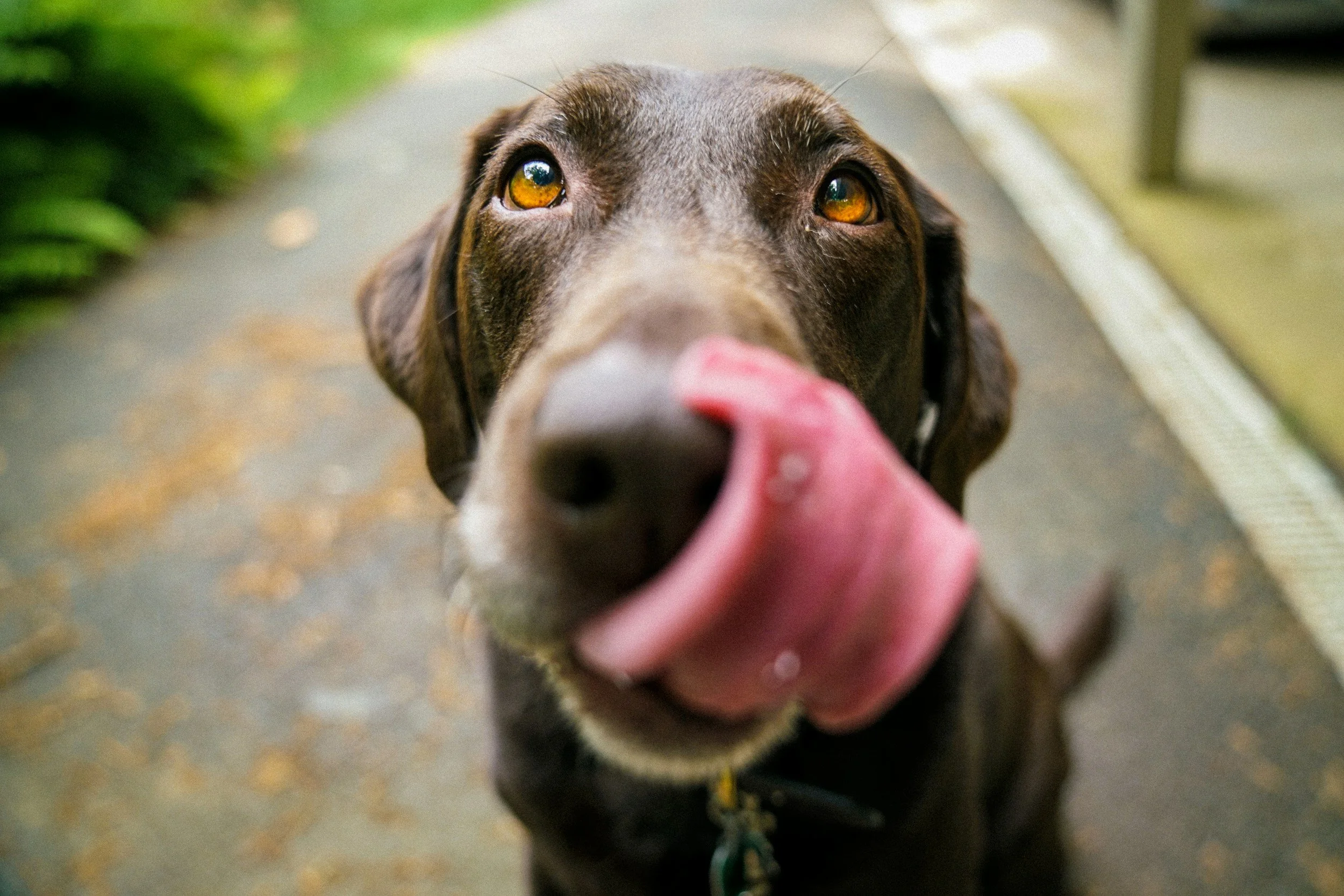
All dogs must remain leashed at all times except when swimming at Mead's Quarry—this isn't negotiable and rangers do enforce leash laws. Use a standard 6-foot leash rather than retractable versions, which create control problems on narrow trails and when mountain bikes approach. Keep your dog close on single-track sections, stepping aside to let faster hikers and bikers pass. When you need safe off-leash exercise beyond swimming, Wagbar's monitored environment provides that opportunity without the safety concerns of illegal off-leash trail hiking.
Bring waste bags and pack out all dog waste—trash receptacles exist only at trailheads. Leaving waste on trails creates health hazards and damages the natural environment. Biodegradable waste bags don't actually break down quickly enough to matter, so treat them like regular waste bags.
Carry enough water for your dog's needs based on distance, temperature, and your dog's size. Calculate 8-12 ounces per mile for warm weather hiking (above 75°F), 4-6 ounces per mile for cool weather. Collapsible bowls work better than attempting to pour water into your dog's mouth while standing on a trail. Don't rely on creeks or the river for dog's water needs—bring adequate fresh water.
Check your dog's paw pads before and after hikes, especially when transitioning from only sidewalk walking to rocky trails. Ijams' limestone and rocky sections can cause pad abrasions in dogs not accustomed to rough surfaces. Build up gradually rather than jumping immediately to long, rocky routes. Paw balm applied before hikes can help protect pads.
Download offline maps before hiking since cell coverage, while generally good, can drop in hollows and ravine areas. The free AllTrails app provides detailed Ijams maps. Mark your parking location in your phone—Ijams' size and multiple access points make it possible to emerge at unexpected locations if you've taken connecting trails.
Learn basic canine body language to recognize when your dog needs a break. Excessive panting, slowing pace, reluctance to continue, or seeking shade all indicate your dog needs rest, water, or possibly to end the hike. Understanding your dog's communication signals prevents pushing them past healthy limits into dangerous exhaustion territory.
Special considerations for different dog types
Small breeds (under 25 pounds): Stick to easy trails like River Trail and Lower Loop initially. Small legs cover ground slower, meaning a 2-mile moderate trail for a large dog translates to much harder work for a Yorkie or Chihuahua. The Will Skelton Greenway's smooth surface works perfectly for small breed exercise. Avoid trails with large rock obstacles that require scrambling—what's a simple step-up for a Lab becomes a climb for a Corgi.
Brachycephalic breeds (Bulldogs, Pugs, Boston Terriers): Extreme caution required on all but the easiest trails. These breeds overheat quickly due to compromised breathing, and even mild elevation gain can cause respiratory distress. Stick to flat River Trail during cool morning hours only. Never attempt Tharp Trace or any moderate+ trail with brachycephalic dogs—the risk of heat exhaustion or respiratory crisis is too high. Consider that Wagbar's climate-controlled environment may be safer for these breeds' exercise needs than outdoor trails during most months.
Senior dogs: Lower Loop and River Trail provide perfect low-impact exercise for arthritic or aging dogs. The flat, smooth surfaces minimize joint stress compared to rocky trails. Keep distances short (under 1 mile initially) and watch carefully for fatigue signs. The shaded forest environment on Lower Loop stays cooler than exposed areas, helping older dogs regulate body temperature. Swimming at Mead's Quarry offers excellent low-impact conditioning for senior dogs who still enjoy water.
Puppies (under 12 months): Easy trails only until growth plates close. The River Trail's smooth surface and Lower Loop's gentle terrain allow puppies to build hiking skills without risking joint damage from steep descents or hard surfaces. Keep distances very short—no more than 1 mile total until 6+ months old, gradually increasing. Trails provide excellent early socialization opportunities to various surfaces, sounds, and other trail users.
High-energy working breeds: These dogs (Border Collies, Australian Shepherds, Huskies, Malinois) excel on challenging trails like North Loop and Ross Marble routes. They need the mental stimulation and physical challenge that difficult trails provide. Combine moderate trails into longer adventures, and don't hesitate to tackle advanced routes once the dog proves capable. These breeds often need supplemental exercise beyond trails—Wagbar provides additional off-leash running to truly tire out high-drive dogs.
Reactive dogs: Start at Ross Marble entrance for lower traffic, or visit weekday mornings when trails are quietest. The narrow single-track sections of Ijams trails make managing reactive dogs challenging when you can't create adequate space from triggers. Work extensively on reactivity training before attempting busy trail times. Choose wide trails like the Greenway where you can create distance from approaching dogs.
Conclusion
Knoxville's Urban Wilderness and Ijams Nature Center deliver extraordinary variety for dog owners seeking genuine trail experiences minutes from downtown. The trail system's clear difficulty levels, excellent maintenance, and multiple access points allow customizing every hike to match your dog's current fitness, the season's weather, and your available time. Beginning with easy riverside and lake trails builds both your confidence and your dog's paw pad toughness before progressing to moderate forest loops and eventually challenging quarry-rim adventures. The best hiking partnerships develop gradually over months of varied trail experiences, learning each dog's preferences, limitations, and capabilities across different terrains and conditions. Whether your goal is a gentle 30-minute Lower Loop stroll or an ambitious 4-hour multi-trail trek through Ross Marble to Tharp Trace, Ijams' 315 acres plus the broader Urban Wilderness system ensure you'll never exhaust the available hiking options within a short drive of anywhere in Knoxville.
FAQ
What are the best trails at Ijams for first-time dog hikers?
The River Boardwalk/Trail (0.8-1.2 miles, completely flat) and Lower Trail Loop (1.1 miles, gentle rolling) provide perfect introduction trails for first-time dog hikers. Both feature easy terrain, good shade, and allow you to assess your dog's hiking abilities without challenging conditions. Start with one of these easy routes before attempting steeper trails like Tharp Trace.
Can my dog swim at Mead's Quarry?
Yes, dogs can swim at Mead's Quarry Lake's designated swimming beach area. Dogs must remain leashed everywhere except when actively in the water. The quarry is 80 feet deep with cold water year-round, so this suits confident swimmers only. Keep non-swimmers in shallow beach areas and supervise closely due to steep drop-offs just offshore.
How difficult is Tharp Trace for dogs?
Tharp Trace is Ijams' signature moderate challenge—1.3 miles with 275 feet of elevation gain over steep, rocky terrain. Athletic dogs 12+ months old handle this well, but it's too challenging for puppies, senior dogs, brachycephalic breeds, or dogs who only walk flat sidewalks. The trail requires 40-60 minutes to complete and demands careful footing over technical limestone sections.
When is the best time to hike Ijams with dogs?
Spring (March-May) and fall (September-November) offer ideal temperatures (55-75°F), with morning hours (7-9am) providing the least crowded conditions. Summer requires hiking before 9am due to heat, with water-access trails essential. Winter sees quietest trails but check for icy conditions on steep sections. Weekday mornings always beat weekend crowds.
Where do I park for Ijams trails?
The main Ijams Visitor Center parking area at 2915 Island Home Avenue offers 60+ spaces accessing most popular trails. Mead's Quarry parking at 3518 Island Home Avenue provides 50 spaces (3 lots) for Tharp Trace and swimming beach. Both locations charge $5 via QR code. Arrive before 8:30am on weekend mornings spring-fall to guarantee parking.
Are there water sources for dogs on Ijams trails?
Water sources are unreliable—a few seasonal creeks flow only December-May and dry completely by summer. Tennessee River access exists but isn't recommended for drinking. Always carry fresh water for your dog: 8-12 ounces per mile in warm weather, 4-6 ounces per mile in cool weather. Don't rely on trail water sources.
Can small dogs handle Ijams trails?
Small breeds (under 25 pounds) do well on easy trails like the River Trail and Lower Loop but struggle on moderate trails with rocky obstacles and steep sections. Tharp Trace's technical terrain and elevation gain prove too challenging for most small breeds. The Will Skelton Greenway's smooth, flat surface works perfectly for small dog exercise.
Is Ijams safe for reactive dogs?
Ijams' narrow single-track trails make managing reactive dogs challenging during busy times. Start with weekday morning visits or use the less-crowded Ross Marble entrance. The Will Skelton Greenway's width allows creating space from triggers more easily. Work on reactivity training before attempting peak trail times when passing other dogs becomes unavoidable.
How long does it take to hike the trails at Ijams?
Times vary by route: River Trail (25-40 minutes), Lower Loop (35-50 minutes), Tharp Trace (40-60 minutes), Gold Mine Loop (50-75 minutes), Cheek Hollow (60-85 minutes), North Loop (90-120 minutes), Will Skelton Greenway full roundtrip (2-2.5 hours). Times depend on your and your dog's fitness level and how often you stop for water/rest breaks.
Do I need hiking experience to take my dog to Ijams?
No hiking experience required for easy trails—the River Trail and Lower Loop suit complete beginners. Start with these to learn basic trail hiking with your dog (leash control, pacing, water breaks, trail etiquette) before progressing to moderate trails. The Visitor Center staff can recommend appropriate trails based on your experience level.
TLDR: Knoxville's Urban Wilderness provides perfectly matched trails for every dog's fitness level. Start puppies and seniors on flat riverside boardwalks (River Trail 0.8-1.2 mi) or gentle forest loops (Lower Loop 1.1 mi). Progress athletic adolescent dogs to moderately challenging routes with rocky terrain and elevation: Tharp Trace around stunning turquoise Mead's Quarry (1.3 mi, 275 ft climb), Gold Mine Loop through mining history (1.8 mi), or Cheek Hollow ravine hike (2.1 mi). Experienced hiking dogs tackle difficult routes: North Loop's varied 2.6-mi challenge or Ross Marble Quarry's technical trails. Spring and fall mornings (7-9am) offer best conditions; summer requires pre-9am hiking with water access trails. All trails leashed-only, parking $5, open dawn-dusk. Visit Ijams Visitor Center (2915 Island Home Ave) for maps and trail condition updates before heading out.