

Trivia Night at a Dog Friendly Bar: How to Win With Your Pup at Your Feet
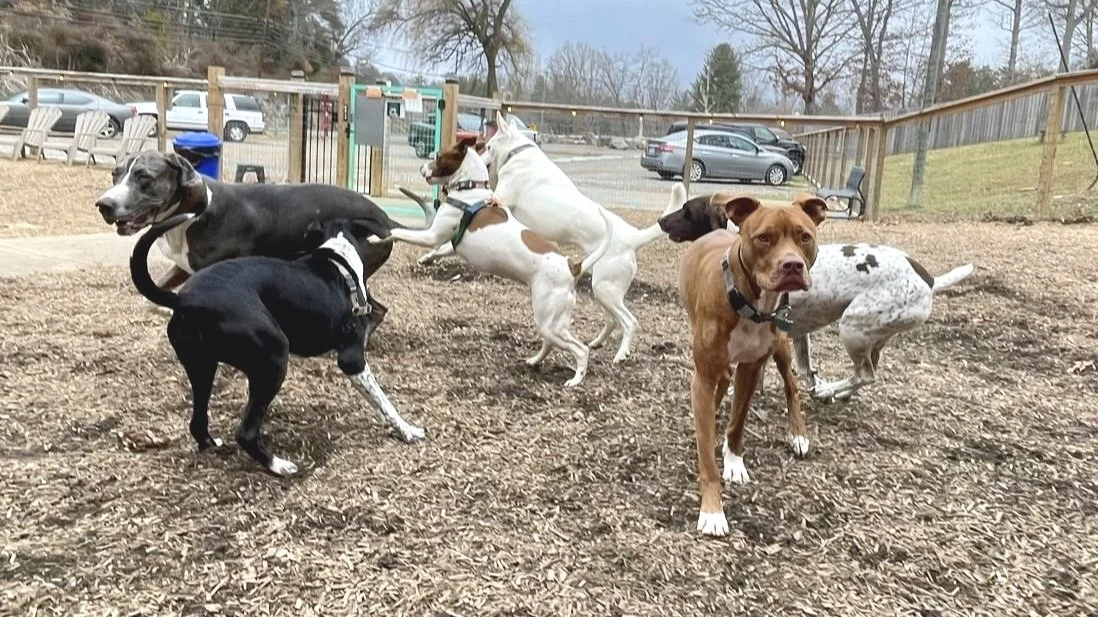
Top TLDR: Trivia night at a dog friendly bar runs the same format as pub trivia, but the dogs in the room change the pace and the etiquette. Teams of two to six players move through four to six rounds, with breaks for water bowls and bathroom runs. To win, arrive early, tire your pup out beforehand, and pick a table on the edge of the room.
Why Trivia Works So Well at a Dog Friendly Bar
Pub trivia has one main problem at most bars: the energy peaks and dips. By round four, half the room is loud, the other half is checked out, and someone's spilling a beer on a stranger. Trivia at a dog friendly bar runs a flatter, calmer line.
The dogs anchor the room. People don't yell at trivia hosts when there's a pug under the table. The rhythm of trivia (timed rounds, breaks, answer reveals) also matches how long most dogs can comfortably hang out before they need a stretch. A round of eight to ten questions takes about 10 to 15 minutes, which lines up with how long a settled dog can stay quiet before they want to check in.

The crowd shows up for the same reason too. People come to trivia at a dog friendly bar because they want to be social with their pups along for the ride, not because they need to escape a long workday. That mindset alone shifts the room. The broader yappy hour programming at most dog bars leans the same way.
What to Expect Your First Time
If you've never been, the basics look like pub trivia with two extra layers. Here's the flow at most dog friendly bars.
Arrive 30 minutes before start time. Check the dog in at the front gate, get your wristband, and head to a table. The trivia host usually walks around to drop off scoresheets and answer slips. Sign up your team name (most bars cap team size at six) and order drinks before the first round.
Most trivia formats run four to six rounds with eight to ten questions per round. Expect at least one picture round, one music round, and one themed round (movies, sports, history, dogs). Between rounds, the host calls a five to ten minute break. That's when dogs go out for a walk, owners refill drinks, and teams plot strategy.
Prizes vary by location. Common ones include free drinks, gift cards, and sometimes Wagbar swag. The Tuesday trivia format at Wagbar Weaverville has been running long enough that the prize structure is locked in.
How to Keep Your Dog Calm During Trivia
A dog who's calm at trivia is almost always a dog who was set up to be calm before they got there. The work happens before the first question, not during it.
Walk your dog hard before you leave the house. A 30 to 45 minute walk, a game of fetch, or a session at a dog park does more for trivia behavior than any treat you can bring. A tired dog settles. A wired dog tries to make friends with every person who walks past your table.
Once you're at the bar, watch for the early stress signals before they escalate. Yawning, lip licking, panting that's not heat-related, and pinned-back ears are all telling you the dog needs a break. Our dog body language decoder covers what to watch for. If your dog is reactive in busy settings, the reactive dog playbook is worth reading before the first visit, since trivia nights can be louder than a regular yappy hour.
Bring something to chew. A stuffed Kong, a long-lasting bully stick, or a lick mat does most of the work. The chew gives the dog a job during the 10 minutes when nothing is happening at your table, which is when most dogs start looking for trouble.
Plan an exit. If your dog hits their limit at round three, leaving is the right move. You can always come back next week.
Team Setup: Seating, Snacks, and Sniffing Buffers
Where you sit shapes the night more than people think. The best trivia tables at a dog friendly bar share three traits.
On the edge of the room. Tables on the perimeter give your dog space without traffic walking past their face every two minutes. Skip tables near the entrance, the bathroom path, and the bar.
Not directly next to another dog. Two dogs who don't know each other sitting six inches apart for two hours is a setup for trouble. One or two table-widths of space lets each dog settle without the other one in their personal bubble.
Within earshot but not under a speaker. You want to hear the host, but you don't want the music round blasting over your dog's head. Most trivia rooms have a sweet spot about halfway back.
For snacks, pack light. A pup cup or a few training treats for breaks between rounds is plenty. Don't load up on table snacks for your dog. Too many treats plus the excitement of a new place plus a long sit equals an upset stomach. If you want to grab a pup cup from the bar, our pup cup explainer covers what's in them and how often is too often.

The Best Trivia Categories for Dog Owners
If you're building a team, lean into the categories that overlap with dog culture. The ones dog owners tend to do well on:
Movies and TV with dogs. Old Yeller, Beethoven, Lassie, Air Bud, Marley & Me, Best in Show, 101 Dalmatians, Snoopy.
Famous dog breeds. AKC categories, working dogs, historical breeds, dogs of presidents.
Cartoon and book dogs. Scooby-Doo, Clifford, Snoopy again, Pluto, Mr. Peabody.
Pop culture pets. From the Obamas' Bo and Sunny to the dog from John Wick.
Local geography. Asheville, Knoxville, and other Wagbar markets show up in regional trivia. Bonus points if you know who founded a brewery a mile from the venue.
Music. Songs that mention dogs, bands named after animals.
If you can build a team that covers movies, music, sports, and local history between four people, you'll do well most weeks. The dog categories are tiebreakers more than scorers, but they're a fun edge.
Trivia Etiquette: Five Rules You Won't See on the Wall
The posted rules at most dog friendly bars cover the basics: no aggressive dogs, current vaccinations, no kids under 18 in some venues. The unwritten rules are what separate good trivia teams from the ones nobody wants to seat near them. The general dog park etiquette playbook covers most of the rules that apply to any off-leash space, including trivia.
The five unwritten ones for trivia:
Don't tether your dog to a chair leg. Tie them to a table leg, your own leg, or a fixed post. Chairs tip when dogs lunge, and a tipping chair is the start of a bad night.
No table-hopping during rounds. Your dog might be the friendliest pup in the building, but greeting other teams between questions throws off their concentration. Save the social rounds for the breaks.
No phones during questions. Most trivia formats ban phones for obvious reasons, but the rule applies even if the host doesn't enforce it. Googling answers ruins the night for everyone, including yourself.
Don't feed other people's dogs. Even something as benign as a piece of bread can trigger an allergy or a stomach issue. Always ask the owner first.
Tip your trivia host. Most trivia hosts work for tips. A few dollars at the end of the night goes a long way, especially at a venue where they've been hosting the same weekly trivia for years.
Where to Find Trivia at Wagbar
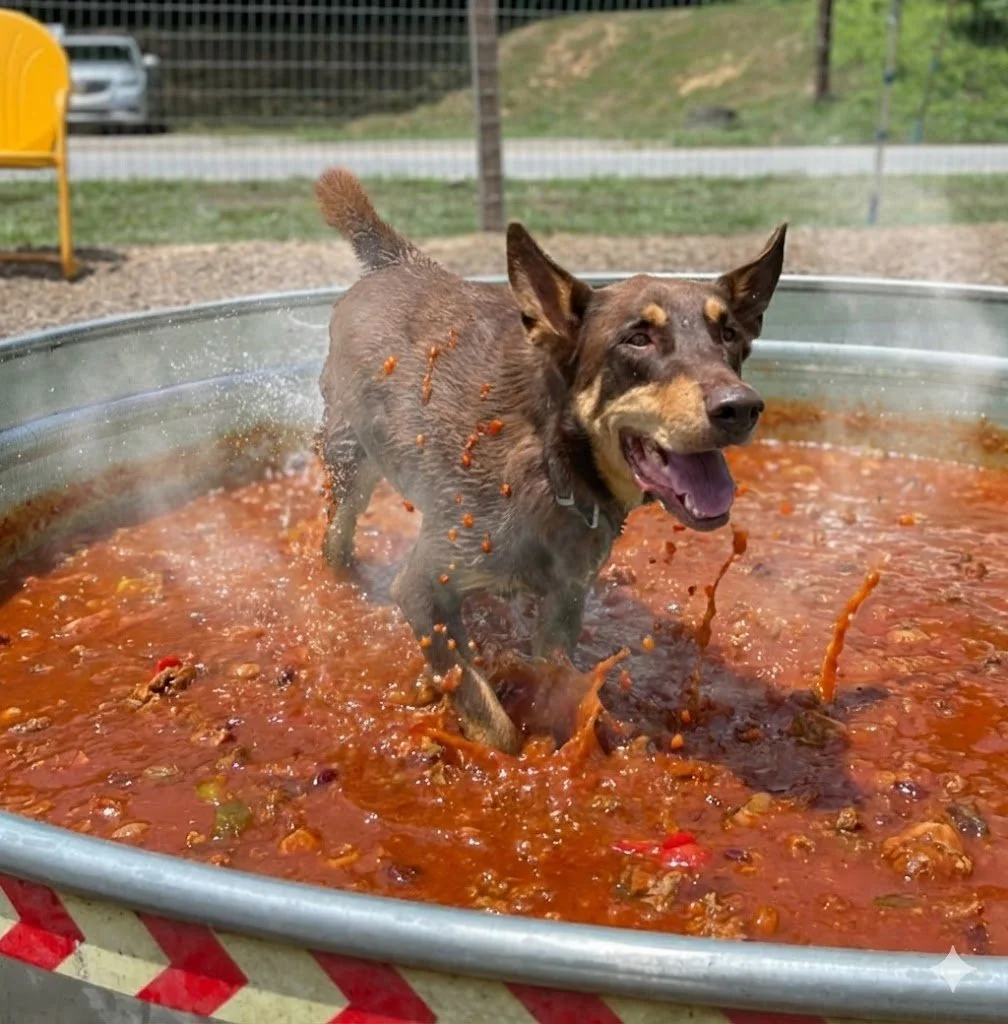
Trivia has been a fixture at Wagbar locations for years. The schedules below are accurate as of this writing, but always check the location's events page for the current week.
Wagbar Weaverville runs trivia on Tuesdays from 6 to 8 p.m. The format has been the same for long enough that there's a core group of regulars. Dogs enter free after 5 p.m. on Tuesdays. The team trivia announcement covers the basics.
Wagbar Knoxville is newer and its weekly schedule may shift in the first few months as the regulars settle into their habits. Trivia is on the roster from opening, but the night of the week and the host may rotate.
Other Wagbar locations across North Carolina, South Carolina, Georgia, Virginia, Texas, California, and beyond run their own trivia formats on different nights. Some lean traditional, others mix in music bingo or theme nights. The events calendar at each location's page shows what's coming up this week.
Summary
Trivia night at a dog friendly bar rewards the same skills as pub trivia, plus a couple new ones: reading your dog's body language, managing the breaks between rounds, and picking the right table. The dogs anchor the energy, which makes for a calmer, friendlier room than most pub trivia nights. To start a habit, pick a dog friendly bar near you, show up with a tired pup and a team of two to six, and aim to make it a regular weekly night.
Frequently Asked Questions
What time does trivia usually start at Wagbar?
Most Wagbar trivia nights start at 6 p.m. and run two hours. Wagbar Weaverville hosts trivia on Tuesdays from 6 to 8 p.m. Other locations vary by night and host. Check each location's events page for the current week's start time. Plan to arrive 30 minutes early to check the dog in, grab a table, and order drinks.
Is trivia at a dog friendly bar free to play?
Yes, trivia is free at most Wagbar locations. Humans enter free at any time. Dogs require an entry fee or a Wagbar membership, with day passes available on the spot. Some special trivia events (themed nights, holiday formats) may have an entry fee or require pre-registration. Check the event listing for details.
Can my dog come to trivia if they bark a lot?
It depends on what's triggering the barking. Dogs who bark out of excitement and settle within 10 to 15 minutes are usually fine at trivia. Dogs who bark continuously, bark at every passing dog, or bark from stress should work on calm-settling at quieter visits before attempting a trivia night. Persistent barking disrupts the room and stresses other dogs.
Do I need a team to play trivia?
No. Solo players are welcome at most trivia nights. The host can pair you with an existing team that's short on players, or you can play solo and see how you do. Solo play is a good way to test the room your first time. Once you know the format and the regulars, building a team of two to six is the natural next step.
What if my dog gets overwhelmed mid-trivia?
Take them outside for a 10 minute walk. The break between rounds is the natural time for this. If your dog is still wound up after the walk, going home is the right call. Trivia happens weekly. There's no need to push through a tough night. The off-leash readiness checklist can help you assess whether your dog is ready for the format at all.
Can puppies come to trivia night?

Usually yes, with the same vaccination requirements as any other dog. Puppies often handle trivia better than busy off-leash play sessions because the pace is slower and the environment is more predictable. Pick a calm weekday trivia rather than a packed Friday for the first visit. Bring a chew to keep them busy during long answer rounds.
How many people are on a trivia team?
Most Wagbar trivia formats cap teams at six players. Smaller teams (two to four) usually do well because they make decisions faster. Larger teams have more category knowledge but slower decisions. The sweet spot is four. If you're new, start with two or three friends and grow the team over a few weeks.
Can I bring outside food to trivia?
Most Wagbar locations work with rotating food trucks, so outside food isn't typically allowed. Snacks for your dog (training treats, a chew, a lick mat) are fine. If you have a dietary need that food trucks can't cover, contact the location ahead of time to ask about exceptions.