

The Unwritten Social Rules of Dog Park Bars: What Regulars Know That Newcomers Don't
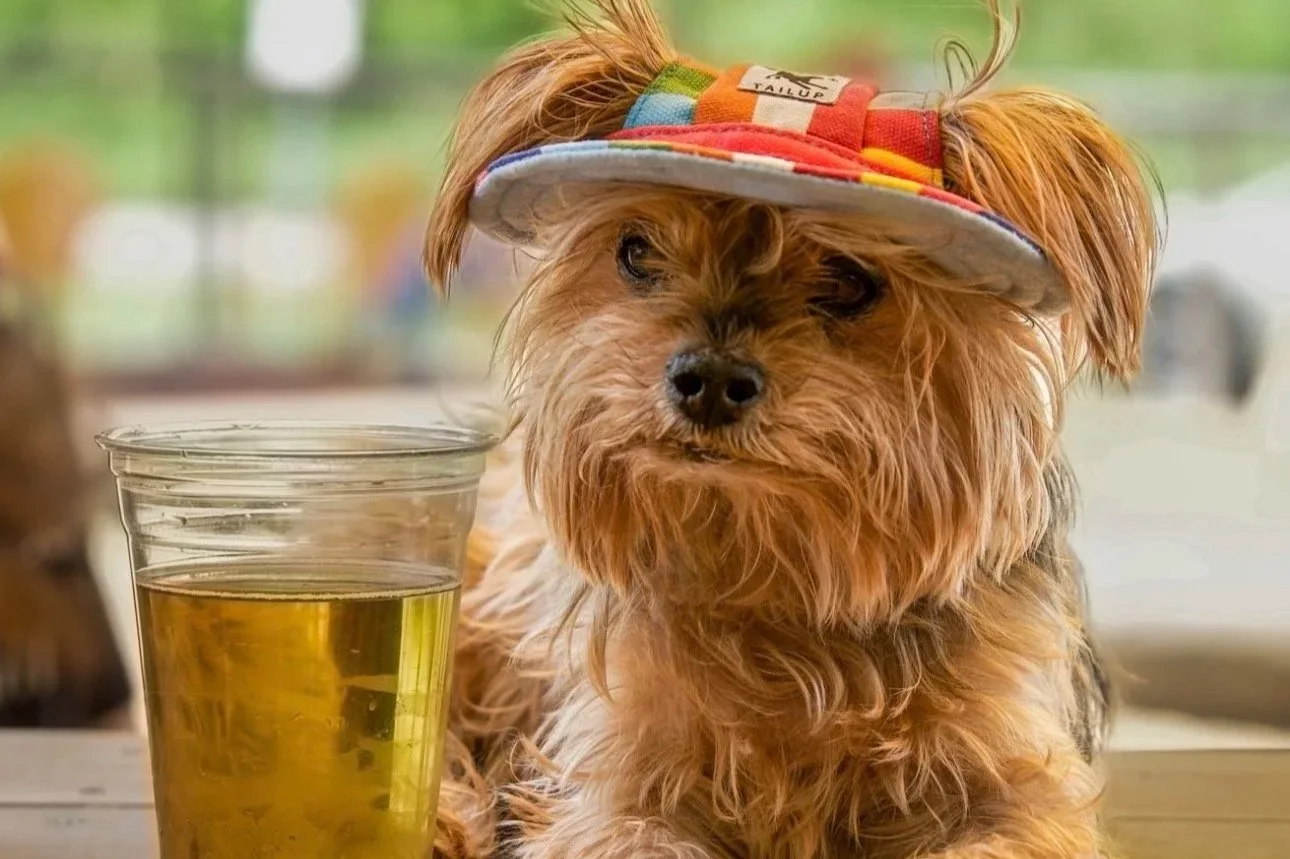
Top TLDR: Dog park bars have a social culture that nobody formally explains but everyone picks up over time. The unwritten social rules of dog park bars cover everything from learning the dog's name before the owner's to how goodbyes work and why you shouldn't offer unsolicited training advice. Spend a few visits paying attention to what the regulars do, and the rest comes naturally.
Every social space has a culture. The regulars know it. Newcomers pick it up over time, sometimes awkwardly. A dog park bar is no different, except the culture here is shaped by a pretty specific mix of elements: dogs doing unpredictable things, strangers becoming friends faster than usual, and a shared understanding that everyone came here to relax, not perform.
If you've never been to an off-leash dog bar before, the official rules are easy enough to find. Vaccinations required. Dogs must be spayed or neutered. Clean up after your dog. No treats or toys in the park. Be kind, be a good human.

Those rules handle safety. What they don't cover is the social texture of the place: the rhythms you pick up over a handful of visits, the things everyone seems to understand without anyone explaining them. That's what this is about.
You Learn the Dog's Name First
This is universal, and it starts the moment you walk in.
Someone's dog runs over. You crouch down, pet it, and the first thing out of your mouth is: "What's their name?" Not: "What's your name?" The dog gets introduced first. Every time. It's not a rule anyone enforces. It's just how it goes.

Within a few visits, you'll know the names of a dozen dogs whose owners you've never formally introduced yourself to. You'll say "There's Biscuit" when a familiar golden mix appears across the yard. You'll ask "Is that Potato? I haven't seen him in a while" to someone whose own name you've never heard.
This isn't awkward. It's actually one of the things that makes the social culture here different from almost anywhere else in adult life. The dog is the introduction. The dog is the icebreaker. Your own name, job, and life backstory can wait. There's a corgi that needs to be properly greeted first.
Watch the Yard More Than Your Phone
This one takes a visit or two to internalize, but the regulars live by it.
At a typical bar, checking your phone between conversations is normal. At a dog park bar, being heads-down in your screen while your dog is loose in the yard is considered a bit of a miss. Not because anyone will say anything about it, but because the unspoken social contract is that you're watching your dog. That's part of why everyone can relax: because everyone else is paying attention too.
Wagbar's code of conduct is explicit about this: keep a close eye on your dog at all times, and if your dog is not playing nicely, you must physically intervene. That's the official version. The unofficial version is that the whole yard runs better when everyone is engaged with what's happening in it. You'll notice things you'd miss on your phone: the moment two dogs are escalating from playing to something more tense, the shy newcomer dog that needs space, the older dog who's tired and looking for their person.
Watching the yard is also how you get into conversations. Something happens out there, and suddenly five people who've been sitting separately are all reacting to the same thing and talking. That can't happen if everyone's scrolling.
The "Our Dogs Already Know Each Other" Friendship
Dog park bar friendships follow a specific and kind of wonderful arc that doesn't happen in most adult social contexts.
It goes like this: your dogs become friends before you do. You notice a dog your dog always seeks out. You see the same person regularly at the same time. You exchange the usual opening remarks about your dogs. Then one day you actually introduce yourself, and realize you've been having a relationship with this person for two months without knowing their name.
These friendships build through accumulated small interactions over time, rather than through one big "let's hang out" moment. They're not intense friendships in the beginning. They're comfortable ones. You don't have to perform or impress anyone. You're both just there, watching your dogs, sharing the same weather and the same yard.
That low-pressure structure is part of why the friendships that eventually do deepen feel more genuine than a lot of adult friendships. Nobody was trying to network. Nobody was there to meet someone. You just kept showing up at the same time, and eventually you knew each other.
Understanding what's happening between the dogs during this time helps too. When dogs repeatedly seek each other out, it's a reliable social signal. Dog body language is worth learning not just for safety, but because it tells you a lot about the social dynamics in the yard at any given moment.
Don't Give Unsolicited Training Advice
This is the one that catches the most newcomers off guard.
Everyone in a dog park bar is at a different stage with their dog. Some have senior dogs with deep behavioral grooves. Some have young dogs still learning. Some have rescue dogs working through specific histories you know nothing about. What looks like "bad" behavior from the outside often has context the owner is already managing.
The culture at a well-run dog bar is one of mutual respect about this. If something is genuinely unsafe, the staff handles it. That's their job. If a dog is just being a bit obnoxious, the unwritten rule is to let it be unless someone asks. Offering unsolicited corrections to another person's dog training, or making pointed comments about how someone handles their dog, breaks the relaxed social atmosphere pretty quickly.
What's welcome: genuine curiosity. "How old is she? She's so energetic!" is fine. "Your dog seems really shy, have you tried...?" with a stranger, uninvited, is not.
The flip side: if someone asks you about your dog's behavior or training, people here are genuinely happy to talk about it. Dog owners love talking about their dogs. Just wait for the invitation.
Regulars Have Unofficial Territories (and They're Friendly About It)
At Wagbar and similar spaces, the regulars develop loose habits around where they tend to sit. The person who always takes the corner table near the east fence. The group that clusters near the gate on Tuesday evenings. None of this is enforced or even conscious, but it's real.
As a newcomer, you don't need to know this in advance. But it's worth noting that if you sit somewhere and feel like the surrounding conversations already have established rhythms, you've found a regulars spot. Jump in if you want. Everyone was new once. Or settle somewhere else and build your own habits over time.
This is actually one of the signals that a dog park bar has become a real community: when the regulars have developed enough shared routine that the space has an organic geography. It's not cliquish. It's just what a third place looks like when it's working.
Some Dogs Have Fans
Certain dogs become minor celebrities at a given location. The ancient basset hound who barely moves but gets visited by every new dog. The unnervingly fast border collie mix who laps the yard like it's a job. The fluffy pup who somehow always ends up in the middle of every group photo.
These dogs and their owners become informal anchors of the community. If you've been coming for a while and you see one of these animals, you might find yourself saying "Oh good, she's here" the way you would about a familiar face at a neighborhood gathering.
Paying attention to who the regulars are, both canine and human, is how you start to feel like you belong. You can't manufacture that. It builds through repetition. But noticing it is the first step.
For a look at the common breeds that tend to show up at Wagbar locations, and what to expect from their play styles, the common breeds guide is a good primer before your first visit.
Event Nights Have Their Own Energy
Trivia nights, breed meetups, live music evenings: the vibe shifts on these nights in ways that are different from a regular Tuesday afternoon.
On trivia night, groups that normally sit separately end up competing or comparing answers. On breed meetup days, you'll find a specific pocket of energy around a particular corner of the yard, with owners trading the specific, niche knowledge that only people with that breed would care about. On live music nights, conversations happen faster because there's something shared to react to.
The unwritten rule for event nights is: you don't need to be "part of" the event to enjoy being there. You can sit with your dog on a trivia night without participating. You can show up on breed meetup day even if your dog is a mutt. Nobody will check credentials. The event just creates a different social current that you can engage with as much or as little as you want.
To stay current on what's happening at your local Wagbar, checking the Wagbar blog is the quickest way to see the event calendar.
The Exit Is Low-Key on Purpose
One of the things people notice after a few visits: goodbyes at a dog park bar are deliberately casual.
You don't make a big deal of leaving. You round up your dog, give a general wave to the people nearby, and head out. There's no formal farewell tour. This is by design, or at least by social evolution. The looseness of the goodbye is a feature: it signals that you'll be back, that this isn't a special occasion, that it's just a Tuesday and you'll probably see these people again Thursday.
Contrast this with the slightly more formal goodbye culture at dinner parties or planned social events, where leaving requires a complete round of individual farewells. The dog park bar goodbye is more like leaving a neighborhood park. You were here, and now you're going, and it was easy and good.
Frequently Asked Questions
What are the official rules at a dog park bar like Wagbar?
The formal rules at Wagbar require dogs to be up to date on Rabies, Bordetella, and Distemper vaccinations, at least six months old, and spayed or neutered. Owners must keep close watch on their dogs, clean up after them, and intervene if their dog isn't playing nicely. Treats and toys are not allowed in the park. Human entry is free for guests 18 and older. Full details are on the Wagbar FAQ page.
Is it awkward to go to a dog park bar for the first time alone?
Less awkward than most adult social venues. The dog handles the introductions. Most people there are regulars who were once first-timers, and the general culture at dog park bars is welcoming to newcomers. Walking in with a dog means you immediately have something in common with everyone around you.
What if your dog doesn't play well with all other dogs?
This is more common than people realize, and the regulars know it. Watching your dog's body language and being willing to step in calmly when needed is the expectation, not the exception. Wagbar's staff monitors the yard and will intervene when necessary. If you're newer to reading what dogs are communicating in a group setting, Wagbar's dog park behavior guide covers the basics well.
Do you need to bring a dog to fit in socially?
No. Human entry is free and no dog is required. Some regulars at Wagbar don't own dogs at all. That said, if you do bring a dog, it will accelerate your integration into the social fabric of the place considerably.
How long does it take to feel like a regular?
Most people report feeling a noticeable shift around their fourth or fifth visit. By then, you've started recognizing faces and dogs, staff knows your name, and the rhythm of the place feels familiar. The "regular" feeling isn't an official status. It's just when the space starts to feel like yours.
Bottom TLDR: The unwritten social rules of dog park bars exist because these spaces develop real community culture, not just a crowd of strangers in the same place. Friendships here build through repetition, dogs handle the awkward introductions, and the exit is deliberately low-key because everyone assumes you'll be back. Show up a few times and you'll stop feeling like a newcomer.