

The Adult Social Scene at a Dog Friendly Bar: Dating, Friendship, and Community
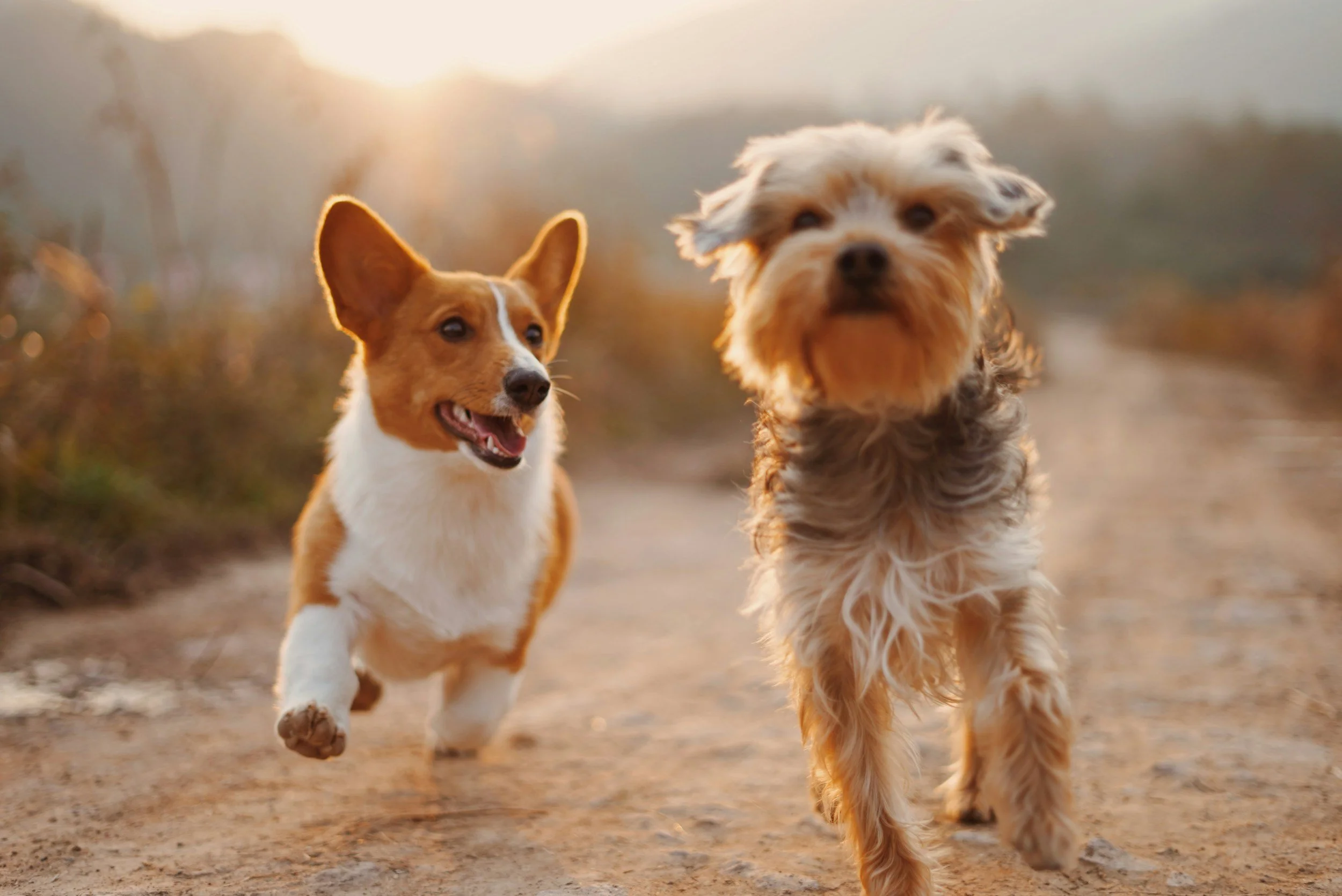
Top TLDR: The adult social scene at a dog friendly bar is replacing apps and forced networking as the way people actually make friends, find dates, and build community. Dogs eliminate the awkwardness of approaching strangers, repeated visits create real relationships, and the low-pressure setting does what most social venues can't. If you're looking for a genuine third place, start where the dogs are.
The Third Place Concept and Why It Matters
Sociologist Ray Oldenburg coined the term "third place" back in the late 1980s. The idea is simple. Your first place is home. Your second place is work. And your third place? That's the informal public space where community actually happens. Think barbershops, coffee shops, pubs, and parks.
The problem is, third places have been quietly disappearing. According to the Surgeon General's 2023 advisory on the epidemic of loneliness, Americans spend significantly less time in social settings than they did just two decades ago. Remote work pulled people out of offices. Social media replaced in-person gatherings with scrolling. And many of the old third places, like neighborhood bars and community centers, either closed or became too transactional to feel welcoming.

Dog friendly bars are filling that gap in a way that most other venues simply aren't. A place like Wagbar works because it's built around a shared activity (watching your dog play) rather than a shared obligation. Nobody's selling you anything. Nobody needs your LinkedIn. You're just... there. With your dog. And so is everyone else.
That low-pressure dynamic is exactly what makes a dog friendly bar social scene feel like a genuine third place. People come back because it feels good, not because they have to.
Why Adults Are Struggling to Make Friends in 2026
Let's be honest about this. Making friends as an adult is hard, and it's getting harder.
The data backs it up. The Survey Center on American Life found that the number of Americans with no close friends has roughly quadrupled since 1990. A 2024 Meta-Gallup survey of over 140 countries found that nearly a quarter of the global population reports feeling lonely. And the U.S. Surgeon General called loneliness a public health crisis with mortality effects comparable to smoking 15 cigarettes a day.
So what happened? A few things all at once. People move more often. Neighborhoods feel more anonymous. Adults work longer hours, and many work from home in isolation. The traditional social infrastructure, like bowling leagues, church groups, and civic organizations, has shrunk. Robert Putnam documented this trend in "Bowling Alone" over two decades ago, and the situation has only intensified since.
Dating apps promised to solve the connection problem but created new ones. You can swipe through 50 profiles in a lunch break and still feel more isolated than before. Friendship apps exist now too, which is both a sign of how deep the problem runs and how poorly technology addresses it.
Here's the thing adults rarely admit out loud: most people over 30 don't know where to go to meet someone new. Not romantically. Just... anyone. A coworker you only see on Zoom doesn't count. A neighbor you wave to from your car doesn't count either.
The places where adults actually form new friendships share three traits. They require repeated, unplanned interaction. They involve a shared activity or interest. And they feel low-stakes enough that people let their guard down.
An off-leash dog park bar checks all three boxes.
What Dogs Do to a Social Setting

There's real science behind why dogs make humans more social. A 2015 study published in PLOS ONE found that pet owners were significantly more likely to get to know people in their neighborhoods compared to non-pet owners. Dog owners specifically were more likely to consider their neighborhood friendly.
Dogs do several things to a social space that no other variable can replicate.
They break the approach barrier. Walking up to a stranger and starting a conversation at a regular bar takes confidence that most people don't naturally have. Walking up to someone and saying "Oh my gosh, what breed is that?" requires zero confidence. The dog did all the work.
They create repeat encounters. Dog socialization requires consistency. People who bring their dogs to the same spot tend to come back on similar schedules. This creates the repeated contact that friendship research says is essential. You don't become friends after one conversation. You become friends after bumping into the same person a dozen times and realizing you actually look forward to it.
They signal trustworthiness. Fairly or not, people perceive dog owners as more approachable, more empathetic, and more trustworthy. A study from Cummins and Anderson (2006) found that dog walking significantly increased the number of casual and close social relationships people had. The dog acts as a social credential you didn't have to earn.
They keep people present. At a typical bar, people are on their phones. At a dog friendly bar, people are watching dogs. That changes the energy of the entire space. You're paying attention to something happening in real time, which means you're also more likely to comment on it, laugh about it, or react alongside someone else.
The result? A room full of adults who are actually engaged with their surroundings and with each other. That's rare in 2026.
The Five Crowds at a Dog Friendly Bar
Spend enough time at a dog friendly bar and you start to recognize the types. Not in a judgmental way. More like the regulars at any good third place. Each group shows up for slightly different reasons, but they all overlap.
The After-Work Decompressors. These are the people who swing by between 4 and 7 PM, still in work clothes or athleisure, with a dog that's been cooped up all day. They need the dog to burn energy, and they need a beer. The dog park solves both problems simultaneously. These folks tend to become regulars fast because the routine clicks into their schedule naturally.
The Weekend Warriors. Saturday and Sunday mornings bring a different energy. These people have time. They're not in a rush. They order coffee or a seltzer, grab a picnic table, and settle in for a couple of hours. Weekend crowds are where the bigger social circles form because people actually have the time to talk.
The New-to-Town Crowd. Every Wagbar location sees this: someone who just moved to the area, doesn't know anyone yet, and figured a dog bar was a good first step. They're right. A dog friendly bar is one of the few public places where a solo visitor doesn't feel awkward. You're not alone. You have a dog.
The Couple Without Kids. Dog-parent couples make up a huge segment of the dog bar crowd. For couples in their late twenties through forties who don't have children, the dog is the center of their social life. These couples often befriend other couples, and what starts as "our dogs play well together" turns into group dinners and weekend plans.
The Social Butterfly (Without the Dog). Here's something people don't always realize: you don't need a dog to visit. Wagbar welcomes anyone 18 and older. Some people come for the atmosphere, the drinks, and the live events. They just happen to love being around dogs. These visitors add to the social texture of the place and often become regulars too.
How Conversations Actually Start (Spoiler: It's the Dog)
The single most common icebreaker at a dog friendly bar is some version of: "What's your dog's name?"
From there, the conversation tree branches in a hundred directions. Breed questions. Age questions. Adoption stories. Training horror stories. The time your dog ate an entire pizza off the counter.
What makes these conversations different from small talk at a cocktail party is that they're grounded in something both people genuinely care about. Nobody's performing. Nobody's working the room. You're watching two dogs chase each other in circles and laughing about it. That shared attention is the foundation for real connection.
The physical layout matters too. At a traditional bar, people sit in rows facing the bartender. The design discourages interaction between strangers. At a place like Wagbar, the seating is arranged around an open off-leash area. People naturally face each other. They're watching the same thing. The spatial design invites conversation without forcing it.
And then there's the repeat factor. The first time you chat with someone, you learn their dog's name. The second time, you learn theirs. By the fifth or sixth visit, you're saving them a seat and texting to ask when they're coming by. That progression happens faster at a dog friendly bar than almost anywhere else because the dog creates both the reason to come back and the reason to talk.
Research from psychologist Robin Dunbar's work on social bonding suggests that shared experiences, particularly those involving laughter and mild physical activity, accelerate relationship formation. Watching dogs play together generates both of those conditions naturally.
The Dating Side: Real but Rarely Forced
Let's talk about the thing everyone wonders about but nobody puts on a marketing poster: dating at a dog friendly bar.
It happens. Regularly. But it works precisely because it's not engineered to happen.
Here's the difference between meeting someone at a dog bar versus a dating app. On an app, the entire context is: "I am here because I am looking for a romantic partner." That creates pressure. Every interaction is loaded with evaluation. Am I attracted? Are they? Is this going anywhere?
At a dog bar, the context is completely different. You're both there for your dogs. Any human connection that forms is a bonus, not the point. And that removal of pressure is exactly what allows genuine chemistry to develop.
There's also a built-in compatibility signal. If you're both dog owners who prioritize their pet's quality of life enough to bring them to an off-leash park bar, you already share values. You both care about animals. You both have a lifestyle that accommodates a dog. And you're both the kind of person who leaves the house and goes somewhere social instead of just scrolling on the couch.
None of that guarantees a match, obviously. But it's a stronger starting filter than a bio and three photos.
The other thing worth mentioning: at a dog bar, you see how someone interacts with their animal. That's a data point you'd never get on a first date at a restaurant. How someone treats their dog tells you a lot about how they treat the people in their life. It's not a perfect predictor, but it's a real one.
And for people who are recently divorced, newly single, or just re-entering the social world after a long time away, a dog friendly bar social scene offers a much softer landing than traditional dating venues. You can be social without being "on." You can meet people without committing to anything beyond showing up.
Friendship: How Regulars Become Group Chats
The friendship side of a dog friendly bar might actually be the bigger story.
It usually starts with recognition. You see the same person with the same goldendoodle three times in two weeks. You nod. Then you chat. Then one day their dog and your dog won't stop playing together, and you end up sitting at the same table for an hour and a half.
Before long, there's a text exchange. Then a group chat. Then someone suggests meeting up on Saturday morning. And suddenly you have a friend group that formed entirely because your dogs like each other.
This pattern repeats across every Wagbar location. Regular visitors organically form social clusters. Some of those clusters show up together at breed meetups or trivia nights. Some plan their visits around each other's schedules. Some end up as genuine close friends who do things together that have nothing to do with dogs.
The sociological term for this is "propinquity," which just means that physical closeness over time predicts relationship formation. The classic studies on this were done in college dorms: your best friend is more likely to be the person who lived two doors down than the person who shared all your interests but lived on a different floor.
Dog friendly bars create propinquity on purpose. Same place, same time, same activity, repeated week after week. It's the closest thing adults have to the organic social structures they had in school and college.
And unlike online communities or hobby groups that meet once a month, the dog bar habit is frequent. People come multiple times a week because their dog needs exercise and socialization. That frequency is what turns acquaintances into friends.
How Wagbar Builds the Scene Without Forcing It
There's a fine line between creating opportunities for connection and making things feel forced. Wagbar walks that line carefully.
The programming at Wagbar creates reasons for people to show up, but it never feels like a mandatory social event. Trivia nights give groups something to do together. Live music gives people a reason to linger longer. Breed meetups bring together people with an obvious shared interest. Food trucks give the space a festival-like quality where staying for "one more drink" turns into a whole afternoon.
But the core design is what matters most. The off-leash park layout means dogs are the centerpiece, not the bar. People spread out. They move around. They follow their dogs from one area to another and end up in new conversations they didn't plan on having. That's not accidental. It's how the space is built.

The membership model also plays a role. When you're a member, you come more often. When you come more often, you see the same faces. When you see the same faces, relationships form. The membership doesn't just provide value in terms of cost savings. It creates belonging.
Staff training is another piece of this. At Wagbar, the team is trained in dog behavior and park management, but they also set the tone for the entire space. A friendly, relaxed staff signals to everyone that this is a place where you can let your guard down.
The vaccination and safety requirements also do something subtle but important: they create trust. When every dog in the park has been vetted (no pun intended), owners feel comfortable letting their guard down. And when owners relax, they socialize more. The safety infrastructure is a social infrastructure too.
What Wagbar doesn't do is equally important. There are no forced mixers. No name tags. No "speed friending" events. The social scene grows because the conditions are right, not because someone planned an icebreaker exercise. And that's exactly why it works.
Summary
The dog friendly bar social scene is quietly solving a problem that most people didn't realize had a name until recently. Adults in 2026 are lonelier than previous generations, worse at making friends, and running out of places to just... be around other people.
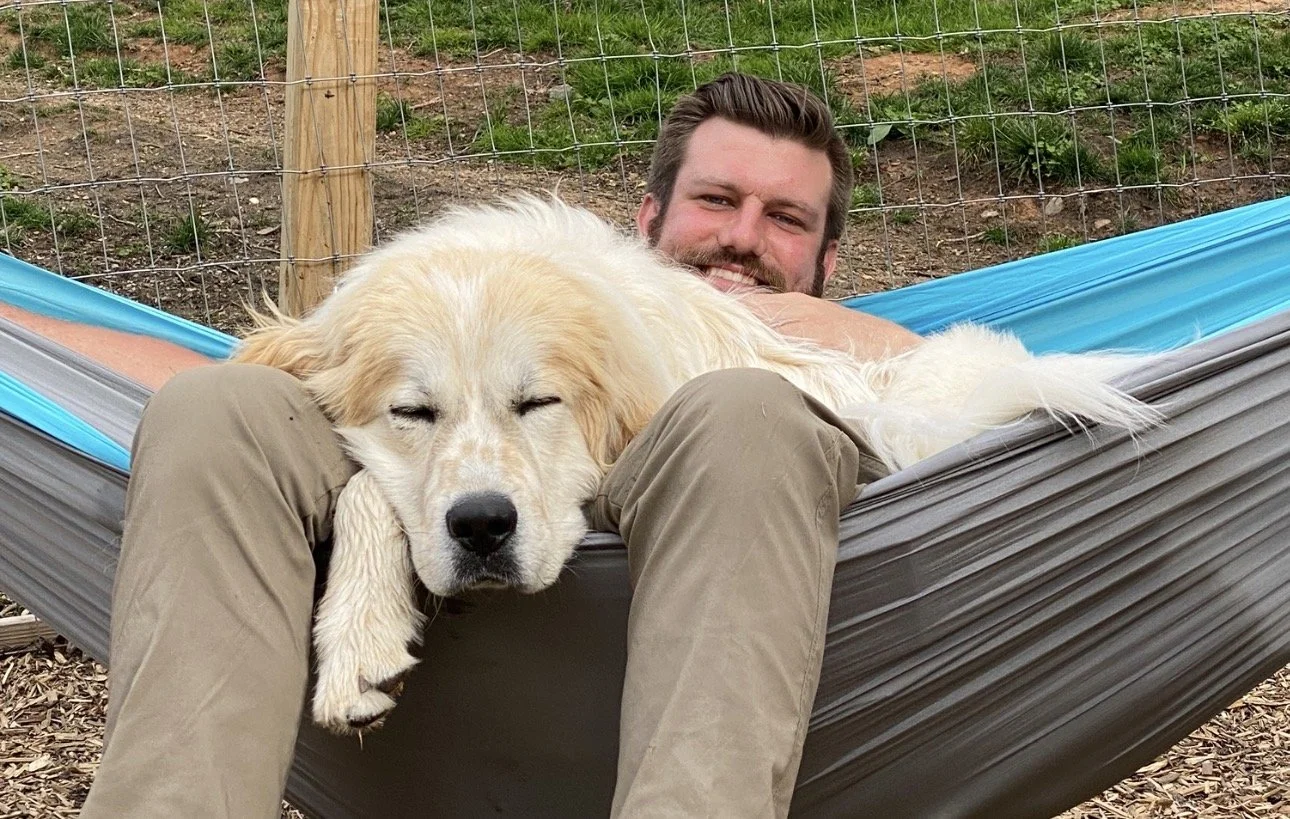
Dog friendly bars work because they combine everything friendship researchers say you need: repeated unplanned interactions, a shared activity, low social pressure, and a reason to keep coming back. Dogs handle the hard part of meeting someone new. The space handles the rest.
Whether you're looking for a regular crew, a date, or just a Tuesday evening that doesn't involve your couch, a dog friendly bar offers something most social venues can't: a place where connections happen because people actually want to be there, not because an algorithm matched them.
That's not a trend. That's just how community has always worked. Dogs just make it easier.
Frequently Asked Questions
Can I visit a dog friendly bar without bringing a dog?
Yes. At Wagbar, all humans 18 and older are welcome whether or not they bring a dog. Plenty of regulars come just for the social scene, the drinks, and the atmosphere. You don't need a dog to enjoy the space or to meet people there.
Is a dog bar a good place to meet people if I'm new to town?
It's one of the best options out there. Dog bars attract regulars, which means you'll see the same faces over multiple visits. That repeated exposure is what turns strangers into acquaintances and acquaintances into friends. If you have a dog, the ice is already broken the moment you walk in.
What kind of events do dog friendly bars typically host?
Wagbar hosts trivia nights, live music, breed-specific meetups, holiday parties, food truck rotations, and seasonal events. These aren't forced networking events. They're casual reasons to show up, stay longer, and interact with other people in a relaxed setting.
Are dog bars actually good for dating?
They can be, and the reason is the lack of pressure. Nobody goes to a dog bar specifically to find a date, which means any romantic connection that happens feels natural rather than transactional. You also get to see how someone treats their dog, which tells you a lot about them as a person.
How is a dog bar different from a regular dog park?
A traditional dog park is a fenced area with benches. A dog bar like Wagbar combines the off-leash park with a full bar, food trucks, events, and comfortable seating. The bar element is what transforms a quick dog exercise stop into a social destination where people want to hang out for hours.
Do I need a membership to visit Wagbar?
No. Wagbar offers day passes for drop-in visits as well as monthly and annual memberships for regulars. Members tend to visit more frequently, which naturally leads to stronger social connections over time. Check the membership page for current options at your nearest location.
What makes the dog friendly bar social scene different from other social venues?
Three things. First, dogs eliminate the awkwardness of approaching a stranger. Second, the layout encourages organic interaction rather than forcing it. Third, the nature of dog ownership means people come back frequently and consistently, creating the kind of repeated contact that real friendships require. Most social venues can't replicate that combination.
Bottom TLDR: The dog friendly bar social scene works because it combines everything adults need to form real connections: a shared activity, repeated low-pressure encounters, and a reason to keep showing up. Dogs handle the hard part of meeting someone new, and the space handles the rest. Whether you want a regular crew, a date, or just a Tuesday that doesn't end on the couch, this is where community is actually happening.