

The 5 Types of People You Meet at Every Dog Bar
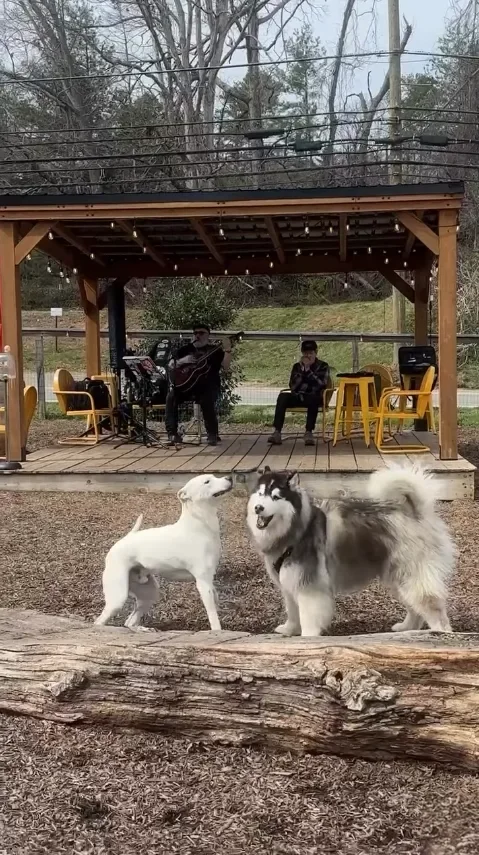
Top TLDR: Every off-leash dog bar attracts the same five types of people: the regular who knows every dog by name, the first-timer still holding a leash, the visitor who came just for the bar, the social connector who knows everyone within the hour, and the dog parent narrating every move their pup makes. Head to Wagbar and you will spot all five before your first drink is finished.
If you've spent any time at an off-leash dog bar, you already know the cast of characters. Every dog bar has them: the regulars who practically have their own reserved spots, the first-timers clinging to their leash out of habit, and the person who somehow made three new best friends before their beer arrived. Dog bars attract a specific kind of crowd, and it's one of the things that makes them so worth visiting. Here's a breakdown of the five people you'll almost certainly run into at Wagbar, and honestly, at any dog bar worth its salt.
The Regular Who Knows Every Dog's Name (But Not the Owner's)
Walk into any dog bar on a Thursday evening and you'll spot this person immediately. They're crouched down greeting a golden retriever named Biscuit, then a border collie named Pepper, then a scrappy little terrier who answers to Tank. Ask them the owner's names? They'll draw a complete blank.
This person has been coming every week for months. They know the dogs. They know the dogs' quirks, their favorite spots in the yard, which ones will steal your drink if you set it on the ground. They've seen puppies grow from wobbly 6-month-olds into confident adults who own the place. And they love every single one of them.
What makes this person easy to spot: they travel with treats in their pocket, they never sit down for long, and their tab is somehow always exactly two drinks because they spend the rest of the time on the move. The Wagbar Weaverville flagship has plenty of these long-timers. If you want the inside scoop on which dogs are most fun to hang out with, or which corner of the yard has the best shade in the afternoon, this is your person.
The First-Timer Who Showed Up with a Leash
You can always tell a first visit. There's a specific kind of look people get when they walk through the gate for the first time with their dog and realize: wait, everyone else's dogs are just... running around. No leashes. No structured greeting. Just chaos, in the best possible way.
The first-timer usually does one of two things. They either spend the first 20 minutes standing near the gate, leash still attached, watching and getting their bearings before finally unclipping and letting their dog bolt across the yard. Or they immediately release their dog, watch it sprint toward a pack of strangers like it's been waiting its whole life for this moment, and then spend 20 minutes just laughing.
Either way, something shifts in the first visit. By the time they're halfway through their drink, they've stopped watching their dog nervously and started actually talking to the person next to them. First-timers tend to make the best conversations because they're still processing the fact that this place exists and they want to talk about it with anyone who will listen. If you're preparing your dog for their first off-leash visit, the off-leash training checklist is a good place to start.
Wagbar sees plenty of first-timers -- people who found out about off-leash dog bars through a friend, a social media post, or just stumbled across the concept while looking for something different to do with their dog on a weekend. Most of them become regulars pretty quickly.
The One Who's Actually There for the Bar Part
Look, not everyone leads with the dog owner identity. Some people genuinely just heard the beer was good, the vibe was relaxed, and there happened to be dogs everywhere. That works too.
This person showed up because their friend dragged them along. They don't have a dog. They weren't sure what to expect. But now a husky named Juniper has decided to sit directly on their feet, and they're not moving until she does, and they've been at the bar two hours longer than they planned. The perfect evening at Wagbar is genuinely easy to stumble into without even trying.

The no-dog visitor is a real Wagbar demographic and a genuinely good time. They tend to be the ones getting absolutely ambushed by a pack of dogs who sense the person least prepared for affection and treat it as an invitation. By the end of the night they're usually either convinced they need to get a dog, or fully satisfied because they got all the dog time they wanted and can go home to a house with no fur on the couch.
The beauty of an off-leash dog bar is that it genuinely works for both types of people. Dog owners get a place built around their lifestyle. Non-dog-owners get to borrow the experience for an evening without any of the lifetime commitment.
The Social Butterfly Who's Already Friends with Everyone
Some people walk into a room and immediately become the center of it. Dog bars have a disproportionate number of these people, probably because the environment already breaks down social barriers. When your dog is wrestling with a stranger's dog, you're already in a conversation. You're already laughing. The intro writes itself.
The social butterfly at a dog bar has usually been there 45 minutes and somehow knows everyone's name, what they do for work, and the name of their childhood dog. They're the ones who introduced people across the room who didn't know each other, organized an informal group photo, and may or may not be planning a group outing before anyone agreed to it.
What's interesting about dog bars specifically is that they create natural social connectors. Dog park behavior research consistently backs this up: shared environments around animals reduce social friction and accelerate genuine connection. The social butterfly thrives here, but even shy people tend to come out of their shell when there's a corgi rolling around in the grass three feet away.
This is part of what makes places like Wagbar genuinely different from a regular bar. The energy is community-focused. People come to connect, not just to drink. The dogs are the catalyst, and the conversations that follow are usually pretty real. The rise of dog bars as a community trend is built almost entirely on this dynamic.
The Dog Parent Who Narrates Everything Their Dog Does
"Oh, she does this thing where she'll ignore every dog for the first ten minutes and then pick her one friend for the day and just shadow them the entire time."
"He gets so tired after about an hour but he refuses to show it. He'll just stand there pretending he's still having fun."
"She saw a butterfly and now she's done with other dogs for the evening. That's just how she is."
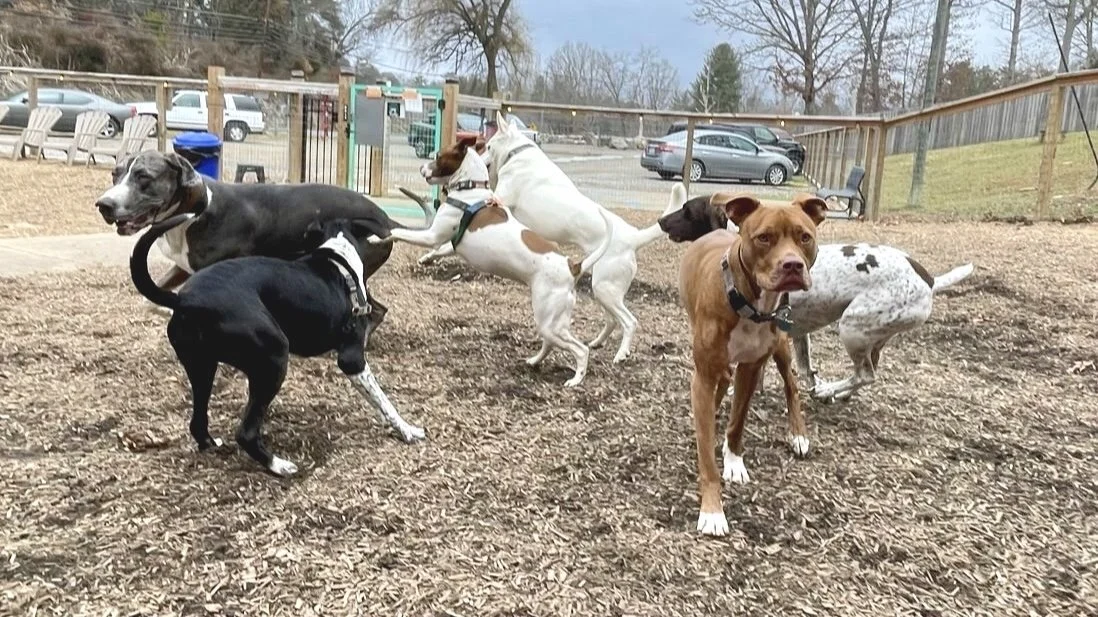
Every dog bar has multiple people running live commentary on their dog's behavior, inner life, and personality at any given moment. And honestly? It's great. Dog people tend to know their dogs extraordinarily well and have accumulated a lot of very specific, very funny observations about exactly who their dog is as a creature.
The dog narrator usually draws a small crowd without trying. The commentary is good enough that people nearby start paying attention to the dog in question, watching to see if the predicted behavior plays out. It usually does. Dogs are consistent. Understanding dog body language turns out to be something the best narrators do intuitively, even if they've never read a word about it.
This person also tends to be a reliable source of practical dog socialization knowledge -- why dogs play the way they do, what certain signals mean, when to step in and when to let dogs sort it out themselves. If you're new to off-leash parks and want to understand what you're watching, find the narrator. They'll explain everything.
Why Dog Bars Attract This Crowd
There's a reason these five types show up at every dog bar, at every location, in every city. Off-leash dog bars select for a specific kind of person: one who's comfortable with chaos, good at sharing space, and genuinely happy watching animals have a good time. That's a solid foundation for a room full of strangers.
Dog bars also attract people at different life stages. Young professionals who want a low-pressure social environment. Couples who want to do something together that their dog can be part of. People who work from home and want a legitimate reason to get out of the house and have some actual human interaction. Retirees who've found their new favorite Thursday spot.
The mix is part of the appeal. Wagbar locations bring together people who wouldn't necessarily end up at the same bar on a regular night. The dog is the common thread, and it turns out that's enough of a foundation for a pretty good time. Whether you're a Wagbar member or a first-time day pass visitor, the crowd dynamic is one of the reasons people keep coming back.
If you haven't been yet, it's worth understanding what you're walking into: a yard full of dogs, a genuinely relaxed bar, and a room full of people who are either exactly the kind of person you want to meet or will make you smile from a comfortable distance. Usually both.
FAQ
Do I need to have a dog to visit Wagbar?
No. Wagbar welcomes guests without dogs. Entry is free for humans 18 and older. Plenty of visitors come specifically for the bar and the experience of being around dogs without owning one.
What do I need to bring if I'm bringing my dog?
Dogs must be at least 6 months old, spayed or neutered, and current on rabies, Bordetella, and distemper vaccinations. Bring proof of vaccinations on your first visit. The Wagbar FAQ covers entry requirements in full.
Are off-leash dog bars safe for my dog?
Wagbar has staff on site to monitor dog interactions, and the environment is designed for off-leash play. Dogs should be comfortable around other dogs and in open group settings before visiting. The complete dog park guide covers safety and etiquette in detail.
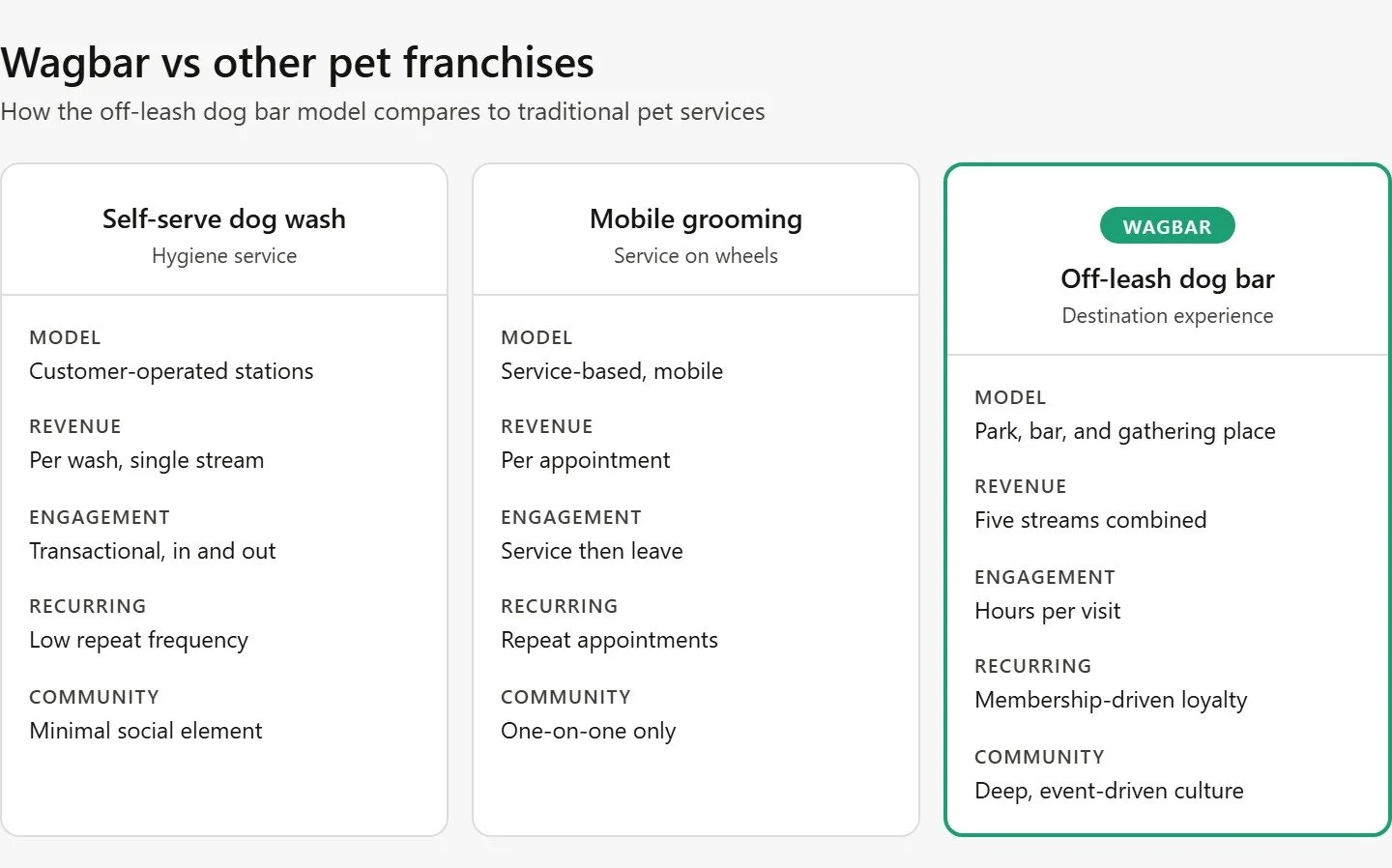
How does Wagbar compare to a regular dog park?
A public dog park is free and largely unmonitored. Wagbar is a paid, staffed venue with vaccination requirements, a bar, food, and scheduled events. The structure creates a more consistent experience for both dogs and owners.
Can I bring a puppy?
Dogs must be at least 6 months old. This protects both younger dogs and the general population, since vaccination schedules typically aren't complete until that point.
Bottom TLDR: The five types of people you meet at every dog bar show up at Wagbar without fail, because off-leash dog bars attract a crowd built around dogs, community, and a genuinely relaxed atmosphere. Whether you own a dog or just appreciate them, the mix of regulars, first-timers, and social connectors makes every visit worth it. Find your nearest Wagbar location and see which type you turn out to be.