
Tennessee Dog Park Guide: City-by-City Breakdown of Off-Leash Facilitie
Top TLDR: Tennessee dog park guide provides city-by-city breakdowns across Knoxville, Nashville, Chattanooga, Memphis, Franklin, Murfreesboro, Clarksville, and Johnson City. Municipal parks offer free access but no behavioral screening or professional oversight. Wagbar Knoxville provides supervised alternative with trained staff, vaccination verification, and behavioral assessment. Quality varies dramatically from well-maintained Franklin facilities to budget-constrained Johnson City options. Visit during off-peak hours for better experiences; match facilities to your dog's temperament and socialization needs.
Tennessee's dog parks vary dramatically in quality, maintenance, and safety standards across cities. Some provide well-maintained facilities with professional supervision. Others operate as minimally-maintained municipal parks with no oversight. Understanding what each city offers helps dog owners choose appropriate facilities for their dog's needs and temperament.
This comprehensive guide examines dog parks in Tennessee's major cities: Knoxville, Nashville, Chattanooga, Memphis, Franklin, Murfreesboro, Clarksville, and Johnson City. Each section covers park locations, amenities, size, maintenance quality, crowding patterns, and unique features. The guide also addresses the fundamental difference between unsupervised municipal parks and professionally supervised facilities like Wagbar Knoxville.
According to the American Pet Products Association, 67% of U.S. households own pets, with dogs being the most popular choice. Tennessee dog owners deserve access to safe, well-maintained off-leash spaces. This guide provides the information needed to find appropriate facilities.
Knoxville Dog Parks
Knoxville operates three municipal dog parks plus the professionally supervised Wagbar facility that opened late 2025. Together these provide reasonable coverage across the city.
Victor Ashe Park Dog Park
Location: 4901 Bradshaw Road, Knoxville, TN 37938
Size: Approximately 2 acres split between large dog (over 30 pounds) and small dog (under 30 pounds) areas.
Amenities: Water fountains for dogs and humans, waste bag stations, benches with some shade cover, parking lot accommodating 20-30 vehicles, double-gated entry system preventing escapes.
Maintenance: Generally well-maintained by Knox County Parks and Recreation. Grass condition varies by season but usually adequate. Occasional muddy patches during rainy periods. Waste bags regularly restocked.
Crowding patterns: Peak times Saturday and Sunday 10 AM - 2 PM typically see 25-45 dogs. Weekday mornings and evenings average 10-20 dogs. Less crowded than comparable Nashville facilities.
Best for: Family-friendly dogs needing space to run, owners wanting established park with adequate parking. Not ideal for reactive dogs during peak hours.
New Harvest Park Dog Park
Location: 4775 New Harvest Lane, Knoxville, TN 37918
Size: Approximately 1.5 acres with separate large and small dog areas.
Amenities: Water fountains, waste stations, limited shade, smaller parking area than Victor Ashe. Double-gated entries.
Maintenance: Adequate but less frequent attention than Victor Ashe. Grass patchier in high-traffic areas. Waste bags sometimes depleted on weekends.
Crowding patterns: Less crowded than Victor Ashe. Weekend peaks see 15-25 dogs. Good alternative when Victor Ashe is too busy.
Best for: East Knoxville residents, dogs uncomfortable with large crowds, owners seeking quieter experience than Victor Ashe provides.
Tommy Schumpert Park Dog Park
Location: 4031 Sevierville Pike, Knoxville, TN 37920
Size: Approximately 1 acre, small dog area significantly smaller than large dog section.
Amenities: Basic water fountain, waste stations, minimal shade, limited parking.
Maintenance: Sporadic. Grass often worn to dirt in high-traffic zones. Adequate for basic needs but shows budget constraints.
Crowding patterns: Least crowded of Knoxville's municipal parks. Usually fewer than 15 dogs even on weekends.
Best for: South Knoxville residents wanting convenient local option, dogs needing low-stimulation environments, seniors and small dogs uncomfortable with rough play.
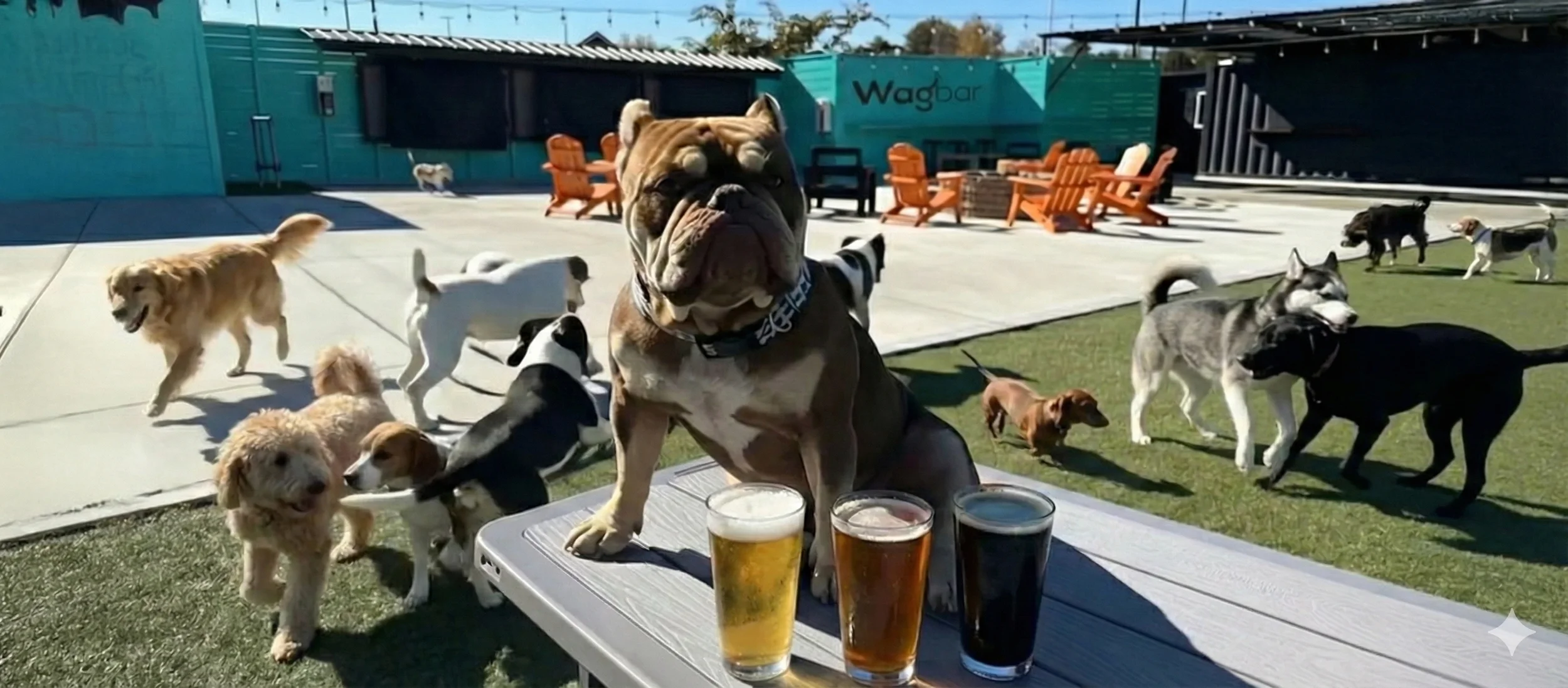
Wagbar Knoxville
Location: Former Creekside Knox location (specific address available at wagbar.com)
Size: Professional facility with supervised off-leash area, bar seating, and owner amenities.
What makes it different: Unlike municipal parks, Wagbar employs trained staff monitoring dog behavior continuously. Every dog undergoes vaccination verification and behavioral assessment before entry. Aggressive dogs are excluded, protecting the community.
Membership model: Day passes and memberships fund professional staffing, regular maintenance, and owner amenities (seating, beverages, food trucks) that make longer visits comfortable.
Best for: Dogs in critical socialization periods, reactive dogs working on behavior modification, owners wanting supervised environment preventing problems before they escalate.
Professional oversight impact: Municipal parks rely entirely on owner intervention after problems develop. Professional staff catch warning signs in body language and intervene appropriately before situations escalate.
Nashville Dog Parks
Nashville operates more dog parks than other Tennessee cities but crowding affects experience quality at most facilities.
Centennial Dog Park
Location: Centennial Park, 2500 West End Avenue, Nashville, TN 37203
Size: Approximately 1.5 acres near Parthenon replica. Separate small and large dog areas.
Amenities: Water fountains, waste stations, benches, shade from mature trees. Central location near Vanderbilt University.
Maintenance: Generally good but high traffic creates constant wear. Grass struggles in heavily-used zones.
Crowding: Peak weekend hours regularly exceed 60-80 dogs. Parking extremely challenging. Arrive before 9 AM weekends to find parking within reasonable distance.
Best for: West Nashville residents able to visit off-peak hours. Too crowded for safe dog socialization during prime times.
Shelby Dog Park
Location: Shelby Park, 600 Davidson Street, Nashville, TN 37206
Size: Approximately 2 acres along Shelby Bottoms Greenway. Separate areas by size.
Amenities: Water fountains, waste stations, good shade coverage, parking accommodates 30-40 vehicles when greenway users don't overflow into dog park lots.
Maintenance: Decent upkeep but shows heavy use. Some erosion problems near entries.
Crowding: Weekend peaks see 50-70 dogs. Less crazy than Centennial but still overwhelming for sensitive dogs. Weekday mornings more reasonable.
Best for: East Nashville residents, dogs comfortable in large groups, owners willing to arrive early weekends.
Warner Park Dog Park (Percy Warner)
Location: 7311 Highway 100, Nashville, TN 37221
Size: Large facility (3+ acres) with excellent space for running. Separate areas by size.
Amenities: Water, waste stations, extensive parking, good shade, scenic location.
Maintenance: Generally well-maintained by Metro Parks. Popular enough that wear happens but managed adequately.
Crowding: Most popular Nashville dog park. Weekend crowds regularly exceed 80-100 dogs. Parking lot fills completely. Getting to the park from parking can take 10+ minutes during peak times.
Best for: Dogs needing serious running space, owners able to visit weekday mornings before crowds arrive. Too intense for reactive or nervous dogs during popular hours.
Two Rivers Dog Park
Location: Two Rivers Park, 3150 McGavock Pike, Nashville, TN 37214
Size: Approximately 2 acres with separate small and large dog sections.
Amenities: Standard water and waste facilities, parking area, some shade.
Maintenance: Adequate but not exceptional. Shows wear from use.
Crowding: Less crowded than Centennial, Shelby, or Warner. Weekend peaks 30-50 dogs.
Best for: East Nashville alternative to Shelby Park, dogs needing moderate social interaction without overwhelming crowds.

Chattanooga Dog Parks
Chattanooga operates two municipal dog parks serving a city of 185,000 people. Limited supply creates capacity issues.
Enterprise South Nature Park Dog Park
Location: 9005 Ashland Terrace, Chattanooga, TN 37416
Size: Approximately 2 acres in scenic mountain-adjacent setting. Separate areas by size.
Amenities: Water fountains, waste stations, parking for 15-20 vehicles, shade from trees.
Maintenance: Inconsistent. Beautiful when maintained but shows neglect during budget-constrained periods. Grass condition varies significantly season to season.
Crowding: Chattanooga's main facility sees heavy weekend use. Parking lot fills completely Saturday and Sunday afternoons. 40-60 dogs common at peaks.
Best for: Scenic beauty attracts visitors but crowding and parking challenges create problems. Best visited weekday mornings.
Warner Park Dog Park (Chattanooga)
Location: 1200 Mississippi Avenue, Chattanooga, TN 37405 (North Shore area)
Size: Approximately 1.5 acres with basic separation by dog size.
Amenities: Water fountain, waste stations, limited shade, small parking area.
Maintenance: Basic maintenance only. Grass thin in high-traffic areas. Adequate for local residents but nothing special.
Crowding: Convenient North Shore location creates consistent use. Weekend peaks 25-40 dogs.
Best for: North Shore residents wanting local option, morning visitors before crowds arrive.
The Infrastructure Gap
Two dog parks for 185,000 residents creates capacity problems neither Nashville nor Knoxville faces. Finding uncrowded times requires strategic planning. Chattanooga needs additional facilities or professional supervised alternative to address demand.
Memphis Dog Parks
Memphis operates several dog parks with varying maintenance quality across different areas of the city.
Shelby Farms Dog Park
Location: Shelby Farms Park, 6265 Farmington Boulevard, Memphis, TN 38120
Size: Extensive facility with multiple acres. Separate small and large dog areas.
Amenities: Water fountains, waste stations, extensive parking, shade structures and natural shade, well-designed layout.
Maintenance: Generally good when funded properly. Memphis budget constraints sometimes affect maintenance frequency.
Crowding: Memphis's premier facility sees heavy use. Weekend peaks regularly 50-80 dogs. Weekday mornings much more reasonable.
Best for: Dogs needing significant running space, owners able to visit during less-crowded times.
Overton Park Dog Park
Location: 2080 Poplar Avenue, Memphis, TN 38104
Size: Approximately 1.5 acres near Overton Park Zoo. Separate size areas.
Amenities: Water, waste stations, some shade, limited parking affected by zoo traffic.
Maintenance: Sporadic. Shows deferred maintenance affecting grass quality and general upkeep.
Crowding: Moderate use. Weekend peaks 30-45 dogs.
Best for: Midtown residents, dogs comfortable with mid-level activity. Quality concerns limit appeal compared to Shelby Farms.
Lucius Burch Dog Park
Location: Lucius Burch State Natural Area, 3793 Old Poplar Pike, Memphis, TN 38135
Size: Smaller facility approximately 1 acre. Basic size separation.
Amenities: Minimal. Water fountain when operational, waste stations, limited parking.
Maintenance: Poor compared to other Memphis facilities. Often muddy. Grass management inadequate.
Best for: Desperation when other options too crowded. Most Memphis owners prefer Shelby Farms or Overton despite longer drives.
Summer Heat Considerations
Memphis summer heat (regularly exceeding 95°F with high humidity) makes midday dog park use dangerous June-August. Early morning or evening only. Consider urban dog exercise alternatives during peak heat.
Franklin Dog Parks
Franklin's affluent suburbs provide well-maintained facilities but premium housing costs affect accessibility.
Pinkerton Park Dog Park
Location: 405 Murfreesboro Road, Franklin, TN 37064
Size: Approximately 2 acres with excellent fencing and separate size areas.
Amenities: Water fountains, waste stations, ample parking, well-maintained shade structures, benches throughout.
Maintenance: Excellent. Wealthy community funds proper upkeep. Consistently well-maintained grass, regular waste bag restocking, prompt repairs.
Crowding: Moderate use relative to size. Weekend peaks 30-50 dogs but park size prevents overcrowding feeling.
Best for: Franklin residents, owners prioritizing maintenance quality, dogs needing clean, well-kept environments.
Jim Warren Park Dog Park
Location: 2121 Jim Warren Road, Franklin, TN 37064
Size: Approximately 1.5 acres with standard size separation.
Amenities: Water, waste stations, parking, shade.
Maintenance: Well-maintained like most Franklin facilities. Community standards keep quality high.
Crowding: Less crowded than Pinkerton. Weekend peaks 20-35 dogs.
Best for: Eastern Franklin residents, alternative to Pinkerton when busy.
Murfreesboro Dog Parks
Murfreesboro provides several dog parks serving growing population.
Barfield Crescent Park Dog Park
Location: 697 Veterans Parkway, Murfreesboro, TN 37128
Size: Approximately 1.5 acres with small and large dog sections.
Amenities: Water fountains, waste stations, parking, some shade.
Maintenance: Adequate for Middle Tennessee expectations. Not Franklin-quality but acceptable.
Crowding: Moderate use. Weekend peaks 25-40 dogs.
Best for: Murfreesboro residents wanting established facility, apartment dogs needing off-leash time.
Paw Park at Sports*Com
Location: Sports*Com complex, 2310 Memorial Boulevard, Murfreesboro, TN 37129
Size: Smaller facility approximately 1 acre.
Amenities: Basic water and waste facilities, parking challenges when sports complex hosts events.
Maintenance: Basic maintenance only.
Crowding: Light to moderate. Rarely overcrowded.
Best for: Local residents, dogs uncomfortable with larger facilities.
Clarksville Dog Parks
Clarksville serves significant Fort Campbell military community affecting usage patterns.
Heritage Park Dog Park
Location: 1241 Peachers Mill Road, Clarksville, TN 37042
Size: Approximately 1.5 acres with size-based sections.
Amenities: Water, waste stations, parking, basic shade.
Maintenance: Adequate. Military community creates well-behaved user base generally respecting facilities.
Crowding: Moderate use. Military schedules create variable patterns.
Best for: Military families, local residents, dogs needing moderate activity levels.
Johnson City Dog Parks
Smaller city with limited dog park infrastructure reflecting population size.
Kiwanis Dog Park
Location: Kiwanis Park, 3900 South Roan Street, Johnson City, TN 37601
Size: Approximately 1 acre with basic separation.
Amenities: Minimal. Water when operational, waste stations, limited parking.
Maintenance: Variable. Shows budget constraints affecting upkeep frequency.
Crowding: Light use except weekend afternoons. Rarely overcrowded.
Best for: Johnson City residents lacking alternatives, dogs preferring lower activity levels.

Municipal Parks vs. Supervised Facilities: Understanding the Critical Difference
Every municipal park described above operates unsupervised. Owners bear complete responsibility for managing interactions, preventing fights, and ensuring safety. This model works adequately for well-socialized dogs with attentive owners but creates unnecessary risks.
What Municipal Parks Don't Provide
No behavioral screening: Any dog can enter regardless of aggression history. Owners self-report vaccination status on honor system with no verification.
No professional monitoring: Fights break out before owners react. Warning signs in dog body language go unnoticed until situations escalate.
No intervention capability: When problems occur, owners must intervene themselves. Many owners lack knowledge or willingness to act decisively.
Minimal maintenance funding: Tax-funded operations compete with roads, schools, and other priorities. Maintenance suffers during budget constraints.
No accountability: Aggressive dogs return repeatedly despite incidents. No enforcement mechanism excludes dangerous dogs.
What Professional Supervision Provides
Wagbar Knoxville demonstrates the supervised model's advantages:
Trained staff monitoring: Employees trained in canine behavior watch interactions continuously. They intervene before problems escalate rather than after fights begin.
Vaccination verification: Every dog shows current vaccination records before entry. No honor system. Health risks minimized through enforcement.
Behavioral assessment: Dogs undergo evaluation before accessing off-leash areas. Aggressive dogs excluded immediately, protecting community safety.
Membership accountability: Members face suspension or termination for rule violations or aggressive dog behavior. Creates incentive structure encouraging responsible ownership.
Professional maintenance: Membership fees fund regular cleaning, repairs, and improvements without competing for limited municipal budgets.
Owner amenities support longer visits: Comfortable seating, beverages, food options mean owners stay longer. Longer visits equal better exercise and dog socialization outcomes.
Choosing the Right Tennessee Dog Park
Match facilities to your dog's specific needs rather than defaulting to most convenient location.
For Puppies in Critical Socialization Windows
Professional supervised facilities provide controlled exposure essential for proper development. Puppy socialization during critical 3-16 week period shapes lifelong behavior patterns.
Municipal parks expose puppies to unscreened dogs of unknown vaccination status and temperament. Professional supervision eliminates these risks while providing socialization benefits.
For Reactive or Anxious Dogs
Reactive dogs need controlled environments with professional oversight. Municipal parks during peak times overwhelm reactive dogs, setting back training progress.
Consider off-peak municipal park visits or professional supervised facilities where staff can manage exposure gradually.
For High-Energy Working Breeds
Border Collies, Huskies, and similar breeds need substantial running space. Large facilities like Nashville's Warner Park or Memphis's Shelby Farms provide adequate room.
Visit during less-crowded times when your dog can actually run rather than navigate crowds.
For Small or Senior Dogs
Small dog areas at most parks provide safer environments than mixed-size spaces. Small dog breeds face injury risks from rough play with larger dogs.
Supervised facilities offer better protection through staff monitoring preventing rough interactions before injuries occur.
For Social, Well-Adjusted Dogs
Well-socialized, friendly dogs like Golden Retrievers generally handle municipal parks well. They benefit most from facilities offering adequate space and reasonable maintenance.
Dog Park Etiquette Across Tennessee
Proper dog park etiquette prevents problems and improves experiences for everyone.
Universal Tennessee Dog Park Rules
Verify current vaccinations before visiting any facility
Clean up waste immediately
Watch your dog continuously
Intervene if your dog plays too rough
Don't bring toys, treats, or food (creates resource guarding)
Keep dogs leashed until inside double-gated entry
Remove dogs showing aggression immediately
Limit visits to 45-60 minutes preventing over-stimulation
Reading Warning Signs
Recognize when to leave before problems develop. Warning signs include:
Your dog hiding or seeking to leave
Other dogs ganging up on one dog
Mounting behavior escalating
Play becoming too rough
Owners not watching their dogs
Too many dogs for safe management
Seasonal Considerations for Tennessee Dog Parks
Summer (June-August)
Tennessee heat makes midday park visits dangerous. Morning visits before 9 AM or evening after 7 PM only. Watch for heat exhaustion signs: excessive panting, drooling, weakness.
Asphalt parking lot temperatures burn paw pads. Use grass or carry your dog if necessary.
Winter (December-February)
Most Tennessee dog parks remain open year-round. Occasional ice and snow shut facilities temporarily. Cold-sensitive small breeds need coats and limited exposure.
Mud season makes parks messy. Some owners skip winter visits entirely.
Spring and Fall
Ideal Tennessee weather for dog parks. Expect peak crowds during comfortable temperature months. Plan accordingly.
Planning Your First Visit to a New Tennessee Dog Park
First visits to unfamiliar parks require strategic planning beyond just showing up.
Before You Go
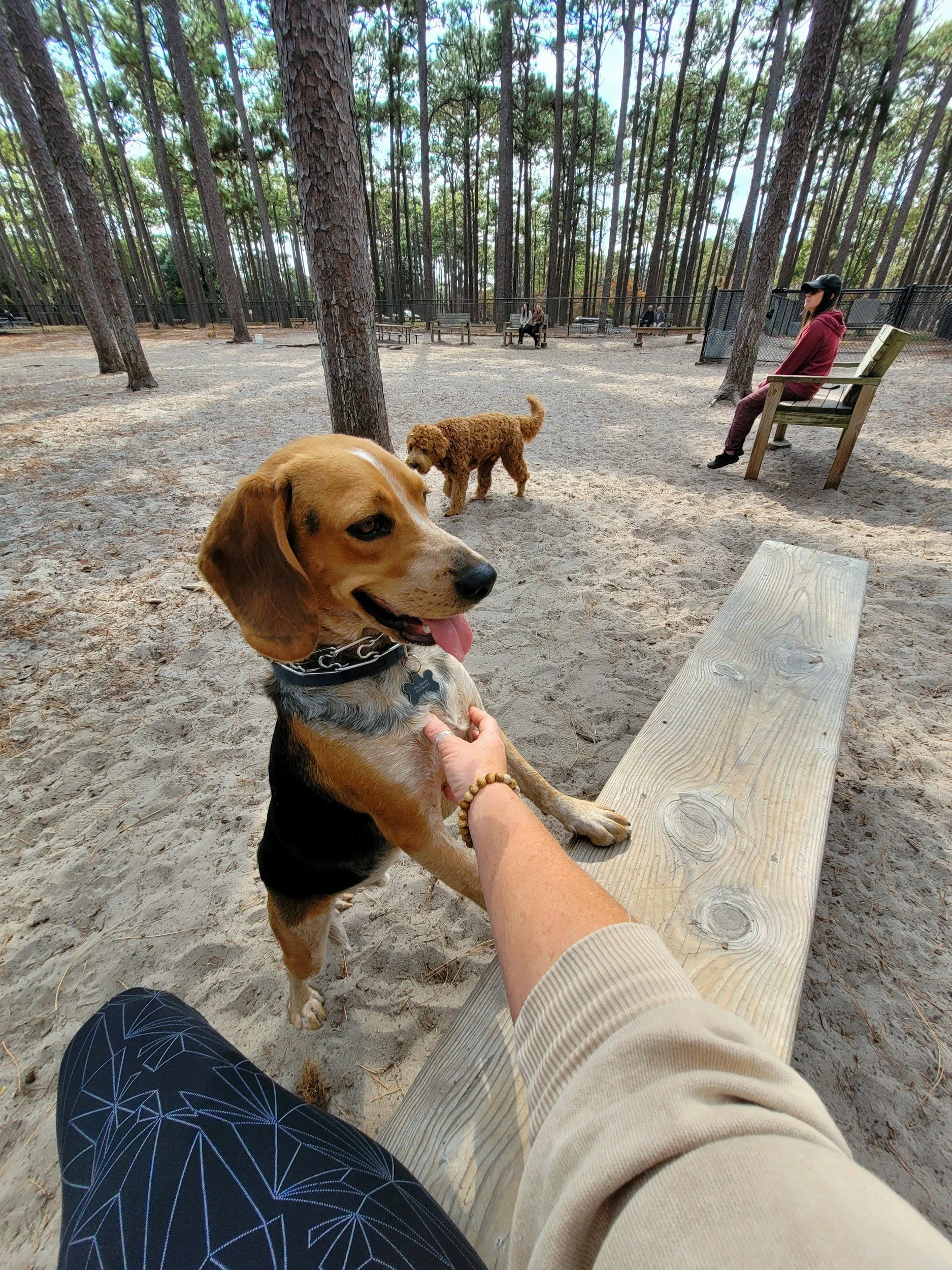
Research the specific facility: Check recent reviews on Google, Facebook groups, or local dog owner communities. Maintenance quality and user behavior vary over time. Current information matters more than outdated descriptions.
Verify hours and rules: Municipal park hours often change seasonally. Some close at dusk while others remain open later. Confirm vaccination requirements and breed restrictions before visiting.
Check weather: Tennessee summer heat makes midday visits dangerous. Winter ice closes some facilities. Spring rain creates muddy conditions at poorly-maintained parks.
Plan for off-peak times: First visits should happen during quieter periods when you can assess the park without overwhelming crowds. Weekday mornings or late afternoons typically see fewer dogs.
What to Bring
Required items:
Current vaccination records (some facilities check)
Leash for walking to/from park entrance
Waste bags (bring your own despite availability at parks)
Water bowl if park fountains questionable
Recommended items:
Towel for muddy conditions
First aid supplies for minor scrapes
Phone for emergencies
Patience for learning new environment
What NOT to bring:
Toys (create resource guarding conflicts)
Treats or food (same problem)
Puppies under 4 months (vaccination incomplete)
Dogs in heat (creates disruption)
First 15 Minutes Are Critical
Don't rush into the main play area immediately. Observe through fencing first:
Watch dog interactions: Are dogs playing appropriately or too rough? Do owners intervene when needed? Are dogs widely distributed or clustering dangerously?
Assess overall atmosphere: Relaxed and friendly or tense and chaotic? Well-behaved dogs or out-of-control chaos?
Identify potential problems: Aggressive dogs, inattentive owners, dangerous equipment, poor maintenance creating hazards.
Enter gradually: Walk your dog around perimeter first. Let them observe through fence before entering. Enter during calm moment, not when dogs rushing gate.
Reading Your Dog's Comfort Level
Your dog tells you how they feel about new environments. Watch for:
Comfortable signs:
Loose, wiggly body
Play bows and social approaches
Sniffing and exploring confidently
Relaxed facial expressions
Uncomfortable signs:
Tail tucked between legs
Ears pinned back
Seeking to leave or hide behind you
Lip licking, yawning (stress signals)
Stiff, frozen posture
Leave immediately if your dog shows severe stress. Forcing uncomfortable dogs into situations creates negative associations lasting months or years. Better to try different park or return during quieter time.
When to Cut Visits Short
Even at familiar parks, situations develop requiring early departure:
Fight breaks out (leave immediately)
Too many dogs arriving (overcrowding)
Your dog showing stress or exhaustion
Aggressive dog arrives
Weather deteriorating rapidly
Another owner behaving inappropriately
Leaving early isn't failure. It's responsible dog ownership prioritizing safety over arbitrary time goals.
Safety Issues at Tennessee Dog Parks
Municipal parks operate with minimal oversight creating safety risks attentive owners must manage.
Common Injury Risks
Bite wounds: Most common injury. Results from fights, rough play escalating, or predatory behavior toward small dogs. Requires immediate veterinary attention even if wounds seem minor. Infection risk high from dog bites.
Joint and ligament injuries: Dogs running too hard too fast, especially after long inactive periods. ACL tears, muscle strains, and sprains common in out-of-shape dogs suddenly running intensely. Build fitness gradually.
Heat exhaustion: Tennessee summer heat combined with excited dogs creates dangerous situations. Dogs don't regulate temperature effectively while playing. Watch for excessive panting, drooling, weakness, vomiting.
Cuts and abrasions: Rough ground, debris, damaged equipment cause injuries. Check paws after visits. Clean minor wounds promptly.
Disease transmission: Parvo, kennel cough, giardia, and other illnesses spread through dog contact. Municipal parks with no vaccination enforcement create higher risk than supervised facilities.
Preventing Problems
Stay vigilant constantly: Never sit on phone ignoring your dog. Watch interactions continuously. Intervene before problems escalate.
Know your dog's limits: Some dogs enjoy 15 minutes then need breaks. Others play hard for 45 minutes. Respect individual needs rather than forcing extended stays.
Match parks to dog temperament: Shy dogs need quieter facilities. Social dogs handle crowds better. High-energy dogs need space. Small dogs need protected areas.
Visit during appropriate times: Off-peak hours provide better experiences for most dogs. Weekend peak times suit only extremely social, well-adjusted dogs.
Emergency Preparedness
Know where nearest emergency vet is located: Before visiting parks, map route to 24/7 emergency facility from that location. Don't waste time searching during emergency.
Have emergency contact information: Vet phone number programmed in phone. Someone to call if you're injured and need help with your dog.
Basic first aid knowledge: How to stop bleeding, assess injury severity, safely transport injured dog.
Exit strategy: Know how you'll remove your dog quickly if needed. Some parks have difficult access requiring planning.
Tennessee Dog Park Comparison: City-by-City Rankings
Overall quality rankings based on maintenance, crowding management, distribution, and alternatives:
1. Knoxville (Best)
Three municipal parks plus Wagbar supervised facility
Good geographic distribution
Reasonable maintenance standards
Less crowding than Nashville
Professional supervised alternative available
2. Franklin (Best Maintained)
Excellent maintenance quality
Adequate capacity for population
Affluent community funds proper upkeep
Limited to Franklin residents realistically due to housing costs
3. Nashville (Most Options, Quality Variable)
Most total facilities
Heavy crowding affects experience
Maintenance adequate but stressed by heavy use
Finding parking at popular parks challenging
4. Memphis (Adequate with Gaps)
Shelby Farms excellent flagship facility
Other parks show deferred maintenance
Summer heat limits use significantly
Quality inconsistent across facilities
5. Murfreesboro (Developing)
Adequate basic options
Growing population straining capacity
Maintenance acceptable not exceptional
Improving but not destination-worthy
6. Chattanooga (Infrastructure Gap)
Only two facilities for city size
Scenic locations offset capacity problems
Needs additional parks or professional alternative
Crowding issues at peak times
7. Clarksville (Adequate for Size)
Basic facilities matching city size
Military community creates well-behaved user base
Nothing special but functional
8. Johnson City (Minimal Infrastructure)
Single basic facility
Reflects small city size
Adequate for locals lacking alternatives
No destination appeal
The Professional Supervision Advantage: Why It Matters
Wagbar Knoxville represents a fundamentally different approach to off-leash dog spaces.
Municipal Park Model Limitations

Municipal parks operate as passive facilities. They provide fenced space and basic amenities. They depend entirely on individual owner responsibility for safety, behavior management, and problem prevention.
This model works adequately when:
All owners actively supervise their dogs
All dogs have appropriate temperaments
All dogs are properly vaccinated
Owners intervene effectively during problems
No aggressive dogs attend
Reality rarely meets all these conditions simultaneously. The model fails when any element breaks down.
Professional Model Advantages
Wagbar's supervised approach changes the paradigm fundamentally:
Active management vs. passive facilities: Staff trained in canine behavior actively manage the environment rather than hoping owners do so.
Prevention vs. reaction: Professional staff identify problems developing through body language signals before escalation. Municipal parks respond only after incidents occur.
Screening vs. open access: Behavioral assessment and vaccination verification exclude dangerous dogs proactively. Municipal parks allow entry until proven dangerous through incidents.
Accountability vs. anonymity: Membership creates traceable accountability. Municipal parks provide anonymous one-time visits with no consequences for bad behavior.
Sustainable funding vs. budget competition: Membership fees fund proper maintenance consistently. Municipal budgets compete with roads, schools, police creating unpredictable funding.
Cost-Benefit Analysis
Professional facilities cost more than free municipal parks. The question is whether benefits justify costs for your specific situation.
Municipal parks work fine for:
Well-socialized, friendly dogs
Owners confident managing problems independently
Dogs not needing behavior modification
Owners able to visit off-peak avoiding crowds
Healthy dogs at low disease risk
Professional supervision justifies cost for:
Puppies in critical socialization windows
Reactive dogs working on behavior issues
Small breeds vulnerable to larger dogs
Owners wanting extended visits with amenities
Dogs benefiting from longer sessions professional environment enables
Neither option is universally better. The right choice depends on your dog's needs, your comfort with risk management, and whether you value professional oversight enough to pay for it.
Making Tennessee Dog Parks Work for Your Dog
Tennessee provides adequate dog park infrastructure across major cities. Quality varies significantly. Professional supervised options now exist in Knoxville through Wagbar, offering safer alternative to unsupervised municipal facilities.
Choose facilities matching your dog's needs, temperament, and socialization level. Visit during appropriate times avoiding overwhelming crowds. Follow proper etiquette maintaining safety and enjoyment for all users.
Municipal parks serve their purpose for healthy, well-socialized dogs with attentive owners. Professional supervised facilities provide superior safety and socialization environments justifying membership costs for dogs needing controlled exposure or owners prioritizing professional oversight.
Bottom TLDR: Tennessee dog park selection requires matching facilities to your dog's specific needs and temperament. Municipal parks work well for socialized dogs with attentive owners visiting off-peak hours. Professional supervised facilities like Wagbar Knoxville benefit puppies, reactive dogs, small breeds, and owners prioritizing safety through behavioral screening and trained staff oversight. Research specific facility maintenance quality, crowding patterns, and amenities before visiting. Plan first visits during quieter weekday mornings to assess suitability without overwhelming crowds.