
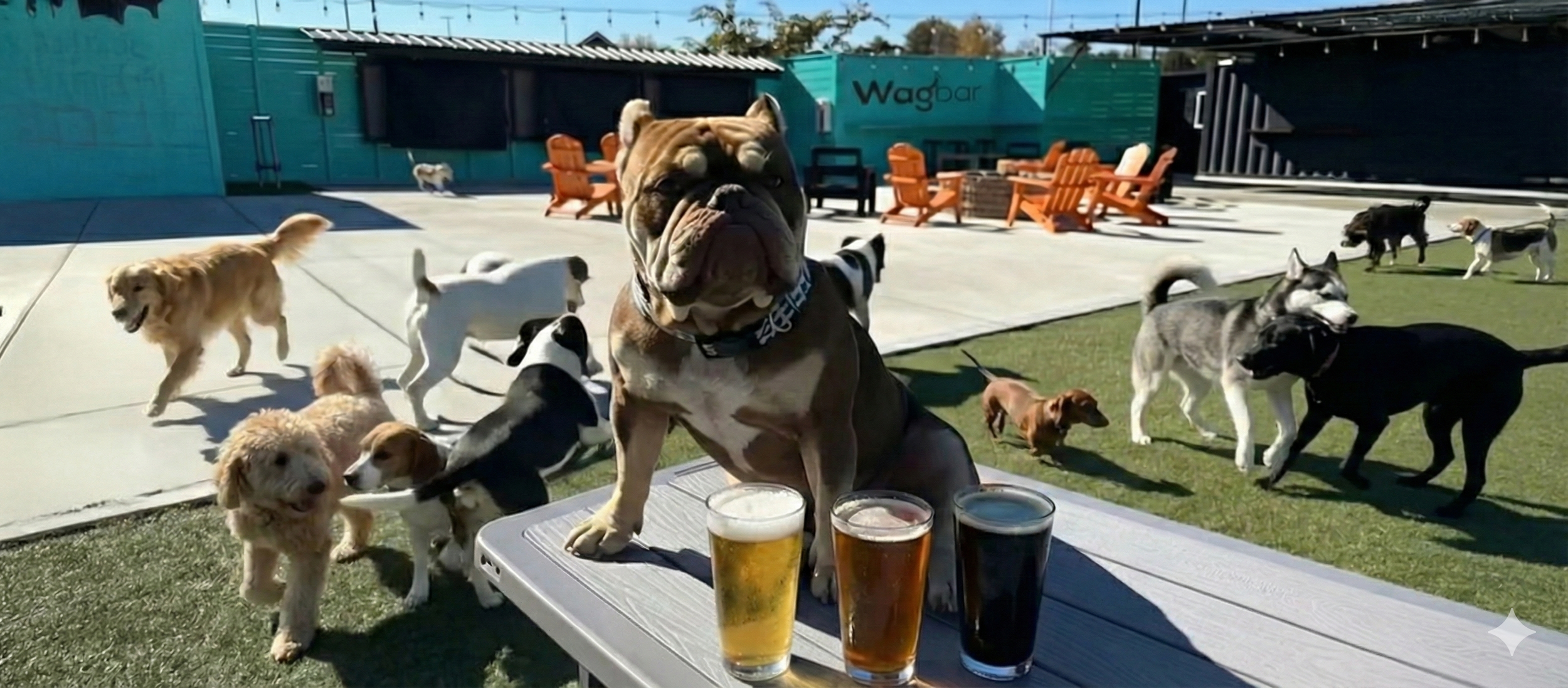
Summer Dog Park Safety in Knoxville: Beating the Tennessee Heat at Wagbar

Top TLDR: Summer dog park safety in Knoxville requires protection from Tennessee's brutal heat and humidity that regularly exceed 90°F with heat indices over 100°F from June through September. Wagbar Knox solves this challenge with climate-controlled indoor bar space, shaded outdoor play areas, constant water access, and staff trained to recognize heat stress symptoms before they become emergencies. Visit during cooler morning hours (7-10 AM) or evenings (after 7 PM), take frequent indoor breaks, and choose Wagbar's supervised environment over unmonitored outdoor parks where heat stroke can develop unnoticed.
Tennessee summers don't mess around. By late June, Knoxville's heat and humidity create conditions where a 30-minute dog park visit can turn dangerous fast. Heat indices regularly top 100°F. Asphalt reaches temperatures that literally burn paw pads. Humidity makes panting less effective at cooling. And many Knoxville dog owners don't realize their dog is overheating until symptoms become severe.
Traditional outdoor dog parks offer minimal relief. A few trees provide patchy shade. Water bowls sit in direct sun, becoming hot enough that dogs won't drink. There's nowhere to cool down when your dog starts showing heat stress. And if you're not actively watching for symptoms, your dog could be in serious danger before you notice.
This is where Wagbar Knox fundamentally changes summer dog park safety in Knoxville. The combination of climate-controlled indoor space, shaded outdoor areas, proper hydration infrastructure, and trained staff monitoring for heat stress creates an environment where dogs can socialize safely even during Tennessee's most brutal summer months.
Understanding Tennessee Heat: Why Knoxville Summers Are Dangerous for Dogs
Before addressing solutions, understand the specific challenges Knoxville's climate creates. This isn't just "it's hot"—it's a combination of factors that make Tennessee summers uniquely dangerous for dogs.
The Humidity Factor
Dogs cool themselves primarily through panting, which works by evaporating moisture from their respiratory tract. This evaporative cooling depends on low humidity. When humidity exceeds 60%, panting becomes significantly less effective. When it tops 80%, panting provides minimal cooling.
Knoxville's summer humidity regularly reaches 70-90%. On these days, even moderate temperatures (85°F) create dangerous conditions because dogs can't effectively regulate their body temperature. Heat indices—which account for humidity's impact—tell the real story: a 90°F day with 70% humidity feels like 106°F, and that's exactly what your dog is experiencing.
At Wagbar's climate-controlled indoor environment, humidity is regulated along with temperature. Dogs can take breaks in 72°F air-conditioned space where panting actually works, allowing them to cool effectively between play sessions.
Surface Temperature Reality
Air temperature tells only part of the story. Surface temperatures determine whether your dog can safely stand, walk, and play. On a 90°F day, asphalt and concrete can reach 140-160°F—hot enough to cause second-degree burns in 60 seconds.
Most Knoxville outdoor dog parks feature significant paved surfaces: parking areas, pathways, sometimes the play surface itself. Dogs entering these parks often cross hot pavement before reaching grass. Even grass in direct sun can reach uncomfortable temperatures, though not typically burn-causing levels.
Wagbar's outdoor play area uses materials selected specifically for heat management. The surface doesn't absorb and radiate heat like asphalt. Shaded areas provide genuinely cool ground where dogs can rest. And most importantly, dogs can retreat to climate-controlled indoor space where floors remain comfortably cool regardless of outside temperature.
The Compound Effect of Exercise
Dogs generate significant body heat during play. An active dog's internal temperature can rise 1-2°F within minutes of intense exercise. In cool weather, this heat dissipates easily. In hot, humid weather, it compounds the environmental heat load.
Watch dogs at traditional Knoxville dog parks during summer: they sprint, wrestle, chase for 10-15 minutes, then collapse panting in whatever shade exists. Their body temperature has spiked, their cooling system is working overtime, and they have nowhere comfortable to recover. Many owners misinterpret this collapse as tiredness rather than heat stress.
At Wagbar, the supervised environment means staff recognize when play intensity needs management. They'll redirect overly energetic dogs before heat stress develops. They'll encourage owners to take breaks. They'll identify dogs showing early heat stress symptoms and intervene immediately.
Recognizing Heat Stress: Symptoms Every Wagbar Visitor Should Know
Heat stress progresses through stages: heat exhaustion to heat stroke to organ failure and death. The transition from "my dog seems hot" to "my dog needs emergency veterinary care" can happen in 15-20 minutes. Every Wagbar visitor needs to recognize these symptoms.
Early Heat Stress Symptoms
These appear first and indicate your dog needs cooling immediately:
Excessive panting with no improvement after brief rest
Thick, ropy saliva instead of normal thin drool
Bright red or very pale gums
Increased heart rate even at rest
Reluctance to continue playing despite earlier enthusiasm
Seeking shade or cool surfaces obsessively
Disorientation or appearing "drunk"
At this stage, heat stress is easily reversible. Move your dog to Wagbar's air-conditioned indoor space. Offer cool (not ice-cold) water. Wet their paws, belly, and ears with room-temperature water. They should recover within 15-20 minutes.
Don't wait to see if symptoms improve on their own. Every minute at elevated body temperature increases risk. Don't assume they'll cool down eventually. Tennessee humidity means they might not.
Advanced Heat Stroke Symptoms
If heat stress progresses untreated, you'll see:
Vomiting or diarrhea
Collapse or inability to stand
Seizures or muscle tremors
Gums turning blue or purple
Complete loss of consciousness
These symptoms require immediate emergency veterinary care. Call ahead to an emergency vet while you transport. Continue cooling efforts during transport but don't delay leaving to cool them first.
This progression from early symptoms to heat stroke can happen frighteningly fast—particularly in brachycephalic breeds (bulldogs, pugs, Boston terriers) who already struggle with breathing, in overweight dogs, and in dogs with dark coats absorbing more heat.
Why Wagbar's Model Prevents Progression
Most heat stroke cases at traditional dog parks happen because early symptoms go unnoticed or unrecognized. Owners are socializing, not watching their dog closely. There's nowhere comfortable to cool down even if symptoms are noticed. The environment doesn't support intervention.
Wagbar's structure prevents progression through multiple mechanisms:
Staff training in heat stress recognition means multiple sets of experienced eyes are watching all dogs constantly, catching early symptoms before owners notice
Climate-controlled indoor space provides immediate relief the moment symptoms appear, stopping progression immediately
Community culture of responsibility means other visitors will alert you if they notice your dog showing symptoms
Water stations positioned throughout ensure hydration access doesn't require leaving play areas
This layered approach to heat safety is why you'll see dogs playing comfortably at Wagbar on days when traditional outdoor parks are genuinely dangerous.

Best Times to Visit Wagbar During Knoxville Summers
While Wagbar's climate control makes it safer than outdoor parks regardless of timing, strategic visit scheduling maximizes comfort and minimizes heat stress risk.
Early Morning: The Golden Hours (7-10 AM)
Knoxville's coolest summer temperatures occur between dawn and mid-morning. During July and August, temperatures at 7 AM might be 72-78°F with slightly lower humidity than later in the day. By 10 AM, temperatures typically reach 85-88°F with rising humidity.
Early morning Wagbar visits offer several advantages:
Lower baseline temperatures mean dogs start with lower heat stress
Morning energy from both dogs and owners creates enthusiastic play
Less crowded than evening hours, allowing more space for active play
Full day ahead means dogs can rest and recover at home after play
Cooler commute to and from Wagbar reduces car-related heat stress
For working professionals, early morning visits require commitment but pay dividends in dog health and energy management. A tired, satisfied dog who played at 8 AM is a calm, happy dog during your work-from-home day.
Evening Sessions: Post-Heat Peak (After 7 PM)
The other optimal window opens after 7 PM when Tennessee's fierce afternoon heat begins breaking. Temperature drops 5-10°F from peak, humidity often decreases slightly, and the sun's intensity reduces dramatically.
Evening Wagbar visits work well for:
Traditional work schedules where mornings aren't feasible
Dogs who play better after sleeping most of the day
Owners who enjoy the social atmosphere and want to linger
Dogs who need significant exercise to sleep well overnight
Wagbar's evening energy differs from morning. Play might be slightly less intense as dogs are tired from their day, but social interaction and community feel are stronger. This is when regulars gather, when the bar atmosphere feels most vibrant, when Knoxville's dog community really comes alive.
Midday Visits: When Climate Control Matters Most
Between 11 AM and 5 PM, Knoxville temperatures peak. Heat indices regularly exceed 100°F. Outdoor surfaces reach burn-causing temperatures. Traditional outdoor dog parks are genuinely dangerous during these hours.
This is when Wagbar's model shines brightest. While outdoor-only parks close or become unusable, Wagbar remains comfortable and safe. Dogs can play in shaded outdoor areas during slightly cooler moments and retreat to air-conditioning whenever needed.
Midday visits work particularly well for:
Remote workers with flexible schedules
Retirees or stay-at-home parents managing dog exercise
Dogs with anxiety who do better during quieter periods
Owners who prefer less crowded environments
Don't avoid Wagbar during peak heat hours—this is precisely when the climate-controlled environment provides maximum value compared to outdoor alternatives.
Cooling Strategies: How Wagbar Keeps Dogs Safe in Summer Heat
Beyond timing visits strategically, Wagbar implements multiple cooling protocols that distinguish it from traditional outdoor parks. Understanding these systems helps you make the most of them.
The Indoor/Outdoor Hybrid Model
Wagbar's greatest summer safety advantage is simple: when it's too hot outside, go inside. The climate-controlled bar space provides genuine relief, not just patchy shade that's still 85°F and humid.
Smart summer Wagbar visits follow a rhythm:
Start with 10-15 minutes of energetic outdoor play while dogs are fresh
Bring your dog inside for 5-10 minutes of air-conditioned cooling
Return outside for another play session
Repeat the cycle, shortening outdoor sessions if heat intensifies
This approach prevents the sustained heat exposure that causes heat stroke. Your dog's body temperature never stays elevated long enough to become dangerous. They cool completely between play sessions rather than accumulating heat load.
Many Wagbar regulars become experts at reading their individual dog's heat tolerance and adjusting the indoor/outdoor ratio accordingly. A husky might need 20 minutes inside for every 10 minutes outside. A short-haired hound might handle 15 minutes outside per 5 minutes inside. Learn your dog's needs and manage accordingly.
Strategic Shade Architecture
Wagbar's outdoor play area isn't just "a fenced area that happens to have some trees." The shade is intentional and strategic, designed specifically for Tennessee summer heat management.
Mature trees provide genuine canopy coverage that reduces ground temperature by 20-30°F compared to sun-exposed areas
Covered structures create shaded gathering spots where dogs naturally congregate during breaks
Positioning of water stations in shaded areas ensures water stays cool and appealing
Seating for owners placed strategically in shade encourages them to remain in areas where they can supervise dogs taking breaks
This shade architecture means even the outdoor areas provide better heat protection than typical Knoxville dog parks where a few scattered trees offer minimal relief.
Hydration Infrastructure
Water access seems basic, but implementation matters enormously for summer safety. Wagbar's hydration system exceeds what you'll find at traditional outdoor parks.
Multiple water stations positioned throughout the play area mean dogs don't have to leave activity to hydrate
Shaded placement keeps water cool and appealing rather than sun-warmed

Regular monitoring and refilling by staff ensures fresh, cool water is always available
Bowl design and placement at appropriate heights for various dog sizes
Indoor water access in the climate-controlled space provides an additional hydration location
Staff actively encourage hydration during hot days, often carrying water to owners whose dogs are showing early heat stress. This proactive approach prevents the "I didn't realize they weren't drinking enough" situations that contribute to heat stroke.
Special Considerations for Heat-Vulnerable Dogs
Not all dogs handle heat equally. Certain physical characteristics, health conditions, and breed traits make some dogs particularly vulnerable to Tennessee summer heat. If your dog falls into these categories, extra precautions are essential—even at climate-controlled Wagbar.
Brachycephalic Breeds: Pugs, Bulldogs, Boston Terriers
Short-nosed breeds struggle with breathing even in cool weather. Their compressed airways make panting less efficient, reducing their primary cooling mechanism. In hot, humid Tennessee weather, these dogs face serious heat stroke risk.
If you have a brachycephalic breed:
Limit outdoor play to 5-10 minute sessions maximum
Spend 70-80% of visit time in air-conditioned indoor space
Watch for breathing difficulty, not just heat stress symptoms
Avoid visits during peak heat hours even with air conditioning available
Consider whether your dog is enjoying the experience or just tolerating it
Wagbar's climate control makes summer socialization possible for these breeds when outdoor-only parks are genuinely dangerous. But even with air conditioning, these dogs need extra caution and shorter outdoor exposure.
Overweight Dogs: Carrying Extra Heat-Retaining Mass
Excess weight acts as insulation, making it harder for dogs to dissipate heat. Overweight dogs also work harder during exercise, generating more internal heat while being less efficient at cooling.
If your dog carries extra weight:
Choose cooler visit times exclusively (early morning or late evening)
Manage exercise intensity, redirecting from high-energy chase to calmer play
Take even more frequent indoor cooling breaks
Focus summer visits on building social skills rather than intense exercise
Consider whether summer weight loss would improve your dog's quality of life
Don't avoid Wagbar because your dog is overweight—socialization and appropriate exercise help with weight management. Just be strategic about heat safety.
Senior Dogs: Reduced Thermoregulation Capacity
Aging reduces dogs' ability to regulate body temperature effectively. Senior dogs may not pant as efficiently, may have underlying health conditions affecting cooling, and may not recognize their own heat stress until it's advanced.
For senior dogs during Knoxville summers:
Prioritize gentle socialization in air-conditioned space over intense outdoor play
Watch for heat stress symptoms even more vigilantly
Limit outdoor time to cooler hours only
Consider whether your senior dog actually enjoys summer park visits or would prefer quieter alternatives
Respect when they're ready to go home rather than pushing for longer visits
Wagbar's supervised environment means staff will help monitor your senior dog and alert you to heat stress symptoms. Don't hesitate to ask staff to keep an eye on your older pup during visits.
Dark-Coated Dogs: Absorbing Maximum Heat
Black and dark-coated dogs absorb significantly more heat from sun exposure than light-coated dogs. This doesn't make summer socialization impossible, but it requires awareness and management.
For dark-coated dogs:
Prioritize shaded play areas and air-conditioned space
Wet their coat with cool water before outdoor play sessions
Monitor them more closely than you might a light-coated dog
Choose early morning or evening visits to minimize sun exposure
Consider whether a cooling vest would help during outdoor time
The good news is that dog body language indicating heat stress is the same regardless of coat color, so if you know what to watch for, you can keep your dark-coated dog safe.

Why Wagbar's Model Works When Outdoor Parks Fail
Understanding why Wagbar succeeds at summer heat safety when traditional Knoxville dog parks struggle helps you appreciate the value you're getting beyond just "a place for dogs to play."
The Supervision Advantage
At traditional outdoor parks, heat stroke prevention depends entirely on individual owners recognizing symptoms in their own dogs. Some owners are vigilant. Many aren't. There's no safety net when someone misses early warning signs.
Wagbar's trained staff provide that safety net. They're watching all dogs constantly, specifically looking for heat stress symptoms. They intervene proactively, suggesting cooling breaks before symptoms become serious. They catch situations owners miss.
This professional supervision is particularly valuable during summer when heat stress progression happens quickly. The difference between early intervention and emergency veterinary care can be the few minutes between when staff notice symptoms and when an owner would have noticed on their own.
The Infrastructure Difference
Traditional parks offer what nature provides: whatever shade trees happen to exist, whatever water sources happen to be installed, whatever surface the park department chose when building. None of this is optimized for Tennessee summer heat management.
Wagbar's infrastructure is purpose-built for heat safety:
Climate control that actually works, not theoretical shade that's still 88°F
Multiple water stations with constant monitoring
Shade architecture designed for maximum coverage during peak sun hours
Indoor space that's genuinely comfortable, not just "less hot"
Flooring and surfaces selected for heat management
This isn't accidental. It's engineered specifically to make summer socialization safe when outdoor-only environments become dangerous.
The Community Culture Factor
Beyond physical infrastructure, Wagbar's community culture contributes to summer safety. Regular visitors understand heat risks. They watch out for all dogs, not just their own. They share cooling strategies. They normalize taking indoor breaks rather than treating it as weakness.
This culture means your dog benefits from collective vigilance. If you're not watching your dog for a moment and they're showing heat stress, another visitor will alert you. If you're unsure whether your dog needs a break, experienced regulars will offer guidance. This community approach to heat safety doesn't exist at traditional parks where everyone's focused only on their own dogs.
Making Wagbar Your Summer Solution
Tennessee summers last from May through September—nearly half the year. That's too long to avoid dog socialization, but traditional outdoor parks genuinely become dangerous during peak heat. Wagbar solves this problem by making summer socialization not just possible, but actually enjoyable and safe.
The key is approaching summer Wagbar visits strategically:
Choose timing wisely. Early morning and evening visits minimize heat stress. Midday visits work when you commit to more indoor time than outdoor play.
Watch your individual dog closely. Learn their specific heat tolerance and early warning signs. Don't assume they'll self-regulate—many dogs won't.
Use the indoor/outdoor hybrid model. Plan for a rhythm of outdoor play and indoor cooling rather than sustained outdoor exposure.
Trust the staff. They're trained to recognize heat stress and will help keep your dog safe. When they suggest a cooling break, take one.
Adjust expectations. Summer visits might be shorter than spring or fall visits. That's fine. Prioritize safety over maximizing playtime.
Monitor hydration. Ensure your dog is drinking regularly throughout the visit, not just at the end.
For many Knoxville dog owners, Wagbar becomes essential during summer months precisely because the alternatives become unusable. When outdoor-only parks are genuinely dangerous, Wagbar's climate-controlled environment ensures your dog can still experience the social benefits of off-leash play without life-threatening heat exposure.
The investment in Wagbar membership pays for itself in summer alone when measured against emergency veterinary bills for heat stroke or the opportunity cost of months without proper dog socialization. Your dog needs social interaction year-round. Wagbar makes that possible safely even during Tennessee's most brutal weather.
Bottom TLDR
Summer dog park safety in Knoxville requires managing Tennessee's dangerous heat and humidity through climate-controlled indoor space, strategic timing, proper hydration, and trained supervision that recognizes heat stress symptoms before emergencies develop. Wagbar Knox provides the infrastructure and oversight traditional outdoor parks lack, making summer dog socialization safe through air-conditioned indoor areas, shaded outdoor zones, regular cooling breaks, and staff trained in heat stress prevention. Visit during cooler morning or evening hours, use the indoor/outdoor hybrid model extensively, watch heat-vulnerable dogs extra closely, and trust Wagbar's climate control system when outdoor-only parks become genuinely dangerous from June through September.