
Spring Dog Parks in Knoxville: Managing Mud, Allergies & Parasites
Top TLDR: Spring dog parks in Knoxville bring increased mud from Tennessee's rainy season, seasonal allergies affecting dogs, and higher parasite activity requiring preventive care. Post-rain conditions can leave parks unusable for 24-48 hours, while pollen counts trigger itching and respiratory issues in sensitive dogs. Visit parks during dry afternoon windows, start monthly flea/tick prevention in March, and keep grooming supplies handy to manage the season's challenges successfully.
Spring arrives in Knoxville with blooming dogwoods, warming temperatures, and the return of outdoor activity after winter's chill. For dog owners, it's the season when parks come alive again with wagging tails and happy barks. But spring also brings unique challenges that can turn a simple park visit into a muddy, itchy, parasite-laden ordeal if you're not prepared.
The combination of increased rainfall, emerging allergens, and awakening parasites makes spring both the most exciting and most challenging season for Knoxville dog parks. Understanding these seasonal factors and planning accordingly ensures your dog enjoys spring safely while you avoid the worst headaches the season brings.
Understanding Knoxville's Spring Weather Patterns
Knoxville experiences what meteorologists call a "secondary wet season" in spring, with March through May averaging 4-5 inches of rainfall monthly (National Weather Service). Unlike winter's occasional ice storms or summer's brief afternoon thunderstorms, spring brings sustained precipitation events—sometimes multiple days of steady rain that saturate the ground completely.
This rainfall pattern creates serious implications for dog park conditions. East Tennessee's clay-heavy soil doesn't drain quickly, and when you combine that with increased foot traffic from dogs eager to get outdoors after winter, you get mud. Lots of mud. The kind that cakes onto paws, bellies, and somehow manages to get into car upholstery despite your best towel-barrier efforts.
Temperature swings compound the problem. Spring mornings in Knoxville can start in the 40s, warm to the 70s by afternoon, then drop back down overnight. This constant freeze-thaw cycle, combined with moisture, creates particularly sticky mud conditions at many outdoor parks.
Post-Rain Park Conditions: What to Expect
After significant spring rainfall, Knoxville's dog parks face dramatically different conditions depending on their design, drainage infrastructure, and surface materials.
Victor Ashe Park Dog Park typically needs 24-36 hours of dry weather before conditions improve after heavy rain. The park's grass and gravel surface retains moisture, with low-lying areas near the lake side becoming particularly problematic. The small dog section, which receives less direct sunlight due to tree coverage, often stays muddy even longer.
Tommy Schumpert Dog Park in West Knoxville features relatively flat terrain that creates drainage challenges. After spring storms dropping 2+ inches of rain, expect this park to remain muddy for 36-48 hours. The park's mature trees provide shade that's wonderful in summer but prolongs drying time in spring.
PetSafe Village Dog Park at Fountain City recovers fastest from rain thanks to its superior drainage system and crushed stone base. Even after significant rainfall, this park typically returns to usable condition within 12-24 hours. The rubber surface in high-traffic areas prevents mud formation entirely, making this one of Knoxville's most spring-friendly outdoor parks.
Concord Dog Park on Ebenezer Road benefits from elevation and gravel coverage, drying relatively quickly after rain. However, its exposed hilltop location means spring winds can make comfortable temperatures feel chillier than expected, especially on overcast post-rain days.
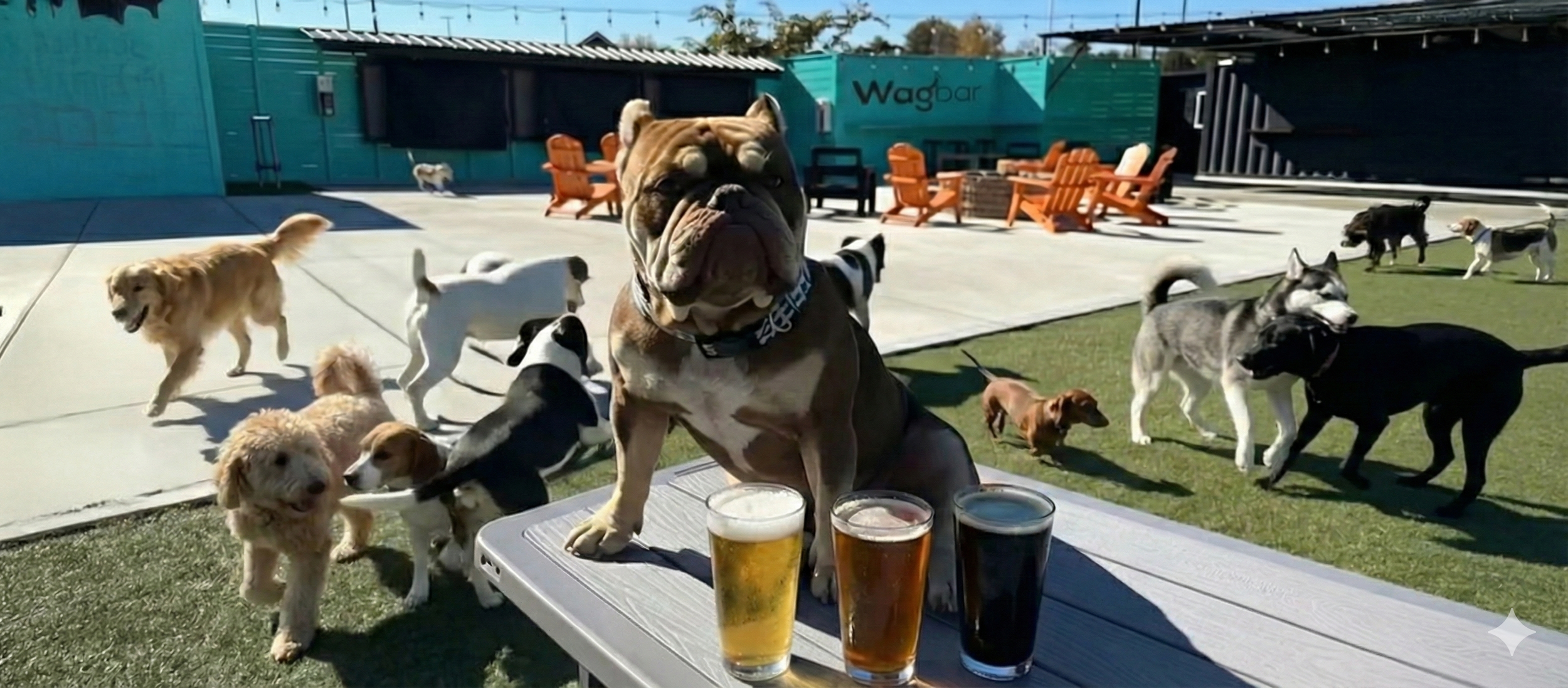
For dog owners tired of playing the "is the park usable today?" guessing game, Wagbar Knoxville eliminates weather-related uncertainty entirely. The climate-controlled indoor facility means zero mud, regardless of how much rain fell the night before.

Timing Your Spring Park Visits
Strategic timing dramatically improves spring park experiences in Knoxville.
Best Windows After Rain: If rain stopped overnight, parks typically offer the best conditions between 1-4 PM after the sun has had several hours to work. Morning visits often encounter maximum mud as overnight dew adds to already-saturated ground.
Weekly Patterns: Check Knoxville's forecast for dry periods. A three-day stretch without rain in spring becomes your optimal park-visiting window. Parks progressively improve each dry day, with day three offering the best conditions before the next rain system arrives.
Avoiding Peak Mud: The absolute worst time to visit outdoor parks is during or within 6 hours after rainfall. Yes, your dog might not care, but you'll spend 30 minutes cleaning mud afterwards. Save everyone the hassle and either wait for drier conditions or opt for indoor alternatives like Wagbar's climate-controlled space.
Spring Allergies in Dogs: Recognition and Management
Many Knoxville dog owners don't realize their dogs can suffer from seasonal allergies just like humans do. Spring pollen from oak, pine, and grass triggers allergic reactions in an estimated 10-15% of dogs (Veterinary Dermatology Journal).
Common Symptoms include excessive paw licking, face rubbing, ear infections, red or watery eyes, and increased scratching. Unlike human allergies that primarily affect respiratory systems, dog allergies typically manifest through skin irritation. If your dog suddenly becomes itchy in spring after being fine all winter, environmental allergies are the likely culprit.
Breed Susceptibility varies, with Golden Retrievers, Bulldogs, Terriers, and Setters showing higher allergy rates. Breeds with skin folds like Pugs and Shar-Peis face additional challenges as allergens become trapped in their wrinkles.
Management Strategies start with post-park paw wipes to remove pollen before your dog tracks it throughout your home or licks it off their feet. Bathing frequency may need to increase during peak pollen season—weekly rather than monthly for dogs with confirmed allergies. Use hypoallergenic shampoos specifically formulated for dogs with sensitive skin.
Antihistamines like Benadryl can provide relief for some dogs, but dosing must be calculated based on weight and discussed with your veterinarian first. Never use human medications without veterinary guidance, as some common antihistamines are toxic to dogs.
Immunotherapy represents the gold standard for dogs with severe seasonal allergies. After allergy testing identifies specific triggers, veterinarians can create customized allergy vaccines that desensitize dogs over time. While expensive upfront, immunotherapy often proves cost-effective compared to years of symptom management.
Indoor Alternatives during peak pollen days protect sensitive dogs while maintaining their exercise and socialization needs. Climate-controlled facilities filter air to reduce allergen exposure while allowing full off-leash play without pollen contact.
Tick and Flea Prevention: Spring is Peak Season
Spring temperatures trigger increased parasite activity across East Tennessee. Ticks become active once temperatures consistently reach the mid-40s, typically mid-March in Knoxville. Fleas that survived winter indoors or in protected outdoor areas begin reproducing rapidly as temperatures warm.
Tick Species in Knoxville include American Dog Ticks, Lone Star Ticks, and increasingly, Black-legged Ticks (deer ticks) that transmit Lyme disease. Lone Star Ticks are particularly aggressive, actively pursuing hosts rather than waiting for contact. These ticks are easily identified by the white spot on adult female backs.
Disease Risks extend beyond Lyme disease. Rocky Mountain Spotted Fever, Ehrlichiosis, and Anaplasmosis all occur in Tennessee, transmitted through tick bites. These diseases can cause serious illness requiring extended antibiotic treatment. Early removal of attached ticks (within 24 hours) significantly reduces disease transmission risk.
Prevention Methods fall into several categories. Topical treatments like Frontline or Advantage apply directly to your dog's skin, usually between shoulder blades where they can't lick it off. These products typically provide 30-day protection against both ticks and fleas.
Oral medications like Bravecto, NexGard, or Simparica offer systemic protection by making your dog's blood toxic to parasites. These chewable tablets provide 1-3 months of protection depending on the product. Many veterinarians prefer oral options as they can't wash off during swimming or bathing.
Start Early: Don't wait until you see the first tick. Begin prevention in early March before ticks become active. Year-round prevention is increasingly recommended as mild Knoxville winters allow some tick activity even in December and January.
Post-Park Tick Checks should become routine after every outdoor visit during spring through fall. Check ears, between toes, armpits, groin area, and around the collar where ticks often attach. Embedded ticks appear as small bumps—remove them promptly using proper tick removal tools rather than fingers to avoid leaving mouthparts embedded.
Spring Cleaning and Park Reopening Schedules
Many Knoxville parks conduct spring maintenance that temporarily affects availability or reduces usable space.
PetSafe Village Dog Park typically schedules spring surface restoration in late March or early April. The park may close one section at a time for maintenance, reducing available space but keeping at least one area open. Surface repairs include fresh crushed stone, drainage improvements, and equipment inspection.
Victor Ashe Park undergoes broader park system maintenance that occasionally includes the dog park area. Check Knox County Parks and Recreation announcements for closure schedules, usually posted 1-2 weeks in advance.
Tommy Schumpert Park benefits from West Knox County's maintenance schedule, which prioritizes spring drainage improvements. Recent upgrades included better grading to channel water away from the dog park, improving spring usability.
Private Parks and Facilities like Wagbar Knoxville don't face seasonal closures for weather-related maintenance. The climate-controlled indoor design means consistent availability regardless of outdoor maintenance schedules or weather conditions.
Bath and Grooming Resources Near Knoxville Parks
Spring's combination of mud, pollen, and potential parasite exposure means more frequent bathing and grooming for active park dogs.
Self-Service Dog Washes offer cost-effective solutions for post-park cleanup:
Soggy Dog on Kingston Pike provides elevated tubs, professional-grade sprayers, and all necessary supplies for $15-20 per wash. Located near West Knoxville parks, it's convenient for quick cleanups after muddy Tommy Schumpert visits.
Pet Supplies Plus locations in Knoxville feature self-wash stations with various shampoo options, including hypoallergenic formulas for dogs with spring allergies. Pricing runs $12-18 depending on dog size.
Tractor Supply stores offer basic self-wash facilities at budget-friendly prices, though amenities are more limited than specialized pet washes.
Professional Grooming becomes essential for dogs with thick coats that trap mud, allergens, and parasites:
Pet Vet Grooming on Northshore Drive combines grooming with veterinary expertise, beneficial if your dog develops spring skin issues requiring medical attention alongside grooming.
The Doggie Dome on Papermill Drive specializes in breed-specific grooming that maintains coat health while managing seasonal challenges. Their spring de-shedding treatments help remove loose undercoat where allergens accumulate.
Mobile Grooming Services like Scenthound or Lucky Dog Mobile Grooming bring professional bathing to your driveway, eliminating the stress of transporting muddy dogs through your car to reach a groomer.
DIY Grooming Tips: Keep these supplies stocked during spring:
High-velocity dryer to remove mud before it dries
Undercoat rake for double-coated breeds to remove loose fur trapping allergens
Hypoallergenic shampoo for sensitive skin
Paw wax to protect against allergens and create barrier from mud
Grooming wipes for quick cleanups between full baths
Breed-Specific Spring Considerations
Different breeds face unique spring challenges that affect their park experience.
Double-Coated Breeds like Siberian Huskies and Golden Retrievers undergo heavy spring shedding as winter coats release. This "blowing coat" period coincides with spring park season, meaning their loose undercoat catches mud, pollen, and debris more readily. Regular brushing removes loose fur before park visits, reducing what needs cleaning afterward.
Short-Haired Breeds including Pit Bulls, Boxers, and Greyhounds show mud and dirt immediately on their coats, but cleanup is typically easier than long-haired breeds. However, these breeds offer less protection against ticks, making thorough post-park tick checks crucial.
Small Breeds like those covered in our small dog breeds guide face unique spring challenges. Their proximity to the ground means more contact with muddy surfaces and grass-level allergens. Small dogs also cool down faster in spring's variable temperatures, requiring attention to weather changes during park visits.
Border Collies and Herding Breeds maintain high energy regardless of weather, often playing harder and getting muddier than other breeds. These dogs need consistent exercise even during spring's worst weather, making climate-controlled alternatives particularly valuable for maintaining their routines.
Health Monitoring During Spring Park Season
Spring's parasite activity and allergen exposure require increased health vigilance.
Watch for Lameness: Ticks between toes or in joints can cause lameness that appears suddenly. If your dog starts limping after a park visit, check for ticks before assuming a sprain or strain.
Monitor Stool: Intestinal parasites like hookworms and roundworms become more prevalent in spring when dogs encounter contaminated soil at parks. Changes in stool consistency, especially diarrhea with blood or mucus, warrant veterinary examination and fecal testing.
Ear Infections: Spring moisture and allergen exposure create ideal conditions for ear infections, especially in floppy-eared breeds. Signs include head shaking, ear scratching, redness, odor, or discharge. Early treatment prevents infections from becoming chronic.
Respiratory Changes: If your dog develops coughing after park visits, several spring-specific causes could be responsible. "Kennel cough" (canine infectious respiratory disease) spreads easily when dogs congregate after winter isolation. Pollen allergies can also trigger coughing and respiratory symptoms. Any persistent cough warrants veterinary evaluation.
Skin Changes: New lumps or bumps after park visits could be tick bites, insect stings, or allergic reactions. While most are harmless, some require treatment. Photos help track whether bumps change over time.
The Case for Climate-Controlled Alternatives
While this guide provides strategies for navigating spring's challenges at outdoor parks, it's worth acknowledging that indoor, climate-controlled facilities eliminate most seasonal issues entirely.
Wagbar Knoxville offers year-round consistency that outdoor parks simply cannot match. Zero mud means no post-park cleanup beyond perhaps wiping paws. Filtered air reduces allergen exposure for sensitive dogs. No ticks, no fleas, no mosquitoes. Consistent comfortable temperatures regardless of spring's weather mood swings.
The off-leash dog park bar concept isn't about replacing outdoor parks—it's about providing options. Beautiful spring days still call for outdoor adventures. But those muddy post-rain periods, high pollen count days, or tick-heavy weeks? Climate-controlled facilities let your dog's routine continue without compromise.
For dogs requiring consistent socialization—like reactive dogs in training or puppies in their critical socialization window—weather shouldn't dictate progress. Indoor facilities provide the predictability that training and development require.
FAQ: Spring Dog Parks in Knoxville
Q: How long after rain should I wait before visiting outdoor dog parks? A: This depends on the specific park's drainage. Well-designed parks like PetSafe Village may be usable within 12-24 hours, while parks with poor drainage like Tommy Schumpert may need 36-48 hours. Visit in the afternoon (1-4 PM) on the second dry day after rain for optimal conditions across most Knoxville parks.
Q: Can dogs get allergies from dog parks? A: Dogs develop allergies to environmental allergens (pollen, grass, trees) rather than to parks themselves, but parks with high grass and tree coverage expose dogs to more allergens. Symptoms include excessive itching, paw licking, face rubbing, and ear infections appearing seasonally. If your dog shows these signs primarily in spring, environmental allergies are likely.
Q: What's the most dangerous tick in Knoxville? A: Black-legged ticks (deer ticks) pose the greatest health risk as Lyme disease carriers, though they're less common than Lone Star ticks in East Tennessee. Lone Star ticks are most numerous and can transmit Ehrlichiosis and Southern Tick-Associated Rash Illness. All ticks should be removed promptly as disease transmission typically requires 24+ hours of attachment.
Q: Should I bathe my dog after every park visit? A: Full baths aren't necessary after every visit unless your dog gets particularly muddy or has confirmed allergies. Paw wipes and spot cleaning suffice for most trips. Dogs with seasonal allergies benefit from more frequent bathing (weekly vs. monthly) during peak pollen season, but over-bathing strips natural oils and can cause dry skin.
Q: How do I know if my dog has a tick? A: Run your hands over your dog's body, feeling for small bumps. Ticks feel like smooth, round bumps attached to the skin. Check carefully around ears, between toes, in armpits, groin area, and around the collar. Engorged ticks appear gray or tan and swell to pea-size; newly attached ticks are tiny, dark, and flat.
Q: Are there any Knoxville dog parks that don't get muddy? A: PetSafe Village Dog Park has the best drainage and uses rubber surfaces in high-traffic areas that don't get muddy. However, even well-designed outdoor parks experience some mud during spring's wet season. Wagbar Knoxville's indoor climate-controlled facility eliminates mud entirely while providing the same off-leash socialization benefits.
Q: What spring vaccinations does my dog need for park visits? A: Ensure your dog is current on core vaccines (rabies, distemper, parvovirus) required for any dog park use. Bordetella (kennel cough) vaccine is highly recommended for dogs who frequent parks, as the respiratory disease spreads easily in group settings. Some vets recommend leptospirosis vaccine for dogs with park exposure, as the bacteria survives in wet spring soil.
Q: How can I tell if my dog's itching is allergies or fleas? A: Flea-related itching concentrates around the tail base, lower back, and hind legs, often with visible flea dirt (black specks that turn red when wetted). Allergy itching typically affects face, paws, ears, and belly more evenly. Seeing fleas or flea dirt confirms parasites; seasonal patterns without visible fleas suggest environmental allergies. Many dogs suffer from both simultaneously.
Q: Do indoor dog parks like Wagbar eliminate allergy risks? A: Climate-controlled indoor facilities filter air to reduce airborne allergens, though they don't eliminate all allergy triggers. Dogs allergic to other dogs' dander may still react indoors. However, by removing pollen, grass, and outdoor mold exposure, indoor facilities eliminate the most common environmental allergens affecting dogs during Knoxville's spring season.
Q: What's the best surface type for spring dog parks? A: Crushed stone with good drainage systems performs best in wet spring conditions, as seen at PetSafe Village. Artificial turf offers excellent drainage but can be hot later in spring. Natural grass looks beautiful but becomes muddy fastest. Rubber surfaces in high-traffic areas prevent mud formation entirely while providing good traction for running dogs.
Making Spring Work for You and Your Dog
Spring in Knoxville offers renewed energy and outdoor opportunities after winter's constraints, but it also brings legitimate challenges for dog park enthusiasts. The good news is that with proper planning, preventive care, and realistic expectations, spring can be a wonderful season for dog park adventures.
Start your dog's flea and tick prevention in early March. Stock up on grooming supplies before you need them. Learn which parks drain best after rain. Keep an eye on pollen forecasts and recognize your dog's allergy symptoms early. These simple preparations transform spring from a frustrating mud-and-itch season into an enjoyable time for both you and your dog.
For those days when outdoor conditions don't cooperate—when it's too muddy, too high pollen count, or your schedule doesn't align with the narrow dry windows—knowing you have climate-controlled alternatives like Wagbar removes the stress. Your dog's exercise, socialization, and happiness don't have to depend on cooperative weather.
The key is flexibility. Embrace beautiful spring days at outdoor parks when conditions are right. Use indoor facilities when they're not. Keep your dog's health and comfort as the priority rather than stubbornly sticking to only outdoor or only indoor options. Spring's challenges are real, but they're also manageable with the right knowledge and resources at your disposal.
Bottom TLDR
Spring dog parks in Knoxville require managing mud from frequent rain, controlling seasonal allergies with regular bathing and paw cleaning, and preventing ticks and fleas through early March medication starts. Parks with better drainage like PetSafe Village recover within 12-24 hours post-rain, while others need 36-48 hours of dry weather. Visit parks during afternoon hours on the second dry day after rain, maintain monthly parasite prevention, and consider climate-controlled alternatives like Wagbar Knoxville during peak pollen or extended rainy periods for uninterrupted play.