

Senior Dogs at Off-Leash Dog Bars: Creating a Low-Pressure Social Experience
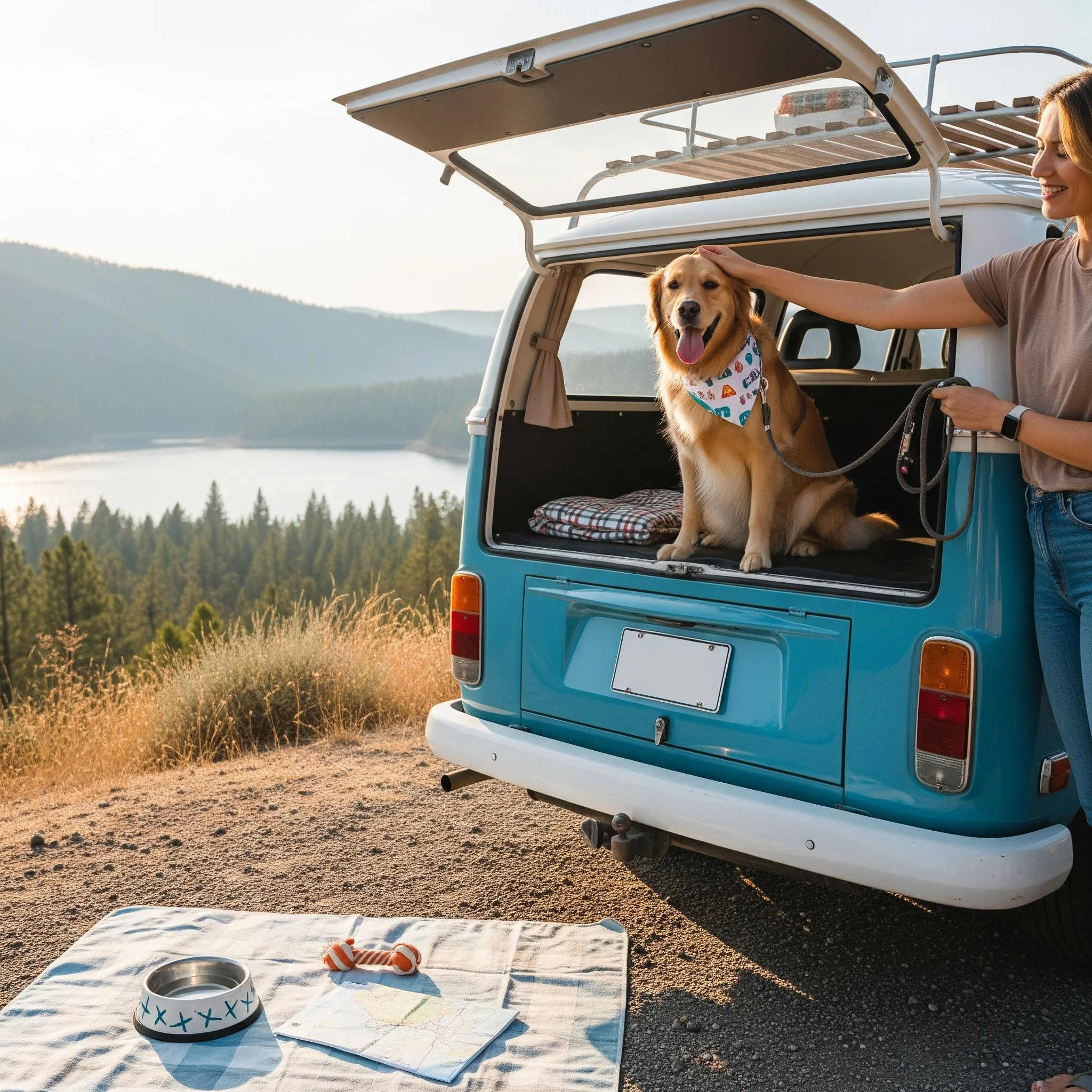
Top TLDR: Senior dogs at off-leash dog bars do best with shorter visits during quiet hours, careful attention to joint comfort and hearing changes, and zero pressure to play with younger dogs. Many seniors prefer watching from a shaded bench to running with the pack. Pick a low-traffic mid-morning slot, plan a 20 to 30-minute visit, bring water, and let your senior set the pace.
Why Senior Dogs Still Benefit From Off-Leash Dog Bar Visits
Owners sometimes assume the off-leash dog bar is a young dog's space. It isn't. Senior dogs benefit from outings just as much as younger ones, often for different reasons.
A senior dog at home can become socially isolated as their stamina drops. Walks get shorter. The dog park feels chaotic. Interaction with other dogs tapers off. The mental stimulation of varied environments matters even when the physical play has slowed down. New smells, soft attention from people, the chance to lie in a new spot and watch the world go by, these still feed your senior dog's brain.
Wagbar's off-leash dog bar setting is supervised, fenced, and designed for dogs of all ages. The yard isn't a forced social space. A senior who wants to lie at your feet for forty minutes and never engage with another dog has had a meaningful visit. The point isn't to make your senior play, it's to give them low-pressure access to a stimulating environment that respects their pace.
This page covers how to plan visits that actually fit a senior dog, instead of trying to make a younger-dog playbook work for them.
Health Considerations to Run Through First
Before any visit, talk through the health basics with your vet if you haven't recently. Senior dogs often have joint issues, vision changes, hearing loss, or chronic conditions that change how they handle a new environment.
Joint and mobility check. Arthritis affects most dogs over the age of eight to ten. A senior dog who walks fine on a flat sidewalk may be sore the next day after twenty minutes on uneven ground. Talk to your vet about pain management if you haven't, and pace your visit to match.
Vision and hearing. Some senior dogs lose hearing or vision gradually, and many owners don't realize how much until they notice the dog being startled by approaches from behind. A dog who can't hear your call from across the yard can't be relied on to come when called. A dog with limited vision may startle when other dogs appear suddenly. Both change how you supervise.
Cardiac and respiratory health. Senior dogs with heart conditions or breathing issues need more frequent rest and shouldn't be visiting in extreme heat or cold. Your vet can tell you whether your dog is fit for moderate outings.
Vaccination status. Wagbar requires every dog (regardless of age) to be current on Rabies, Bordetella, and Distemper. Senior dogs often have more relaxed booster schedules, so confirm yours are up to date. The full Wagbar health and safety standards apply across age groups.
Cognitive changes. Some senior dogs develop canine cognitive dysfunction, the dog version of dementia. Symptoms include disorientation, anxiety in new places, and changes in sleep patterns. A dog with serious cognitive decline may do better with quieter solo outings than busy social settings.
Reading Your Senior's Social Energy Honestly
Senior dogs vary widely in social interest. Some are still highly social and happily play short, gentle rounds with other gentle dogs. Some have aged into wanting human company more than dog company. Some prefer to watch from a bench. All of these are healthy.
Watch your dog's actual behavior, not what they used to do. A dog who was a social butterfly at three may not be a social butterfly at eleven. Their preferences change, and that's normal.
A senior who's still social will show interest in other dogs, especially calmer ones. Brief sniff exchanges. Mild engagement, then a return to you. Comfortable lying near other dogs without being part of an active group.
A senior who's aged out of dog-focused socializing will show subtle avoidance. Turning away from bouncy approaches. Looking for higher ground or shaded spots. Settling near you and staying there. Choosing not to engage even when invited.
Both versions can have great visits. The key is to plan around what your dog actually wants, not the visit you're imagining for them. The socialization and behavior fundamentals cover how social patterns shift across a dog's life and what's worth attending to as they age.
Picking the Right Time and Setting
Time of visit matters more for senior dogs than any other group.
Mid-morning weekdays are ideal. Tuesday or Wednesday between 10 and 11 a.m. tends to be the calmest window at most Wagbar locations. Fewer dogs, fewer puppies, lower volume.
Avoid weekend afternoons. The energy at peak hours is too much for most senior dogs and can leave them stressed instead of refreshed.

Watch the weather. Senior dogs handle temperature extremes worse than younger dogs. Aim for moderate days. Skip visits when it's above 85°F or below 35°F. Most Wagbar locations have shaded areas and covered patios with seasonal heaters or fans, but a senior visiting in extreme weather still adds physical strain to a social adjustment.
Look for venues with adequate seating. Senior visits often involve a lot of sitting in one place. Locations with covered seating, benches in shaded areas, and easy access from your seat to your dog work better than open-yard layouts.
Pick a spot with a clear sightline. Senior dogs settle more easily when they can see what's happening around them. Avoid corners that put their back to other dogs, which can produce low-grade vigilance and shorten the visit.
Adapting the First Visit for an Older Dog
If your senior hasn't been to a dog bar before, the first visit deserves the same careful planning a puppy's would, just with different priorities.
Tire them out gently first. Skip the long pre-visit walk. Senior dogs benefit more from a short, calm walk that loosens up joints without depleting them.
Keep the visit short. Twenty to thirty minutes is the sweet spot. Many senior dogs are ready to head home before that.
Walk the perimeter on leash before unclipping. Let your senior take in the smells and sounds at their own pace. Most older dogs do this better when they aren't immediately surrounded.
Pick your spot before letting them off-leash. Choose a shaded bench or a quieter corner. Sit down. Let your dog settle into the space from your side rather than being launched into it.
Don't push interaction. A senior who chooses to watch is having a successful visit. Forcing them into a play group is counterproductive.
Bring water and offer it often. Senior dogs dehydrate faster and show it later. Wagbar locations have water stations, but having a portable bowl at your seat makes mid-visit hydration easier.
Stay close. Eyes on your dog the whole time. Senior dogs in unfamiliar settings need active supervision more than younger dogs, not less. Reading the dog body language decoder helps you spot subtle stress signals that older dogs often show before bigger ones.
Common Senior Dog Behaviors at the Park
What you'll typically see falls into a few patterns specific to older dogs.
The watcher. Your senior parks at your feet, scans the yard, and makes no move to engage. This is a healthy and common pattern. They're processing the environment, getting some mental stimulation, and choosing to skip the physical activity. Don't push them out.
The brief greeter. Some seniors will walk over to a calm dog, exchange a few sniffs, and return to you. That's the full extent of their social engagement and it's plenty.
The slow ambler. A senior who walks the perimeter at their own pace, sniffs the corners, and finds a sunny spot to lie in is having a fine time. Let them set the pace.
The annoyed elder. Some senior dogs make their lack of patience for puppies and high-energy play very clear. A short woof, a stiff turn, a lifted lip aimed at a bouncing youngster who doesn't get the hint. This is normal communication. Step in if a younger dog is genuinely overwhelming your senior, but don't punish your senior for telling another dog to back off in dog language.
Watch for signs that signal the visit's reaching its limit. Heavier panting than the temperature warrants. Lying down in odd spots away from you. Reluctance to move when called. Stiffness in the legs. Increased clinginess or, conversely, withdrawal. Any of these mean it's time to wind down. The warning signs that precede dog conflicts cover the broader stress signals worth knowing for any dog in a group setting.
Watching for Wear: Signs to Wrap Up Early
Senior dogs hide discomfort. The signs you should be reading are subtle.
Joint stiffness mid-visit. A dog who walked in normally and is now favoring a leg or moving carefully needs to be done.
Excessive panting in moderate weather. Panting that doesn't match the temperature or the activity level can signal pain, stress, or cardiac strain.
Difficulty getting up. A senior who needed an extra moment to rise from a lying-down position is telling you something. Don't push the visit further once you see this.
Loss of interest in their environment. A senior who was alert when you arrived and is now glassy-eyed or shut down isn't relaxed, they're done.
Refusing water. Some seniors stop drinking when they're overstressed. If yours hasn't taken water you've offered in fifteen minutes and it's been a hot or active visit, get them to the car.
When you decide to leave, don't drag it out. Calm walk to the gate, calm walk to the car, drive home. Senior dogs benefit from a short, decisive end to a visit. Coming home and napping is part of how the visit gets cataloged as a positive experience. The broader dog health and wellness fundamentals cover what to track in the days following any outing as your dog ages.
The Bar Side: Why It Often Suits Senior Dog Owners Better
The bar half of the off-leash dog bar setup actually fits senior dog owners well, and this is sometimes overlooked.
A senior dog who wants to lie at their owner's feet pairs naturally with an owner who wants to sit, have a coffee or a beer, and chat. The off-leash bar isn't a hike. It isn't a long walk. It's a sit-and-watch venue that happens to be canine-permitted, and that's a fit a lot of senior owners appreciate as much as their dogs do.
Wagbar serves coffee, soda, and water alongside the beer, wine, and cider. Most locations rotate food trucks. Outside food is allowed. The whole setup is designed for an owner who wants to spend an hour or two in a low-key environment.
Many senior dog owners come to Wagbar specifically for this. They get to be social with other dog people, their dog gets light social exposure without being expected to perform, and the whole arrangement is calm. If you've felt like other dog activities don't fit your dog's age anymore, this format often does.
If you're planning to come regularly with your senior, signing up for a Wagbar membership skips the vaccination check at every visit and brings the per-visit cost down. The 10-visit punch pass works well for owners testing the rhythm before committing to a longer-term option.
Building a Sustainable Visit Rhythm
If your senior responds well to the first visit, the path to regular visits is gentler than for a younger dog.
Frequency over intensity. A short visit twice a week is usually better than a long visit once a week for a senior. Their body recovers faster from light exposures than from heavy ones.
Same time of day. Senior dogs benefit from predictable patterns. Picking a consistent visit window helps them know what to expect.
Same location when possible. Familiarity reduces the cognitive load of each visit. A dog who's been to the same Wagbar five times has a mental map and can settle faster.
Watch the seasons. Senior dog tolerance for heat and cold changes year-over-year. The summer rhythm that worked last year may need adjustment this year. The winter window may need to shorten.
Keep notes. A short note on your phone after each visit covering length, weather, and your dog's recovery helps you track the trend. Senior dogs often slow down gradually, and tracking helps you notice when adjustments are needed. The dog park behavior dynamics reference covers the typical patterns you might see across visits.
When your senior's stamina drops to the point where the visit isn't relaxing for them anymore, it's worth reconsidering the rhythm. Some seniors transition to even shorter visits. Some transition to coming with you to sit on the patio without going into the off-leash yard at all. Some retire from dog-bar visits entirely. All of those are reasonable as the dog's needs change.
Frequently Asked Questions

Is there an upper age limit for entering Wagbar?
No. Wagbar's age requirement is a minimum of six months. There's no upper limit. As long as your senior is current on vaccinations, comfortable with new environments, and physically able to handle the visit, they're welcome.
What if my senior doesn't get along with other dogs anymore?
That's common with age. As long as your dog isn't aggressive (showing genuine intent to harm), they can still come. A senior who simply prefers space from other dogs can have a great visit lying with you on the patio. If you're unsure where your dog falls between "doesn't want to engage" and "actually aggressive," the reactive dog training basics help draw the line clearly.
Should I bring my senior's medications?
Bring anything they take at scheduled times if the visit overlaps a dose. For most senior dogs on once-daily or twice-daily medications, the timing works around the visit. If your dog needs as-needed pain medication for joint issues, having it accessible is smart even if you don't expect to use it.
Can I leave my senior at home and just come without them?
Yes. Wagbar entry is free for humans 18 and over with or without a dog. Many regulars come solo when their dog isn't up for the visit. The bar is open to anyone.
What if my senior has selective hearing now?
Many seniors do. Stay close to them, position yourself in their visual range, and use hand signals if you've taught any. Don't let them out of sight in the yard. A dog who can't hear you call needs extra physical proximity from you.
Can my senior come to a busy event at Wagbar?
Probably not, depending on the dog. Wagbar hosts trivia nights, live music, and other events that can be louder and more crowded than typical hours. Most senior dogs do better skipping events and sticking to quieter windows. The published event schedules at most locations help you plan around them.
How do I know if my senior is too old for visits at all?
Watch the recovery time. A senior who comes home, naps for a few hours, and is back to themselves the next day is fine. A senior who comes home and is stiff, withdrawn, or off their food for two days afterward is being asked to do too much. Talk to your vet, adjust the visit length, or take a break for a season.
Bottom TLDR
Senior dogs at off-leash dog bars do best when the visit is built around their pace, not the yard's. Mid-morning weekdays, twenty to thirty minutes, a shaded seat, easy water access, and zero pressure to play. Many seniors prefer watching to engaging, and that's a successful visit. Plan for shorter visits more often rather than long ones, and adjust as your dog's needs change.