
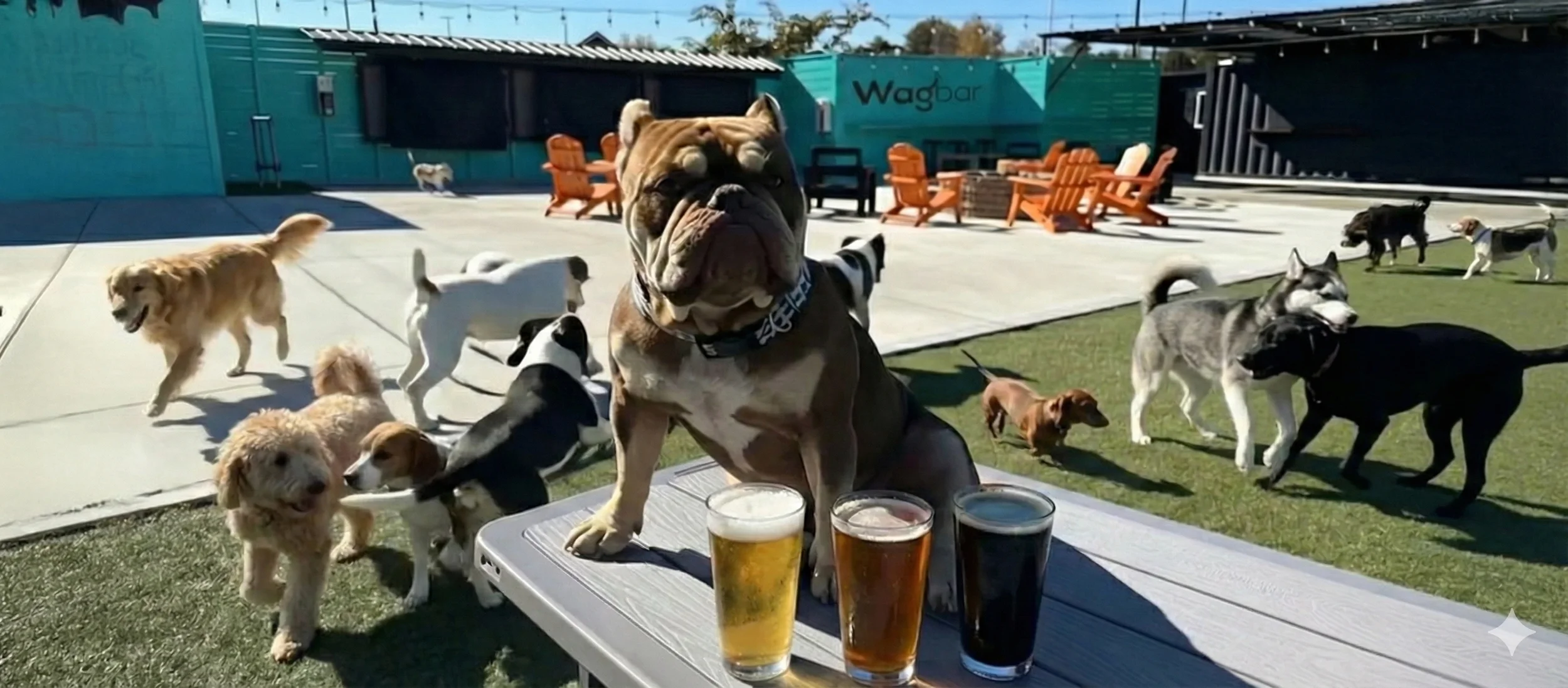
Seasonal Guide to Enjoying Knoxville Dog Parks Year-Round

Top TLDR: Enjoying Knoxville dog parks year-round requires seasonal strategies addressing Tennessee's climate extremes: early morning summer visits avoiding dangerous heat, flexible spring and fall scheduling around unpredictable weather, and cold-weather preparation for winter outings. Climate-controlled indoor facilities like WagBar opening October 2025 solve seasonal limitations by providing supervised off-leash play regardless of outdoor conditions. Adjust your dog park routine based on temperature, precipitation, and your dog's breed-specific weather tolerance to maintain consistent socialization and exercise.
Knoxville's humid subtropical climate creates four distinct seasons, each presenting unique challenges and opportunities for dog park visits. While Tennessee's moderate winters rarely bring extended extreme cold, summer heat and humidity make outdoor dog activities genuinely dangerous during peak months. Spring and fall offer ideal conditions interrupted by unpredictable storms and temperature swings.
Maintaining your dog's exercise and socialization routine throughout the year requires understanding how seasonal changes affect safe dog park usage. Let's examine what each season brings to Knoxville dog parks, how to adjust timing and preparation accordingly, and when indoor alternatives become necessary for your dog's safety and comfort.
Spring in Knoxville: Beautiful but Unpredictable
Spring delivers Knoxville's most pleasant dog park weather from late March through May, with temperatures ranging from the 60s to low 80s and lower humidity than summer months. Blooming landscapes create beautiful park settings, while moderate temperatures allow comfortable outdoor activity during most daylight hours without heat-related risks.
However, spring also brings Tennessee's most unpredictable weather patterns. Sudden thunderstorms can develop with minimal warning, while temperature swings of 20-30 degrees between consecutive days make planning challenging. A perfect 75-degree morning can transition to stormy afternoon conditions unsuitable for outdoor dog activities within hours.
Spring rains create muddy conditions at many outdoor dog parks, particularly in high-traffic areas near entrances and popular gathering spots. Mud isn't just messy—it creates slipping hazards for running dogs and tracking nightmares for car interiors and homes afterward. Check recent weather and consider postponing visits for a day or two after heavy rains allowing grounds to dry.
Tick season begins in earnest during spring months, requiring vigilant prevention and post-park checks. East Tennessee's tick population carries diseases affecting dogs, making spring tick prevention essential rather than optional. Apply preventive treatments as recommended by veterinarians and perform thorough tick checks after every outdoor dog park visit.
Pollen levels peak during spring, affecting some dogs with seasonal allergies just as they affect human allergy sufferers. Dogs showing excessive scratching, watery eyes, or unusual skin irritation during spring months may benefit from veterinary consultation about allergy management. Understanding your dog's specific health needs helps determine whether spring pollen levels require treatment or simple monitoring.
Summer Challenges: Managing Heat and Humidity
Summer transforms Knoxville dog parks from pleasant social destinations into potentially dangerous environments during midday hours. June through August temperatures regularly exceed 90°F with oppressive humidity creating heat index values often reaching 100°F or higher. These conditions pose genuine health risks to dogs, particularly certain breeds vulnerable to heat-related illness.
Heat stress and heat stroke represent serious threats during Tennessee summers. Dogs cool themselves primarily through panting, which proves far less efficient than human perspiration. When ambient temperatures approach dogs' body temperature (101-102°F), cooling becomes nearly impossible, creating life-threatening situations within surprisingly short timeframes.
Pavement temperatures during summer reach dangerously hot levels even when air temperatures seem merely uncomfortable. Asphalt and concrete parking areas, walkways, and some trail surfaces can exceed 130°F on sunny 85°F days—hot enough to burn paw pads within minutes. Test pavement temperature with your own hand before allowing dogs onto surfaces; if it's too hot for your hand after 5 seconds, it's too hot for paw pads.
Timing becomes absolutely critical for summer dog park visits. Early morning hours before 8am offer the safest window, with overnight cooling bringing temperatures to more manageable levels and pavement not yet heated by direct sun. Evening visits after 7pm provide another option, though pavement retains heat well into evening hours even after air temperatures drop.
Brachycephalic breeds—pugs, bulldogs, Boston terriers, French bulldogs, and similar flat-faced dogs—face exponentially higher heat risks than breeds with normal respiratory anatomy. These dogs struggle to cool themselves efficiently even in moderate heat, making summer outdoor activity genuinely dangerous regardless of timing. Understanding breed-specific considerations helps determine whether your individual dog can safely access outdoor dog parks during summer or requires climate-controlled alternatives.
Adequate hydration proves essential but insufficient by itself. Even well-hydrated dogs can overheat when environmental conditions prevent effective cooling. Bring excess water in dedicated bowls (don't rely on facility water stations), take frequent breaks in shaded areas, and watch carefully for early heat stress signs including excessive panting, drooling, bright red gums, or slowing pace.
Many summer days simply prove too dangerous for outdoor dog park visits regardless of precautions. Heat warnings, heat advisories, or temperatures forecast to exceed 90°F should trigger automatic decision to skip outdoor parks entirely. Having climate-controlled indoor alternatives available ensures your dog maintains exercise and socialization routines even when outdoor conditions become unsafe.

Fall Glory: Prime Dog Park Season
Fall delivers Knoxville's absolute best dog park conditions from September through November. Temperatures moderate into the 60s and 70s, humidity drops significantly, and comfortable conditions extend throughout most of the day rather than limiting visits to brief early morning or evening windows.
September often retains summer heat into its first weeks, requiring continued caution about timing and heat management. However, by late September and certainly into October, daytime temperatures become genuinely comfortable for extended outdoor dog activities. November occasionally brings cooler weather previewing winter conditions but generally remains mild enough for normal dog park routines.
Fall foliage creates beautiful park settings, particularly at facilities with mature trees. The changing landscape provides sensory enrichment for dogs through new scents and visual stimulation. However, falling leaves can temporarily obscure trail hazards or create slippery conditions when wet, requiring slightly increased vigilance while dogs play and run.
Increased dog park usage during fall's ideal weather means more socialization opportunities but also requires greater attention to group dynamics and interactions. Popular facilities see significantly higher attendance during fall weekends compared to summer's heat-limited crowds. This social abundance benefits most dogs but may overwhelm those uncomfortable in busy, high-energy environments.
Fall's comfortable temperatures make it ideal for dogs still developing socialization skills or working through behavioral challenges. The forgiving weather removes heat and cold as complicating factors, allowing focus on social learning without environmental stressors affecting behavior or requiring abbreviated visits.
Day length decreases noticeably through fall months, limiting after-work dog park visits as daylight ends earlier. October's time change suddenly moves sunset an hour earlier relative to work schedules, potentially eliminating evening dog park options for those with traditional 9-5 schedules. Plan ahead for this transition by establishing morning routines or identifying facilities with adequate lighting for safe early evening visits.
Winter Considerations: Cold Weather Dog Park Strategies
Knoxville's winters remain relatively mild compared to northern regions, with average high temperatures in the 40s and 50s and lows typically staying above freezing except during occasional cold snaps. This moderate climate means winter dog park visits remain feasible most days, though preparation and timing adjustments prove necessary.
Small dogs, thin-coated breeds, and senior dogs lose body heat rapidly in cold weather. These individuals benefit from protective clothing including sweaters or coats during winter dog park visits, particularly on windier days or when temperatures drop into the 30s. Small breed considerations extend to cold weather tolerance, as their higher surface-area-to-body-mass ratio means faster heat loss than larger dogs experience.
Ice presents greater challenges than simple cold temperatures. Tennessee's winter weather patterns occasionally bring freezing rain or ice storms coating outdoor surfaces with dangerous slickness. Even when air temperatures permit outdoor activity, icy conditions at dog parks create significant injury risks from slips and falls affecting both dogs and people. Skip dog park visits entirely when ice covers surfaces, waiting for melting or facility treatment before returning.
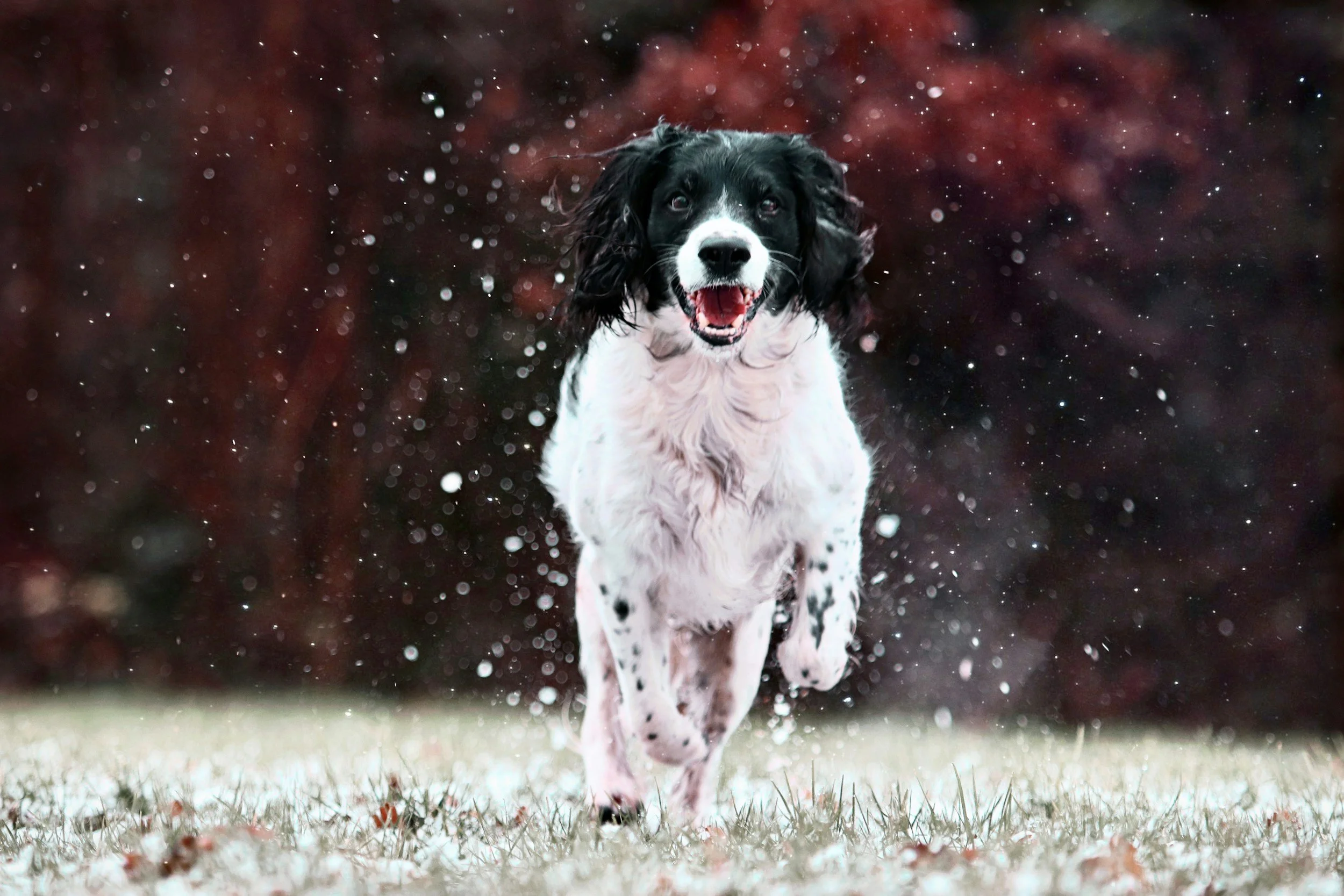
Snow remains relatively rare in Knoxville but occurs occasionally during winter months. Most dogs enjoy snow immensely, making light snowfalls fun opportunities for play rather than reasons to avoid parks. However, deeper snow may challenge small dogs' mobility, while prolonged exposure risks hypothermia particularly in wet snow conditions. Monitor your dog's comfort and watch for signs of cold stress including shivering, seeking shelter, or reluctance to continue activity.
Shorter daylight hours affect winter dog park schedules significantly. Sunrise occurs later and sunset earlier than summer months, potentially eliminating both early morning and after-work dog park windows for working owners. Weekend visits become more crucial for maintaining routines, while weekday visits may require midday breaks or alternative exercise options on days when daylight schedules don't align with your availability.
Cold-weather benefits often go unrecognized. Lower temperatures mean high-energy dogs can sustain activity longer without overheating risks. Athletic breeds thriving on extensive exercise often perform better during winter months when sustained running doesn't create dangerous heat buildup. Cold weather transforms outdoor dog parks into ideal venues for dogs whose summer activity requires careful limitation.
Winter's sparse dog park attendance creates opportunities for dogs preferring quieter, less chaotic environments. Facilities that become uncomfortably crowded during fall and spring weekends often see minimal winter use, providing nearly private access for dogs and owners willing to bundle up and brave cooler conditions.
Transition Seasons: Managing Weather Variability
March and November represent transition months where weather patterns shift unpredictably between seasonal extremes. March brings days feeling like spring interspersed with winter's lingering cold, while November swings between fall's pleasant conditions and winter's first genuine cold snaps. This variability requires flexibility and backup planning.
Check detailed weather forecasts before planning dog park visits during transition months. Temperature predictions, wind forecasts, and precipitation probability help determine appropriate timing and preparation. However, even detailed forecasts can't always predict Tennessee's rapid weather changes, requiring willingness to adjust plans based on actual conditions rather than morning forecasts.
Dress in layers during transition season dog park visits, allowing adjustment to changing conditions during your time at the facility. What starts as comfortable morning weather may warm significantly by mid-visit, or conversely, cooling winds may develop during your park time. Layered clothing lets you adapt comfortably rather than cutting visits short due to unexpected weather changes.
Transition seasons often deliver the year's most severe weather events. Spring tornadoes and severe thunderstorms, fall's first freeze events, and other dramatic weather phenomena concentrate during these periods of atmospheric instability. Monitor weather alerts and warnings carefully, being prepared to abandon outdoor plans quickly when severe weather threatens.
Recognizing When Indoor Alternatives Become Necessary
Certain weather conditions make outdoor dog park visits genuinely unsafe regardless of your dog's breed, conditioning, or your preparation level. Heat indices above 100°F, temperatures below 25°F, active precipitation, high winds, or severe weather warnings should trigger automatic decisions to use indoor alternatives or skip dog park visits entirely.
Understanding dog body language and stress signals helps recognize when weather conditions negatively affect your dog even when conditions seem manageable to you. Dogs experiencing weather-related stress show signs including reluctance to leave vehicles, seeking shelter or shade excessively, shivering, excessive panting, or refusing to engage in normal play behaviors.
Individual dogs have vastly different weather tolerance levels based on breed characteristics, age, health status, and acclimation. A Siberian Husky thrives in conditions that create hypothermia risk for a Chihuahua, while brachycephalic breeds face heat stroke risks in conditions that active sporting breeds find perfectly comfortable. Know your specific dog's limitations rather than applying general guidelines universally.
WagBar's climate-controlled facility opening in Knoxville October 2025 provides year-round alternatives eliminating weather as a limiting factor. Dogs access supervised off-leash play in comfortable 68-72°F temperatures regardless of whether outdoor conditions bring 95°F heat, 35°F cold, thunderstorms, or ice. This consistency proves particularly valuable for dogs requiring regular socialization to maintain behavioral health.
The indoor alternative isn't just about survival during extreme weather—it's about maintaining quality experiences. Outdoor dog parks during marginal weather conditions often prove unpleasant for both dogs and owners, leading to abbreviated visits that don't fully meet exercise or socialization needs. Indoor facilities allow full-quality experiences regardless of outdoor conditions.
Seasonal Health Considerations
Different seasons bring specific health risks requiring adjusted prevention and vigilance. Spring and summer tick season demands religious adherence to preventive medications and thorough post-park checks. Fall allergies may affect some dogs as seasonal plants release pollen. Winter's cold and dry air can irritate respiratory systems or dry skin.
Parasite prevention varies seasonally with some parasites more prevalent during specific months. However, year-round prevention proves simpler and more effective than trying to time treatments to seasonal risks. Consult your veterinarian about appropriate year-round parasite prevention protocols protecting against heartworms, intestinal parasites, fleas, and ticks regardless of season.
Seasonal illness patterns affect dogs similarly to humans. Kennel cough and other respiratory infections sometimes show seasonal spikes, particularly during periods when temperature fluctuations stress immune systems. This doesn't mean avoiding dog parks during high-risk seasons but rather ensuring your dog maintains current vaccinations and you recognize early illness signs allowing prompt veterinary attention.
Regular health monitoring helps detect seasonal impacts on your individual dog. Weight changes, energy level shifts, skin conditions, or behavioral changes may correlate with seasonal factors requiring management. What seems like simple seasonal variation sometimes indicates underlying health issues requiring veterinary evaluation and treatment.
Weather-Specific Safety Protocols
Lightning represents one of the most underestimated dangers at outdoor dog parks. If you hear thunder, lightning strikes close enough to threaten safety—the old "count the seconds" rule provides false security. At first thunder, immediately leash your dog and move to vehicle or substantial shelter. Don't wait for rain or closer strikes.
High winds create multiple hazards including falling branches, blowing debris, and dust or pollen clouds irritating eyes and respiratory systems. Winds exceeding 25-30 mph should trigger consideration about whether dog park visits remain safe, particularly at facilities with large trees that might shed limbs.
Flooding after heavy rains can make low-lying dog parks temporarily inaccessible or create hidden hazards where normal drainage systems become overwhelmed. Never attempt crossing flooded areas to reach dog parks—even shallow-appearing water can hide dangerous currents or submerged obstacles, while waterborne contaminants pose disease risks.
Air quality considerations matter increasingly with seasonal wildfires, ozone alerts, and pollen conditions. Air quality indexes above 100 (moderate) warrant caution for sensitive dogs, while readings above 150 (unhealthy) suggest avoiding extended outdoor activity. Local weather services and apps provide current air quality information useful for planning safe outdoor activities.
Adapting Activities to Seasonal Conditions
Summer's heat limitations don't mean abandoning outdoor dog parks entirely but rather adjusting expectations and activities. Shorter visits during safe temperature windows, increased rest breaks, and water play when available help dogs enjoy outdoor time safely despite seasonal heat challenges.
Winter's cold allows longer sustained activity for athletic dogs who overheat quickly during warmer months. Take advantage of temperature conditions supporting extended play and exercise during fall and winter when summer's heat would limit similar activity levels. This seasonal adjustment helps high-energy breeds maintain appropriate exercise year-round.
Spring and fall's ideal conditions support introducing new dogs to park environments or working through behavioral challenges. The forgiving temperatures remove weather as complicating factors, allowing focus on social learning and training objectives without rushing due to heat or cold concerns.
Seasonal variety provides enrichment beyond simple weather adaptation. Different weather conditions create changed sensory environments—spring rains produce new scents, fall leaves create sounds and textures, winter cold feels distinctly different, summer heat alters how spaces smell and feel. This seasonal variation stimulates dogs mentally through naturally changing environments.
Building Year-Round Routines
Consistency matters more for dog behavioral health than specific activity locations or perfect weather conditions. Dogs thrive on routine and regular socialization rather than sporadic perfect-weather outings followed by extended gaps during challenging seasonal conditions. Building sustainable year-round approaches serves dogs better than seasonal intensity followed by inactive periods.
Combine outdoor and indoor dog park options creating weather-responsive routines maintaining consistency regardless of seasonal conditions. Use outdoor facilities during each season's favorable weather windows while having indoor alternatives ready for days when outdoor conditions prove unsafe or unpleasant. This hybrid approach delivers routine consistency while adapting appropriately to Tennessee's variable climate.
Urban dog living strategies increasingly incorporate multiple activity options rather than depending solely on single facilities or approaches. Modern dog owners blend leashed neighborhood walks, outdoor dog park visits during favorable conditions, indoor climate-controlled play during extreme weather, and structured training activities into comprehensive routines serving dogs' complete needs.
Track your dog's responses to different seasonal conditions building knowledge about their individual preferences and tolerances. Some dogs genuinely prefer cooler weather and become more active and playful during fall and winter. Others thrive in warmth and show less enthusiasm during cold months. Understanding your specific dog's seasonal preferences helps optimize scheduling and activity selection.
Planning Ahead for Seasonal Transitions
Prepare for seasonal transitions before they arrive rather than reacting after weather already changed. Set up indoor facility memberships before summer heat or winter cold make them urgent necessities. Research new outdoor facilities during comfortable seasons when exploration feels enjoyable rather than desperate searching during weather emergencies.

Seasonal gear preparation prevents last-minute scrambles. Cooling vests for summer heat, protective booties for winter ice, rain gear for spring storms—acquire these items during off-seasons when selection proves better and urgency doesn't force suboptimal purchases. Having appropriate gear ready means using it when needed rather than skipping activities because preparation wasn't completed.
Calendar seasonal maintenance for your dog's needs. Spring typically means veterinary visits updating vaccinations before tick season and summer risks. Fall brings heartworm testing and ensuring winter supplies like cold-weather clothing remain functional. Winter checks paw pad condition and skin hydration as cold, dry air creates new challenges. This proactive approach prevents problems rather than treating issues after they develop.
Making the Most of Each Season
Spring's unpredictability teaches flexibility and backup planning. Have indoor alternatives ready for days when spring storms develop unexpectedly. Use pleasant spring days fully, knowing summer's approaching heat will limit outdoor options soon. Spring's moderate temperatures make it ideal for building relationships with other regular dog park users who become familiar faces throughout the year.
Summer's challenges create opportunities for exploring new activities beyond traditional dog parks. Early morning hiking on dog-friendly trails, water activities at dog-friendly lakes or rivers, and increased reliance on climate-controlled indoor facilities diversify your dog's experiences beyond single-location routines.
Fall's glory makes it the season for maximizing outdoor dog park usage while conditions remain ideal. Take full advantage of comfortable temperatures and beautiful settings, knowing winter will soon bring less appealing conditions. Fall becomes the season for extended visits, meeting new dogs and owners, and simply enjoying outdoor spaces without weather concerns limiting experiences.
Winter's quiet creates different opportunities. Facilities seeing summer and fall crowds often remain nearly empty during colder months, providing private or semi-private access rare during popular seasons. Dogs uncomfortable in chaotic, crowded environments may actually prefer winter dog park visits despite requiring cold-weather preparation.

Knoxville's Dog Park Future: Year-Round Solutions
Knoxville's growing dog-owning population increasingly demands year-round facilities not limited by seasonal weather challenges. Traditional outdoor-only dog parks served communities well when expectations remained lower, but modern dog owners want consistency regardless of whether Tennessee weather cooperates.
WagBar's October 2025 Knoxville opening represents this evolution toward comprehensive year-round solutions. Climate-controlled supervised play eliminates weather as limiting factor while adding professional oversight and owner amenities traditional parks cannot provide. This doesn't replace outdoor facilities but rather complements them, creating complete systems serving dogs' needs across all seasonal conditions.
The combination of improved outdoor facilities and new indoor alternatives transforms Knoxville's dog park landscape from seasonal struggle to year-round resource. Dog owners gain flexibility to choose appropriate venues based on current conditions rather than forcing outdoor visits during marginal weather or abandoning routines during seasonal extremes.
This comprehensive approach serves dogs' genuine needs better than historical patterns of intense activity during favorable seasons interrupted by inactive periods when weather became challenging. Consistent socialization and exercise throughout the year supports behavioral health and physical fitness more effectively than seasonal cycling between activity and inactivity.
Bottom TLDR: Enjoying Knoxville dog parks year-round requires seasonal strategies: spring's mild weather interrupted by storms, summer's dangerous heat requiring early morning timing or indoor alternatives, fall's ideal conditions for maximum outdoor use, and winter's moderate cold manageable with preparation. WagBar's climate-controlled facility opening October 2025 solves seasonal limitations by providing supervised play regardless of outdoor conditions. Build weather-responsive routines combining outdoor parks during favorable conditions with indoor alternatives during extreme weather to maintain your dog's exercise and socialization consistency throughout all seasons.