

Private Dog Playgroups: Organizing Safe, Controlled Socialization for Picky Dogs

Top TLDR: Private dog playgroups for picky dogs require careful participant screening based on size matching (within 20-30 pounds), temperament compatibility testing through controlled introductions, and rotating secure locations with proper liability waivers protecting all members. Successful private playgroups typically maintain 4-6 dogs maximum, meet weekly at consistent times, and establish clear behavioral standards that all participants understand and enforce. Start by identifying 2-3 compatible dogs through one-on-one introductions before expanding the group gradually with strict vetting processes for each potential new member.
Traditional dog parks serve many dogs well, but they fail completely for picky, selective, or sensitive dogs who need more controlled social environments. These dogs—whether due to temperament, past experiences, training level, or specific behavioral needs—require carefully curated social circles rather than random encounters with unknown dogs. Private playgroups fill this gap, creating small communities of compatible dogs whose owners actively manage interactions and maintain consistent behavioral standards.
The beauty of private playgroups lies in their customization. Unlike commercial facilities operating with predetermined rules and diverse populations, private groups tailor every aspect to their specific members. Group size, meeting locations, activity types, duration, and behavioral expectations all adapt to serve the particular dogs involved. This flexibility enables successful socialization for dogs who struggle in traditional settings while building meaningful communities among owners who share similar approaches to dog management.
Creating effective private playgroups requires more than simply gathering friendly dogs. Systematic screening processes, thoughtful compatibility assessment, proper location selection, liability protection, and ongoing group management separate successful long-term playgroups from arrangements that dissolve after a few chaotic sessions. This guide walks through each component necessary for building thriving private playgroups that serve picky dogs and their owners effectively.
Understanding Which Dogs Benefit From Private Playgroups
Private playgroups serve specific populations of dogs whose needs aren't met by traditional dog parks or commercial facilities. Identifying whether your dog fits this profile helps determine if the investment in organizing private groups justifies the effort compared to existing alternatives.
Selective Social Dogs With Specific Preferences
Some dogs enjoy social interaction but display strong preferences about playmates, favoring certain individuals while avoiding or reacting negatively to others. These selective dogs often struggle at traditional parks where they can't control who approaches them, creating stress from unwanted interactions. Private groups allow selective dogs to build relationships with chosen compatible friends, eliminating the anxiety of random encounters.
Selective preferences often relate to play style compatibility. Dogs who enjoy gentle play with frequent breaks struggle with rough-housing enthusiasts who want constant wrestling. Similarly, dogs who love chase games become frustrated with dogs who prefer stationary interaction. Private groups composed of dogs with matching play preferences create more satisfying experiences than mixed groups where no dogs get their preferred interaction style.
Dogs With Negative Park Experiences
Dogs who experienced fights, aggressive encounters, or overwhelming situations at traditional parks often develop anxiety or reactive behaviors toward unknown dogs. These dogs need confidence rebuilding through positive controlled experiences before potentially returning to less structured environments. Private playgroups with known, gentle dogs create safe spaces for rebuilding positive associations with social interaction.
The predictability of private groups—seeing the same familiar dogs at each meeting—reduces anxiety for dogs whose negative experiences created generalized fear around unknown dogs. This consistency allows nervous dogs to relax and enjoy play rather than remaining on high alert scanning for potential threats as they do at traditional parks with constantly changing populations.
High-Value Training Dogs and Competition Animals
Owners investing significantly in professional training, competing in dog sports, or maintaining working dogs need socialization opportunities that don't undermine training progress. Traditional parks often reward behaviors incompatible with training goals like ignoring handler cues, practicing distance from owners, and prioritizing other dogs over handlers. Private playgroups with training-oriented owners create social opportunities while maintaining behavioral standards.
These groups might incorporate structured activities including recall practice, engagement exercises, or controlled interactions that complement formal training rather than contradicting it. The shared commitment to training among group members creates mutual support rather than the social pressure sometimes encountered at traditional parks where dedicated training efforts meet skepticism or mockery from casual owners.
Small or Toy Breed Dogs Needing Size-Appropriate Play
Small dogs face genuine safety risks at traditional parks from size mismatches, even when larger dogs have no aggressive intent. A 120-pound dog playing enthusiastically can injure a 10-pound dog through sheer size differential without meaning any harm. Many traditional parks have small dog sections, but these still include unknown dogs whose behavior remains unpredictable.
Private playgroups composed entirely of small dogs create size-appropriate environments where all participants can play fully without injury concerns. Small dog owners build confidence watching their dogs play vigorously, something many avoid at traditional parks from justified safety fears. The size matching also prevents the dynamic where small dogs become anxious defensive reactors due to repeated overwhelming encounters with larger dogs.
Senior Dogs Requiring Gentle Socialization
Elderly dogs with reduced mobility, arthritis, or simply lower energy levels still benefit from social contact but need interactions matching their capabilities. Traditional park environments favor youth and athleticism, with senior dogs potentially getting injured from collisions with energetic young dogs or struggling to participate at the pace surrounding them.
Private senior dog playgroups allow appropriate interaction levels with similarly aged dogs sharing physical limitations. These groups might feature shorter sessions, more frequent rest periods, and gentler play styles that older dogs can manage comfortably. The understanding among owners about senior dog needs creates environments where aging dogs enjoy themselves without competing beyond their capabilities.

Participant Screening and Compatibility Assessment
Thorough screening processes separate successful private playgroups from those that dissolve after conflicts or behavioral problems. While screening requires time and effort upfront, it prevents far worse problems than addressing compatibility issues after they've created negative experiences for dogs and tension among owners.
Initial Health and Vaccination Requirements
All potential playgroup members should provide current vaccination records including rabies, distemper, parvovirus, and bordetella at minimum. Request records directly from veterinarians rather than accepting owner-provided documents, as verification ensures authenticity. Dogs with incomplete vaccination pose disease risks to the entire group, making this non-negotiable requirement.
Beyond vaccinations, request proof of current flea, tick, and heartworm prevention since parasites spread easily among dogs in close contact. Some groups also require negative fecal tests within 6 months ensuring intestinal parasites won't be shared. While these requirements feel bureaucratic, they protect all group members from preventable health issues that could shut down playgroups while dogs receive treatment.
Spay/neuter status matters for some groups, particularly those experiencing resource guarding or tension around intact dogs. While intact dogs can certainly participate appropriately in playgroups, mixing intact and altered dogs sometimes creates complications. Groups might choose all-intact or all-altered compositions, or carefully monitor mixed groups for any tension related to reproductive status.
Behavioral Evaluation and Temperament Testing
Individual meetings between potential new members and existing group dogs identify compatibility before introducing dogs into full group settings. These controlled introductions should occur in neutral locations like parks or yards neither dog considers territory, reducing defensive reactions from perceived home invasion.
Watch for positive social signals during introductions including play bows, relaxed body language, appropriate arousal levels, and mutual interest in interaction. Red flags include excessive mounting, resource guarding, persistent rudeness despite correction from other dogs, inability to read or respond to calming signals, and high arousal that doesn't moderate after initial excitement. Understanding dog body language enables accurate assessment of whether interactions suggest compatibility or predict future problems.
Conduct introductions with all existing group members individually before approving new dogs, since compatibility with some dogs doesn't guarantee success with others. A dog who plays beautifully with the group's calmest member might overwhelm the shyest member or clash with the most assertive member. Each relationship matters in small groups where all dogs interact regularly.
Size and Physical Capability Matching
Size matching prevents injuries from accidental collisions or play escalating beyond what smaller dogs can handle. General guidelines suggest keeping dogs within 20-30 pounds of each other for safety, though individual play styles matter as much as absolute size. A gentle 80-pound Great Dane might play appropriately with 40-pound dogs, while a rough 60-pound dog could overwhelm similarly sized but more delicate playmates.
Physical capability extends beyond size to mobility, stamina, and play intensity preferences. Matching dogs with similar energy levels creates more satisfying interactions than pairing high-energy dogs with low-energy animals where neither gets their preferred interaction. A group of senior dogs or dogs with mobility limitations might all be similar sizes but share physical constraints requiring gentler play than younger, fully mobile dogs of identical sizes would enjoy.
Play Style Compatibility Evaluation
Dogs display various play preferences including chase games, wrestling, gentle mouthing, toy play, or parallel play where they enjoy proximity without direct interaction. Successful groups match these preferences so all members engage in their preferred activities. A group of chase enthusiasts will sprint together happily, while a group of wrestlers enjoys the constant physical contact that would frustrate dogs preferring running games.
Watch for bullying dynamics where one dog's play style overwhelms others even without aggression. Persistent mounting, refusing to take turns during chase, pinning other dogs repeatedly without switching roles, or ignoring cut-off signals all indicate incompatible play styles. These mismatches create stress for targets even when initiating dogs mean no harm, making them screening-out criteria.
Owner Compatibility and Commitment Assessment
Group success depends as much on owner compatibility as dog compatibility. Owners need aligned philosophies about management, similar risk tolerance, and compatible communication styles. Groups where some owners intervene frequently while others never interrupt their dogs create tension over behavioral standards and appropriate intervention timing.
Assess potential members' commitment levels and scheduling reliability during screening. Playgroups function best with consistent attendance creating stable social groups. Members who frequently cancel or arrive late disrupt planning and create frustration among committed participants. Discussing expectations about attendance, punctuality, and communication before adding members prevents misunderstandings later.
Location Selection and Rotation Strategies
Location choices dramatically affect playgroup success, with proper spaces enabling safe interaction while inadequate locations create management challenges or safety risks. Thoughtful location selection and strategic rotation keep playgroups fresh and interesting for both dogs and owners.
Secure Fencing and Escape Prevention
Private residential yards, rental spaces, or private park facilities must feature secure fencing preventing escapes if dogs become startled or excited. Check fencing carefully for gaps underneath, damaged sections, heights adequate for the most athletic group member, and secure gate latches. A single escape incident can end playgroups if owners lose confidence in location security.
Six-foot fencing heights work for most dogs, though particularly athletic breeds or dogs with high prey drive might require taller fencing. Walking the entire perimeter checking for dig-outs underneath fence lines, gaps where panels meet, or areas where curious dogs might squeeze through prevents escapes during sessions. The relationship between proper fencing and dog park safety applies equally to private playgroups as commercial facilities.
Adequate Space for Group Size
Space requirements depend on group size and play styles. Chase-loving groups need more space than dogs preferring stationary wrestling. General guidelines suggest 500-750 square feet per dog minimum, meaning 4-dog groups need 2,000-3,000 square feet minimum. Inadequate space prevents proper play and increases conflict likelihood from crowding stress.
Evaluate whether space includes interesting features like different elevation levels, obstacles providing environmental enrichment, or varied terrain creating engaging exploration opportunities beyond flat lawns. These features enhance play value and provide natural breaks from intense interaction as dogs investigate their environment.
Surface Material Considerations
Surface materials affect both safety and cleanliness. Grass provides comfortable footing but becomes muddy during wet weather and wears down under repeated use. Decomposed granite or pea gravel offer better drainage and durability but feel less comfortable for some dogs. Artificial turf provides consistent usability regardless of weather but represents significant investment for residential installations.
Consider how surface materials will affect dogs after sessions. Muddy dogs require bathing before going home, adding time and effort to each meeting. Surfaces harboring foxtails or other plant debris create injury risks and grooming challenges. Ideally, locations provide comfortable surfaces that don't create excessive cleanup obligations for owners after normal play.
Amenity Availability and Human Comfort
While dogs' needs come first, consider amenities making sessions more enjoyable for owners who will spend 1-2 hours at locations. Seating allowing comfortable observation, shade during warm weather, and weather protection during rain increase owner satisfaction and participation likelihood. Locations requiring owners to stand in direct sun or cold become less appealing as playgroups continue over months.
Water availability for both dogs and people matters for sessions lasting more than 30-45 minutes, particularly during warm weather. Locations lacking water access require members bringing supplies, adding logistical complexity. Similarly, bathroom access for owners becomes relevant during longer sessions, with convenient facilities improving comfort levels.
Rotation Benefits and Implementation
Rotating locations among member homes or different rental spaces provides environmental variety that maintains interest for both dogs and owners. New environments offer novel scents, different configurations, and exploration opportunities preventing boredom from identical weekly experiences. Rotation also distributes hosting responsibilities among members rather than burdening one person constantly.
Establish rotation schedules balancing convenience, variety, and fairness. Some groups rotate through all member homes in sequence, while others identify 2-3 preferred locations and alternate among them. Consider travel distances for all members when selecting rotation locations, ensuring no one faces significantly longer drives than others. This fairness matters for long-term participation and prevents resentment over unequal burden distribution.

Establishing Ground Rules and Behavioral Standards
Clear behavioral standards and management protocols prevent conflicts between members and ensure consistent positive experiences for dogs. Explicit rules remove ambiguity about expectations, acceptable behaviors, and intervention protocols.
Acceptable and Unacceptable Play Behaviors
Define what constitutes appropriate play for your specific group, recognizing that standards vary between groups based on member preferences. Some groups tolerate more physical play including wrestling and mouthing, while others maintain gentler standards. Neither approach is objectively correct—they simply reflect different group compositions and owner comfort levels.
Document specific unacceptable behaviors including excessive mounting, persistent pinning without role reversal, ignoring cut-off signals, resource guarding over toys or space, and any signs of genuine aggression like hard bites, raised hackles with stiff body language, or targeting vulnerable areas. Establishing these standards upfront enables consistent intervention rather than real-time debates about whether behaviors warrant interruption.
Intervention Protocols and Owner Responsibilities
Determine who holds responsibility for managing their own dogs versus collective group management. Some playgroups operate on "every owner manages their own dog" principles, while others embrace collective monitoring where anyone can intervene with any dog showing concerning behavior. The collective approach works well for groups with aligned management philosophies and mutual trust.
Establish clear intervention protocols specifying when owners should interrupt play, how to separate dogs safely if needed, and time-out procedures for dogs who need breaks. These protocols prevent situations where everyone assumes someone else will handle problems while issues escalate unaddressed. Clear assignments ensure appropriate management happens consistently.
Duration and Frequency Guidelines
Set realistic session durations based on dogs' ages, fitness levels, and attention spans. Most playgroups function well with 60-90 minute sessions, providing adequate play time without exhausting dogs or consuming entire days for owners. Longer sessions risk over-tired dogs who become cranky or lose impulse control, while very short sessions barely provide value justifying travel and setup time.
Weekly meetings create consistency helping dogs anticipate and look forward to playgroup sessions. Less frequent meetings prevent dogs from building strong relationships and maintaining social skills, while more frequent meetings might feel burdensome for owners balancing other commitments. Bi-weekly schedules work for some groups, particularly those with older dogs who don't need or want more frequent intense play.
Toy and Resource Management Policies
Decide whether toys will be available during sessions or if groups operate toy-free to prevent resource guarding conflicts. Some playgroups include structured toy activities like group fetch or tug games with multiple toys available, while others eliminate toys entirely focusing on dog-dog play. The decision should reflect your specific members' personalities and whether anyone displays guarding behaviors.
If including toys, establish policies about which types are appropriate (avoiding high-value items like bones or specialty chews), how many should be available simultaneously, and protocols for managing any guarding behavior. Having more toys than dogs reduces competition, though it doesn't eliminate guarding entirely in dogs prone to resource issues.
Liability Considerations and Legal Protection
Private playgroups face liability questions around injuries, property damage, or incidents occurring during sessions. Proper legal protection and clear agreements between members reduce personal exposure while creating frameworks for addressing problems if they arise.
Liability Waiver Development and Implementation
Comprehensive liability waivers signed by all participants acknowledge inherent risks in dog play and explicitly waive claims against other members for ordinary injuries, property damage, or problems arising from typical play activities. These waivers should be drafted or reviewed by attorneys familiar with local laws, as enforceability varies by jurisdiction and document quality.
Waivers typically address common scenarios including bite injuries during play, property damage from dogs, collision injuries between dogs, and owners being knocked down or scratched by excited dogs. Clear language specifying that participants assume these risks and agree not to seek compensation from other members provides protection from casual claims, though waivers can't eliminate all liability.
Require new waivers annually or when membership changes, ensuring documents remain current and all participants have explicitly agreed to current terms. Store signed waivers securely and make copies available to all members, so everyone has documentation of the agreed terms. This formality might feel uncomfortable in friendly groups, but it protects everyone if unfortunate incidents occur.
Insurance Coverage Verification
Request proof that all members carry homeowners' or renters' insurance including dog liability coverage. Standard policies cover dog incidents, though some exclude certain breeds or impose sub-limits that might not adequately cover serious injuries. Understanding coverage levels helps members assess their actual protection and identify gaps requiring additional coverage.
Some members might consider umbrella liability policies providing additional coverage beyond standard homeowners insurance limits. These policies typically cost $200-$500 annually for $1-2 million additional coverage, offering relatively affordable enhanced protection given the exposure from dog activities. Group discussions about insurance ensure everyone makes informed decisions about their risk management.
Emergency Medical Protocols and Contact Information
Maintain current emergency contact information for all members including primary phone numbers, backup contacts, and nearest emergency veterinary clinic addresses. In crisis situations, this information enables quick action without scrambling for contact details. Include information about each dog's health conditions, medications, or special needs relevant to emergency care.
Establish clear protocols for handling medical emergencies including who pays for immediate veterinary care, how costs are shared or reimbursed, and communication expectations about incidents. These difficult conversations should occur before emergencies, not during crises when emotions run high and clear thinking suffers. Written agreements about emergency protocols prevent misunderstandings about financial and communication responsibilities.
Property Damage Expectations and Remedies
Address expectations about property damage from dogs including digging, lawn damage, broken items, or mess. Some groups operate on "damage happens, no one pays" principles accepting that property damage represents inevitable costs of hosting, while others establish cost-sharing or individual responsibility models. Neither approach is right or wrong—clarity matters more than specific terms.
For rotating groups meeting at different member homes, consider whether hosts can designate off-limit areas, remove valuable items before sessions, or set specific boundaries about property use. These preventive measures reduce damage likelihood while respecting hosts' reasonable concerns about their properties. Balance between protecting property and maintaining natural playful environments serves everyone's interests.
Building Thriving Long-Term Private Playgroup Communities
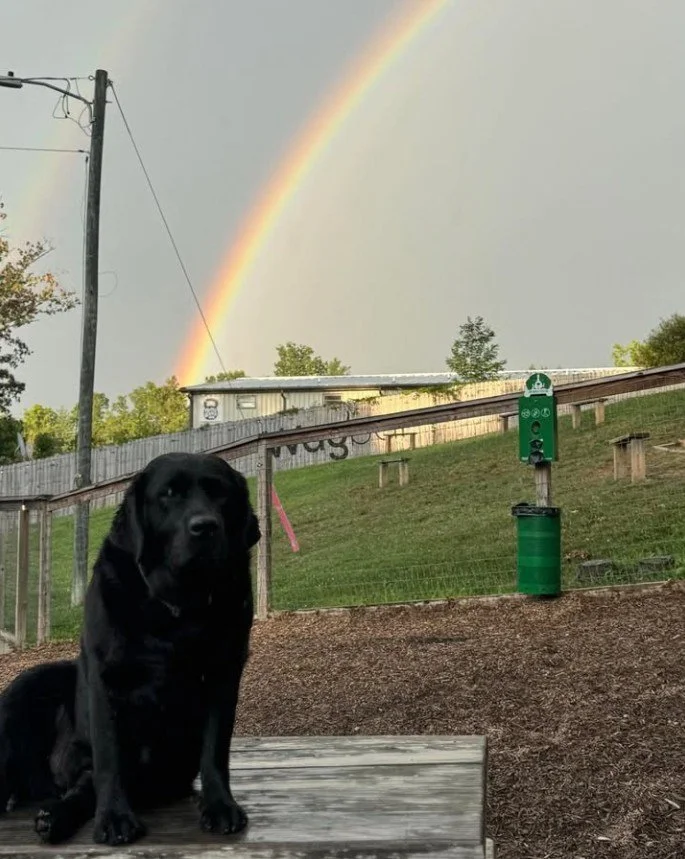
Successful private playgroups evolve into meaningful communities providing social benefits for both dogs and owners. Thoughtful community building transforms functional arrangements into genuine friendships supporting everyone's dog ownership journeys.
Regular Communication and Group Cohesion
Establish communication channels keeping members connected between sessions through group texts, emails, or messaging apps. These channels facilitate scheduling, share photos from sessions, coordinate emergency situations, and maintain relationships between meetings. Active communication builds stronger communities than groups that only interact during scheduled sessions.
Beyond logistics, communication channels allow members to share dog-related questions, celebrate training successes, troubleshoot behavioral challenges, and support each other through difficult times like illnesses or end-of-life decisions. These deeper connections create communities providing genuine value beyond simple play sessions.
Graceful Expansion and New Member Integration
Groups inevitably face decisions about expanding membership as compatible dogs are identified or current members recommend friends. Establish clear processes for evaluating new candidates ensuring consistent standards while allowing growth. Rushed additions without proper screening create problems, while too-restrictive approaches prevent beneficial expansion.
Integrate new members gradually through single-dog introductions before full group participation, giving existing members time to adjust to new dynamics. This phased approach prevents overwhelming established dogs with multiple new relationships simultaneously. Designate experienced members as mentors for newcomers, answering questions and helping them understand group culture and expectations.
Addressing Conflicts and Problem-Solving
Conflicts inevitably arise in any group activity—disagreements about management decisions, concerns about specific dogs' behaviors, scheduling tensions, or interpersonal friction between owners. Establish conflict resolution processes addressing issues constructively before they damage relationships or fracture groups.
Direct communication between involved parties should happen first, with neutral mediators helping facilitate conversations if needed. Focus discussions on specific behaviors and situations rather than character judgments or personal attacks. The goal involves finding solutions allowing the group to continue functioning, not winning arguments or forcing anyone out unless behaviors genuinely threaten safety or group viability.
Celebrating Successes and Milestone Acknowledgment
Mark playgroup milestones like anniversaries, welcome new dogs with small celebrations, and acknowledge significant achievements like behavioral progress or training successes. These celebrations build positive associations with playgroup participation while strengthening emotional bonds between members. Simple gestures like commemorative photos, small gifts, or special activities make participation more meaningful.
Particularly acknowledge shy or reactive dogs making behavioral progress through playgroup participation. Owners dealing with challenging behaviors often feel isolated or discouraged, making group support and recognition of improvements especially valuable. Celebrating these wins validates the hard work while encouraging continued effort through inevitable setbacks.
Planning Long-Term Sustainability
Consider how your playgroup will adapt as dogs age, members relocate, or life circumstances change. Planning for sustainability prevents groups from dissolving unnecessarily when key members face transitions. Distributed leadership where multiple members understand organizational aspects and can step into coordination roles prevents dependence on single individuals whose departure ends groups.
Document important information including waiver templates, screening protocols, location details, and member histories so knowledge transfers smoothly when leadership changes. This organizational maturity transforms informal arrangements into sustainable communities serving members across years rather than dissolving when circumstances shift.
The connection between private playgroup success and overall approaches to dog socialization and behavior demonstrates how thoughtful customization serves individual dogs better than one-size-fits-all approaches. Private playgroups represent just one tool in comprehensive socialization strategies meeting dogs' specific needs through appropriate environments and compatible social partners.
Bottom TLDR: Private dog playgroups for picky dogs succeed through systematic participant screening (health verification, temperament testing, size matching within 20-30 pounds, play style compatibility), rotating secure locations with proper liability waivers, clear behavioral standards, and consistent weekly sessions with 4-6 dogs maximum. Start small with 2-3 highly compatible dogs identified through individual introductions, expand gradually with rigorous vetting, establish explicit intervention protocols, and require signed liability waivers reviewed by attorneys. Build long-term community through regular communication, milestone celebrations, conflict resolution processes, and distributed leadership ensuring sustainability as circumstances change.