Pet Franchises in Knoxville: Market Analysis & Opportunities
Top TLDR: Pet franchises in Knoxville tap into a $147 million annual market serving 195,000 metro residents with 47% pet ownership rates and $65,000 median household income supporting premium pet services across underserved neighborhoods including Farragut, West Knoxville, and Hardin Valley. The market demonstrates strong fundamentals with University of Tennessee enrollment driving young professional demographics, Pellissippi Parkway corridor development attracting affluent families, and outdoor recreation culture creating demand for dog-focused experiences like off-leash parks and mobile services. Request Knoxville-specific territory analysis from pet franchisors comparing population density, household income distribution, and existing competitor locations before committing to pet franchises in Knoxville requiring localized market validation beyond broad demographic data.
Introduction to the Knoxville pet market
Knoxville, Tennessee presents compelling opportunities for pet franchise investment through its combination of moderate population density, strong median household incomes, outdoor-oriented culture, and growing economy anchored by the University of Tennessee and Oak Ridge National Laboratory. The metropolitan statistical area encompasses approximately 195,000 residents within city limits and 880,000 across Knox County and surrounding counties including Anderson, Blount, Loudon, and Union, creating sufficient customer base supporting multiple pet franchise locations across diverse geographic territories.
The city's cultural identity emphasizes outdoor recreation, family-oriented lifestyles, and Southern hospitality—characteristics correlating strongly with high pet ownership rates and willingness to invest in premium pet services. Great Smoky Mountains National Park's proximity within 30 miles attracts outdoor enthusiasts who frequently include dogs in hiking, camping, and recreational activities. This outdoor culture creates natural demand for dog-focused businesses including training services, mobile grooming for active dogs requiring frequent cleaning, and social venues like off-leash dog parks where pets and owners connect with like-minded community members.
Knoxville's economy demonstrates diversification beyond traditional manufacturing roots, with healthcare, education, technology, and professional services sectors creating stable middle and upper-middle class demographics willing to spend on pet care. University of Tennessee contributes approximately 30,000 students and 11,000 employees, generating economic activity and young professional population aging into prime pet ownership years. Oak Ridge National Laboratory and related technology companies employ thousands of scientists, engineers, and support staff earning above-average incomes and demonstrating high pet ownership rates typical of educated professional demographics.
The pet industry generates $147 billion nationally, with Knoxville capturing approximately $145-$150 million annually based on population and income characteristics. Dog-related spending represents 55-60% of total pet expenditures, translating to $80-$90 million annual market for dog franchises specifically. This market size supports 15-25 significant pet service providers including grooming salons, training facilities, daycare operations, mobile services, and specialty retailers, creating opportunities for new entrants offering differentiated concepts or serving underserved geographic territories.
Market growth trends favor Knoxville pet franchises over the next 5-10 years. Population growth averaging 0.8-1.2% annually adds 1,500-2,300 residents yearly, many settling in suburban neighborhoods like Farragut, Powell, and Hardin Valley where single-family homes and disposable income support pet ownership. Median household income increases of 2-4% annually outpace inflation, expanding household budgets available for discretionary pet spending. Perhaps most significantly, pet humanization trends show no signs of reversing—pet owners increasingly view dogs as family members deserving quality care, premium products, and enriching experiences rather than basic food and shelter.
Knoxville pet ownership demographics
Population and household characteristics
Knoxville proper contains approximately 195,000 residents with median household income of $46,000-$48,000, while surrounding suburbs including Farragut ($95,000 median income), West Knoxville ($72,000), and Hardin Valley ($78,000) demonstrate significantly higher earning power supporting premium pet services. The broader Knox County median household income runs $58,000-$62,000, with approximately 35-40% of households earning $75,000+—the demographic sweet spot for pet franchise opportunities offering convenience-focused and experience-based services.
Age demographics skew slightly younger than national averages due to University of Tennessee's presence, with median age of 33-35 years compared to 38 nationally. However, this youth concentration benefits pet franchises since millennials (currently 28-43 years old) demonstrate highest pet ownership rates of any generation at 31% dog ownership versus 25% for Gen X and 17% for baby boomers. Young professionals establish careers, settle into homes, and adopt dogs during late 20s and 30s—prime ages well-represented in Knoxville demographics.
Home ownership rates run 55-60% across Knox County, with higher rates in suburban areas like Farragut (75%), Powell (68%), and Karns (62%). Homeownership correlates strongly with pet ownership since renters face housing restrictions, pet deposits, and landlord prohibitions limiting adoption rates. Communities with high homeownership percentages typically support 1.5-2x higher pet ownership versus rental-heavy areas, making suburban neighborhoods particularly attractive territories for pet franchises requiring density of pet-owning households.
Education levels indicate approximately 32-35% of Knoxville adults hold bachelor's degrees, with percentages increasing to 45-55% in affluent suburbs. Higher education correlates with increased pet spending since college-educated households typically earn higher incomes, prioritize pet health and wellness, and view pets as family members deserving quality care. These demographics support premium pricing for services like mobile grooming ($90-$120 per session), private training ($100-$150 per hour), and experiential venues like off-leash dog parks with bar atmospheres.
Pet ownership rates and spending patterns
Pet ownership in Knoxville runs approximately 47-52% of households based on regional Southern averages, translating to 45,000-50,000 pet-owning households within city limits and 180,000-200,000 across broader metro area. Dog ownership represents 30-35% of total households or approximately 30,000-34,000 dog-owning households in Knoxville proper. Average dogs per household runs 1.3-1.5, meaning total dog population approaches 40,000-50,000 within city limits—substantial addressable market for dog-focused franchises.
Annual pet spending per household averages $1,200-$1,600 nationally, with dog owners spending slightly higher at $1,400-$1,800 given dogs' greater service needs compared to cats or other pets. Knoxville households likely spend toward lower end of national ranges given median incomes below national averages, but affluent suburbs match or exceed national spending levels. On 32,000 dog-owning households spending $1,500 annually, total market reaches $48 million for dog-related products and services within city limits alone.
Service spending represents fastest-growing category within pet expenditures, capturing approximately 35-40% of total spending versus 45-50% for food and 15-20% for supplies/accessories. Grooming represents largest service category at $400-$600 annually for regular clients requiring grooming every 6-8 weeks, followed by veterinary care, training, boarding/daycare, and specialty services. Service spending growth outpaces product categories as time-constrained professionals increasingly outsource pet care tasks and seek experiential offerings enhancing pet-owner lifestyle.
Premium service adoption increases in correlation with household income. Households earning $75,000+ spend 2-3x more on pet services than those earning $40,000-$50,000, driven by greater willingness to pay for convenience (mobile grooming, dog walking), quality (private training, premium daycare), and experiences (off-leash social venues, doggy spas). Farragut, West Knoxville, and Hardin Valley households demonstrate spending patterns approaching $2,000-$2,500 annually per dog including premium services, quality food, and veterinary care.
Key demographic segments
Young professionals aged 25-40 represent prime target demographic for pet franchise businesses given high dog ownership rates, disposable income, and willingness to pay for convenience and quality. This segment concentrations in West Knoxville, downtown/Old City, Sequoyah Hills, and newer developments along Pellissippi Parkway. They seek mobile services eliminating commutes to traditional facilities, social venues combining pet care with owner recreation, and premium experiences reflecting pet-as-family mindset.
Families with children aged 5-16 demonstrate strong pet ownership as parents purchase dogs for children's companionship, life lessons about responsibility, and family bonding. This demographic concentrates in suburban neighborhoods including Farragut, Hardin Valley, Powell, and Karns where single-family homes with yards accommodate dogs comfortably. Families prioritize safety and socialization, creating demand for supervised training classes, puppy programs, and structured environments teaching children appropriate dog interaction.
Empty nesters and retirees increasingly adopt dogs for companionship after children leave home, representing growing demographic segment as baby boomers age. This group concentrates in established neighborhoods throughout Knoxville including Sequoyah Hills, Bearden, and West Hills, plus active adult communities in Farragut and Lenoir City. They value reliability, personal service, quality care, and established businesses with strong reputations, often becoming loyal long-term clients less price-sensitive than younger demographics.
University of Tennessee students and young graduates create unique market segment with distinct characteristics including apartment dwelling, budget consciousness, and lifestyle orientation toward social activities. While students themselves rarely represent premium service customers given limited incomes, they transition into young professionals settling in Knoxville post-graduation, becoming prime franchise customers within 3-5 years. Businesses cultivating relationships with this demographic through affordable entry-level services build loyalty persisting through customers' life stages and income growth.
Competitive landscape analysis
Existing pet service providers
Knoxville's competitive landscape includes approximately 20-25 full-service grooming salons ranging from budget chains like PetSmart and Petco to premium independent salons charging $60-$120 per full-service groom. Mobile grooming operations remain relatively limited with 3-5 active providers serving metro area, creating opportunities for mobile grooming franchises entering underserved territories. Traditional salons concentrate in retail corridors along Kingston Pike, Chapman Highway, and Broadway, leaving suburban neighborhoods reliant on facilities requiring 15-30 minute drives.
Dog training services include 8-12 established providers offering group classes, private sessions, and behavior modification programs. Facilities range from basic obedience schools to comprehensive training centers offering agility, rally, and competitive obedience preparation. However, most trainers operate small independent businesses lacking marketing sophistication, consistent branding, and systematic operations—vulnerabilities dog training franchises exploit through professional systems and proven methodologies creating competitive advantages over mom-and-pop operations.
Dog daycare and boarding facilities number 6-8 operations including Camp Bow Wow, Pet Paradise, and independent providers concentrated in West Knoxville and Farragut areas. Capacity constraints become apparent during peak boarding seasons including holidays and University of Tennessee football weekends when families travel and need reliable pet care. Additional dog daycare capacity could enter market successfully given growing demand from working professionals requiring daily care while maintaining full-time careers.
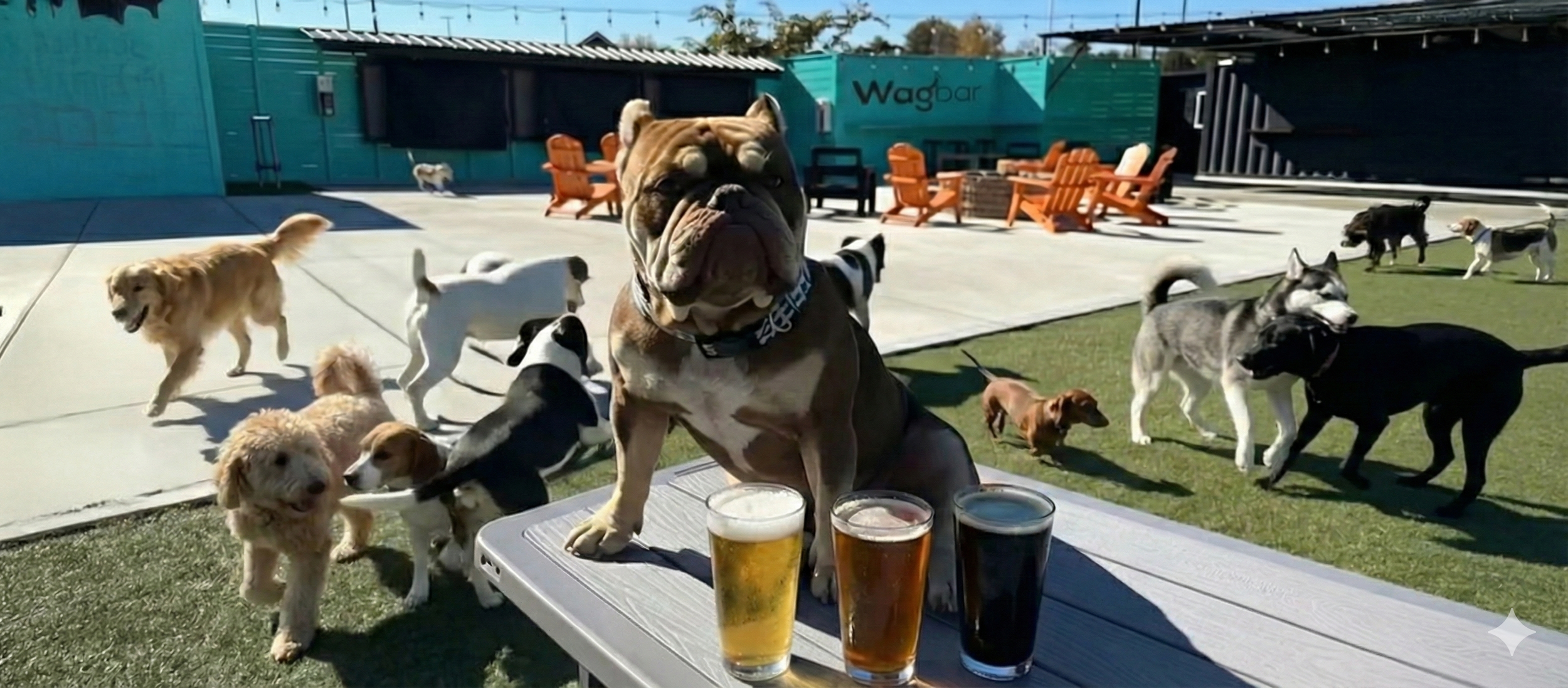
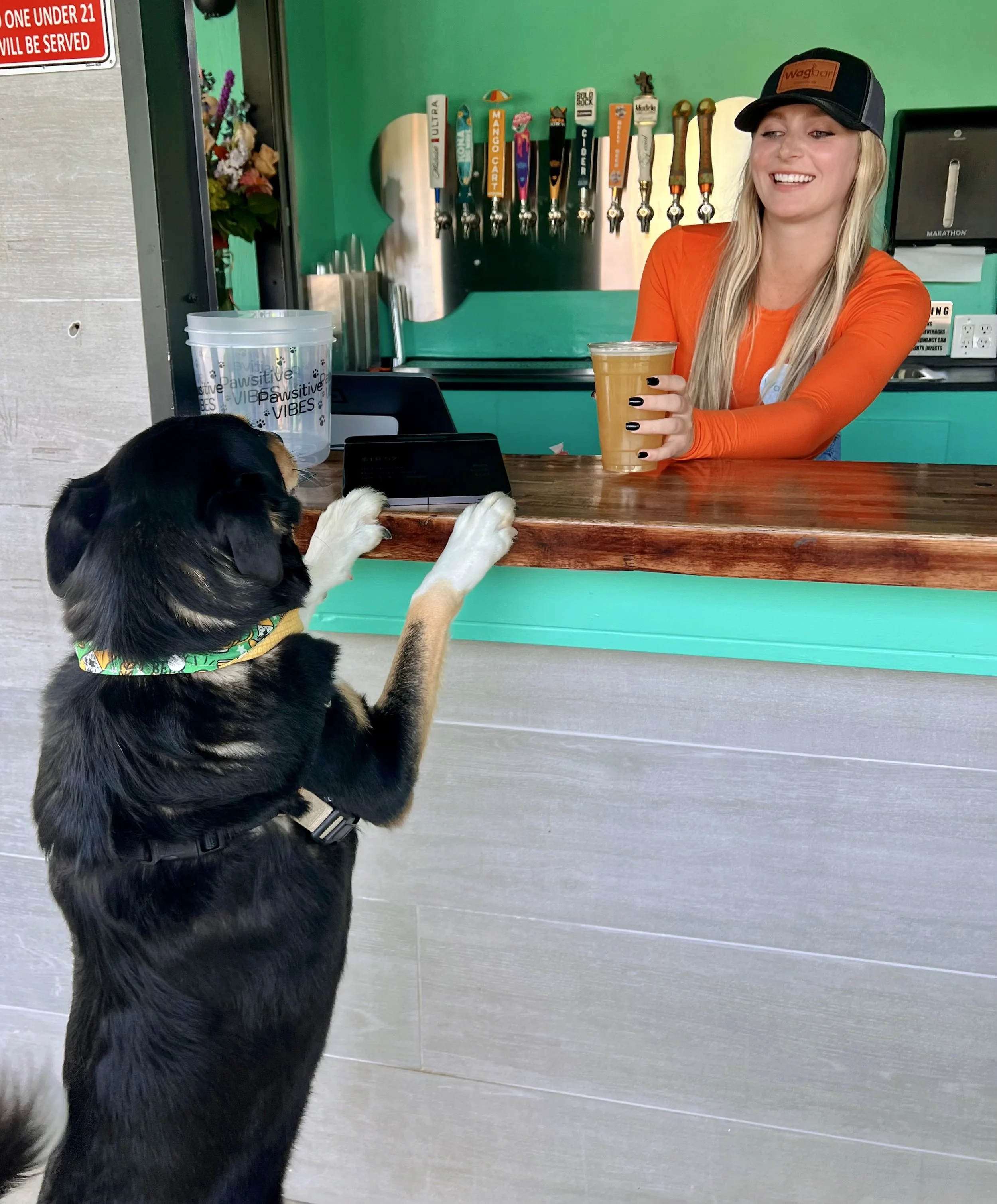
Off-leash dog parks in Knoxville include several city-operated facilities like Tommy Schumpert Park and Warner Park Dog Park providing free public access, plus emerging private concepts combining off-leash environments with social atmospheres. Wagbar Knoxville opening at the former Creekside Knox location in October 2025 introduces the city's first premium off-leash dog park bar concept, creating new category within local pet services marketplace. The venue combines fenced off-leash areas, food trucks, beverage service, and community events creating destination experience unavailable at basic public dog parks.
Market gaps and white space opportunities
Mobile services represent most significant market gap in Knoxville pet landscape. While traditional grooming salons saturate commercial corridors, mobile groomers serving residential neighborhoods remain scarce relative to demand from busy professionals, elderly pet owners, and anxious dogs stressed by salon environments. Territory availability for mobile franchise brands like Aussie Pet Mobile, Zoomin Groomin, and others provides relatively clear entry paths without excessive existing competition blocking territory acquisition.
Premium experiential venues remain underdeveloped compared to markets like Nashville, Atlanta, and Charlotte where multiple off-leash social venues operate successfully. Wagbar's Knoxville entry validates market potential for this category, suggesting room for complementary concepts focusing on different niches—perhaps smaller neighborhood locations, indoor climate-controlled facilities, or specialized programming for specific demographics like puppies or small breeds. The off-leash dog park bar model resonates with Knoxville's outdoor culture and social community values.
Subscription and convenience services including regular dog walking, pet sitting networks, and home-based care remain fragmented across individual operators without dominant franchised providers. This fragmentation creates opportunities for organized franchise systems bringing technology platforms, consistent service standards, and professional marketing to categories currently served by informal networks and independent contractors lacking scale and sophistication.
Specialized services addressing specific needs like reactive dog training, puppy socialization programs, senior dog care, and breed-specific services remain largely unavailable through systematic providers. Franchises emphasizing these specializations could differentiate from general-purpose competitors while capturing underserved market segments willing to pay premium pricing for specialized expertise addressing their dogs' unique requirements.
Competitive advantages for new entrants
Franchise systems entering Knoxville benefit from professional operations, systematic marketing, proven business models, and brand recognition unavailable to independent competitors. Local pet businesses typically operate informally without documented procedures, staff training programs, technology infrastructure, or marketing sophistication—creating service inconsistency, operational inefficiency, and growth limitations. Pet industry franchises deploy resources and systems small independents cannot replicate, creating immediate competitive advantages upon market entry.
Brand awareness from national or regional franchise presence generates instant credibility and trial among consumers unfamiliar with local independent options. Franchises leverage corporate marketing, digital advertising, social media presence, and review management creating professional market presence independents struggle matching with limited budgets and marketing expertise. This professional presence particularly advantages franchises targeting affluent demographics expecting polished brands and consistent experiences.
Technology platforms supporting scheduling, payments, customer communications, and loyalty programs create convenience and efficiency customers increasingly expect from service providers. Independent pet businesses often operate through phone calls, paper appointment books, and cash/check payments—antiquated approaches frustrating tech-savvy customers accustomed to app-based booking and digital transactions. Franchises deploying modern technology gain immediate advantages over competitors lacking similar infrastructure.
Multi-unit development potential allows successful franchisees expanding across Knoxville metro area building regional presence impossible for single-location independents. A franchisee opening initial location in West Knoxville can add locations in Farragut, North Knoxville, and Maryville capturing market share across diverse territories while spreading administrative overhead and building dominant regional brand. This scalability creates long-term wealth building opportunities beyond single-location profitability.

Underserved areas and opportunities
West Knoxville and Farragut corridor
West Knoxville extending along Kingston Pike through Farragut represents Knoxville's most affluent corridor with median household incomes of $75,000-$95,000, high homeownership rates above 70%, and family demographics with school-age children. The area contains approximately 35,000-40,000 residents including Turkey Creek shopping district, Bearden neighborhood, and Farragut proper—creating concentrated population supporting multiple pet service locations within 10-mile radius.
Pet ownership rates likely exceed 55-60% in this corridor given high incomes, single-family homes with yards, and family-oriented demographics. On 15,000-18,000 households owning dogs, market potential reaches $22-$32 million annually for dog services and products. However, existing service density remains moderate with 4-6 grooming salons, 2-3 training facilities, and limited mobile coverage creating opportunities for new entrants offering differentiated services or superior convenience.
Specific opportunities include mobile grooming and training services eliminating drives to facilities for time-constrained professionals, premium daycare operations serving working families requiring daily care, and social venues providing weekend entertainment and community building for active owners seeking dog-focused recreational options. The corridor's retail density along Kingston Pike supports high-visibility locations attracting drive-by traffic, while residential neighborhoods offer territory for mobile operators minimizing client travel time.
Turkey Creek area specifically represents high-potential micro-market with 12,000-15,000 residents within 3-mile radius, shopping center anchored by Target, Dick's Sporting Goods, and numerous restaurants creating high traffic volumes, and demographics skewing toward young professionals and families with disposable income. A pet franchise locating near Turkey Creek captures traffic from existing retail activity while serving surrounding neighborhoods including Saddle Ridge, Village Green, and Northshore areas.
Pellissippi Parkway growth corridor
Pellissippi Parkway corridor extending from I-40 through Hardin Valley to Alcoa represents Knoxville's primary growth corridor with new residential developments, corporate office parks, and retail centers transforming former rural areas into suburban communities. Population growth rates exceed 3-4% annually in Hardin Valley and surrounding areas as young families and professionals seek newer homes, quality schools, and suburban amenities within reasonable commutes to downtown Knoxville and Oak Ridge.
Current population of 25,000-30,000 in Hardin Valley area continues expanding through residential construction adding 300-500 homes annually. These new residents demonstrate desirable demographics including household incomes of $75,000-$100,000, family structures with children, and homeownership rates approaching 80%. Pet ownership rates likely run 55-60% creating market of 8,000-10,000 dog-owning households supporting significant pet services demand.
However, service availability lags behind residential growth creating underserved market ripe for early movers establishing presence before competition intensifies. Currently only 1-2 grooming facilities serve entire corridor, requiring residents driving 10-15 miles to West Knoxville or Farragut alternatives. No dedicated training facilities exist in immediate area, and daycare options remain limited forcing working families seeking lengthy commutes or foregoing services entirely.
Franchise opportunities include ground-floor entry into high-growth market building brand loyalty among residents lacking established service relationships, excellent site availability with reasonable lease rates compared to established retail corridors, and first-mover advantages capturing market share before competitors recognize opportunity. Best cities for dog franchise success demonstrate that entering growth markets early provides sustainable competitive advantages as population density reaches critical mass supporting multiple locations.
North Knoxville and Fountain City
North Knoxville and Fountain City neighborhoods contain 30,000-35,000 residents in working-class and middle-class communities with median household incomes of $45,000-$55,000. While lower than West Knoxville and Farragut averages, these neighborhoods demonstrate strong pet ownership and represent underserved markets often overlooked by premium service providers focusing exclusively on affluent demographics. Value-oriented franchise concepts emphasizing efficiency, moderate pricing, and convenient locations serve these markets effectively.
Fountain City's historic commercial district along Broadway provides retail nodes supporting neighborhood-serving businesses, while North Knoxville's density along I-75 corridor creates visibility and accessibility for service providers. Pet ownership rates run 45-50% creating market of 6,500-8,000 dog-owning households spending $1,000-$1,400 annually—sufficient demand supporting properly-scaled operations targeting value-conscious consumers.
Mobile services particularly suit these neighborhoods given residents' sensitivity to time spent commuting to distant facilities and appreciation for convenient home-based service delivery. Budget-conscious families prioritize value but still seek quality care for beloved pets, creating demand for mid-market providers positioned between discount chains and luxury boutiques. Franchises offering transparent pricing, efficient operations, and reliable service without excessive premium positioning succeed in these demographics.
Specific opportunities include mobile grooming operations offering competitive $60-$80 pricing versus $90-$120 in affluent areas, group training classes emphasizing affordability over private sessions, and basic daycare providing safe supervision without elaborate amenities commanding premium pricing. These value-oriented approaches generate solid profitability through volume and efficiency while serving underserved middle-class demographics often ignored by competitors chasing only affluent customers.
Downtown and Old City emerging markets
Downtown Knoxville and Old City neighborhoods experience revitalization attracting young professionals, urban dwellers, and University of Tennessee affiliates into renovated lofts, new apartments, and mixed-use developments. Current population of 8,000-10,000 in urban core continues growing as residential development intensifies converting former industrial and underutilized properties into housing. These residents demonstrate unique characteristics including higher apartment dwelling rates, walkable lifestyle preferences, and emphasis on convenience and experience over traditional suburban values.
Urban pet ownership patterns differ from suburban norms with higher concentrations of small breeds suitable for apartment living, emphasis on dog-friendly restaurants and venues, and reliance on convenient service providers accessible without vehicles. Dog ownership rates run 35-40% in urban core given apartment restrictions and younger demographics often delaying pet ownership until establishing careers and housing stability.
However, urban dog owners demonstrate high service spending given professional incomes, time scarcity, and willingness to pay premium pricing for convenience. Average annual spending reaches $2,000-$2,500 per dog including frequent grooming, regular training, dog walking services, and experiential venues like dog-friendly bars and off-leash parks. On 1,200-1,500 urban dog-owning households, market potential reaches $2.4-$3.7 million annually concentrated in compact geography.
Opportunities include mobile services visiting apartment complexes and condos, dog walking and pet sitting networks serving professionals working long hours, and social venues providing entertainment options for active urban residents seeking dog-friendly experiences. Downtown's walkability supports retail locations accessible to surrounding neighborhoods, while parking and space constraints make mobile and home-based services particularly attractive to residents lacking vehicles or dealing with parking challenges.
Success factors for Knoxville pet businesses
Location and accessibility considerations
Successful Knoxville pet franchises prioritize accessibility through strategic site selection balancing visibility, convenience, and target demographic proximity. High-traffic retail corridors along Kingston Pike, Pellissippi Parkway, and Broadway provide visibility generating walk-in traffic and brand awareness, though lease rates run higher than secondary locations. Neighborhood retail centers serving residential areas offer lower occupancy costs while maintaining convenient access for regular clients prioritizing proximity over destination retail locations.
Parking availability matters significantly since customers transport dogs requiring easy vehicle access, loading/unloading convenience, and weather protection. Locations with dedicated parking lots outperform those relying on street parking or shared garage structures, particularly for grooming, daycare, and training facilities where clients drop off and retrieve dogs frequently. Mobile franchise operators avoid facility costs entirely but must consider territory design minimizing drive time between appointments and clustering clients geographically for route efficiency.
Multi-location strategies allow coverage of Knoxville's dispersed geography reducing drive times for customers in specific quadrants. A franchise operator might establish primary location in West Knoxville/Farragut corridor serving 60,000+ residents within 10-minute drives, plus secondary location in Hardin Valley/Pellissippi area capturing growth corridor's 30,000+ residents, and potentially third location in North Knoxville/Fountain City serving 35,000+ residents. This distribution creates convenient options across metro area preventing customers choosing competitors based solely on proximity advantages.
Site selection should consider future growth trajectories beyond current population. Areas like Hardin Valley demonstrate rapid residential development suggesting today's moderate density will increase significantly within 3-5 years. Early entry into growth markets establishes brand presence and customer relationships before competition intensifies, creating defensible market positions as neighborhoods mature. However, underdeveloped areas require sufficient initial population supporting operations during years before growth materializes.
Community engagement and marketing strategies
Knoxville's community-oriented culture rewards businesses actively participating in local events, supporting charitable causes, and building authentic relationships beyond transactional customer interactions. Pet franchises sponsor adoption events with Young-Williams Animal Center and other rescues, participate in neighborhood festivals and farmers markets, and support dog-related causes building goodwill and brand awareness among target demographics valuing community involvement and corporate citizenship.
Social media marketing particularly resonates with Knoxville pet owners actively engaging with local Facebook groups, Instagram accounts featuring pet content, and community forums discussing services and recommendations. Consistent content showcasing happy clients and their dogs, educational posts about pet care, and behind-scenes glimpses humanizing businesses creates authentic connections with potential customers. User-generated content through client photos and testimonials provides social proof while engaging existing customers in brand community.
Partnership strategies with complementary businesses including veterinary clinics, pet supply retailers, dog-friendly restaurants, and apartment complexes create referral networks and cross-promotional opportunities. Veterinarians recommend trusted training and grooming providers to clients, retailers refer customers for services, and apartment complexes partner with dog walking networks serving residents. These B2B relationships generate qualified referrals from trusted sources carrying more weight than traditional advertising.
Wagbar's approach combining off-leash dog park, bar atmosphere, and community events exemplifies successful community engagement creating destination venue rather than purely transactional service provider. Regular events including live music, food trucks, breed meetups, and holiday celebrations bring together dog owners for social experiences generating organic word-of-mouth marketing and building loyal community around brand. This community-building philosophy applies across franchise concepts beyond specific off-leash dog park model.
Operational excellence and customer service
Service consistency and reliability create customer loyalty in pet services where clients trust businesses with beloved family members' care and wellbeing. Documented procedures, staff training programs, and quality control systems ensure every customer receives excellent experience regardless of which employee provides service. Franchises benefit from corporate-developed systems providing operational frameworks independent businesses often lack, creating competitive advantages through professional execution.
Communication standards including appointment confirmations, service updates, and follow-up protocols demonstrate professionalism and attention to detail customers expect from premium service providers. Technology platforms automating routine communications free staff for personal interactions while ensuring no client falls through cracks due to manual process failures. Text message updates during daycare or grooming appointments, email receipts and loyalty program notifications, and social media engagement maintain ongoing customer relationships beyond service transactions.
Staff hiring and retention directly impacts service quality and business reputation since employees interact daily with customers and their pets. Competitive compensation, positive work environments, career development opportunities, and recognition programs attract and retain quality team members who deliver exceptional service building business reputation. Franchises providing corporate training, career paths, and multi-unit opportunities appeal to employees seeking professional growth versus dead-end jobs at independent operations.
Customer service recovery processes addressing complaints and service failures prevent negative reviews and customer defection while demonstrating commitment to satisfaction. Empowering employees to resolve issues immediately through service recovery budgets, complimentary services, and sincere apologies often converts dissatisfied customers into loyal advocates sharing positive recovery experiences. Pet services carry emotional significance given human-animal bonds, making service failures more impactful but recovery opportunities more powerful when executed effectively.
Pricing strategies for Knoxville market
Knoxville's moderate income levels relative to national averages require pricing strategies balancing profitability with affordability for target demographics. Premium positioning works in affluent areas like Farragut and West Knoxville where household incomes support $100-$120 mobile grooming or $150+ private training sessions, but middle-class neighborhoods respond better to value pricing emphasizing quality at reasonable rates. Franchises must understand territory-specific price sensitivity calibrating positioning accordingly.
Membership and subscription models create recurring revenue while providing customers perceived value through discount pricing on regular services. A mobile grooming franchise might offer $90 per-visit pricing or $85 per visit through monthly membership covering 1-2 groomings—the $5-$10 savings incentivizes commitment while guaranteeing franchisee regular monthly income. Daycare and boarding operations extensively use membership models offering unlimited daycare for monthly fees creating predictable revenue streams and customer retention.
Package pricing encourages upfront purchases while improving customer lifetime value. Training franchises sell 6-session packages at 10-15% discount versus individual session pricing, generating immediate cash flow while ensuring client commitment to complete programs. Grooming operations bundle services including nail trimming, teeth cleaning, and special shampoos at package rates providing value perception while increasing average transaction values beyond basic bath-and-haircut services.
Competitive pricing intelligence monitoring local competitors' rates prevents significant premium or discount positioning causing customer confusion or lost sales. Successful franchises price within 10-20% of market rates, differentiating through service quality, convenience, or unique value propositions rather than dramatic price competition eroding margins. Mobile services justifiably command 20-30% premiums over salon pricing given convenience value, while basic services in middle-class neighborhoods stay competitive with budget chains through operational efficiency rather than premium pricing.
Local regulations and requirements
City of Knoxville business licensing
Pet service businesses in Knoxville require city business licenses obtained through City Recorder's Office at $15 annual fee plus any applicable privilege taxes based on gross receipts. Applications require business name, physical address, contact information, and business activity description. Processing takes 3-7 business days for routine applications, with licenses renewable annually by December 31st. Home-based businesses require additional zoning verification ensuring residential property use complies with city zoning ordinances.
Knox County business owners operating outside city limits obtain licenses through Knox County Clerk's Office following similar application procedures and fee structures. Businesses operating across both city and county jurisdictions may require dual licenses depending on service delivery locations and office addresses. Mobile service providers typically license based on business office location rather than service delivery areas, though verifying specific requirements prevents licensing gaps creating potential fines or operational disruptions.
Professional licenses or certifications beyond general business licenses depend on specific service types. Grooming and training businesses generally require no state-level professional licensing in Tennessee, though individual certifications through organizations like National Dog Groomers Association of America or Certification Council for Professional Dog Trainers demonstrate professional competency to customers. Veterinary services require state licensure through Tennessee Board of Veterinary Medical Examiners, while pet sitting and dog walking networks operate without specialized state licensing.
Knox County zoning and permits
Zoning regulations determine where pet businesses legally operate based on commercial, residential, or mixed-use district classifications. Retail pet services including grooming salons, training facilities, and daycare operations require commercial zoning, typically C-1, C-2, or C-3 districts along retail corridors and shopping centers. Conditional use permits may allow pet services in some mixed-use or transitional zones following public hearing and planning commission approval processes.
Home-based pet businesses face more restrictive regulations since residential zoning prohibits most commercial activities disrupting neighborhood character. Mobile grooming and training operators working from home offices without clients visiting property typically operate legally as home occupations provided services occur at client locations rather than business address. Pet sitting and dog walking businesses managed from home generally qualify as home occupations since actual services deliver at client homes rather than business location.
Outdoor facilities including dog parks and off-leash areas require additional permits addressing noise, odor, waste management, and neighbor concerns. Setback requirements, fencing specifications, lighting restrictions, and operational hour limitations protect adjacent properties from potential nuisances. Wagbar Knoxville's development at former Creekside Knox location required appropriate permits and potentially conditional use approvals given outdoor operations and alcohol service components.

Building permits and inspections apply to tenant improvements and facility construction requiring electrical work, plumbing modifications, or structural changes. Daycare and boarding facilities installing kennels, drainage systems, or ventilation improvements require permits ensuring code compliance and public safety. Retail locations undergo inspections verifying occupancy limits, fire safety, accessibility compliance with Americans with Disabilities Act, and building code adherence before certificate of occupancy issuance permitting business operations.
Health and safety requirements
Pet service facilities must maintain sanitary conditions meeting Tennessee Department of Agriculture and Knox County Health Department standards. Regular cleaning and disinfection protocols, proper waste disposal, adequate ventilation, and pest control prevent disease transmission and maintain healthy environments. Inspection frequency varies by facility type with daycare and boarding operations facing more stringent oversight than grooming-only facilities given extended animal housing periods increasing disease and injury risks.
Vaccination requirements protect animal health and public safety by preventing disease outbreaks within group settings like daycare, training classes, and off-leash parks. Standard requirements include rabies vaccination (state law mandate for all dogs), distemper/parvovirus (DHPP) vaccination, and Bordetella (kennel cough) vaccination for facilities housing multiple dogs. Proof of current vaccinations through veterinary records ensures only healthy, protected animals participate in group activities reducing liability and disease transmission risks.
Liability insurance provides financial protection against accidents, injuries, or property damage occurring during business operations. Pet service businesses typically carry $1-$2 million general liability coverage protecting against customer injury claims, plus professional liability covering service delivery claims, animal bailee insurance protecting client animals in business care, and commercial vehicle insurance for mobile service operators. Franchise agreements often mandate specific coverage minimums ensuring adequate protection across franchise system.
Employee background checks and screening procedures protect customers and maintain business reputation. Many franchises require criminal background checks for employees working with animals or entering customer homes, particularly for pet sitting and dog walking networks accessing homes unsupervised. Child-related offenses, animal cruelty convictions, or theft charges typically disqualify candidates from pet service positions given trust customers place in businesses caring for family members and property.
Steps to launch a pet franchise in Knoxville
Market research and franchise selection

Begin by conducting thorough Knoxville market research analyzing demographics, competition, underserved territories, and growth patterns validating franchise concept viability. Review Knox County planning documents identifying residential development trends, study Census data revealing income and household characteristics, and visit neighborhoods observing pet ownership indicators like dog walkers, outdoor pet areas, and pet-related retail presence. This research confirms whether market supports chosen franchise concept and identifies optimal territories for operations.
Request Franchise Disclosure Documents from 3-5 pet franchise concepts matching your interests, skills, and capital capacity. Compare financial performance representations in Item 19 (when provided), analyze total investment requirements and fee structures, evaluate territory availability specifically in Knoxville market, and review training and support systems determining which franchisor provides resources ensuring success. Create evaluation matrix scoring franchises across weighted criteria including investment, ROI potential, franchisor reputation, franchisee satisfaction, and personal fit.
Interview 15-20 existing franchisees across different franchise systems and performance levels understanding realistic expectations, unexpected challenges, franchisor support quality, time commitments, and financial results. Ask franchisees if they'd invest again knowing actual outcomes, what they wish they'd known before purchasing, how long until profitability, and whether franchise system delivers promised support. Franchisee validation provides unfiltered insights franchise sales representatives and marketing materials omit or minimize.
Visit operating locations during various times observing service delivery, customer interactions, facility conditions, and operational execution. Shadow franchisees for full days experiencing daily routines, physical demands, customer service situations, and business management tasks. Realistic preview prevents surprises after purchasing franchise when discovering operational realities differ from romanticized expectations about working with pets all day.
Securing financing and site selection
Determine total capital requirements including franchise fees, working capital, equipment, and initial marketing investment. On dog franchise under $200K, budget $50,000-$80,000 liquid capital covering down payments and immediate expenses, with SBA loans financing remaining 60-70% of investment for qualified borrowers. Meet with SBA-experienced lenders discussing qualification requirements, documentation needs, and approval timelines typically running 45-90 days from application to funding.
Prepare comprehensive business plan demonstrating market opportunity, competitive analysis, financial projections, and operational strategy. SBA lenders require detailed plans evidencing thorough preparation and realistic expectations about business performance. Include Knoxville-specific market data, territory demographics, competitor analysis, and growth projections based on franchise system performance and local market conditions. Strong business plans increase approval likelihood and potentially improve lending terms through demonstrated preparation and competence.
Collaborate with franchisor real estate team identifying optimal locations within available territories matching demographic and accessibility criteria. Negotiate lease terms including tenant improvement allowances, rent abatement periods, extension options, and assignment provisions protecting investment if selling business in future. Conduct due diligence reviewing property condition, zoning compliance, parking adequacy, visibility, and competitive proximity before committing to long-term lease obligations. For mobile franchise concepts, skip facility leasing but carefully evaluate territory boundaries, competitor density, and target demographic concentration.
Training and grand opening preparation
Complete franchisor training program learning operational systems, service delivery protocols, customer service standards, and business management procedures. Training typically includes 1-2 weeks at corporate headquarters or established locations followed by on-site support during opening weeks. Take training seriously absorbing operational knowledge preventing costly mistakes and service quality issues during critical early months establishing business reputation.
Recruit and train staff if franchise model requires employees beyond owner-operator role. Develop hiring processes, compensation structures, training programs, and performance management systems ensuring quality team building business reputation. Franchise systems typically provide employee training materials, but hiring and retention success depends on local execution creating positive work culture attracting talented team members.
Execute pre-opening marketing campaigns building awareness, generating leads, and scheduling initial appointments before officially launching. Tactics include social media advertising targeting Knoxville pet owners, direct mail to surrounding neighborhoods, partnerships with local veterinarians and pet retailers, community event participation, and grand opening promotions incentivizing trial. Strong pre-opening marketing generates momentum preventing slow starts where businesses struggle covering overhead during early months lacking sufficient client volume.
Schedule soft opening period testing operations, training staff, and refining procedures before full-scale launch. Soft openings identify operational gaps, technology issues, and service delivery challenges correctable before official grand opening when customer volumes spike and business reputation crystallizes through initial reviews and word-of-mouth. Use soft opening feedback improving systems and correcting problems preventing negative first impressions damaging long-term success.
Building sustainable operations
Focus relentlessly on customer acquisition and retention during first 12-18 months building client base supporting sustainable profitability. Track marketing ROI across channels doubling down on effective tactics while eliminating wasteful spending on low-performing strategies. Service businesses succeed through consistent client acquisition averaging 8-15 new clients monthly until reaching capacity at 100-200 active regular clients depending on service frequency and business model.
Implement systematic operational procedures, customer service protocols, and quality control measures ensuring consistent excellent experiences building reputation and referrals. Document procedures creating training resources for new hires and reference guides preventing knowledge gaps when key employees leave. Franchises provide operational frameworks but successful execution requires local management discipline maintaining standards and continuously improving operations.
Monitor financial performance closely tracking key metrics including revenue growth, gross margins, customer acquisition costs, lifetime value, retention rates, and cash flow. Monthly financial reviews identify trends early allowing proactive adjustments preventing small problems becoming major crises. Most franchise failures stem from poor financial management—franchisees spending excessively on unnecessary items, underfunding marketing, or neglecting accounts receivable allowing cash crunches developing despite adequate revenue.
Consider multi-unit expansion once establishing successful initial location demonstrating operational competency and market understanding. Additional locations leverage administrative infrastructure, brand awareness, and management experience across expanded operations increasing overall profitability through economies of scale. Many franchise systems offer territorial expansion rights providing growth opportunities beyond single-location limitations, creating wealth building through business portfolio development rather than sole reliance on single location performance.
Bottom TLDR: Pet franchises in Knoxville enter a $147 million market serving 195,000 metro residents with 47% pet ownership and $65,000 median household income creating demand for grooming, training, daycare, and experiential concepts across underserved territories including Farragut ($95K median income, 15,000+ dog-owning households), Pellissippi Parkway growth corridor (3-4% annual population growth, 8,000-10,000 dog households), and West Knoxville (35,000-40,000 residents, $75,000+ median income). Success requires strategic site selection prioritizing accessibility and target demographics, community engagement through local events and partnerships, pricing strategies matching territory income levels, and regulatory compliance with Knox County business licensing and zoning requirements. Request territory-specific demographic analysis from pet franchisors comparing population density and competitor locations within Knoxville metro area, interview existing Tennessee franchisees validating market performance expectations, and conduct firsthand neighborhood research observing pet ownership indicators before committing to pet franchises in Knoxville requiring localized validation beyond broad market assumptions.