

Pet Franchise Opportunities Near Major Military Bases: Markets to Consider
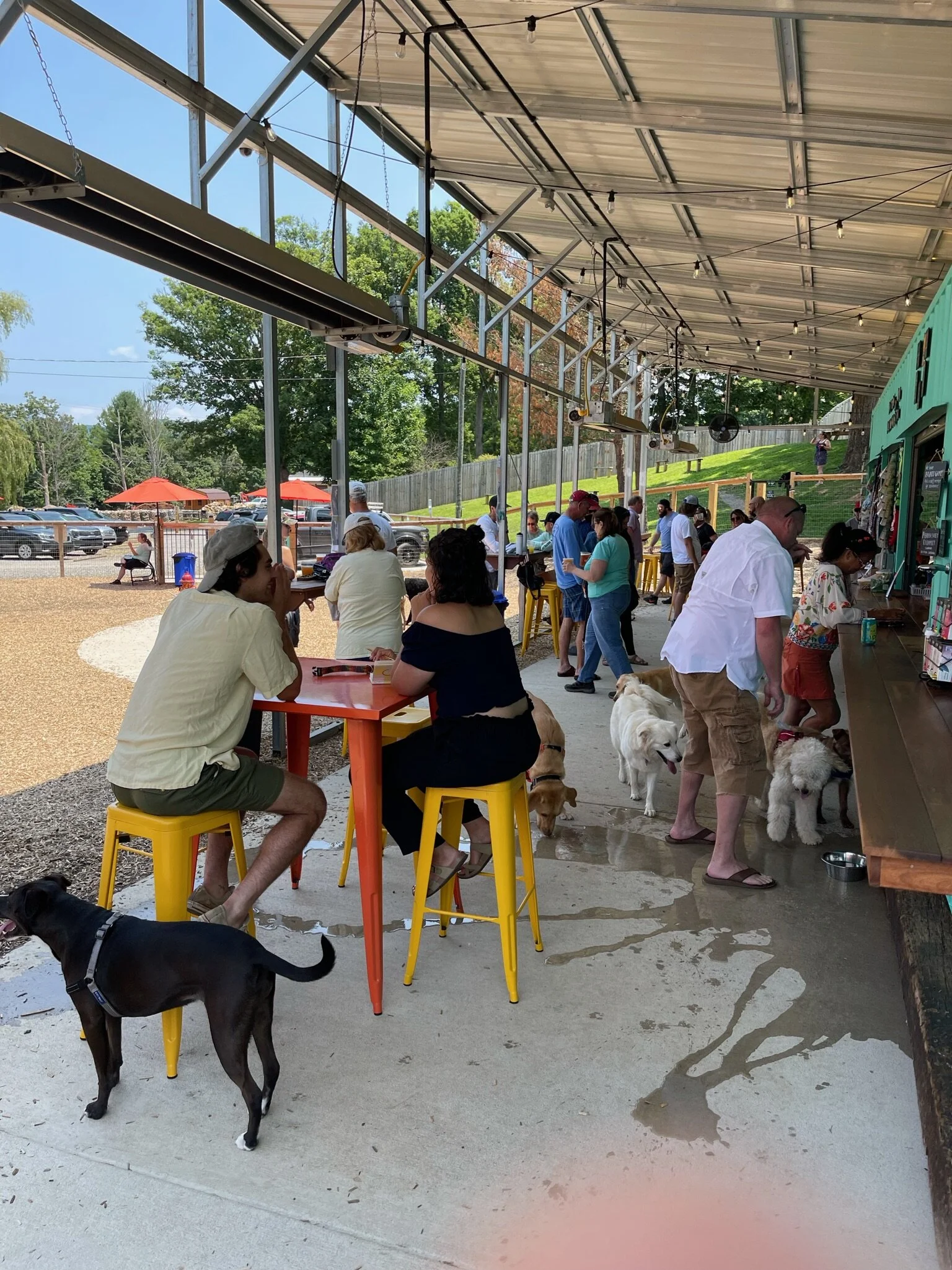
Top TLDR: Pet franchise opportunities near major military bases succeed because base-adjacent communities share demographic characteristics that off-leash dog bar concepts are specifically built for: high dog ownership rates, tight social networks, and residents who actively look for community venues. Several Wagbar markets including Richmond, Virginia; Savannah, Georgia; and Charleston, South Carolina already sit near significant military installations. Research base population and civilian community size before committing to a territory.
The question most veteran and military spouse franchise candidates ask when evaluating markets is whether to open near a base or somewhere else entirely. The answer is not obvious either way. Military-adjacent markets have real advantages, and they have real limitations, and understanding both before you commit to a territory is what separates a well-matched location from one that struggles because the market analysis was incomplete.
This page covers pet franchise opportunities near major military bases through a geographic lens, looking at which regions and market types tend to support the off-leash dog bar model well and where Wagbar already has a presence or active franchise development. If you are a military spouse evaluating how base proximity factors into franchise planning, the semi-absentee ownership considerations page covers how PCS timing intersects with territory decisions.
What Makes Military-Adjacent Markets Work for Pet Franchise Owners
Not every market near a military installation is a good franchise market. The ones that work have a specific set of characteristics worth evaluating before you claim a territory.
Dog ownership is structurally high in military communities. Military families move frequently, often with limited social networks at each new location, and dogs serve a real role in providing companionship and emotional continuity through those transitions. The result is pet ownership rates among military families that run consistently higher than civilian averages. For an off-leash dog bar franchise whose core customer is a dog owner with disposable income and a desire for social community, a high-density military family population is a meaningful built-in audience.
Social network formation is faster in military communities. Military spouses are practiced at joining a new community quickly and finding the social infrastructure of a new location within weeks of arriving. A new off-leash dog bar that becomes known within the spouse networks of a major installation can build word-of-mouth faster than many civilian market openings. Military social networks, both formal through unit family readiness organizations and informal through social media groups, function as efficient marketing channels when the product genuinely delivers.

But the market cannot depend only on the military population. This is the critical counterpoint. Military populations turn over. A duty station where the average service member stays two to three years means your member base has structural churn built in. If your franchise location draws primarily from on-base or recently arrived military families, you will spend a significant portion of every year replacing lapsed members rather than growing your base. The strongest military-adjacent markets have a substantial civilian population living near the installation, not just on it.
The civilian population adjacent to the base determines long-term viability. A town of 15,000 adjacent to a large installation might produce early traffic but will struggle to sustain membership density over time. A major metro area that happens to include a significant military installation, or where a large base sits near an established suburban community, provides the depth of potential members that a franchise needs to build toward stable recurring revenue.
Building a membership base from day-pass visitors is the Year One financial priority for every Wagbar franchisee, and the depth and stability of the surrounding civilian market directly affects how difficult or natural that build becomes.
Hampton Roads and the Mid-Atlantic Military Belt
Hampton Roads, Virginia is one of the densest military markets in the country. Naval Station Norfolk, the largest naval station in the world by personnel count, NAS Oceana, and the cluster of Army, Navy, and Air Force installations across the region make this one of the most significant military metropolitan areas in the United States. The surrounding civilian metro, which includes Virginia Beach, Norfolk, Chesapeake, Hampton, Newport News, and Suffolk, has a combined population of roughly 1.8 million people.
The Hampton Roads market has the civilian depth that makes military-adjacent franchise investment viable. Military families make up a meaningful percentage of the population, but the region has a mature civilian economy, significant professional and government contractor employment, and established suburban neighborhoods that do not turn over on PCS cycles.
Richmond, Virginia is already a confirmed Wagbar market. AJ Sanborn, Wagbar's Richmond area franchisee, brings a 20-year financial services background to a market roughly 90 miles from the Hampton Roads installations. Richmond itself has Fort Lee (now Fort Gregg-Adams) to its southeast and is positioned as a major metro in its own right with strong demographics independent of any single military installation.
The Richmond Wagbar franchise represents exactly the mid-Atlantic market profile that works well for the concept: a major metro with established professional demographics, a strong social and community culture, and proximity to significant military population centers without being dependent on any one installation's population for survival.
Frederick, Maryland is another confirmed Wagbar development market. Frederick sits near Fort Detrick and within commuting distance of several defense and intelligence community employers in the broader Washington D.C. metro corridor. The concentration of defense-related civilian employment in this region produces a market profile that blends military family demographics with high-income professional demographics.
North Carolina and South Carolina Military Communities
The Carolinas have one of the highest densities of major military installations in the country, and several of Wagbar's most active franchise markets are in this region.
Fort Liberty (formerly Fort Bragg), Fayetteville, NC hosts one of the largest active duty populations in the U.S. Army. The civilian community around the base has grown significantly over the past two decades, with the Spring Lake, Hope Mills, and Fayetteville suburban areas providing civilian market depth beyond the installation itself. The Raleigh-Durham metro, about an hour north, has Wagbar's Cary, NC franchise in development and represents the higher-income professional demographic that anchors the strongest Wagbar locations.
Camp Lejeune, Jacksonville, NC sits in coastal North Carolina adjacent to the city of Jacksonville. This market has a different profile than the Fayetteville region: the civilian community around Lejeune is more tied to the base economy than the larger metro markets, which means the franchise investment calculus is different. Wagbar has a franchise opportunity page targeting Jacksonville, Florida, not Jacksonville, NC, but the North Carolina coastal market bears watching as the broader Carolinas franchise footprint develops.
Charleston, South Carolina combines Joint Base Charleston (which hosts the Air Force's largest airlift wing and a naval weapons station) with a major civilian tourist and professional market. The Charleston metro's civilian economy, including its growing technology sector, port-related industry, and significant tourism economy, gives a franchise location in this market the civilian depth that purely military-dependent markets lack. Wagbar has an active franchise opportunity page for Charleston, SC, reflecting the market's recognized fit with the concept.
Charlotte, NC has Wagbar franchisees Brandi and Denise in development. Charlotte's proximity to Fort Liberty (about 100 miles) and its position as a major metro with strong professional demographics makes it another Carolinas market that benefits from regional military culture without depending on any single installation.
Texas Military Markets
Texas hosts several of the largest active duty installations in the U.S., and the state's major metro areas have civilian economies substantial enough to support franchise businesses that draw from both military and civilian populations.
San Antonio is anchored by Joint Base San Antonio, one of the largest military complexes in the country, combining Lackland AFB, Fort Sam Houston, and Randolph AFB. The city itself has a metro population of roughly 2.6 million, giving franchise owners the civilian market depth that prevents over-dependence on the installation population. The combination of military family demographics with a large, economically diverse civilian population makes San Antonio a strong profile match for an off-leash dog bar concept.
Fort Cavazos (formerly Fort Hood) near Killeen is the largest active duty armored post in the U.S. The adjacent Killeen market is more dependent on the installation than San Antonio, but the extended regional market toward Temple, Waco, and the broader I-35 corridor includes more civilian population depth.
Dallas already has a Wagbar franchisee in development, as confirmed by the Dallas, TX franchise location page. Dallas is not primarily a military market, but several defense contractors and the broader North Texas military and veterans community make it a strong market with relevant demographics. El Paso, home to Fort Bliss, is a different market profile: a border city with significant military presence and a growing civilian economy, worth evaluating separately.
Tennessee, Georgia, and the Southeast
The Southeast military markets offer a combination of growing civilian metro economies and significant installation proximity that suits the Wagbar model well.
Fort Campbell, Clarksville, TN is one of the Army's largest installations. The Clarksville market adjacent to the base has grown significantly in recent years as the Nashville metro's economic expansion has extended toward the I-24 corridor. Nashville itself is about 50 miles from Fort Campbell, and Knoxville, where Wagbar has an active location in development, represents the Tennessee market that serves military families without being directly base-dependent.

Fort Stewart, Savannah, GA gives the Savannah market a significant military customer base alongside the city's substantial civilian economy. Savannah has a mature professional class, a growing technology and logistics sector driven by the port, and a well-established food and beverage culture that matches Wagbar's concept well. The Savannah, GA franchise is in active development, reflecting the market's recognized fit.
Eglin AFB and NAS Pensacola, FL anchor the Florida Panhandle military market. This region has some of the highest active duty and veteran concentration in the Southeast, combined with a civilian population that has grown significantly through remote work migration. The Florida Panhandle sits between the confirmed Wagbar markets of Orlando and the Gulf Coast, and represents a mid-tier market worth watching as the Southeast franchise footprint expands.
How to Evaluate Any Military-Adjacent Market Before Committing
The markets above illustrate a pattern, but every territory decision requires its own analysis. These are the factors worth examining before you commit to a franchise territory near any military installation.
Total metro population, not just base population. A base of 30,000 active duty service members represents roughly 60,000 to 80,000 people when you include dependents and civilian base employees. That base community alone rarely sustains a membership-dependent franchise. Look at the full metropolitan statistical area (MSA) population within a reasonable drive of your planned location.
Civilian employment profile. Markets with significant professional and government contractor employment alongside military populations have better long-term demographics for recurring membership revenue than markets whose civilian economy is almost entirely base-dependent. When the base shrinks or a major unit deploys, a base-dependent market contracts sharply. A market with diverse civilian employment absorbs those changes without a corresponding drop in your customer base.
Housing density in the suburban civilian area. Off-leash dog bars work best in markets with a mix of apartment and dense suburban housing where dog owners lack large private yards. Military housing on post often provides outdoor space, which reduces the urgency of an off-leash park for the on-base population. The civilian suburban ring adjacent to the base, where military families who live off-post and civilian residents mix, tends to be the higher-conversion market.
Five-year population trend. Growing markets add potential members continuously. Stable or declining markets require you to replace customers rather than grow your base. Military communities around expanding installations or near growing metro areas have better long-term trajectories than those near bases where personnel numbers are declining.
The Year One through Year Five operating timeline covers how membership density evolves across each phase of operations, which connects directly to how stable or growing your local market needs to be to hit the financial milestones in each phase.
Frequently Asked Questions
Does Wagbar have a preference for franchise locations near military bases?
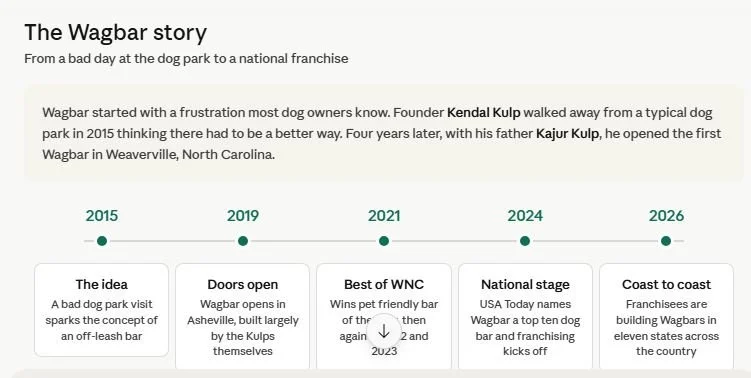
Wagbar does not specifically target military-adjacent markets as a franchising strategy. The brand looks for markets with strong dog ownership rates, appropriate demographic profiles, and suitable real estate for the off-leash format regardless of whether those markets are near military installations. That said, several confirmed Wagbar franchise markets happen to have significant military populations because the same factors that make a market attractive for the concept, community orientation, dog ownership, social infrastructure, also tend to appear in communities near major installations.
How large should the civilian market be for a franchise near a military base?
There is no single threshold, but franchise advisors working in base-adjacent markets generally caution against territories where the military population represents more than 30 to 40 percent of the total potential customer base. The structural churn of military families moving every two to three years requires a civilian population large enough to provide both stable membership and steady new-member pipeline. A metropolitan area of 250,000 or more with significant civilian employment tends to provide that depth.
Do military discounts or community affiliations help with franchise marketing near bases?
Yes, in practical terms. A franchise owner who is part of the military community, whether as a veteran or military spouse, has access to social networks that function as efficient marketing channels. Unit family readiness groups, installation welcome programs, and military spouse social media groups all accelerate word-of-mouth in ways that paid advertising alone does not replicate. The marketing advantage of community membership is real and worth accounting for when evaluating territory fit.
What questions should I ask the Wagbar team about specific military-adjacent markets?
Ask whether the target market has already been evaluated for franchise development, whether competing territories have been claimed, and what the franchisor's site selection guidance looks like for that market. Wagbar's site selection support is part of the franchise package, and the team's perspective on specific markets reflects real evaluation data rather than general geography. Start that conversation at the franchising page.
How does a BRAC (Base Realignment and Closure) affect a franchise near a military installation?

BRAC actions, which reduce or eliminate military installations, can significantly affect base-adjacent markets by reducing the military customer population. The franchise locations most exposed to BRAC risk are those in smaller markets with limited civilian economic alternatives. Markets in major metro areas that include military installations, like Hampton Roads or San Antonio, have civilian economic depth that absorbs BRAC impacts better than small towns where the base is the primary employer. Reviewing BRAC history and any pending discussions for a target installation is a standard part of military-adjacent market due diligence.
Bottom TLDR: Pet franchise opportunities near major military bases work best when the surrounding civilian community is large enough to sustain membership revenue independent of military turnover. Base-adjacent markets near Hampton Roads, the Carolinas, and Texas installations all show strong demographics for off-leash dog bar concepts. Before evaluating a specific territory, research the five-year population trend, civilian employment base, and average household income within your planned service radius.