

Overstimulated Dog at the Park: Recognizing and Managing Arousal Levels
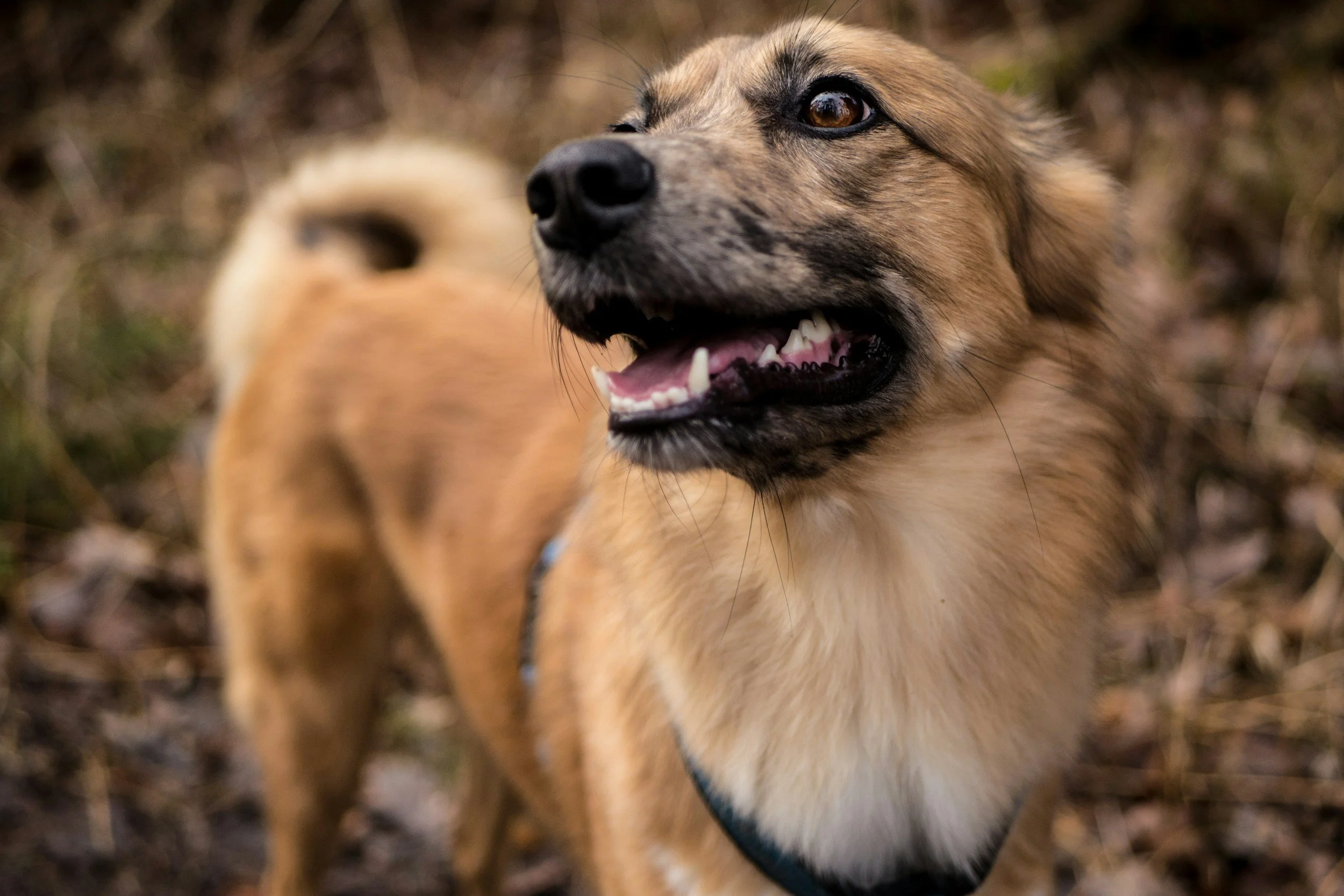
Your dog sprints through the gate, launches into nonstop play, ignores your calls, and escalates into increasingly frantic behavior. Sound familiar? You're witnessing overstimulation—when arousal levels climb beyond your dog's ability to self-regulate. According to Applied Animal Behaviour Science, dogs experiencing sustained high arousal show decreased impulse control and increased reactivity that can persist for hours after leaving the park. Learning to recognize escalating arousal and implement management strategies prevents behavioral deterioration and keeps park visits positive for everyone.
Understanding Arousal vs. Overstimulation
Arousal represents your dog's internal energy state and readiness to respond to environmental stimuli. Normal arousal looks like engaged play with natural pauses, responsive behavior to owner cues, and appropriate social signals with other dogs.
Overstimulation occurs when arousal exceeds your dog's threshold for self-regulation. The dog enters a state where the prefrontal cortex (responsible for decision-making and impulse control) becomes overwhelmed by limbic system activation (emotion and instinct). Research from the Journal of Veterinary Behavior shows that once arousal crosses this threshold, dogs lose the ability to process training cues or make rational choices about their behavior.
The distinction matters because appropriate arousal enhances learning and socialization, while overstimulation triggers stress responses that can create negative associations with the park environment. A dog playing at moderate arousal learns valuable social skills; an overstimulated dog practices frantic, uncontrolled behaviors that become self-reinforcing.
Why Dog Parks Trigger Overstimulation
Off-leash environments create perfect conditions for arousal escalation through several mechanisms that compound throughout a visit.
Novelty and unpredictability constantly engage your dog's attention. Each new arrival, unexpected movement, or novel smell triggers orienting responses that incrementally raise arousal. Unlike controlled environments where stimulus intensity remains stable, dog parks deliver continuous novelty that prevents arousal from naturally declining.
Social facilitation amplifies energy levels when dogs play in groups. One dog's excited behavior increases arousal in nearby dogs, creating feedback loops where escalating energy becomes contagious. According to research in Applied Animal Behaviour Science, dogs in group play settings show significantly higher cortisol levels (indicating stress arousal) compared to one-on-one play sessions.
Lack of forced breaks allows arousal to build without natural recovery periods. In home environments, physical barriers, leashed walks, or owner intervention create automatic pauses. Dog parks remove these constraints, enabling continuous play that prevents arousal from resetting to baseline levels.
Sensory overload from simultaneous visual, auditory, and olfactory stimuli taxes processing capacity. Your dog attempts to monitor multiple dogs, track movement in peripheral vision, process various vocalizations, and investigate scent markers—all while maintaining physical coordination during play. This cognitive load contributes to arousal escalation independent of actual activity level.
The Arousal Escalation Ladder: Recognizing the Stages
Understanding arousal as a progressive continuum helps you intervene before behavior deteriorates to crisis levels.
Stage 1: Optimal Arousal (Baseline to Moderate)
Your dog displays controlled, purposeful movement with frequent natural breaks. Play includes self-handicapping (adjusting intensity to match playmates), role reversals (chaser becomes chased), and brief pauses to sniff or check in with you. Body language appears loose and fluid with open mouth, relaxed ears in natural position, and tail wagging at or below back level.
Response to cues remains reliable. Your dog orients when you call their name, checks in voluntarily every few minutes, and can disengage from play when asked. This stage supports positive socialization and skill development—your goal is maintaining arousal within this zone throughout the visit.
Stage 2: Heightened Arousal (Approaching Threshold)
Movement becomes more intense and less controlled. Play continues without natural breaks, and your dog fixates on specific playmates or activities with rigid focus. Body language shifts to higher muscle tension, faster panting, and tail carried higher or flagging stiffly. You notice decreased awareness of surroundings—your dog doesn't respond to new arrivals or environmental changes that would typically trigger investigation.
Response to cues becomes inconsistent. Your dog might glance when you call but not fully orient or disengage from activity. Recall success drops from reliable to occasional. This stage represents your intervention window—arousal can still be managed with strategic breaks before crossing into overstimulation.
Stage 3: Overstimulation (Beyond Threshold)
Behavior becomes frantic and uncontrolled. Your dog races aimlessly, body slams other dogs without adjusting force, vocalizes excessively (high-pitched barking or screaming), or engages in obsessive behaviors like fence running or ball fixation. Physical signs include eyes appearing wide or "hard," dilated pupils, inability to settle even when physically stopped, and sometimes drooling or stress shedding.
Response to cues disappears completely. Your dog shows no recognition of familiar commands, doesn't orient to your voice, and may appear "deaf" to environmental cues including warning signals from other dogs. At this stage, your dog has lost cognitive access to training and can only be managed through physical intervention and environmental changes.
Stage 4: Post-Arousal Fallout
Even after leaving the park, effects persist. Your dog may show continued restlessness, difficulty settling at home, increased reactivity to normal stimuli, or exhaustion that leads to irritability. Research from the Journal of Veterinary Behavior documents that stress hormones can remain elevated for 72 hours after a single overstimulation episode, creating cumulative effects if park visits happen before full recovery.
Behavioral consequences include fear responses developing toward the park environment, increased reactivity during subsequent visits, and learned patterns of uncontrolled behavior that become harder to modify over time. Dogs who repeatedly practice overstimulated behavior develop neural pathways that make this state their default response to the park environment.
Physical Signs of Rising Arousal Levels
Learning to read subtle physical changes lets you intervene at Stage 1 or 2 instead of waiting for obvious crisis behaviors.
Breathing patterns shift from normal nose breathing to open-mouth panting, then to rapid shallow panting that doesn't effectively cool the dog. Panting becomes louder and less rhythmic as arousal increases. At high arousal, some dogs hold their breath during intense focus or activity.
Eye appearance progresses from soft eyes with normal blink rate to hard, staring eyes with infrequent blinking. Pupil dilation occurs even in bright conditions when arousal rises. You notice increased white (whale eye) showing as your dog tracks multiple stimuli without moving their head position.
Mouth and tongue tension increases from loose, relaxed jaw to tight commissures (corners of mouth pulled back), and tongue appearing thick or stiff rather than loose and floppy. High arousal sometimes produces excessive drooling in dogs who don't normally drool.
Body carriage elevates from neutral positioning to weight shifted forward onto front legs, spine appearing stiff rather than loose, and overall body appearing "tall" or tense. The tail moves from natural carriage to high flagging or tucked tight (depending on emotional state accompanying arousal). Some dogs show piloerection (raised hackles) along the spine at higher arousal levels.
Movement quality changes from smooth, coordinated motion to choppy, jerky movements with poor spatial awareness. Dogs at high arousal frequently collide with objects or other dogs, miss landings when jumping, or show poor body control during turns and stops.
Understanding these physical markers through dog body language helps you recognize arousal changes before your dog crosses into overstimulation territory.
Behavioral Red Flags: When Arousal Becomes Problematic
Certain behaviors signal that arousal has exceeded your dog's management capacity and requires immediate intervention.
Inability to disengage appears when your dog cannot voluntarily stop an activity even briefly. Healthy play includes natural breaks every 20-30 seconds; overstimulated dogs play continuously for several minutes without pausing. Your dog ignores interruption attempts from other dogs or shows frustration when prevented from continuing activity.
Loss of social skills manifests as ignoring cutoff signals from other dogs, failing to recognize play solicitations or avoidance behaviors, and showing inappropriate force during play. Your normally socially adept dog begins playing too rough, doesn't adjust when playmates signal discomfort, or fails to read that another dog wants to end interaction.
Obsessive behaviors develop around specific activities or objects. Your dog fixates on one toy or location, circles obsessively, fence runs repetitively, or harasses specific dogs for attention. Unlike normal enthusiasm, these behaviors show rigid, compulsive quality without satisfaction or natural conclusion.
Displacement behaviors increase as stress rises. You notice excessive sniffing, scratching, shaking off when not wet, yawning, or lip licking in contexts where these behaviors don't fit the situation. These represent coping mechanisms for uncomfortable arousal levels.
Reactivity spikes show as overreactions to normal stimuli. Your dog startles easily, responds intensely to minor environmental changes, or shows aggressive displays toward situations they'd normally tolerate. Sound sensitivity increases—your dog reacts to noises they typically ignore.
Complete recall failure represents a critical marker. If your dog consistently responds to recall at baseline but shows zero response at the park, arousal has exceeded their cognitive capacity for processing training cues. This signals immediate need for environmental management rather than training attempts.
Immediate Management: Calming an Overstimulated Dog
When you recognize problematic arousal levels, these protocols help restore regulation before the situation escalates further.
Protocol 1: Strategic Removal
Exit the high-stimulation area immediately. Physical distance from triggers allows arousal to begin declining—your dog's nervous system can't reset while remaining in the activating environment. Move to a completely different area of the park if multiple sections exist, or leave the park entirely.
Don't attempt training or punishment. At high arousal, your dog lacks cognitive capacity to process corrections or learn new responses. Training attempts will fail and potentially create negative associations. Your only goal is reducing stimulation to allow natural arousal decrease.
Create physical calm through slow movement. Walk at a deliberately slow pace, use long, smooth movements when handling your dog, and speak in low, calm tones if necessary. Your own activation state influences your dog's arousal through emotional contagion—appearing calm helps trigger parasympathetic nervous system activation.
Protocol 2: Enforced Decompression
Implement a mandatory quiet period. Sit calmly in a low-stimulation area for a minimum of 10-15 minutes. Your dog may initially pace, whine, or attempt to return to activity. Prevent returning to play while allowing natural movement like sniffing or gentle walking. Arousal decline happens through time and reduced stimulation—you can't force it faster.
Offer water but not food. Dehydration exacerbates arousal, but eating requires digestive activation that conflicts with nervous system recovery. Cool water helps with temperature regulation that supports calming. Some dogs won't drink when overstimulated—don't force it.
Use grounding techniques if your dog tolerates touch. Slow, firm pressure along the body (avoid head and neck) can activate pressure receptors that support parasympathetic response. Long, smooth strokes from head to tail in the direction of hair growth may help some dogs. Discontinue if your dog shows avoidance or increased arousal.
Protocol 3: Recognition and Exit
Acknowledge when management fails. If arousal doesn't decline after 15-20 minutes of low-stimulation intervention, your dog needs complete environmental change. Leave the park entirely and provide rest at home. Some arousal episodes require hours to fully resolve—attempting to continue the park visit risks behavioral deterioration and negative conditioning.
Expect post-visit arousal effects. Your dog may show continued restlessness, difficulty settling, or increased reactivity for several hours after leaving. Provide a calm home environment, avoid exciting activities, and allow extended rest periods. Skip the park for the next 1-2 days to allow complete nervous system recovery.
Document patterns for future prevention. Note what triggered overstimulation, time of day, park crowding level, your dog's pre-visit state, and duration before arousal became problematic. These patterns inform management strategies for preventing overstimulation during future visits.
Prevention Strategies: Managing Arousal Proactively
Preventing overstimulation proves easier and more effective than managing crisis-level arousal. These strategies maintain optimal arousal throughout park visits.
Pre-Visit Preparation
Assess your dog's baseline state before leaving home. Dogs entering the park already aroused from car excitement, breakfast, or pre-walk activity have less buffer before hitting overstimulation threshold. If your dog seems wound up before arrival, implement calming activities first or reschedule the visit.
Provide appropriate pre-park exercise. Contrary to popular belief, exhausting your dog before the park doesn't prevent overstimulation—fatigue actually reduces impulse control and stress tolerance. A moderate walk allowing sniffing and exploration creates better baseline arousal than intense physical exercise.
Time visits strategically. Early morning and late afternoon typically offer smaller crowds with calmer energy. Mid-morning and weekend afternoons usually bring maximum activity that challenges arousal management. Match park timing to your dog's regulation capacity—less confident dogs benefit from quieter times.
During-Visit Management
Implement mandatory breaks every 10-15 minutes regardless of your dog's apparent state. Leash your dog, move to a quiet area, and enforce 3-5 minutes of calm behavior before returning to play. These breaks prevent cumulative arousal buildup by creating regular recovery opportunities. Think of breaks as resetting arousal to baseline rather than interrupting fun.
Limit total visit duration based on your dog's regulation capacity, not exhaustion level. Young dogs and those learning regulation skills benefit from shorter visits (15-30 minutes) even if they appear willing to continue. Increase duration gradually as regulation skills improve. Leaving while your dog still wants to play prevents practicing overstimulation.
Monitor play partners and intervene when arousal mismatch occurs. Dogs playing with much higher or lower arousal levels create regulation challenges. Guide your dog toward playmates showing similar energy and play style. Redirect away from dogs who escalate arousal through rough play or chase games if these trigger overstimulation in your dog.
Avoid arousal-escalating activities. For dogs prone to overstimulation, eliminate ball throwing, frisbee play, or chase games involving multiple dogs. These activities create intense arousal spikes that many dogs cannot self-regulate. Focus instead on exploring, sniffing, and moderate social interaction.
Post-Visit Recovery
Provide structured decompression after leaving the park. Rather than immediately releasing your dog at home or moving to another activity, implement a 20-30 minute calm period. Offer water, allow bathroom breaks, but avoid play, training, or stimulating activities. This transition helps arousal decline gradually rather than maintaining elevation.
Monitor for delayed arousal effects. Some dogs show increased reactivity, restlessness, or irritability in the hours following park visits. If your dog consistently displays these signs, reduce visit frequency or duration until regulation capacity improves. Cumulative arousal from frequent visits can create chronic stress that undermines overall behavior.
Adjust visit frequency based on recovery time. If your dog needs more than 24 hours to return to baseline behavior after park visits, reduce frequency to allow complete recovery between exposures. Quality visits matter more than quantity—three well-managed weekly visits support better development than daily visits ending in overstimulation.
Training for Better Arousal Regulation
While management prevents immediate problems, training builds your dog's capacity for self-regulation over time.
Foundation: Engagement and Disengagement Skills

Teach reliable check-ins before expecting park recall. Practice your dog voluntarily looking at you in increasingly distracting environments, rewarding with high-value treats and immediate return to activity. This creates a habit of periodic owner awareness that supports arousal monitoring.
Build engagement-disengagement patterns during play. Interrupt play every 20-30 seconds with your dog's name or a recall cue, reward briefly, then release back to play. This teaches that responding to you means brief interruption, not ending fun, making compliance more likely during higher arousal states.
Develop a reliable "let's go" cue that means leaving an area or activity. Practice in low-distraction settings first, using a distinct verbal cue paired with immediate movement away from the situation. Reward heavily for following without resistance. This cue becomes your management tool for removing your dog from escalating situations.
Impulse Control Exercises
Practice settle behaviors in progressively more exciting environments. Start with simple down-stays at home, gradually increasing duration and nearby distraction level. Progress to brief settling near, then inside, the park during quiet times. These exercises build the neural pathways needed for self-calming.
Teach "Wait" or "Leave it" around exciting resources. Practice your dog seeing but not immediately accessing toys, treats, or play opportunities. Start with easier items and build to highly motivating resources. This develops the prefrontal cortex function needed for arousal management.
Build tolerance for social frustration through controlled exposure to other dogs while on leash. Practice calm behavior while watching dogs play from a distance, gradually decreasing distance as your dog maintains composure. This develops regulation capacity for the excitement of approaching and entering the park.
Arousal-Specific Training
Create a specific "calm" cue paired with genuinely calming activities. Use this cue during relaxation times, pairing it with slow petting, massage, or calm environments. Once established at home, use it as a prompt for calming at the park during mandatory breaks.
Practice arousal up-and-down cycles in controlled settings. Engage your dog in moderate play, then cue a settle, reward calm behavior, then release back to play. Repeat multiple times, teaching your dog that arousal naturally fluctuates and they can control transitions between states.
Teach a reliable recall specifically for the dog park environment. Standard recall training often fails at parks because the distraction level exceeds training history. Practice at the park during quiet times with your dog on a long line, calling only when you're confident they'll respond, and using exceptional rewards. Build slowly toward reliable off-leash recall before testing during busy periods.
Understanding dog socialization principles helps you recognize which park interactions support regulation skill development versus those that undermine impulse control.
Breed and Individual Differences in Arousal Management
Arousal regulation capacity varies significantly based on genetics, age, and individual temperament, requiring customized management approaches.
High-drive working breeds (Border Collies, Belgian Malinois, Jack Russell Terriers, Australian Shepherds) often show intense arousal spikes and struggle with off-switch development. These dogs benefit from shorter park visits, mandatory structured breaks every 5-10 minutes, and avoiding highly stimulating activities like group chase games. Their arousal escalates faster and takes longer to decline than moderate-drive breeds.
Brachycephalic breeds (Bulldogs, Pugs, Boston Terriers, French Bulldogs) face unique challenges because restricted airways make panting-based cooling less efficient. Rising body temperature contributes to arousal escalation and these dogs overheat faster during play. Implement more frequent breaks, provide cooling opportunities (shade, water, cool surfaces), and exit at first signs of excessive panting or respiratory distress.
Scent hounds (Beagles, Basset Hounds, Coonhounds) can enter arousal states through olfactory stimulation rather than physical play. A Beagle trailing interesting scent may show high arousal without obvious activity. Monitor for scent fixation and implement breaks when your dog appears locked onto olfactory information rather than engaging socially.
Puppies and adolescents (under 18 months) have underdeveloped prefrontal cortex function, meaning biological capacity for impulse control remains limited regardless of training. These dogs need much shorter park visits (10-20 minutes), more frequent mandatory breaks, and careful play partner selection. Expecting young dogs to self-regulate through hour-long park visits sets unrealistic expectations that lead to overstimulation.
Senior dogs may show decreased arousal threshold due to cognitive changes, sensory decline, or pain affecting stress tolerance. An older dog who previously managed park visits well may begin showing overstimulation signs as aging affects regulation capacity. Adjust visit duration and timing to match current capacity rather than historical tolerance.
Previously reactive or anxious dogs often have sensitive arousal systems where excitement and stress arousal overlap. These dogs escalate quickly from happy play to stress-based reactivity. Monitor for fear-based body language even during play, implement extremely frequent breaks, and consider whether group park environments support or undermine their emotional wellbeing.
When to Seek Professional Help
Certain overstimulation patterns signal need for professional behavior support rather than owner management alone.
Severe reactivity post-visit that persists more than a few hours or escalates over time suggests the park environment creates more stress than benefit. A dog showing aggression toward household members, destroying property, or displaying severe anxiety in the hours following park visits needs professional evaluation to determine if park visits should continue.
No improvement despite consistent management after 4-6 weeks of implementing breaks, shorter visits, and arousal monitoring indicates your dog may have regulation challenges beyond typical park overstimulation. Professional assessment can identify underlying anxiety, impulse control disorders, or training gaps requiring specialized intervention.
Aggressive displays at high arousal toward other dogs or people represent safety concerns requiring professional guidance. While some arousal-related social inappropriateness improves with management, aggression patterns need expert evaluation to determine if behavioral modification, medication, or environmental changes are necessary.
Owner stress or fear managing park visits indicates the situation exceeds your comfort level. If you feel anxious about your dog's behavior, dread park visits, or feel unable to implement management strategies effectively, professional support helps you develop confidence and skills. Your stress directly affects your dog's arousal through emotional contagion.
A certified behavior consultant (CBCC-KA, CDBC) or veterinary behaviorist (DACVB) can assess whether your dog's arousal patterns reflect normal development requiring management, underlying anxiety needing treatment, or incompatibility with group park environments. Professional guidance prevents continued practice of overstimulated behavior that becomes increasingly difficult to modify over time.
Working with reactive dogs requires specialized protocols that professional trainers can implement more safely than owner-directed approaches.

Alternative Exercise Options During Training
While building regulation skills, these activities provide exercise and enrichment without overstimulation risks.
Individual hiking or trail walking offers physical exercise with natural arousal breaks created by terrain changes and sniffing opportunities. Variable terrain builds different muscle groups than repetitive park running, and natural environments typically provide calmer sensory experience than enclosed parks.
Swimming sessions deliver intense physical exercise with lower arousal potential than group play. The physical demands of swimming tire dogs without the social facilitation effects that escalate arousal at parks. Many dogs find water naturally calming once comfortable swimming.
One-on-one play dates with known compatible dogs provide social interaction in controlled settings. Single-dog play naturally includes more breaks and allows easier arousal monitoring than group environments. Choose playmates carefully based on compatible play style and regulation capacity.
Structured activities like scent work, puzzle toys, or training sessions provide mental stimulation that satisfies enrichment needs without arousal spikes. These activities engage the thinking brain rather than emotional/instinctive systems, supporting regulation skill development.
Flirt pole or structured play with owner control built in teaches arousal modulation through frequent interruptions and release cycles. Unlike autonomous park play, these activities include mandatory pauses that prevent sustained high arousal.
Breed-specific exercise needs should guide activity selection beyond generic recommendations. Understanding breed compatibility with different exercise types helps match activities to your dog's natural inclinations and regulation capacity.
Creating a Long-Term Arousal Management Plan
Successful arousal management requires individualized strategies that evolve as your dog's regulation skills develop.
Establish baseline metrics by tracking several park visits: duration before overstimulation signs appear, environmental factors present (crowd level, weather, time of day), post-visit behavioral effects, and recovery time needed. This data identifies your dog's current regulation capacity and improvement markers.
Set realistic goals based on your dog's starting point rather than arbitrary standards. If your dog currently manages 10 minutes before overstimulation, aim for 15 minutes as the next milestone rather than expecting hour-long visits. Celebrate incremental progress in regulation capacity.
Implement progressive challenges as skills improve. Once your dog reliably manages 20-minute visits at quiet times, gradually introduce slightly busier periods. When regulation holds steady, slowly extend duration by 5-minute increments. Progression should feel easy—if your dog struggles, you've advanced too quickly.
Maintain skill-building activities outside the park environment. Regular impulse control training, settle practice, and engagement exercises in various settings build regulation capacity that transfers to park situations. These sessions should feel easy and successful, supporting skill development rather than testing current limits.
Reassess regularly based on objective behavioral data rather than subjective impressions. Review your tracking notes monthly to identify whether regulation capacity is improving, stable, or declining. Adjust management strategies based on actual patterns rather than hoping for change.
Accept individual limitations if patterns reveal your dog genuinely struggles with group park environments despite consistent management. Some dogs never develop regulation capacity for crowded, unpredictable off-leash settings. These dogs can thrive through alternative exercise options rather than repeatedly practicing overstimulation at parks.
Creating sustainable arousal management supports your dog's emotional wellbeing while allowing appropriate social opportunities. Park visits should enhance your dog's life rather than creating stress that requires recovery. At Wagbar locations, trained staff monitor play groups and implement mandatory breaks, providing structured support for dogs learning regulation skills in off-leash environments.
Frequently Asked Questions
Will my dog outgrow overstimulation issues at the park?
Many young dogs show improved regulation as brain maturation completes around 18-24 months, but consistent management during development determines whether improvement occurs. Dogs who repeatedly practice overstimulated behavior develop neural patterns making this their default response, while dogs learning regulation through managed exposures build self-control capacity. Age alone doesn't guarantee improvement—active skill-building creates change.
Should I completely avoid dog parks if my dog gets overstimulated?
Not necessarily. Strategic, short visits during calm times with mandatory breaks help some dogs gradually build regulation capacity. However, if your dog consistently shows severe overstimulation despite management, experiences prolonged post-visit stress, or develops fear or aggression related to park visits, alternative socialization and exercise options may better serve their wellbeing than continuing park exposure.
Can medication help dogs with severe arousal regulation problems?
For some dogs, yes. Dogs with underlying anxiety or compulsive disorders may benefit from medication supporting nervous system regulation, making behavioral modification more effective. A veterinary behaviorist can assess whether your dog's arousal patterns reflect medical components requiring pharmaceutical support alongside training. Medication doesn't replace management and training but can make these interventions more successful.
How long should breaks last when managing arousal at the park?
Minimum 3-5 minutes for prevention breaks implemented every 10-15 minutes. For intervention when you notice rising arousal, 10-15 minutes allows arousal to decline from heightened levels back toward baseline. If your dog hasn't noticeably calmed after 15 minutes of quiet time, arousal has likely exceeded manageable levels and you should leave the park entirely.
Is it normal for dogs to be "crazy" after dog park visits?
While some post-visit excitement is common, sustained hyperactivity, inability to settle, increased reactivity, or destructive behavior signals overstimulation rather than normal excitement. Healthy park visits should leave your dog pleasantly tired but able to settle within 30-60 minutes after arriving home. Persistent arousal effects indicate visit duration or intensity exceeded your dog's regulation capacity.
Can I train my dog while they're overstimulated?
No. At high arousal, your dog's prefrontal cortex (responsible for learning and decision-making) becomes overwhelmed by limbic system activation. Training attempts fail because your dog literally cannot process new information or recall known cues. Focus solely on reducing stimulation and allowing arousal to decline before attempting any training.
Why does my dog play fine with some dogs but become overstimulated with others?
Play partner arousal levels and play styles significantly affect regulation. Dogs playing with much higher energy partners often escalate to match that intensity, while mismatched play styles (one dog wants chase, another wants wrestling) create frustration arousal. High-drive dogs or those showing already-elevated arousal can trigger arousal increases in your dog through social facilitation effects.
Should I let my dog "get it out of their system" through extended play?
No. Extended play without breaks doesn't tire dogs out of overstimulation—it reinforces neural pathways for high arousal and undermines regulation capacity. True tiredness comes from appropriate exercise allowing natural arousal fluctuation, not sustained activation that pushes into stress territory. Frequent breaks and shorter overall visits build better regulation than marathon play sessions.