

Outdoor Franchise vs. Indoor Franchise: Which Delivers Better ROI?
Top TLDR: the outdoor franchise vs. indoor franchise ROI comparison comes down to five variables: revenue model, operating costs, customer retention, climate fit, and capital timeline. Outdoor recreation franchises like Wagbar generate stronger long-term returns in moderate-climate markets by combining recurring membership revenue with food and beverage income. Start your evaluation by matching the franchise format to your specific market before comparing investment figures.
Key Takeaways
The outdoor franchise vs. indoor franchise ROI question doesn't have a single right answer, but it does have a clear framework. Outdoor franchises carry higher revenue potential in the right climate, particularly when the model combines multiple income streams like memberships and beverage sales. Indoor franchises offer more predictable operating conditions year-round. Your best return depends on where you're located, what business model you're backing, and whether the concept you're buying generates genuine customer loyalty or just one-time transactions.
Most franchise investors eventually hit the same question: does it matter whether the business operates outdoors or indoors? The answer isn't as simple as one format beating the other across the board. It depends entirely on the category, the model, the market, and how honestly you think through the variables before committing capital.
This page breaks down the real differences in ROI potential between outdoor and indoor franchise models, using concrete business categories and the specific factors that drive returns in each. If you've been comparing an outdoor recreation franchise to an indoor service concept, or trying to decide whether a dog park bar makes more financial sense than a dog daycare, this comparison should help you think it through clearly.
How Outdoor and Indoor Franchises Are Actually Defined
The distinction between outdoor and indoor isn't just about where employees stand. It's about where the primary revenue-generating activity happens and what kind of customer experience the format supports.
An outdoor franchise delivers its core product or service outside an enclosed building. That includes landscaping routes, outdoor recreation venues, dog park bars with open play yards, and similar concepts. The physical environment, including the space, the air, the natural light, is part of what the customer is paying for.

An indoor franchise delivers its product inside a controlled commercial space. Dog daycare facilities, grooming salons, training studios, retail pet stores, and similar businesses operate within a defined footprint where weather, seasons, and climate are managed rather than experienced.
Neither format is inherently better. But they create fundamentally different cost structures, revenue dynamics, and investor experiences. Understanding those differences is what separates a good investment from an expensive lesson.
The Core ROI Drivers: Where the Numbers Actually Come From
Before comparing formats head to head, it helps to be clear about what drives ROI in any franchise. Four variables do most of the work: revenue ceiling, operating cost structure, customer retention, and capital recovery timeline.
Revenue ceiling is the maximum you can realistically earn in your market given your capacity, pricing, and concept. An outdoor dog park bar with 200 members paying monthly fees plus daily bar revenue has a higher theoretical ceiling than an indoor grooming salon limited by appointment slots and staff throughput.
Operating cost structure determines what's left after you serve your customers. Indoor spaces carry rent, climate control, and utilities for every square foot. Outdoor spaces have lower per-square-foot costs but face weather-related maintenance, seasonal revenue variation, and infrastructure upkeep that indoor operators don't think about.
Customer retention is where the biggest difference between business categories shows up. Experience-based businesses that build community, memberships, and habits generate recurring revenue that compounds over time. Service businesses, whether indoor or outdoor, often rely on repeat transactions rather than locked-in relationships.
Capital recovery timeline is how long it takes to get your initial investment back. Higher-investment concepts take longer to break even, but they can also generate more durable returns once they reach critical mass.
Outdoor Franchise ROI: What the Model Gets Right
The outdoor franchise format has genuine structural advantages for the right investor in the right market.
Lower operating costs per square foot. An outdoor venue doesn't pay to air-condition or heat 20,000 square feet of space. Rent or land costs in suburban markets can be significantly lower than premium commercial real estate, particularly when you're comparing similar-sized operations. Wagbar's turnkey shipping container bar system is a direct example of how outdoor concepts can reduce build-out cost and complexity compared to custom indoor builds. For details on what site selection looks like in practice, see the off-leash dog bar site selection guide.
Higher revenue potential through multiple streams. The most profitable outdoor franchise models don't rely on a single income source. An outdoor dog park bar generates revenue from memberships, day passes, and beverage sales simultaneously. That diversification provides stability against any one stream having a slow week, and it creates a revenue profile that indoor single-service concepts simply can't match. The revenue streams for off-leash dog bars page breaks down how those streams work in practice.
Community flywheel. Outdoor recreation venues build the kind of informal community that makes customers hard to lose. When your members' dogs know each other, when Tuesday afternoons at the park become part of someone's routine, switching costs go up in a way that never shows on a balance sheet but is very real in monthly retention numbers.
Premium market positioning. Outdoor recreation franchises sit at the experience end of the market rather than the commodity end. Customers pay for the environment, the atmosphere, and the social experience, not just the service. That premium positioning supports higher pricing and stronger margins than commodity service businesses in the same category.
Indoor Franchise ROI: What the Model Gets Right
Indoor franchises have their own set of genuine advantages that matter a lot depending on your market and personal risk tolerance.
Weather independence. This is the biggest operational advantage of indoor models. A dog daycare in Minneapolis operates at full capacity in January. An outdoor dog park bar in the same city has to plan around February carefully. For investors in markets with harsh winters or unpredictable weather, indoor operations carry less seasonal revenue variance.

Predictable capacity. Indoor spaces have defined square footage, defined capacity, and defined cost structures. That predictability makes financial modeling more straightforward and makes it easier to manage staffing, scheduling, and inventory. The tradeoff is a ceiling: indoor spaces can only generate so much revenue per square foot before you need another location.
Lower real estate footprint. An indoor dog daycare can operate in 5,000 to 10,000 square feet of commercial space. An outdoor dog park bar typically needs 15,000 to 30,000 square feet of outdoor fenced area plus indoor support space. That difference in footprint affects both acquisition cost and the pool of available sites in any given market.
Established category recognition. Indoor pet service franchises have been around longer. Customers understand what dog daycare is. Outdoor dog park bars are still educating their markets in many cities, which requires more upfront marketing investment and a longer ramp to critical mass.
Head-to-Head: The Five Factors That Determine Your Return
Here's how outdoor and indoor franchise models compare across the variables that actually matter to investors.
Initial investment. Indoor service franchises often require less capital to open. A dog grooming or daycare franchise can start in the $200,000 to $600,000 range. An outdoor dog park bar like Wagbar requires an estimated $470,300 to $1,145,900 in total initial investment, reflecting the real estate, outdoor infrastructure, and bar build-out involved. The franchise fee for Wagbar is $50,000. All investment figures are for informational purposes; prospective franchisees should review the current Franchise Disclosure Document for complete details.
Monthly operating costs. Outdoor models typically have lower ongoing operating costs once the build-out is complete, primarily because you're not heating, cooling, or maintaining an enclosed commercial building of equivalent capacity. Indoor models pay rent, utilities, and maintenance on commercial square footage regardless of revenue levels.
Revenue model. Indoor pet service franchises tend to be transaction-based: appointment booked, service delivered, payment collected. Outdoor recreation franchises with membership programs generate recurring revenue independent of whether any particular member shows up on any given day. That recurring base is what makes membership-driven models more financially resilient. For a detailed breakdown of how membership and day-pass models compare, see membership vs. day pass revenue models.
Customer retention. Service-based businesses, indoor or outdoor, face churn whenever a competitor offers a better price or a more convenient location. Community-based outdoor recreation venues build behavioral habits and social networks around the business. Customers who have made friends at your park, whose dogs have playmates there, are far less likely to leave because someone else opened a similar facility across town.
Climate dependency. This is the variable where indoor wins clearly. Outdoor franchises perform best in markets where weather is mild, sunny, and reasonably consistent. Sunbelt markets, coastal cities, and moderate-climate metros like Charlotte, Denver, Atlanta, Phoenix, and Richmond are natural fits for outdoor recreation franchises. Markets with extreme winters require more planning, covered infrastructure, and programming creativity to maintain revenue through shoulder seasons. See climate considerations for year-round pet business operations for a practical breakdown of seasonal strategy.
Which Market Conditions Favor Outdoor Recreation Franchises?
Not every city is equally good for an outdoor franchise. The markets where outdoor recreation franchises consistently outperform their indoor counterparts share a few clear characteristics.
Climate is the first filter. Cities with more than 200 sunny days per year, mild winters, and outdoor lifestyle cultures, think Denver, Nashville, Charlotte, Atlanta, Austin, and the broader Sunbelt, support year-round outdoor operations without the revenue dips that colder markets experience.
Demographics matter nearly as much. High dog ownership rates, above-average household incomes, and a dense population of millennials and Gen Z adults who treat their pets as family members create the customer base that sustains outdoor pet recreation businesses. The best cities for dog franchise success page covers the demographic markers in detail for anyone doing serious market evaluation.
Outdoor culture is the third piece. Cities where people eat outside, recreate outside, and socialize outside are cities where an outdoor dog park bar becomes a natural extension of how residents already spend their time. It fits the lifestyle rather than asking people to change it.
The Outdoor Pet Franchise Advantage: Why It's a Different Category
Wagbar's outdoor dog park bar model doesn't fit neatly into either "outdoor service franchise" or "indoor service franchise" buckets. It's something different: an outdoor recreation business with embedded food and beverage operations and a membership-driven recurring revenue base.
That combination is what makes the ROI comparison interesting. Outdoor service franchises, like pest control or landscaping routes, have outdoor operations but service-based revenue structures. Indoor pet service franchises have controlled environments but transaction-based revenue structures. Wagbar has outdoor operations, a premium customer experience, and recurring membership revenue simultaneously.
The result is a model that outperforms pure service franchises on customer loyalty and revenue diversification while potentially outperforming indoor recreation franchises on operating cost efficiency in the right market. The outdoor vs. indoor dog business models comparison goes deeper on the specific numbers across model types.
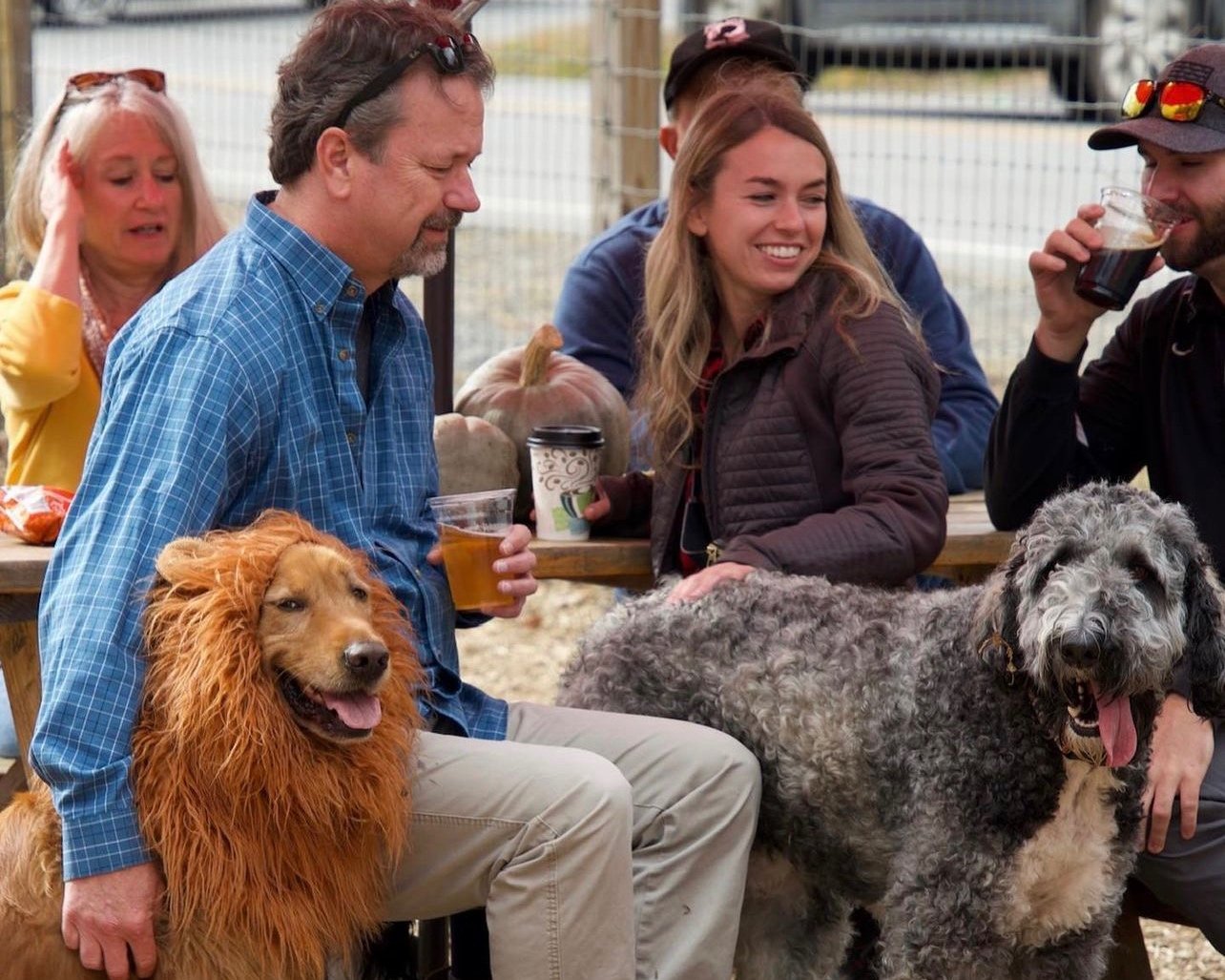
Franchisees who have opened Wagbar locations come from finance, sales, and corporate backgrounds, not necessarily from the pet or hospitality industries. What they've found is that the outdoor environment, the open space where dogs actually run and play freely, is a core part of what customers pay for and why they keep coming back. You can't replicate that indoors, and that's the point.
What to Ask Before Choosing Between Outdoor and Indoor
If you're genuinely comparing these formats as franchise investment options, a few questions will clarify your thinking faster than any general comparison can.
What's the weather like in your target market? If you're looking at markets with reliable, mild weather and outdoor lifestyle culture, an outdoor recreation franchise becomes significantly more viable. If you're focused on a market with harsh winters and minimal outdoor dining culture, indoor stability may be worth the operating cost premium.
What revenue model do you want to run? If you prefer predictable, transactional income, indoor service franchises align with that. If you're building for community, recurring membership revenue, and long-term loyalty, outdoor recreation franchises with membership models are a better structural fit.
How much capital can you deploy, and on what timeline? Lower-investment indoor franchises break even faster but have lower revenue ceilings. Higher-investment outdoor recreation franchises take longer to ramp but generate more durable returns once they reach critical mass.
What kind of business do you want to show up to? This isn't a soft question. Franchisees who operate outdoor dog park bars consistently describe the experience of running an outdoor community venue differently than operating a service business. If building a place where people's dogs know each other and owners become regulars sounds appealing, that matters for long-term ownership satisfaction. The dog franchise market trends report shows how experience-based outdoor concepts are positioned relative to the broader pet franchise market.
The Bottom Line on Outdoor vs. Indoor Franchise ROI
Neither format universally outperforms the other. What the data shows is that outdoor recreation franchises with strong membership models, diversified revenue streams, and community-building fundamentals can generate superior long-term returns in well-matched markets. Indoor service franchises offer more operating predictability and lower entry costs, with a trade-off in revenue ceiling and customer loyalty depth.
For investors in Sunbelt and moderate-climate markets with high dog ownership and strong outdoor culture, the outdoor recreation franchise model represents a genuine premium opportunity. For investors in northern markets or those with lower risk tolerance around seasonal variance, indoor service models may deliver more consistent results even if the upside is lower.
If you want to understand what the outdoor dog park bar model looks like as a specific investment, the Wagbar franchising page has the full details, including investment ranges, the training and support structure, and how to start a conversation with the team. The types of animal franchise opportunities guide is also worth reviewing if you're still in the comparison phase across pet franchise categories.
Bottom TLDR: The outdoor franchise vs. indoor franchise question isn't about one format universally outperforming the other. Outdoor recreation models with membership programs outperform indoor service models on revenue ceiling and customer loyalty in well-matched markets; indoor models offer more operating predictability with lower entry costs. If you're in a Sunbelt or moderate-climate market with strong dog ownership, visit wagbar.com/franchising to see how the outdoor dog park bar model stacks up as a specific investment.
Investment figures cited are for informational purposes only and are not an offer to sell a franchise. Prospective franchisees should consult the current Franchise Disclosure Document for complete investment information and terms.