

My Dog Gets Aggressive at the Dog Park: Step-by-Step Rehabilitation Guide
When your dog lunges, growls, or snaps at other dogs at the park, the instinct is often to avoid parks completely or hope the behavior improves through more exposure. Neither works. Dog park aggression stems from specific, identifiable triggers that require systematic rehabilitation, not avoidance or flooding.
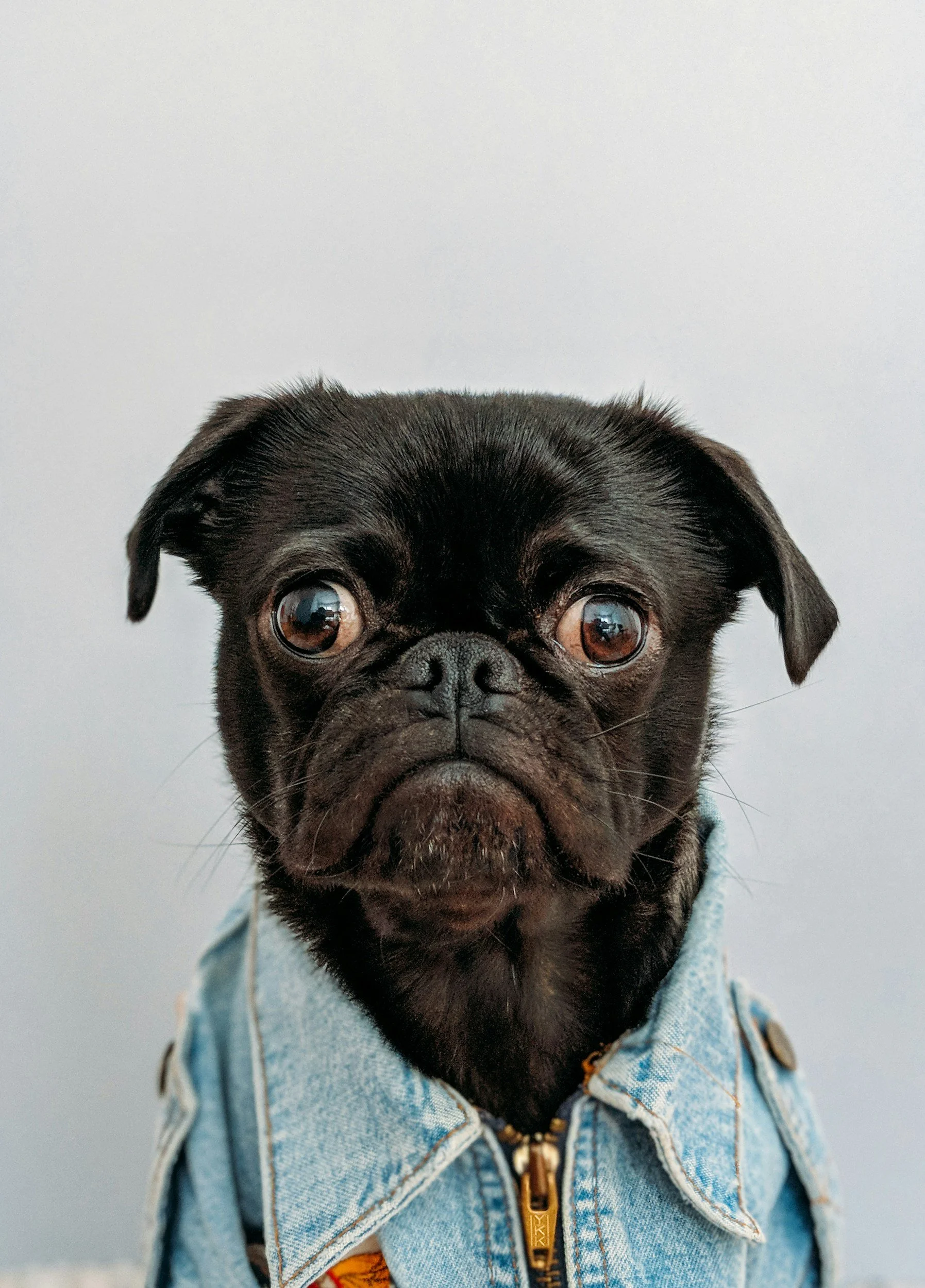
This guide provides a structured protocol for safely managing and resolving dog-to-dog aggression at parks, from recognizing early warning signs through implementing evidence-based desensitization training you can start today. For foundational park knowledge, review our complete dog park guide covering etiquette and safety before beginning rehabilitation work.
Understanding Why Dogs Become Aggressive at Parks
Dog park aggression rarely appears randomly. Most cases develop through one of four pathways, and identifying which applies to your dog determines the most effective rehabilitation approach.
Fear-based defensive aggression represents the most common form. Your dog isn't trying to dominate. They're creating distance from perceived threats. These dogs typically show mixed signals: lunging while backing up, barking while retreating, or attacking then immediately trying to escape. The behavior says "stay away from me" rather than "I'm going to get you."
Frustrated greeting aggression occurs when leashed dogs become overaroused by their inability to reach other dogs. The combination of excitement and physical restriction creates frustration that explodes into aggressive displays. These dogs often play appropriately once off-leash, which distinguishes them from dogs with actual aggression issues.
Resource guarding aggression activates when dogs perceive threats to valuable resources like toys, water bowls, shaded spots, or even owner attention. Some dogs guard only high-value items while others react to any potential competition. Understanding dog body language and communication signals helps identify whether your dog is resource guarding.
Redirected aggression happens when arousal toward one target (a squirrel, another dog across the fence, or environmental stimulus) gets misdirected onto whatever dog is nearby. The aggression isn't actually about the target dog. It's displaced energy from the real trigger.
Recognizing the Warning Signs Before Incidents Escalate
Most aggressive incidents follow predictable escalation patterns that owners miss until behaviors reach concerning levels. Learning these early warning signs allows intervention before aggression occurs, preventing both incidents and the reinforcement cycle that makes aggression worse. Our guide on preventing dog park fights by reading warning signs covers these signals in greater detail.
Early arousal indicators appear minutes before aggressive displays. Body stiffens with weight shifting forward onto front legs. Muscle tension becomes visible across shoulders and hindquarters. Breathing changes from relaxed to rapid and shallow. Eyes widen with dilated pupils. These physiological changes prepare for fight-or-flight responses. Your dog perceives threat.
Attention fixation represents a critical warning sign. When your dog locks visual focus on another dog without natural breaks to scan the environment, check in with you, or engage in displacement behaviors (sniffing, scratching, shaking off), arousal is building toward threshold. Healthy dogs at parks maintain fluid attention. Pre-aggressive dogs show tunnel vision on perceived threats.
Distance-increasing signals often precede overt aggression. Your dog positions themselves behind you, moves to park edges, attempts to leave play areas, or shows whale eye (visible white sclera). Many owners misread these as antisocial behavior when they actually represent self-management attempts before escalation to aggression.
Escalation to threat displays includes hard stares, raised hackles, stiff tail held high or tucked tight, bared teeth, growling, and air snapping. At this stage, intervention must be immediate. Waiting for "actual aggression" allows your dog to practice and reinforce these responses, making rehabilitation progressively harder.

Phase 1: Immediate Safety Management (Weeks 1-2)
Before any training begins, establish safety protocols that prevent continued practice of aggressive behaviors. This management phase isn't punishment. It's creating conditions where your dog can learn new responses without reinforcing old patterns.
Complete park restriction during assessment means no dog park visits for at least two weeks while you identify triggers and develop your training plan. This break prevents continued rehearsal of aggression while gathering information. Your dog still needs exercise and socialization during this period through individual playdates with carefully selected dogs, leash walks, and mental enrichment activities.
Detailed incident documentation requires keeping a journal of every aggressive incident. Record date, time, location, other dogs present, what your dog was doing before the incident, specific triggers if identifiable, your dog's body language progression, exact aggressive behaviors, and how the situation resolved. After two weeks, clear patterns typically emerge revealing specific triggers.
Equipment upgrade ensures proper control during upcoming training phases. Replace retractable leashes with standard six-foot leashes providing consistent control without excessive restriction. Ensure harnesses fit properly without escape risk. Gather extremely high-value treats (real chicken, cheese, hot dogs) that your dog receives only during park training. These need to be significantly more valuable than regular treats for effective counter-conditioning.
Professional consultation assessment determines whether you need expert help. For severe aggression involving bites requiring veterinary care, aggression toward humans, or cases where you feel unsafe, consult professionals specializing in reactive dog rehabilitation. Some situations require professional guidance from the start. Our complete health and wellness guide also covers when medical issues may contribute to behavioral problems.
Phase 2: Systematic Trigger Identification (Weeks 2-3)
Effective rehabilitation requires knowing exactly what triggers your dog's aggression. Generic "fear of other dogs" provides insufficient detail for targeted training. Specific trigger identification enables strategic protocols.
Size-based triggers affect many dogs selectively. Small breeds often react to large dogs after overwhelming experiences. Large breeds with high prey drive may respond aggressively to small, fast-moving dogs. Review your incident journal for size patterns in triggered incidents versus calm interactions.
Breed-specific triggers develop from traumatic events or repeated negative experiences. A dog attacked by a German Shepherd may show aggression only toward that breed while remaining friendly with others. These triggers require breed-specific desensitization protocols rather than general socialization. Understanding breed compatibility and temperament differences helps predict which dogs might trigger reactions.
Play style incompatibility triggers cause aggression when dogs with different preferences interact. Body-slamming wrestlers meet dogs preferring chase games. Gentle players encounter persistent mounters. The aggression isn't random. It's response to specific play styles your dog finds threatening or annoying. Reviewing common breed play styles helps anticipate compatibility issues.
Environmental pressure triggers include front-on approaches, prolonged sniffing, persistent following, or crowded conditions where your dog feels trapped. These dogs often do well one-on-one but struggle in groups, or they handle relaxed social partners while reacting to pushy, socially awkward dogs. Understanding dog park behavior dynamics helps identify these patterns.
Arousal threshold triggers mean your dog does fine initially but becomes reactive after 10-15 minutes when arousal accumulates beyond their threshold. These dogs need structured play with regular breaks rather than continuous exposure.
Phase 3: Distance-Based Desensitization (Weeks 3-6)
Systematic desensitization changes your dog's emotional response to triggers through graduated, sub-threshold exposure paired with positive experiences. This differs from flooding (overwhelming exposure) which typically worsens aggression.
Establishing baseline safe distance requires determining how close your dog can be to triggers while remaining calm enough to take treats and respond to cues. Start at 50-100 feet from dog park fences during quiet hours. If your dog shows tension, refuses treats, or ignores you, increase distance until arousal decreases to manageable levels.
Week 3-4 protocol: Observation without interaction. Visit parks during closed hours or observe from outside fence lines during quiet periods. Bring extremely high-value treats. Each time your dog notices another dog and remains calm, immediately mark ("yes" or click) and reward. You're teaching that seeing triggers predicts amazing things.
Initially reward any glance toward triggers without reactivity. As your dog becomes comfortable, require longer calm observation (3-5 seconds) before marking. Practice 4-5 sessions weekly at 15-20 minutes each, always staying below threshold where your dog accepts treats readily.
Week 5-6 protocol: Gradual distance reduction. Systematically decrease distance by 5-10 feet when your dog shows consistent relaxed body language, readily accepts treats, and voluntarily checks in with you. This typically requires 3-4 successful sessions at each distance before progressing closer.
Never force progress. If your dog shows tension when moving closer, return to the previous successful distance for 2-3 more sessions before trying again. Rehabilitation requires patience, not aggressive timelines pushing dogs beyond thresholds.
Phase 4: Controlled Single-Dog Exposure (Weeks 7-10)
Once your dog tolerates proximity to park environments during quiet periods, controlled exposure to individual calm dogs builds positive interaction experiences without overwhelming arousal.
Recruiting appropriate training partners means finding exceptionally calm, socially skilled dogs who communicate boundaries clearly without overreacting to social errors. Professional trainers often maintain "demo dogs" for exactly this purpose. Alternatively, arrange sessions with friends whose dogs have proven appropriate temperaments.
Parallel walking protocol introduces proximity without direct interaction. Walk with your training partner's dog at your established safe distance (typically 15-30 feet initially). Walk in the same direction maintaining parallel position for 5-10 minutes, rewarding your dog for calm behavior and voluntary attention to you.
Over multiple sessions, gradually decrease distance between parallel walkers. Progress to walking past each other with brief greetings, then 30-second supervised interactions before separating. Keep all interactions brief and positive, ending before arousal builds.
Structured play introduction allows brief, supervised play with carefully selected partners. Start with 60-90 second play sessions, then separate dogs for 30-60 second breaks. This teaches arousal regulation and prevents overwhelm. Gradually increase play duration to 2-3 minutes as your dog demonstrates maintained appropriate arousal levels.
Monitor for overarousal warning signs: overly hard play, ignoring cut-off signals from other dogs, inability to disengage when called, or escalating intensity. If these appear, separate dogs immediately for breaks, then resume at lower intensity or shorter duration. Young dogs benefit from understanding critical socialization windows that shape lifelong social behavior.
Phase 5: Trigger-Specific Desensitization (Weeks 11-14)
With foundation skills established, address each identified trigger through targeted protocols. Each trigger type requires separate systematic work. Success with one doesn't automatically generalize to others.
Size-based trigger protocols involve arranged sessions with dogs of triggering sizes, starting with calm, elderly individuals. If large dogs trigger your dog, practice observation and parallel walking with senior, low-energy large dogs before progressing to younger, more active individuals. Multiple positive experiences with varied individuals of triggering sizes gradually reduces trigger salience.
Resource guarding protocols require environmental management removing resources during training phases. Visit during off-peak hours when competition for shade and water is minimal. Position away from high-traffic resource areas. Once your dog shows consistent calm behavior without resources present, gradually introduce single resources under controlled conditions with appropriate training partners.
Play style desensitization means arranging sessions specifically with dogs matching your dog's preferences while gradually introducing dogs with slightly different styles. Dogs preferring chase games slowly practice with gentle wrestlers, building tolerance for varied play styles through graduated exposure.
Building Alternative Behaviors to Replace Aggression
Teaching specific replacement behaviors gives your dog clear action options when encountering triggers instead of defaulting to aggression. These incompatible behaviors must be practiced extensively in non-triggering environments before expecting reliability near triggers.
Emergency U-turn cue establishes rapid directional change moving away from triggers before aggression occurs. Practice extensively during regular walks using "let's go" or unique whistle patterns. Run backward enthusiastically, rewarding your dog for following. Build to automatic response where the cue produces immediate attention and movement away regardless of distractions. Our off-leash training readiness checklist covers foundational skills needed before attempting off-leash rehabilitation work.

Check-in behavior teaches voluntary attention when your dog notices triggers. Rather than preventing your dog from seeing triggers, reward the behavior of seeing then checking in with you for guidance. Start in low-distraction environments rewarding any voluntary attention, then specifically reward attention immediately after your dog notices triggering stimuli.
Focus cues for impulse control include sustained eye contact or nose targeting your hand. These cognitively engaging behaviors are incompatible with mounting aggressive responses. Practice until your dog maintains focus for 10-15 seconds despite moderate distractions before attempting near actual triggers.
When to Return to Regular Park Visits
Determining readiness for park return requires meeting specific criteria across multiple successful training sessions. Rushing reintroduction before adequate preparation often causes setbacks requiring return to earlier phases.
Success criteria checklist includes: consistent calm observation of dogs from 10-15 feet for 5+ minutes, successful brief play sessions with 3-5 different appropriate partners without aggressive displays, reliable emergency U-turn response around moderate distractions, voluntary check-ins when noticing triggering stimuli, and ability to disengage from play when cued.
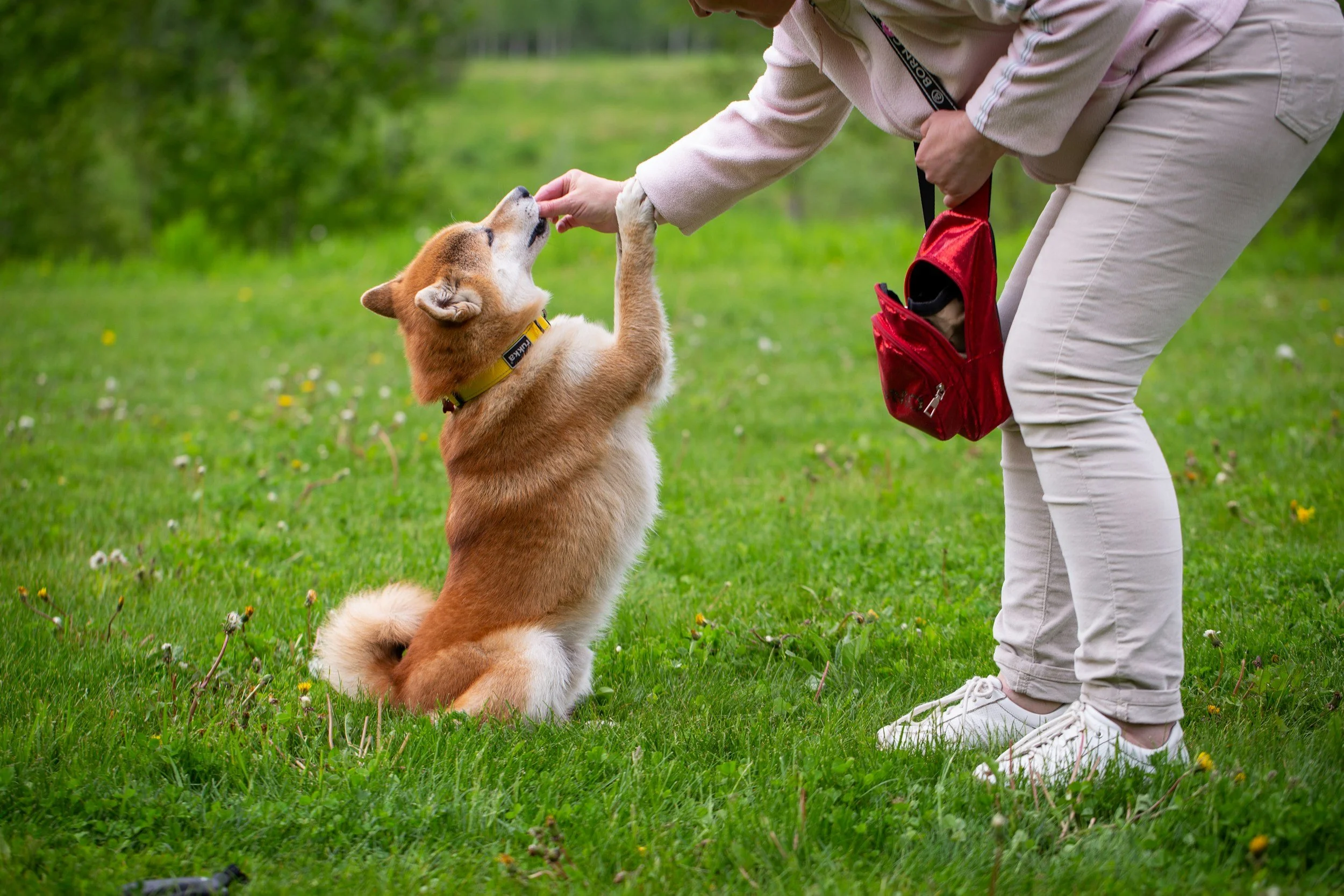
Graduated park reintroduction starts with visits during least-crowded times. Strategic timing based on crowd patterns matters. Weekday mid-mornings typically offer smaller, calmer dog populations. Visit for only 15-20 minutes initially, leaving before any signs of escalating arousal appear.
Ongoing maintenance training prevents skill degradation after successful rehabilitation. Continue practicing distance observation, check-ins, and focus behaviors weekly even after regular park visits resume. Schedule monthly controlled sessions with training partners maintaining foundation skills.
Some dogs successfully complete rehabilitation and handle standard park environments. Others require permanent management accommodations like visiting only during quiet hours or choosing professionally managed facilities with trained staff oversight. Our flagship Asheville location and Knoxville park both offer supervised environments ideal for dogs needing extra support. Neither outcome represents failure. They reflect different individual needs. Review our health and safety protocols to understand how managed facilities differ from public parks.
Setting Realistic Timeline Expectations
Dog park aggression rehabilitation requires significant time investment. Understanding realistic timelines prevents premature abandonment of effective protocols during normal progress plateaus.
Typical rehabilitation timelines range from 8-12 weeks for mild reactivity to 6-9 months for severe aggression with multiple triggers. These estimates assume consistent training 3-4 times weekly. Less frequent training extends timelines proportionally.
Early progress indicators (weeks 1-4) include decreased arousal when observing triggers from distance, improved attention to owner near triggering environments, faster recovery when approaching threshold, and reduced intensity of stress signals during exposure.
Mid-phase progress markers (weeks 5-12) show your dog tolerating closer proximity to triggers, engaging briefly with carefully selected dogs without aggression, responding to redirection cues before reaching aggressive threshold, and maintaining relaxed body language during parallel walking.
Advanced progress indicators (weeks 13+) include successful short play sessions with compatible dogs, appropriate self-removal from overwhelming situations, voluntary check-ins when noticing triggers, and generalization of calm responses across different park environments.
Normal setbacks during rehabilitation include regression during stress, illness, seasonal changes, or developmental periods in young dogs. These don't indicate protocol failure. Temporarily return to easier training stages until your dog restabilizes, then progress again. First-time park visitors may benefit from our beginner's guide to playing at Wagbar to understand expectations before visits.
Frequently Asked Questions
How long until I see improvement in my dog's park aggression?
Most dogs show measurable improvement within 3-4 weeks of consistent training, including reduced arousal intensity, improved attention to owners, or better response to redirection cues. However, reliable management in actual park settings typically requires 8-12 weeks minimum for mild cases, 4-6 months for moderate aggression, and 6-9 months for severe cases with multiple triggers.
Can all dog park aggression be completely fixed?
Not all aggression can be eliminated completely, but most can be managed to allow safe, enjoyable experiences. Fear-based reactivity and defensive aggression often improve significantly. Predatory aggression toward small animals and true offensive aggression toward unfamiliar dogs may require permanent management rather than complete resolution. Success means reliable safety and reduced stress, not universal dog-friendliness. Choosing breeds with compatible temperaments can also help households with multiple dogs or children.
Should I stop taking my dog to parks during rehabilitation?
Yes, during the initial assessment and early training phases (typically 6-12 weeks minimum). Active park visits during rehabilitation practice and reinforce aggressive responses, making problems worse. Instead, work through systematic desensitization phases: observation from distance, parallel exposure to individual calm dogs, brief structured interactions, then graduated return to park environments.
Will my dog become more aggressive if I remove them when showing warning signs?
No. Removing your dog before aggression escalates prevents practicing aggressive behaviors while teaching that you'll manage uncomfortable situations. This builds trust rather than increasing aggression. Dogs who learn owners will advocate for them show reduced defensive aggression because they don't need to handle threats independently.
Can medication help with dog park aggression?
Yes, in many cases. Behavioral medications reduce anxiety enabling learning when fear prevents training effectiveness. Situational anti-anxiety medications given before training sessions or daily medications for generalized anxiety often accelerate rehabilitation significantly. Medication works best combined with behavior modification, not as standalone treatment. Consult veterinary behaviorists for appropriate recommendations.
My dog only shows aggression at crowded parks, not with individual dogs. Is this fixable?
Yes, this suggests arousal threshold issues or social pressure triggers rather than true dog-dog aggression. These dogs often rehabilitate successfully by learning arousal regulation skills, practicing structured play with breaks, and building confidence through graduated group exposure. Start with very small groups (2-3 dogs) and slowly increase group size as your dog develops coping skills.
Should I use punishment to stop aggressive behavior at the park?
No. Punishment typically worsens aggression by increasing anxiety and fear driving defensive behaviors. Effective rehabilitation changes underlying emotional responses through systematic desensitization and counter-conditioning rather than suppressing displays through punishment. Force-based methods create dogs who skip warning signals and progress directly to biting, making situations more dangerous.
When should I seek professional help for my dog's park aggression?
Seek immediate professional consultation when your dog has caused injuries requiring veterinary care, shows aggression toward humans, exhibits aggressive displays increasing in frequency or intensity despite training, or when you feel unsafe managing your dog. Board-certified veterinary behaviorists or certified applied animal behaviorists provide the highest level of expertise for severe cases. Visit our FAQ page for additional questions about managing dogs at parks.