
Moving to Knoxville with a Dog: Complete Relocation Guide for Pet Owners

Top TLDR: Moving to Knoxville with a dog requires securing pet-friendly housing (78% of apartments accept dogs with typical deposits of $200-500 and monthly pet rent of $25-75), establishing veterinary care including accessing UT's veterinary teaching hospital, obtaining required Knox County dog licenses ($10-20 annually), and exploring 20+ off-leash dog parks plus extensive trail systems throughout the city. Knoxville's moderate climate, dog-friendly restaurant scene, and welcoming pet community make it an excellent relocation destination for dog owners. Update your dog's microchip registration and ID tags immediately upon arrival to prevent lost pet emergencies.
Moving to a new city challenges anyone, but relocating with a dog adds layers of planning most people don't consider until boxes are already packed. Knoxville, Tennessee welcomes dogs and their owners with open arms, offering a pet-friendly culture that makes the transition easier than many cities. From pet-friendly housing and excellent veterinary care to extensive outdoor recreation and a thriving dog community, Knoxville provides the infrastructure and atmosphere where both you and your dog can thrive.
This guide walks you through every aspect of moving to Knoxville with your dog, from finding housing that accommodates your pup to discovering the best dog parks, veterinarians, and community resources. Whether you're relocating for work, school, or lifestyle, understanding Knoxville's dog-friendly landscape helps you make informed decisions and avoid common pitfalls that complicate moves with pets.
Finding Pet-Friendly Housing in Knoxville
Housing represents the biggest challenge when moving to any city with a dog. Knoxville's rental market has become increasingly pet-friendly, though policies vary dramatically between properties.
Approximately 78% of apartment complexes in Knoxville accept dogs, though most impose restrictions. Typical policies include weight limits of 50-75 pounds, breed restrictions targeting "aggressive" breeds due to insurance requirements, and pet deposits ranging from $200-500 plus monthly pet rent of $25-75. These costs add up quickly, particularly for households with multiple dogs.
Single-family homes for rent typically offer more flexibility than apartments. Individual landlords often negotiate pet policies case-by-case, considering factors like your dog's training, your rental history, and willingness to pay higher deposits. Offering to provide references from previous landlords specifically addressing your responsibility as a pet owner can tip decisions in your favor.
Neighborhoods popular with dog owners include Sequoyah Hills for its walkability and proximity to parks, Bearden for family-friendly atmosphere and good schools, Fourth and Gill for historic charm and community feel, and South Knoxville for access to Urban Wilderness trails. These areas command premium rents but provide environments where dogs are expected and welcomed rather than merely tolerated.
When apartment hunting, ask specific questions beyond "do you allow dogs." Inquire about nearby relief areas, whether the property has designated dog parks or washing stations, noise policies that might affect barking, and whether ground floor units are available to minimize stair climbing during potty breaks. Properties actively marketing to pet owners typically offer amenities like dog parks, agility equipment, and washing stations that improve quality of life significantly.
Reading online reviews from current and former residents reveals how properties actually treat pet owners versus what marketing materials promise. Pay attention to comments about pet deposit returns, enforcement of pet policies, and maintenance responsiveness to pet-related issues. Properties with many complaints about unreturned pet deposits or discriminatory application of pet rules deserve skepticism regardless of amenities advertised.
For those purchasing homes, Knoxville's housing market offers options from urban condos to suburban homes with significant acreage. Homes with fenced yards command premiums of 3-5% over comparable homes without fencing, reflecting demand from pet owners. If purchasing unfenced property, budget $3,000-8,000 for professional fence installation depending on yard size and fencing type selected. Understanding local ordinances about fence height, materials, and setback requirements prevents expensive mistakes.
Knoxville's Climate and Seasonal Considerations
Knoxville experiences four distinct seasons affecting both human and canine comfort throughout the year. Understanding climate patterns helps you prepare your dog for conditions potentially different from your previous location.
Summers in Knoxville run hot and humid, with temperatures regularly exceeding 85-90°F from June through August. High humidity makes temperatures feel even hotter, creating dangerous conditions for dogs during midday hours. Heat-sensitive breeds including brachycephalic (flat-faced) dogs like Pugs and Bulldogs, thick-coated breeds like Huskies and Malamutes, and elderly or overweight dogs struggle particularly during Knoxville summers.
Establishing summer routines protects your dog's health. Early morning walks before 8 AM and evening walks after 8 PM avoid peak heat. Midday outdoor time should be limited to quick potty breaks in shaded areas. Pavement temperatures exceed 120°F when air temperatures hit 85°F, burning paw pads in seconds. Testing pavement with your bare hand for five seconds indicates if it's too hot for dog paws.
Access to air conditioning becomes non-negotiable during Knoxville summers. If your rental lacks AC or you're budgeting for utilities, factor in significant cooling costs June through September. Dogs left in hot apartments risk heat stroke even when not directly exposed to sun. Cooling mats, fans directed at floor level where dogs rest, and frozen treats help but don't replace proper climate control.
Winters remain mild compared to northern cities, with average temperatures between 30-50°F December through February. Snow and ice occur but rarely persist more than a few days. Most dogs tolerate Knoxville winters without special gear, though small breeds, short-coated dogs, puppies, and seniors benefit from sweaters or coats during coldest days. Paw protection from ice-melting chemicals applied to sidewalks and roads prevents chemical burns and ingestion when dogs lick their paws.
Spring and fall provide ideal outdoor conditions with temperatures in the 60-75°F range. These seasons see highest park usage and outdoor dining participation. Planning your move for spring or fall when possible eases the transition for heat or cold-sensitive dogs.

Knoxville's location creates relatively high pollen counts spring and fall, affecting dogs with allergies similar to humans. If your dog has environmental allergies, establish relationships with veterinarians experienced in allergy management before allergy season peaks. Indoor air filtration and regular paw washing after outdoor exposure reduce allergen exposure affecting sensitive dogs.
Veterinary Care and Emergency Services
Establishing veterinary care ranks among the most important tasks when moving with a dog. Knoxville offers excellent veterinary resources ranging from routine care clinics to specialty hospitals handling complex medical needs.
The University of Tennessee College of Veterinary Medicine operates a teaching hospital providing both routine and specialty care. The UT Veterinary Medical Center handles referral cases in specialties including cardiology, neurology, oncology, orthopedics, and emergency critical care. Having a major veterinary teaching hospital locally provides access to cutting-edge treatments and board-certified specialists typically available only in larger metropolitan areas.
General practice veterinarians practice throughout Knoxville and surrounding communities. When selecting a primary care veterinarian, consider factors beyond proximity. Look for clinics with Fear Free certification indicating training in low-stress handling techniques. Read online reviews paying attention to comments about wait times, communication quality, and billing transparency. Schedule initial consultations allowing you to meet veterinarians and staff before emergencies arise.
Transferring medical records from your previous veterinarian helps new vets understand your dog's health history. Request complete records including vaccination histories, chronic condition diagnoses and treatments, surgical histories, and medication lists before leaving your previous location. Having records ready when you arrive prevents delays in care and avoids repeating diagnostics unnecessarily.
Emergency veterinary services operate 24/7 at multiple Knoxville locations. BluePearl Pet Hospital on Kingston Pike and Pet Emergency Clinic on Weisgarber Road provide after-hours emergency and critical care. Programming emergency clinic numbers into your phone before you need them prevents frantic searches during crises. Understanding the difference between situations requiring emergency care versus those that can wait for regular veterinary appointments saves both money and anxiety.
Knoxville also supports holistic and alternative veterinary medicine including acupuncture, chiropractic care, and rehabilitation therapy. These services benefit dogs with chronic pain, mobility issues, or those seeking preventive approaches complementing conventional medicine. If your dog currently receives alternative therapies, research providers before moving to ensure continuity of care.
Spay and neuter services, vaccination clinics, and dental care are widely available at varied price points. The Knoxville Humane Society's Spay Today clinic offers affordable spay/neuter surgeries starting at $40, significantly below private clinic prices. Low-cost vaccine clinics operate monthly at various locations throughout the county. These resources help pet owners on tight budgets maintain their dogs' health without compromising care quality.
Dog Parks and Outdoor Recreation
Knoxville's extensive outdoor recreation opportunities create environments where dogs thrive. The city maintains more than 20 official off-leash dog parks plus hundreds of miles of trails welcoming leashed dogs.
Victor Ashe Park contains Knoxville's largest off-leash dog park at approximately 3 acres with separate areas for large and small dogs. The park features water stations, waste bag dispensers, benches, and partial shade from mature trees. Located on Middlebrook Pike, Victor Ashe attracts large crowds on weekend mornings creating excellent socialization opportunities but potential challenges for reactive or fearful dogs preferring quieter settings. Understanding your dog's socialization needs helps you select appropriate park times and locations.
Tommy Schumpert Park in West Knoxville provides another popular off-leash option with approximately 2 acres of fenced space. The park's West Knox location draws suburban residents and tends toward slightly lower weekend usage than Victor Ashe. Parking can be challenging during peak times, requiring early arrival or flexibility about visit timing.
Sequoyah Park along the Tennessee River includes an off-leash area with unique riverside access. Dogs can swim during warmer months, providing excellent exercise for water-loving breeds. The combination of off-leash play and swimming creates an ideal outlet for high-energy dogs needing more than typical park visits provide.
Beyond dedicated dog parks, Knoxville's greenway system spans more than 100 miles of paved trails connecting neighborhoods, parks, and natural areas. Dogs must remain leashed on greenways but the trail variety and scenery make these paths popular with local dog walkers. Third Creek Greenway, Neyland Greenway, and Will Skelton Greenway see particular heavy use from dog owners.
The Urban Wilderness in South Knoxville encompasses more than 1,000 acres of trails, rock formations, and natural areas welcoming leashed dogs. Trail difficulty ranges from easy gravel paths to challenging single-track mountain bike trails. The Wilderness provides an outlet for adventure-seeking dogs and owners wanting more rugged experiences than manicured city parks offer. Trail etiquette requires leashing dogs, picking up waste even on backcountry trails, and yielding to faster trail users like runners and cyclists.
House Mountain State Natural Area offers the most challenging local hiking with a 2-mile steep ascent to the summit. Dogs handle the hike well if properly conditioned, though summer heat makes this a spring and fall destination rather than year-round option. The summit provides panoramic views rewarding the difficult climb.
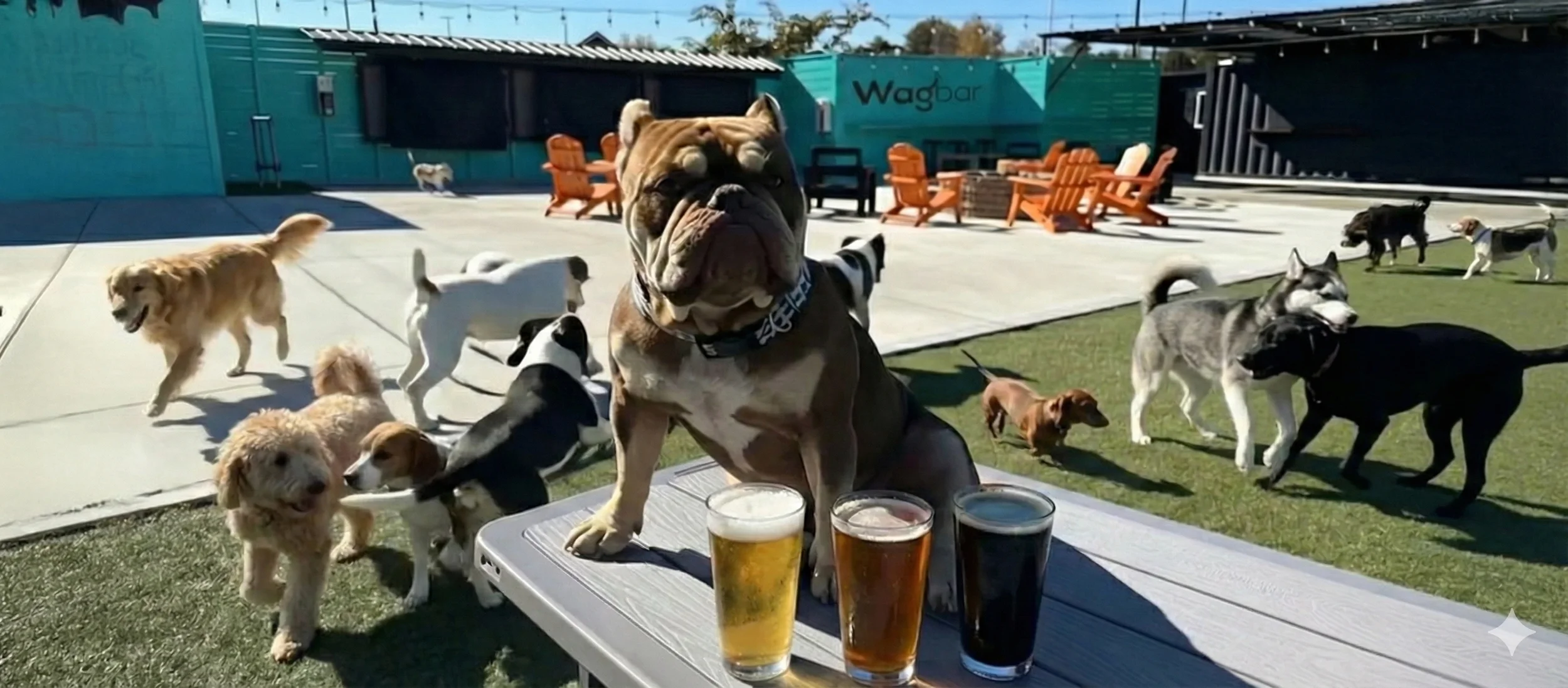
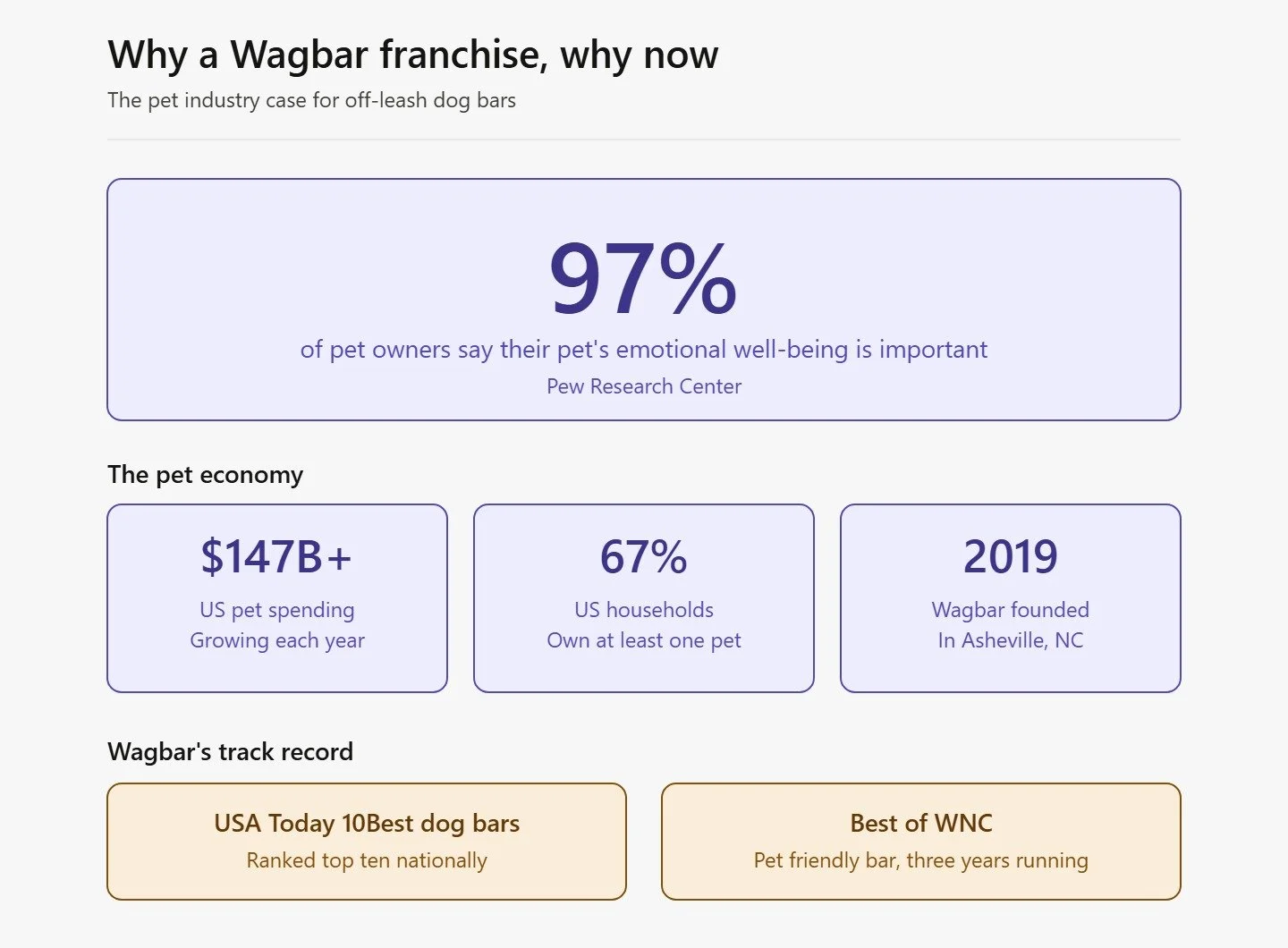
When Wagbar Knoxville opens in October 2025 at the former Creekside location, it will introduce a new category of dog recreation to the city. Wagbar's off-leash dog park and bar concept allows dogs to play freely in supervised environments while owners enjoy drinks and socialize. This represents a significant addition to Knoxville's dog recreation landscape, providing climate-controlled indoor/outdoor spaces usable year-round regardless of weather.
Knox County Dog Laws and Regulations
Understanding local laws affecting dog ownership prevents citations and conflicts with neighbors or authorities. Knox County maintains specific ordinances governing dog ownership within city limits and unincorporated areas.
All dogs over four months old require annual county licensing. Licenses cost $20 for unaltered dogs and $10 for spayed/neutered dogs. Licensing requires proof of current rabies vaccination. Tags must be worn on collars whenever dogs are off-property. Licensing supports animal control operations and helps reunite lost dogs with owners through tag identification.
Leash laws apply throughout Knox County except in designated off-leash areas. Dogs must remain on leashes no longer than six feet when on public property including sidewalks, parks (except off-leash areas), and greenways. Private property owners set their own leash policies for their land. Violating leash laws carries citations ranging from $50-250 depending on circumstances and prior violations.
Nuisance ordinances address barking, property damage, and threats to people or other animals. Dogs barking continuously for more than 20 minutes or intermittently for more than 30 minutes within a one-hour period violate noise ordinances. Neighbors can file complaints triggering animal control investigations. Chronic barking complaints may result in fines, required bark collar usage, or in severe cases, removal of the dog.
Dangerous dog designations result from biting incidents, attacks on other animals, or threatening behavior toward people. Dogs designated dangerous face strict requirements including special insurance, secured housing, warning signage, and mandatory muzzling when off-property. Multiple violations can lead to dogs being removed from owners or euthanized. Preventing incidents through proper management, training, and socialization protects both your dog and community members.
Waste removal requirements mandate that owners immediately pick up and properly dispose of their dogs' feces on all property except the owner's private property. This applies to public areas, other people's yards, common areas in apartments and neighborhoods, and anywhere else dogs defecate. Violations carry fines and create tensions with neighbors and property owners.
Tethering ordinances restrict how long and under what conditions dogs can be tied outdoors. Dogs cannot be tethered for more than two hours during any 24-hour period. Tethering methods must prevent injury, allow freedom of movement, and not use choke chains or prong collars. Violating tethering laws suggests neglect and triggers animal control intervention.
Pet-Friendly Businesses and Services
Beyond parks and outdoor spaces, Knoxville offers numerous pet-friendly businesses making daily life with dogs more convenient and enjoyable.
Dog-friendly restaurants and breweries dot the city, particularly in downtown Market Square, the Old City, and Turkey Creek shopping district. Establishments including Stock & Barrel, Pretentious Beer Company, and Knox Brew Hub welcome dogs on outdoor patios year-round. Understanding proper restaurant etiquette with dogs ensures positive experiences for everyone.
Retail stores including Home Depot, Lowe's, and Tractor Supply allow leashed dogs throughout stores. REI welcomes well-behaved dogs, serving outdoor enthusiasts shopping for both human and canine gear. Three Rivers Market co-op uniquely allows dogs throughout the store, making grocery shopping possible with your pup when needed.
Mobile grooming services operate throughout Knoxville, coming to your home for bathing, nail trims, and coat maintenance. This convenience benefits dogs stressed by traditional grooming salons and owners with demanding schedules. Prices typically run 20-30% higher than shop grooming but save time and reduce stress for anxious dogs.
Dog daycare and boarding facilities provide care when you travel or work long hours. Facilities range from basic kennel boarding to luxury resorts with webcams, training programs, and spa services. Touring facilities before needing services allows you to evaluate cleanliness, staff knowledge, and dog welfare practices. Making reservations well in advance of holidays prevents scrambles when facilities fill quickly.
Professional dog trainers offer group classes and private sessions addressing basic obedience, behavior problems, and advanced skills. Positive reinforcement trainers focusing on force-free methods align with current understanding of dog learning psychology. If your dog struggles with reactivity, fear, or aggression, seeking qualified trainers experienced in these issues prevents problems from escalating. Resources about training reactive dogs provide starting points for addressing these challenges.
Pet supply stores including PetSmart, Petco, and local independent shops stock food, toys, accessories, and medications. Smaller boutique pet stores often carry higher-quality foods and unique items not available at chains. Shopping locally supports community businesses while potentially finding products better suited to your dog's needs.
Climate-Controlled Indoor Options
While Knoxville's climate allows year-round outdoor activity most days, having indoor options for extreme weather prevents cabin fever during heat waves, cold snaps, and extended rainy periods.
Few indoor dog parks currently operate in Knoxville, creating gaps in available options during inclement weather. This makes home enrichment and training more important during weather preventing outdoor exercise. Mental stimulation through training sessions, puzzle toys, and nose work exercises helps dogs burn energy when outdoor time is limited.
Some doggy daycare facilities welcome drop-in play sessions, essentially functioning as indoor dog parks during business hours. Pricing typically runs $15-25 for several hours of supervised play in climate-controlled facilities. This provides outlets for social dogs needing interaction and exercise regardless of weather.
Pet-friendly hotels in Knoxville accommodate visiting dog owners, with many properties including Kimpton, La Quinta, and Red Roof Inn maintaining flexible pet policies. This matters less for permanent residents but helps during housing transitions if temporary lodging becomes necessary before permanent housing is available.
Building Your Dog Community
Moving disrupts both human and canine social networks. Rebuilding community in Knoxville helps you and your dog settle into your new home.
Dog ownership naturally facilitates human friendships. Regular park visits create opportunities to meet other dog owners who share your interests and concerns. Many lasting friendships begin with dogs playing together while their humans chat. Being open to conversations and regular park attendance at consistent times helps you become recognized as a regular, making it easier to form connections.
Facebook groups dedicated to Knoxville dog owners share information about events, lost and found dogs, recommendations for services, and general support. Groups like Knoxville Dog Lovers and Knox County Lost and Found Pets provide valuable local knowledge and community connections. Participating actively by asking questions, sharing experiences, and offering help when you can builds your reputation and network.
Organized meetups for specific breeds or interests bring together owners with common ground. Groups dedicated to hiking with dogs, small breeds, specific purebreds, and rescue dogs create focused communities around shared passions. These specialty groups often provide deeper connections than general dog owner groups because participants share specific knowledge and concerns.
Training classes provide structured environments for meeting other dog owners committed to their dogs' development. The shared experience of progressing through classes together creates bonds extending beyond class time. Many training centers also host social events, competitions, and workshops keeping students engaged in their community.
Volunteering with local rescue organizations or the Knoxville Humane Society connects you with dedicated animal welfare advocates while helping dogs in need. Fostering, transport, event volunteering, or fundraising all provide meaningful contributions while expanding your local network. The animal welfare community tends to be tight-knit and supportive, welcoming newcomers who share their values.
Moving Day Preparation and Transition Tips
The actual moving process creates stress for dogs regardless of how well you've planned the relocation. Minimizing stress and maintaining routines helps your dog adjust more quickly.
Before moving day, gradually pack belongings over several weeks rather than packing everything last-minute. This allows your dog to acclimate to boxes and changes without overwhelming them. Maintain feeding schedules, walk routines, and bedtime patterns as consistently as possible throughout the packing period.
On moving day itself, confining your dog to a quiet room away from moving activity prevents escape risks and reduces stress. Include their bed, favorite toys, water, and recently worn clothing carrying your scent to provide comfort. Check on them regularly but avoid prolonged visits that might make confinement seem like punishment.
If driving to Knoxville, plan your route with dog-friendly stops every 2-3 hours allowing bathroom breaks, water, and stretching. Research pet-friendly hotels along your route if overnight stays are necessary. Never leave dogs in parked vehicles during summer months when temperatures inside cars can reach lethal levels within minutes.
Upon arrival in Knoxville, establish routines immediately. Feed meals at normal times, maintain previous walking schedules as much as possible, and create familiar sleeping arrangements. Dogs take comfort from predictable routines, helping them settle faster in unfamiliar environments.
Explore your new neighborhood gradually, starting with short walks near home and progressively venturing farther. This allows your dog to build mental maps of their new territory while investigating scents and sounds at their own pace. Rushing long walks through unfamiliar areas before they've acclimated can increase anxiety rather than reduce it.
Updating identification immediately after moving prevents lost dog tragedies. Update microchip registrations with your new address and phone number within days of arrival. Order new ID tags with current information before moving if possible, or as first priority after arriving. Lost dogs in unfamiliar areas struggle to find their way home, making proper identification crucial during transitions.
Long-Term Adjustment and Integration
The first few weeks in Knoxville set the tone for your dog's long-term adjustment. Paying attention to signs of stress and responding appropriately helps prevent problems from becoming entrenched.
Dogs show stress through changes in eating habits, sleep patterns, energy levels, and behavior. Decreased appetite, excessive sleeping, or sudden house training accidents often indicate adjustment difficulties. Most dogs require 2-4 weeks to fully settle into new environments, though some need longer depending on temperament and previous experiences.
If behavioral problems emerge or worsen after moving, seeking professional help quickly prevents issues from becoming habits. Changes in environment sometimes unmask existing behavior problems that better housing or management prevented in previous locations. For example, dogs that never barked in houses with yards might bark excessively in apartments with shared walls. Addressing these issues through training, management, and environmental enrichment prevents eviction and improves everyone's quality of life.
Maintaining some elements from your previous home eases transitions. Using the same food brand, keeping favorite toys and beds, and maintaining previous routines creates continuity amidst change. Once your dog settles, you can gradually transition to new products or adjust routines to better fit your new lifestyle.
Building positive associations with your new home and city through treats, play, and positive experiences helps dogs view Knoxville favorably. Regular outings to dog-friendly locations, play sessions in your new yard or nearby parks, and quality time together all reinforce that the new location provides good things.
Frequently Asked Questions
Is Knoxville a good city for dogs?
Yes, Knoxville ranks among Tennessee's most dog-friendly cities with extensive park systems including 20+ off-leash dog parks, hundreds of miles of trails, numerous dog-friendly restaurants and breweries, excellent veterinary care including UT's veterinary teaching hospital, and a welcoming pet-owning community. The city's moderate climate allows year-round outdoor activity most days.
How much does pet-friendly housing cost in Knoxville?
Pet-friendly apartments typically charge pet deposits of $200-500 plus monthly pet rent of $25-75 per dog. Single-family homes for rent may negotiate different terms. Properties with dog parks or washing stations command premium rents. Houses with fenced yards sell for 3-5% more than comparable unfenced homes.
What dog breeds are restricted in Knoxville rentals?
Most apartment complexes restrict breeds considered "aggressive" due to insurance requirements. Commonly restricted breeds include Pit Bulls, Rottweilers, Dobermans, German Shepherds, Huskies, Malamutes, and Chows. Breed restrictions vary by property, with some landlords evaluating dogs individually regardless of breed. Weight limits of 50-75 pounds are also common.
Does Knoxville require dog licenses?
Yes, Knox County requires annual dog licenses for all dogs over four months old. Licenses cost $20 for unaltered dogs and $10 for spayed/neutered dogs. Current rabies vaccination is required for licensing. Dogs must wear license tags when off-property. Failure to license can result in citations.
What are Knoxville's leash laws?
Dogs must remain on leashes no longer than six feet on all public property except designated off-leash dog parks. This includes sidewalks, parks, greenways, and trails. Violating leash laws carries fines of $50-250. Private property owners set their own leash policies.
Where are the best dog parks in Knoxville?
Victor Ashe Park contains the largest off-leash area at 3 acres with separate small dog sections. Tommy Schumpert Park offers 2 acres in West Knoxville. Sequoyah Park provides riverside access with swimming opportunities. Urban Wilderness offers 1,000+ acres of hiking trails for leashed dogs. Wagbar Knoxville will add an off-leash dog park bar in October 2025.
What veterinary services are available in Knoxville?
Knoxville offers excellent veterinary care including UT College of Veterinary Medicine's teaching hospital providing specialty services, numerous general practice clinics throughout the area, 24/7 emergency hospitals including BluePearl and Pet Emergency Clinic, holistic and alternative medicine providers, and low-cost spay/neuter and vaccine clinics through Knoxville Humane Society.
Can I take my dog to restaurants in Knoxville?
Many Knoxville restaurants and breweries welcome dogs on outdoor patios. Popular options include downtown Market Square establishments, Old City breweries, and Turkey Creek restaurants. Dogs must remain leashed and well-behaved. Not all restaurants allow dogs, so calling ahead confirms policies.
How does Knoxville's weather affect dogs?
Knoxville's summers (85-95°F with high humidity) require limiting outdoor activity during peak heat hours. Most dogs tolerate mild winters (30-50°F) without special gear, though small breeds and short-coated dogs benefit from sweaters. Spring and fall offer ideal conditions. High pollen counts in spring and fall affect dogs with environmental allergies.
What should I do first when moving to Knoxville with my dog?
Secure pet-friendly housing before moving, establish veterinary care within the first two weeks, update microchip registration and ID tags immediately upon arrival, obtain required Knox County dog license within 30 days, locate nearby dog parks and walking routes, and maintain consistent feeding and walking schedules to help your dog adjust.
Bottom TLDR: Moving to Knoxville with a dog involves finding pet-friendly housing with typical restrictions on weight (50-75 lbs) and breeds, navigating Knox County's dog licensing requirements and leash laws, accessing excellent veterinary resources including UT's teaching hospital and 24/7 emergency clinics, and discovering extensive recreation including Victor Ashe Park's 3-acre off-leash area and Urban Wilderness trails. The city welcomes dogs at numerous restaurants, breweries, and retail stores while offering strong community support through local groups and events. Establish routines immediately after moving and maintain consistency to help your dog adjust smoothly to their new Knoxville home.