
Moving to Knoxville from Nashville: Complete Guide for Dog Owners
Top TLDR: Moving to Knoxville from Nashville with dogs offers significant advantages: housing costs $500-$800 less monthly with larger yards, veterinary care runs 15-20% cheaper, and genuine mountain hiking sits 30 minutes away instead of hours. Knoxville's manageable traffic and uncrowded dog parks reduce daily stress for both owners and dogs. October 2025 brings Wagbar's supervised off-leash facility to Knoxville, addressing the gap in professional dog park options. Plan 3-6 months for full adjustment to maximize benefits.
Moving from Nashville to Knoxville with your dog changes more than your address. It affects your daily routines, your dog's exercise options, your access to veterinary care, and your entire lifestyle as a dog owner. The two cities share Tennessee roots but offer dramatically different experiences for people with pets.
Nashville's explosive growth over the past decade transformed it into a major metropolitan area with corresponding challenges: traffic congestion, crowded dog parks, higher costs of living, and limited space. Knoxville offers something different: a mid-sized city with lower costs, easier traffic, access to outdoor recreation, and a growing pet-friendly culture that's still developing its infrastructure.
This guide covers everything dog owners need to know when moving from Nashville to Knoxville, from finding pet-friendly housing to identifying the best veterinarians, understanding dog park options, and building a new community for both you and your pup.
Why Nashville Dog Owners Are Moving to Knoxville
The migration from Nashville to Knoxville isn't random. Dog owners cite specific reasons for making the switch.
Cost of Living Differences
Nashville's housing market exploded along with its population. What once was an affordable Southern city now rivals coastal markets in cost. Knoxville maintains significantly lower housing costs, meaning you can afford more space for your dog.
Housing cost comparison: The median home price in Nashville hovers around $450,000 as of 2025, while Knoxville's median sits near $310,000. That $140,000 difference means larger yards, extra square footage, and more financial flexibility for pet expenses.
Rent follows the same pattern. Nashville one-bedroom apartments average $1,600-$1,800 monthly, while comparable Knoxville rentals run $900-$1,200. For dog owners needing pet-friendly properties with deposits and pet rent, every dollar matters.
Pet-specific costs stack up differently. Veterinary care, grooming, boarding, and doggy daycare all cost 15-25% less in Knoxville than Nashville. These savings compound over your dog's lifetime.
Traffic and Lifestyle Quality
Nashville's traffic congestion affects dog owners daily. Getting your dog to the vet, dog park, or hiking trail becomes a calculation involving interstate traffic, construction delays, and parking challenges.
Knoxville traffic exists but remains manageable. Most locations sit within 20 minutes of anywhere in the city. Less time in traffic means more time with your dog doing activities both of you enjoy.
Stress levels matter for dogs too. Dogs pick up on owner stress. If you're constantly frustrated by traffic, parking challenges, or rushed schedules, your dog feels it. Knoxville's slower pace benefits everyone in the household.
Access to Nature and Outdoor Space
Both cities offer outdoor recreation, but the accessibility differs dramatically. Nashville's greenways and parks see heavy use, particularly on weekends. Finding parking at Warner Parks or Percy Warner can take longer than the actual hike.
Knoxville sits at the gateway to the Great Smoky Mountains. Within 45 minutes you're on hiking trails seeing minimal crowds even on prime weekend days. This matters for dogs needing regular, substantial exercise beyond neighborhood walks.
Urban dog owners in Knoxville maintain easier access to genuine nature. The city's smaller size and proximity to mountains mean quick escapes without fighting traffic for hours.
Growing Pet-Friendly Culture
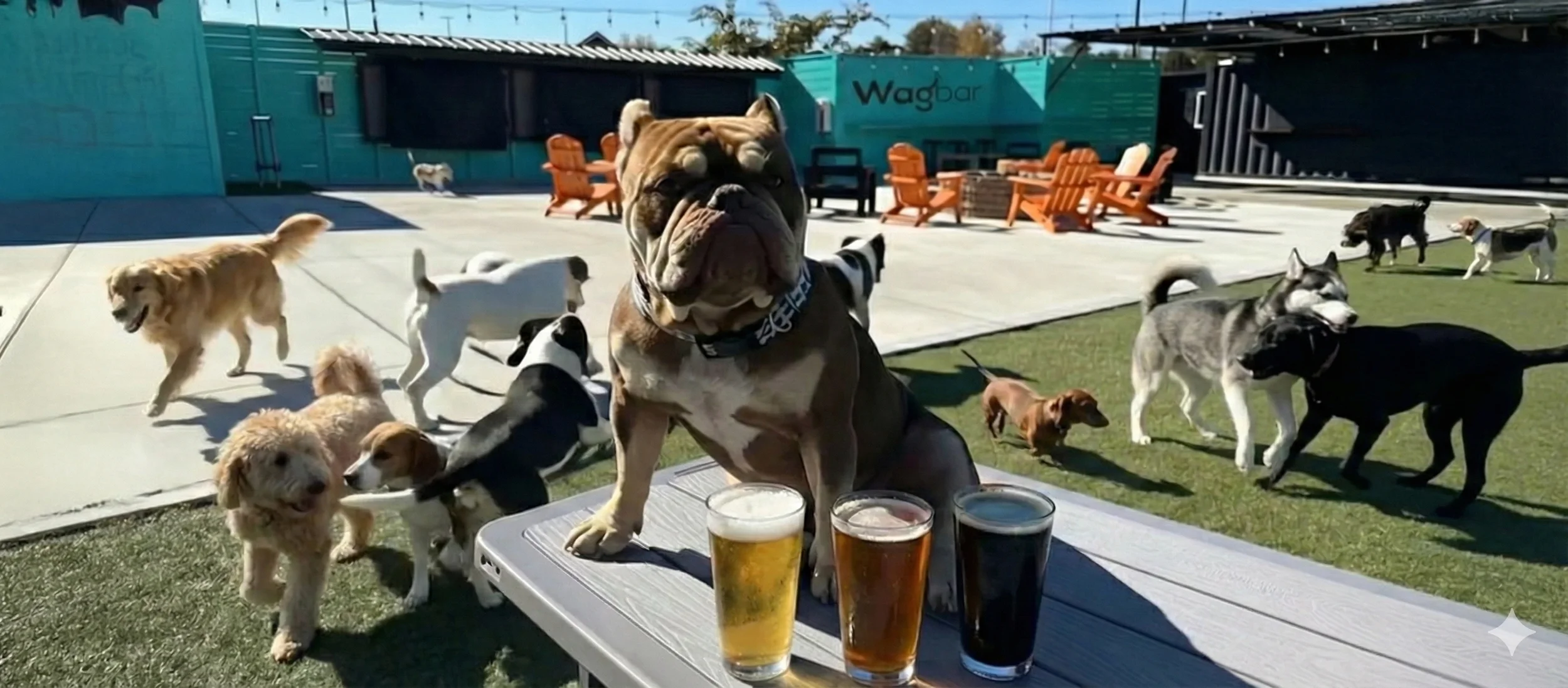
Knoxville's pet infrastructure is expanding. New businesses, facilities, and services for dogs open regularly. October 2025 brings Wagbar to Knoxville, offering supervised off-leash play combined with bar amenities—something Nashville has multiple of but which gets extremely crowded.
The city's smaller size creates opportunities to influence and shape the pet community. In Nashville, you're one voice among hundreds of thousands. In Knoxville, engaged dog owners can actually impact local policy and business development.
Finding Pet-Friendly Housing in Knoxville
Housing determines your quality of life with a dog more than any other single factor. Knoxville offers more options and flexibility than Nashville, but you still need to approach the search strategically.
Best Neighborhoods for Dog Owners
Sequoyah Hills: Established neighborhood near downtown with large lots, mature trees, and walking-friendly streets. Higher price point but genuinely spacious properties. Proximity to University of Tennessee creates rental options too.
Bearden: West Knoxville area with mix of single-family homes and apartments. Good access to Sutherland Avenue commercial corridor. Several small parks within walking distance. More affordable than Sequoyah Hills while maintaining quality.
Fountain City: North Knoxville area offering excellent value for larger properties. More suburban feel with bigger yards. Further from downtown but shorter commute than Nashville suburbs to downtown Nashville. Several parks nearby.
West Hills: Newer development area with modern homes and good infrastructure. Planned community feel with sidewalks and green spaces. Family-friendly dog breeds thrive here with safe walking areas.
Old North Knoxville: Walkable urban neighborhood close to downtown. Mix of renovated homes and new construction. Gay Street district offers dog-friendly patios and businesses. Best choice for people wanting urban living without Nashville prices.
Apartment and Rental Considerations
Most Knoxville rental properties accept pets, but terms vary widely. Understanding standard practices helps you negotiate better.
Typical pet policies include:
Pet deposit: $200-$400 per dog (sometimes refundable)
Monthly pet rent: $25-$50 per dog
Weight restrictions: Many complexes limit dogs to 50-75 pounds
Breed restrictions: Pit bulls, Rottweilers, German Shepherds, and Huskies commonly face restrictions
Best apartment dog breeds fare better with restrictive properties. If you have a large breed or restricted breed, expect to spend more time searching and potentially pay premium rent for properties without restrictions.
Private landlords offer more flexibility than corporate complexes. Individual property owners often waive breed and size restrictions after meeting your well-behaved dog. Corporate-managed properties rarely budge on published policies.
House Rental and Purchase Options
Knoxville's housing market gives dog owners real options Nashville can't match at similar price points.
For $300,000-$350,000 in Knoxville you can get:
3-4 bedroom house
2,000-2,500 square feet
Quarter to half-acre yard
Two-car garage
Established neighborhood
The same budget in Nashville buys:
2-3 bedroom house
1,400-1,800 square feet
Tiny or nonexistent yard
Older construction needing updates
Less desirable location or long commute
Yard size matters tremendously for dog owners. Having space for your dog to potty, play, and exercise without leaving your property transforms daily life. Nashville's land scarcity makes substantial yards a luxury. Knoxville treats them as standard.
Questions to Ask Before Signing
Before committing to any Knoxville property with your dog:
For apartments and condos:

Are there breed, size, or number restrictions?
What's the total monthly cost including pet rent and fees?
Are there designated dog relief areas?
What's the noise policy regarding barking?
Is there carpet that will show pet wear?
What's the move-out cleaning requirement?
For houses:
Is the yard fully fenced? What's the fence condition?
Is there a secure gate with working latch?
Are there gaps under fences where small dogs could escape?
Does the lease allow fence installation or modification?
Are there dangerous plants in the yard?
What's the pest control situation?
Knoxville Veterinary Care and Pet Services
Establishing veterinary care before you need emergency services is crucial. Knoxville offers quality options across different price points and specializations.
Finding Your New Veterinarian
West Knoxville Animal Hospital: Full-service practice with multiple vets. Accepts new patients regularly. Convenient location near Bearden and West Hills neighborhoods. Competitive pricing.
PetVet365: Multiple Knoxville locations offering extended hours including evenings and weekends. Good for working owners who struggle with traditional vet hours. Slightly higher prices for convenience factor.
University of Tennessee Veterinary Medical Center: Teaching hospital affiliated with UT's College of Veterinary Medicine. Excellent for complex medical cases requiring specialists. Not ideal for routine care due to appointment delays and student involvement.
Turkey Creek Animal Hospital: West Knoxville practice known for excellent customer service and communication. Higher price point but comprehensive care. Many Nashville transplants use them.
Chapman Highway Veterinary Clinic: South Knoxville option with lower prices and experienced vets. Less modern facility but solid medical care. Good value for routine services.
Moving your vet records: Call your Nashville vet before moving and request complete medical records. Most charge $10-$25 for copies. Get vaccination records, surgical notes, medication history, and any test results. Bring these to your first Knoxville vet appointment.
Emergency and Specialty Care
Knoxville provides multiple emergency options. Keep these addresses programmed in your phone and posted on your refrigerator.
University of Tennessee Veterinary Medical Center Emergency Services: Available 24/7/365. Most advanced care in East Tennessee. Handles trauma, toxin exposure, and complex medical emergencies. Expect higher costs but comprehensive care.
PetVet365 Emergency & Urgent Care: Two locations offering emergency services outside regular hours. Less expensive than UT but more than preventive care. Good middle ground for moderately serious situations.
BluePearl Pet Hospital (Maryville): Technically outside Knoxville but serves as backup emergency facility. 24/7 emergency and specialty care. About 20 minutes from Knoxville proper.
Boarding, Daycare, and Grooming
Dog daycare options:
Muttropolis: Play-focused daycare with webcams. Located near West Town Mall. Higher price point ($35-$40 daily) but excellent facilities and staff training.
Paws on the Avenue: Fort Sanders neighborhood location. More affordable ($25-$30 daily). Smaller groups mean more personalized attention.
Camp Bow Wow: National chain with Knoxville location. Webcams, extended hours, overnight boarding available. Mid-range pricing.
Boarding facilities:
Acoma Animal Hospital: Boarding attached to vet practice means medical attention immediately available if needed. Runs $30-$45 nightly depending on dog size.
Peaceful Acres Pet Resort: County location with large outdoor areas. More expensive ($45-$60 nightly) but spacious accommodations.
Mobile grooming: Multiple mobile groomers serve Knoxville. Convenience of home grooming runs $60-$100 depending on dog size and coat type. Look for licensed, insured groomers with established businesses.

Dog Parks and Off-Leash Options in Knoxville
Knoxville's dog park infrastructure differs from Nashville's extensive but crowded system. Understanding your options helps you choose appropriate facilities for your dog's needs.
Public Dog Parks: What to Expect
Victor Ashe Park Dog Park: Knoxville's largest and most popular dog park. Separate areas for large and small dogs. Gets crowded on weekend afternoons. About 2 acres total. Free access. Basic amenities including water fountains and waste bags.
New Harvest Park Dog Park: East Knoxville location with smaller footprint but less crowding. Approximately 1.5 acres. Suitable for dogs who prefer lower-intensity environments. Free access.
Tommy Schumpert Park Dog Park: South Knoxville option convenient for Chapman Highway area. Smallest of the major dog parks but well-maintained. Better for small dogs and seniors than high-energy young dogs.

Comparison to Nashville dog parks: Knoxville's facilities are less crowded but also fewer in number. Nashville's Centennial, Shelby, and Warner Parks dog areas see hundreds of dogs daily. Knoxville's parks typically have 10-30 dogs at peak times. The lower density creates better experiences for properly socialized dogs but fewer options for variety.
The Supervised Alternative: Wagbar Knoxville
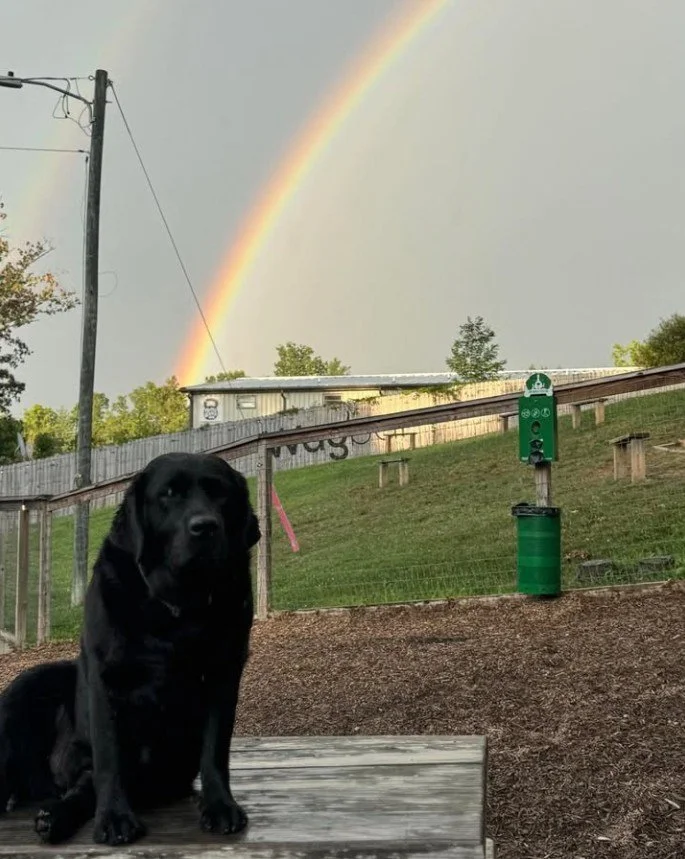
October 2025 brings a different kind of dog park to Knoxville. Wagbar Knoxville opens at the former Creekside Knox location, offering professionally supervised off-leash play combined with bar amenities for owners.
How it differs from municipal parks:
Professional staff supervision: Trained team members monitor dog interactions continuously, intervening before problems escalate. Municipal parks rely entirely on owner oversight.
Vaccination and behavioral screening: Every dog undergoes documentation review and assessment before entering. Aggressive dogs are excluded, protecting the community.
Multiple revenue streams support maintenance: Membership and day pass fees fund regular maintenance, cleaning, and staffing. Tax-funded municipal parks operate on minimal budgets.
Owner amenities create longer visits: When owners have comfortable seating, food trucks, and beverage options, they stay longer. Longer visits mean better exercise and socialization for dogs.
Hiking and Trail Options
Knoxville's proximity to trails far exceeds Nashville's access despite Nashville having excellent greenway systems.
Within 30 minutes of Knoxville:
Ijams Nature Center: Urban wilderness area with multiple trail options. On-leash required. Rocky terrain, creek access, varied difficulty levels.
House Mountain State Natural Area: Moderate to difficult hiking. Stunning views from summit. Dogs allowed on leash. Gets hot in summer.
Seven Islands State Birding Park: Easier trails through wetlands and along French Broad River. Good for older dogs or hot days. Dogs on leash.
Within 45-60 minutes:
Great Smoky Mountains National Park: Hundreds of trail options. Note: Dogs allowed on only two trails (Gatlinburg Trail and Oconaluftee River Trail). Most park trails prohibit dogs.
Big South Fork National River and Recreation Area: Dog-friendly with extensive trail systems. Less crowded than Smokies. Allow off-leash in some areas. Check current regulations.
Nashville comparison: Nashville offers excellent greenway systems (Shelby Bottoms, Percy Warner) but getting to genuine mountain hiking requires 1.5-2 hours minimum. Knoxville's location means less driving, more hiking.
Cost of Living Impact on Dog Ownership
The financial differences between Nashville and Knoxville compound when you calculate total pet ownership costs.
Housing Cost Impact
Nashville scenario:
Rent: $1,700/month
Pet rent: $50/month per dog
Pet deposit: $400 (one-time)
Annual housing cost for dog owner: $21,000
Knoxville scenario:
Rent: $1,100/month
Pet rent: $35/month per dog
Pet deposit: $300 (one-time)
Annual housing cost for dog owner: $13,620
Annual savings: $7,380 just on housing. That covers annual veterinary care, food, toys, training, and unexpected medical expenses with money left over.
Veterinary Care Costs
Routine and emergency vet care costs less in Knoxville than Nashville by approximately 15-20%.
Annual wellness exam comparison:
Nashville: $75-$100
Knoxville: $60-$80
Dental cleaning comparison:
Nashville: $400-$600
Knoxville: $350-$500
Emergency visit comparison:
Nashville: $150-$200 just for exam
Knoxville: $120-$175 exam fee
These differences seem small individually but add up over a dog's 10-15 year lifespan to thousands in savings.
Lifestyle and Activities
Dog-related activities cost less in Knoxville. Dog daycare, grooming, training classes, and boarding all run 20-30% below Nashville prices. Group training classes that cost $200-$250 in Nashville run $150-$180 in Knoxville. Individual training sessions drop from $100-$125 to $75-$100 per hour.
Your money goes further, meaning you can invest more in quality care, enrichment activities, and experiences with your dog without stretching your budget.
Making the Transition Smooth for Your Dog
Dogs experience stress during moves just like humans. Strategic planning minimizes problems.
Before the Move
Maintain routines as long as possible. Keep feeding times, walk schedules, and play times consistent through the moving process. Disruption to routine stresses dogs more than the move itself.
Visit the vet before moving. Schedule a wellness check 1-2 weeks before your move date. Update vaccinations if needed. Get extra copies of medical records. Ask your vet for anti-anxiety medication if your dog struggles with change.
Prepare an overnight bag for your dog. Pack enough food for 3-4 days, medications, vaccination records, leash, collar with ID tags showing your new address and phone number, favorite toys, and familiar bedding.
Moving Day Management
Keep your dog away from chaos. If possible, board your dog or have a friend watch them on moving day. If that's not possible, confine them to one room (like a bathroom) with a closed door, their bed, toys, and a note for movers not to enter.
Update ID tags immediately. As soon as you have your Knoxville address, put it on new tags. Keep old Nashville tags as backup but prioritize current information.
Secure your new property. Walk the entire yard checking for escape routes before letting your dog outside. Check fence integrity, gate latches, and any gaps under fencing.
First Week in Knoxville
Establish new routines quickly. Pick feeding times, walk routes, and potty schedules then stick to them. Consistency helps dogs adjust faster than letting them figure things out gradually.
Explore the neighborhood on leash. Walk your new area multiple times daily the first week. Let your dog sniff, mark, and become familiar with the surroundings. This helps them learn the new home territory.
Find your emergency vet before you need one. Drive to the emergency veterinary hospital you identified earlier. Know how to get there so you're not searching for it during a crisis.
Start socialization carefully. Don't rush to dog parks or playgrounds the first week. Let your dog settle into the new home before adding social pressure. Puppy socialization principles apply to dogs of any age adjusting to new environments.
Building Community as a Dog Owner
Nashville's large population meant easy access to dog owner communities. Knoxville requires more intentional effort but offers closer-knit groups.
Finding Other Dog Owners
Walk the same routes at consistent times. You'll start seeing the same people and dogs. These repeated encounters naturally lead to conversations and friendships.
Join neighborhood social media groups. Nextdoor and neighborhood-specific Facebook groups often have dog owner subsections. Post introductions, ask for recommendations, and respond to others' questions.
Attend pet-focused events. Knoxville hosts regular adoption events, pet expos, and fundraisers for animal welfare organizations. These gather dog people naturally.
Visit dog-friendly businesses. Spending time at outdoor patios, pet supply stores, and dog-friendly breweries puts you in contact with other owners. Wagbar, once open, will serve as a natural community hub.
Training and Classes
Training classes serve double duty: improving your dog's behavior and connecting you with other local dog owners.
Knoxville training resources:
PetSmart/Petco group classes: Basic obedience and puppy classes. Affordable ($120-$150 for 6 weeks) but large class sizes.
Happy Paws Pet Services: Private training and behavioral consultation. More expensive but personalized attention.
Canine University: Advanced training including off-leash reliability. Good for serious training goals.
Consider working with a trainer even if your dog is well-behaved. Training classes in a new city help with socialization, adjustment, and community building as much as skill development.
Dog-Friendly Businesses and Activities
Knoxville's dog-friendly business scene is growing. Finding spots that welcome dogs helps your social life and your dog's.
Outdoor dining with dogs: Downtown Knoxville (Gay Street area, Old City, Market Square) offers numerous patios welcoming well-behaved dogs. Alliance Brewing, Barley's Taproom and Pizzeria, and Pretentious Beer Company all welcome dogs to their outdoor areas.
Farmers markets: Market Square Farmer's Market (Saturdays and Wednesdays) and the outdoor portion of Knoxville Farmers Market welcome leashed dogs.
Hiking clubs and groups: Several informal hiking groups organize regular outings. These provide structured social opportunities for both humans and dogs while exploring local trails.
Managing Different Dog Breeds in Knoxville vs Nashville
Your dog's breed affects how they'll adapt to Knoxville's environment compared to Nashville.
High-Energy Breeds
Border Collies, Australian Shepherds, Huskies, and other working breeds often struggled in Nashville's urban environment despite the city's greenways. Knoxville's quick access to substantial hiking and running opportunities better serves high-energy dogs.
These breeds need serious exercise beyond neighborhood walks. Knoxville's trail access within 20-30 minutes makes daily substantial exercise feasible rather than weekend-only.
Social Breeds
Golden Retrievers, Labs, and other naturally social breeds found plenty of interaction in Nashville's crowded dog parks but also faced more potential for negative encounters.
Knoxville's less crowded facilities and upcoming supervised options provide safer socialization environments for naturally friendly dogs. Quality of interactions matters more than quantity.
Small and Toy Breeds
Small dog breeds actually fare better in many Nashville scenarios due to apartment suitability and less need for extensive space. However, Knoxville offers small breed advantages: safer outdoor environments with less traffic, quieter neighborhoods reducing anxiety, and less overwhelming dog park experiences.
Small dogs appreciate Knoxville's calmer pace as much as their owners do.
Reactive or Anxious Dogs
Dogs with reactivity issues often struggled in Nashville's dense environment. More dogs on every walk, crowded parks, and constant stimulation made training and management challenging.
Knoxville's lower density means easier management. Finding quiet walking routes, avoiding overwhelming situations, and working on behavior modification becomes more achievable.
Practical Moving Logistics with Dogs
The physical act of moving with dogs requires planning beyond general household moves.
Traveling from Nashville to Knoxville with Your Dog
The 180-mile drive from Nashville to Knoxville takes 2.5-3 hours via I-40 East. This manageable distance means you can move your dog yourself rather than requiring transport services.
During the drive:
Stop at rest areas every 90 minutes for potty breaks and water
Keep dogs secured in crates or with pet seat belts
Never leave dogs in parked cars during stops
Bring paper towels and cleaning supplies for accidents
Keep windows partially up (don't let dogs hang heads fully out)
If your dog experiences car anxiety: Talk to your vet about anti-nausea medication or mild sedatives for moving day. Test any medications before the actual move to assess effectiveness and side effects.
First Veterinary Visit in Knoxville
Schedule your first Knoxville vet appointment within 2-3 weeks of moving. This establishes care before emergencies arise.
Bring to your first appointment:
Complete medical records from Nashville vet
List of current medications and dosages
Questions about Knoxville-specific concerns (local parasites, seasonal allergies, common diseases)
Vaccination records even if included in medical records
Use this visit to discuss: Local heartworm prevalence (potentially different from Nashville), tick-borne disease risks in the area, common seasonal allergies, and quality local specialists if needed.
Updating Legal Requirements
City dog licensing: Knoxville requires dog licenses if your pet isn't already licensed. Cost runs $20/year for spayed/neutered dogs, $40/year for intact dogs. License at the Knoxville Pet Adoption Center or apply online.
Microchip registration update: If your dog is microchipped, update the registration with your new Knoxville address and phone number. Do this immediately after moving.
Update pet insurance information: Call your pet insurance company with your new address. Ask if coverage changes based on Knoxville rather than Nashville (usually no change but verify).

Potential Challenges and How to Handle Them
Every move brings challenges. Anticipating problems helps you solve them faster.
Adjustment Period and Anxiety
Some dogs adjust to new homes within days. Others take weeks or months. Symptoms of adjustment stress include:
House training accidents despite being fully trained
Increased clinginess or separation anxiety
Changes in appetite or sleep patterns
More fearful or reactive behavior than normal
Excessive panting or pacing
How to help: Maintain strict routines, give extra attention without reinforcing anxious behaviors, provide plenty of exercise, consider calming supplements or medications after consulting your vet, and be patient.
Finding "Your" Places
In Nashville you knew exactly where to take your dog for different activities. Rebuilding that knowledge takes time.
Speed up the process: Ask other dog owners for recommendations, try multiple places before deciding which work best, join local dog owner social media groups, and visit potential spots without your dog first to assess suitability.
Dealing with Homesickness
You might miss Nashville's amenities, friends, and familiar places. This is normal and usually temporary.
Coping strategies: Give yourself permission to miss Nashville while embracing Knoxville's advantages, stay connected to Nashville friends via calls and visits, focus on what you gain (cost savings, space, access to nature) rather than only what you lose, and commit to building new community for 6 months before judging the move.
Six-Month Checklist for Nashville to Knoxville Dog Owners
Successful relocation happens in stages. This timeline helps you stay on track.
Before Moving:
Schedule final Nashville vet visit
Request complete medical records
Research Knoxville neighborhoods
Visit Knoxville to preview housing options
Update dog tags with new information
Week 1 in Knoxville:
Secure property and check for escape routes
Establish new routines immediately
Locate emergency veterinary hospital
Walk neighborhood multiple times daily
Set up dog's space in new home
Month 1:
Schedule first Knoxville vet appointment
Register for city dog license
Update microchip registration
Try different dog parks and walking routes
Research training classes and activities
Months 2-3:
Join training class or attend dog events
Connect with other dog owners
Establish regular routines in new city
Find preferred groomer, daycare, or boarding
Visit hiking trails and nature areas
Months 4-6:
Assess adjustment progress
Address any lingering behavioral issues
Build regular social activities with dog
Evaluate whether Knoxville meets expectations
Make any needed changes to routines or services
Making the Most of Knoxville Life with Your Dog
After the transition period, focus on enjoying what Knoxville offers that Nashville couldn't.
Embracing the Outdoor Lifestyle
Use your newfound access to nature. Morning hikes before work become feasible. Weekend adventures don't require fighting Nashville traffic for two hours each way.
Make hiking routine rather than special. With trails 20-30 minutes away, plan weekly or twice-weekly hikes. Urban dog exercise principles apply even with better access to trails.
Enjoying Uncrowded Spaces
Appreciate less competition for resources. Veterinary appointments scheduled this week rather than three weeks out. Dog parks where your dog can actually run without constant redirection. Hiking trails where you might see five people rather than 500.
This quality-of-life improvement benefits both you and your dog daily.
Building Authentic Community
Knoxville's smaller size allows deeper community connections than Nashville's transient, fast-growing population. Invest in building relationships with other dog owners, local businesses, and neighborhood connections.
The time you spend building community pays off in friendships, support networks, and genuine belonging that many Nashville residents struggle to find.
When Knoxville Works Best for Dog Owners
Knoxville isn't perfect for every dog owner. Understanding who thrives here helps you make good decisions.
Knoxville works well if you:
Want substantial housing space without Nashville prices
Need regular access to hiking and nature
Prefer slower-paced lifestyle with less crowding
Work remotely or have flexible schedule
Value community connection over big-city amenities
Want lower overall cost of living
Have dogs needing substantial exercise beyond walks
Knoxville may not work if you:
Need specialized veterinary services immediately available
Want extensive dog business options (multiple daycare, grooming, training choices)
Require major airport access for frequent travel
Miss Nashville's food scene, nightlife, and entertainment
Need dense urban environment and walkability
Value big-city professional opportunities
The Bottom Line: Nashville to Knoxville with Dogs
Moving to Knoxville from Nashville creates real advantages for dog owners: lower costs, more space, better access to nature, and manageable lifestyle. The trade-off comes in fewer specialized services, less dense urban environment, and smaller professional opportunities.
Your dog doesn't care about Nashville's hot chicken or Broadway honky-tonks. They care about having space to run, interesting places to explore, and spending time with you without constant stress and rushing. Knoxville delivers these fundamentals better than Nashville for most dogs and dog owners.
The financial savings alone justify the move for many families. Saving $500-$800 monthly on housing while gaining space and reducing stress creates better life for everyone. The money you save on rent can fund better veterinary care, higher-quality food, training classes, doggy adventures, and building an emergency fund for unexpected pet medical expenses.
Knoxville won't replace Nashville. It offers something different: a mid-sized city with lower costs, easier access to nature, manageable traffic, and growing pet infrastructure. For dog owners burned out on Nashville's pace and prices, Knoxville provides a reset button worth pressing.
The arrival of Wagbar in October 2025 fills one of Knoxville's gaps by providing supervised off-leash play options Nashville dog owners take for granted. As more pet-focused businesses open, Knoxville's dog owner lifestyle improves while maintaining the cost and space advantages that drove the move.
Your dog will adjust. Dogs are remarkably adaptable when their humans provide consistent routines, adequate exercise, and genuine engagement. Give yourself and your dog 3-6 months to settle in. Most Nashville to Knoxville relocators report not regretting the decision after the adjustment period ends.
The question isn't whether Knoxville equals Nashville. It's whether Knoxville's particular combination of cost, space, outdoor access, and lifestyle fits your needs better than Nashville's combination of big-city amenities, career opportunities, and crowded, expensive urban life. For increasing numbers of dog owners, the answer is yes.
Bottom TLDR: Moving to Knoxville from Nashville with dogs delivers lower costs, more space, and better nature access at the trade-off of fewer specialized services. Housing savings average $7,380 annually while providing substantially larger yards for dogs. Knoxville's proximity to Great Smoky Mountains and less crowded infrastructure benefits active dogs and outdoor-focused owners. Research neighborhoods carefully, establish veterinary care early, and give your dog consistent routines during the 3-6 month transition period.