

Liz and Shelby, Knoxville, TN: Opening Wagbar at the Former Creekside Knox Location
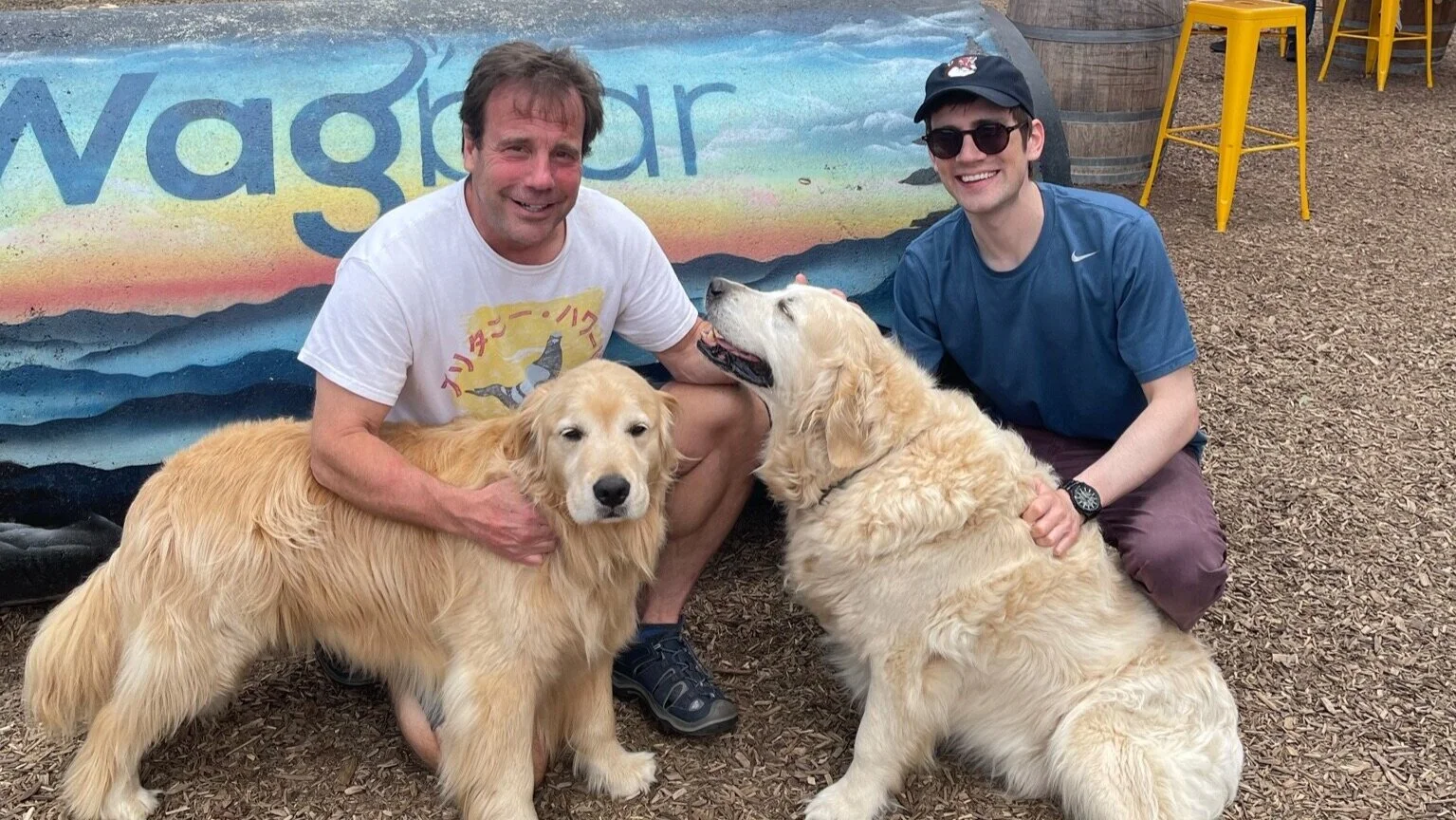
Top TLDR Liz and Shelby, a mother-daughter team with backgrounds in finance, sales, and animal behavior, are bringing Wagbar to Knoxville, Tennessee at the former Creekside Knox location. They moved to East Tennessee three years ago and spent that time building roots in the local dog and rescue community. If you're curious about what a Wagbar dog franchise looks like in a college town market, their story is worth reading before you explore the opportunity.
The Knoxville Wagbar isn't opening because someone spotted a market gap on a spreadsheet. It's opening because two people who already loved the city, already knew the dog community, and already had the skills to run it decided the time was right.
Liz and Shelby are a mother-daughter team, and between them they cover more ground than most solo franchisees could. Liz brings years of experience in finance and sales, alongside a track record of community leadership with animal shelters and rescues. Shelby grew up rescuing animals, has logged serious time volunteering in shelters, and is working toward her Animal Behavior certification. Their dogs, American Bullies Sushi and Moose and a Shih Tzu named Buddy, will likely be among the Knoxville location's most recognizable regulars.
They moved to East Tennessee three years ago, fell in love with the mountains and the character of Knoxville's community, and made it home. When the Wagbar franchise opportunity arrived, they weren't parachuting into an unfamiliar market. They were investing in the place they'd already chosen.
The Site: From Creekside Knox to Wagbar Knoxville
Location selection is one of the most consequential decisions a franchise owner makes, and the former Creekside Knox site is a strong one.
Creekside Knox operated for four years as an outdoor event venue, building a genuine local following before its former owner, Jason Strange, made the decision to close the chapter. "Over the past four years, we've had the honor of building a place where the community could gather and celebrate," Strange said. "We're grateful for all the support and excited to see the space take on new life with Wagbar."
That context matters. A property that spent four years functioning as a community gathering place doesn't start from zero when it converts to a new use. The site already has a reputation as somewhere people go to be social outdoors, which is precisely the premise Wagbar operates on. The infrastructure for outdoor hospitality, the access, the atmosphere, the existing identity as a place for community, transfers in a way that a blank commercial lot wouldn't.
This is what thoughtful site selection looks like in practice. The Wagbar franchise system provides support with site selection as part of its broader pre-opening process, but the instinct that identified this particular property reflects Liz and Shelby's local knowledge, not just a checklist.
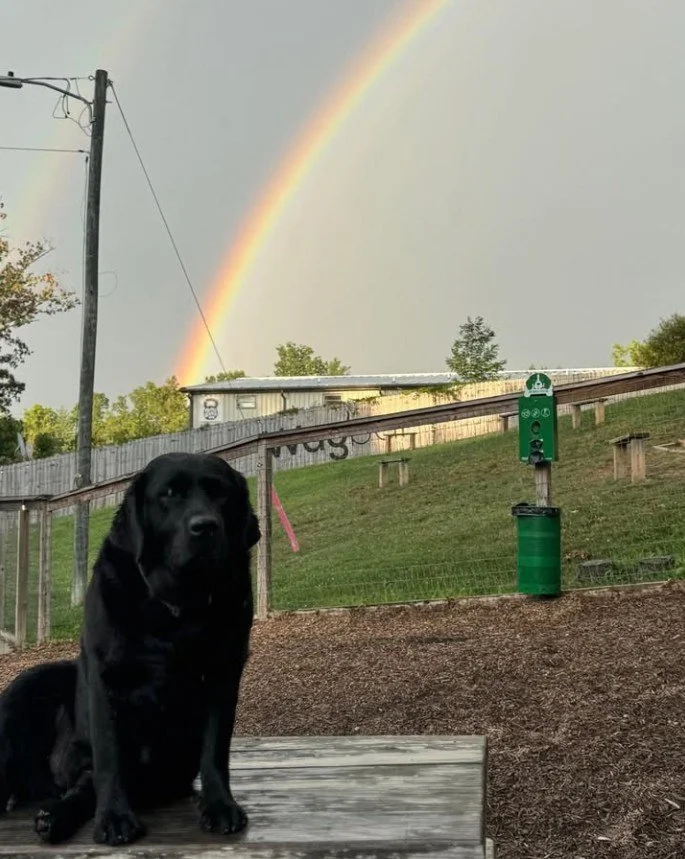
What members can expect at the Knoxville location includes a secure off-leash play area, draft beer and craft brews, cocktails, seltzers, wine, and non-alcoholic options, a rotating lineup of local food trucks, comfortable outdoor seating, and year-round events built around the dog community. For more on how the physical space and experience come together at a Wagbar location, the off-leash dog park and bar concept overview covers the full picture.
Why Knoxville Is the Right Market
Knoxville doesn't always show up on the shortlist when people think about major pet franchise markets. It should.
The city combines several factors that predict strong performance for the Wagbar model. It has a large student and young professional population centered around the University of Tennessee, which means a consistent influx of the demographic most likely to be dog owners who prioritize social experiences. It has a tight-knit community identity that makes word-of-mouth spread faster than in sprawling metros. And it has the kind of outdoor orientation, tied to the proximity of the Smoky Mountains and a culture that genuinely uses the outdoors, that tends to go hand in hand with dog ownership.
Liz and Shelby have lived in this community for three years. They know it from the inside, not just from demographic data. They know how Knoxville residents find new places, how quickly a genuinely good community space builds momentum, and what the dog community in the area has been missing.
The best cities for dog franchise success outlines the market factors that drive strong performance for dog-focused businesses. Knoxville hits the primary ones: active outdoor culture, strong community identity, concentrated young professional and student population, and a dog-owning base that actively looks for social venues to share with their dogs.
The regional pet spending patterns analysis provides additional context on how spending behavior in markets like Knoxville compares to larger metros. Mid-sized cities in the Southeast with strong university anchors tend to punch above their weight on per-capita pet spending, which matters for a membership-based business model.
The Knoxville Dog Community
One of the things Liz and Shelby came to appreciate during their three years in East Tennessee is how active and connected the local dog community already is. Knoxville has a meaningful network of dog owners who go beyond casual park visits. There are breed groups, rescue communities, shelter volunteers, and people who treat their dogs as social companions rather than just pets.
That existing community is the raw material a Wagbar location turns into a sustainable membership base. You're not building from scratch. You're giving people who already care deeply about their dogs a better version of what they've been making do without.
Shelby's background is particularly relevant here. Having grown up in rescue culture and shelter volunteering, she knows the segment of dog owners who are most likely to be early adopters: the people for whom a well-run, safe off-leash space with an actual community around it is something they've been wanting for years. Those people tend to join early, commit fully, and bring others in behind them.
Liz's community leadership experience with shelters and rescues means the two of them have direct roots into the networks that matter most for early momentum. A Wagbar location that opens with the backing of the local rescue and shelter community has a built-in network that no amount of digital marketing can fully replicate.
For more on what that community-building work looks like in operational terms, the community building guide for dog-focused businesses covers the framework in detail.
What Wagbar's Training Program Prepared Them For
The Wagbar franchise system is designed to take motivated owners and give them the operational knowledge they don't walk in with. For Liz and Shelby, the business and community sides came naturally. The training program filled in the specific mechanics of running a dog park bar.
The pre-opening process starts with the proprietary Opener app, which guides new franchisees through the steps between signing and opening day with structured milestones and support. It's a practical tool for managing what can otherwise become an overwhelming pre-launch checklist, and it ensures that nothing critical falls through the cracks during the months before the doors open.
The centerpiece of preparation is an intensive one-week training at Wagbar's headquarters in Asheville, North Carolina. The week covers everything a franchisee needs to operate the business: dog behavior management, bar operations, staff training protocols, marketing, and the day-to-day rhythms that keep the experience consistent. Shelby's background in animal behavior gave her a strong foundation for the dog-management portions of that training. Her Animal Behavior certification work means she arrived with more context than most new franchisees bring to that week.
From the Wagbar franchising page: during training week, franchisees learn everything needed to operate their dog park bar business from managing dog behavior to managing the bar. When the location is ready to open, a Wagbar team is present to help. Beyond grand opening, ongoing support continues through quarterly business reviews, marketing assistance, and the broader franchisee community.
The dog park franchise training and support overview details the full program structure for prospective franchisees who want to understand what that preparation process looks like before they commit.
The Combination of Skills That Makes This Partnership Work
What's worth paying attention to in Liz and Shelby's story isn't just each person's individual background. It's how the two sets of skills fit together.
Liz handles the business side: financial planning, operational management, staff accountability, community partnership development with the shelter and rescue networks she knows from years of leadership work. Her sales background means she's comfortable building relationships, making the case for membership value, and turning curious visitors into committed regulars.
Shelby handles the dog side: behavior observation, safety management, reading the dynamics of the dog population in the park, and the kind of proactive intervention that keeps a large group of off-leash dogs playing well together. Her certification work means this isn't instinct alone. It's instinct grounded in structured knowledge.
That division isn't rigid, of course. Both of them will be doing all of it. But the point is that neither one is operating with a gap where the other one doesn't back them up. The dog park behavior guide covers the kind of group play dynamics Shelby's training specifically prepares her to manage. The staffing and operations management resource speaks to the management infrastructure Liz's background positions her to build.
Together, they represent one of the more complete ownership profiles in the Wagbar network.
What Their Story Tells Prospective Franchisees
Liz and Shelby's path to the Wagbar franchise offers a few things worth noting for anyone currently evaluating the opportunity.
First, deep local knowledge compounds. They didn't walk into Knoxville and start looking for a site. They lived in the community, understood it, and then recognized the franchise opportunity as the right fit for the place they already knew. That's a different starting position than most franchise evaluations begin from, and it tends to produce better site selection, faster community traction, and a more authentic presence from day one.
Second, complementary backgrounds cover more ground than a single all-rounder can. One person who is reasonably good at both the business and the dog side is less prepared than two people who are each genuinely strong in their respective lanes.
Third, existing community ties are a real asset. Their connections to local rescue organizations and shelters mean Wagbar Knoxville opens with credibility in the community that matters most.
For anyone interested in the Wagbar franchise opportunity, the Wagbar franchising page covers the investment structure and application process. The pet industry growth trends overview provides the broader market context behind why now is a strong time to be entering this space.
Frequently Asked Questions
Who are the Knoxville Wagbar franchisees? Liz and Shelby are a mother-daughter team who moved to East Tennessee three years ago and became deeply involved in the local dog and rescue community before signing on as Wagbar franchisees. Liz has a background in finance, sales, and shelter community leadership. Shelby is pursuing her Animal Behavior certification and has extensive experience in animal rescue and shelter volunteering.
Where is Wagbar Knoxville located? Wagbar Knoxville is opening at the former Creekside Knox location, an outdoor event venue that operated for four years before the transition. The site's existing identity as a community gathering space is part of what made it a strong choice for a Wagbar location.
What will Wagbar Knoxville offer? The Knoxville location will feature a secure off-leash play area, a full beverage menu including draft beer, craft brews, cocktails, seltzers, wine, and non-alcoholic options, rotating local food trucks, comfortable outdoor seating, and year-round events for the dog community.
What does Wagbar's training program cover for new franchisees? Wagbar provides pre-opening support through the proprietary Opener app, a one-week intensive training at headquarters in Asheville covering dog behavior management, bar operations, staff training, and marketing, and on-site grand opening support. Quarterly business reviews and ongoing marketing support continue beyond opening.
How much does a Wagbar franchise cost? The total initial investment ranges from $470,300 to $1,145,900, with a $50,000 franchise fee, a 6% royalty on adjusted gross sales, and a 1% marketing fund contribution. Franchisees committing to three or more units receive a 50% discount on the franchise fee. Prospective owners should review the Franchise Disclosure Document for complete details.
How can I learn more about opening a Wagbar franchise? Visit the Wagbar franchising page to submit an inquiry and explore available markets.
Bottom TLDR Liz and Shelby are opening Wagbar Knoxville at the former Creekside Knox outdoor event venue, bringing a mother-daughter team with backgrounds in finance, sales, and animal behavior to East Tennessee's dog community. Their three years of local roots and shelter connections give them an early-community advantage most new franchisees don't have. Visit wagbar.com/franchising to explore what owning a Wagbar dog franchise could look like in your own market.