

Live Music at Dog Friendly Bars: Why Dogs Make Better Concert Crowds Than People
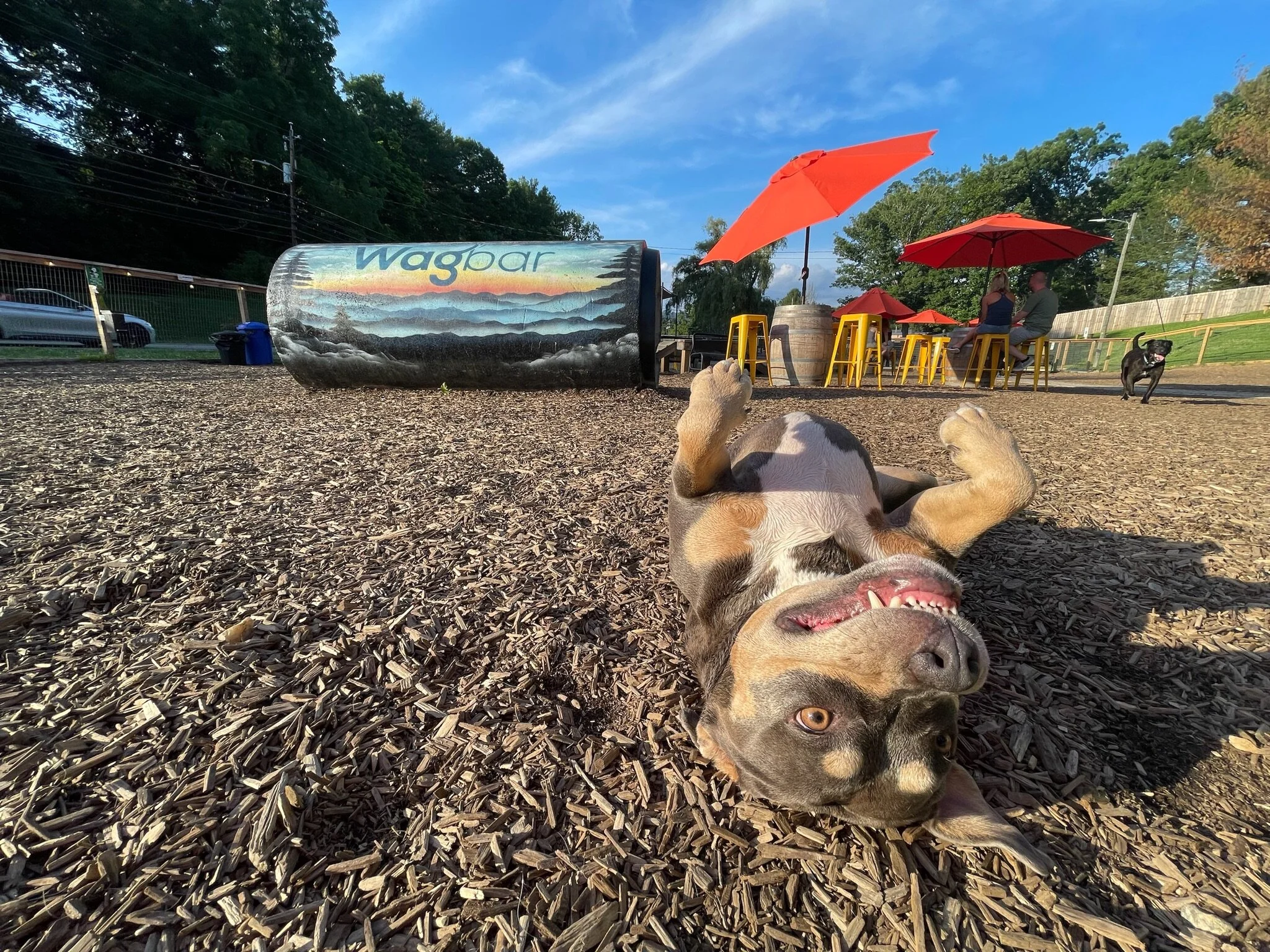
Live music at a dog friendly bar runs at a calmer volume and pulls a friendlier crowd than most pub gigs. Acoustic singer-songwriter, folk, and bluegrass sets dominate, and dogs settle better when the music sustains a steady volume instead of spiking. To plan a music night at a Wagbar location like Weaverville, check the spring or summer lineup, pick a seat away from the speakers, and bring water and a chew.
How Live Music Changes a Dog Friendly Bar
A regular yappy hour at a dog friendly bar runs on conversation and dog play. Add a guitar, a microphone, and a small stage, and the whole room shifts. People stop scrolling phones and actually look up. Conversations drop to a quieter pitch. The crowd starts watching the same thing at the same time.
The dogs reinforce the shift. People talk less when there's a pug under the table and a song playing through the PA. Performers feel the change too. The applause at the end of a song is genuine, not polite. The whole yappy hour rhythm gets a different texture when a song is the anchor.
Live music nights also pull a different crowd than weekday yappy hours. Date night couples, regulars who want a soft Friday, and friend groups who don't want a loud downtown bar all gravitate toward it. The result is a room that listens, claps, and lingers.
What Genres Actually Work With Dogs Around
Not every type of music fits a dog friendly bar. The format favors steady, moderate-volume genres and avoids anything that spikes loud or rattles low frequencies. Here's what holds up across the regular crowd of pups.
Genres that work well:
Acoustic singer-songwriter
Folk, indie folk, and Americana
Bluegrass and country (the calm side, not the stadium side)
Jazz, especially small combos
Soft rock and adult contemporary
Reggae (the mellow side)
Soul and R&B at moderate volumes
Genres that struggle:
Hard rock, punk, and metal
EDM, dubstep, and anything bass-heavy
Hip-hop sets with heavy 808s
Anything with sudden dynamic spikes or pyrotechnics
The line isn't really about taste. It's about whether the volume and dynamic range fit a room where dogs are part of the audience. A jazz quartet at 75 decibels works. A garage rock band at 100 decibels with sudden volume drops doesn't.
The same logic shapes the acoustic open mic side of the music programming. Open mic and live music sets blend into each other genre-wise at most dog friendly bars, with one being the casual midweek version and the other being the booked weekend version.
How Dogs Respond to Live Music (Research)
The research on dogs and music is small but consistent. Soft acoustic music, classical, and reggae are linked to calmer behavior and lower stress markers in shelter studies (Behavioural Processes, Bowman et al., 2017). Heavy metal and music with abrupt volume changes are linked to more agitation. The takeaway from this body of work isn't that dogs have musical taste. It's that sustained moderate sound is easier on canine nervous systems than sudden loud bursts.
Volume matters more than genre in most cases. A dog who's fine with steady acoustic guitar at 80 decibels can still get spooked by a sudden drum hit at the same volume. The unpredictability is what triggers a stress response, not the music itself.
A few signals tell you whether the music is working for your dog. Settled posture, slow breathing, head resting on paws, eyes half-closed = the dog is fine. Pinned ears, lip licking, panting that isn't heat-related, hiding under the table, or pawing at you to leave = the volume or the genre isn't working. The dog body language signals playbook breaks down what to look for in more detail.
The single best move during a music set is to watch your dog more than the stage in the first 10 minutes. If they settle, you're good for the rest of the night.
Outdoor vs. Indoor Music Setups
Most dog friendly bars run live music outdoors, which solves a few problems at once. Outdoor settings give the sound somewhere to dissipate, which keeps the volume manageable for dogs. They also give owners an easy out if the dog needs a walk break, and they ventilate the room so a tired pup isn't trapped in still air.
Outdoor music works best in spring, summer, and early fall. Most venues schedule their biggest music nights in those months. The weather is the main constraint. Sudden afternoon storms can push a music night under a covered structure or cancel it outright.
Indoor music setups bring different trade-offs. The sound compounds in enclosed spaces, which means the same band that sounds great outside can feel loud inside. Indoor music is intimate, which is great for acoustic sets, but the room has to be picked carefully for dogs. High ceilings, soft furnishings, and good ventilation make the difference.
The best dog friendly bars use covered outdoor structures that handle most weather without losing the open-air feel. The off-leash dog bar setup at Wagbar combines fenced outdoor play areas with covered seating and a stage area, which makes music nights work in most conditions.
When to Skip the Music Night
Live music isn't right for every dog. A few situations call for skipping the music night and coming back on a quieter weekday.
Your dog hasn't been to a regular yappy hour yet. Music night is not the right introduction to the venue. Start with a weekday afternoon, see how your dog handles the basic environment, and build up.

Your dog is noise-sensitive or thunder-phobic. Live music sustains volumes that may overlap with the trigger zone for noise-sensitive dogs. If your dog hides during a vacuum cleaner or a thunderstorm, they probably won't have a good time at a live music night.
Your dog is reactive in busy crowds. Music nights pull bigger crowds than weekday yappy hours. The reactive dog playbook covers how to introduce a reactive dog to a busier setting if you want to work up to it gradually.
The headliner is a louder act. Most dog friendly bars stick to soft genres, but special events occasionally feature louder bands. The lineup post usually mentions the style. If it sounds bigger than acoustic, skip it.
The dog is having an off day. Sometimes dogs just don't feel like socializing. If your pup is moping at home or moving slower than usual, the right call is a quiet evening with a chew, not a music night.
Wagbar's Spring and Summer Music Lineup
Live music at Wagbar kicks back into gear every spring after the winter slowdown. The spring music lineup returns with a rotating mix of local artists, mostly acoustic and singer-songwriter sets. Weekends through spring and summer carry the bulk of the schedule, with smaller weeknight sets sprinkled in.
Wagbar Weaverville anchors the music tradition. The Asheville area has one of the strongest local music scenes in the country, which makes booking easy. Most weekend sets feature artists who play regular gigs at other Asheville venues, with Wagbar offering them a softer, dog-friendly room.
Newer Wagbar locations like Wagbar Knoxville build their own music calendars within the first year of opening. Knoxville's music scene leans similar to Asheville's, which means the booking model carries over. Other locations across the Wagbar network are at different stages of building out their music programming.
To see what's coming up at any Wagbar location, check the events page or the location's social media. Weekly lineups usually post on Mondays.
Summary
Live music at a dog friendly bar runs softer, kinder, and more attentively than most pub gigs. Acoustic singer-songwriter, folk, jazz, and other moderate-volume genres dominate the lineup. Dogs settle when the volume holds steady and the audience listens. To start a music night habit, pick a Wagbar location near you, check the spring or summer lineup, arrive 30 minutes before the first set, and bring water, a chew, and a back-corner seat strategy. The dogs anchor the room. The room rewards the music. Everyone goes home tired in the good way.
Frequently Asked Questions
What time does live music usually start at Wagbar?
Most Wagbar live music sets start between 6 and 8 p.m. on weekends, with some weekday sets running earlier at 5 to 7 p.m. Spring and summer schedules tend to have the most music. Specific times rotate by week and by location. Check the events page on each location's page or the venue's social media for the current week's lineup.
Is live music free at Wagbar?
Yes, live music is free for humans at most Wagbar locations. Humans 18 and up enter free at any time. Dogs require a day pass or a Wagbar membership. Some special booked acts may charge a small ticket fee, but the regular weekend music programming runs without a cover.
Can I bring a reactive dog to live music?
It depends on the dog and the night. Reactive dogs who handle quieter weekday yappy hours well can sometimes step up to a weeknight acoustic set. Big weekend music nights with bigger crowds are usually too much. Start small, watch your dog's body language, and leave before they hit their limit.
How loud does live music actually get?
Most acoustic and singer-songwriter sets at a dog friendly bar run 75 to 90 decibels, comparable to a vacuum cleaner or moderate city traffic. Bigger booked acts can push higher, sometimes 90 to 100 decibels, which is closer to a concert volume. If your dog is sensitive to noise, stick with the smaller acoustic sets and avoid weekend headliner nights.
Can I get on the lineup as an artist?
Wagbar locations occasionally book local artists who reach out through the venue's social media or website. The booking process varies by location. Acoustic singer-songwriters, folk artists, bluegrass groups, and small jazz combos tend to be the best fit. Send a short pitch with links to recordings and a couple of past venues you've played.
Are kids welcome at live music nights?
Policies vary by location. Wagbar's general policy is that humans 18 and up are welcome. Some daytime weekend music events may be more family-friendly. Always check the specific event listing for the venue's policy before bringing children.
What happens to live music if it rains?
Most Wagbar locations use covered outdoor structures, so light rain doesn't cancel music nights. Heavy storms may move the set under cover, delay the start, or cancel the night entirely. Cancellations are announced on social media the day of the event. A pup cup and a drinks menu evening is a fine plan B.
Are the artists local?
Mostly yes. Most Wagbar music programming features artists from the local market: Asheville artists at Weaverville, Knoxville artists at Knox, and so on. The local-first approach keeps the booking sustainable and the lineups fresh. Occasional traveling acts pass through, especially in spring and summer.