
Knoxville Humane Society: Complete Guide to Adoption, Services & Community Support

Top TLDR: The Knoxville Humane Society provides comprehensive animal welfare services including dog and cat adoption with fees of $125-$250 covering spay/neuter surgery and vaccinations, a Spay Today clinic offering surgeries starting at $40, low-cost vaccine clinics, a pet food pantry for families facing financial hardship, and a no-time-limit Sanctuary program for special needs animals. Located on Deane Hill Drive, KHS operates entirely on donations and serves as East Tennessee's largest animal welfare organization with 500+ active volunteers contributing 30,000 hours annually to support shelter operations and community programs.
The Knoxville Humane Society serves as East Tennessee's cornerstone animal welfare organization, helping thousands of dogs, cats, and other animals find homes each year while providing essential veterinary services and community education. Whether you're considering adopting a pet, need affordable veterinary care, or want to support animal welfare in Knoxville, KHS offers comprehensive resources for every stage of pet ownership.
Founded in 1948, the Knoxville Humane Society has grown from a small volunteer group into a full-service animal welfare organization operating a modern 34,000-square-foot facility on Deane Hill Drive. The organization operates with a no-time-limit policy, meaning animals stay as long as needed to find appropriate homes rather than facing arbitrary deadlines.
Adoption Services and Process
The Knoxville Humane Society maintains one of East Tennessee's largest adoption programs, sheltering between 100 and 150 dogs at any given time. The organization takes in approximately 3,500 animals annually across all species, with dogs representing the majority of intakes and adoptions.
Walking into KHS's adoption center reveals a well-organized facility designed to reduce stress for shelter animals. Separate areas for dogs, cats, and small animals allow visitors to interact with potential pets in environments suited to each species. Large windows in dog kennels provide natural light, while outdoor play yards give staff and visitors opportunities to see dogs' personalities outside kennel settings.
The adoption process balances thorough evaluation with accessibility. Prospective adopters begin by browsing available animals either in person or through KHS's online adoption gallery updated multiple times daily. Once someone finds a potential match, staff members facilitate meet-and-greet sessions to assess compatibility.
Applications ask about living situations, experience with pets, household composition, and lifestyle factors affecting pet care. Staff members review applications looking for matches between animals' needs and adopters' capabilities rather than applying rigid requirements that exclude qualified homes. For example, apartment dwellers aren't automatically disqualified from adopting larger dogs if they demonstrate commitment to meeting exercise needs.
Home visits happen only in specific circumstances, such as adopting animals with special needs or when staff have concerns about living situations described in applications. Most adoptions proceed without home inspections, relying instead on honest conversations about expectations and responsibilities.
Adoption fees range from $125 to $250 depending on species, age, and medical history. These fees cover significant value: spay or neuter surgery (worth $200-400 alone), age-appropriate vaccinations, microchipping with registration, initial veterinary examination, and deworming treatment. Adopters receive medical records documenting completed care and recommendations for future veterinary needs.
The organization regularly runs adoption specials reducing or waiving fees for senior animals, long-term residents, or during shelter capacity challenges. These promotions help animals find homes while making adoption more accessible to budget-conscious families capable of providing excellent care. Understanding different dog breeds' needs helps adopters select appropriate matches for their lifestyles.
Post-adoption support extends beyond the adoption day. KHS encourages adopters to reach out with questions or concerns during the adjustment period. A 14-day trial period allows adopters to return animals if situations don't work out, though staff work hard to prevent returns through thorough matching and education during the adoption process.
Sanctuary Program for Special Needs Animals
KHS's Sanctuary program represents the organization's commitment to finding homes for every adoptable animal regardless of how long it takes. Animals requiring extended care due to medical conditions, behavioral challenges, or simply being overlooked by adopters receive specialized attention in the Sanctuary.
Sanctuary animals live in enriched environments rather than traditional kennels. Dogs in the program access larger quarters, regular playgroups, and extra training. Staff and volunteers provide individualized care plans addressing each animal's specific needs. For dogs with reactivity or fear-based behaviors, this might include targeted training programs and gradual socialization.
Medical sanctuary cases receive treatments shelter medicine budgets might not typically support. Orthopedic surgeries, complex medical management, and rehabilitation for injured animals demonstrate KHS's investment in giving every animal a chance. These investments frequently exceed adoption fee revenues, subsidized by donations and fundraising specifically supporting the Sanctuary program.
Behavioral sanctuary residents work with professional trainers and experienced volunteers to improve adoptability. Dogs that arrived fearful or under-socialized gradually gain confidence through patient, consistent handling. This work takes weeks or months, but results speak for themselves when previously unadoptable dogs transform into beloved family pets.
The Sanctuary program challenges traditional shelter timelines that euthanize animals after set periods. KHS believes healthy, treatable animals deserve opportunities regardless of calendars. This philosophy requires significant resources but aligns with the organization's core values prioritizing animal welfare over expedient solutions.
Spay Today Clinic and Veterinary Services
Knoxville Humane Society's Spay Today clinic addresses pet overpopulation through affordable, high-volume spay and neuter services. Operating since 2003, the clinic has performed more than 100,000 surgeries, preventing countless unplanned litters that might otherwise strain shelter systems.
The clinic welcomes all pets regardless of owner income, though sliding scale pricing helps families facing financial challenges. Standard spay/neuter surgeries start at $40 for cats and $60 for dogs, approximately 50-70% below typical veterinary clinic charges. This pricing makes responsible pet ownership accessible to broader segments of the community.
High-volume surgery protocols enable affordable pricing while maintaining safety and quality. Board-certified veterinarians and licensed veterinary technicians perform all procedures following American Veterinary Medical Association guidelines for shelter medicine. Modern surgical suites, monitoring equipment, and post-operative care rival traditional private practices despite significantly lower costs.
Surgeries happen Tuesday through Friday, with appointments required for all procedures. Drop-off times run from 7:00 to 8:00 AM, with pets ready for pickup between 3:00 and 5:00 PM the same day. This same-day model requires healthy animals but proves convenient for owners who can't leave pets overnight.
Pre-surgical requirements ensure safety. Animals must be current on rabies vaccination or receive vaccination at check-in. Fasting from midnight before surgery prevents anesthesia complications. Owners complete medical history forms documenting any health concerns that might affect anesthesia or recovery.
Beyond spay/neuter, Spay Today offers additional services during surgical visits. Microchipping adds permanent identification for $15. Nail trims, ear cleaning, and basic vaccinations happen while animals are already sedated, maximizing value of the visit. Pain medication and antibiotics go home with every surgical patient included in procedure costs.
The clinic's impact extends beyond individual surgeries. By reducing unplanned litters, Spay Today decreases shelter intakes at KHS and throughout the region. Communities with high spay/neuter rates see corresponding decreases in stray populations, animal control costs, and euthanasia rates. Public health improves as fewer unvaccinated, unaltered animals roam neighborhoods.

Pet Food Pantry and Community Assistance
Financial hardship shouldn't force families to surrender beloved pets. KHS's Pet Food Pantry provides emergency food assistance helping owners maintain their animals during difficult periods rather than giving them up due to temporary inability to afford food.
The pantry operates monthly at the KHS facility and through satellite locations across Knox County. Recipients receive 20-30 pounds of dog food or equivalent cat food quantities, typically lasting one month for one pet. Multiple pet households receive proportional amounts based on need.
Eligibility focuses on demonstrated need rather than rigid income requirements. Clients complete simple applications but aren't subjected to intrusive financial scrutiny. The program trusts people experiencing hardship to self-identify appropriately rather than creating bureaucratic barriers preventing assistance.
Food comes from donations and purchasing power through partnerships with pet food manufacturers and distributors. Both dry and canned food stocks vary based on donations, though dry food remains most consistently available. Prescription diets and specialty foods aren't typically stocked, but staff can sometimes source specific items for medical necessity.
Beyond food, the pantry occasionally distributes other pet supplies. Leashes, collars, bowls, and basic care items help families maintain pets through difficult times. Seasonal items like cold weather gear or cooling mats address specific temporal needs.
The pantry serves strategic purposes beyond immediate hunger relief. Studies show food assistance programs significantly reduce pet surrenders during economic downturns. Keeping pets with loving families proves more cost-effective and humane than sheltering them while owners search for new employment or housing. The emotional benefits of maintaining human-animal bonds during stressful times justify program investments multiple times over.
Low-Cost Vaccine Clinics
Vaccine preventable diseases pose serious threats to pet and public health. KHS operates monthly low-cost vaccine clinics making core vaccines accessible regardless of owner financial means. These clinics prevent diseases while improving community health overall.
Clinics operate on weekend days at various Knox County locations, rotating through different areas to improve accessibility. Each clinic runs 2-4 hours with veterinarians and technicians administering vaccines, performing basic health checks, and answering health questions.
Services include rabies vaccination required by Knox County law for all dogs and cats over four months old. Core vaccines for dogs (distemper/parvo combination) and cats (FVRCP) prevent common infectious diseases. Optional vaccines like Bordetella (kennel cough), canine influenza, and Lyme disease address specific risk factors based on lifestyle.
Pricing remains significantly below private veterinary clinics. Rabies vaccines cost $10 versus $20-35 at clinics. Combination vaccines cost $15-25 depending on formulation. Heartworm testing and microchipping also available at reduced rates. No appointment needed, though long lines form at popular locations.
Veterinarians perform brief health assessments before vaccinating to identify sick animals that shouldn't receive vaccines until healthy. They cannot provide comprehensive examinations or ongoing care, instead referring concerning cases to regular veterinarians. The clinics supplement rather than replace veterinary relationships.
Public health impact proves substantial. Rabies vaccination compliance improves in communities served by low-cost clinics. Higher vaccination rates create "herd immunity" protecting entire communities including pets that cannot be vaccinated due to medical conditions. Reduced disease prevalence benefits animal and human populations alike.
The clinics also serve educational purposes. Staff distribute information about responsible pet ownership, preventive care, and available community resources. Many clinic clients lack regular veterinary relationships, making these brief interactions important opportunities for health education.
Volunteer and Foster Programs
Knoxville Humane Society's volunteer corps provides essential support enabling the organization to function. More than 500 active volunteers contribute approximately 30,000 hours annually across diverse roles matching varied skills and availability.
Animal care volunteers walk dogs, socialize cats, clean enclosures, and enrich lives of shelter residents. These volunteers dramatically improve animals' quality of life and adoptability beyond what paid staff could provide alone. Socialization particularly benefits shy or fearful animals that need patient, consistent interaction to gain confidence.
Specialized volunteers support specific programs. Foster volunteers take animals needing extra care into their homes temporarily. Adoption counselors help match families with appropriate pets. Photography volunteers create professional-quality adoption photos improving animals' online appeal. Transport volunteers shuttle animals to vet appointments, adoption events, and rescue partners.
Administrative volunteers support office operations, fundraising events, and community outreach. Skilled professionals offer pro bono services in accounting, marketing, legal matters, and facilities maintenance. These contributions reduce operational costs while bringing professional expertise the organization might not otherwise access.
The foster program deserves particular attention. Foster volunteers provide temporary homes for animals that aren't thriving in shelter environments. Puppies and kittens too young for adoption, animals recovering from illness or surgery, nursing mothers with litters, and behaviorally challenged animals all benefit from foster care.
Foster families receive support throughout placements. KHS provides food, supplies, and veterinary care. Foster coordinators stay in regular contact offering advice and problem-solving assistance. Training resources help fosters work with behavioral issues. The organization's goal is making fostering as easy as possible for volunteers willing to open their homes.
Foster care saves lives and improves outcomes. Animals in foster homes recover faster from illness, socialize more effectively, and show better behavior when eventually adopted. Foster families provide detailed information about animals' personalities, preferences, and quirks that helps adoption counselors make excellent matches.
Understanding proper puppy socialization helps foster volunteers and adopters give young dogs best starts in life. Foster volunteers often attend training sessions learning skills that improve their effectiveness.
Community Education and Outreach
Education programs extend KHS's impact beyond animals in the shelter. Community education prevents problems before they require rescue intervention while improving quality of life for pets throughout the region.
School programs bring humane education into elementary and middle school classrooms. Lessons teach responsible pet ownership, animal welfare ethics, and compassion for all living things. These early interventions shape attitudes during formative years, creating generations of more responsible pet owners.
Public workshops address common challenges dog owners face. Topics include basic obedience training, house training, introducing new pets to households, managing multiple pets, and understanding dog body language. These free or low-cost workshops provide valuable education preventing behavioral problems that lead to surrenders.
Community outreach targets underserved populations with fewer resources for pet care. Mobile clinics bring vaccines and basic veterinary care to low-income neighborhoods. Information sessions at community centers, libraries, and housing developments connect people with available resources. Bilingual staff and materials ensure language doesn't create barriers to accessing services.
Partnerships with other organizations multiply impact. Collaborations with domestic violence shelters include fostering pets of abuse survivors, allowing victims to escape dangerous situations without leaving beloved animals behind. Partnerships with senior centers provide pet therapy while connecting isolated seniors with resources supporting their pet ownership.
Rescue Partnerships and Transfer Programs
No single organization can solve animal homelessness alone. KHS works cooperatively with rescue groups and shelters throughout Tennessee and neighboring states, transferring animals to optimize outcomes and resources.
Transfer programs move animals from overcrowded, high-euthanasia shelters in other regions to KHS, where adoption demand often exceeds local supply for certain types of animals. Small breed dogs, puppies, and purebreds transfer in from rural southern shelters with limited adoption markets, finding homes quickly in Knoxville.
These transfers save lives in source communities while meeting Knoxville adopter preferences. Everybody benefits: animals find homes, source shelters free space for incoming animals, and KHS maintains adoption inventory meeting community demand. The model demonstrates cooperative animal welfare working more effectively than isolated operations.
Breed-specific rescues partner with KHS for animals needing specialized placement. When purebreds or breed mixes arrive at KHS, staff contact appropriate breed rescues with expertise and networks for those specific dogs. Golden Retrievers might go to Golden Retriever Rescue, Huskies to Husky Haven, ensuring specialized breed knowledge benefits placement.
Working dog organizations receive high-drive dogs unsuited to typical pet homes. Border Collies, Belgian Malinois, and other intense working breeds often thrive in working homes with experienced handlers but struggle as family pets for first-time owners. Partnerships with police K9 programs, service dog organizations, and sport dog trainers provide appropriate outlets for these dogs' drives.
KHS also transfers animals to rescues with specific programming KHS cannot provide. Rescue groups focusing exclusively on senior dogs, special needs animals, or particular behavioral rehabilitation take animals benefiting from specialized attention. These partnerships expand the safety net beyond what any single organization could offer.
Fundraising and Financial Support
Animal welfare work requires substantial financial resources. KHS operates on an annual budget exceeding $3 million, funded entirely through private donations, grants, and earned revenue. No government funding supports operations, making community support essential.
Individual donations form the foundation of KHS funding. Annual giving campaigns, memorial and honor donations, planned giving through wills and estates, and spontaneous donations throughout the year collectively provide approximately 60% of operating revenue. Donor relationships built over years create stable base allowing long-term planning.
Special events raise funds while engaging supporters. The annual Pet Walk in spring brings thousands of people and dogs to raise money through pledges and participation fees. Fur Ball galas in fall attract major donors for elegant evenings supporting animal welfare. Smaller events throughout the year including charity runs, restaurant fundraisers, and online auctions maintain engagement and revenue flow.
Corporate partnerships bring significant support. Local businesses sponsor events, donate products and services, and engage employees in volunteer activities. Pet industry companies provide food, supplies, and equipment at discounted or donated rates. Professional services including legal, accounting, and marketing come pro bono from community-minded firms.
Grant funding supports specific programs. Foundation grants fund facilities improvements, program expansions, and pilot initiatives. Government grants through animal welfare and public health programs support specific activities like rabies vaccination campaigns and spay/neuter subsidies.
Earned revenue from adoption fees, veterinary services, and retail sales contributes approximately 30% of budget. KHS operates a thrift store called Second Chances Thrift Shop on Clinton Highway, with proceeds supporting shelter operations. Merchandise sales through the shelter boutique add smaller revenue streams.
Planned giving programs encourage supporters to include KHS in estate plans. Bequests ranging from modest to substantial ensure the organization's future while allowing donors to create lasting legacies. KHS recognizes planned giving donors through special programs honoring their commitments.
Transparency builds donor trust. Annual reports detail revenue sources, expenses, and outcomes. Independent audits verify financial management. Charity watchdog ratings demonstrate responsible stewardship. This accountability reassures donors their contributions support effective animal welfare work.
Volunteering and Getting Involved
Numerous opportunities exist for community members wanting to support KHS's mission. Volunteering, donations, fostering, and advocacy all contribute to helping animals.
Becoming a volunteer starts with orientation sessions introducing KHS operations, policies, and volunteer roles. Attendees learn about animal handling, safety protocols, and available positions. After orientation, volunteers select roles matching their interests, skills, and availability.
Animal care volunteers must be at least 16 years old to work directly with dogs and cats. Younger volunteers participate in administrative tasks, fundraising events, and supervised group activities. Flexible scheduling accommodates working professionals, students, and retirees, with shifts ranging from weekday mornings to weekend afternoons.
Foster applications undergo review similar to adoption applications, assessing living situations, experience, and ability to provide temporary care. Foster training covers basic care, common medical issues, and behavioral management. Ongoing support helps foster families succeed even when challenges arise.
Donations don't require applications or training. Financial contributions of any amount help, with online donation portals making giving simple. Wish lists on the KHS website identify needed supplies from food and toys to cleaning products and office materials. Supporters can purchase items directly or make monetary donations for staff to buy needed supplies.
Corporate engagement opportunities allow businesses to support KHS through sponsorships, employee giving programs, donation drives, and volunteer days. These partnerships benefit animals while strengthening companies' community involvement and employee engagement.
Advocacy extends KHS's reach beyond direct services. Supporters contact legislators about animal welfare legislation, share adoption posts on social media, and educate friends and neighbors about responsible pet ownership. These grassroots efforts complement KHS's professional advocacy work.
Making Knoxville a Better Place for Animals
The Knoxville Humane Society's impact ripples throughout the community in visible and invisible ways. Every animal adopted finds a home but also opens space for another animal in need. Every vaccination prevents disease in one pet while contributing to community health. Every educational program shapes attitudes lasting lifetimes.
The organization's success depends on community partnership. Adopters give animals homes. Donors fund operations. Volunteers provide hands-on support. Foster families offer temporary havens. Advocates amplify messages. Together, these contributions create a community where animals receive care, compassion, and second chances.
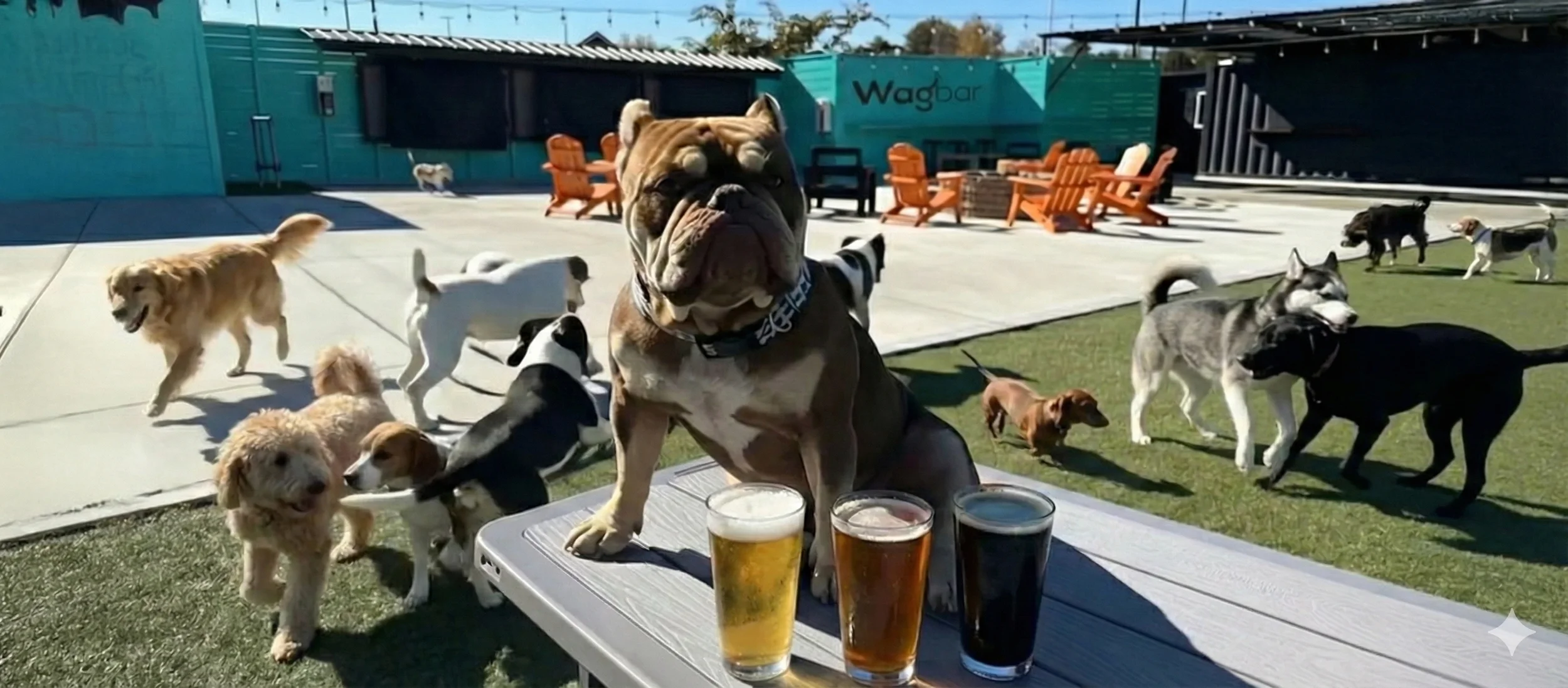
For prospective pet owners, KHS offers opportunities to find perfect companions while supporting ethical animal welfare. The adoption process ensures good matches, setting up relationships for success. Post-adoption support and resources help new pet owners navigate challenges and celebrate joys of pet ownership. When those new pets need socialization and exercise, venues like Wagbar Knoxville provide safe environments for dogs to play and owners to connect with fellow pet lovers.
The Knoxville Humane Society envisions a community where every pet has a loving home and every pet owner has resources to provide excellent care. While this vision remains aspirational, KHS works daily toward making it reality through comprehensive programs addressing animal welfare from multiple angles. Community support makes this work possible, ensuring East Tennessee's animals receive the care and compassion they deserve.
Frequently Asked Questions
What are the Knoxville Humane Society adoption hours?
The Knoxville Humane Society adoption center is open Tuesday through Friday from 12:00 PM to 6:00 PM, and Saturday from 12:00 PM to 5:00 PM. The facility is closed Sunday and Monday. During these hours, visitors can view available animals, submit adoption applications, and meet potential pets. Appointments are not required for adoption visits.
How much does it cost to adopt a dog from Knoxville Humane Society?
Dog adoption fees at KHS range from $125 to $250 depending on age and medical history. These fees include spay/neuter surgery, age-appropriate vaccinations, microchipping with registration, initial veterinary examination, and deworming. Special promotions occasionally reduce or waive fees for senior animals or long-term residents.
Does Knoxville Humane Society accept owner surrenders?
Yes, KHS accepts owner surrender appointments when space permits. Owners must call ahead to schedule surrender appointments as walk-in surrenders are not accepted. Surrender fees of $50 help offset care costs. The organization recommends exploring alternatives including training resources and rehoming assistance before surrendering pets.
What vaccinations does KHS require for adoption?
All adopted dogs receive age-appropriate core vaccinations including rabies and distemper/parvo combination vaccines before going home. Puppies receive initial puppy vaccines with adopters responsible for completing booster series through their veterinarians. All animals are tested and treated for parasites before adoption.
Can I volunteer at Knoxville Humane Society if I'm under 18?
Volunteers must be at least 16 years old to work directly with animals. Youth under 16 can participate in supervised group volunteer activities, fundraising events, and administrative tasks. Volunteer orientations explain age-appropriate roles and all minors require parental consent to volunteer.
Does KHS offer low-cost spay and neuter for cats?
Yes, the Spay Today clinic performs cat spay/neuter surgeries starting at $40. This includes the surgery, pain medication, and required rabies vaccination if not current. Surgeries happen Tuesday through Friday by appointment only. Financial assistance may be available for qualified low-income households.
What should I bring when adopting from Knoxville Humane Society?
Bring a valid photo ID with current address for all adult household members. If renting, bring landlord contact information or lease documents showing pet permission. For dog adoptions, bring any current pets for meet-and-greet if required. A secure collar and leash are needed to take dogs home.
How can I donate to Knoxville Humane Society?

Donations can be made online through the KHS website, by mail to 6717 Deane Hill Drive, Knoxville TN 37919, or in person at the facility. Tax-deductible donations support shelter operations, medical care, and community programs. The website maintains current wish lists of needed supplies for those preferring in-kind donations.
Does Knoxville Humane Society take stray animals?
KHS accepts stray animals when space allows, though Knox County Animal Control handles primary stray intake for the county. If you find a stray, contact Animal Control at (865) 215-6599 during business hours or after-hours emergency service. KHS can often accept strays after appropriate holding periods.
What is the Knoxville Humane Society Sanctuary program?
The Sanctuary program houses animals requiring extended care before adoption due to medical conditions, behavioral needs, or difficulty finding appropriate homes. Sanctuary animals receive specialized attention, enrichment, training, and medical treatment for as long as needed. The program ensures no healthy, adoptable animal faces time limits.
Bottom TLDR: The Knoxville Humane Society serves East Tennessee through adoption services, affordable veterinary care via the Spay Today clinic, low-cost vaccine clinics, emergency pet food assistance, and extensive volunteer programs supporting the region's animal welfare needs. With adoption fees of $125-$250 including all medical care and a no-time-limit Sanctuary for animals needing extended care, KHS helps thousands of animals annually while providing community education and support. Visit the adoption center Tuesday-Saturday at 6717 Deane Hill Drive or explore volunteer and foster opportunities to support Knoxville's animals.