
Knoxville Dog Parks in Winter: Cold Weather Guide & Indoor Alternatives

Top TLDR: Knoxville dog parks face winter challenges including mud, cold, and drainage issues that vary significantly by location and your dog's breed tolerance. While outdoor parks like PetSafe Village and Farragut offer better drainage, climate-controlled alternatives like Wagbar Knoxville eliminate weather concerns entirely with year-round comfortable conditions. Visit outdoor parks mid-afternoon when conditions are driest, protect your dog's paws, and know your breed's cold limits to ensure safe winter play.
Winter in Knoxville brings a unique set of challenges for dog owners who want to keep their pups active and socialized. While Tennessee winters are generally milder than northern states, temperatures can still drop into the 20s and 30s, with occasional snow and ice creating hazardous conditions at outdoor dog parks. Understanding how to navigate these seasonal changes ensures your dog stays healthy, happy, and engaged throughout the colder months.
The good news is that Knoxville offers several dog-friendly options, from traditional outdoor parks to innovative climate-controlled spaces. This guide explores the winter conditions at major Knoxville dog parks, breed-specific cold tolerance, strategies for managing muddy situations, and why Wagbar Knoxville is revolutionizing year-round dog recreation in East Tennessee.
Understanding Knoxville's Winter Weather Impact on Dog Parks
Knoxville experiences what meteorologists call a humid subtropical climate, with winter temperatures averaging between 30°F and 50°F from December through February (National Weather Service). While this is considerably warmer than northern cities, the combination of dampness, occasional ice, and temperature fluctuations creates specific challenges for outdoor dog parks.
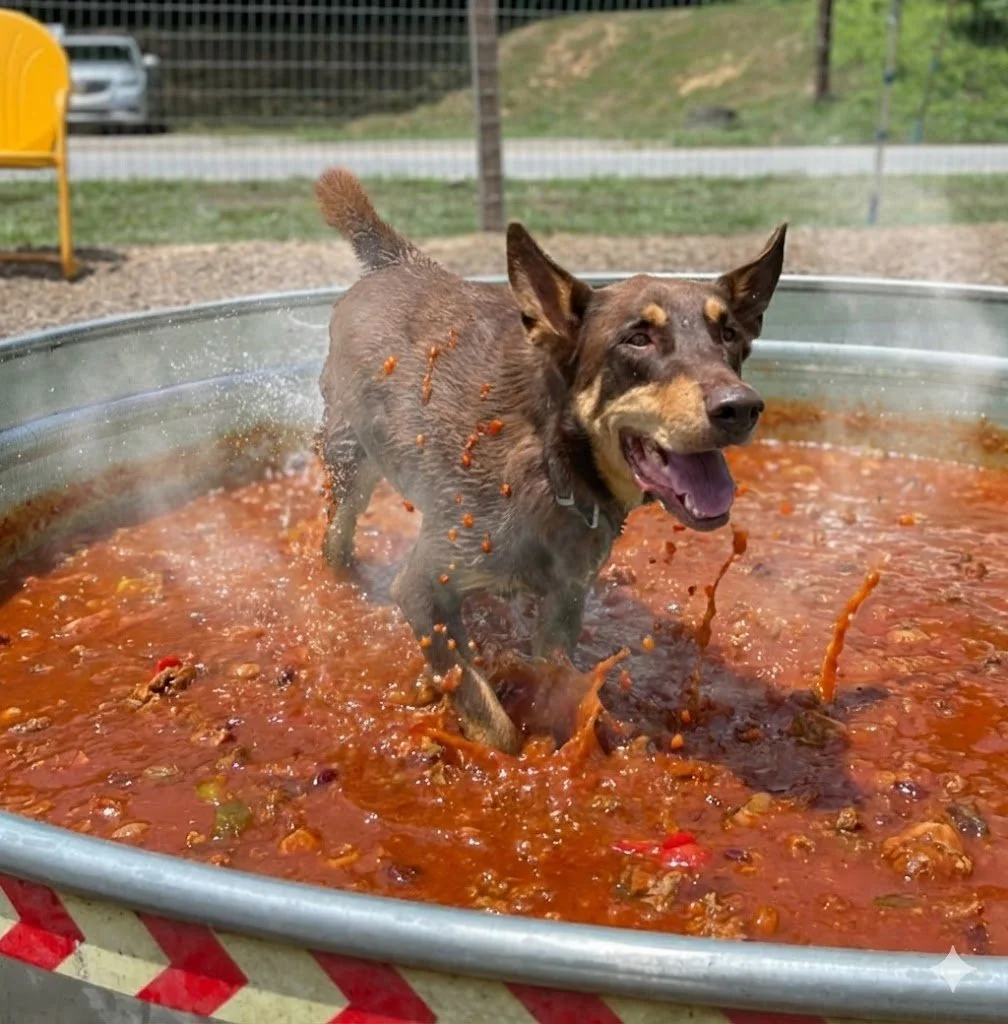
The biggest issue isn't necessarily the cold itself—it's the mud. East Tennessee's clay-heavy soil retains moisture, and winter precipitation combined with frequent freeze-thaw cycles turns many dog parks into muddy messes. When temperatures hover around freezing, parks experience their worst conditions: icy patches in shaded areas, mud everywhere else, and poor drainage that leaves standing water for days after rainfall.
Winter Conditions at Major Knoxville Dog Parks
Victor Ashe Park Dog Park remains one of Knoxville's most popular off-leash areas, featuring separate sections for large and small dogs across approximately one acre. During winter months, the park's gravel and grass surface becomes problematic. The northern section, which receives less direct sunlight, often stays muddy well into late morning even after several dry days. The park's location near the lake means it faces additional moisture issues, with morning fog creating damp conditions that persist throughout the day.
Concord Dog Park on Ebenezer Road offers better winter drainage thanks to its elevated position and crushed gravel surface. However, the trade-off is less grass coverage, which some dogs prefer. The park's open design means strong winter winds can make it feel significantly colder than the actual temperature. On days when Knoxville experiences wind chills in the low 20 s, this park becomes uncomfortable for both dogs and owners.
Tommy Schumpert Dog Park in West Knoxville features excellent fencing and amenities, but its relatively flat terrain creates drainage problems during wet winters. After significant rainfall, portions of the park can remain unusable for 24-48 hours. The park's mature tree coverage provides some shelter from precipitation, but shaded areas stay muddy longer due to limited sun exposure.
Lakeshore Park Dog Park benefits from its lakeside location with generally good drainage, but winter brings a new challenge: waterfowl. Canadian geese overwinter in the area, leaving droppings that can pose health risks to dogs. The park's proximity to the water also means higher humidity and dampness during winter months, even on days without precipitation.

Breed-Specific Cold Tolerance: Know Your Dog's Limits
Not all dogs experience cold weather the same way, and understanding your dog's breed-specific tolerance is crucial for safe winter park visits. Double-coated breeds like Siberian Huskies, Alaskan Malamutes, and Bernese Mountain Dogs thrive in cold weather, often becoming more energetic as temperatures drop. These dogs can comfortably play outdoors in temperatures well below freezing, and at Wagbar, we regularly see huskies who practically beg to stay outside even longer during winter months.
Short-haired breeds face different challenges. Greyhounds, Whippets, Pit Bulls, and Boxers have minimal body fat and thin coats, making them vulnerable to hypothermia in temperatures below 40°F. The American Kennel Club recommends limiting outdoor exposure for these breeds to 15-20 minutes when temperatures drop below freezing, especially if there's wind or precipitation (AKC, 2024).
Small breeds like Chihuahuas, Yorkshire Terriers, and Toy Poodles lose body heat rapidly due to their higher surface-area-to-volume ratio. Small dog breeds require extra protection in cold weather, including sweaters or coats for outdoor activities. These breeds often do best with shorter winter park visits or indoor alternatives where temperature control eliminates cold-related stress.
Brachycephalic breeds (flat-faced dogs) like Bulldogs, Pugs, and French Bulldogs face a double challenge in winter. Their compromised respiratory systems make breathing cold air more difficult, while their compact body structure provides less insulation. These breeds benefit significantly from climate-controlled environments where they can play comfortably regardless of outdoor temperatures.
Senior dogs and those with arthritis experience increased joint pain and stiffness in cold weather. Cold temperatures cause muscles and connective tissue to contract, reducing flexibility and increasing discomfort. If your older dog seems reluctant to play at outdoor parks during winter, they're likely experiencing cold-related pain. Indoor, climate-controlled spaces allow these dogs to maintain their activity levels without the added stress of temperature extremes.
Managing Muddy Park Conditions: Practical Strategies
Mud is the inevitable companion of winter dog park visits in Knoxville. Smart preparation can minimize the mess and keep both you and your dog comfortable.
Timing Your Visit makes a huge difference. Parks dry out significantly by mid-afternoon on sunny winter days, even after morning frost or dew. Visiting between 1-3 PM gives the sun time to work its magic on muddy patches. Conversely, early morning visits often mean encountering the worst conditions, especially in shaded areas that haven't seen direct sunlight.
Paw Protection serves multiple purposes in winter. Wax-based paw protectants create a barrier against mud, salt, and ice, making cleanup easier while protecting against chemical irritants. Products like Musher's Secret or Paw Nectar should be applied 10-15 minutes before park visits to allow proper absorption. For dogs who tolerate them, dog boots provide complete protection from mud and cold surfaces.
Post-Park Cleanup becomes a routine necessity during muddy season. Keep a dedicated "park towel" in your car along with waterless dog shampoo or grooming wipes. Focus first on drying and cleaning paws, then move to the belly and legs where mud accumulates. A portable water bottle with a spray attachment helps rinse mud before it dries and becomes harder to remove.
Protective Clothing isn't just about warmth. Full-coverage dog coats or bodysuits protect your dog's fur from mud, dramatically reducing cleanup time. Look for waterproof materials with easy-clean surfaces. The investment in a good quality dog coat pays off in reduced bathing frequency and shorter post-park cleanup sessions.
Best Winter Parks with Superior Drainage
Some Knoxville-area parks handle winter weather better than others, thanks to superior drainage systems and strategic location choices.
PetSafe Village Dog Park at Fountain City stands out for its exceptional drainage. The park's design incorporates multiple drain systems, crushed stone base layers, and strategic grading that channels water away from play areas. Even after heavy rainfall, this park typically returns to usable condition within hours rather than days. The park's rubber surface in high-traffic areas prevents mud formation while providing excellent traction for dogs.
Farragut Dog Park benefits from its location on elevated, well-draining soil. The park's mix of gravel and grass handles precipitation better than purely grass-covered parks. Winter visits here reveal fewer muddy patches compared to other area parks, though the exposed hilltop location means stronger winds that can make cold days feel even colder.
New Harvest Park Dog Park in West Knoxville features modern drainage infrastructure installed during its recent renovation. The park includes a sophisticated drainage system beneath its surface that quickly moves water away from play areas. Dog owners report this park being usable year-round with minimal muddy periods, even during wet winters.
However, even the best-drained outdoor parks can't compete with climate-controlled indoor options when winter weather turns severe. Ice, snow, and temperatures in the 20s create safety concerns beyond just mud and moisture.
Wagbar's Year-Round Climate Control Advantage
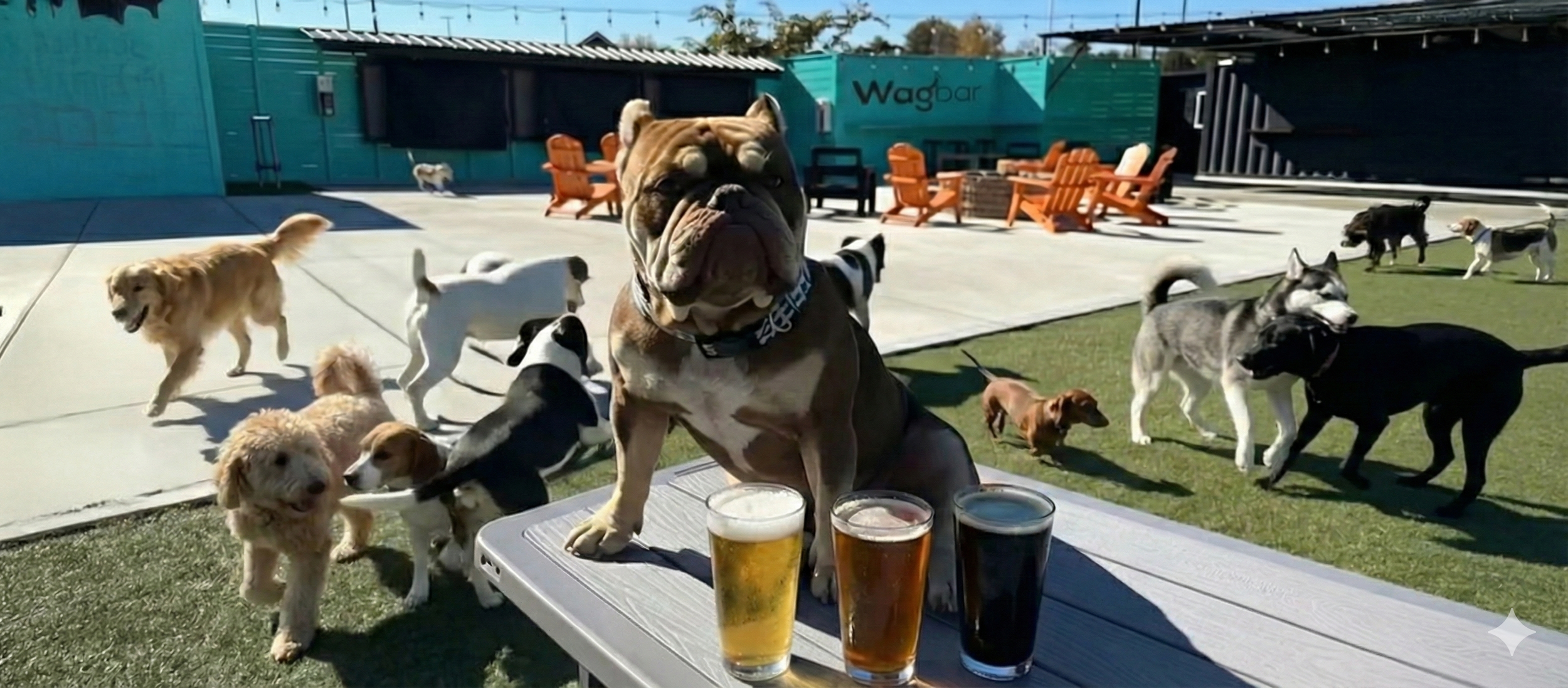
While traditional outdoor dog parks struggle with winter weather, Wagbar Knoxville offers a revolutionary alternative that eliminates seasonal limitations entirely. Opening in October 2025 at the former Creekside Knox location, Wagbar brings climate-controlled, off-leash dog park experiences to East Tennessee.
Consistent Comfort Year-Round means your dog plays in optimal temperatures whether it's 25°F or 95°F outside. The climate-controlled environment maintains comfortable conditions for dogs and owners alike, eliminating concerns about cold tolerance, heat exhaustion, or weather-related cancellations. Your Golden Retriever and your Greyhound can play together comfortably regardless of outdoor conditions.
No Mud, Ever might be the single biggest advantage for winter dog park visitors. Wagbar's indoor design means completely dry, clean surfaces every single visit. No more post-park baths, muddy car interiors, or choosing between your dog's exercise needs and your sanity during muddy season.
Safe Socialization Continues even during weather that would close outdoor parks. Ice storms, snow, or extreme cold won't interrupt your dog's important social development and exercise routine. Consistent socialization throughout winter helps prevent behavioral issues that can develop when dogs spend too much time isolated indoors during cold months.
Enhanced Safety Features go beyond just climate control. Wagbar's trained staff monitor dog interactions continuously, intervening at the first sign of concerning behavior. The controlled environment eliminates hazards like ice patches, frozen water bowls, and poor visibility during winter weather. Dog park safety reaches new levels when environmental factors are controlled and professional staff maintain vigilant supervision.
Community Building Thrives in comfortable environments. When owners aren't huddled against the cold or managing mud-covered dogs, they actually enjoy their time at the park. Wagbar creates a social atmosphere where both dogs and their people form meaningful connections. The bar area gives owners a comfortable place to relax and socialize while maintaining full visibility of their dogs at play.
Year-Round Consistency helps establish healthy routines. Dogs thrive on routine, and work-life balance with dogs becomes easier when weather doesn't dictate park availability. Wagbar's membership options encourage regular visits, supporting your dog's physical and mental health throughout all seasons.
Special Winter Considerations for Different Dog Types
High-Energy Breeds like Border Collies and Australian Shepherds need consistent exercise regardless of weather. These dogs can develop destructive behaviors when their activity levels drop during winter months. Climate-controlled environments allow these breeds to maintain their exercise routines without the complications of outdoor winter conditions.
Reactive Dogs often struggle more in outdoor winter parks due to limited visibility from fog, early darkness, and owners bundled in heavy coats that restrict movement. Indoor facilities provide better lighting and visibility, helping both dogs and owners read body language more accurately and respond to potential issues earlier.
Puppies benefit enormously from climate-controlled socialization spaces. The critical puppy socialization window doesn't pause for winter weather, and missing these crucial early months can lead to lifelong behavioral challenges. Year-round access to safe socialization experiences helps puppies develop into well-adjusted adult dogs.
Multi-Dog Households face particular challenges with winter outdoor parks. When you have dogs with different cold tolerances—perhaps a husky who wants to stay out for hours and a greyhound who's shivering after ten minutes—outdoor parks require compromises that leave someone unhappy. Climate-controlled facilities eliminate this conflict, allowing all your dogs to play comfortably together.
Winter Health and Safety Tips
Beyond choosing the right park, winter dog park visits require specific health and safety awareness.
Hypothermia Warning Signs include shivering, lethargy, shallow breathing, and muscle stiffness. If your dog shows these symptoms, immediately move to a warm location, dry them thoroughly, and contact your veterinarian. Small dogs, short-haired breeds, and seniors are most vulnerable.
Frostbite Prevention focuses on extremities: ears, tail, and especially paws. Check paw pads regularly during winter park visits, looking for ice accumulation between toes. Ice balls can cut paw pads and cause frostbite. If your dog starts limping or holding up paws, it's time to head inside.
Dehydration Risk actually increases in winter because dogs may drink less when water is cold, and dry winter air increases moisture loss through breathing. Ensure your dog drinks before and after park visits. At outdoor parks, check that water sources aren't frozen before heading out.
Salt and De-Icer Exposure can irritate paws and cause serious illness if ingested through paw licking. Rinse paws thoroughly after any winter outing, paying special attention between toe pads where chemicals can accumulate.
FAQ: Knoxville Dog Parks in Winter
Q: What temperature is too cold for dog park visits? A: This varies significantly by breed. Double-coated breeds handle temperatures well below freezing, while short-haired and small breeds should limit outdoor exposure when temperatures drop below 40°F. Wind chill and precipitation make conditions feel colder than the actual temperature suggests. Watch for shivering, reluctance to move, or seeking shelter as signs your dog is too cold.
Q: How do I know if my dog has frostbite? A: Frostbite typically affects extremities first: ear tips, tail, and paw pads. Affected skin may appear pale, gray, or bluish. As the area warms, it may become red and swollen. If you suspect frostbite, warm the area gradually with lukewarm (not hot) water and contact your veterinarian immediately. Never rub frostbitten areas, as this can cause additional tissue damage.
Q: Should I put a coat on my dog for winter park visits? A: Most double-coated breeds don't need coats unless temperatures drop below 20°F or they're wet. Short-haired breeds, small dogs, and seniors benefit from coats when temperatures fall below 45°F. Choose coats that cover the chest and belly while allowing full range of motion for play. Waterproof materials help in wet winter conditions.
Q: How can I keep my dog exercised when outdoor parks are too cold or muddy? A: Indoor alternatives like Wagbar Knoxville provide climate-controlled off-leash play regardless of weather. Additionally, indoor fetch games, puzzle toys, training sessions, and nose work games provide mental and physical stimulation. Treadmill training can supplement outdoor exercise during extreme weather periods.
Q: What are the best times to visit outdoor dog parks in winter? A: Mid-afternoon visits (1-3 PM) typically offer the best conditions as sunshine has dried morning dew and warmed surfaces. Mornings often feature frost, ice in shaded areas, and maximum mud. Avoid visiting during or immediately after precipitation—wait at least 12-24 hours for parks to drain and dry.
Q: Do all Knoxville dog parks close in bad weather? A: Most outdoor dog parks technically remain open during winter weather, but conditions may be unsafe or unusable. Individual owners must assess whether conditions suit their dog's needs. Wagbar's climate-controlled environment operates year-round regardless of outdoor weather conditions, providing consistent access to safe off-leash play.
Q: How do I clean my dog after a muddy winter park visit? A: Keep supplies in your car: absorbent towels, waterless shampoo, grooming wipes, and a portable water spray bottle. Start with paws, cleaning between toes thoroughly. Work up legs and belly, removing mud before it dries. Consider using a grooming table or plastic kiddie pool in your garage as a dedicated cleaning station. Some self-service dog washes in Knoxville offer winter specials for muddy-season cleanups.
Q: Are heated dog parks available in Knoxville? A: Traditional outdoor dog parks aren't heated, but Wagbar Knoxville offers fully climate-controlled indoor space where temperature is maintained at comfortable levels year-round. This controlled environment eliminates all weather-related concerns while providing the same off-leash socialization benefits as outdoor parks.
Q: What breeds handle Knoxville winters best at outdoor parks? A: Double-coated breeds excel in cold weather: Siberian Huskies, Alaskan Malamutes, Bernese Mountain Dogs, and Newfoundlands. These breeds often become more energetic in cold weather. Herding breeds like Australian Shepherds and German Shepherds also tolerate cold well. However, all dogs benefit from watching for signs of discomfort regardless of breed.
Q: Should I change my dog's diet in winter if we visit parks regularly? A: Dogs who remain active throughout winter may need slightly increased calories to maintain body heat, though Knoxville's moderate winters rarely require significant dietary changes. More important is ensuring adequate hydration, as dogs may drink less in cold weather. Consult your veterinarian about your specific dog's nutritional needs, especially if activity levels change seasonally.
Making the Right Choice for Your Dog This Winter
Winter doesn't have to mean the end of off-leash fun for Knoxville dogs. Understanding the unique challenges of East Tennessee's winter weather helps you make informed decisions about when and where to take your dog for exercise and socialization.
Traditional outdoor parks offer valuable experiences, and with proper planning around weather conditions, drainage quality, and your dog's cold tolerance, they remain viable options throughout most of the winter. Timing visits for optimal conditions, providing appropriate protective gear, and maintaining realistic expectations about mud and moisture help outdoor parks work for winter recreation.
However, the emergence of climate-controlled alternatives like Wagbar Knoxville fundamentally changes the equation. When temperature, precipitation, and mud no longer dictate whether your dog can play off-leash and socialize, you gain consistency and reliability that outdoor parks simply cannot match during winter months. Your dog's physical exercise, mental stimulation, and social development continue uninterrupted regardless of what's happening outside.
For many Knoxville dog owners, the ideal approach combines both options. Use outdoor parks on beautiful winter days when conditions are favorable and your dog's breed handles cold well. On those muddy, icy, or uncomfortably cold days that make outdoor parks problematic, climate-controlled facilities ensure your dog's needs are still met without compromise.
The bottom line is simple: Knoxville's winter weather shouldn't limit your dog's quality of life. Whether you choose traditional outdoor parks on good weather days, invest in climate-controlled alternatives, or combine both approaches, making informed decisions based on your specific dog's needs ensures they stay happy, healthy, and socially engaged all winter long.
Bottom TLDR: Knoxville dog parks in winter require strategic planning around breed tolerance, drainage quality, and weather timing to ensure safe play. Climate-controlled facilities like Wagbar Knoxville solve seasonal limitations by providing consistent off-leash socialization regardless of outdoor temperatures, mud, or ice. For optimal winter dog care, combine outdoor visits on favorable days with climate-controlled alternatives during extreme weather to maintain your dog's exercise routine year-round.