
Knoxville Dog Owner Community: Events, Meetups & More

Welcome to Knoxville's Pack
If you've ever felt that slight nod of recognition when passing another dog owner on a trail, or found yourself in a 20-minute conversation with a stranger because your dogs started playing at the brewery—you already understand what makes Knoxville's dog community special. This isn't about formal organizations or membership requirements. It's about the spontaneous friendships that form when your Husky befriends someone's Golden Retriever, or the regular Saturday morning crew who all show up at the same dog park without planning it.
This community hub exists to help you find your people—and your dog's people. Whether you're brand new to Knoxville with a puppy who needs socialization, you've lived here for years but want to expand your dog-loving social circle, or you're somewhere in between, this is where Knoxville's dog owners connect, share experiences, and build the kind of friendships that start with "our dogs play well together" and evolve into genuine human connections.
Understanding Knoxville's Dog Community Culture
How Community Happens Here
Knoxville's dog community doesn't follow the formal structure you might find in larger cities with established dog clubs and rigid membership systems. Instead, community here grows organically through repeated interactions at the places dog owners naturally gather—parks, breweries, neighborhood sidewalks, hiking trails.
This informal structure has advantages. There's no membership fee, no meeting you have to attend, no obligation beyond showing up when you want to. But it also means you have to put yourself out there slightly more than in structured environments where introductions happen automatically. The good news? Dog owners as a group tend toward friendliness, and dogs themselves serve as natural conversation starters and social lubricants.
The pet industry continues growing nationally, and that growth reflects locally in Knoxville through increasing numbers of dog-focused businesses, events, and gathering spaces. This expansion creates more opportunities for community connection, but those opportunities still require individuals willing to participate and engage.
What Makes Knoxville's Dog Scene Different
Knoxville occupies a sweet spot between urban amenities and outdoor access that shapes how dog community develops here. You're not dealing with the intense dog park politics of major metropolitan areas where space scarcity creates tension and competition. But you're also not in a rural setting where dog ownership is purely private and community barely exists beyond occasional veterinary office encounters.
The city's size means you'll likely see familiar faces regularly at popular dog destinations without the overwhelming anonymity of larger cities. This creates natural opportunities for relationships to develop through repeated exposure rather than one-time interactions that never progress beyond initial introductions.
Knoxville's cultural emphasis on southern hospitality translates into genuine friendliness toward newcomers. People here generally want to welcome you and your dog into existing social circles rather than maintaining exclusive cliques. That doesn't mean every interaction leads to lasting friendship, but it does mean the baseline assumption is inclusion rather than exclusion.

Monthly Community Calendar: What's Happening
Regular Weekly Events
Tuesday Trivia Nights Various Knoxville breweries host trivia nights where dogs are welcome on outdoor patios. These weekly events create consistent opportunities to see familiar faces and build community through regular participation. Some trivia nights develop their own social dynamics with regular attendee groups who welcome newcomers joining their teams.
Wednesday Evening Dog Park Gatherings While dog parks operate daily, certain times develop regular attendee groups who show up consistently. Wednesday evenings at Fountain City Dog Park, for example, often draw a consistent crew of dog owners whose dogs know each other well. These informal but regular gatherings create community through shared routines rather than planned events.
Saturday Morning Farmers Market The Market Square Farmers Market welcomes leashed dogs every Saturday morning during market season. The combination of vendor browsing, coffee availability, and dog-watching creates a relaxed social atmosphere where conversations happen naturally. Regular market attendees often recognize each other week to week, developing casual friendships around shared Saturday morning routines.
Sunday Afternoon Hiking Groups Several informal hiking groups organize through social media, planning Sunday afternoon hikes at various trails near Knoxville. Dogs are always included, and the groups welcome newcomers without requiring formal membership or regular attendance commitments. These outings provide structured social interaction for both humans and dogs in beautiful natural settings.
Monthly Breed Meetups
Breed-specific meetups happen regularly throughout Knoxville, organized through social media groups and breed-specific organizations. These gatherings allow owners to connect with others who understand their breed's particular quirks, energy levels, and challenges.
Herding Breed Meetups Border Collies, Australian Shepherds, and other herding breeds share similar energy levels and play styles. Monthly herding breed meetups provide appropriate playmates and allow owners to discuss training strategies, exercise needs, and the particular joys and challenges of living with dogs bred for intense work.
Small Breed Social Hours Small breed meetups create safer environments for dogs who may feel overwhelmed in mixed-size group settings. These gatherings acknowledge that small dog breeds have different needs and play styles than larger breeds, providing appropriate socialization opportunities without the risk of accidental injuries from size mismatches.
Bully Breed Gatherings Pit Bulls, American Bulldogs, and related breeds face unique challenges due to breed-specific legislation and public perception. Monthly bully breed meetups provide supportive community for owners navigating these challenges while allowing their dogs to socialize in judgment-free environments.
Doodle and Poodle Meetups The explosion in Doodle popularity (Goldendoodles, Labradoodles, Bernedoodles, etc.) has created substantial demand for Doodle-specific gatherings. These meetups attract owners who appreciate their dogs' particular combination of intelligence, energy, and often challenging grooming needs.
Hound Group Hangouts Beagles, Basset Hounds, and other scent hounds share similar tendencies—nose-driven behavior, vocal communication, and strong prey drive. Monthly hound meetups allow these dogs to follow scent trails together while owners compare notes on managing hound-specific challenges.
Seasonal Events and Festivals
Spring Dogwood Festival Activities Knoxville's Dogwood Festival brings increased outdoor activity and dog-friendly events throughout the city. While not all festival events welcome dogs, the general increase in outdoor gatherings creates more opportunities for dog owners to participate in community celebrations with their pets.
Summer Concert Series Various outdoor concert series throughout Knoxville welcome leashed dogs. These weekly events during summer months provide entertainment for humans while creating social opportunities with other dog-owning concert attendees. The relaxed atmosphere and consistent schedules help relationships develop across multiple weeks.
Fall Festival Season Knoxville's neighborhoods host numerous fall festivals where dogs are often welcome. These events combine community celebration with dog socialization opportunities, and the comfortable fall weather makes them genuinely enjoyable for dogs rather than tests of heat tolerance.
Holiday Events and Gatherings December brings various holiday-themed events where dogs are included—Santa photos with pets, holiday market shopping, winter festivals. These seasonal celebrations create memorable experiences while connecting dog owners through shared holiday activities.
Special Interest Events
Canine Fitness Classes Several facilities offer outdoor fitness classes designed for dogs and their owners—activities like doga (dog yoga), running groups, agility courses, and conditioning programs. These classes serve dual purposes: improving fitness for both species while building community among participants who share similar activity interests.
Training Workshops and Seminars Local trainers regularly host workshops on specific topics—recall training, reactive dog management, puppy socialization strategies, basic obedience. These educational events attract owners committed to training while creating networks of people who take dog ownership seriously.
Fundraising Events for Rescue Organizations Knox County's various dog rescue organizations host regular fundraising events—dog walks, adoption events, awareness campaigns. Participating supports important causes while connecting with others who value animal welfare and rescue work.
Photography Sessions and Contests Professional photographers occasionally offer outdoor photo sessions for dogs, and various organizations host photo contests. These events combine creative expression with community participation, and the resulting photos document the strong bonds within Knoxville's dog community.
Wagbar Knoxville: Your New Community Headquarters

Opening October 2025
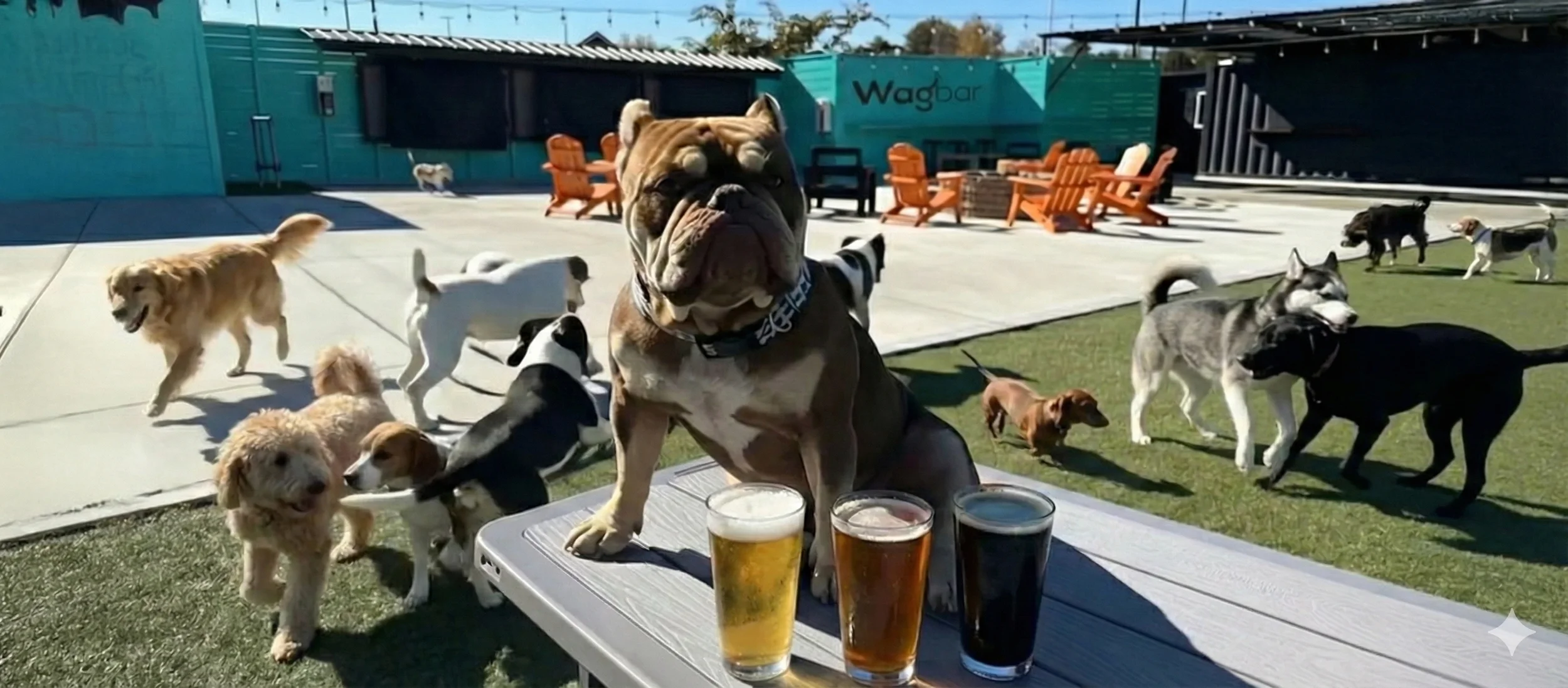
When Wagbar Knoxville opens its doors in October 2025 at the former Creekside Knox location, it will immediately become a central gathering place for the dog owner community. This isn't just another dog park—it's a reimagining of how dog owners can spend time with their dogs and with each other.
The concept is straightforward but transformative: a professionally managed off-leash dog park combined with a bar where owners can relax, socialize, and genuinely enjoy watching their dogs play in a safe, supervised environment. No more standing in parking lots at traditional dog parks. No more leaving your dog at daycare while you do something else. Instead, you and your dog experience this together—your dog gets the off-leash play and socialization they need, and you get the social connection and relaxation you deserve.
What Makes Wagbar Community Different
Traditional dog parks create community through proximity—you're there at the same time as other people, so you talk. Sometimes those conversations develop into friendships, but often they remain superficial exchanges that never progress beyond "what breed is your dog?"
Wagbar's design intentionally facilitates deeper community connections. The bar setup means people settle in rather than hovering near exits ready to leave. Comfortable seating encourages actual conversation rather than distracted monitoring of dogs with one eye while checking phones with the other. And the supervised environment means you can relax enough to genuinely engage with other people rather than maintaining constant vigilance about potential problems.
The business model itself creates better community dynamics. Because everyone has made an intentional decision to be there (rather than defaulting to free public dog parks), you're surrounded by people who value quality experiences for their dogs and themselves. The vaccination and temperament requirements mean every dog meets baseline standards for safe socialization. And the staff training in canine behavior and communication ensures play remains appropriate and safe for all dogs regardless of size, age, or play style.
Planned Events and Programming
Wagbar Knoxville will host regular events designed to build community while providing value beyond basic off-leash play access:
Breed-Specific Meetups Monthly gatherings for specific breeds or breed groups, providing focused socialization with appropriate playmates and allowing owners to connect with others who understand their particular breed's characteristics and needs.
Training Workshops Regular workshops on topics ranging from basic obedience to specialized skills like recall training or reactive dog management, conducted by qualified trainers in controlled environments where dogs can practice new skills safely.
Themed Social Nights Regular themed events—costume contests, birthday parties, holiday celebrations—that combine fun with community building, creating memorable experiences that strengthen bonds among regular attendees.
New Member Orientations Structured introduction events for new members, explaining facility expectations while helping newcomers connect with existing community members who can serve as informal guides and welcoming faces.
Community Service Projects Partnership events with local rescue organizations, allowing Wagbar's community to contribute to broader animal welfare while working together on meaningful projects beyond pure social gathering.
Building Your Wagbar Community
Wagbar's opening represents an opportunity for you to help shape what the Knoxville dog owner community becomes. Early adopters and regular attendees will influence the culture, create the traditions, and set the tone for welcoming future members.
This matters because community culture isn't predetermined—it's created by participants. If early community members prioritize inclusivity, kindness, and genuine connection, those values become embedded in the culture. If regular attendees welcome newcomers rather than forming exclusive cliques, the community remains accessible and vibrant rather than stagnating into closed social circles.
Your participation shapes what Wagbar becomes for everyone who follows. Show up regularly. Introduce yourself to people you don't recognize. Help newcomers learn the ropes. Model the behavior you want to see. And watch as a community develops around shared love for dogs and appreciation for spaces designed around their needs and ours.
Finding Your People: Navigating Social Dynamics
Starting Conversations
Many people feel awkward initiating conversations with strangers, even when those strangers share obvious common interests (dogs). A few strategies make these initial interactions easier and more natural.

Lead with Questions About Their Dog People love talking about their dogs. Asking about breed, age, name, or personality opens conversations naturally without feeling forced or intrusive. Most dog owners will happily discuss their dogs at length, and those conversations often evolve into broader topics beyond canine subjects.
Share Observations About Dog Play Commenting on something specific you noticed about someone's dog—a particular play style, impressive recall, interesting interaction—demonstrates genuine attention and provides specific conversation fodder beyond generic compliments.
Ask for Recommendations Requesting suggestions for veterinarians, groomers, trainers, or dog-friendly destinations positions the other person as knowledgeable while creating natural opportunities for extended conversation about shared interests and experiences.
Offer Help When Appropriate If you notice someone struggling—dog tangled in leash, carrying too many things, dealing with reactive behavior—offering assistance creates positive interactions and demonstrates community-minded attitudes that strengthen overall social bonds.
Reading Social Cues
Not everyone visiting dog parks or dog-friendly spaces wants extensive social interaction. Some people use these times for personal decompression, preferring to watch their dogs play without managing human conversation simultaneously.
Recognizing when someone welcomes interaction versus preferring solitude prevents awkward exchanges and respects individual preferences:
Signs Someone Wants to Talk
Makes eye contact and smiles
Positions themselves near other people rather than isolating in corners
Offers comments or observations unprompted
Asks questions or responds with more than minimal answers
Stays in conversation areas rather than immediately moving to isolated spots
Signs Someone Prefers Privacy
Avoids eye contact or gives brief, polite nods without engaging further
Wears headphones (universal signal for "not interested in conversation")
Responds to questions with minimal answers without reciprocating
Physically positions themselves away from groups
Focuses exclusively on phone or their own dog without looking around
Respecting these preferences builds positive community culture where everyone feels comfortable rather than pressured into unwanted social interaction.
Managing Conflict Productively
Dog-related community inevitably includes occasional conflicts—disagreements about play style appropriateness, different training philosophies, incidents between dogs. How community members handle these conflicts significantly affects whether the community remains positive or becomes toxic.
Address Issues Directly But Respectfully If another person's dog or behavior concerns you, address it directly with that individual rather than complaining to others. Direct communication resolves problems faster and prevents gossip dynamics that poison community culture.
Assume Good Intentions Most conflicts arise from different knowledge levels or perspectives rather than malicious intent. Approaching disagreements with assumption of good faith makes productive conversation possible rather than immediately becoming defensive or accusatory.
Involve Management When Necessary At managed facilities like Wagbar, staff exist to handle conflicts and enforce policies. Allowing trained professionals to address serious issues prevents escalation and ensures fair, consistent application of rules rather than vigilante justice based on social dynamics.
Learn from Disagreements Conflicts often reveal different perspectives worth considering. Being willing to hear other viewpoints and adjust your understanding demonstrates maturity and contributes to community that values growth over rigid adherence to initial positions.
Spotlight Series: Knoxville Dog Owners and Their Stories
Meet Sarah and Murphy: The Goldendoodle Who Changed Everything
Sarah moved to Knoxville three years ago knowing no one except her new employer. Murphy, her energetic Goldendoodle, became her social catalyst in ways she never expected.
"I adopted Murphy six months after moving here," Sarah explains. "I was lonely, honestly. I thought getting a dog would give me companionship, which it did. But I didn't realize Murphy would also give me an entire social network."
Murphy's high energy requirements meant daily trips to dog parks, and those trips introduced Sarah to other dog owners who became genuine friends. "There's this group of us who all show up at Fountain City Dog Park Saturday mornings. We've been doing it for over two years now. We've celebrated birthdays together, helped each other through job changes and breakups, and honestly, I can't imagine my Knoxville life without these people I met because our dogs played together."
Favorite Knoxville Activities:
Saturday morning dog park meetups
Hiking House Mountain on cool weekend mornings
Brewery hopping in the Old City
Summer swimming at Melton Hill Lake
What Sarah's Most Excited About Regarding Wagbar: "The supervised environment is huge. At regular dog parks, I'm always slightly on edge, watching to make sure Murphy's play stays appropriate and other dogs aren't getting too rough. The idea of trained staff managing interactions while I actually relax with a drink sounds incredible. Plus, the bar setup means I can have real conversations with people instead of those distracted half-conversations that happen when you're mostly focused on your dog."
Meet James and Stella: Urban Living with a Rescue Pit Bull
James adopted Stella from a local rescue two years ago, and his experience navigates the particular challenges of Pit Bull ownership in urban environments.
"Stella is the sweetest dog I've ever known," James says. "But she's a Pit Bull, which means people cross the street when they see us coming, and I have to be incredibly careful about socialization opportunities because any incident—even if it's not her fault—will be blamed on her breed."
This reality shaped James's approach to community involvement. Rather than avoiding social situations, he intentionally sought out environments where Stella could demonstrate her true temperament around people who understand bully breeds.
"The bully breed meetup group here has been essential," James explains. "It's other owners dealing with the same challenges, and we support each other. We trade training tips, share recommendations for breed-friendly veterinarians and insurance companies, and provide emotional support when we deal with discrimination."
James's urban dog ownership strategies include extensive training investment, careful selection of socialization environments, and proactive education of people who meet Stella.
Favorite Knoxville Activities:
Early morning walks through Sequoyah Hills
Training classes at multiple local facilities
Quiet weekday visits to less-crowded dog parks
Volunteering with Pit Bull advocacy organizations
What James Values About Community: "Finding people who don't immediately judge Stella based on her breed has been life-changing. The dog community here includes people who actually know dogs rather than just reacting to stereotypes. That acceptance and understanding matter tremendously for both Stella's quality of life and my experience as her owner."
Meet Maria and Luna: The Senior Dog Who Still Has Game
Maria adopted Luna, a senior Golden Retriever, after Luna's previous owner passed away. At age ten, Luna wasn't the puppy most people imagine when they think about adding a dog to their lives, but she's been exactly what Maria needed.
"I specifically wanted a senior dog," Maria explains. "I'm in my sixties, retired, and I wasn't interested in puppy energy levels or extensive training requirements. Luna came house-trained, knew basic commands, and just needed someone to love her for whatever time she had left."
That decision introduced Maria to aspects of the dog community she didn't anticipate. "Senior dog owners are different," she notes. "There's this understanding that every day matters, that you're not planning for years of adventures but making the most of however long you have. It changes your perspective and creates really meaningful connections with other people in the same situation."
Luna's age means adjusting activities to her capabilities—shorter walks, gentler play sessions, more rest time. But Maria found community among other senior dog owners who understand these adjustments rather than pressuring participation in high-energy activities inappropriate for older dogs.
Favorite Knoxville Activities:
Gentle morning walks along the greenway system
Sitting at outdoor cafes where Luna can people-watch
Senior dog meetups with age-appropriate play
Quiet afternoons at Lakeshore Park
What Maria Appreciates About Knoxville: "People here respect that Luna has different needs than younger dogs. Nobody makes me feel bad about leaving after twenty minutes when she's tired, or skipping the intense hiking trips. The community accommodates different life stages rather than operating like there's only one way to do things right."
Meet Carlos and Rocket: The Pandemic Puppy Who Needed Social Skills
Carlos adopted Rocket, an Australian Shepherd mix, during pandemic lockdowns in 2020. Like many "pandemic puppies," Rocket missed critical socialization windows when normal activities and gathering spaces were closed or restricted.
"Rocket's early months happened during the strictest lockdown periods," Carlos remembers. "No puppy classes, minimal exposure to other dogs and people, basically isolation during the most important socialization window. When things started reopening, I realized Rocket had significant fear issues around new people and situations."
This challenge drove Carlos to become extensively educated about dog socialization and behavior, working with trainers and gradually exposing Rocket to experiences she'd missed during her critical developmental period.
"The dog community here was incredibly supportive," Carlos says. "People understood the pandemic puppy challenges and were patient while I worked through Rocket's issues. Having a network of knowledgeable dog owners who could offer advice and encouragement made a huge difference."
Three years later, Rocket still has some reactivity around novel situations, but she's confident, well-adjusted, and enjoys appropriate social interactions with other dogs and people.
Favorite Knoxville Activities:
Structured training classes focused on confidence building
Controlled hiking with familiar dog friends
Regular routines at familiar locations
Gradual exposure to new experiences with trainer support
What Carlos Learned: "Community support matters enormously when you're dealing with behavioral challenges. Without experienced dog owners willing to share knowledge and provide encouragement, I would have struggled much more. Now I try to pay that forward by helping other owners dealing with similar issues."
Meet Taylor and Bruno: The Great Dane Who Thinks He's a Lap Dog
Taylor's Great Dane, Bruno, weighs 160 pounds and firmly believes he's a lap dog. This size-personality mismatch creates particular challenges and comedic moments that shaped Taylor's community involvement.
"Bruno is gentle, loves everyone, and wants nothing more than to sit on people's laps," Taylor laughs. "But he's huge, which means I have to be incredibly responsible about managing his interactions because even friendly behavior can overwhelm people when delivered by a dog this size."
This reality means Taylor specifically seeks out dog owners who understand giant breeds and aren't intimidated by size. Choosing appropriate dog breeds for your lifestyle matters, and Taylor's lifestyle accommodates Bruno's size along with his lap-dog personality.
"There's a giant breed group that meets monthly," Taylor explains. "All these massive dogs—Great Danes, Mastiffs, Newfoundlands—and their owners who deal with the specific challenges of size. We talk about things like vehicle requirements, cost of food and medication, how to handle people's fear responses, and how to find veterinarians comfortable treating giant breeds."
Favorite Knoxville Activities:
Swimming at dog-friendly lake access points (great low-impact exercise)
Walks during quiet times to avoid overwhelming other people
Giant breed meetups with size-appropriate play
Home gatherings where Bruno can lounge without space constraints
What Taylor Wants People to Know: "Giant breeds are just big softies who need love and community like any other dog. The size creates logistical challenges, but the personality is pure sweetness. Finding community among other giant breed owners has been essential because these are people who actually understand rather than just seeing Bruno as intimidating."
Creating Your Own Dog Owner Events
Starting a Meetup Group
Knoxville's dog community welcomes new organizers willing to coordinate regular gatherings. Starting your own meetup group doesn't require formal organization or significant time investment—it just needs consistency and willingness to show up regularly.
Choose Your Focus Successful meetup groups typically center around specific commonalities—breed type, neighborhood location, activity preference, or life stage. This focus helps attract consistent attendees with shared interests rather than attempting to appeal to everyone simultaneously.
Select Reliable Location and Time Consistency matters more than variety when establishing new groups. Choose a specific location and time, then maintain that schedule reliably. People need to know when and where you'll be without checking constantly for updates or changes.
Promote Through Existing Channels Knoxville's dog owners congregate on various social media platforms, neighborhood apps, and community boards. Posting information about your meetup in these existing spaces reaches potential attendees without requiring you to build follower bases from scratch.
Start Small and Build Gradually First meetups might draw only a few people. That's normal and fine. Consistent regular gatherings build reputation and attendance over time. Don't get discouraged by small initial turnout—focus on providing positive experiences for whoever shows up, and word will spread naturally.
Organizing Special Events
Beyond regular meetups, one-time special events create community through shared experiences and celebrations:
Seasonal Celebrations Holiday-themed gatherings—Halloween costume contests, Valentine's Day photo sessions, summer pool parties—create memorable occasions that strengthen community bonds while providing novelty beyond standard park visits.
Charity Fundraisers Organizing events that benefit local rescue organizations combines community building with meaningful contribution to animal welfare. Dog walks, photo contests, or donation drives create purpose beyond pure socialization.
Educational Workshops Bringing in qualified trainers or veterinarians for educational sessions provides value to community members while establishing your role as community organizer who contributes beyond just coordinating play dates.
Adventure Outings Organizing group trips to hiking trails, dog-friendly beaches, or other destinations outside typical local rotation creates adventure and shared experiences that form lasting memories and friendships.
Online Community: Connecting Digitally
Social Media Groups and Pages
Knoxville's dog community maintains active presence across various social media platforms:
Facebook Groups Multiple Facebook groups serve different segments of Knoxville's dog owners—breed-specific groups, neighborhood-based communities, activity-focused organizations. These groups facilitate event coordination, advice sharing, lost pet alerts, and general community connection.
Instagram Communities Instagram's visual nature makes it ideal for sharing dog photos while building community through local hashtags like #KnoxvilleDogs or #EastTennesseeDogs. Following local dog-focused accounts creates digital community that often translates into real-world connections.
Nextdoor Networks Neighborhood-based Nextdoor networks include substantial dog-related content—recommendations for services, alerts about loose dogs, coordination for neighborhood walks, and discussion about local dog-related issues.
Digital Community Guidelines
Online community spaces work best with clear expectations about acceptable behavior and content:
Stay Positive and Supportive Digital spaces can become negative quickly without active moderation and community commitment to constructive interaction. Focusing on support, education, and celebration rather than criticism creates environments people actually want to participate in.
Share Responsibly Photos and information shared online become permanent and searchable. Consider privacy implications before sharing images of other people's dogs or posting about specific incidents at local businesses or parks.
Verify Before Spreading Misinformation spreads rapidly through social media. Verify information accuracy before sharing, particularly regarding lost pets, local ordinances, or alleged incidents at local businesses.
Respect Different Perspectives Dog ownership involves many valid approaches and philosophies. Digital communities that allow respectful disagreement while preventing personal attacks create richer discussion than echo chambers where only one perspective is acceptable.
Supporting Local Dog Businesses and Services
Why Local Matters
Supporting local dog-related businesses strengthens community infrastructure while building relationships with service providers who understand your specific needs and challenges.
Independent Pet Supply Stores Local pet supply stores typically offer more personalized service than national chains, carry locally-produced products, and employ staff with genuine expertise rather than minimum-wage employees with minimal training.
Local Groomers and Trainers Building relationships with local groomers and trainers who see your dog regularly creates continuity of care and knowledge about your individual dog that rotating providers at corporate facilities can't match.
Veterinary Practices Establishing relationship with local veterinary practice rather than using emergency clinics or corporate chains creates medical history continuity and personal knowledge of your dog that improves care quality significantly.
Dog-Friendly Businesses Patronizing restaurants, breweries, and retail establishments that welcome dogs demonstrates customer demand for pet-friendly policies, encouraging more businesses to adopt similar approaches.
Building Relationships with Service Providers
The best service providers become partners in your dog's care rather than transactional relationships where money exchanges for service without personal connection.
Communicate Clearly Explaining your dog's specific needs, behavioral quirks, and history helps providers deliver better service while demonstrating your engagement as responsible owner rather than someone who drops off dogs and disappears.
Provide Feedback Service providers genuinely want to know what's working and what isn't. Constructive feedback helps them improve services for all clients while strengthening your relationship through open communication.
Build Consistency Using the same providers regularly rather than bouncing between different businesses creates familiarity and relationship that benefits your dog through consistency and providers through reliable customer base.
Refer Others When you find excellent service providers, refer other dog owners in community. This supports local businesses while strengthening community through shared positive experiences with trusted providers.
Navigating Community Challenges
Dealing with Problem Behavior
Every dog community encounters occasional problem behavior—dogs who play too roughly, owners who don't supervise adequately, or incidents that require intervention and resolution.
Address Issues Promptly Problems ignored don't resolve themselves—they typically escalate. Addressing concerning behavior early, whether through direct conversation or involving management at supervised facilities, prevents minor issues from becoming serious problems.
Focus on Behavior, Not Character Criticizing specific behavior ("your dog is playing too roughly") differs from attacking character ("you're a bad dog owner"). Behavior-focused feedback allows people to adjust actions without becoming defensive about personal attacks.
Recognize Learning Curves New dog owners may genuinely not understand appropriate behavior or effective management strategies. Approaching these situations as education opportunities rather than moral failures creates more productive outcomes than judgment and criticism.
Know When to Step Back Not every issue requires your involvement. If facility staff or other owners are already addressing a problem, adding your voice may escalate rather than resolve the situation. Knowing when to stay quiet demonstrates social awareness that strengthens community dynamics.
Managing Different Training Philosophies
Dog training involves multiple valid methodologies, and community members will hold different perspectives about approaches ranging from purely positive reinforcement to balanced training incorporating corrections.
Respect Different Approaches Unless someone is using clearly abusive methods (physical harm, intimidation, fear-based training), different training philosophies represent different tools rather than right versus wrong. Respecting these differences prevents community division along ideological lines.
Share Your Perspective Without Evangelizing You can discuss what works for your dogs without insisting everyone must use identical approaches. Sharing experience differs from proselytizing, and community that accommodates multiple perspectives remains accessible to broader membership.
Recommend Professionals for Serious Issues When someone describes behavioral challenges requiring professional intervention, recommend qualified trainers rather than attempting diagnosis and treatment planning yourself. This protects both dogs and community from well-intentioned but potentially harmful amateur advice.
Addressing Exclusivity Versus Inclusion
As any community develops, tension emerges between established members and newcomers, creating risk of exclusive cliques forming that discourage new participation.
Actively Welcome Newcomers Making point of introducing yourself to unfamiliar faces, including them in conversations, and explaining unwritten social norms helps newcomers feel welcomed rather than excluded from established friend groups.
Rotate Social Patterns If you always arrive with the same group and only interact with that group, you're inadvertently creating exclusive dynamic. Consciously varying interaction patterns prevents clique formation while broadening your own social experiences.
Recognize Different Participation Levels Some people attend events regularly and form deep community connections. Others participate occasionally or prefer lighter engagement. Both patterns are valid, and community health requires accommodating different participation preferences rather than creating hierarchy where only heavy involvement counts as legitimate membership.
The Future of Knoxville's Dog Community
Growth and Evolution
Knoxville's dog community continues expanding as the city grows and pet ownership rates increase nationally. This growth creates both opportunities and challenges for maintaining positive community culture.
More Diverse Participation Growing community includes increasingly diverse participants—different ages, backgrounds, neighborhoods, and perspectives. This diversity enriches community but requires conscious effort to maintain inclusion as demographics shift from early adopter profiles.
New Venues and Opportunities Facilities like Wagbar represent evolution in dog-focused spaces, offering supervised environments that address limitations of traditional dog parks while creating intentional community-building infrastructure rather than relying on organic development alone.
Increased Professionalization As the pet industry grows, professional services for dogs increase in quality and variety. This professionalization benefits dogs and owners through better service options while requiring community to discern quality from marketing.
Maintaining Community Health
Healthy community doesn't happen automatically—it requires conscious cultivation and protection:
Model Positive Behavior Community culture develops through accumulated individual interactions. Your choices about kindness, inclusion, and respect contribute to overall culture that either welcomes or repels future participants.
Address Problems Early Ignoring toxic behavior because confrontation feels uncomfortable allows problems to become entrenched and normalized. Healthy community requires willingness to address issues even when that's uncomfortable.
Celebrate Community Wins Acknowledging positive developments—new friendships formed, challenges overcome, dogs rehabilitated, connections made—reinforces what makes community valuable while creating shared sense of accomplishment and belonging.
Stay Connected to Purpose Community exists to enrich lives of dogs and their people. When conflicts or politics threaten to overshadow this fundamental purpose, refocusing on why you're here—the dogs—provides clarity and perspective that resolves most disputes.
Your Role in Community
This guide provides information and suggestions, but ultimately, community quality depends on individual participants choosing to engage positively and consistently.
You don't need to organize events, become a trainer, or commit extensive time to contribute meaningfully. Simply showing up regularly, treating people kindly, managing your dog responsibly, and welcoming newcomers creates the foundation on which vibrant community develops.
Knoxville's dog community is whatever we collectively make it. Your participation—whether frequent or occasional, extensive or modest—shapes what this community becomes for everyone who follows.
So bring your dog, introduce yourself, and become part of something that makes both your life and your dog's life richer and more connected. The community is waiting, and there's room for everyone willing to contribute positively to what we're building together.
Frequently Asked Questions About Knoxville's Dog Owner Community
How do I find dog meetups in Knoxville?
Search Facebook for Knoxville-specific dog groups, check Nextdoor for neighborhood gatherings, follow local dog businesses on Instagram for event announcements, and ask other dog owners you meet about regular meetups they attend. Most regular gatherings maintain social media presence or organize through local platforms accessible to anyone interested in participating.
When does Wagbar Knoxville open?
Wagbar Knoxville opens October 2025 at the former Creekside Knox location. The facility will offer supervised off-leash dog park combined with bar amenities, creating a new community hub for Knoxville dog owners seeking safe, managed environments for their dogs' socialization and their own social connection.
Are there breed-specific groups in Knoxville?
Yes, multiple breed-specific groups organize regular meetups throughout Knoxville—herding breeds, bully breeds, small breeds, Doodles, hounds, and various others. These groups typically coordinate through Facebook pages or Instagram accounts dedicated to specific breeds within the Knoxville area.
What if I'm shy about meeting new people?
Dogs serve as natural conversation starters, making social interaction easier than situations without built-in common ground. Start with simple questions about other people's dogs, which typically leads to extended conversations without requiring you to initiate topics. Regular attendance at same locations helps build familiarity gradually rather than forcing immediate deep connections.
How can I start my own dog meetup group?
Choose specific focus (breed, location, activity), select consistent time and place, create social media page or event for coordination, promote through existing dog owner channels, then show up reliably. Start small and build gradually through consistent presence rather than expecting immediate large attendance.
What should I do if I see problem behavior at dog parks?
Address minor issues directly with owners when appropriate—politely explaining concern about specific behavior rather than attacking character. For serious issues or when direct conversation fails, involve park management (at managed facilities) or animal control (at public parks) rather than attempting enforcement yourself.
How do I know if my dog is ready for group activities?
Dogs ready for group activities typically show comfortable body language around other dogs, respond to basic commands reliably, have completed core vaccinations, and demonstrate stable temperament without excessive fear or aggression. If uncertain, consult trainer before exposing your dog to overwhelming situations that could create negative associations.
Are there activities for senior dogs in Knoxville?
Yes, several groups specifically focus on senior dogs with age-appropriate activities—gentle walks, low-key social gatherings, water therapy, and rest-focused park visits. These groups recognize that older dogs have different needs than young, high-energy dogs and provide appropriate socialization without overwhelming elderly participants.
What if my dog is reactive or has behavioral issues?
Several resources address reactive dogs—specialized training classes, reactive dog management strategies, and support groups for owners navigating these challenges. Start with professional trainer assessment, then gradually work on desensitization and counter-conditioning before attempting regular community participation.
How can I contribute to the dog owner community?
Contribution happens through simple actions—introducing yourself to newcomers, sharing knowledge and recommendations, organizing or attending events, managing your dog responsibly, modeling positive behavior, and treating people kindly. Community quality depends on accumulated small contributions rather than heroic efforts by few dedicated organizers.
What makes Wagbar different from regular dog parks?
Wagbar combines off-leash dog park with bar in supervised, managed environment. Staff trained in canine behavior monitor play and intervene before problems escalate, vaccination requirements ensure health standards, and the bar setup creates genuine social space where owners relax and connect rather than hovering anxiously near exits ready to leave.
How do I handle disagreements with other dog owners?
Address issues directly with individual involved rather than complaining to others, assume good intentions rather than malicious intent, focus on specific behavior rather than character attacks, and involve management when necessary rather than attempting vigilante enforcement. Most disagreements resolve through respectful direct communication.
Can I participate in community without a dog?
Most dog-focused events expect attendees to bring dogs, as the activities center around canine interaction. However, some businesses like Wagbar welcome non-dog-owning patrons who simply enjoy dog-friendly environments. Volunteering with rescue organizations provides dog community involvement without requiring personal dog ownership.
What should I know before attending my first meetup?
Ensure your dog has current vaccinations, bring waste bags and water, keep your dog leashed until you understand whether it's an off-leash event, ask organizers about any specific expectations or rules, and focus on observing your dog's comfort level rather than forcing interaction if they seem overwhelmed or stressed.
How do I find dog-friendly events happening this month?
Check Wagbar's event calendar (after October 2025 opening), follow local dog-focused social media accounts, search Facebook events for "dogs Knoxville," monitor Nextdoor community pages, and ask at pet supply stores or veterinary offices that often post local event flyers on community boards.