
Knoxville Dog Health & Wellness: Local Resources for a Happy, Healthy Pet

Your dog's health is more than just annual vet visits and keeping vaccinations current. Real wellness encompasses physical fitness, mental stimulation, social development, preventive care, and the kind of daily enrichment that keeps dogs thriving rather than just surviving. In Knoxville, building a comprehensive health and wellness approach for your dog means knowing which resources exist, how to access them, and how different elements work together to support your dog's overall wellbeing.
This guide covers the full spectrum of dog health and wellness resources available in Knoxville—from conventional veterinary care to holistic alternatives, from exercise and socialization opportunities to seasonal health considerations specific to East Tennessee's climate. We'll explore how different aspects of wellness interconnect, why certain resources matter more than you might think, and how to build a health strategy that actually fits your dog's individual needs rather than following one-size-fits-all advice.
The foundation of dog wellness isn't complicated: adequate exercise, proper nutrition, preventive veterinary care, mental stimulation, and social opportunities that allow dogs to be dogs. Everything else builds on these basics. Knoxville offers robust resources across all these categories, though knowing they exist and actually utilizing them effectively are different challenges.
Understanding Comprehensive Dog Wellness
Before diving into specific Knoxville resources, let's establish what comprehensive dog wellness actually means and why it matters beyond just preventing disease.
The Physical Health Foundation
Physical health forms the most obvious wellness component—keeping your dog's body functioning properly through nutrition, exercise, preventive care, and treatment when problems arise.
Adequate exercise isn't just about preventing obesity, though weight management certainly matters. Regular physical activity maintains cardiovascular health, builds and preserves muscle mass, supports joint function, aids digestion, and contributes to overall physical resilience. Dogs evolved to move—walking, running, playing, exploring. Bodies kept in motion stay healthier longer than sedentary ones.
Nutrition provides the fuel and building blocks for everything else. Quality food appropriate to your dog's life stage, size, and activity level supports immune function, maintains healthy weight, provides energy, and prevents deficiency-related problems. Poor nutrition undermines wellness no matter what else you do right.
Preventive veterinary care catches problems early when they're most treatable and prevents issues through vaccinations, parasite control, and regular health monitoring. The annual exam serves as baseline for detecting changes before they become crises.
Dental health affects far more than just teeth and gums. Periodontal disease creates systemic inflammation impacting heart, kidneys, and overall health. Regular dental care—both professional cleanings and home maintenance—prevents cascade of health problems starting in the mouth.
Mental Stimulation and Enrichment
Dogs need their brains engaged just as much as their bodies exercised. Mental stimulation prevents boredom, reduces destructive behaviors, builds confidence, and contributes to overall psychological wellbeing.
Problem-solving activities like puzzle toys, training new skills, scent work, and novel experiences all challenge dogs mentally. The mental fatigue from cognitive work often exceeds physical tiredness from exercise alone. A mentally stimulated dog is generally a calmer, more satisfied dog.
Environmental enrichment—varied walking routes, new places to explore, different experiences and exposures—prevents the stagnation that comes from completely predictable routines. While dogs appreciate routine structure, they also benefit from controlled novelty that engages their curiosity and adaptability.
Training isn't just about obedience—it's mental exercise that strengthens the human-dog bond while building your dog's confidence and communication skills. Dogs who understand what's expected and can successfully execute behaviors experience less anxiety and more security.
Social Wellness
Dogs are inherently social animals who benefit from appropriate interactions with other dogs and diverse positive experiences with humans beyond their immediate families.
Proper socialization during critical developmental windows (roughly 3-16 weeks) shapes lifelong behavior patterns and emotional responses. But social needs don't end after puppyhood—adult dogs maintain social skills through continued positive interactions.
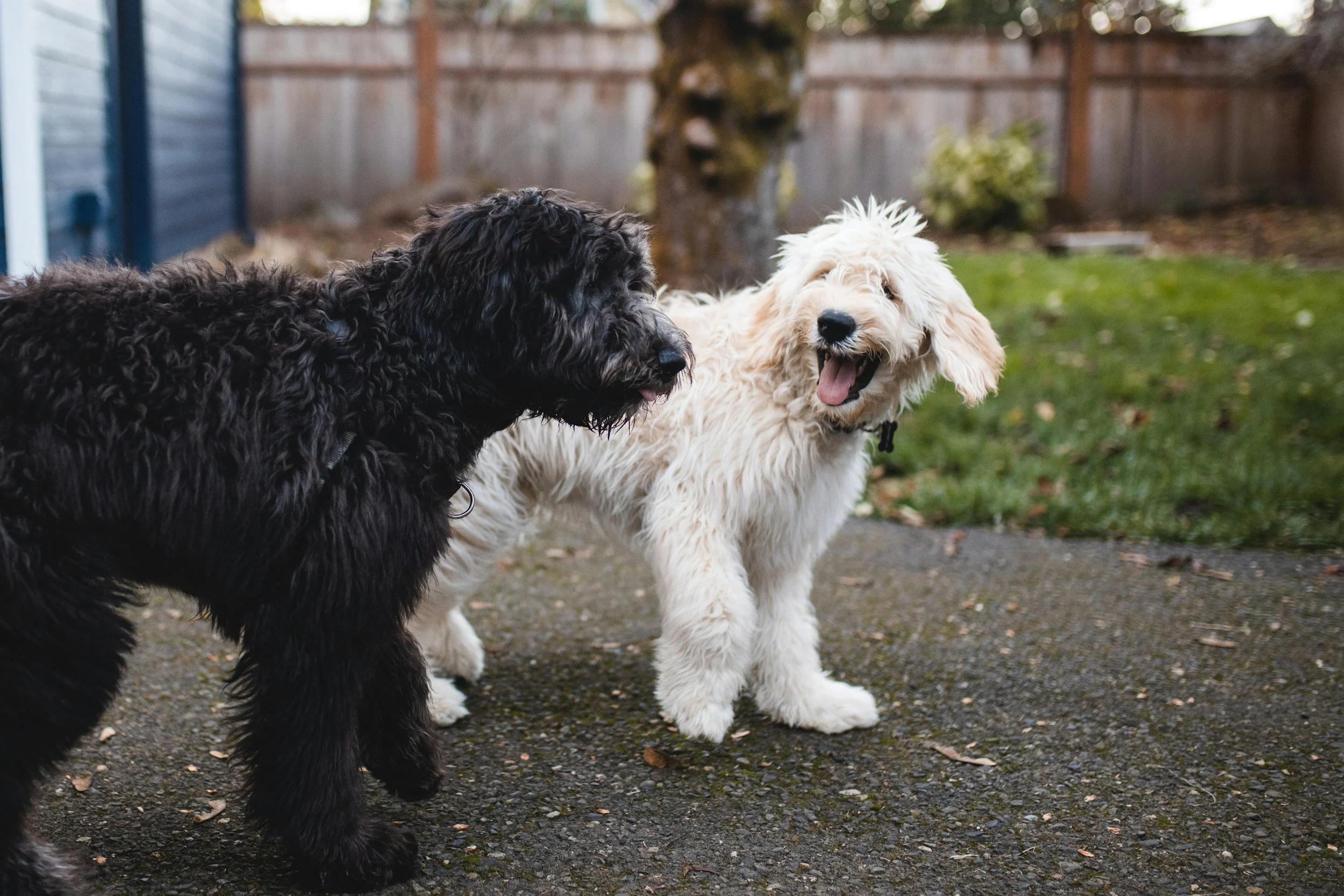
Off-leash play with compatible partners provides social, physical, and mental stimulation simultaneously. Dogs practice communication, learn to read and respond to social cues, develop play skills, and satisfy their instinctive need for canine companionship.
Not all dogs require intense social engagement with other dogs. Some prefer minimal contact, and that's perfectly acceptable. But even dogs who prefer distance benefit from learning to exist calmly near other dogs without stress or reactivity.
The dog socialization principles that guide healthy social development recognize that quality matters more than quantity—one positive weekly play session with compatible dogs beats daily stressful encounters that reinforce negative patterns.
Emotional and Behavioral Health
Your dog's emotional state significantly impacts overall wellness. Chronic stress, anxiety, fear, or frustration create physiological changes affecting immune function, digestion, behavior, and general health.
Secure attachment to their humans provides emotional foundation for confident dogs. Knowing they can rely on you for safety, consistency, and appropriate responses to their needs creates psychological security.
Appropriate outlets for natural behaviors prevent frustration and behavioral problems. Dogs need to sniff, explore, play, chew, and engage in species-typical activities. Suppressing all natural behaviors creates stressed, unhappy dogs even when physical needs are met.
Behavioral problems often reflect underlying wellness issues rather than being problems in isolation. Addressing anxiety, fear, or frustration requires comprehensive approach rather than just suppressing symptoms.

Preventive vs. Reactive Approaches
Wellness emphasizes prevention rather than just responding to problems after they develop. This proactive approach costs less, prevents suffering, and maintains quality of life rather than fighting to restore it after decline.
Regular exercise prevents obesity and related health problems rather than managing them after onset. Consistent dental care prevents periodontal disease rather than treating advanced infections. Ongoing socialization prevents behavior problems rather than attempting rehabilitation after dogs develop serious issues.
The complete guide to dog health and wellness that effective wellness programs follow recognizes that small consistent investments in prevention deliver dramatically better outcomes than sporadic crisis management.
Individual Variation
There's no universal wellness formula—what your dog needs depends on breed characteristics, individual personality, age, health status, living situation, and countless other variables.
High-energy working breeds need dramatically different exercise levels than low-key companion breeds. Young puppies require different approaches than senior dogs. Dogs with physical limitations need adapted programs respecting their constraints.
Building effective wellness strategies requires understanding your specific dog rather than following generic advice that may or may not apply to your situation.
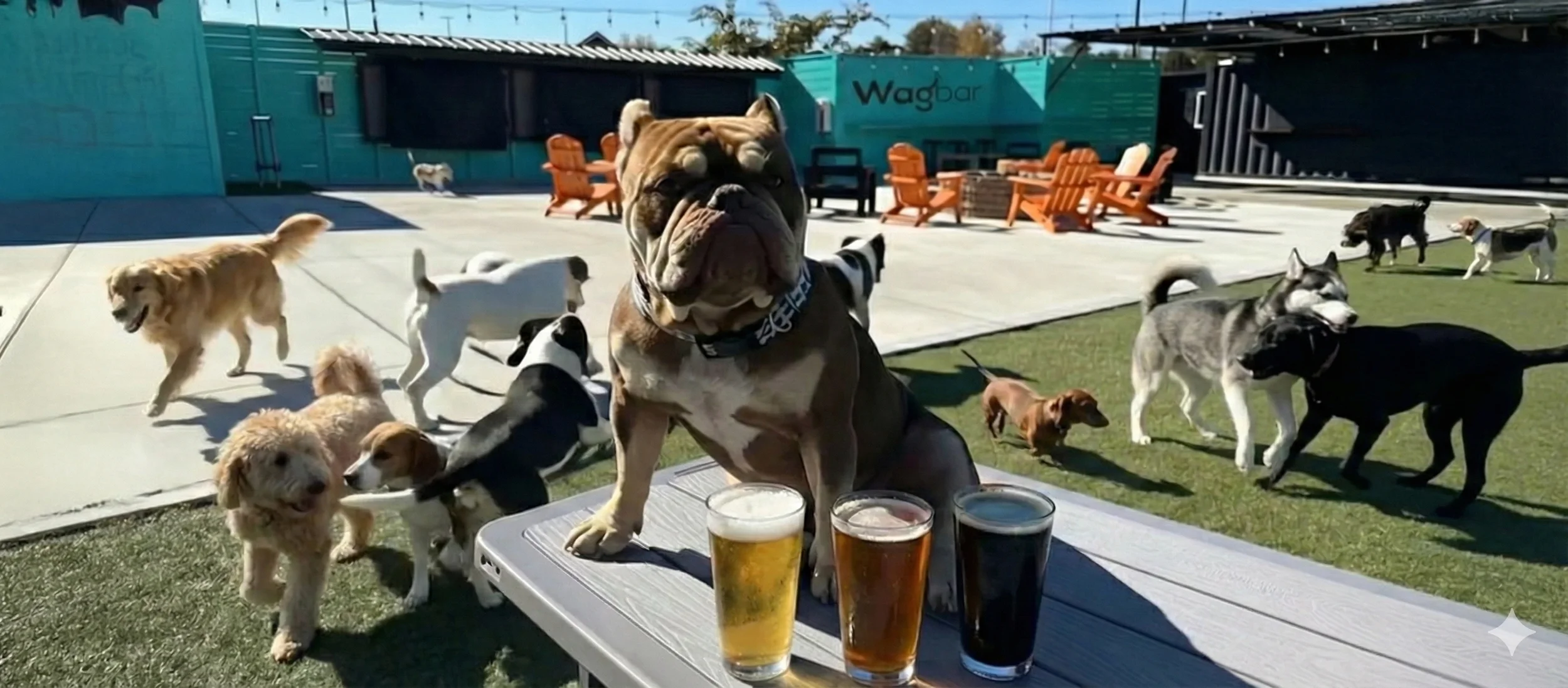
The Exercise Benefits of Regular Off-Leash Play at WagBar Knoxville
Exercise is non-negotiable for dog health, but not all exercise is created equal. Understanding the specific benefits of off-leash play—and how it differs from leashed walks—helps explain why facilities like WagBar contribute to wellness in ways that basic exercise alone cannot match.
Cardiovascular Health and Endurance
Off-leash play allows dogs to reach and maintain elevated heart rates through sustained activity. Watch dogs playing at WagBar—they alternate between high-intensity chasing games and moderate-intensity exploration and interaction, naturally creating interval training that builds cardiovascular fitness.
Leashed walks rarely achieve this intensity unless you're specifically conditioning a dog for athletic activities. The stop-and-go pattern of typical walks, the moderate pace most humans maintain, and the inability to truly run create different cardiovascular impact than off-leash play.
Improved cardiovascular fitness means:
Stronger heart muscle and more efficient pumping
Better oxygen delivery to tissues and organs
Increased endurance for all activities
Lower resting heart rate indicating fitness
Improved recovery from exertion
Enhanced overall vitality and energy
Regular intense exercise through off-leash play conditions dogs' cardiovascular systems the way regular jogging or sports condition humans. The health benefits extend throughout their lives, particularly as they age and cardiovascular efficiency naturally declines.
Musculoskeletal Development and Maintenance
The varied movements during off-leash play—running, jumping, quick direction changes, wrestling, climbing, balancing—engage different muscle groups and build comprehensive strength.
Leashed walking primarily uses forward locomotion muscles in repetitive patterns. While beneficial, it doesn't provide the varied loading and movement patterns that build well-rounded strength and coordination.
Off-leash play naturally incorporates:
Explosive movements building fast-twitch muscle fibers
Sustained activity developing slow-twitch endurance muscles
Core strengthening through balance challenges and varied movements
Joint mobilization through full range of motion
Proprioception development (body awareness in space)
Coordination refinement through complex movement sequences
This comprehensive musculoskeletal engagement becomes particularly important for aging dogs. Maintained muscle mass and joint mobility prevent or delay age-related decline, keeping senior dogs functional and comfortable longer.
Weight Management
Obesity affects roughly 56% of dogs in the United States according to veterinary studies, creating cascading health problems from diabetes to joint disease to reduced lifespan. Exercise is critical component of weight management alongside appropriate nutrition.
Off-leash play burns significantly more calories than leashed walks due to higher intensity and longer duration that engaged dogs willingly maintain. A 45-minute WagBar visit where your dog actively plays can exceed the caloric expenditure of multiple shorter leashed walks.
The mental engagement during play also matters for weight management. Bored dogs often overeat from lack of other stimulation. Mentally and physically satisfied dogs from regular off-leash play show less food-seeking behavior and better self-regulation.
Weight management benefits compound over time. Maintaining healthy weight prevents joint problems, reduces cardiovascular stress, decreases diabetes risk, and generally extends both lifespan and healthspan—the period of life where dogs remain active and comfortable rather than just alive but declining.
Energy Regulation and Behavior Impact
Adequate exercise regulates energy levels, creating calmer dogs at home. The "a tired dog is a good dog" maxim holds truth—dogs who receive sufficient physical outlets for their energy display fewer destructive behaviors, less hyperactivity, and better overall behavior.
The type of exercise matters, though. Mental stimulation often tires dogs more effectively than pure physical exertion. Off-leash play at WagBar provides both—physical activity plus mental engagement navigating social situations, making decisions, and processing stimulating environment.
Dogs who return home from WagBar typically display satisfied tiredness rather than wired exhaustion. They've burned energy through varied activity that engaged both body and mind, leaving them pleasantly depleted rather than overstimulated.
This regulated energy state improves quality of life for both dogs and owners. Instead of managing pent-up energy through constant management and redirection, you're living with a balanced dog whose needs are being met.
Joint Health Considerations
While exercise benefits joints through maintaining muscle support and promoting healthy cartilage, the type of surface and intensity matter for joint health.
WagBar's play surfaces are designed with joint health in mind—providing adequate traction without the jarring impact of concrete or the unpredictable footing of poorly maintained grass fields.
The self-regulated nature of play also protects joints better than forced exercise. Dogs naturally moderate intensity based on comfort, taking breaks when needed and returning to play when ready. This self-pacing prevents the overuse injuries that can occur when humans push dogs beyond appropriate limits.
For dogs with existing joint issues or breeds prone to joint problems, off-leash play under supervision allows beneficial movement while staff monitor for signs of overexertion or discomfort requiring intervention.
Longevity and Quality of Life
The cumulative benefits of regular appropriate exercise extend lifespan and more importantly, healthspan—the years of life characterized by vitality and comfort rather than just biological survival.
Studies consistently demonstrate that physically active dogs live longer than sedentary ones. But beyond just years added, the quality of those years improves. Active dogs maintain mobility, mental sharpness, and engagement with life longer than their sedentary counterparts.
Regular WagBar visits contribute to this longevity equation. The combination of physical exercise, mental stimulation, social interaction, and consistent routine creates comprehensive wellness program that supports dogs throughout their lives.
Breed-Specific Exercise Needs
Different breeds require vastly different exercise levels, and WagBar's off-leash environment accommodates this variation naturally.
High-energy working breeds like border collies, Australian shepherds, and Belgian malinois need intense exercise that most owners struggle to provide through walks alone. These dogs were bred for all-day physical work—they require substantial exercise to remain physically and mentally healthy.
Moderate-energy breeds like labs, goldens, and most hounds need regular exercise but not the extreme intensity of working breeds. They thrive with daily off-leash play supplemented by walks and other activities.
Lower-energy breeds and small companion dogs still benefit from play opportunities but self-regulate to appropriate levels. They participate less intensely, take more breaks, and naturally limit their exertion to comfortable levels.
WagBar's supervised environment allows all energy levels to coexist safely. High-energy dogs can play intensely while lower-energy dogs participate at their own pace without feeling overwhelmed.
The Social Exercise Component
Exercise while playing with other dogs provides benefits beyond solo exercise. The social component adds mental engagement, unpredictability requiring constant adjustment, and motivation to continue activity beyond what dogs might sustain alone.
Many dogs who won't chase balls or maintain interest in solo play activities will happily play chase games with other dogs for extended periods. The social motivation drives continued activity that benefits physical health.
This social exercise also builds and maintains social skills simultaneously with physical fitness—you're addressing multiple wellness needs through single activity rather than requiring separate time for physical exercise and socialization.
Socialization and Mental Health: Why Off-Leash Dog Parks Improve Canine Wellness
Physical health is only part of the wellness equation. Mental health, emotional wellbeing, and social development contribute equally to dogs' overall quality of life. Off-leash environments like WagBar provide specific mental health and socialization benefits that other activities cannot fully replicate.
The Nature of Canine Social Needs
Dogs evolved from pack animals whose survival depended on social cooperation, communication, and group dynamics. While domestic dogs have changed significantly from their wild ancestors, social inclinations remain fundamental to their nature.
Most dogs are naturally drawn to interact with other dogs—not constantly or with every dog, but as regular part of their behavioral repertoire. Denying all social interaction with other dogs runs counter to their instinctive social needs.
This doesn't mean every dog needs to be social butterfly constantly playing with other dogs. Social needs exist on spectrum—some dogs prefer frequent intense social interaction while others prefer occasional brief encounters. Both patterns are normal and healthy when they reflect the dog's genuine preferences rather than fear or poor socialization.
Critical Socialization Windows
The primary socialization window occurs between roughly 3-16 weeks of age. During this brief period, puppies' brains are particularly receptive to new experiences, and positive exposures during this window shape lifelong emotional responses and behavior patterns.
Proper early socialization prevents fear-based behavior problems, builds confidence, teaches appropriate social skills, and creates dogs comfortable in varied situations. Under-socialized puppies often develop into anxious, reactive, or fearful adults struggling with normal life experiences.
However, socialization doesn't end after the critical window closes. Adult dogs maintain social skills through continued positive interactions. Dogs who never encounter other dogs after puppyhood often lose social competence, becoming awkward, anxious, or reactive in situations they once handled easily.
WagBar provides ongoing socialization opportunities throughout dogs' lives. Puppies benefit from safe, supervised exposure during their critical windows, while adult dogs maintain and refine their social skills through regular positive interactions.
The puppy socialization timeline and critical windows that shape long-term behavior underscore how important appropriate early experiences are—and how facilities designed around safe socialization fill essential developmental needs.
Learning Canine Communication
Dogs communicate primarily through body language—ear position, tail carriage, facial expressions, body posture, and movement patterns convey intention, emotion, and social signals. Learning to read and respond appropriately to these signals is learned skill developed through experience.
Under-socialized dogs often struggle with communication. They miss or misinterpret signals from other dogs, fail to communicate their own intentions clearly, or respond inappropriately to social cues. This communication breakdown creates conflict even between friendly dogs who simply don't understand each other.
Regular off-leash play provides ongoing communication education. Dogs learn:
How to signal play intent versus serious interaction
When to approach versus give space
How to read stress signals indicating other dogs need breaks
Appropriate responses to corrections from other dogs
How to de-escalate tense situations through calming signals
The difference between play fighting and actual aggression
WagBar's supervised environment allows this learning to occur safely. Staff intervene when communication breaks down, preventing negative experiences that could create lasting behavioral problems while allowing natural social learning to occur.
Building Confidence Through Positive Experiences
Confident dogs navigate life more easily than anxious ones. Confidence—the sense that they can handle novel situations and challenges—develops through accumulated positive experiences where dogs successfully navigate uncertainty.
Controlled exposure to new dogs, environments, and situations builds this confidence incrementally. Each successful interaction deposits into a confidence account that dogs draw upon when facing new challenges.
WagBar facilitates this confidence building through predictable, safe environment where dogs can take social risks—approaching new dogs, trying new play styles, navigating group dynamics—without catastrophic consequences if things don't go perfectly.
Dogs who regularly navigate social situations successfully become generally more confident, which transfers to other areas of life. They handle veterinary visits more calmly, adapt to changes more readily, and generally experience less anxiety across all situations.
Reducing Anxiety and Fear Responses
Chronic anxiety significantly impairs quality of life and contributes to behavior problems, health issues, and general unhappiness. Social isolation—rarely encountering other dogs or experiencing only negative interactions—often contributes to canine anxiety.
Regular positive social experiences reduce anxiety in several ways:
Habituation: Repeated exposure to other dogs without negative outcomes reduces the novelty and potential threat they represent. What once seemed scary becomes routine and unremarkable.
Positive Associations: When encountering other dogs predicts fun play, social interaction becomes something dogs anticipate positively rather than fear.
Skill Development: As dogs build social competence and learn to navigate interactions successfully, their confidence increases and anxiety decreases. Knowing they can handle situations reduces anticipatory anxiety.
Physical Exercise: The physical activity during play reduces overall stress levels and anxiety. Regular vigorous exercise is effective anxiety management tool for dogs just as for humans.
Dogs who start reactive or anxious around other dogs often show remarkable improvement through consistent positive experiences at WagBar. The combination of professional supervision, gradual exposure, and successful interactions rewrites their emotional responses.
Preventing Behavioral Problems
Many common behavior problems stem from inadequate physical exercise, mental stimulation, or socialization. Destructive behavior, excessive barking, hyperactivity, leash reactivity, and aggression often reflect unmet needs rather than training failures.
Regular off-leash play addresses multiple need categories simultaneously:
Burns physical energy preventing destructive outlets
Provides mental stimulation reducing boredom-related behaviors
Satisfies social needs preventing frustration from isolation
Creates positive tiredness promoting calm home behavior
Teaches impulse control and appropriate social behavior
Builds confidence reducing anxiety-based problems
This preventive approach proves far more effective than attempting to suppress or punish behavioral symptoms while underlying needs remain unmet.
Cognitive Engagement and Mental Stimulation
Social situations require constant cognitive engagement. Dogs navigate complex social dynamics, make decisions about when and how to engage, read and respond to communication from multiple sources simultaneously, and adjust their behavior based on ongoing feedback.
This mental workout often tires dogs more effectively than pure physical exercise. The combination of physical activity plus cognitive engagement at WagBar creates satisfying tiredness rather than wired exhaustion.
Mental stimulation also contributes to cognitive health throughout dogs' lives. Regularly challenged brains stay sharper longer, potentially delaying age-related cognitive decline. While research in this area continues, evidence suggests that mentally engaged dogs maintain better cognitive function into their senior years.
The Play Behavior Benefit
Play behavior itself provides unique psychological benefits beyond just physical exercise or social contact. Play is inherently rewarding—it releases dopamine and other feel-good neurochemicals creating positive emotional states.
Dogs who play regularly are simply happier dogs. The joy visible in dogs engaged in enthusiastic play isn't imaginary—they're experiencing genuine pleasure and satisfaction from the activity.
Play also provides outlet for natural behaviors in acceptable contexts. Chasing, wrestling, mouthy behavior, competitive games—these instinctive behaviors that create problems when directed inappropriately find healthy expression during play with other dogs.
Stress Reduction and Emotional Regulation
Regular positive social experiences help dogs develop better emotional regulation—the ability to manage their emotional responses rather than being overwhelmed by them.
Dogs learn to:
Calm themselves after excitement
Manage frustration when play doesn't go exactly as they want
Recover from brief conflicts or tense moments
Modulate arousal levels appropriate to situations
Self-soothe when slightly stressed rather than escalating to panic
These emotional regulation skills transfer beyond social situations, creating generally more emotionally stable dogs who handle various life stresses more effectively.
The Human-Dog Bond Enhancement
Providing your dog with activities they genuinely love—like off-leash play—strengthens your relationship. Your dog associates you with positive experiences, builds trust in your ability to meet their needs, and experiences you as source of joy rather than just rules and restrictions.
The shared experience of regular WagBar visits creates routine and bonding. Your dog learns to anticipate and look forward to these outings, and the positive emotions surrounding them extend to their perception of you.
Dogs who receive adequate outlets for their physical, mental, and social needs are also easier to live with, creating better relationships simply by reducing conflict and frustration in daily life.
Seasonal Health Concerns for Knoxville Dogs
Knoxville's four-season climate creates varying health challenges throughout the year. Understanding seasonal patterns helps you anticipate problems, implement preventive measures, and recognize concerning symptoms requiring veterinary attention.
Spring: Allergies and Parasite Emergence
Spring brings beautiful weather but also significant health challenges as allergens and parasites emerge from winter dormancy.
Environmental Allergies
Tree pollen explodes during Knoxville springs, triggering allergic reactions in susceptible dogs. Symptoms include:
Itching, particularly paws, face, and belly
Red, irritated skin or hot spots
Excessive licking or chewing
Ear infections (often secondary to allergies)
Eye discharge or redness
Sneezing (less common in dogs than humans but possible)
Management strategies include:
Wiping dogs down after outdoor activities to remove pollen
Regular bathing with gentle, hypoallergenic shampoos
Antihistamines (consult your vet for appropriate medications and dosing)
Omega-3 supplements supporting skin health
Air filtration indoors reducing allergen exposure
Veterinary consultation for severe cases requiring prescription medications
Flea and Tick Activity
Warmer temperatures activate fleas and ticks, creating year-round concerns but particularly intense spring surges as populations explode.
Consistent preventive medications are essential. Modern options include:
Monthly oral medications
Topical treatments
Longer-lasting oral products (3-month duration)
Collars providing extended protection
The specific product matters less than consistent, year-round application. Gaps in coverage allow infestations to establish, creating problems far harder to eliminate than prevent.
Tick-borne diseases in East Tennessee include Lyme disease, ehrlichiosis, anaplasmosis, and Rocky Mountain spotted fever. Many of these don't show symptoms immediately, making prevention critical rather than relying on catching infections early.
Heartworm Season Begins
Mosquitoes transmit heartworm, and warm spring weather brings mosquito activity. Year-round heartworm prevention is standard recommendation, but if you've lapsed over winter (not recommended), spring requires immediate resumption.
Heartworm treatment is expensive, difficult, and carries risks. Prevention through monthly medications is dramatically preferable to treating established infections.
Summer: Heat Stress and Water Safety
Knoxville summers bring oppressive heat and humidity creating significant health risks for dogs less equipped than humans to manage extreme temperatures.
Heat Exhaustion and Heat Stroke
Dogs cool primarily through panting since they sweat only minimally through paw pads. This cooling mechanism becomes inadequate in extreme heat, particularly for:
Brachycephalic (short-nosed) breeds like bulldogs, pugs, and Boston terriers
Heavy-coated breeds like huskies and malamutes
Overweight dogs
Very young or very old dogs
Dogs with respiratory or cardiovascular conditions
Signs of heat distress:
Excessive panting, especially if not decreasing during rest
Drooling or thick saliva
Red or pale gums
Rapid heart rate
Weakness or collapse
Vomiting or diarrhea
Disorientation or unresponsiveness
Heat stroke is medical emergency requiring immediate veterinary attention. While transporting, cool the dog with lukewarm water (not cold—rapid cooling can cause shock), improve air circulation, and offer small amounts of water if conscious.
Summer Prevention Strategies
Exercise during cooler hours (before 9am, after 7pm)
Provide abundant shade and water access
Never leave dogs in vehicles (even briefly, even with windows cracked)
Test pavement temperature before walks (if too hot for your hand, too hot for paws)
Consider cooling vests or mats for particularly heat-sensitive dogs
Limit exercise intensity during hot weather
Watch for early heat stress signs and stop activity immediately
WagBar's water stations, shaded areas, and staff monitoring for heat stress help manage summer risks during off-leash play. Staff require cooling breaks and limit play duration for dogs showing heat sensitivity.
Water Safety
Many Knoxville-area dogs enjoy swimming during hot weather, but water safety concerns include:
Drowning risk, particularly in pools without gradual entries
Bacterial infections from contaminated water
Parasites in natural water sources
Ear infections from water trapped in ear canals
Exhaustion from overexertion while swimming
Proper supervision, limiting swim duration, drying ears thoroughly after water exposure, and avoiding obviously contaminated water sources prevent most water-related problems.
Fall: Seasonal Transitions and Preparations
Fall brings ideal weather but also transitional concerns as temperatures cool and winter preparations begin.
Continued Parasite Vigilance
While declining, fleas and ticks remain active until sustained freezing temperatures. Maintain prevention through fall to avoid late-season infestations.
Weight Monitoring
Fall's pleasant weather encourages increased activity after hot summer months. This seasonal activity change affects calorie needs and metabolism. Monitor body condition and adjust food intake as activity levels change.
Some dogs gain weight during winter months as activity naturally decreases. Beginning weight management in fall—before the problem develops—prevents dealing with obesity when spring returns.
Preparation for Winter
Fall is ideal time to address any health concerns before winter complicates matters. Schedule:
Annual veterinary examinations before cold weather limits visit willingness
Dental cleanings before potential winter weather complications
Addressing minor issues before they become winter problems
Winter: Cold Stress and Indoor Challenges
Knoxville winters are relatively mild compared to northern regions, but cold still creates health considerations.
Cold Weather Safety
Smaller dogs, short-coated breeds, puppies, and senior dogs feel cold more acutely than large, heavy-coated adults. Signs of cold stress include:
Shivering
Reluctance to continue walking
Lifting paws off ground
Seeking warmth or shelter
Decreased activity
Winter protection includes:
Sweaters or coats for cold-sensitive dogs
Booties protecting paws from ice, salt, and cold surfaces
Shorter outdoor exposure during extreme cold
Wiping paws after walks to remove ice-melt chemicals
Providing warm, draft-free sleeping areas indoors
Dry Skin and Coat Issues
Indoor heating creates dry conditions affecting skin and coat health. Symptoms include:
Dry, flaky skin
Dull coat appearance
Increased scratching
Static electricity in fur
Management includes:
Humidifiers maintaining indoor moisture
Omega-3 supplements supporting skin health
Regular brushing distributing natural oils
Avoiding excessive bathing that strips protective oils
Using moisturizing shampoos when bathing is necessary
Reduced Activity and Weight Gain
Winter naturally reduces outdoor activity as walks shorten and weather limits enthusiasm for outdoor time. This decreased activity can lead to weight gain if food intake isn't adjusted.
WagBar's covered seating, heaters, and year-round operation help maintain consistent exercise routines through winter when outdoor-only options become unpleasant.
Arthritis and Joint Pain
Cold weather exacerbates arthritis and joint pain in affected dogs. Senior dogs or dogs with known joint issues may show increased stiffness, difficulty rising, or reduced willingness to move during cold months.
Management includes:
Maintaining appropriate exercise (movement helps, despite discomfort)
Joint supplements like glucosamine and chondroitin
Prescription pain management for severe cases
Heated beds or pads providing warmth
Ramps or steps reducing jumping strain on joints
Year-Round Health Vigilance
Regardless of season, maintaining awareness of your dog's normal baselines helps you recognize concerning changes:
Daily Observations
Appetite changes (sudden increase or decrease)
Energy level variations
Bathroom habit changes (frequency, consistency, difficulty)
Behavior changes (increased aggression, anxiety, withdrawal)
Physical changes (lumps, limping, coughing, discharge)
Monthly Assessments
Body condition score (can you feel ribs easily, visible waist, abdominal tuck)
Coat quality and skin health
Dental health (bad breath, reluctance to chew, visible tartar)
Nail length (should not click loudly on hard floors)
Annual Evaluations
Complete veterinary examinations
Bloodwork screening for underlying issues
Dental assessments and cleanings as needed
Vaccination updates based on risk factors and lifestyle
The seasonal health monitoring approach that catches problems early proves far more effective than waiting for obvious symptoms requiring emergency intervention.
Knoxville Veterinary Resources Directory
Access to quality veterinary care forms the foundation of comprehensive dog health. Knoxville offers robust veterinary resources across specialties and price points. Understanding what's available helps you build your dog's healthcare team.
Primary Care Veterinary Clinics
Establishing relationship with primary care veterinarian provides continuity of care, baseline health records, and professional familiar with your dog's individual health history.
Consider when selecting a veterinarian:
Location and convenience for regular visits
Office hours fitting your schedule
Emergency coverage or referral protocols
Communication style and client education approach
Facility cleanliness and staff professionalism
Pricing transparency and payment options
Specialty services available or referral relationships
Most dogs need primary care visits minimally annually for wellness exams and vaccinations, with additional visits as health concerns arise.
24-Hour Emergency and Specialty Care
Emergency situations requiring immediate veterinary attention don't respect business hours. Knowing your emergency options before crises occur prevents scrambling during stressful situations.
University of Tennessee Veterinary Medical Center
UT's veterinary teaching hospital provides both emergency services and specialty care across numerous disciplines. As teaching facility, costs may be lower than private specialty practices while providing access to cutting-edge treatments and specialist expertise.
Services include emergency medicine, surgery, internal medicine, cardiology, oncology, neurology, ophthalmology, dentistry, and more. The facility operates 24/7 for emergencies.
PetMed 365 Emergency Vet
This 24-hour emergency facility specializes in urgent and critical care when your regular veterinarian is closed. Staff focus specifically on emergency medicine, ensuring expertise in handling acute health crises.
BluePearl Pet Hospital
BluePearl provides emergency and specialty veterinary services with multiple specialists on staff. The facility offers advanced diagnostic capabilities and treatment options for complex cases requiring specialized expertise.
Urgent Care Options
Some situations require prompt attention without being true emergencies. Urgent care facilities fill the gap between "wait for Monday appointment" and "rush to emergency room."
These facilities handle situations like:
Mild injuries or wounds
Minor digestive upsets
Ear infections or skin conditions
Medication refills when regular vet is unavailable
Second opinions or follow-up concerns
Urgent care typically costs less than emergency services while providing faster access than scheduling regular appointments.
Mobile Veterinary Services
Several Knoxville veterinarians offer mobile services, bringing veterinary care to your home. This option benefits:
Anxious dogs who experience significant stress during veterinary visits
Elderly or mobility-impaired dogs for whom transport is challenging
Multi-pet households where bringing everyone to clinic is logistical nightmare
End-of-life care where home euthanasia provides more peaceful experience
Mobile services typically cost more than clinic visits due to travel time and equipment transport, but the convenience and reduced stress often justify the premium for appropriate situations.
Specialty Veterinary Services
Complex health issues may require specialist expertise beyond primary care veterinarians' scope.
Veterinary Cardiologists diagnose and manage heart conditions, congenital defects, arrhythmias, and heart failure. Symptoms suggesting cardiac evaluation include coughing, exercise intolerance, fainting, or heart murmurs detected by primary veterinarian.
Veterinary Oncologists specialize in cancer diagnosis and treatment. Cancer affects roughly 50% of dogs over age 10, making oncology services increasingly important as dogs age. Treatment options include surgery, chemotherapy, radiation, and palliative care depending on cancer type and stage.
Veterinary Surgeons perform complex procedures beyond routine spay/neuter or mass removals. Orthopedic surgery, advanced soft tissue surgery, and minimally invasive procedures require surgical specialist training.
Veterinary Dermatologists address chronic skin conditions, allergies, and complex dermatologic problems not responding to primary care treatment. If your dog experiences chronic itching, recurring infections, or unclear skin issues, dermatology referral may provide answers.
Veterinary Internal Medicine Specialists diagnose and manage complex systemic diseases, endocrine disorders, gastrointestinal conditions, and liver or kidney disease. They have advanced training in diagnostic testing and medical management of complicated cases.
Rehabilitation and Physical Therapy
Veterinary rehabilitation helps dogs recover from surgery, manage chronic conditions like arthritis, improve fitness, and maintain mobility as they age.
Services include:
Therapeutic exercise programs
Hydrotherapy (underwater treadmill, swimming pools)
Laser therapy reducing pain and inflammation
Manual therapies (massage, stretching, joint mobilization)
Acupuncture
Tailored home exercise programs
Rehabilitation proves particularly valuable for:
Post-surgical recovery (orthopedic procedures, spinal surgery)
Arthritis and joint disease management
Weight loss programs
Senior dogs maintaining mobility
Athletic dogs preventing injuries or optimizing performance
Neurological conditions improving function
Dental Specialists
While most veterinarians perform routine dental cleanings and extractions, complicated dental issues may require specialist referral. Veterinary dentists handle root canals, advanced periodontal disease, jaw fractures, oral tumors, and complex dental procedures.
Given the significant impact of dental health on overall wellbeing, don't neglect dental care. Home dental maintenance—brushing, dental chews, water additives—combined with professional cleanings preserves dental health and prevents systemic complications from oral infections.
Behavior Specialists
Veterinary behaviorists are veterinarians with additional specialized training in animal behavior and behavioral medicine. They address complex behavior problems including aggression, severe anxiety, compulsive disorders, and issues not responding to training approaches.
Behavior problems significantly impact quality of life and sometimes threaten the human-animal bond. Professional behavioral assessment and treatment—potentially including behavior modification protocols and medication when appropriate—can resolve or manage issues that otherwise seem hopeless.
Cost Considerations and Financial Planning
Veterinary care costs vary dramatically based on situation, facility, and services required. Building financial preparation for veterinary expenses prevents being forced to make care decisions based solely on affordability.
Options include:
Emergency savings specifically for veterinary expenses
Pet insurance (purchased ideally when dogs are young and healthy, before pre-existing conditions develop)
CareCredit or similar healthcare financing
Veterinary payment plans for large expenses
Low-cost vaccine and wellness clinics for routine preventive care
The most expensive veterinary care is emergency care addressing problems that became crises due to delayed treatment. Investing in preventive care and addressing concerns early often costs far less than emergency interventions.
Holistic and Alternative Pet Care Options in Knoxville
While conventional veterinary medicine provides foundation for dog health, holistic and alternative approaches offer complementary options that some owners find valuable for certain situations.
What "Holistic" Means
True holistic veterinary care treats the whole animal—physical, mental, emotional—rather than just addressing isolated symptoms. This approach considers how different body systems interconnect, how lifestyle and environment affect health, and how multiple factors contribute to wellness or illness.
Holistic doesn't necessarily mean rejecting conventional medicine. Most holistic practitioners integrate conventional and alternative approaches, using whichever tools best serve each individual patient's needs.
Veterinary Acupuncture
Several Knoxville veterinarians offer acupuncture services alongside conventional treatments. Acupuncture involves inserting thin needles at specific points to influence energy flow, reduce pain, and promote healing.
Evidence suggests acupuncture effectiveness for:
Arthritis and chronic pain management
Neurological conditions (including some cases of intervertebral disc disease)
Nausea and digestive issues
Allergies and skin conditions
Anxiety and behavioral issues
Acupuncture typically involves multiple sessions for best results. Most dogs tolerate treatment well, often becoming relaxed or even drowsy during sessions.
Chiropractic Care
Veterinary chiropractic adjusts spinal and joint alignment to improve function, reduce pain, and enhance mobility. Chiropractors address subluxations—misalignments creating nerve interference and compromising function.
Potential benefits include:
Improved mobility and range of motion
Pain reduction in musculoskeletal conditions
Enhanced athletic performance
Support for neurological function
Complementary treatment for arthritis
Only veterinarians with specialized training or licensed human chiropractors with additional animal certification should perform adjustments. Improper manipulation can cause injury.
Herbal Medicine
Herbal supplements and remedies use plant-based compounds to support health or address specific conditions. While traditional medicine has used herbs for millennia, modern understanding of active compounds, appropriate dosing, and potential interactions has improved dramatically.
Common applications include:
Joint support (turmeric, boswellia)
Anxiety management (valerian, chamomile)
Digestive support (slippery elm, ginger)
Immune system support (echinacea, astragalus)
Skin and coat health (various herbs in combination)
Critical considerations:
Quality and purity vary dramatically between products
"Natural" doesn't automatically mean "safe"—herbs can have significant effects and interactions
Dosing for dogs differs from human dosing
Potential interactions with medications require veterinary oversight
Some herbs contraindicated for specific conditions
Work with veterinarians knowledgeable about herbal medicine rather than self-prescribing based on internet research.
CBD and Cannabis Products
CBD (cannabidiol) products have exploded in popularity for both humans and dogs. Research into veterinary applications remains limited, but anecdotal reports and preliminary studies suggest potential benefits for:
Pain management
Anxiety and stress
Seizure control
Inflammation reduction
Appetite stimulation
Legal landscape around cannabis products is complex and evolving. Hemp-derived CBD (containing less than 0.3% THC) is federally legal, but quality control and testing vary significantly between products.
Key considerations:
Choose products specifically formulated for pets with clear dosing guidance
Verify third-party testing confirming CBD content and absence of contaminants
Start with low doses and increase gradually while monitoring effects
Discuss use with your veterinarian, particularly if your dog takes other medications
Never use products containing significant THC, which is toxic to dogs
Homeopathy
Homeopathic medicine uses highly diluted substances to stimulate the body's healing responses. This approach remains controversial—scientific evidence supporting effectiveness is limited, and the theoretical framework doesn't align with conventional scientific understanding.
Some veterinarians incorporate homeopathy alongside conventional treatments. If interested, seek veterinarian trained specifically in veterinary homeopathy rather than attempting self-treatment.
Nutritional Therapy
Food as medicine recognizes how diet impacts health beyond just providing calories and nutrients. Nutritional therapy uses specific diets or supplements to address health conditions.
Applications include:
Elimination diets identifying food sensitivities
Therapeutic diets managing kidney disease, liver disease, or other conditions
Omega-3 fatty acid supplementation for skin, joint, or cognitive health
Probiotics supporting digestive health
Antioxidants for senior dogs or specific conditions
Board-certified veterinary nutritionists provide expert guidance for complex dietary needs. For straightforward situations, primary care veterinarians can recommend appropriate therapeutic diets or supplements.
Massage and Manual Therapies
Therapeutic massage, stretching, and other hands-on techniques provide various benefits:
Muscle tension relief
Improved circulation
Enhanced lymphatic drainage
Stress reduction
Pain management
Improved mobility
Certified canine massage therapists understand dog anatomy, appropriate techniques, and contraindications. Massage complements other treatments for chronic pain, post-surgical recovery, athletic conditioning, or senior dog comfort.
Energy Healing Modalities
Reiki and other energy healing approaches claim to channel healing energy to recipients. Scientific evidence supporting these modalities is minimal, and mechanisms of action remain unclear or disputed.
That said, many dogs seem to relax during energy healing sessions, and the calm focused attention likely provides benefit regardless of mechanisms. If interested and it doesn't replace necessary conventional care, these approaches are generally low-risk.
Integration with Conventional Care
The most effective approach typically integrates conventional and alternative methods strategically:
Use conventional medicine for:
Acute illness or injury requiring immediate intervention
Conditions with established evidence-based treatments
Diagnostic testing identifying underlying problems
Vaccinations and parasite prevention
Situations requiring quick reliable results
Consider alternative approaches for:
Chronic conditions not fully controlled by conventional treatments alone
Situations where conventional options have significant side effects or risks
Supporting overall wellness and prevention
Complementing conventional treatments
Managing conditions without good conventional solutions
Always inform all veterinary providers about any supplements, herbs, or alternative treatments your dog receives. Some combinations create interactions or complicate treatment.
Evaluating Alternative Practitioners
When considering alternative care providers:
Verify appropriate training and certification in their specific modality
Check if they're licensed veterinarians or working under veterinary oversight
Ask about their approach to integrating with conventional care
Request references from other clients
Ensure they're willing to communicate with your primary veterinarian
Be cautious of providers dismissing all conventional medicine or making unrealistic promises
Quality alternative practitioners recognize their role as complement to—not replacement for—conventional veterinary care.
Creating Your Dog's Comprehensive Wellness Plan
Armed with understanding of available resources and health considerations, you can build comprehensive wellness plan tailored to your dog's individual needs.
Assessment and Baseline Establishment
Start by establishing where your dog currently stands:
Physical Health Status: Schedule comprehensive veterinary examination including bloodwork baseline, particularly for adult dogs. Understanding current health status reveals what needs attention and provides comparison point for future monitoring.
Behavioral and Mental Health: Assess your dog's behavior, anxiety levels, social skills, and overall emotional state. Honest evaluation reveals areas needing support.
Exercise and Activity Levels: Consider whether your dog receives adequate physical exercise and how their current routine meets their breed and individual needs.
Social Opportunities: Evaluate your dog's social experiences—do they regularly interact positively with other dogs, or is isolation creating social deficits?
Environmental Enrichment: Assess whether your dog's life includes adequate mental stimulation, novel experiences, and environmental variety.
Setting Wellness Goals
Based on your assessment, identify specific, achievable goals:
"Increase exercise" is too vague. "Visit WagBar twice weekly for 45-minute sessions plus daily 20-minute walks" provides specific target.
"Improve social skills" becomes "Maintain regular positive interactions with familiar dogs, gradually expanding comfort zone with new dogs."
"Better dental health" translates to "Begin daily tooth brushing, schedule professional cleaning, provide daily dental chew."
Specific goals allow you to track progress and know whether your efforts are succeeding.
Building Your Support Team
Comprehensive wellness requires various resources:
Primary Care Veterinarian: Annual exams minimum, provider for routine care and concerns
Emergency Facility: Identified before needed, so you know where to go during crises
Exercise Venues: Mix of options including WagBar for supervised socialization, nearby parks for convenient quick walks, longer hiking trails for weekend adventures
Training Resources: Whether classes, private sessions, or online resources, ongoing training supports behavioral wellness
Pet Sitters or Walkers: Professional backup when your schedule can't accommodate your dog's needs
Social Network: Other dog owners who can offer advice, dog-sitting exchanges, and community support
Creating Sustainable Routines
The best wellness plan is one you'll actually maintain. Overly ambitious plans often fail when life gets busy.
Start with routines you can realistically sustain:
Two WagBar visits weekly rather than daily commitments that sound great but prove unrealistic
15-minute daily walks you'll actually do rather than hour-long ideal walks that get skipped
Monthly nail trims you schedule rather than weekly trim intentions that never happen
Build consistency first, then expand once basic routines become automatic.
Monitoring and Adjustment
Regularly assess whether your wellness plan is working:
Monthly Reviews: Are you maintaining established routines? Is your dog showing improved fitness, behavior, or happiness?
Quarterly Assessments: Measure progress toward specific goals. Adjust plans based on what's working and what isn't.
Annual Evaluations: During veterinary exams, review overall health trends. Has your approach supported good health, or do changes need to occur?
Wellness plans should evolve as dogs age, circumstances change, or you identify new needs. Flexibility and willingness to adjust plans improve long-term success.
The WagBar Role in Comprehensive Wellness
WagBar provides multiple wellness support elements in single location:
Physical Exercise: Off-leash play delivers cardiovascular conditioning, strength building, and calorie expenditure

Social Development: Regular positive interactions with other dogs build and maintain social skills
Mental Stimulation: Navigating social situations, exploring environment, and staying engaged provides cognitive workout
Routine and Structure: Scheduled visits create predictable patterns dogs thrive on
Community Connection: Relationships with other owners provide social support and practical resources
Professional Oversight: Staff monitoring ensures safety and can identify health or behavior concerns early
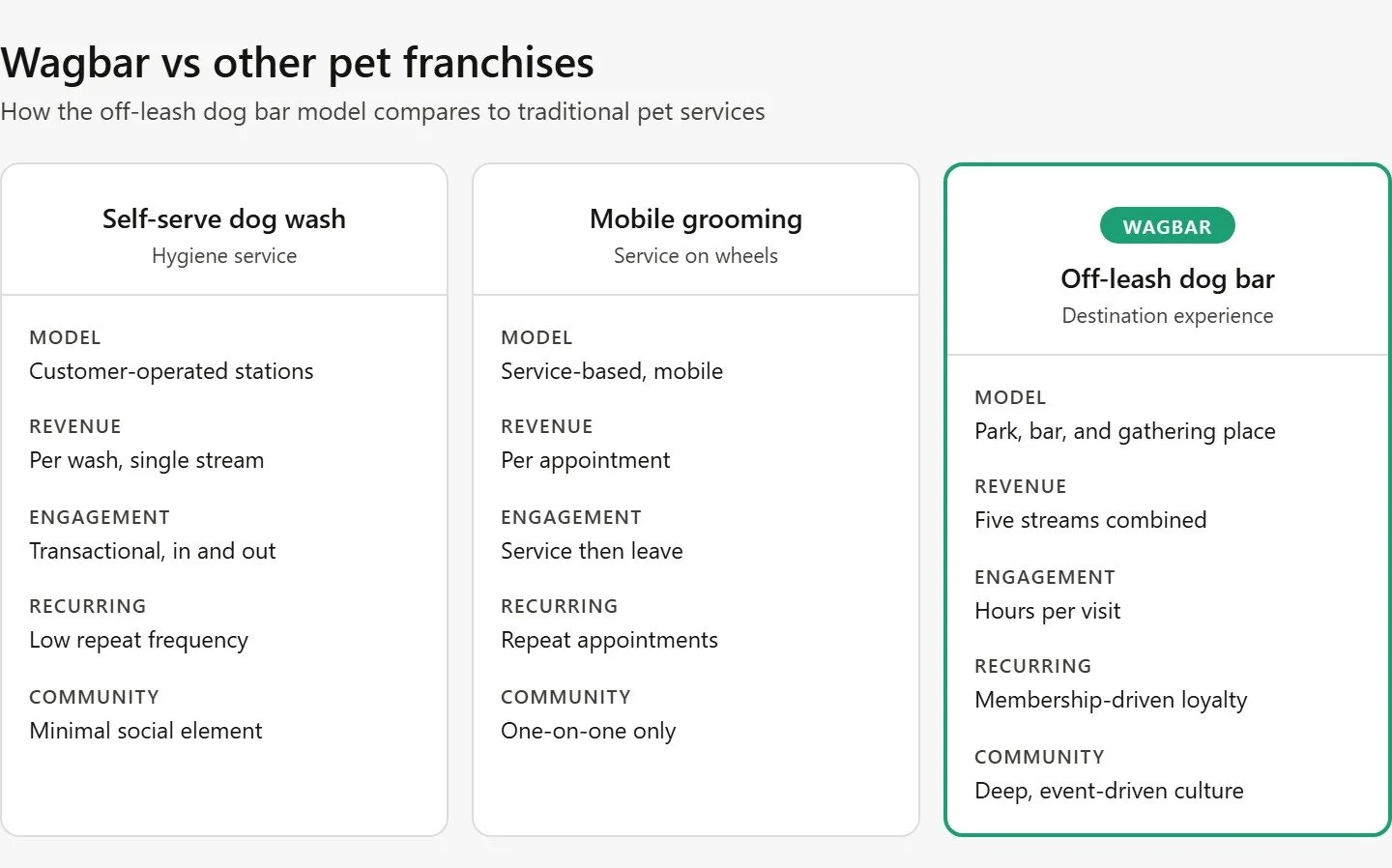
Rather than cobbling together multiple services meeting different needs separately, WagBar's integrated approach addresses physical, mental, social, and emotional wellness simultaneously through regular participation.
The multi-layered wellness benefits that quality socialization and exercise programs provide demonstrate how addressing multiple needs through single well-designed activity maximizes both efficiency and outcomes.