
Knoxville Commercial Real Estate for Pet Franchises

Top TLDR: Knoxville commercial real estate for pet franchises requires C-2 or C-3 general commercial zoning permitting animal care facilities, with dog daycare and boarding franchises needing 3,500-8,000 square feet at $20-$28 PSF while mobile grooming operations require only 800-1,200 square feet storage space at $12-$18 PSF. West Knoxville and Pellissippi Parkway corridors offer optimal demographics with available 2,500-5,000 square foot retail spaces in high-visibility shopping centers featuring adequate parking (4-6 spaces per 1,000 sq ft), outdoor access for dog exercise areas, and proximity to affluent residential neighborhoods. Verify zoning permits "kennel" or "animal care facility" uses before signing letters of intent, as Knoxville's zoning codes vary by district with some requiring conditional use permits adding 60-90 days to opening timelines.
Understanding Knoxville zoning requirements for pet businesses
Pet franchise operations in Knoxville fall under "kennel," "animal care facility," or "pet services" zoning classifications depending on specific business activities and facility characteristics. Knox County and City of Knoxville maintain separate zoning ordinances with different permitted use tables, conditional use requirements, and operational restrictions affecting site selection. Most pet franchises require C-2 (General Commercial) or C-3 (Regional Commercial) zoning where animal care facilities receive permitted or conditional use status, while residential and office zones typically prohibit pet service operations entirely.
Daycare and boarding facilities face strictest zoning scrutiny given overnight stays, outdoor exercise areas generating noise, and multiple dogs on premises simultaneously. Knoxville zoning codes classify these operations as "kennels" requiring conditional use permits in some commercial districts, special exception permits in others, or outright prohibition in commercial zones adjacent to residential areas. Conditional use permit processes require public hearings, neighbor notifications, and Metropolitan Planning Commission review adding 60-90 days to site approval timelines and creating uncertainty around approval outcomes.
Grooming salons and training facilities typically receive more favorable zoning treatment classified as "personal services" or "pet services" rather than kennels. These operations often qualify for permitted uses in C-2 and C-3 districts without conditional use permits, though operational restrictions may limit hours, outdoor activities, or animal counts. Mobile grooming operations requiring only storage and administrative space face minimal zoning restrictions since customer service occurs off-site at residential locations rather than commercial facilities.
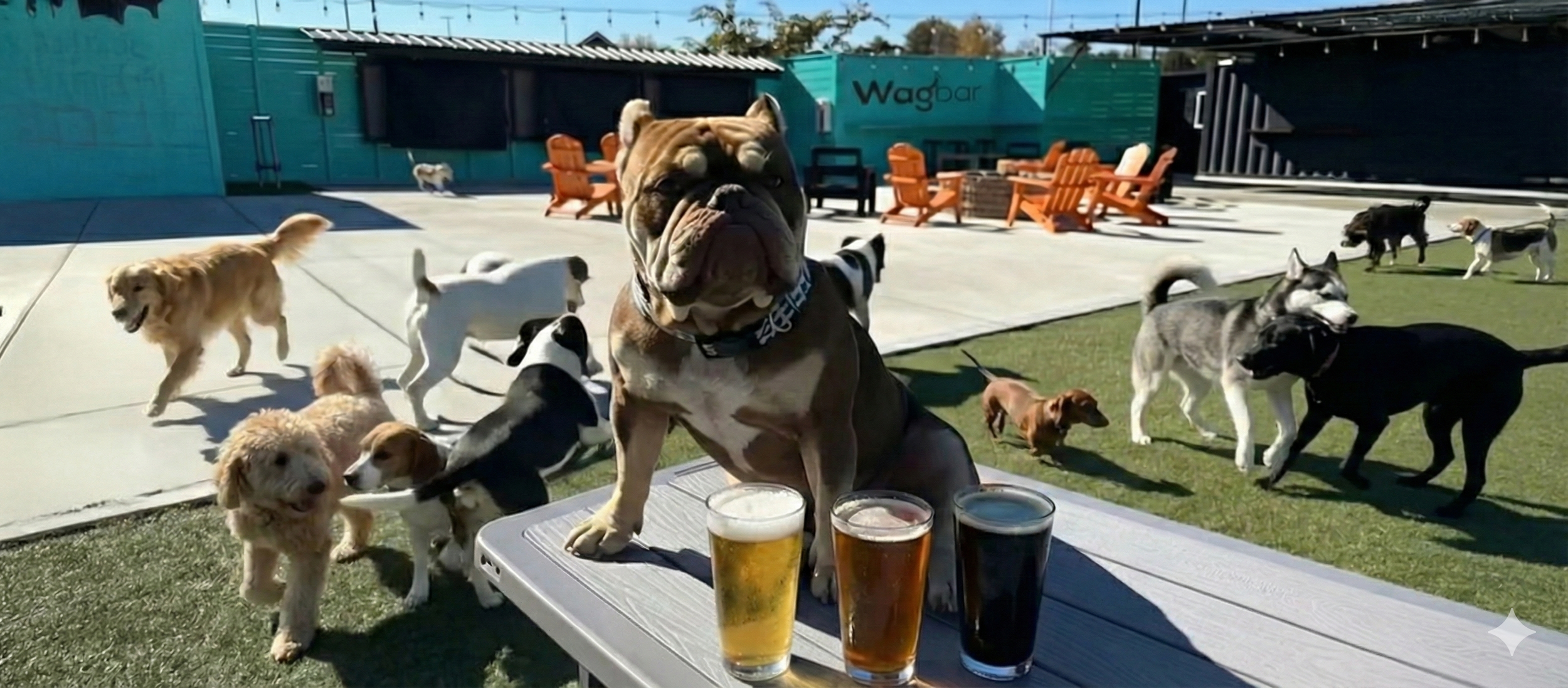
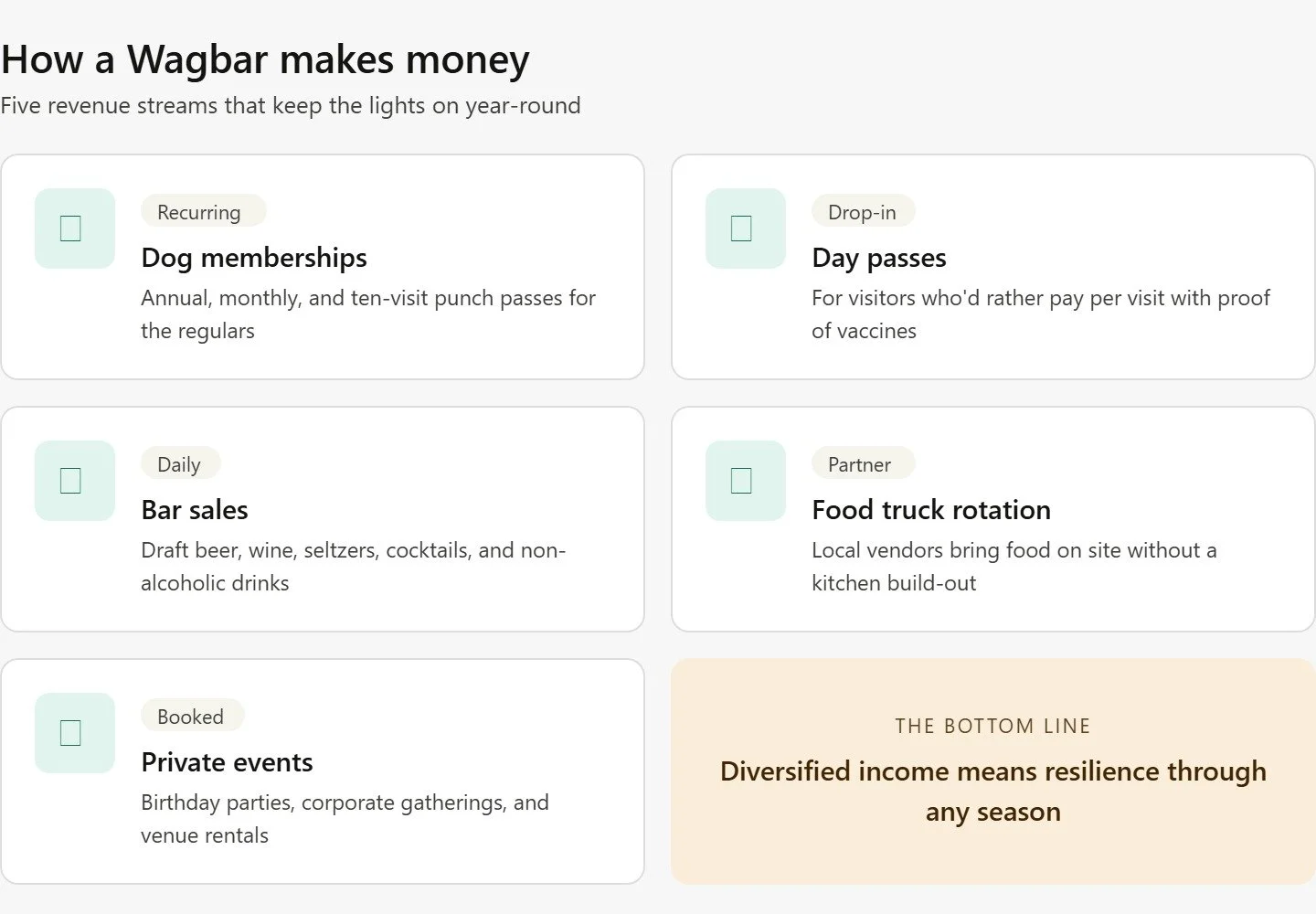
Off-leash dog park bars like Wagbar's franchise concept occupy unique zoning category combining animal care facility (dog park) with food and beverage service (bar) requiring sites permitting both uses simultaneously. Dual-use classification increases complexity as facilities must meet both animal care facility standards and restaurant/bar requirements including health department approvals, alcohol licensing, and food service permits. Site selection requires identifying C-2 or C-3 parcels specifically permitting both animal facilities and alcohol service, narrowing available inventory significantly versus single-use operations.
Before pursuing any Knoxville property, obtain zoning verification letters from Metropolitan Planning Commission confirming proposed use qualifies as permitted or conditional use in specific zoning district. Letters cost $100-$200 and provide official documentation protecting against lease commitments on improperly-zoned sites. Additionally, review any deed restrictions, homeowner association covenants, or shopping center use restrictions that may prohibit pet businesses regardless of underlying zoning permissions. Zoning and regulations for pet businesses vary significantly across jurisdictions, requiring due diligence beyond simple zoning district confirmation.

Space requirements by franchise type
Dog daycare and boarding facilities require largest footprints ranging from 3,500-8,000 square feet accommodating indoor play areas (1,500-3,000 sq ft), separate rest/nap spaces (600-1,200 sq ft), grooming stations (200-400 sq ft), reception areas (200-300 sq ft), offices (150-200 sq ft), and support spaces including storage and restrooms. Outdoor exercise areas add 2,000-5,000 square feet of fenced yard space, though some urban facilities operate indoor-only accepting capacity limitations. Higher square footage requirements translate to monthly occupancy costs of $7,000-$18,000 at Knoxville's $20-$28 PSF commercial lease rates.
Grooming salons operate efficiently in 1,200-2,500 square feet depending on groomer count and service scope. Typical layout includes 3-5 grooming stations (800-1,400 sq ft total), bathing area (150-250 sq ft), drying stations (100-150 sq ft), reception/retail (200-300 sq ft), and storage (150-200 sq ft). Compact footprints enable locations in strip centers and retail developments where larger daycare facilities cannot fit, expanding site inventory significantly. Monthly occupancy costs run $2,400-$6,000 at typical West Knoxville lease rates, making grooming salons accessible to entrepreneurs with moderate capital versus daycare's higher occupancy costs.
Training facilities need 2,000-4,000 square feet for indoor training areas (1,200-2,500 sq ft), separate small group/private lesson spaces (400-800 sq ft), reception (200-300 sq ft), offices (200-300 sq ft), and storage (200-300 sq ft). Open floor plans with minimal interior walls maximize training space flexibility while controlling construction costs. Some facilities incorporate outdoor training areas utilizing building's rear or side yards for distraction training, recall practice, and agility equipment. Monthly occupancy costs of $4,000-$9,600 position training facilities between grooming salons and daycare operations.
Mobile grooming franchises require minimal fixed facilities needing only 800-1,200 square feet for van parking, equipment storage, supply inventory, and small office/break room. These support facilities locate in industrial parks, warehouse spaces, or rear sections of retail centers at $12-$18 PSF versus prime retail rates, reducing occupancy costs to $800-$1,800 monthly. Low fixed costs enable mobile dog grooming franchises achieving profitability faster than facility-intensive competitors while maintaining operational flexibility unavailable to location-dependent businesses.
Knoxville neighborhood selection criteria
West Knoxville corridor along Kingston Pike from Bearden through Turkey Creek to Farragut boundary represents optimal territory for premium-positioned pet franchises serving affluent demographics. Commercial availability includes numerous retail centers, strip malls, and standalone buildings offering 2,000-8,000 square foot spaces at $22-$28 PSF triple net leases. High household incomes ($68,000-$100,000 median depending on specific area), strong pet ownership rates (55-65%), and concentration of dual-income professional households create demand for premium pet services including daycare, grooming, and training.
Pellissippi Parkway corridor through Hardin Valley contains rapidly-growing residential developments with limited current pet service infrastructure creating first-mover opportunities. Available commercial space remains limited but expanding as retail development follows residential growth. Lease rates run $18-$24 PSF reflecting emerging area status versus established West Knoxville. Population growth of 3-4% annually suggests current moderate demand strengthening to robust support for multiple pet service providers as density increases over 3-5 year horizon. Early entrants capture market share before competition recognizes opportunity.
North Knoxville and Fountain City areas offer moderate-income demographics requiring value-positioned pet services at competitive pricing. Commercial spaces along Broadway and Washington Pike provide 1,500-3,500 square foot options at $15-$22 PSF, lower than West Knoxville enabling more affordable operations. However, lower household incomes ($44,000-$52,000 median) require efficient operations and volume-based business models rather than premium positioning. Success requires controlling occupancy costs through smaller footprints and negotiating favorable lease terms offsetting lower revenue per customer.
South Knoxville across Tennessee River demonstrates mixed demographics from working-class to gentrifying neighborhoods requiring flexible positioning strategies. Chapman Highway corridor offers retail availability at $16-$24 PSF depending on specific location quality. Geographic separation from West Knoxville creates local market dynamics where residents strongly prefer convenient neighborhood providers over crossing river to alternatives. Limited competition (2-3 pet service providers across entire South Knoxville) creates opportunities for strategically-located facilities capturing underserved demand. Best cities for dog franchise success demonstrate geographic convenience significantly influences customer acquisition in pet services where recurring visits make location paramount.
Retail center vs standalone building considerations
Retail shopping centers and strip malls offer turnkey commercial spaces with existing utilities, parking infrastructure, signage opportunities, and immediate access to foot traffic from neighboring tenants. Co-tenancy with complementary businesses including pet supply stores, veterinarians, or family-oriented retailers creates cross-marketing opportunities and customer awareness. Typical spaces range 1,500-5,000 square feet with landlords often providing tenant improvement allowances ($10-$25 per square foot) offsetting buildout costs. However, restrictive covenants may limit hours, prohibit outdoor dog areas, or require additional insurance beyond standard coverage.
Anchor-tenant retail centers containing grocery stores (Kroger, Publix, Fresh Market) generate consistent traffic and establish locations as regular destinations for target demographics. Pet service businesses benefit from proximity to weekly shopping patterns creating convenience for customers combining errands. Premium shopping centers with strong anchor tenants command higher lease rates ($24-$32 PSF) but deliver superior customer acquisition through passive exposure versus standalone locations requiring extensive marketing building awareness.
Standalone buildings provide maximum operational flexibility including outdoor exercise areas, extended hours without neighbor complaints, exterior modifications for branding, and control over premises without landlord restrictions. Buildings ranging 2,500-6,000 square feet with adjacent outdoor space serve daycare and training facilities requiring significant outdoor areas. Purchase options or long-term leases (10-15 years) provide stability versus shorter retail center leases (5-7 years) with uncertain renewal terms. However, standalone buildings typically require more extensive renovations, lack natural foot traffic, and may cost more on absolute basis despite potentially lower per-square-foot rates.
Industrial/warehouse spaces in business parks suit pet franchises prioritizing functional space over retail visibility. These locations work well for appointment-based services (grooming, training) where customers intentionally visit rather than walk-in traffic. Lease rates run $12-$18 PSF with landlords accepting animal-related uses often prohibited in retail centers. Lower occupancy costs enable competitive pricing strategies serving price-sensitive customer segments. However, limited visibility requires strong digital marketing, appointment-only operations, and existing customer bases rather than relying on location-driven awareness. The ultimate guide to starting an off-leash dog bar business emphasizes location selection as critical success factor requiring careful evaluation of visibility, accessibility, and target demographics.
Parking and accessibility requirements
Pet service businesses require more generous parking ratios than typical retail given customers arriving with dogs rather than on foot, parents with children accompanying dog drop-offs, and service vehicles for mobile operations. Industry standard suggests 5-6 parking spaces per 1,000 square feet versus typical retail requirement of 4 spaces per 1,000 square feet. A 3,000 square foot daycare facility needs 15-18 spaces accommodating peak morning drop-off and evening pickup periods when 8-12 customers may arrive simultaneously.
Parking lot design considerations include accessible loading zones near facility entrances enabling customers loading/unloading dogs safely away from traffic, wide parking spaces (9-10 feet versus standard 8.5-9 feet) accommodating dogs exiting vehicles, and marked pet relief areas with waste stations reducing parking lot contamination. Some municipalities require designated pet relief areas as condition of conditional use permits for animal care facilities. Landlords may require additional security deposits or pet waste management plans addressing potential parking lot impacts.
Building access requirements include double-door entry vestibules preventing dogs escaping during customer arrivals, non-slip flooring in entry areas (dogs struggle with polished tile or marble), and waiting areas separated from service areas isolating reactive or anxious dogs from general population. Americans with Disabilities Act (ADA) compliance mandates accessible entrances, parking spaces, and interior circulation though service animals receive different treatment than pet customers requiring clarification on facility policies and signage.
Ground-floor locations significantly outperform second-floor or basement spaces for pet businesses given challenges customers face navigating stairs or elevators with dogs, equipment, and supplies. Dogs may refuse stairs or elevators creating access barriers, while ground-floor locations enable direct outdoor access for exercise areas or pet relief. Although rare, some urban facilities operate above ground-floor using freight elevators or specialized pet elevators, though these situations require significant customer education and careful screening ensuring only dogs comfortable with elevation changes use facilities.
Outdoor space requirements and configurations
Daycare and training facilities require secure outdoor exercise areas ranging from 2,000-5,000 square feet depending on capacity and business model. Fencing must meet minimum height requirements (6 feet for most dogs, 8 feet for large breeds or high-drive dogs), use commercial-grade materials withstanding dog impact and preventing climbing/jumping escapes, and feature double-gated entry preventing escapes during access. Ground surfaces include natural grass (requires significant maintenance), artificial turf (high upfront cost but low maintenance), concrete (durable but hard on joints), decomposed granite (good drainage but potential ingestion concerns), or pea gravel (inexpensive but requires regular replenishment).
Outdoor play areas benefit from shade structures protecting dogs from summer heat, drainage systems preventing standing water and mud, separate zones for small dogs versus large dogs reducing injury risks, enrichment features including tunnels, platforms, or agility equipment, and adequate water access through automatic waterers or hose bibs. Knoxville's climate with hot humid summers (average July high 89°F) requires substantial shade coverage and water availability preventing heat stress during outdoor play sessions.
Some Knoxville zoning ordinances require screening fences or landscaping buffers between animal facility outdoor areas and adjacent properties reducing noise and visual impacts. Setback requirements may mandate 25-50 foot distances between outdoor dog areas and property lines, consuming significant lot area and potentially eliminating undersized parcels from consideration. Review specific zoning district regulations and conditional use permit requirements before committing to sites with marginal outdoor space dimensions.
Urban and high-density locations may operate without outdoor areas utilizing frequent off-site walks, indoor exercise equipment (treadmills for dogs), or partnerships with nearby parks for outdoor time. These indoor-only models reduce space requirements and lease costs but limit capacity and may reduce appeal to customers prioritizing outdoor play. Additionally, some municipal codes require outdoor exercise areas for daycare facilities exceeding certain capacity thresholds (often 15-20 dogs), making indoor-only models viable only for small-scale operations.
Lease negotiations and terms specific to pet businesses
Pet service tenants face additional scrutiny and requirements from landlords concerned about property damage, odors, noise complaints from neighbors, and liability exposure. Standard commercial leases require modifications addressing pet-specific considerations including enhanced security deposits (often 2-3 months rent versus typical 1-2 months), detailed pet waste management protocols, odor control measures, and restoration requirements at lease end ensuring complete elimination of pet-related impacts.
Negotiate tenant improvement allowances ($15-$30 per square foot) covering buildout costs including specialized flooring (epoxy, sealed concrete, or commercial-grade vinyl), drainage systems, ventilation/air filtration, plumbing modifications for dog washing stations, reinforced walls in dog contact areas, and fencing for outdoor spaces. Landlords may restrict certain improvements requiring removal at lease end, so clarify which modifications become landlord property versus tenant responsibility for removal and restoration.
Personal guarantee requirements often exceed typical commercial leases with landlords requiring business owners personally guaranteeing lease obligations beyond corporate protections. Given pet franchise lease values of $30,000-$150,000 annually, personal guarantees create substantial liability requiring careful evaluation of business viability before accepting personal obligation. Negotiate personal guarantee caps limiting exposure to 12-24 months rent rather than entire lease term, or structure guarantees declining over time as business establishes payment history.
Use clauses require specific language ensuring proposed pet service operations receive explicit approval. Generic "retail" or "personal services" use clauses may not adequately cover pet daycare, boarding, or training activities. Require lease amendments or letters from landlords explicitly confirming proposed operations comply with use restrictions and receive landlord approval. Additionally, review exclusive use clauses from other tenants ensuring no existing tenant holds rights preventing pet service operations in shopping center. Pet business legal guide covers lease negotiations and protecting business interests through proper documentation.
Utility requirements and infrastructure needs
Pet facilities require robust plumbing systems supporting dog washing stations (bathing tubs for daycare/grooming), floor drains in wet areas preventing water damage, emergency eyewash stations (required by OSHA if using chemical shampoos or sanitizers), and adequate hot water capacity (40-80 gallon tanks depending on grooming volume). Older buildings with undersized water heaters or limited floor drains may require significant plumbing upgrades costing $8,000-$25,000 before occupancy.
HVAC systems must handle greater loads than typical retail given dogs' body heat, humidity from wet dogs post-bathing, and air quality requirements. Industry standards suggest 4-6 air changes per hour in animal holding areas versus 2-3 air changes for typical retail, requiring commercial-grade HVAC systems and potentially supplemental exhaust fans. Inadequate ventilation creates odor problems, humidity issues promoting mold growth, and uncomfortable conditions for dogs and staff. HVAC upgrades or modifications may cost $12,000-$35,000 depending on existing system capacity and facility size.
Electrical systems must support specialized equipment including commercial-grade washers/dryers (grooming salons, daycare facilities), high-velocity dryers (drawing 12-15 amps each), professional clippers and tools, point-of-sale systems, security cameras, and climate control systems. Facilities may require electrical service upgrades from standard 100-200 amp commercial service to 200-400 amp service supporting equipment loads. Electrical upgrades cost $5,000-$18,000 including panel replacements, circuit additions, and outlet installations in work areas.
Internet and phone systems support appointment scheduling software, security camera systems (many facilities offer webcams enabling customers watching dogs), point-of-sale systems processing credit cards, and business communications. Reliable high-speed internet (100+ Mbps recommended) and sufficient bandwidth for multiple simultaneous webcam streams prevent connectivity issues disrupting operations. Additionally, backup power systems or uninterruptible power supplies protect against data loss during power interruptions and maintain climate control for animals during outages.
Insurance and liability considerations affecting location
Pet service businesses require specialized insurance including general liability with animal care coverage, professional liability for services rendered, property coverage for business contents, and potentially commercial auto coverage for mobile operations or company vehicles. Insurance carriers assess location-based risk factors including building age and condition, neighborhood crime rates, proximity to fire hydrants and emergency services, and accessibility features affecting claims likelihood. Properties in favorable locations with modern construction and good public services qualify for lower premiums versus older buildings in higher-risk areas.
Landlords require certificates of insurance naming them as additional insureds and maintaining minimum coverage levels typically $1-2 million per occurrence general liability and $2-3 million aggregate. Some landlords mandate additional coverages including animal bailee coverage (protecting customer dogs while in care) at $25,000-$100,000 limits per animal, protecting landlords against claims arising from pet business operations. Restrictive insurance requirements increase ongoing costs, potentially making otherwise-attractive locations economically unviable.
Outdoor play areas create additional liability exposure requiring proper fencing, regular maintenance, supervision protocols, and potentially higher insurance premiums. Some carriers require professional inspection and approval of outdoor facilities before binding coverage, potentially delaying operations if facilities require modifications meeting carrier standards. Work with insurance brokers experienced in pet service risks before finalizing lease commitments ensuring location and planned improvements meet carrier requirements for coverage.
Location-specific risks including proximity to busy roads (escape risks), neighboring businesses generating hazards (chemical plants, loud operations), or areas with high crime rates affect insurance availability and costs. Carriers may decline coverage or charge prohibitive premiums for locations in unfavorable areas, making insurance due diligence essential before executing leases. Pet industry franchises succeed through comprehensive risk management addressing location, operations, and insurance protecting business assets and personal liability.
Knoxville-specific market intelligence and availability
West Knoxville retail market maintains 8-12% vacancy rates with available spaces concentrated in established shopping centers along Kingston Pike and Northshore Drive. Typical spaces range 1,500-4,500 square feet at $22-$28 PSF triple net with landlords offering 3-6 month rent abatement for creditworthy tenants and $15-$25 PSF tenant improvement allowances. Strong landlord market given low vacancy and high demand means limited negotiating leverage for tenants, requiring strong business plans and financial statements securing favorable terms.
Pellissippi Parkway corridor shows 6-9% commercial vacancy concentrated in newer developments where retail follows residential construction. Available spaces run 1,200-3,000 square feet at $18-$24 PSF reflecting emerging market status. Landlords aggressively seeking quality tenants establishing credibility and driving traffic to new centers offer generous concessions including 6-12 month free rent, above-market tenant improvement allowances, and flexible lease terms. Early-stage negotiations favor tenants able to move quickly and demonstrate long-term viability.

Turkey Creek area near West Town Mall represents premium retail location with 4-6% vacancy and limited availability. Spaces command $26-$32 PSF reflecting high-traffic location with strong anchor tenants and affluent customer base. Pet services locating in Turkey Creek benefit from exceptional visibility and customer demographics but face highest occupancy costs requiring premium positioning and strong revenue generation supporting rent obligations. Only well-capitalized franchisees with proven concepts should pursue Turkey Creek locations given financial requirements and performance pressures.
North Knoxville and South Knoxville markets show 12-16% vacancy with negotiable lease terms reflecting softer demand. Available spaces include older retail centers and standalone buildings at $15-$22 PSF with landlords offering aggressive concessions attracting quality tenants. Value-positioned pet franchises targeting middle-income demographics find favorable economics in these markets where lower occupancy costs enable competitive pricing strategies. However, conduct thorough market analysis ensuring sufficient demand density supports viable operations before committing to value-market locations where revenue per customer runs lower than affluent areas.
Site selection action plan for Knoxville franchisees
Begin site selection 6-9 months before desired opening date allowing adequate time for lease negotiations, zoning confirmations, permit applications, buildout, and inspections. Engage commercial real estate broker specializing in retail properties familiar with Knoxville market dynamics, landlord relationships, and pet business requirements. Broker commissions (typically 5-6% of total lease value paid by landlords) cost tenants nothing while providing professional expertise navigating complex site selection processes.
Prioritize West Knoxville corridor between Lovell Road and Farragut for premium franchises, Pellissippi Parkway corridor for growth-oriented concepts, or North/South Knoxville for value-positioned operations based on franchise concept and target demographics. Create target property lists identifying 8-12 potential sites meeting minimum requirements including proper zoning, adequate square footage, parking ratios, and outdoor space availability. Tour properties with brokers, landlords, and contractors providing preliminary buildout cost estimates before narrowing selections to 3-4 finalists.
Submit letters of intent (LOI) on preferred sites negotiating key terms including base rent, tenant improvement allowances, free rent periods, option terms, and landlord work obligations. LOIs remain non-binding enabling negotiations without commitment, though good-faith efforts toward lease execution expected once terms agreed. Simultaneously pursue zoning verification, environmental assessments (Phase I recommended for older properties), and utility capacity confirmations validating site suitability before executing binding leases.
Work with pet franchise franchisors providing site selection support, demographic analysis, and lease review services ensuring chosen locations meet brand standards and financial proformas. Franchisors often maintain relationships with national brokerage firms, can negotiate favorable lease terms through volume, and provide market intelligence from other franchisees. Leverage franchisor resources rather than navigating site selection independently, particularly for first-time commercial tenants unfamiliar with complex negotiations and due diligence requirements protecting investments.
Bottom TLDR: Knoxville commercial real estate for pet franchises requires securing C-2 or C-3 zoned properties at $18-$28 PSF with dog daycare operations needing 3,500-8,000 square feet, grooming salons requiring 1,200-2,500 square feet, and training facilities utilizing 2,000-4,000 square feet, all with 5-6 parking spaces per 1,000 square feet and outdoor access where applicable. West Knoxville and Pellissippi Parkway corridors offer optimal demographics and commercial availability, though vacancy rates of 6-12% require working with experienced brokers securing tenant improvement allowances, free rent periods, and favorable lease terms. Verify zoning permits animal care facility uses, confirm utility capacity supports specialized equipment, negotiate enhanced security deposits and use clauses explicitly approving pet operations, and obtain insurance coverage meeting landlord requirements before executing leases committing significant capital to location-dependent businesses.