

How Off-Leash Dog Bars Handle Breed Restrictions and Behavioral Screening
Top TLDR: Off-leash dog bars handle breed restrictions and behavioral screening by focusing on individual dog behavior rather than breed identity. Wagbar welcomes every breed and size, and screens dogs through vaccination requirements, minimum age, spay or neuter status, and owner-reported behavior history. Active staff supervision enforces a zero-tolerance standard for aggression. Prospective franchisees should standardize these protocols at every location to protect both safety and underwriting outcomes.
Breed restrictions are one of the first questions prospective franchisees ask when researching off-leash dog bars, and the honest answer surprises many: well-run dog bars don't restrict breeds, they screen behavior. That distinction matters because it shapes how a business handles liability, complies with local laws, builds community trust, and attracts the right customer base. For prospective Wagbar franchisees and other pet industry entrepreneurs, getting this right is both an operations question and a values question.
This page walks through how Wagbar handles entry criteria, what behavioral screening actually looks like in daily operations, how franchisees handle local breed-specific legislation when it exists, and why this approach holds up under insurance underwriting and community scrutiny.
Why Breed-Based Restrictions Are Becoming Less Common
For decades, dog parks, apartment complexes, and pet-friendly venues maintained breed-specific lists that excluded certain breeds outright. The most common exclusions targeted Pit Bull-type dogs, Rottweilers, German Shepherds, Doberman Pinschers, Akitas, and a few others. Those rules were often written without behavioral data, leaning on appearance and reputation rather than measured risk.

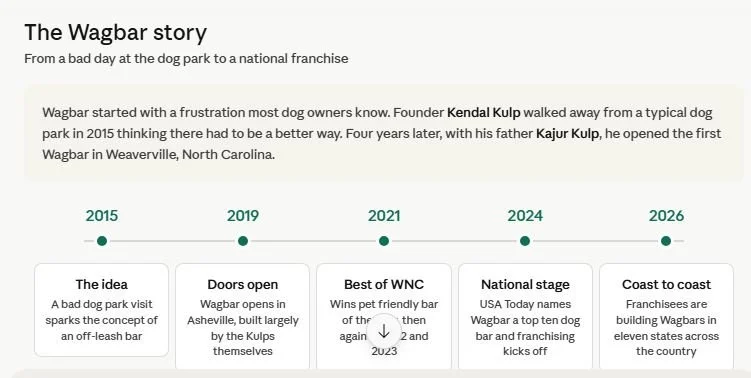
Research, insurance industry data, and changing public attitudes have pushed away from breed-specific restrictions. The American Veterinary Medical Association, the Centers for Disease Control, and most major animal welfare groups now recommend behavior-based screening over breed-based exclusions. Many states have passed legislation prohibiting breed-specific local ordinances, and insurance carriers increasingly underwrite based on individual claim history rather than breed lists. Wagbar's off-leash dog bar concept was built around this behavior-first approach from day one in 2019.
Wagbar's Position: All Breeds Welcome with Behavior-Based Screening
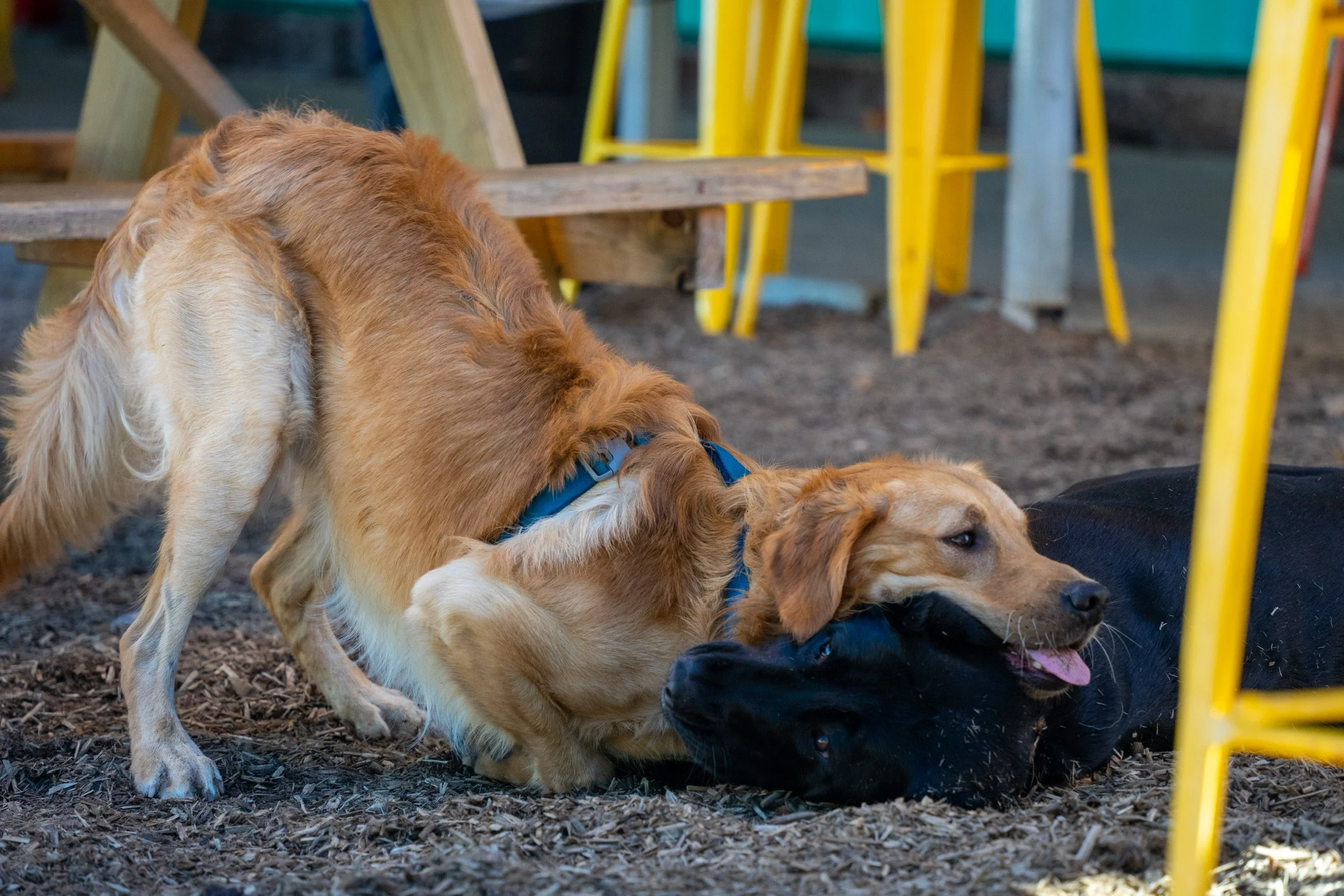
Wagbar accepts all breeds and all sizes of dogs at every location. This is a documented brand position stated openly on the Wagbar FAQ and reinforced at every membership signup. The reasoning is straightforward: a Pit Bull mix raised in a calm household with strong recall and steady temperament is a better fit for an off-leash play yard than a poorly socialized dog of any other breed.
What replaces breed restrictions is a behavior-based screening process that every dog must pass to enter the play yard. The process starts at sign-up and continues every visit, because behavior changes over time and across contexts. A dog that played well last summer may need a different approach this winter, and a young dog that was uncertain on first visits often becomes a great regular six months later.
The Core Entry Criteria for Every Dog
Every dog entering a Wagbar play yard must meet four documented criteria before staff allows entry. Current vaccinations for Rabies, Bordetella, and Distemper are verified at first visit and confirmed periodically thereafter. Minimum age of six months ensures dogs have completed their core puppy vaccinations and have basic socialization skills. Spayed or neutered status removes hormone-driven aggression and reduces in-yard conflict. No history of aggressive behavior is confirmed through owner self-reporting at signup.
These four criteria are non-negotiable across every Wagbar location, including the Asheville and every franchise location. Documented criteria like these protect everyone in the yard, lower the underlying frequency of incidents that drive insurance claims, and give planning departments and insurance carriers a written standard to review during licensing and underwriting. The rules don't change based on breed, size, or owner relationship.
How Owner-Reported Behavior History Works
The behavioral screening process leans heavily on owner self-reporting at first visit. Owners answer questions about their dog's history with other dogs, any prior incidents at dog parks or daycares, current training level, and any known triggers. This is straightforward, and most owners answer honestly because they want their dog to have a positive first visit.
Self-reported information is supplemented by staff observation in the first several visits. Staff watch how the dog enters the yard, how it greets other dogs, how it handles play that gets rough, and how it responds to recall from the owner. The staffing and operations practices Wagbar uses include trained yard monitors who know how to read warning signs early and intervene before situations escalate. Owners receive feedback, and rare cases that need follow-up are handled in private rather than in front of other guests.
Active Staff Supervision and the Zero-Tolerance Standard
Every Wagbar yard is monitored by trained staff during operating hours. Staff supervision is the single most important variable in keeping a yard safe, because even well-screened dogs can have off days. The zero-tolerance standard for aggression applies equally to dogs and humans, and is one of the brand's most consistent operating standards across the network.
Zero tolerance does not mean dogs are removed for any reason. It means staff intervene immediately when warning signs appear, separate dogs that aren't getting along, and ask owners to leave when behavior crosses defined thresholds. The franchise training program covers exactly how to read warning signs, how to intervene without escalating the situation, and how to communicate decisions to owners with respect. New franchisees go through this in their one-week training in Asheville before opening day.
How to Handle Local Breed-Specific Legislation Where It Exists
Some cities and counties still have breed-specific legislation on the books, even though many states have moved to ban such ordinances. Where local breed-specific legislation exists, franchisees follow the law. That can mean requiring proof of liability coverage at higher limits for certain breeds, posting required signage, or registering certain dogs with the city before allowing entry.
Local breed-specific legislation is something to verify during site selection, because it can affect the customer base and the operating model. Wagbar's franchise system helps prospective owners review local ordinances during site selection and flag any rules that change the operating profile. Where legislation conflicts with Wagbar's all-breeds-welcome policy, the local law takes priority on the parcel where the location operates, but the broader brand stance remains consistent.
How Insurance Underwriters Evaluate Behavioral Screening
Insurance carriers writing care, custody, and control coverage for off-leash dog bars look closely at written screening protocols, vaccination verification, staff training, and incident-response procedures. Underwriters increasingly accept behavior-based screening as the modern standard, but they want documentation. Verbal policies don't count.
Documented screening protocols typically improve pricing on liability and animal bailee lines because they reduce claim frequency. Wagbar's documented screening process across the Asheville flagship and franchise locations gives new owners a written program to share during quoting, which often translates to better first-year terms than starting from scratch. Carriers also reward documented incident-response procedures, because how a business handles an incident affects litigation costs as much as how it prevents one.
Training Dogs Toward Off-Leash Readiness Before First Visit
Owners sometimes want their dog to attend a Wagbar location before the dog is actually ready for an off-leash group setting. Wagbar staff can identify these cases during early visits and recommend specific training steps before returning. This protects the dog, the other dogs in the yard, and the owner from a frustrating first experience.
Common readiness gaps include weak recall, lack of dog-to-dog socialization experience, anxiety in new environments, or specific resource-guarding behaviors. The off-leash training checklist Wagbar publishes walks owners through the specific skills a dog needs before joining a group setting. For dogs that need more support, staff often recommend working with a certified positive-reinforcement trainer before returning. Dogs and owners both benefit from coming back when the dog is ready, rather than pushing through a setting that doesn't work yet.
How Wagbar's Franchise Model Standardizes Screening Across Locations
A consistent screening protocol across every location is part of what makes the brand work. A regular guest who visits the Weaverville location and then visits a future franchise in Charleston, Phoenix, or Long Beach should encounter the same vaccination rules, the same age and alteration standards, the same yard supervision model, and the same response to behavioral concerns. Standardization protects guests, protects dogs, and protects the brand's reputation as the network grows.
Franchisees inherit the documented protocols as part of the franchise package. They also receive ongoing updates as the brand refines its operating model based on data from across the network. Wagbar's network of franchisees in markets like Richmond, Knoxville, Cincinnati, and Phoenix shares feedback on what's working in different community contexts, which keeps the screening protocols current. The Wagbar franchise model has an initial franchise fee of $50,000 and an estimated initial investment between $470,300 and $1,145,900 depending on market and build-out scope.
How Behavioral Issues Are De-Escalated and Resolved
Even with strong screening, occasional behavioral issues happen. The Wagbar approach to de-escalation has three steps. Immediate separation removes the dogs involved from each other and from the broader group. Private communication with the owners follows, away from other guests, focusing on what staff observed and what comes next. Documentation captures the incident in the location's records, which informs future visits and supports any insurance reporting if needed.
Most de-escalations end with the dogs returning to the yard the same day after a brief separation. A smaller number end with the dogs leaving for the day with a plan for next steps. The smallest number end with a permanent revocation of membership, which only happens after extreme or repeated incidents. The walkthrough for starting an off-leash dog bar business covers the full incident response process franchisees train on, including how to write defensible documentation that protects the business and respects the owners involved.
Frequently Asked Questions
Does Wagbar restrict any specific breeds?
No. Wagbar accepts all breeds and all sizes at every location. The brand position is that individual dog behavior matters more than breed identity, and the screening process focuses on behavior, vaccination status, age, and alteration. This applies to the Weaverville flagship and to every Wagbar franchise location.
What if a dog has a history of aggression?
Dogs with a history of aggressive behavior, as reported by their owners, are not accepted as members. This is verified during signup. If a dog without prior history shows extreme or repeated aggressive behavior at the location, staff will intervene, ask the dogs and owners to leave, and may revoke membership in serious cases.
What happens during a dog's first visit to Wagbar?
First-time guests check in at the bar, present vaccination records, complete the membership or day pass paperwork, and receive a brief introduction to yard rules. Staff watch the dog's first 10 to 15 minutes carefully to confirm comfortable integration, and owners are expected to remain attentive during their visit.
Are puppies allowed at Wagbar?
Dogs must be at least six months old to enter a Wagbar play yard. This minimum exists because younger puppies are still completing their core vaccinations and don't yet have the social skills to handle a busy off-leash setting safely. Younger puppies can socialize through other channels until they reach the minimum age.
Does Wagbar require dogs to be spayed or neutered?
Yes. All dogs entering the play yard must be spayed or neutered. This rule reduces hormone-driven aggression, prevents mating behavior, and lowers in-yard conflict. The rule applies regardless of breed, age beyond the minimum, or any other factor.
Does breed-specific legislation in my city override Wagbar's policy?
Local law takes priority on the parcel where a location operates. If the city or county has breed-specific legislation that requires extra steps for certain breeds, the local Wagbar location follows that law. The broader brand position remains all breeds welcome, but legal compliance is non-negotiable.
How does behavioral screening affect insurance pricing?
Documented screening protocols and active staff supervision typically improve pricing on liability and animal bailee coverage because they reduce claim frequency. Carriers want to see written rules, vaccination verification, and incident-response procedures. The Wagbar franchise system provides those documents to new franchisees before they meet with brokers.
What if my dog is anxious or unsure on the first visit?
Some dogs need more than one visit to feel comfortable in a new setting. Staff can help identify specific gaps, recommend training resources, or suggest visiting during quieter hours for the first few times. Many dogs that were uncertain on visit one become regulars within a few weeks once they get used to the rhythm.
Bottom TLDR

Off-leash dog bars handle breed restrictions and behavioral screening by replacing breed lists with behavior-based criteria: current vaccinations, minimum age, spay or neuter status, and no history of aggression. Wagbar applies this standard across every location, supported by trained yard staff and documented incident response. Prospective franchisees should review local ordinances during site selection and rely on the franchise system's documented screening protocols to support both daily operations and insurance underwriting.
Behavior-first screening protects dogs, guests, the business, and the brand's standing in every community. It also matches where insurance underwriters, animal welfare professionals, and most state legislatures have already moved. Wagbar's franchise model gives prospective owners a documented standard, trained staff protocols, and a network of operating locations to draw on, which is what makes the all-breeds-welcome position practical at scale rather than just an aspirational statement.