

Hiring a Private Dog Walker for Individual or Small Group Socialization

Top TLDR: Hiring a private dog walker for individual or small group socialization provides controlled, supervised exercise that eliminates the unpredictability of chaotic public dog parks. Professional walkers offer structured routines with carefully matched companions (2-4 dogs maximum in groups), expert behavior management, and consistent training reinforcement at rates typically ranging from $20-35 per private 30-minute walk or $15-25 for small group sessions. Vet walkers thoroughly by verifying liability insurance, certifications, references, and conducting in-person meetings before committing to services.
Busy schedules and demanding careers leave many dog owners struggling to provide adequate daily exercise and socialization for their pets. Professional dog walkers offer reliable, consistent care that fills the gap between work commitments and your dog's needs, delivering controlled exercise and thoughtful social interactions that chaotic public dog parks simply can't match. The right dog walker becomes a trusted partner in your pet's health and happiness, providing structured routines, appropriate socialization, and the individual attention your dog deserves.
Finding the perfect dog walker requires understanding service models, vetting credentials thoroughly, setting clear expectations, and evaluating how different walking styles match your dog's personality and needs. This guide walks you through every aspect of hiring professional dog walking services, from initial screening through establishing long-term working relationships that benefit both you and your dog.
Understanding Professional Dog Walking Services
Professional dog walkers range from independent solo practitioners to established pet care companies with teams of employees. Solo walkers often build strong personal relationships with their clients and dogs, offering consistency through single-handler service. Larger companies provide backup coverage when your regular walker is unavailable but may rotate different staff members through your dog's schedule. Each model offers distinct advantages depending on your priorities around consistency, flexibility, and service reliability.
Service structures vary from private one-on-one walks focused entirely on your individual dog to small group walks where 2-4 compatible dogs exercise together. Private walks deliver undivided attention, allowing walkers to focus on training reinforcement, specific exercise goals, or managing dogs who need individualized care. Small group formats provide controlled socialization opportunities with carefully screened playmates while costing less than private sessions.
Walking styles differ significantly between providers. Some walkers prioritize distance and physical exercise, covering 2-3 miles per session at brisk paces. Others emphasize enrichment walks with frequent sniff breaks, exploration opportunities, and environmental engagement that provides mental stimulation alongside physical activity. Understanding which approach best serves your dog's needs helps you select appropriate services from the start.
Benefits Over Chaotic Public Dog Parks
Public dog parks present unpredictable environments where dog behavior, owner supervision, and safety protocols vary wildly from visit to visit. Professional dog walkers eliminate these variables by controlling group composition, maintaining consistent behavioral standards, and providing expert supervision throughout every interaction. This structured approach prevents negative experiences that can set back training or create lasting behavioral issues.
The controlled environment of supervised spaces allows dogs to practice social skills without being overwhelmed by chaotic free-for-alls. Professional walkers understand canine body language, recognizing stress signals, play styles, and warning signs before situations escalate into conflicts. This expertise prevents the negative interactions that frequently occur in unsupervised park environments where owners miss critical communication signals.
Small group walks with professional supervision provide socialization benefits while minimizing risks associated with large, uncontrolled groups. Walkers carefully match compatible dogs based on size, energy level, play style, and temperament, ensuring positive interactions that build confidence rather than creating fear or aggression. This thoughtful pairing process creates opportunities for genuine friendship development between dogs who genuinely enjoy each other's company.
Professional services particularly benefit reactive dogs who struggle in public dog park settings. Experienced walkers use structured exposure techniques, maintaining safe distances from triggers while gradually building positive associations with other dogs. This controlled desensitization approach supports behavior modification programs in ways that chaotic park environments actively undermine.
Essential Vetting and Screening Criteria
Thoroughly vetting potential dog walkers protects both your pet's safety and your peace of mind. Start by verifying basic business credentials including liability insurance coverage (minimum $1 million recommended), bonding to protect against theft or damages, and business licenses required in your area. Request proof of insurance and confirm coverage includes both care, custody, and control provisions specific to pet care services.
Professional certifications demonstrate commitment to the industry beyond simply loving dogs. Look for credentials from Pet Sitters International, National Association of Professional Pet Sitters, or specialized training in dog behavior and first aid. Certifications in pet CPR and first aid particularly matter when your dog will be off your property under someone else's supervision. Ask about continuing education and professional development activities that keep walkers current on best practices.
Background checks and reference verification provide insight into reliability and trustworthiness. Request at least three references from current clients and follow up with phone calls rather than just accepting written testimonials. Ask references specific questions about punctuality, communication, emergency handling, and overall satisfaction rather than general "would you recommend" questions that yield less useful information.
Meet potential walkers in person with your dog present before committing to services. Observe how they interact with your pet, whether they respect boundaries, and how they handle basic obedience commands. Professional walkers should ask detailed questions about your dog's history, health issues, behavioral concerns, and training goals rather than treating every dog identically. This interview also lets you assess communication style and whether personalities mesh well for long-term working relationships.
Group Size Limits and Composition Standards
Professional standards recommend maximum group sizes of 4-6 dogs per walker depending on individual dogs' needs and walking environment. Smaller groups (2-3 dogs) allow more individualized attention and easier behavior management, particularly important for puppies, seniors, or dogs with special needs. Larger groups require exceptional skill to manage safely and may not suit every dog or situation despite being more cost-effective.
Group composition matters as much as size when determining appropriate walking services. Responsible walkers carefully consider size ratios, ensuring large dogs don't accidentally injure smaller companions during play. A 70-pound Labrador and a 10-pound Chihuahua shouldn't share small group walks regardless of how friendly both dogs are. Energy level matching prevents frustrated high-drive dogs from overwhelming calmer companions or anxious dogs from being overwhelmed by boisterous playmates.
Temperament assessment should precede any group placement decisions. Professional walkers conduct trial periods where new dogs join established groups gradually, observing interactions carefully before confirming permanent placement. Dogs showing aggression, extreme fear, or resource guarding behaviors may need private walks rather than group settings regardless of owner preferences. Good walkers prioritize safety over maximizing group sizes or accommodating every client request.
Age-appropriate grouping protects both puppies and senior dogs from inappropriate play intensities. Young puppies still developing social skills benefit from carefully controlled exposure to adult dogs with proven gentle temperaments. Senior dogs appreciate calmer walking companions who respect lower energy levels and potential mobility issues. Multi-generational groups can work when all participants understand and respect varying capabilities.

Different Walking Styles and Approaches
Traditional neighborhood walks focus on covering distance at steady paces, providing cardiovascular exercise and bathroom opportunities. These 30-60 minute sessions typically follow consistent routes, visiting the same areas repeatedly to build familiarity and routine. This approach works well for dogs who need reliable exercise but don't require extensive enrichment or specialized behavioral work. Routes usually incorporate residential streets, sidewalk paths, and occasional park visits.
Enrichment-focused walks prioritize mental stimulation through varied environments, frequent sniff breaks, and exploration opportunities. Walkers using this approach may cover less distance but provide significantly more cognitive engagement through changing routes, novel locations, and sensory experiences. This style particularly benefits intelligent breeds requiring mental challenges alongside physical exercise, helping prevent boredom-related behavioral problems in urban living situations.
Adventure walks take dogs to parks, trails, nature preserves, or other off-leash appropriate areas where they can experience varied terrain and natural environments. These excursions provide more intensive physical exercise while exposing dogs to wildlife scents, challenging footing, and diverse sensory experiences. Adventure-style services often require transportation in specialized pet vehicles and may cost significantly more than standard neighborhood walks while delivering premium experiences.
Training-integrated walks incorporate obedience practice, loose-leash walking reinforcement, and behavioral modification work throughout every session. Walkers following this model treat each outing as training opportunity, reinforcing commands, practicing impulse control, and addressing specific behavioral goals. This approach requires walkers with solid training knowledge and strong communication with owners about techniques, progress, and any behavioral concerns observed during walks.
Cost Structures and Service Pricing
Private dog walking rates typically range from $20-35 per 30-minute session or $30-50 per hour depending on your location and service provider. Major metropolitan areas command premium rates reflecting higher costs of living and operating businesses, while smaller communities generally offer more affordable pricing. Solo independent walkers often charge less than established companies with employee teams and higher overhead costs.
Small group walk pricing usually discounts private rates by 25-40%, recognizing shared walker attention across multiple clients. Typical small group rates range from $15-25 per 30-minute walk or $25-35 per hour. These savings make professional dog walking accessible to more owners while still providing supervised exercise and controlled socialization benefits. Group discounts may disappear for dogs requiring special handling or those who can't reliably coexist with other dogs.
Package pricing and subscription models reward client commitment through reduced per-walk rates. Weekly packages (5-7 walks) typically discount individual session pricing by 10-20%, while monthly unlimited subscriptions offer even greater savings for owners requiring daily service. Prepayment plans lock in rates and guarantee service availability during peak seasons when demand exceeds walker capacity.
Additional fees commonly apply for holiday scheduling, last-minute bookings, extended time requests, puppies requiring extra attention, and transportation to specialized locations. Weekend and holiday rates may increase 25-50% reflecting premium scheduling times. Early morning or late evening walks outside standard business hours also typically incur surcharges. Understanding fee structures upfront prevents surprise charges and helps you budget accurately for ongoing services.
Establishing Clear Expectations and Communication
Detailed service agreements protect both parties by documenting expectations, responsibilities, and procedures for common situations. Written contracts should specify exact service details including walk duration, frequency, group composition limits, pickup/dropoff logistics, and payment terms. Coverage of emergency procedures, authorized veterinary care limits, and cancellation policies prevents misunderstandings during stressful situations.
Key and access management requires careful planning to balance security concerns with service delivery needs. Options include providing physical keys, installing smart locks with access codes, using lockboxes, or arranging for walkers to arrive during times when someone is home. Whatever system you choose, document access procedures clearly and consider changing codes or locks when ending service relationships. Professional walkers should never share your keys or access codes with anyone else.
Communication preferences and reporting frequency vary widely between clients and service providers. Some owners want detailed daily updates with photos and written summaries while others prefer minimal contact unless issues arise. Establish expectations clearly regarding preferred communication methods (text, email, app notifications), response time expectations, and circumstances requiring immediate contact. Most professional services now use specialized apps providing GPS walk tracking, real-time updates, and photo sharing.
Emergency protocols deserve explicit discussion before services begin. Provide detailed veterinary contact information, authorize specific spending limits for emergency care, and clarify who should be contacted in various scenarios. Discuss how walkers handle sick or injured dogs, what constitutes a true emergency versus situations that can wait for owner consultation, and whether walkers are authorized to transport dogs to veterinary facilities. Document these decisions in writing to prevent confusion during actual emergencies.
Trial Periods and Evaluating Fit
Initial trial periods let you assess walker compatibility, service quality, and your dog's response before committing to long-term arrangements. Most professional services offer 1-2 week trial periods or initial packages of 3-5 walks allowing evaluation without major financial commitment. Use this time to observe punctuality, communication consistency, and how your dog responds to the new routine.
Watch for signs your dog enjoys their walker and walking sessions. Positive indicators include excitement when the walker arrives, willingness to go with them readily, returning home tired but happy, and maintaining good energy and behavior on non-walk days. Reluctance to leave with the walker, returning anxious or overstimulated, or behavioral deterioration suggests poor fit requiring service changes.
Pay attention to communication quality during trial periods. Professional walkers should provide detailed feedback about each walk including bathroom activities, energy levels, any concerning behaviors, and interactions with other dogs or people encountered. Photo updates and GPS tracking demonstrate transparency while giving you peace of mind about service delivery. Poor communication during trials predicts ongoing frustration and lack of information when you most need it.
Request specific feedback about your dog's behavior, needs, and how they compare to walker's experience with similar dogs. Good walkers should offer insights about your dog's personality, suggest enrichment ideas, and potentially identify issues you might not notice at home. This professional perspective adds value beyond simple exercise provision and indicates genuine engagement with your dog's wellbeing rather than treating walking as purely transactional service.

Managing Multiple Dogs and Household Dynamics
Multi-dog households face unique challenges when hiring professional walking services. Some dogs walk beautifully together while others need separate sessions to prevent conflicts, leash tangles, or competitive behaviors. Professional walkers should evaluate your dogs together before recommending group or individual walks, observing interactions, leadership dynamics, and whether personalities complement or clash.
Household pack dynamics may change when dogs leave together versus separately for walks. Some anxious dogs relax when separated from pushier pack mates, while others become distressed without their companion. Similarly, dominant dogs may behave better when not trying to control other household members, or may become more reactive without familiar pack support. Trial periods should test different configurations to find optimal arrangements.
Pricing for multiple household dogs usually includes sibling discounts reflecting efficiencies of serving multiple pets at one address. Discounts typically range from 10-20% for the second dog and additional reductions for three or more pets. Some walkers cap group sizes regardless of household size, requiring separate walks for larger dog families even when all dogs could theoretically walk together.
Behavioral considerations sometimes necessitate separate services despite household membership. If one dog shows aggression, extreme reactivity, or dramatically different exercise needs, individual walks may serve everyone better. Age-related needs might also dictate separation, with elderly dogs requiring shorter, gentler walks than young, energetic pack mates. Resist pressuring walkers to accommodate configurations that compromise any dog's safety or experience quality.
Complementing Professional Walking with Other Services
Dog walking services integrate well with complementary pet care offerings creating comprehensive support for busy owners. Many professional walkers also provide pet sitting, feeding visits, or medication administration, allowing single-point contact for all pet care needs. Bundling services often yields pricing discounts while simplifying scheduling and communication logistics through unified service providers.
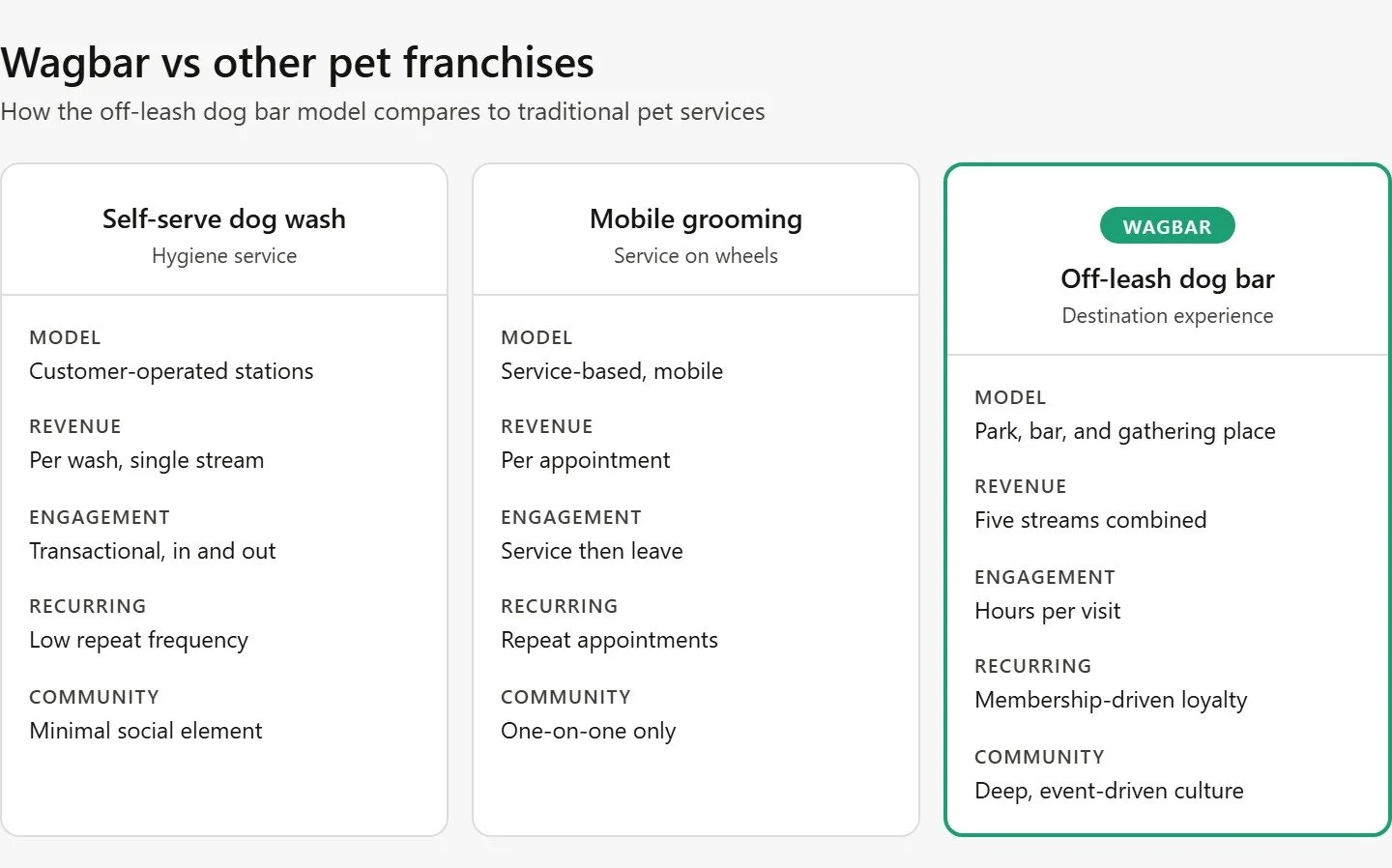
Professional off-leash dog parks complement private walking services by providing supervised group play in controlled environments. While daily walks handle routine exercise, weekly visits to professional facilities offer intensive socialization, varied play opportunities, and mental stimulation that walks alone can't provide. This combination ensures dogs receive both consistent daily care and special social experiences.
Training services pair naturally with professional dog walking when walkers have appropriate expertise. Some walkers offer training-focused sessions specifically designed to reinforce obedience, practice behavioral modification, or address specific issues. Even without specialized training services, good walkers support existing training programs by maintaining consistent command usage and rules during walks.
Combining professional services with owner-provided exercise and attention creates balanced care meeting all your dog's needs. Walking services handle midday exercise when you're at work, while you provide morning and evening activities, training sessions, and bonding time. This division lets you focus on relationship building and structured training while walkers ensure your dog doesn't spend 8-10 hours alone without bathroom breaks or exercise.
Building Long-Term Relationships
Successful long-term relationships with dog walkers require mutual respect, clear communication, and reasonable expectations from both parties. Treat your walker as a professional service provider rather than casual help, respecting their time, expertise, and business practices. Provide regular feedback about service quality, your dog's response, and any changing needs without micromanaging every detail.
Consistency in scheduling and expectations helps walkers provide better service while building stronger relationships with your dog. Frequent changes to walk times, duration, or special instructions create confusion and prevent development of comfortable routines. When changes are necessary, provide as much advance notice as possible and recognize that last-minute modifications may not always be accommodable.
Fair compensation and reasonable expectations support sustainable service relationships. Tipping 15-20% for exceptional service or during holidays shows appreciation for quality care. Understanding that walkers sometimes experience emergencies or need vacation coverage prevents resentment when occasional schedule changes become necessary. Flexible, understanding clients receive preferential treatment when walkers face capacity constraints or scheduling conflicts.
Regular check-ins beyond routine communication strengthen working relationships while ensuring ongoing alignment around goals and expectations. Schedule quarterly meetings to discuss your dog's development, any new concerns or needs, and whether current services still fit. These conversations let walkers share observations about your dog's behavior, health, or changing needs that you might not notice during brief daily interactions.
Red Flags and When to Change Services
Certain warning signs indicate problems requiring immediate attention or service changes. Consistent lateness or no-shows without advance notice demonstrates unreliability that will cause ongoing frustration. While occasional emergencies happen, patterns of poor punctuality suggest disorganization or overbooking that compromises service quality. Professional walkers respect your time and their commitments.
Poor communication or defensive responses to concerns signal potential problems in working relationships. Walkers should welcome feedback, address concerns seriously, and work collaboratively toward solutions. Dismissing your observations, making excuses rather than taking responsibility, or becoming hostile when questioned about service delivery suggests professional problems requiring service changes.
Physical or behavioral changes in your dog after walks may indicate problems with handling, supervision, or group dynamics. Injuries, unexplained fears, increased reactivity, or reluctance to go with the walker all warrant immediate investigation. While minor scrapes occasionally happen during outdoor activities, patterns of injuries or dramatic behavioral changes suggest inadequate supervision or inappropriate handling methods.
Evidence of policy violations including oversized groups, off-leash walking in inappropriate areas, or leaving dogs unattended requires immediate service termination. These breaches of trust compromise your dog's safety and potentially create liability issues. Professional walkers follow agreed-upon protocols consistently rather than taking shortcuts or making unauthorized decisions about your dog's care.
Making the Right Choice for Your Dog
Selecting the right dog walking service requires balancing multiple factors including your budget, your dog's individual needs, your scheduling requirements, and available service providers in your area. Start by defining your priorities around consistency, socialization opportunities, exercise intensity, and any special needs your dog has that require particular expertise or handling approaches.
Research multiple providers rather than hiring the first walker you find. Compare services, pricing, policies, and communication styles across several options to understand market standards and identify best fits. Read online reviews critically, recognizing that occasional negative reviews happen to every business but patterns of similar complaints indicate real problems. Schedule consultations with your top 2-3 choices before making final decisions.
Trust your instincts about walker-dog chemistry during initial meetings. Professional credentials and glowing references matter, but genuine connection between walker and dog remains essential for positive experiences. If your dog seems uncomfortable or the walker's communication style doesn't match your preferences, continue searching rather than settling for adequate-but-not-great matches.
Remember that perfect solutions rarely exist and some compromise may be necessary. The most affordable service might not offer the most personalized attention, while the most experienced walker might not have availability during your preferred times. Identify your non-negotiable requirements versus nice-to-have preferences, then select services meeting critical needs while accepting flexibility on lower-priority factors.
Frequently Asked Questions
How do I find reputable dog walkers in my area?
Start by asking your veterinarian, local pet stores, dog trainers, and fellow dog owners for recommendations. Search professional organizations like Pet Sitters International or National Association of Professional Pet Sitters for certified members in your area. Online platforms like Rover and Wag connect owners with walkers but require thorough vetting since platform screening varies. Local social media groups and neighborhood apps often yield trusted community recommendations.
What qualifications should professional dog walkers have?
Look for liability insurance (minimum $1 million), business bonding, pet first aid and CPR certification, and professional organization membership. Relevant experience with various breeds and behavioral issues matters more than generic animal-loving claims. Additional certifications in dog behavior, training methodologies, or specific handling techniques indicate commitment to professional development and industry best practices.
Should I choose private or small group walks?
Private walks suit dogs with special needs, reactive behaviors, intensive training requirements, or medical conditions requiring individualized attention. Small groups work well for social dogs benefiting from companionship, owners seeking more affordable options, and dogs needing controlled socialization practice. Consider your dog's personality, behavioral history, and your primary goals when deciding between service models.
How long should dog walks be?
Most healthy adult dogs benefit from 30-60 minute walks depending on breed, age, and energy level. High-energy breeds like Border Collies or Huskies may need 60-90 minutes while smaller or elderly dogs do well with 20-30 minutes. Urban dogs often need longer walks than those with yard access. Discuss your dog's specific needs with your walker.
What happens if my dog doesn't get along with group members?
Professional walkers should remove incompatible dogs from groups immediately, offering alternative scheduling with different companions or transitioning to private walks. Good services conduct trial periods specifically to identify compatibility issues before committing to long-term group arrangements. Never pressure walkers to continue problematic pairings as this compromises safety and creates negative experiences for all dogs involved.
How much should I tip my dog walker?
Tipping isn't required for regular service since you're paying agreed-upon rates, but 15-20% tips for exceptional care or during holidays show appreciation. Consider year-end bonuses equivalent to one week's service for long-term regular walkers. Cash tips immediately after service or digital tips through payment apps ensure walkers receive gratuities directly rather than losing portions to service platforms.
What information should I provide to my dog walker?
Provide comprehensive information including feeding schedules, medication requirements, behavioral quirks, fear triggers, training commands, veterinary contacts, and emergency authorization limits. Share details about leash manners, greeting behaviors, interactions with other dogs, and any health concerns. The more information walkers have, the better they can provide appropriate, individualized care.
Can dog walkers handle puppies?
Many professional walkers accept puppies but require different protocols than adult dogs. Puppies need shorter, more frequent walks (15-20 minutes 2-3 times daily), more potty breaks, and gentler socialization approaches. Expect higher rates reflecting additional attention requirements and potential for accidents. Verify walker experience with puppies and their approach to early socialization specifically.
What should I do if my dog walker cancels frequently?
Occasional cancellations for emergencies or illness happen with any service provider. Frequent cancellations (more than one monthly) indicate reliability problems requiring service changes. Professional walkers arrange backup coverage to minimize client disruption or provide advance notice allowing you to make alternative arrangements. Repeated last-minute cancellations justify finding more dependable services.
How do I end services if I'm not satisfied?
Review your service agreement for cancellation policies and required notice periods. Provide written notice via email detailing your decision and final service date. If terminating due to specific problems, briefly explain concerns professionally without excessive detail. Arrange return of keys or access devices and confirm final payment amounts. Professional walkers understand not every relationship works long-term and should handle terminations gracefully.
Bottom TLDR
Professional dog walking services deliver reliable daily exercise and controlled socialization through expert supervision, carefully matched small groups, and individualized attention your dog deserves. Hiring a private dog walker requires vetting credentials, establishing clear expectations, evaluating compatibility during trial periods, and building long-term relationships through fair compensation and consistent communication. Choose services matching your dog's personality, energy level, and behavioral needs while balancing budget constraints against quality care that prevents the negative experiences common in unsupervised public settings.